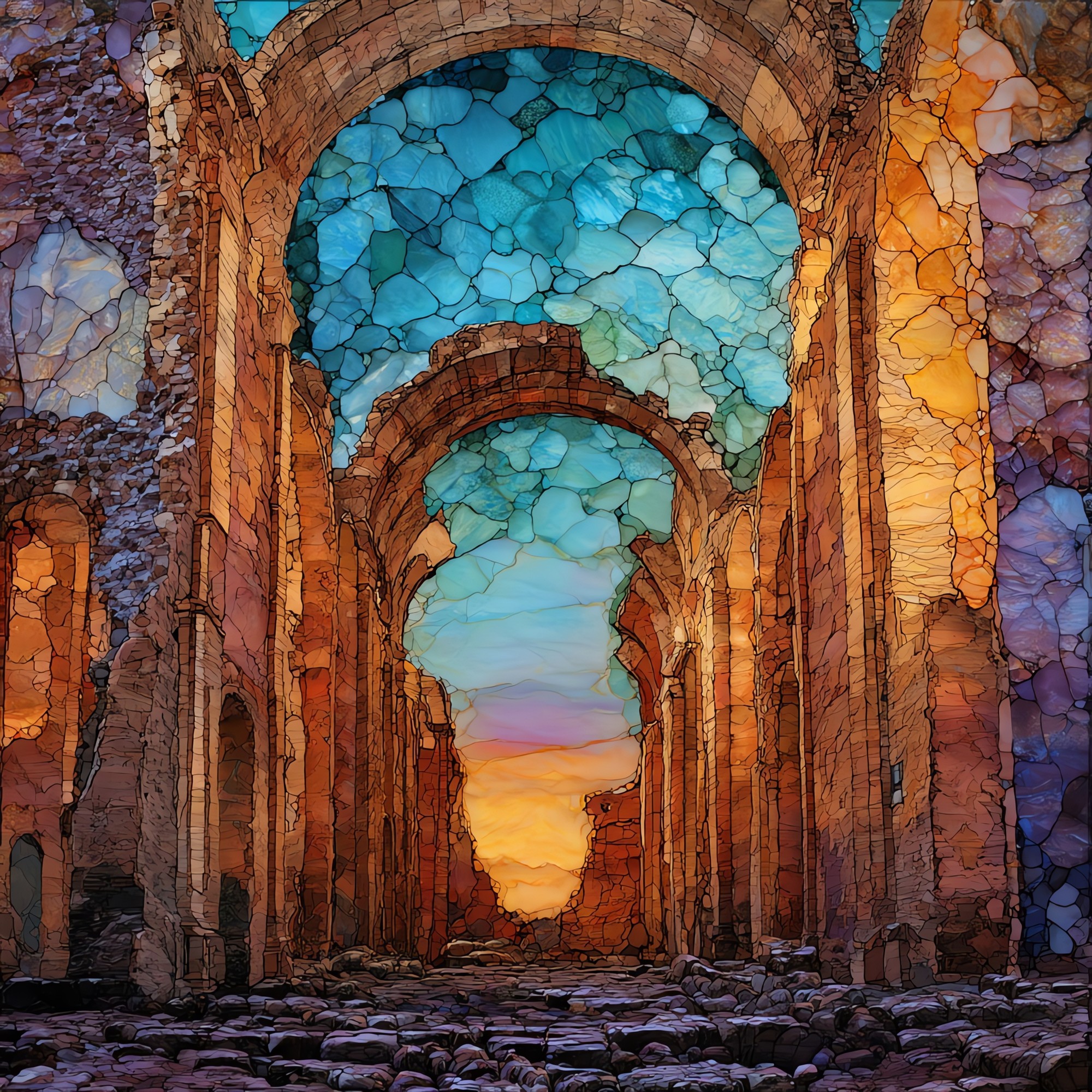
Baths of Caracalla
— the roof is gone, and the room still towers.
Not only on a wall.
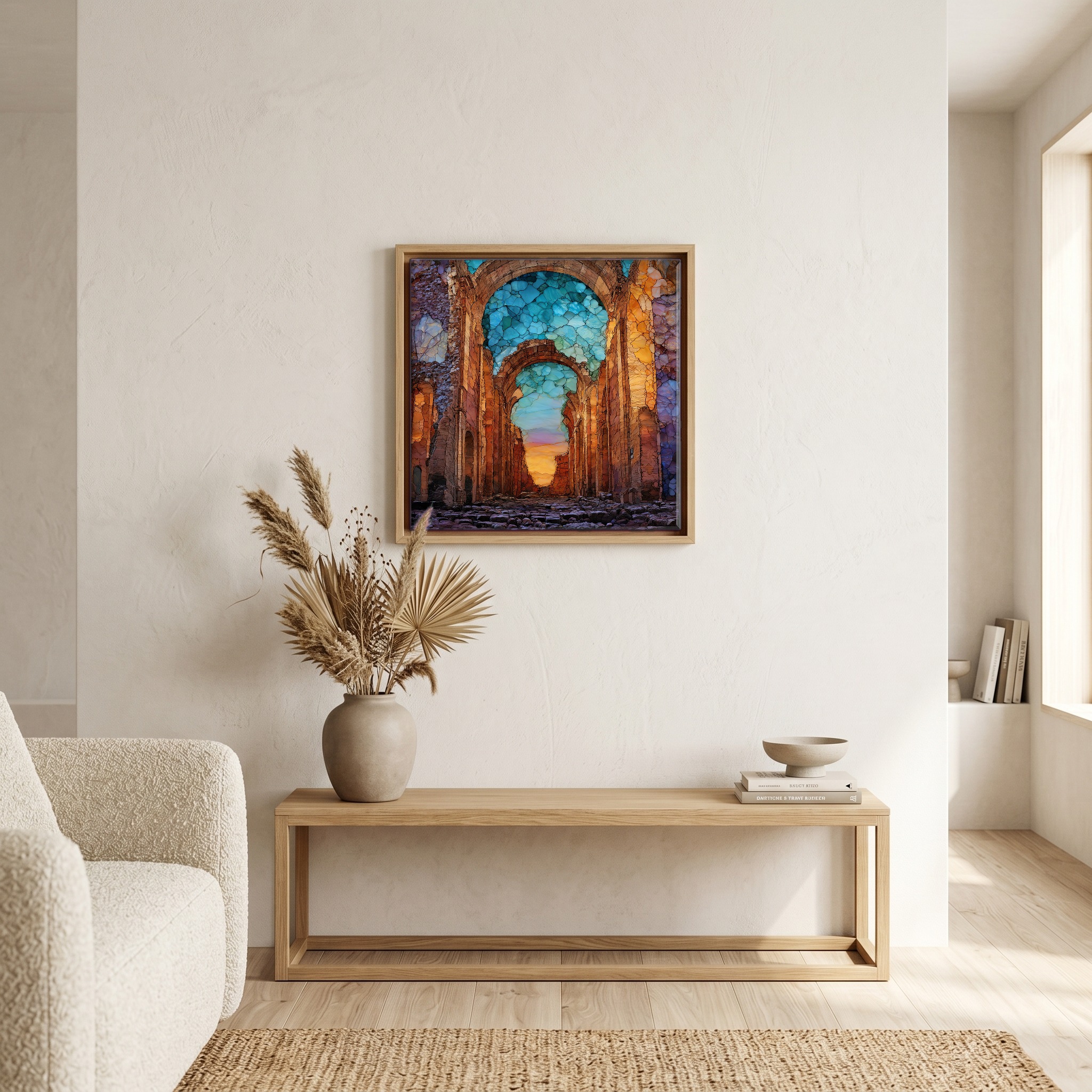
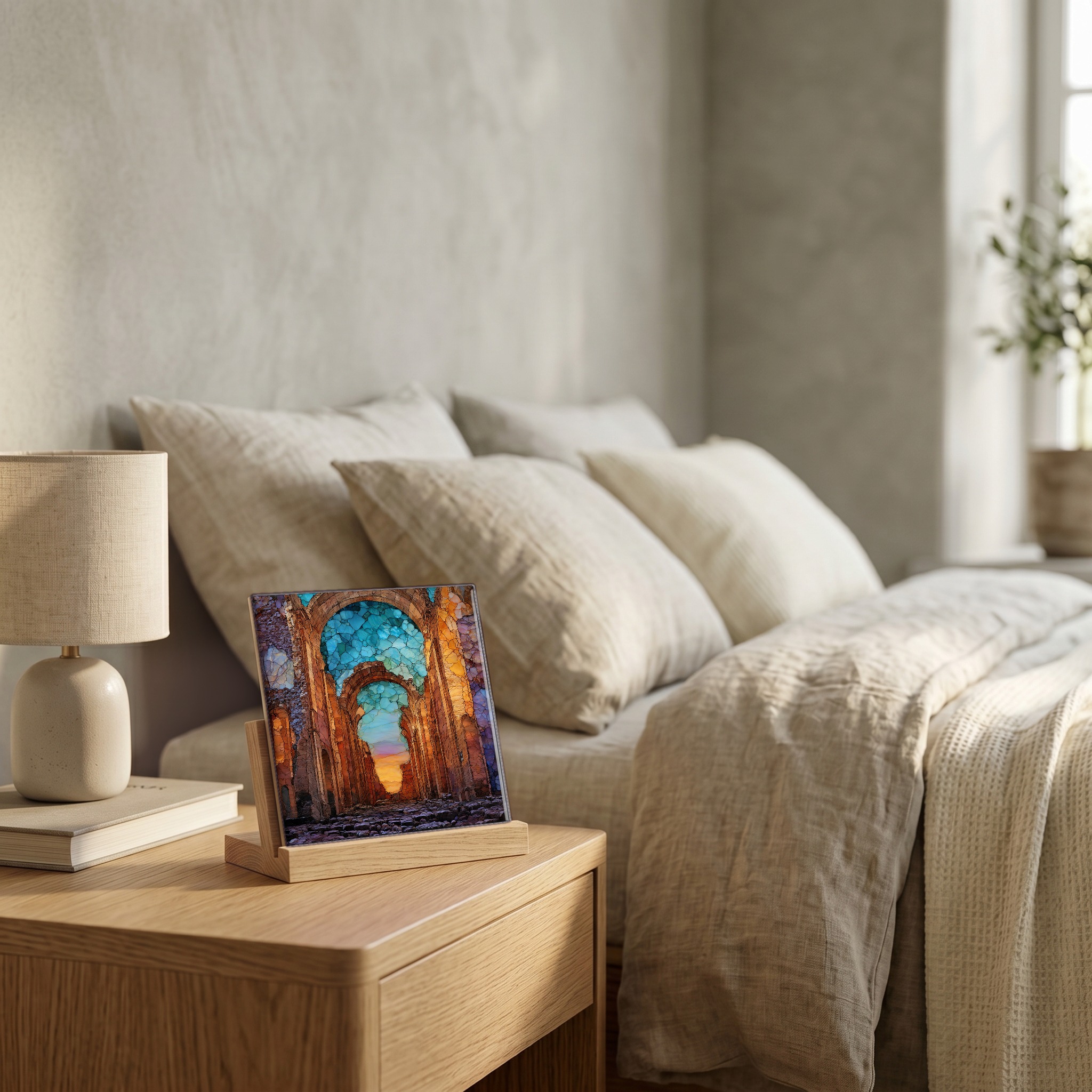
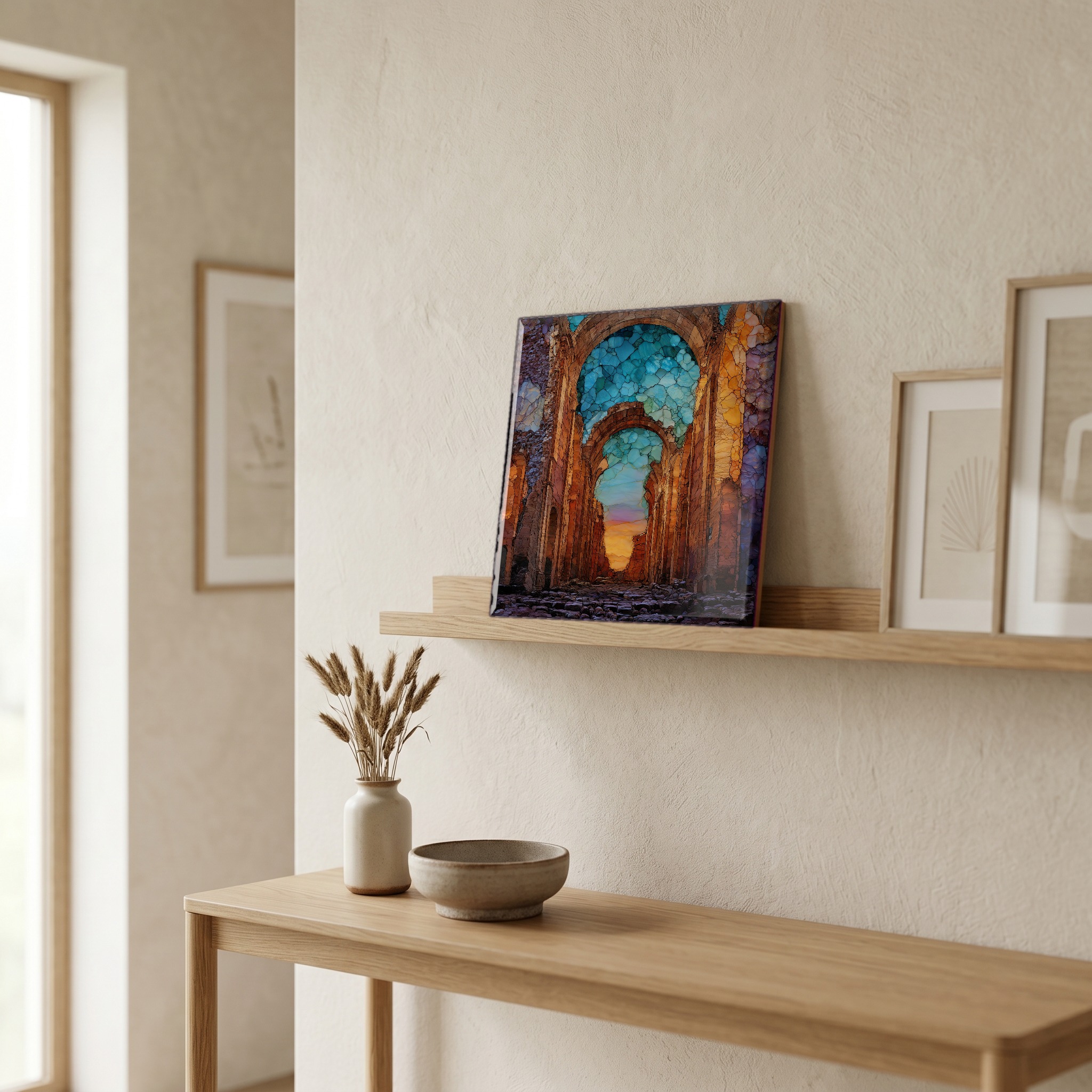
“A bath-house the size of a small town, built when Rome sent eight thousand people a day to wash. The roofs are long gone; what stands is brick. Walls so tall the arches open onto nothing but sky, the colour of old terracotta in late light. Athletes once trained where the grass is now. Each July the ruins fill again, this time with opera; the same walls that held the steam carry a soprano. Best in the last hour before the gates close, when the brick goes orange and the crowds thin.
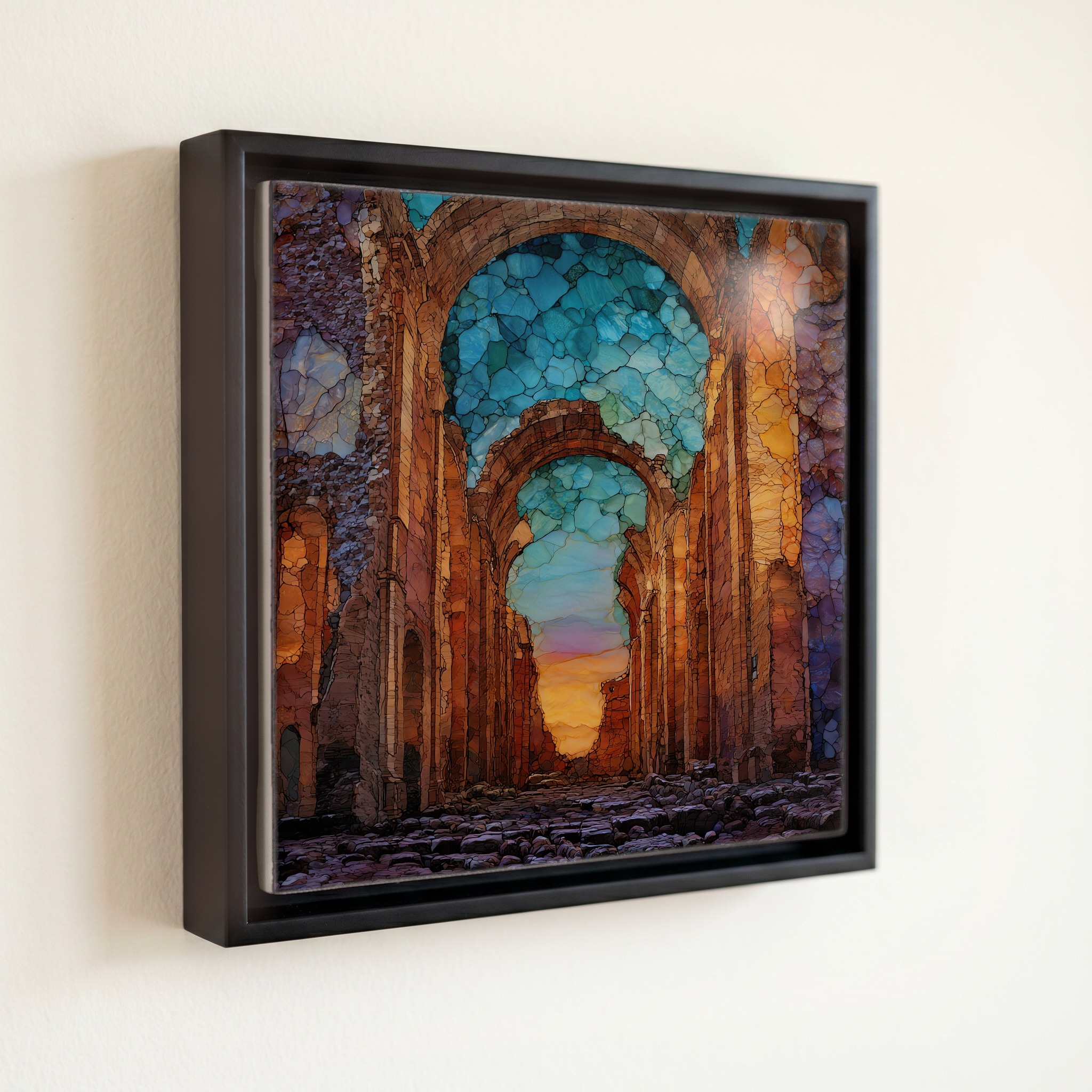
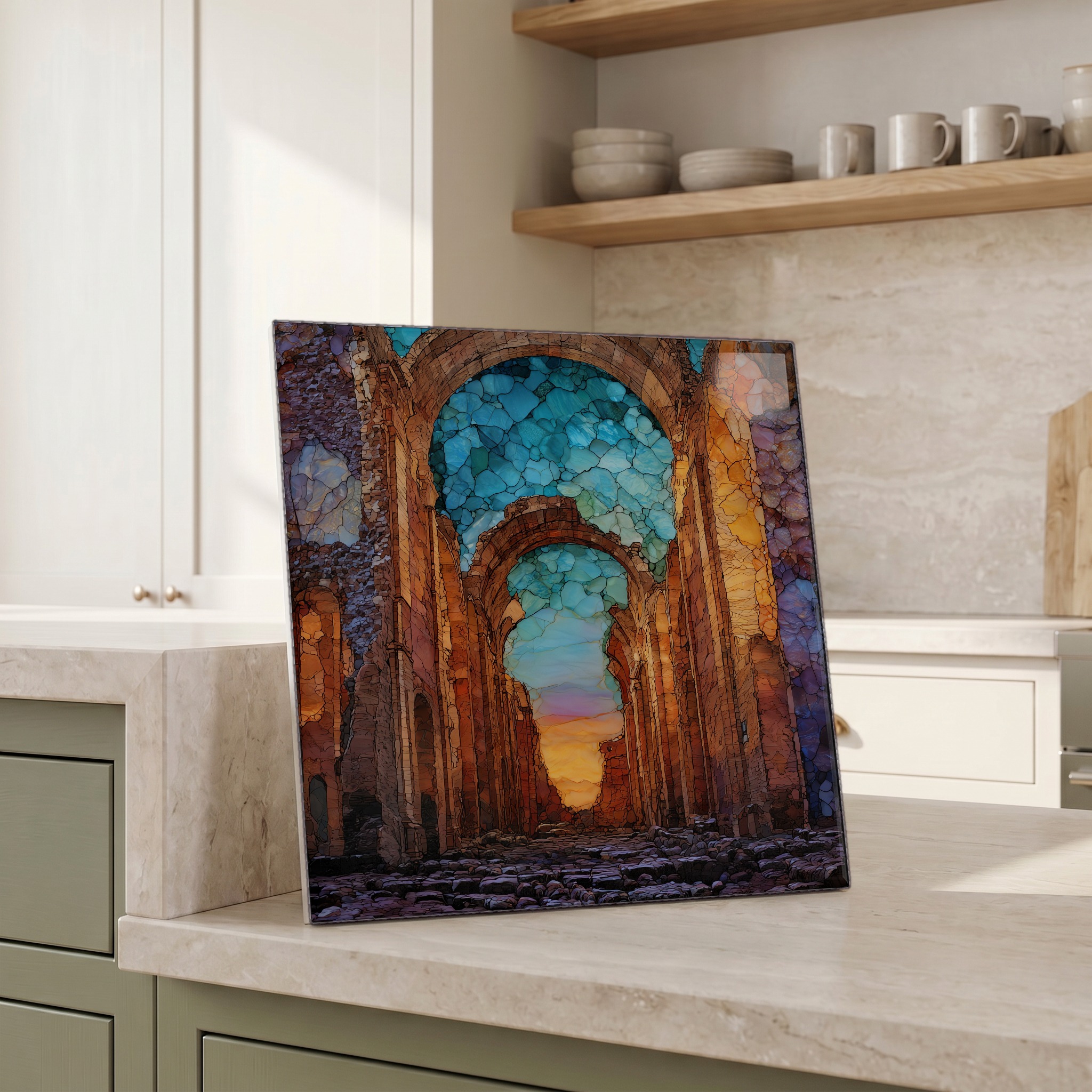
Baths of Caracalla, on ceramic.
Each tile is finished by hand in our Knoxville studio. Artwork is slowly infused into the ceramic surface under high heat and pressure, and rests beneath a thin glossy finish. The colour lives in the surface, not on top of it.
Pick any four 4-inch tiles — National Parks you've been to, a Smokies set, the four seasons of one place. $ for a set of , cork-backed, ready to live on the table.
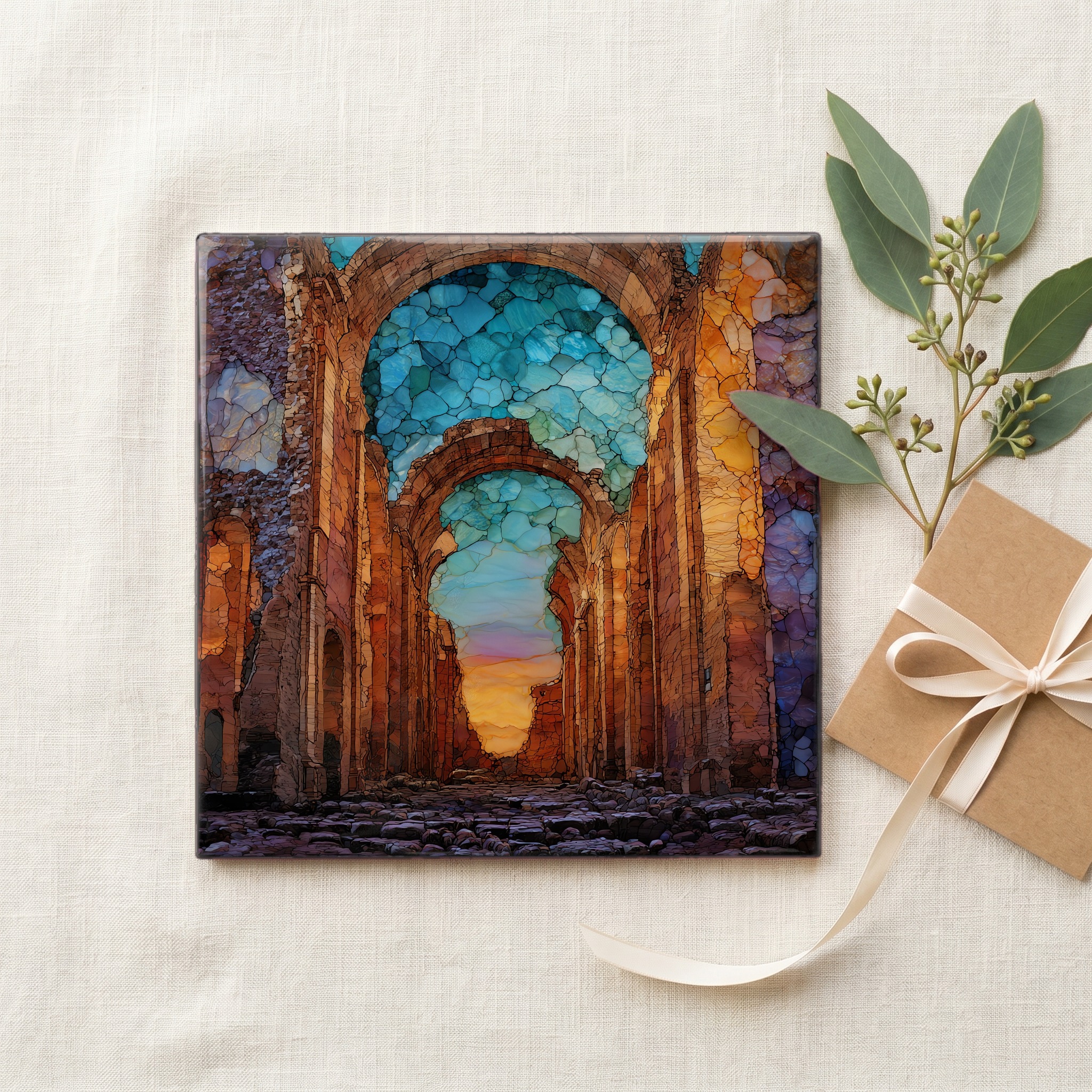
Each tile ships in a kraft box, tied with cream ribbon, with a handwritten note from the studio if you'd like to add one.
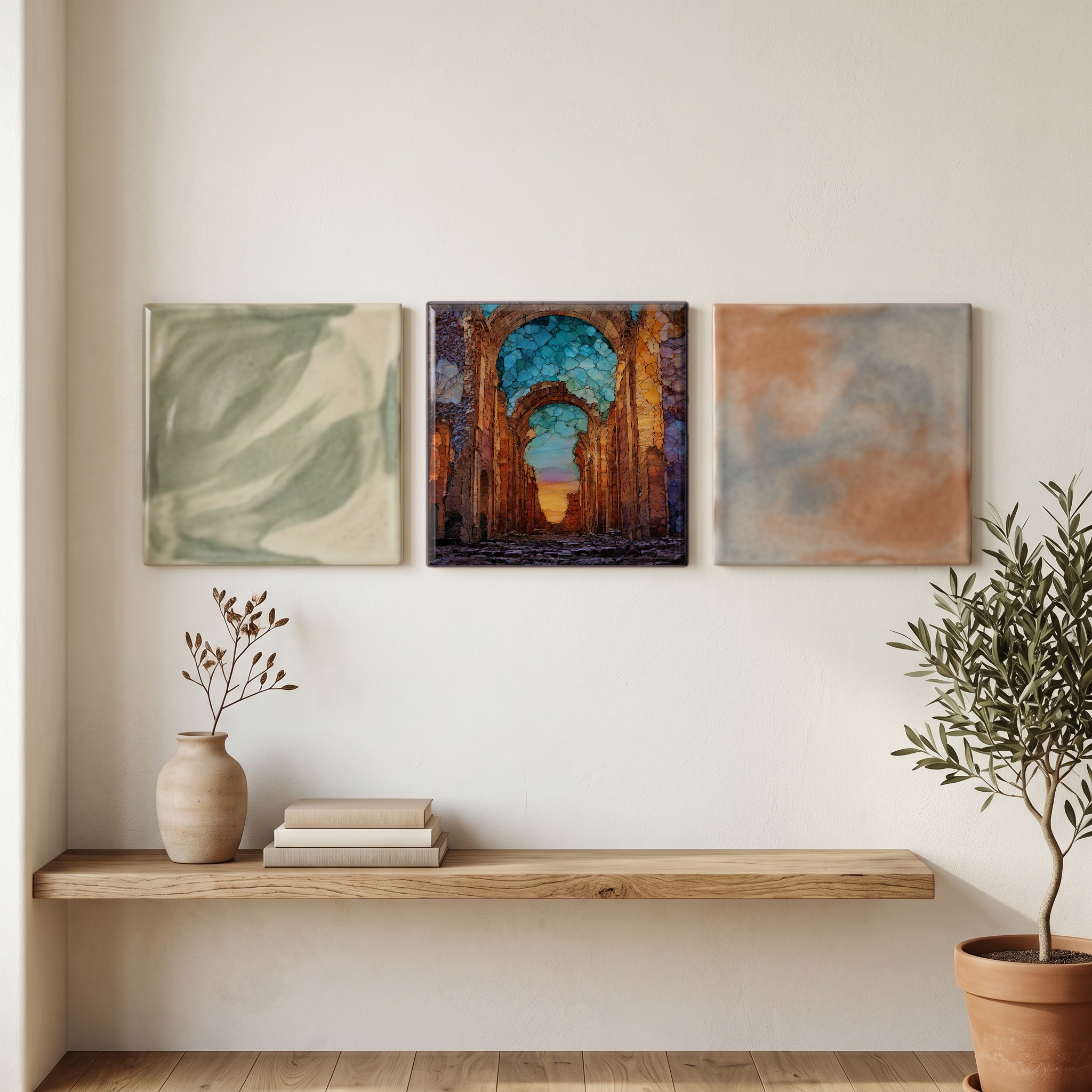
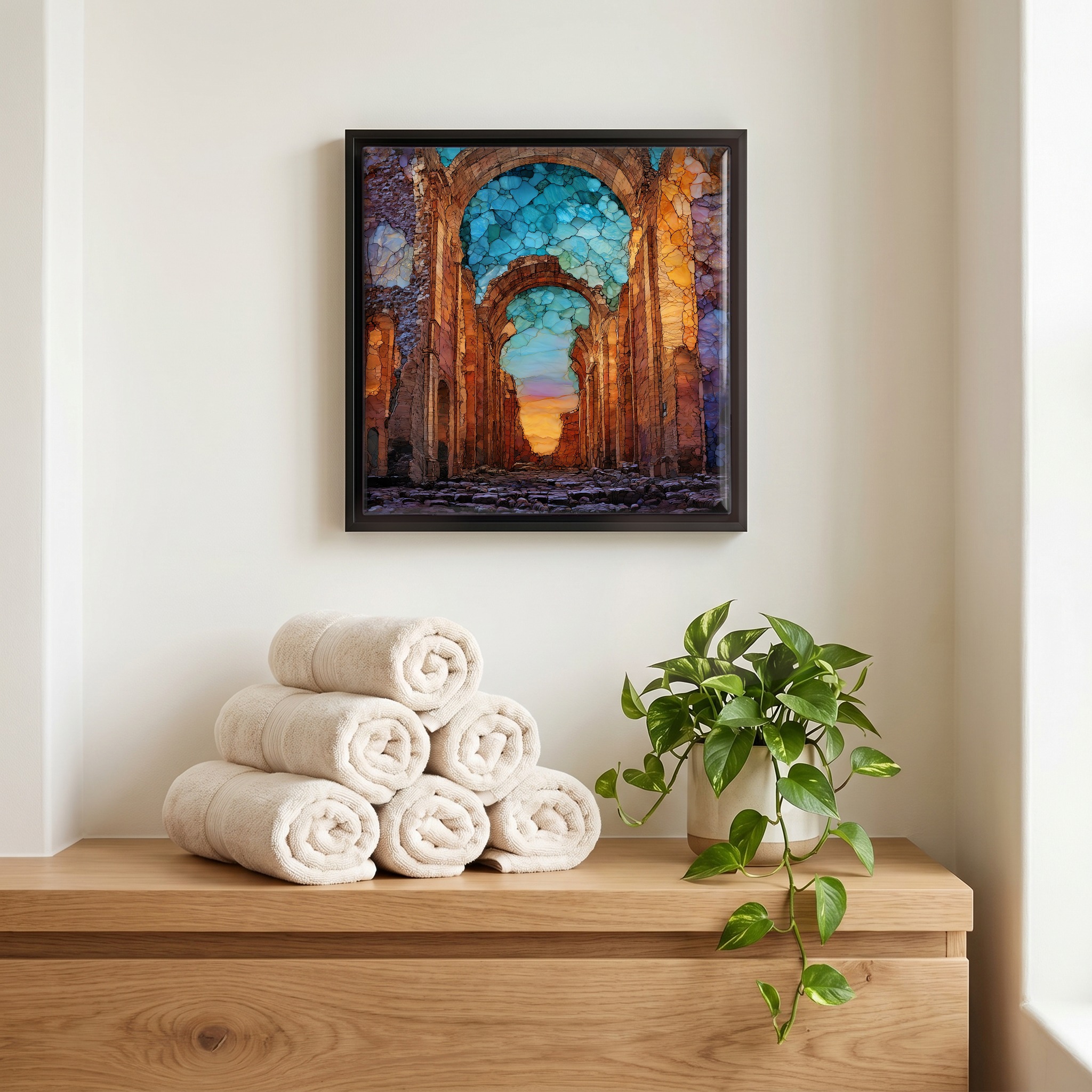
Three or five different vistas, hung together — a chapter of places you've been, or want to go.
The place, in three passes.
The Baths of Caracalla stand in southern Rome, between the Aventine and Caelian hills, a short walk south of the Circus Maximus and near the start of the ancient Via Appia. Their Roman name was the Thermae Antoninianae. The emperor Septimius Severus began the project around AD 212; his son Caracalla inaugurated the baths in 216, and work on the decoration continued under Elagabalus and Severus Alexander into the 230s. The complex covered roughly 25 hectares and could serve six to eight thousand bathers a day. Water arrived by a dedicated branch aqueduct, the Aqua Antoniniana, which filled eighteen cisterns along the southern wall. The baths ran until the 530s, when the Gothic Wars cut Rome's aqueducts and the halls fell dry.
What survives is mostly brick-faced concrete; the marble veneer, the columns, and the mosaic were stripped or carried off over the centuries. The central block ran about 228 metres long and rose some 38 metres at the vaults, so the standing walls still dwarf anyone crossing the grass below. The cold hall, the frigidarium, once held the Farnese Hercules, a colossal statue of the hero at rest leaning on his club, now in the National Archaeological Museum in Naples; the Farnese Bull, the largest sculptural group to survive from antiquity, came from the same complex. The floors were laid with black-and-white mosaics, some of them showing athletes, uncovered in the library exedrae in 1824.
The ruins open most days, from morning until late afternoon, with longer hours in summer; the site sits within the Appian Way archaeological zone, a short walk from the Circus Maximus. Each July and August the central halls become an open-air stage for the Teatro dell'Opera di Roma, a tradition that began here in 1937. On 7 July 1990, on the eve of the World Cup final in Rome, Luciano Pavarotti, Placido Domingo, and Jose Carreras sang together as the Three Tenors before tens of thousands and a worldwide broadcast. For most of the year, though, it is quiet: brick, grass, umbrella pine, and the noise of the modern city held off beyond the walls.