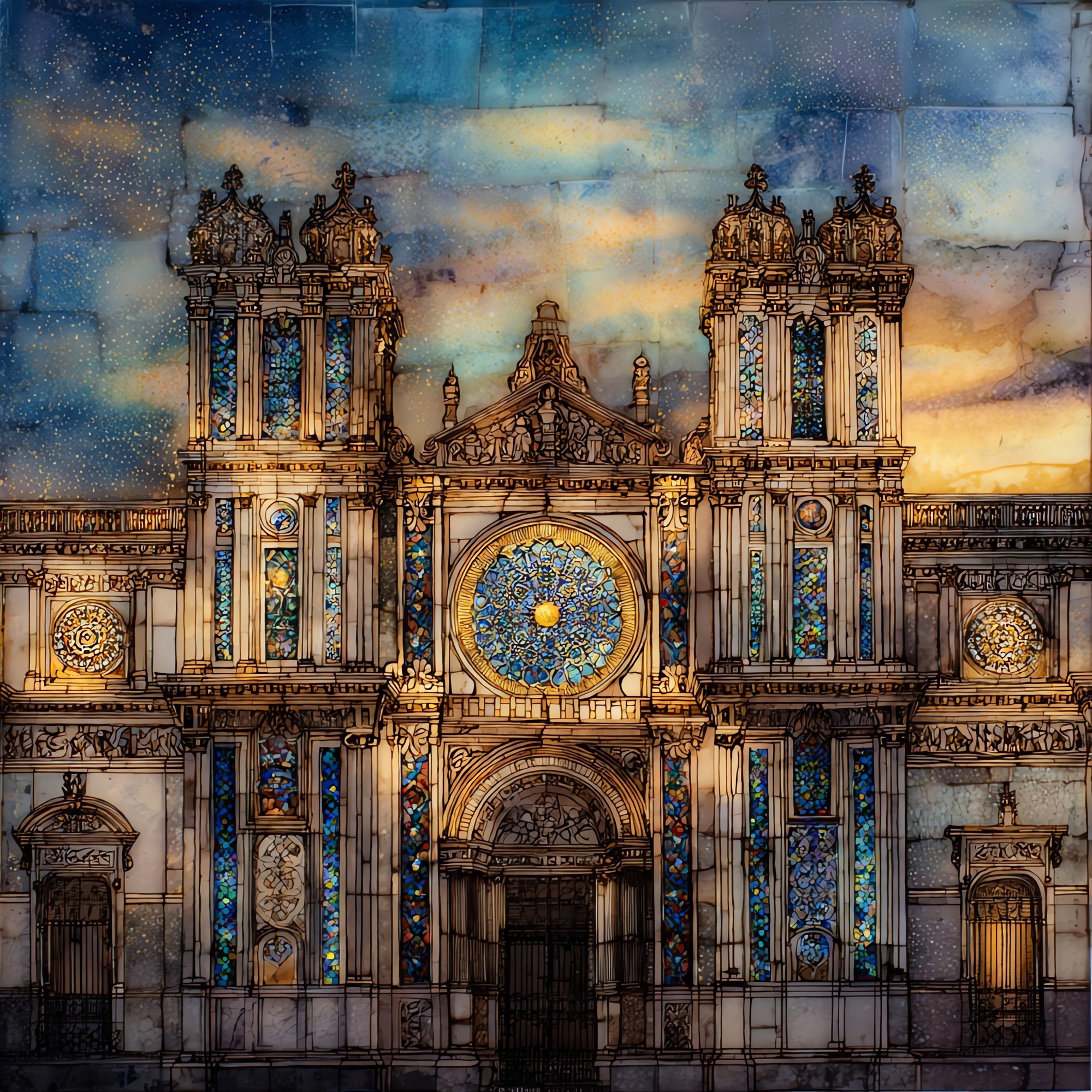
St John Lateran Basilica
— — the first of all the churches, still Rome's cathedral.
Not only on a wall.
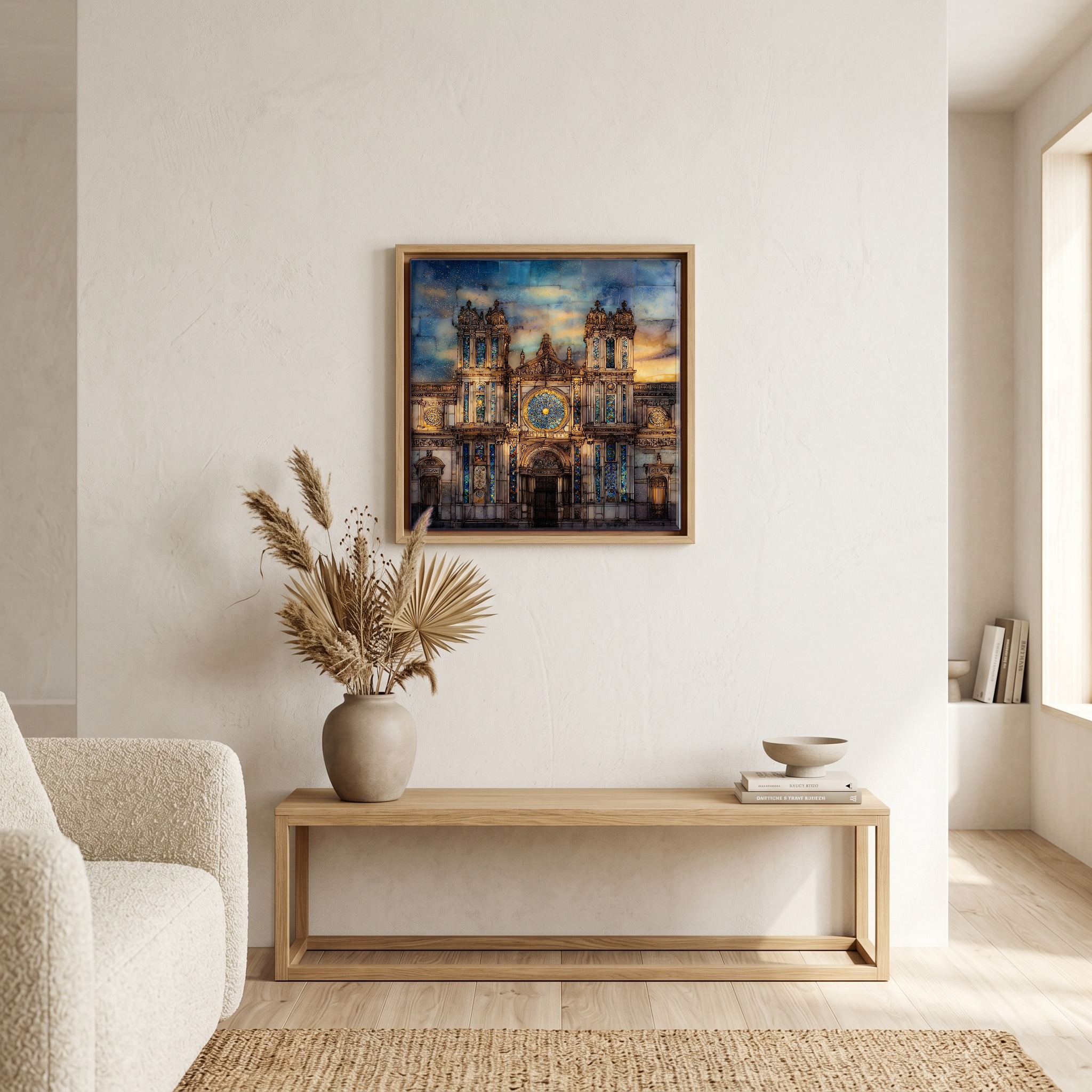
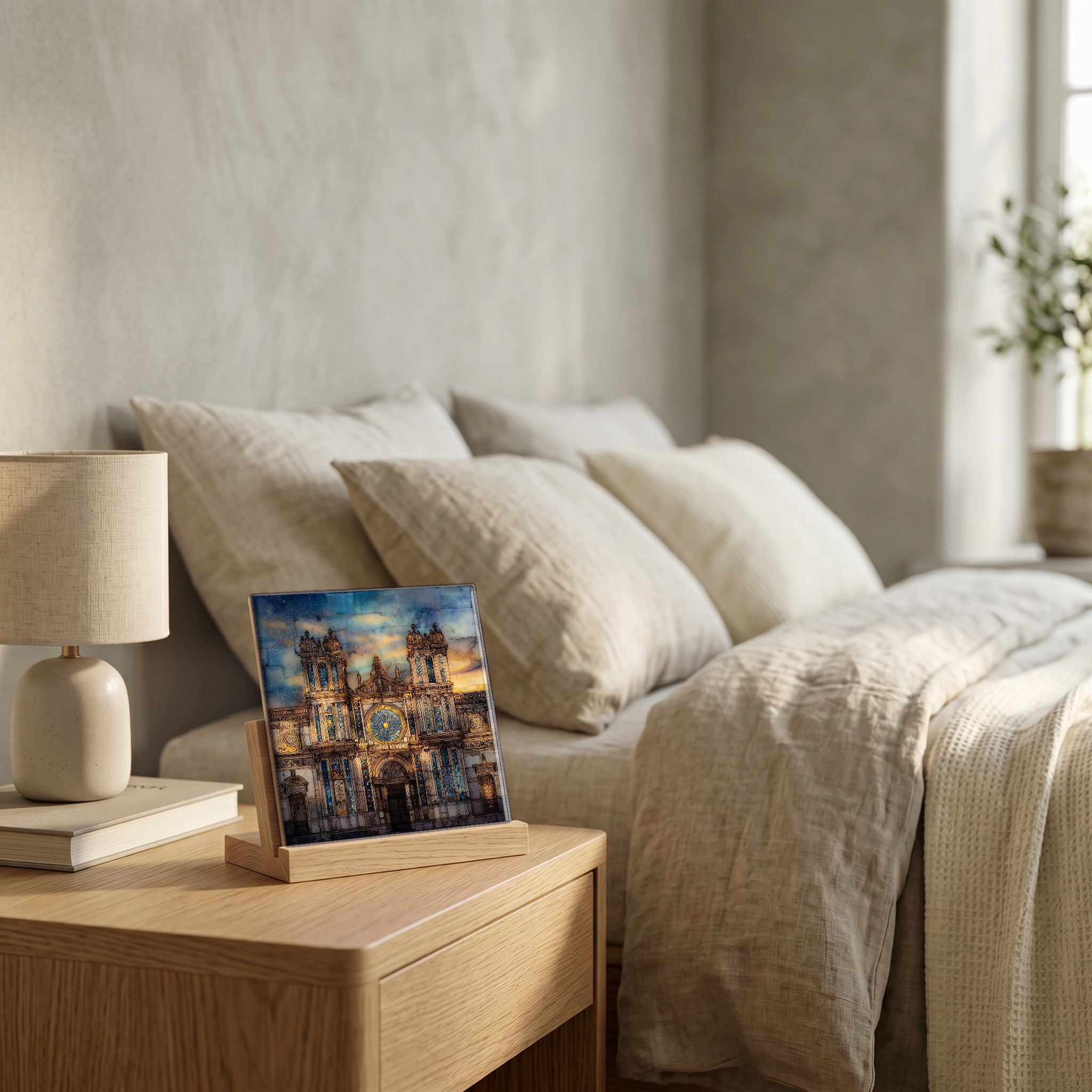
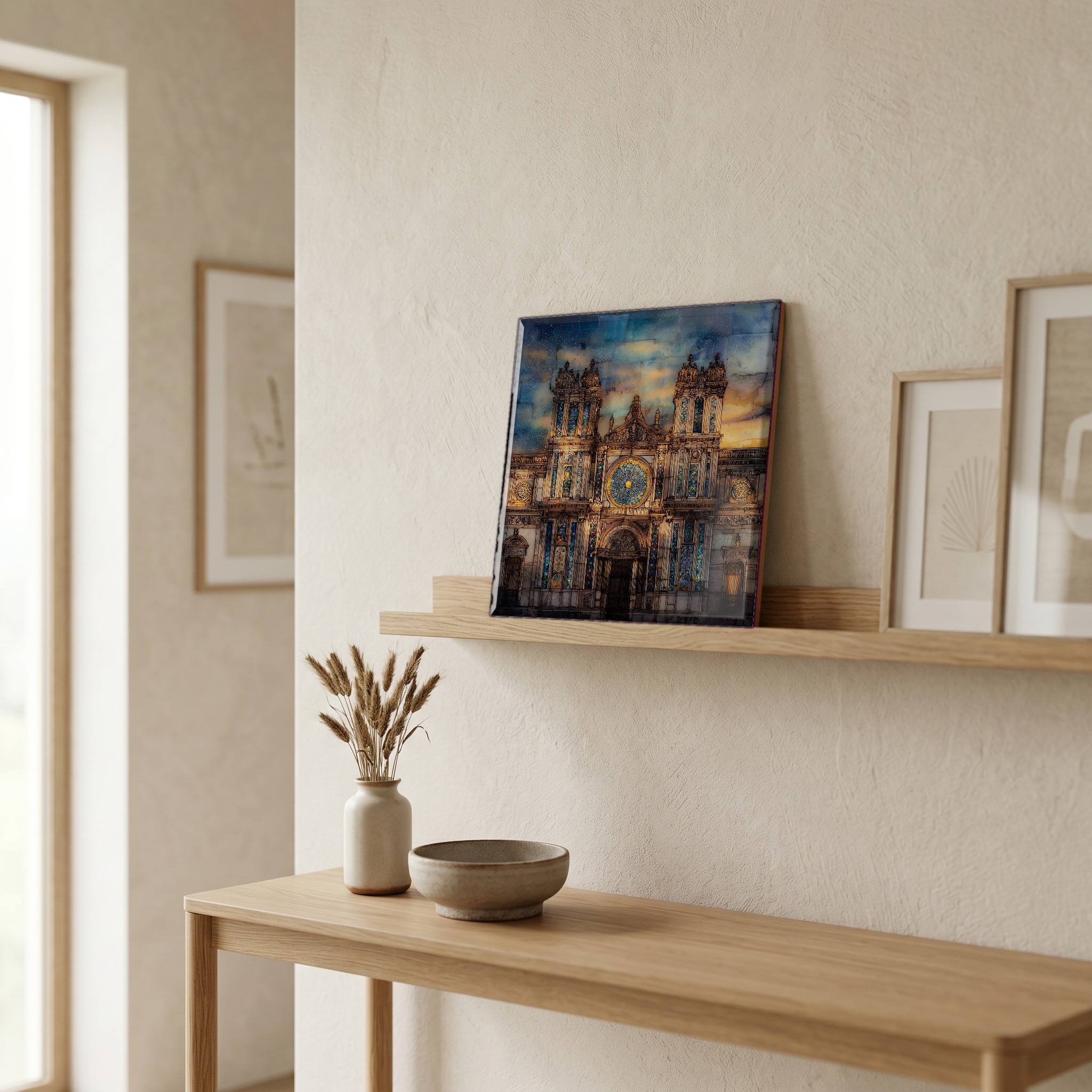
“Not St Peter's. This is the cathedral of Rome, the seat of the pope as bishop of the city, and the oldest church in the Western world. Constantine gave the land, and the first dedication came in 324, more than a thousand years before the dome rose across the river. The façade reads like a palace front. Inside, Borromini's nave runs long and white, with twelve apostles standing in their niches. Most of the crowds are three miles away at the Vatican. Here the doors are open, the floor is worn marble, and admission is free.
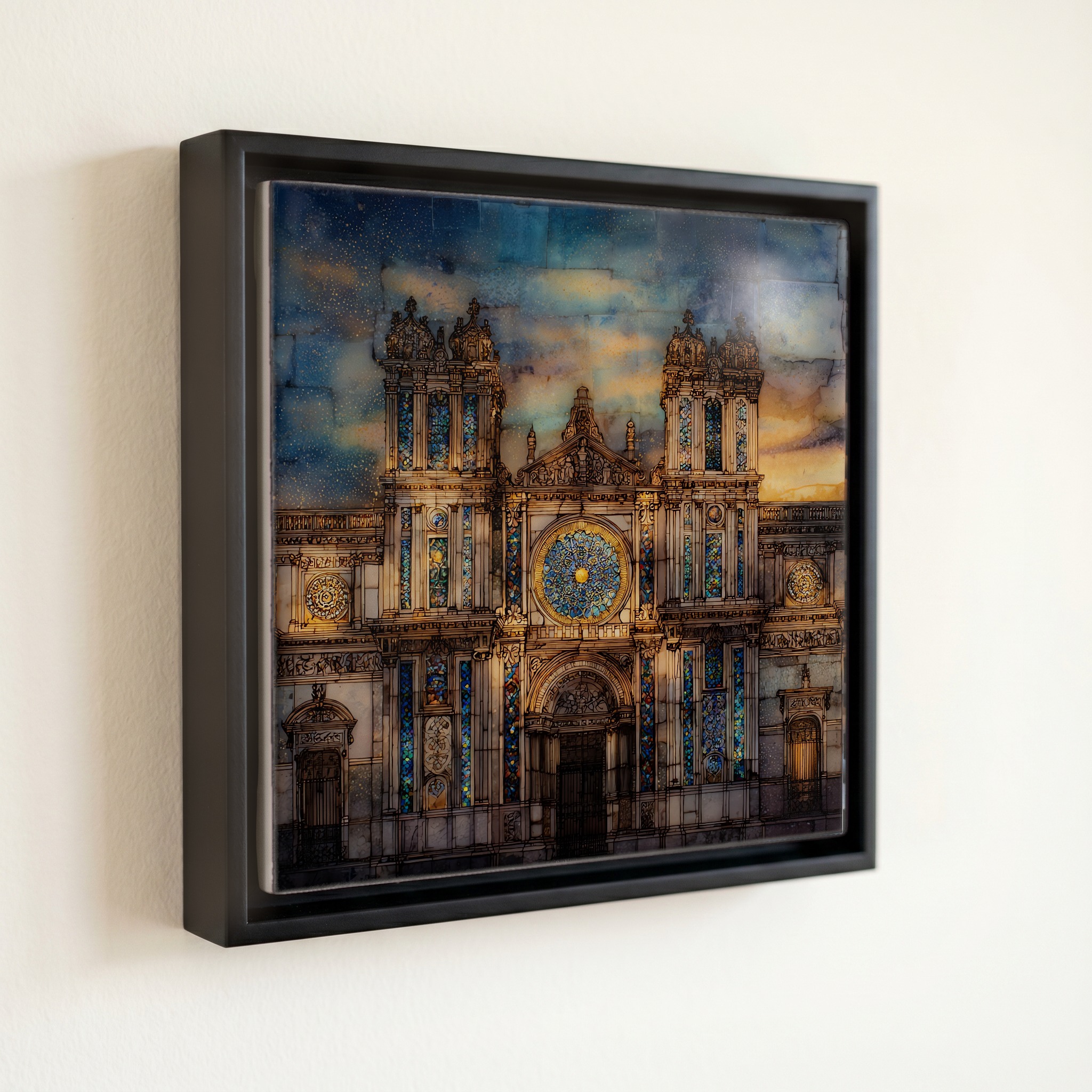
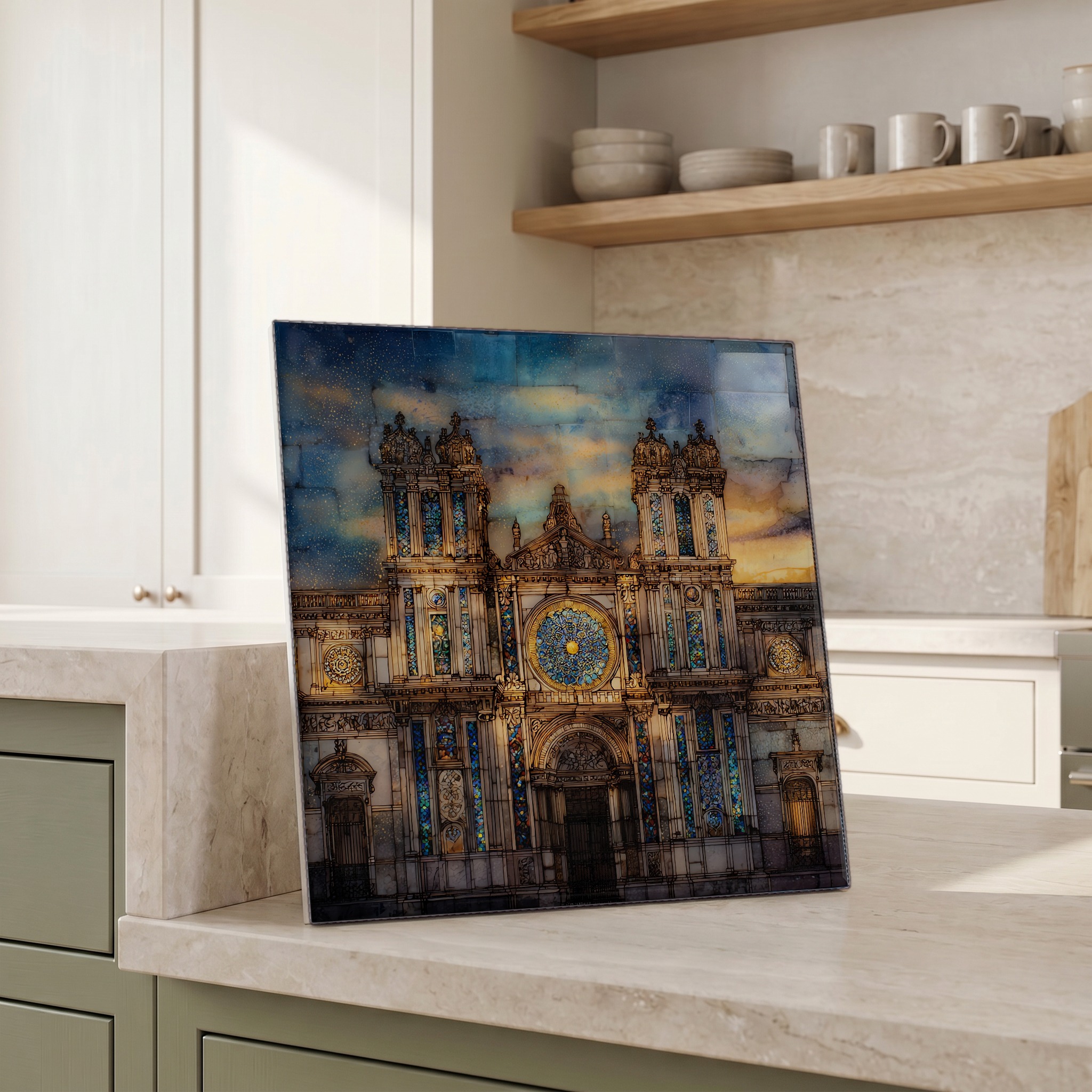
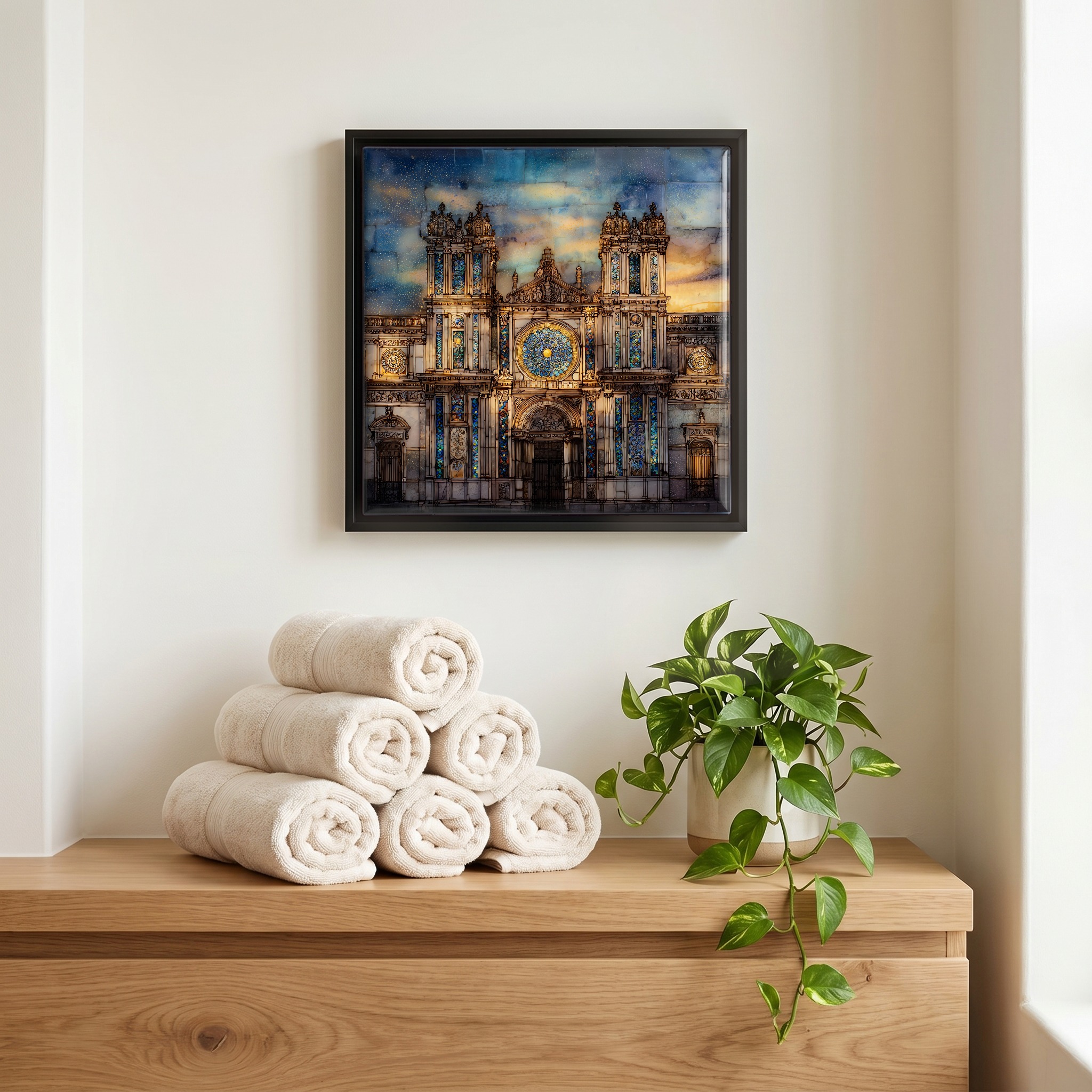
St John Lateran Basilica, on ceramic.
Each tile is finished by hand in our Knoxville studio. Artwork is slowly infused into the ceramic surface under high heat and pressure, and rests beneath a thin glossy finish. The colour lives in the surface, not on top of it.
Pick any four 4-inch tiles — National Parks you've been to, a Smokies set, the four seasons of one place. $ for a set of , cork-backed, ready to live on the table.
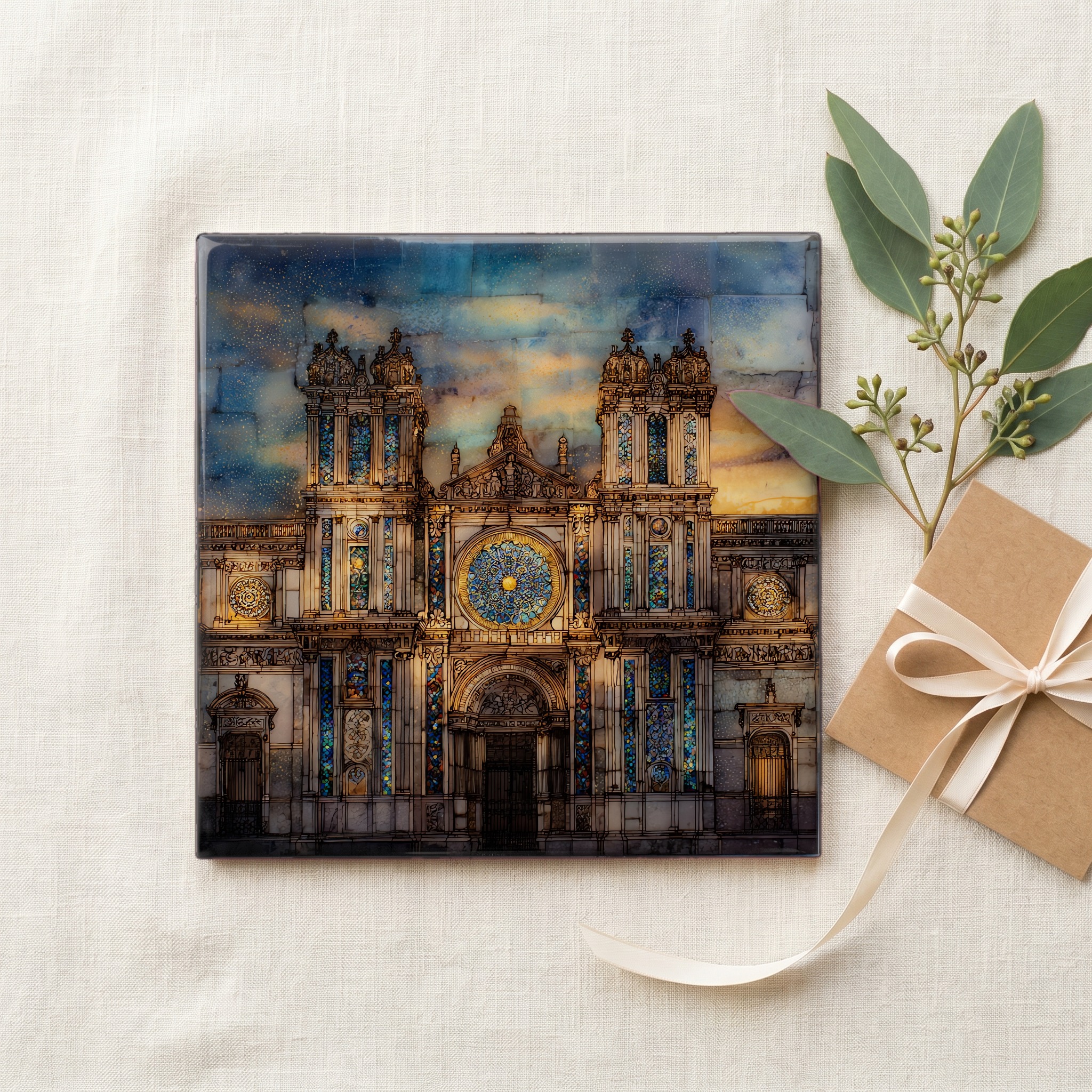
Each tile ships in a kraft box, tied with cream ribbon, with a handwritten note from the studio if you'd like to add one.
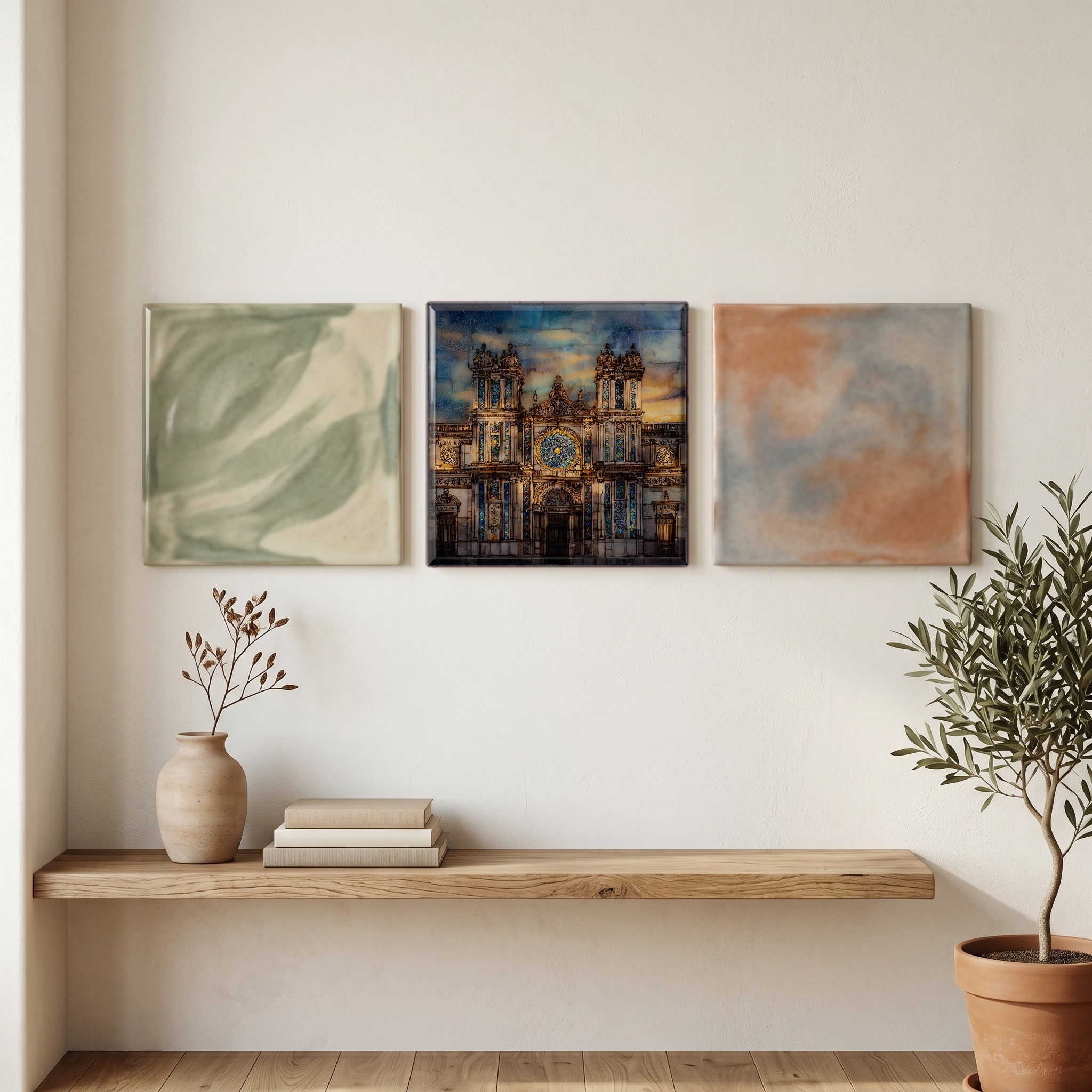
Three or five different vistas, hung together — a chapter of places you've been, or want to go.
The place, in three passes.
The Archbasilica of Saint John Lateran stands on the Caelian Hill in south-east Rome, on Piazza di San Giovanni in Laterano, about three miles from the Vatican. It is the cathedral of the Diocese of Rome and the seat of the pope as Bishop of Rome, which makes it, not St Peter's, the official papal cathedral. It is also the oldest of the four major papal basilicas and the oldest public church in the city. The land came from the emperor Constantine, and the first dedication, under Pope Sylvester I, is dated to 324. The basilica is extraterritorial property of the Holy See, though it sits well inside the walls of Rome.
Two architects shape what a visitor sees. The travertine façade, completed in 1735 by Alessandro Galilei under Pope Clement XII, carries fifteen statues across its top, each close to seven metres tall, with Christ at the centre. Behind it runs the nave Francesco Borromini remade between 1646 and 1650 for the Jubilee of that year, encasing the ancient columns in white pilasters that frame the twelve apostles. In the square outside stands the Lateran Obelisk, cut at Karnak for Thutmose III around 1400 BC and carried to Rome by the emperor Constantius II in 357. At roughly 32 metres when whole, it is the tallest ancient Egyptian obelisk anywhere.
Admission to the basilica is free, which is rare among Rome's great churches. The cloister, the treasury, and the Sancta Sanctorum across the road each carry a small separate fee, the cloister around five euros. The basilica keeps its own feast, the Dedication of the Lateran Basilica, on the ninth of November, kept across the whole Catholic Church because this is the mother church of them all. Inside, the Gothic baldachin over the papal altar is said to hold the heads of Saints Peter and Paul. The thirteenth-century cloister, built by the Vassalletto family, sets twisted columns inlaid with gold mosaic around a quiet garden, a few steps from the worn marble of the nave.