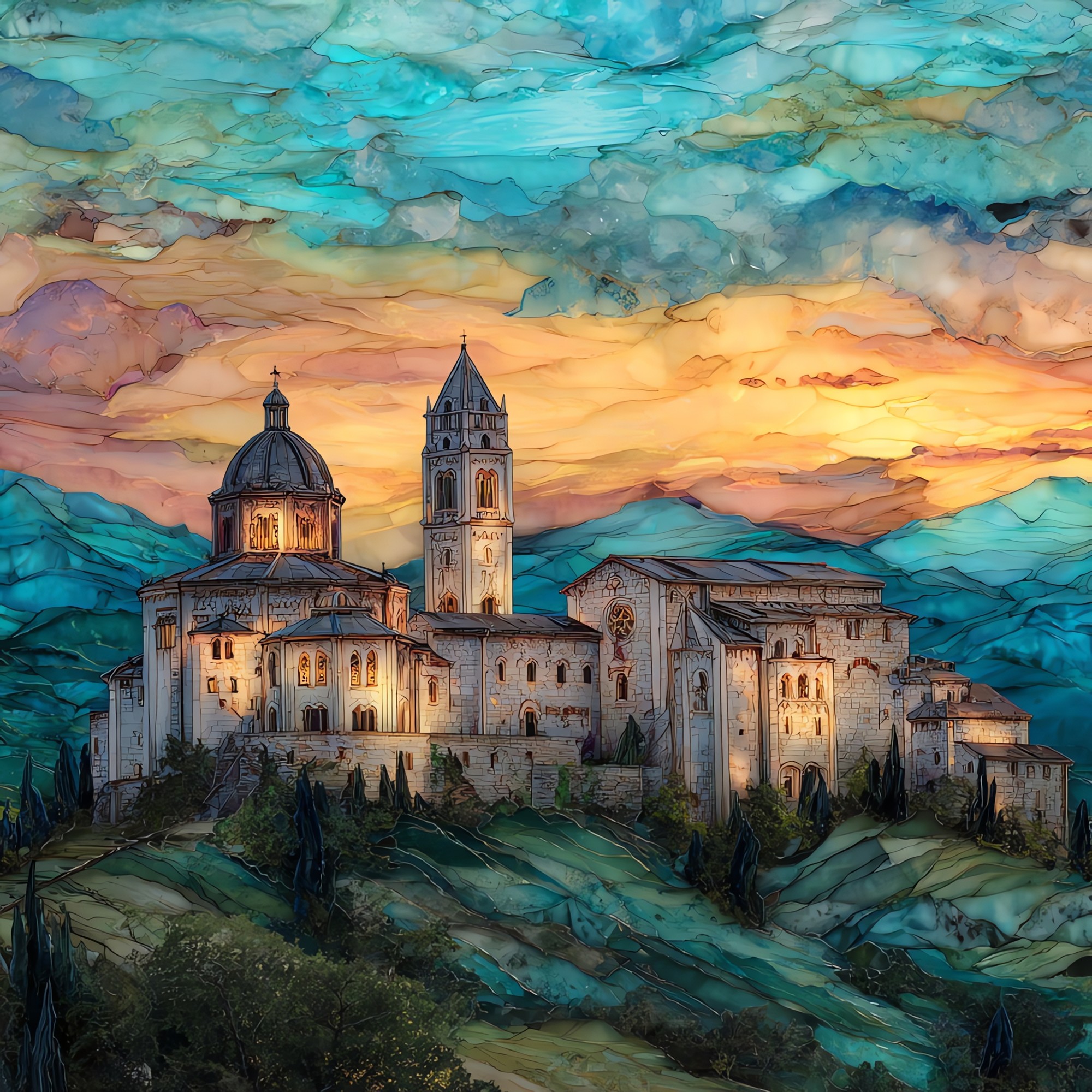
Basilica of St Francis
— the hill they renamed when the saint came home.
Not only on a wall.
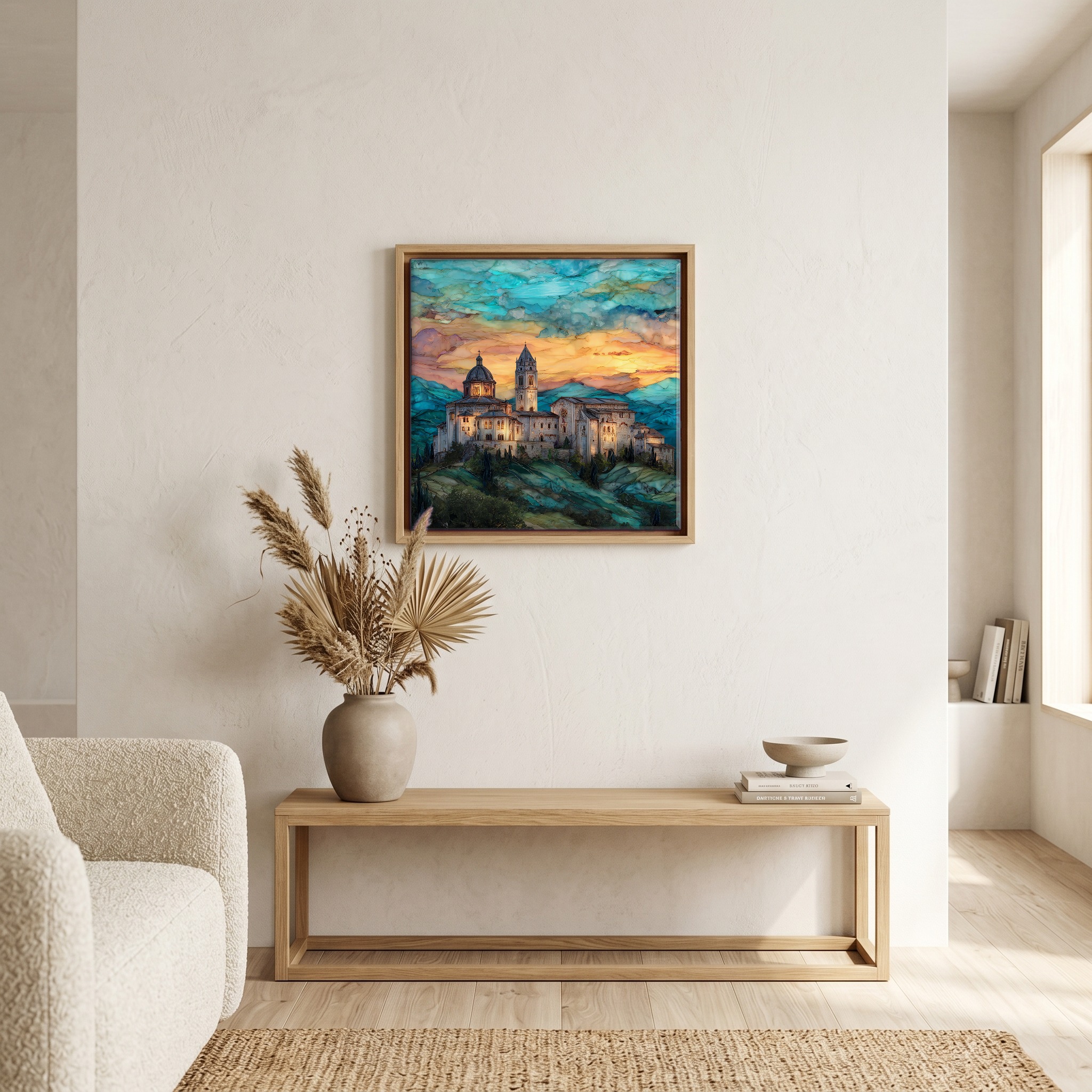
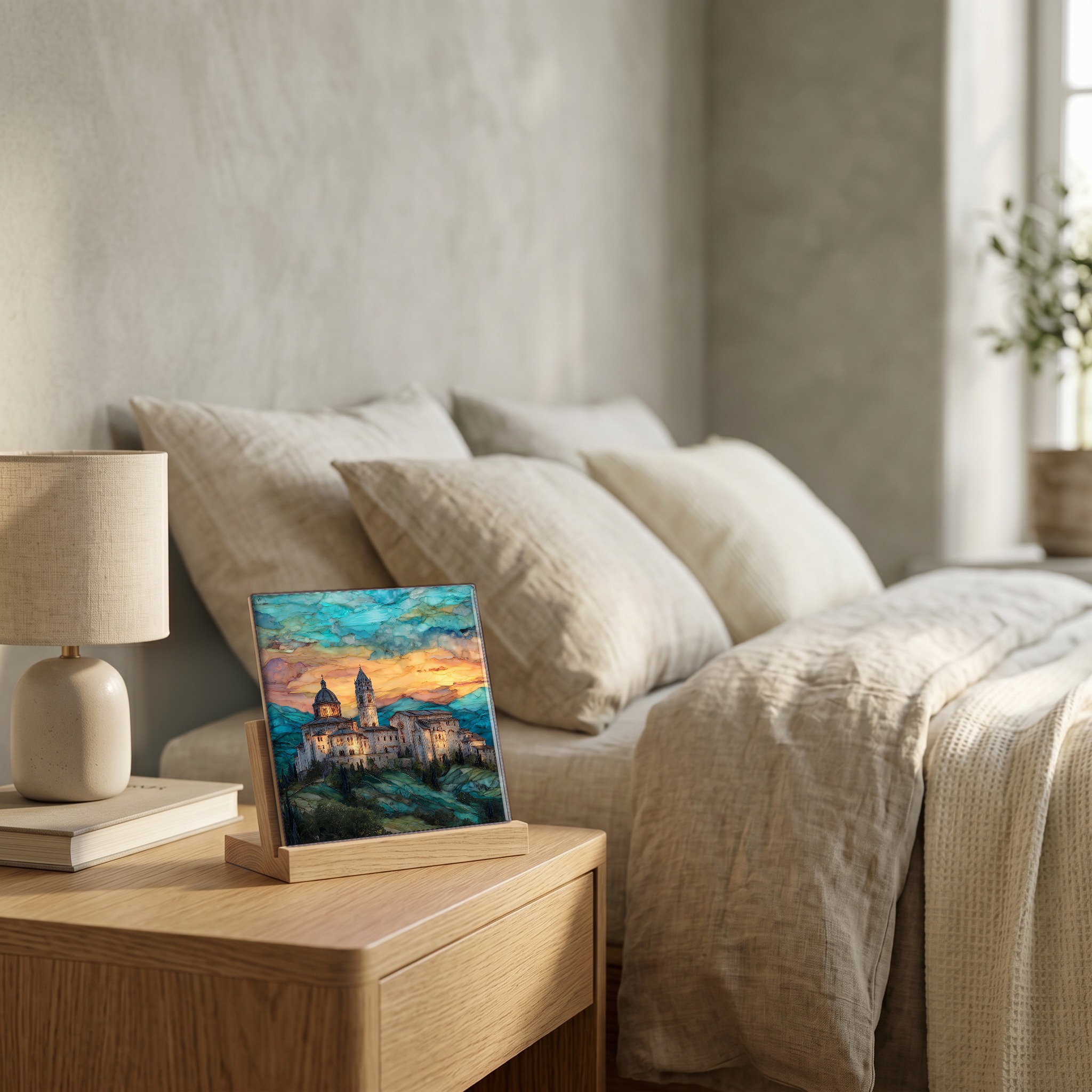
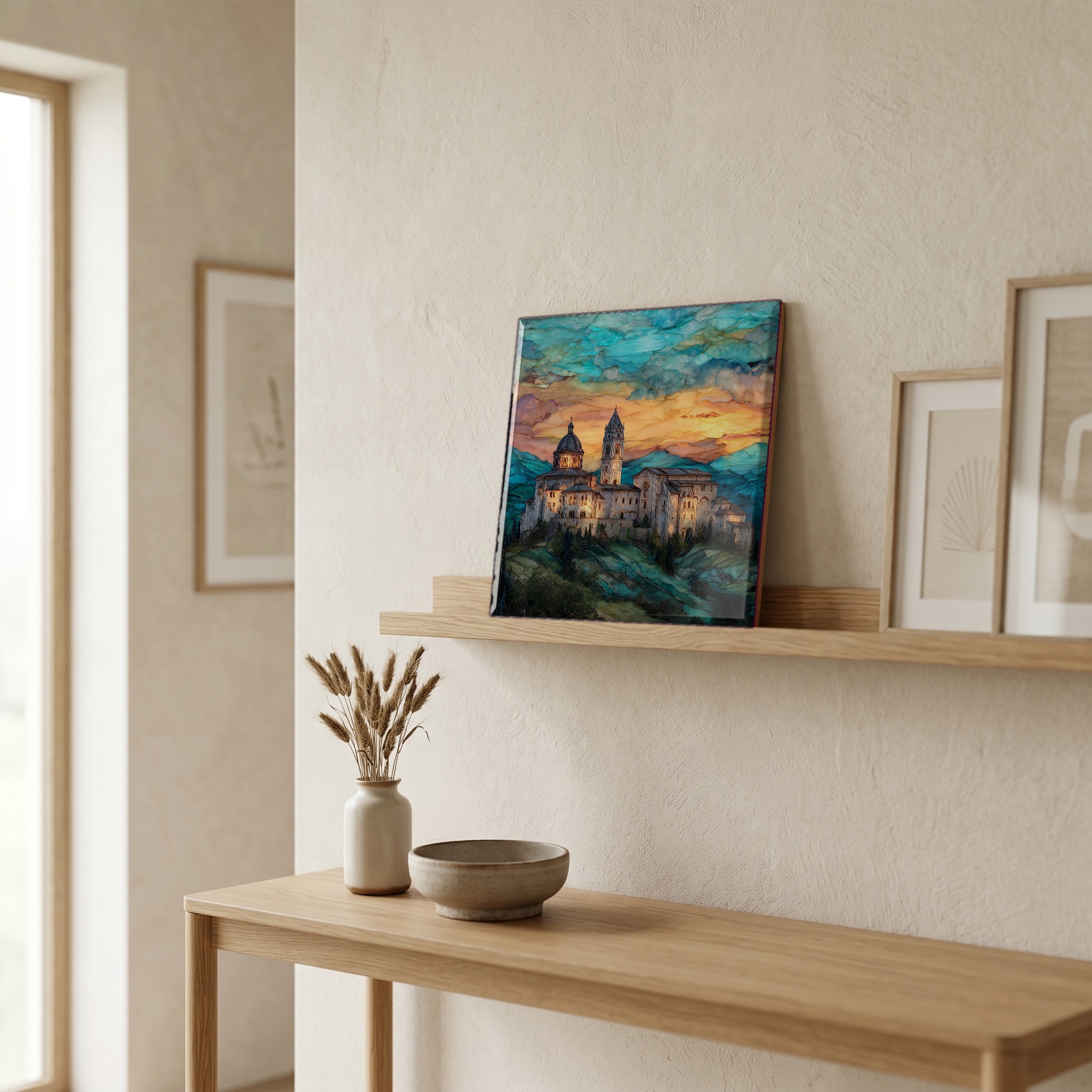
“Two churches stacked on one hill at the western edge of Assisi: the lower one dim and low, the upper one tall and full of light. The land was once called the Hill of Hell, where the town carried out its executions; after Francis was laid here it became the Hill of Paradise. Inside, the walls hold some of the first painting in Italy to look like people standing in real space. Pilgrims still come down the stairs to the crypt and go quiet at the tomb. Many of them are not Catholic. It doesn't seem to matter.
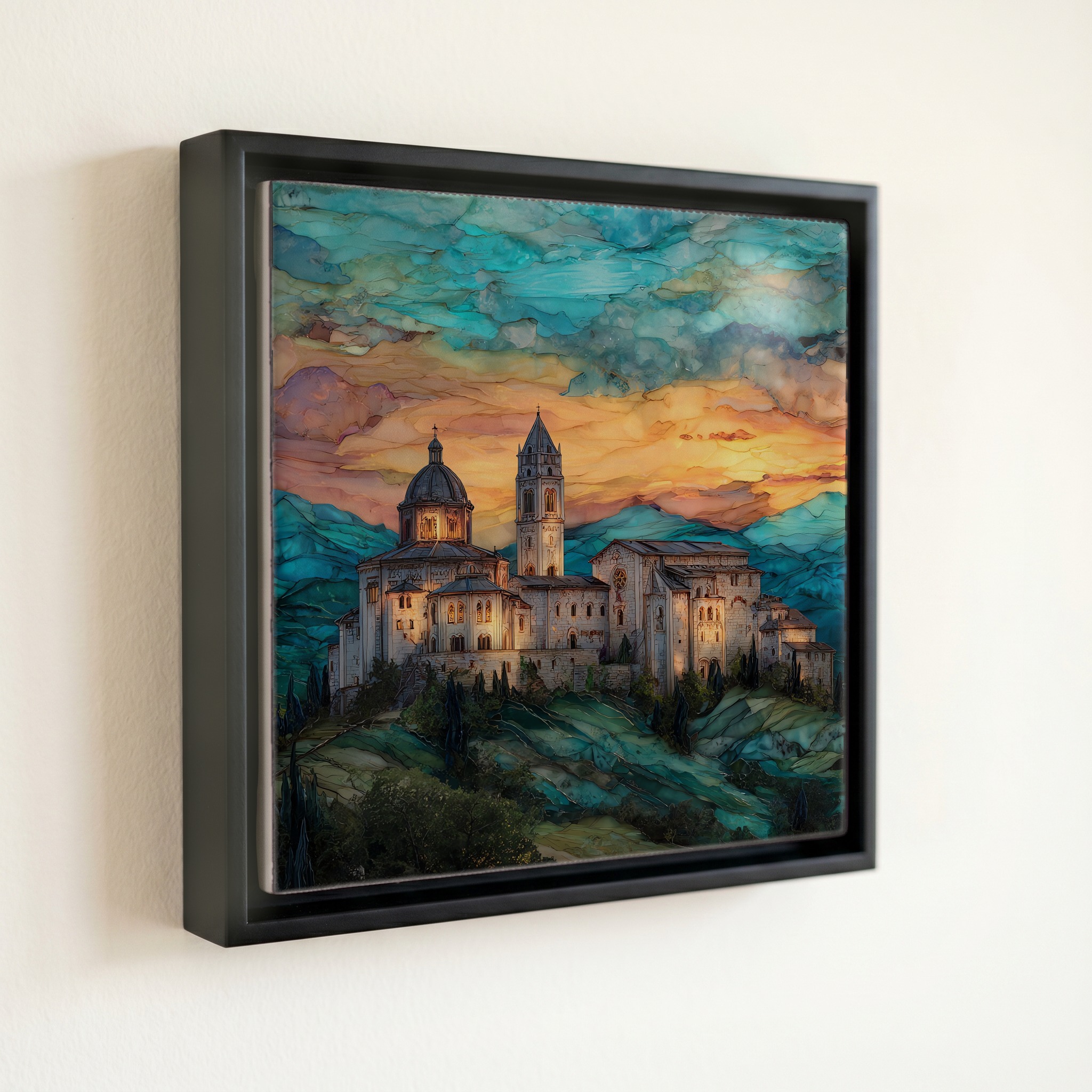
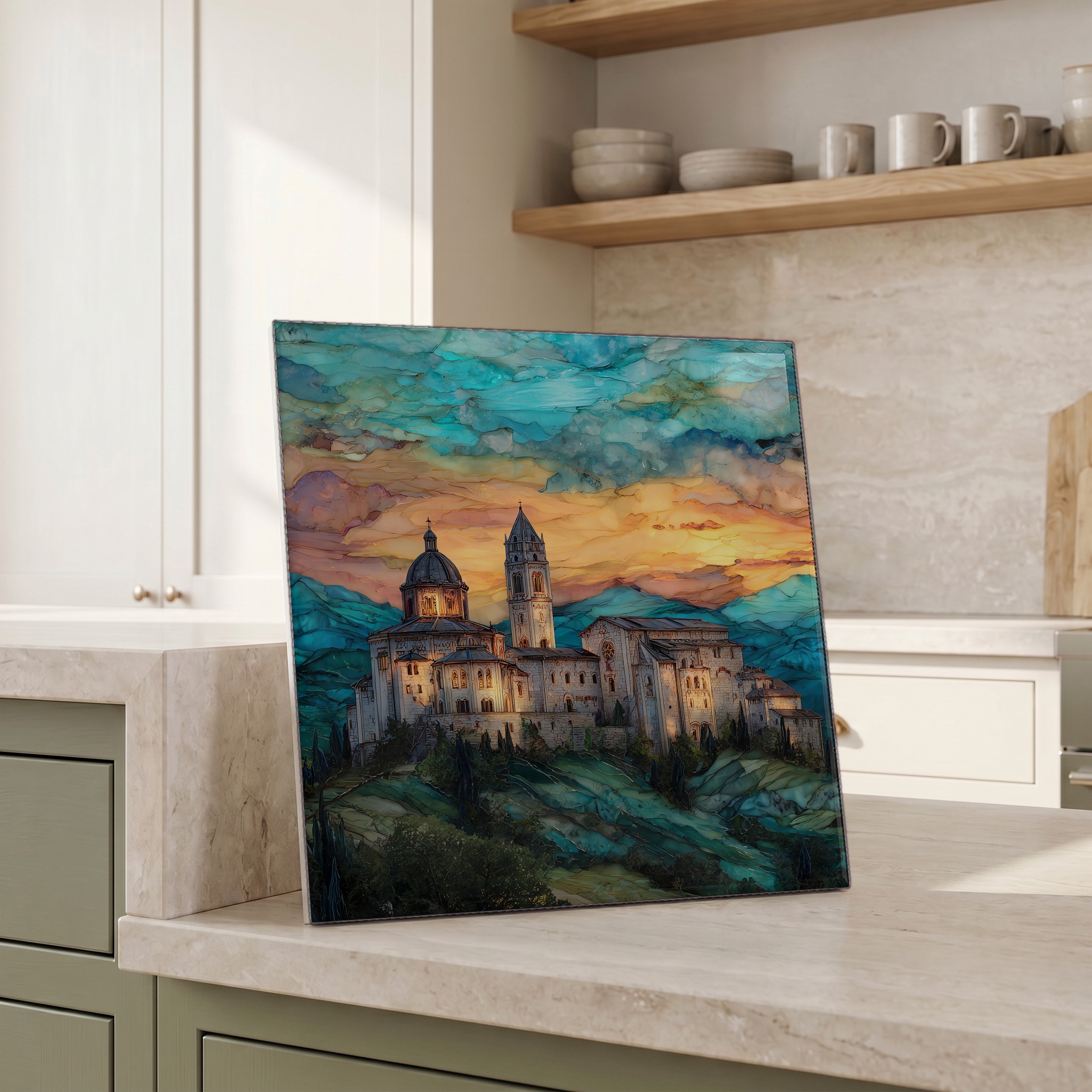
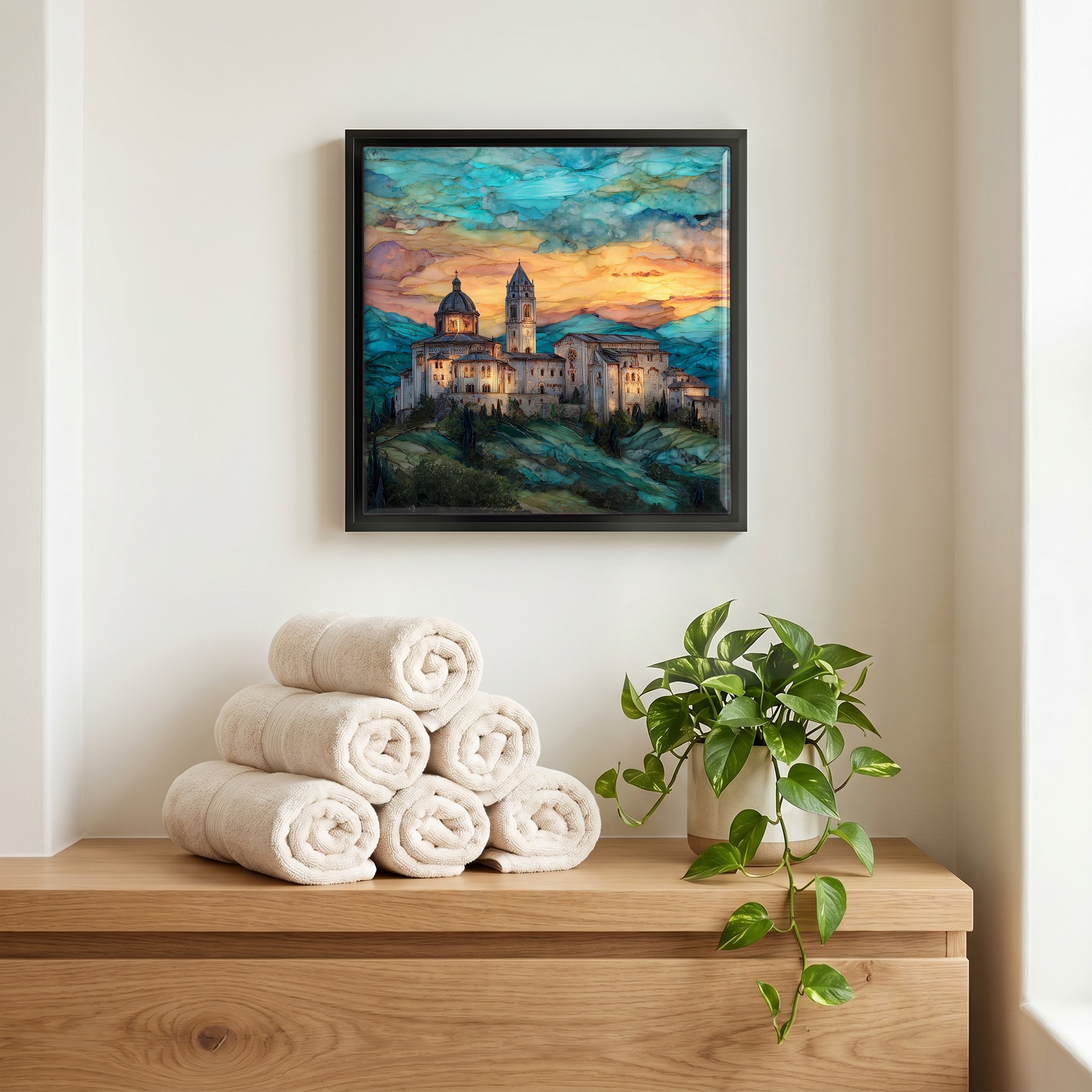
Basilica of St Francis, on ceramic.
Each tile is finished by hand in our Knoxville studio. Artwork is slowly infused into the ceramic surface under high heat and pressure, and rests beneath a thin glossy finish. The colour lives in the surface, not on top of it.
Pick any four 4-inch tiles — National Parks you've been to, a Smokies set, the four seasons of one place. $ for a set of , cork-backed, ready to live on the table.
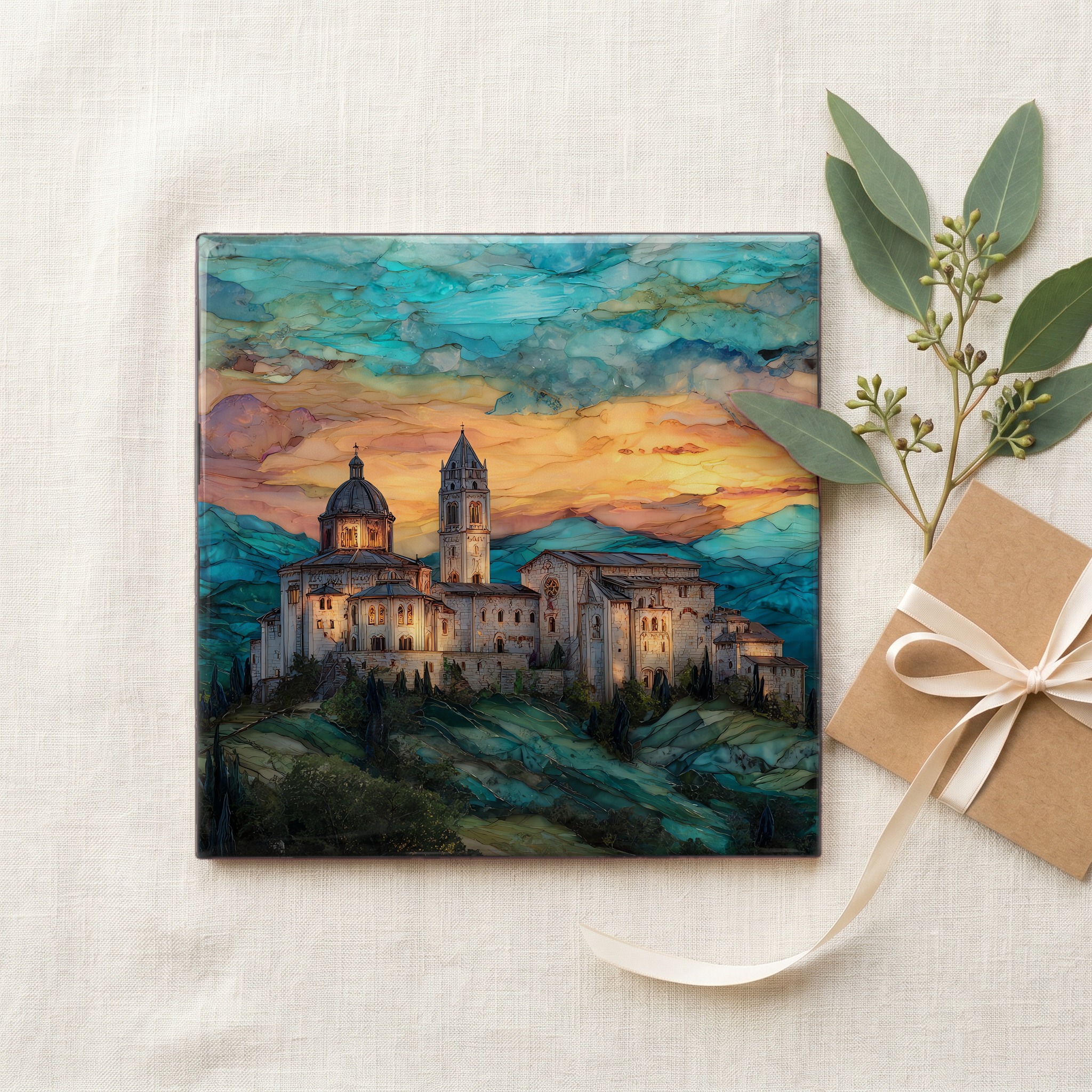
Each tile ships in a kraft box, tied with cream ribbon, with a handwritten note from the studio if you'd like to add one.
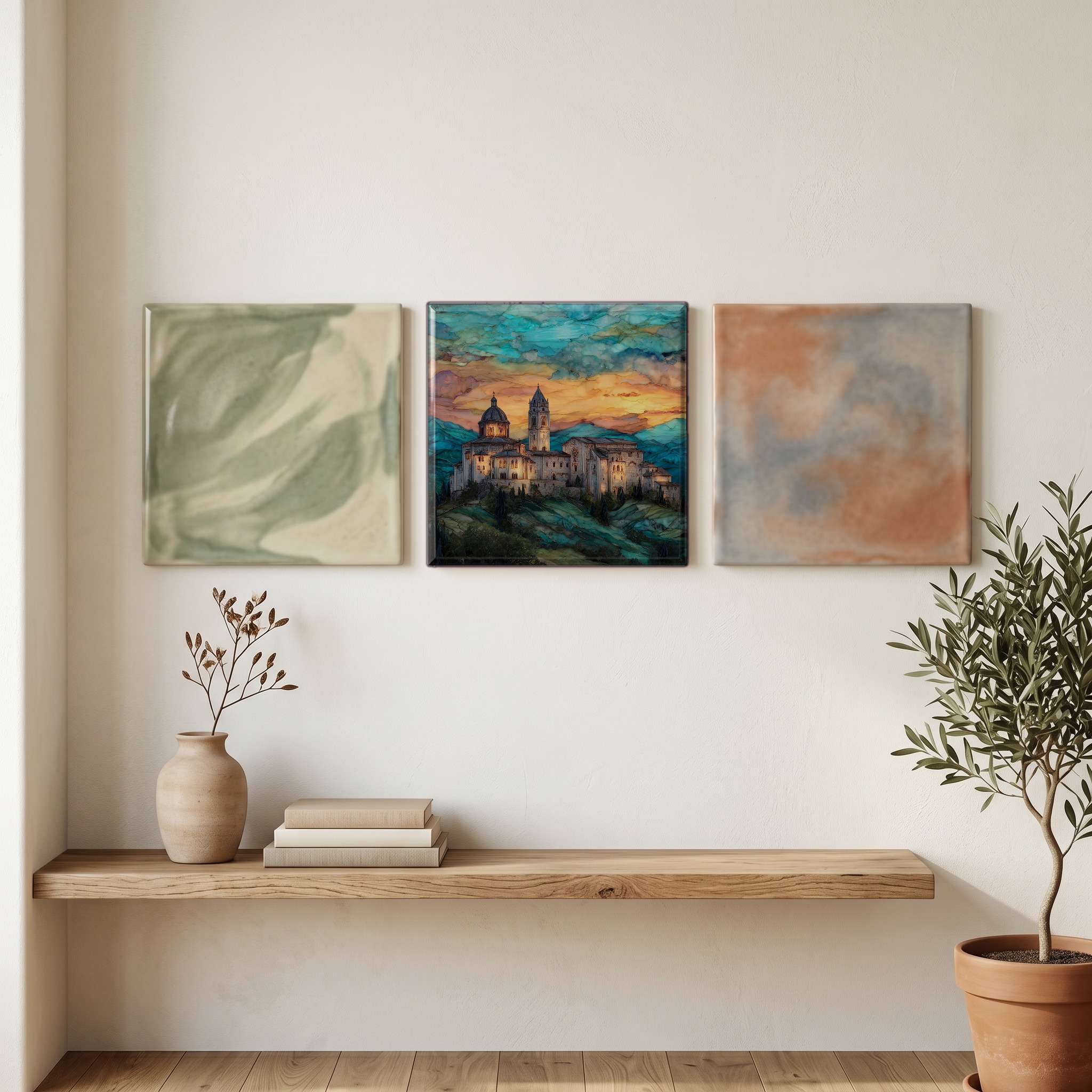
Three or five different vistas, hung together — a chapter of places you've been, or want to go.
The place, in three passes.
The Basilica of St Francis stands at the western end of Assisi, a hill town on the slope of Monte Subasio in the Umbria region of central Italy. It is two churches built one above the other: a lower church begun in 1228, the year Francis was canonised, and an upper church consecrated in 1253. A crypt below holds the saint's tomb. The land was donated by Simone di Pucciarello, and the work was overseen by Brother Elias of Cortona, one of Francis's first companions. The basilica and its friary have been a UNESCO World Heritage Site since 2000.
The upper church is one of the earliest works of Gothic architecture in Italy: a single high nave lit by tall windows of stained glass. Its walls carry a cycle of 28 frescoes on the life of Francis, long attributed to Giotto and painted around 1290 to 1295; the lower church and transepts hold work by Cimabue, Simone Martini, and Pietro Lorenzetti. The stone itself is the pink-and-white limestone of Monte Subasio that gives the whole town its colour. On 26 September 1997 an earthquake brought down two sections of the upper vault, shattering frescoes by Cimabue and Giotto's workshop into tens of thousands of fragments; the church reopened after two years of restoration.
Entry to the basilica is free, and it remains an active place of worship, so visitors are asked to dress modestly and keep silence inside; photography is not permitted in the churches. The two churches and the crypt are open daily, with the upper church generally closing in the early evening. The saint's feast day falls on 4 October, when Assisi fills for the Festa di San Francesco and a national pilgrimage. The town sits about two hours north of Rome by train and bus, and the basilica is a short walk downhill from the medieval centre. Assisi draws several million visitors a year, many of them not Catholic.