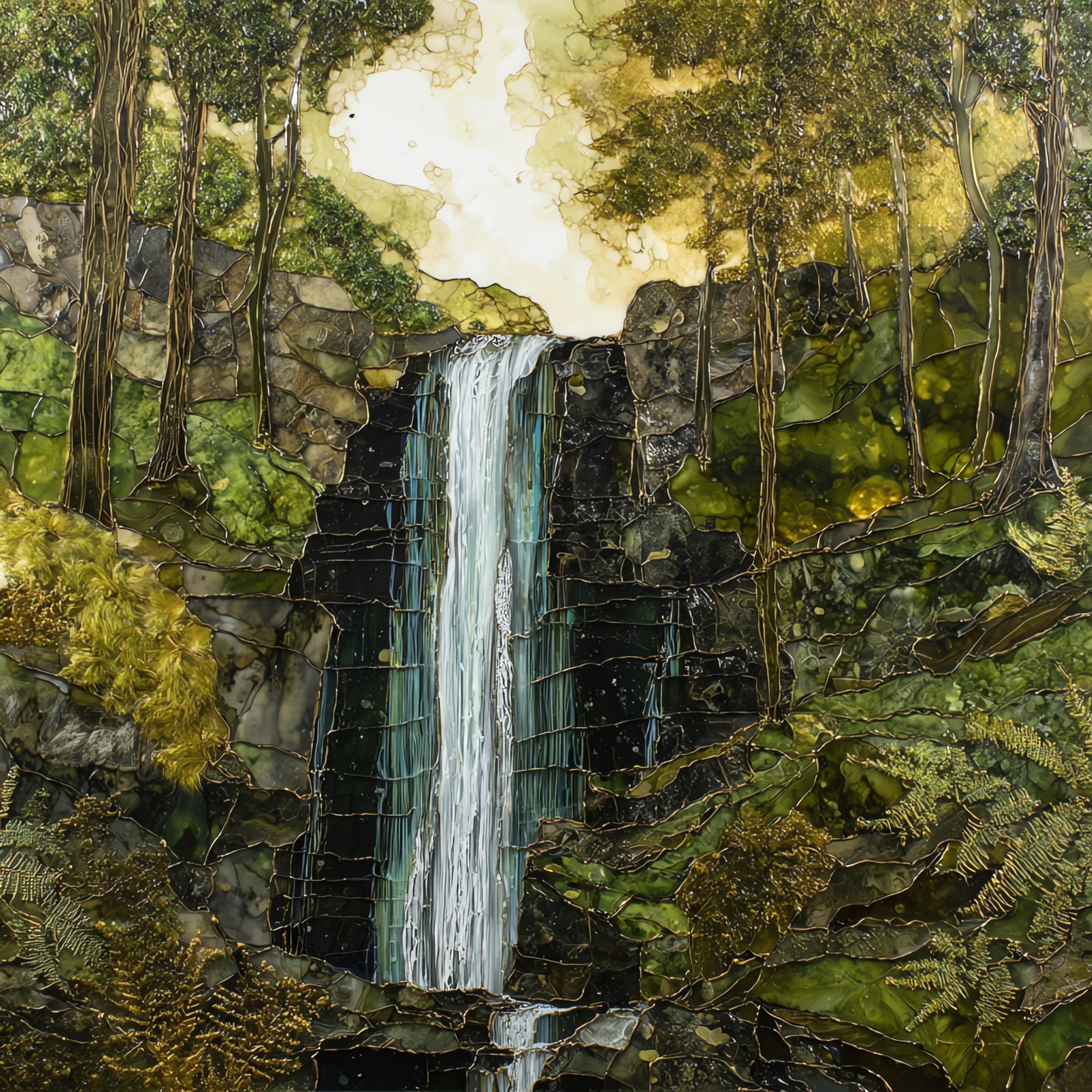
Torc Waterfall
— — the river the oak wood lets through.
Not only on a wall.
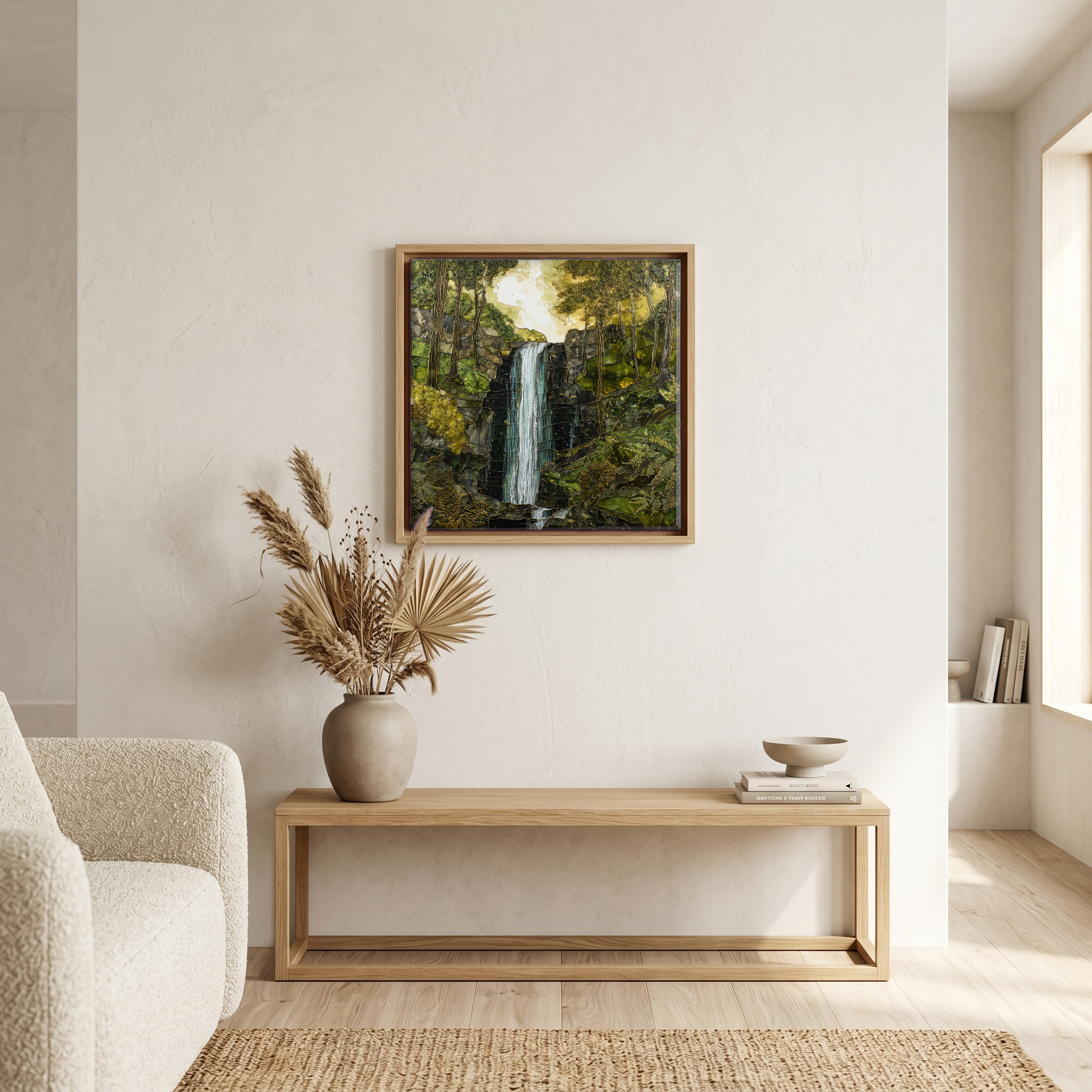
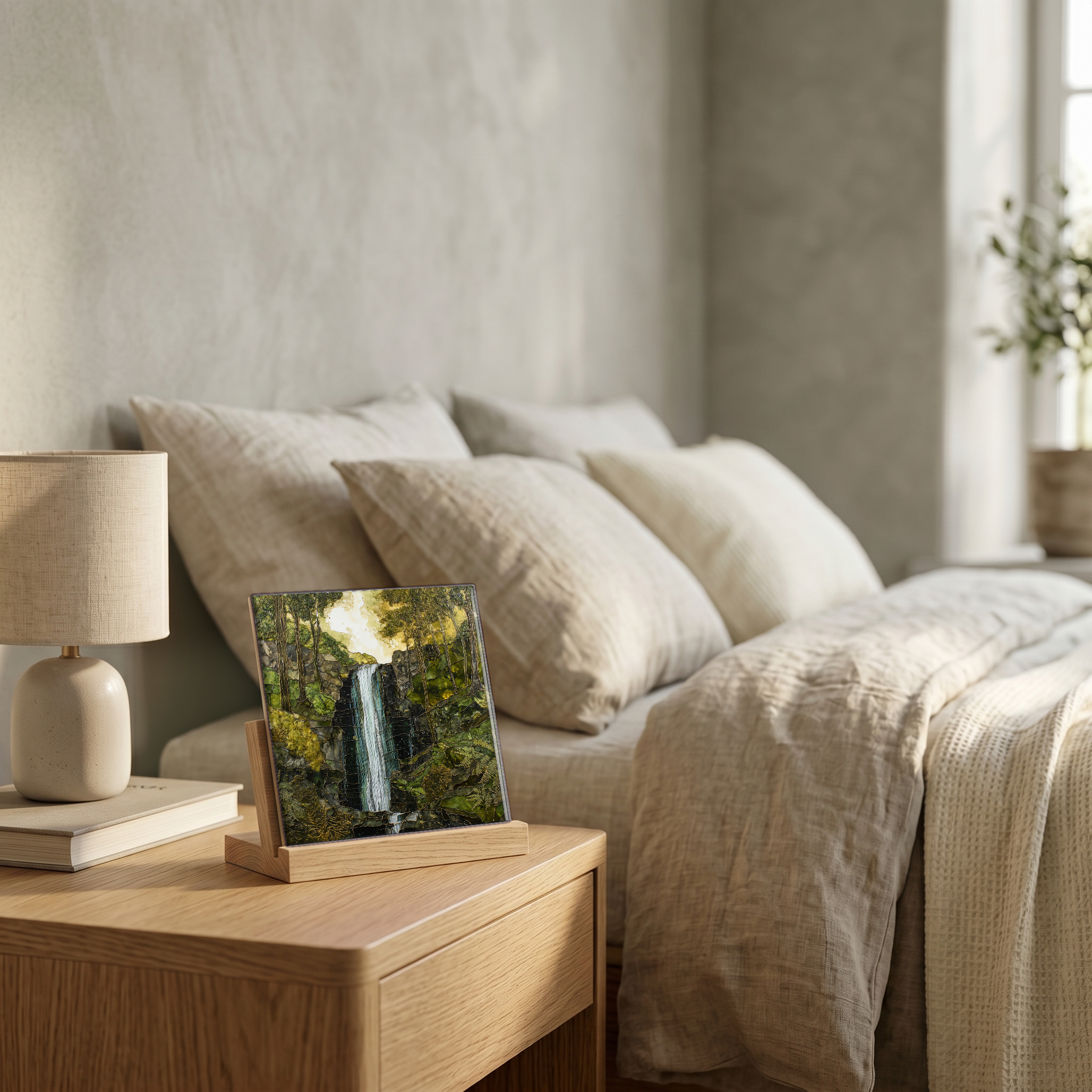
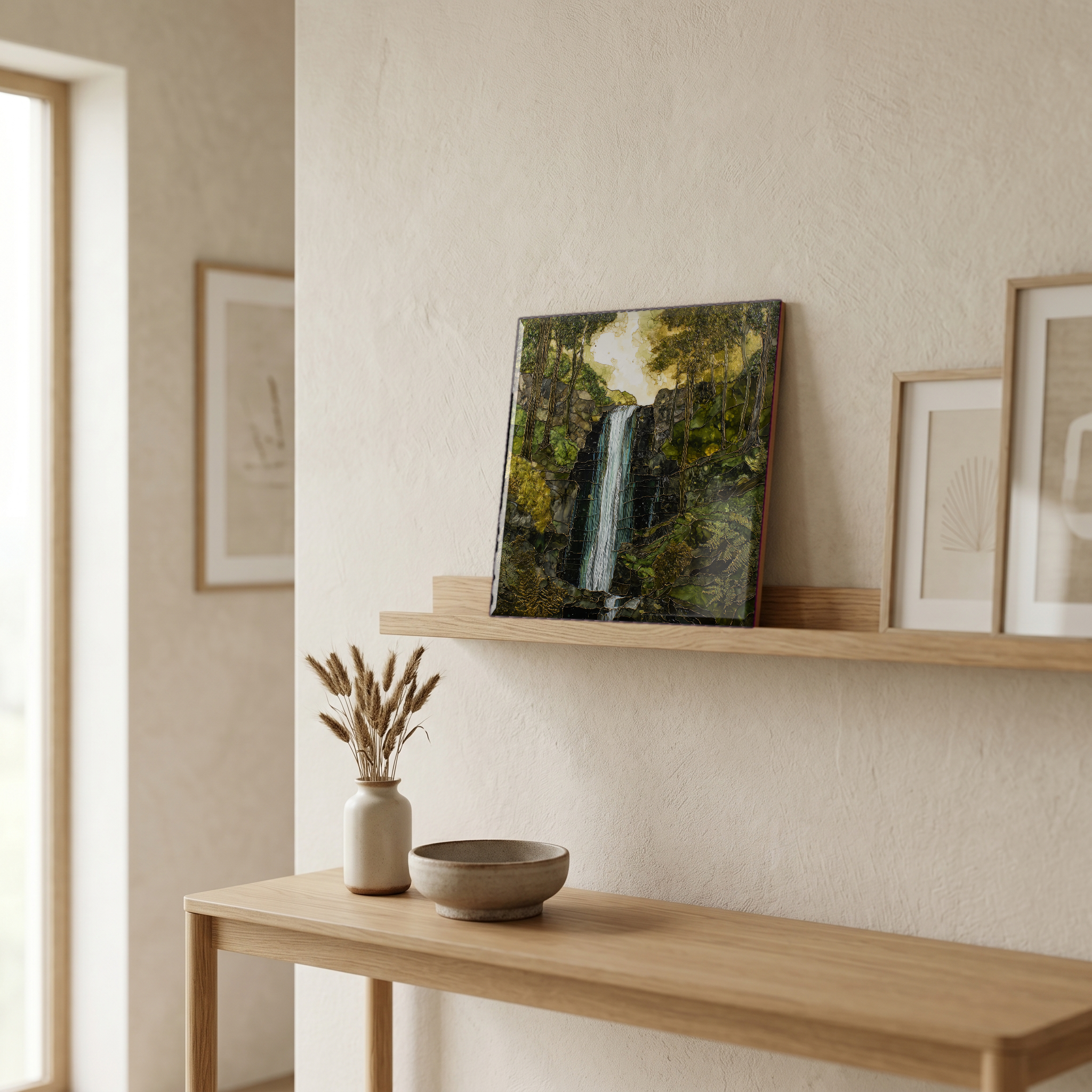
“Twenty metres of white water dropping through one of Ireland's last fragments of Atlantic oakwood, on the Owengarriff River as it falls toward the Upper Lake of Killarney. The river starts higher up the mountain, in the Devil's Punch Bowl, and arrives here through moss, holly, and ancient oak. From the small car park on the N71, the path is short. A few minutes through the trees to the base. Another hundred stone steps climb to a viewing platform above. Free, all year, and louder after the rain.
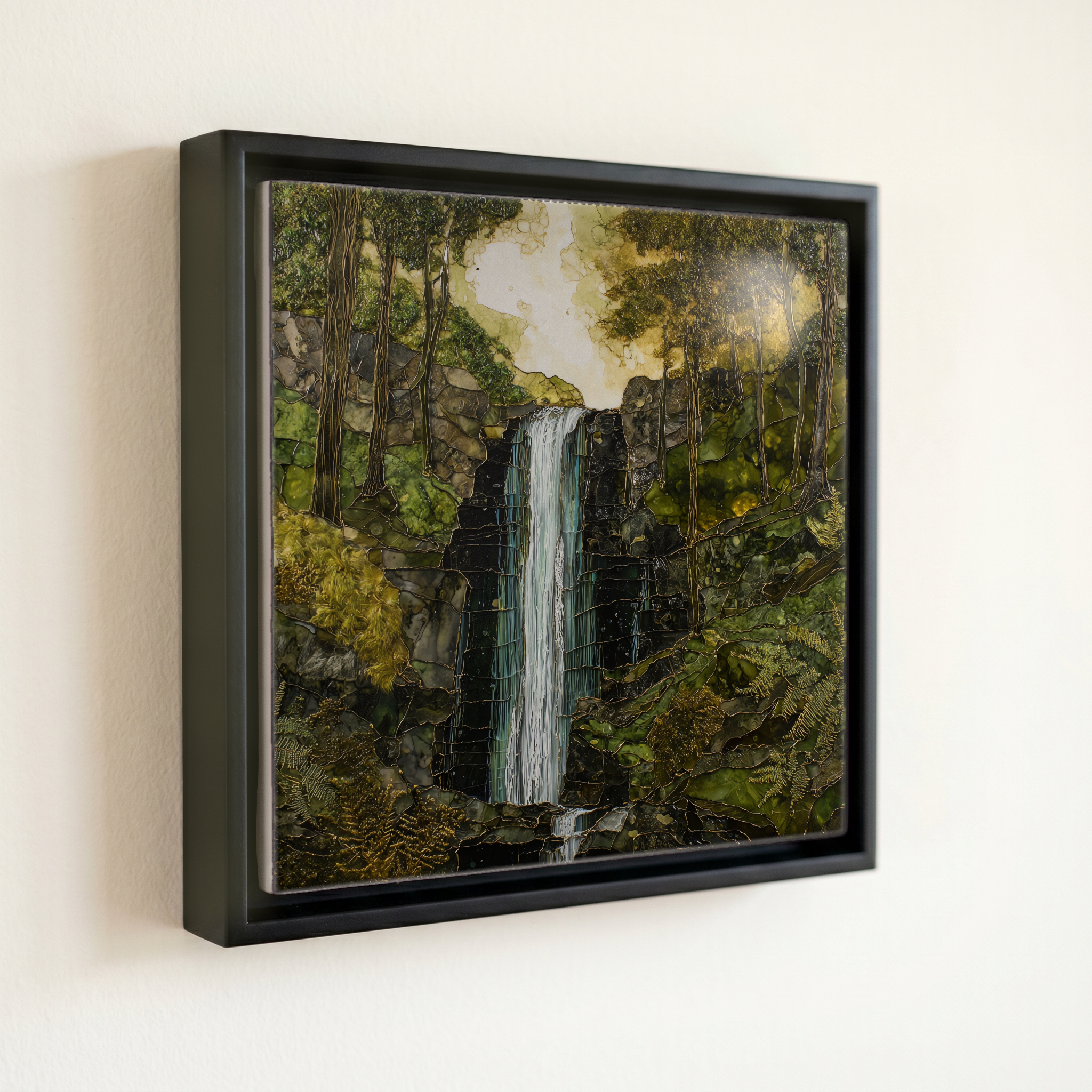
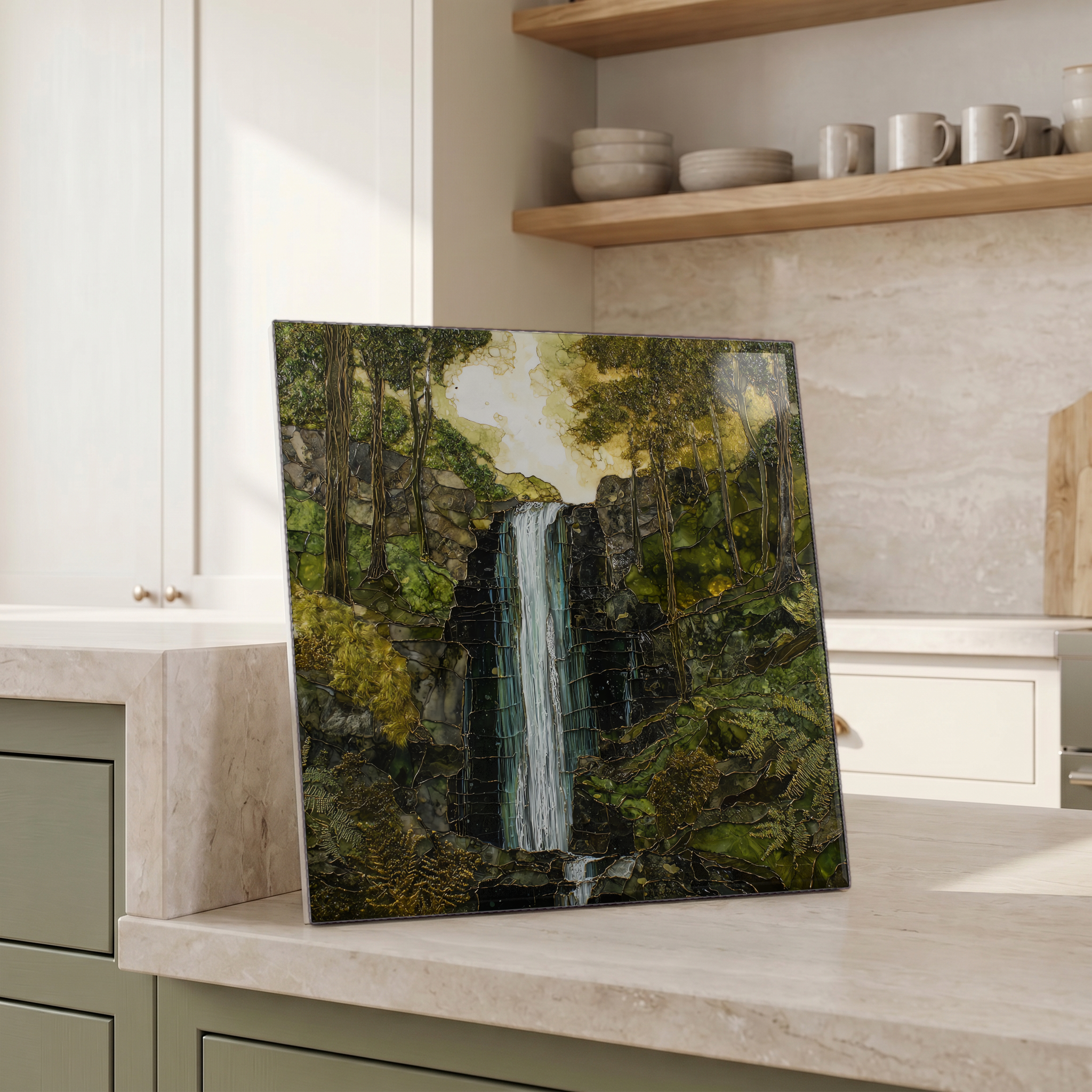
Torc Waterfall, on ceramic.
Each tile is finished by hand in our Knoxville studio. Artwork is slowly infused into the ceramic surface under high heat and pressure, and rests beneath a thin glossy finish. The colour lives in the surface, not on top of it.
Pick any four 4-inch tiles — National Parks you've been to, a Smokies set, the four seasons of one place. $ for a set of , cork-backed, ready to live on the table.
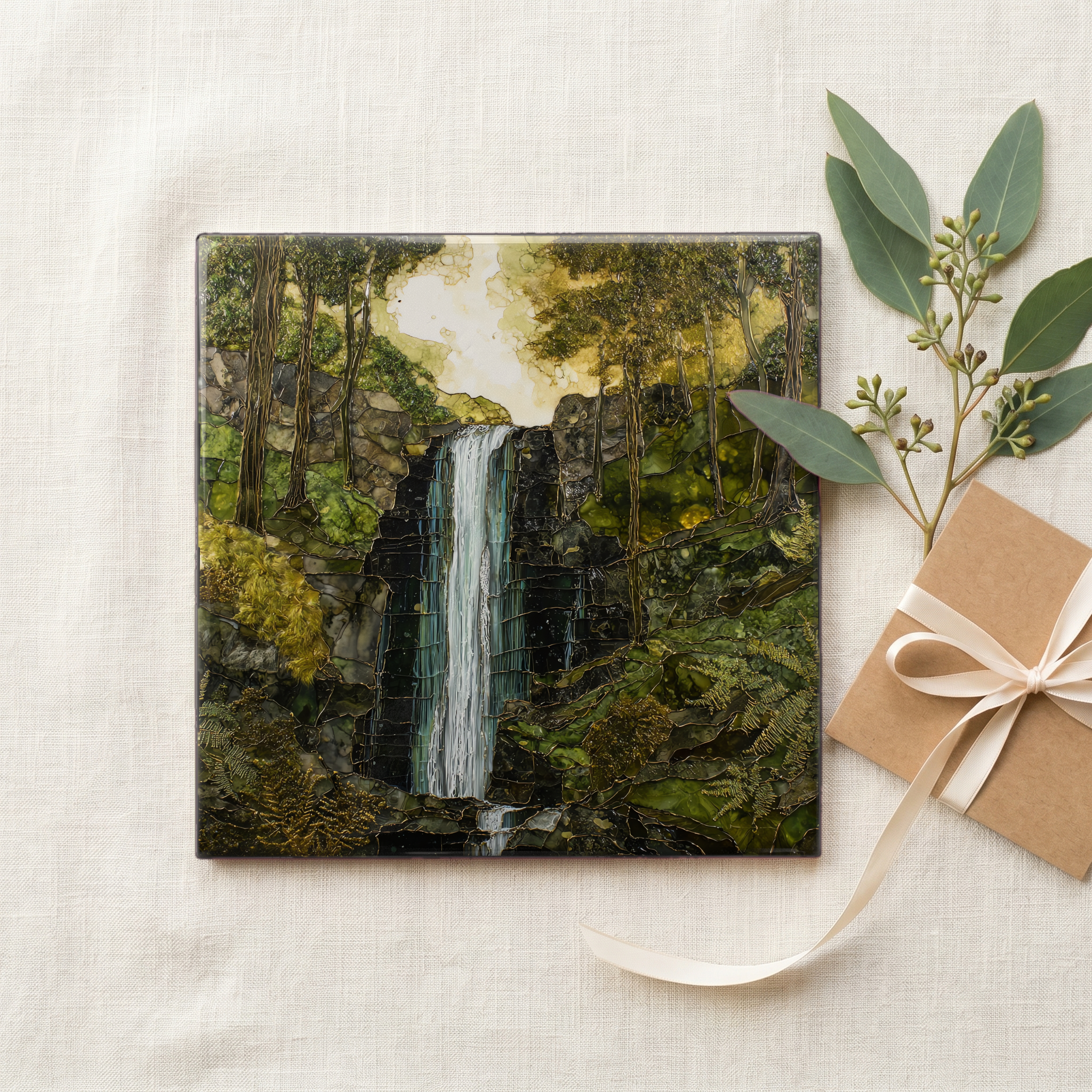
Each tile ships in a kraft box, tied with cream ribbon, with a handwritten note from the studio if you'd like to add one.

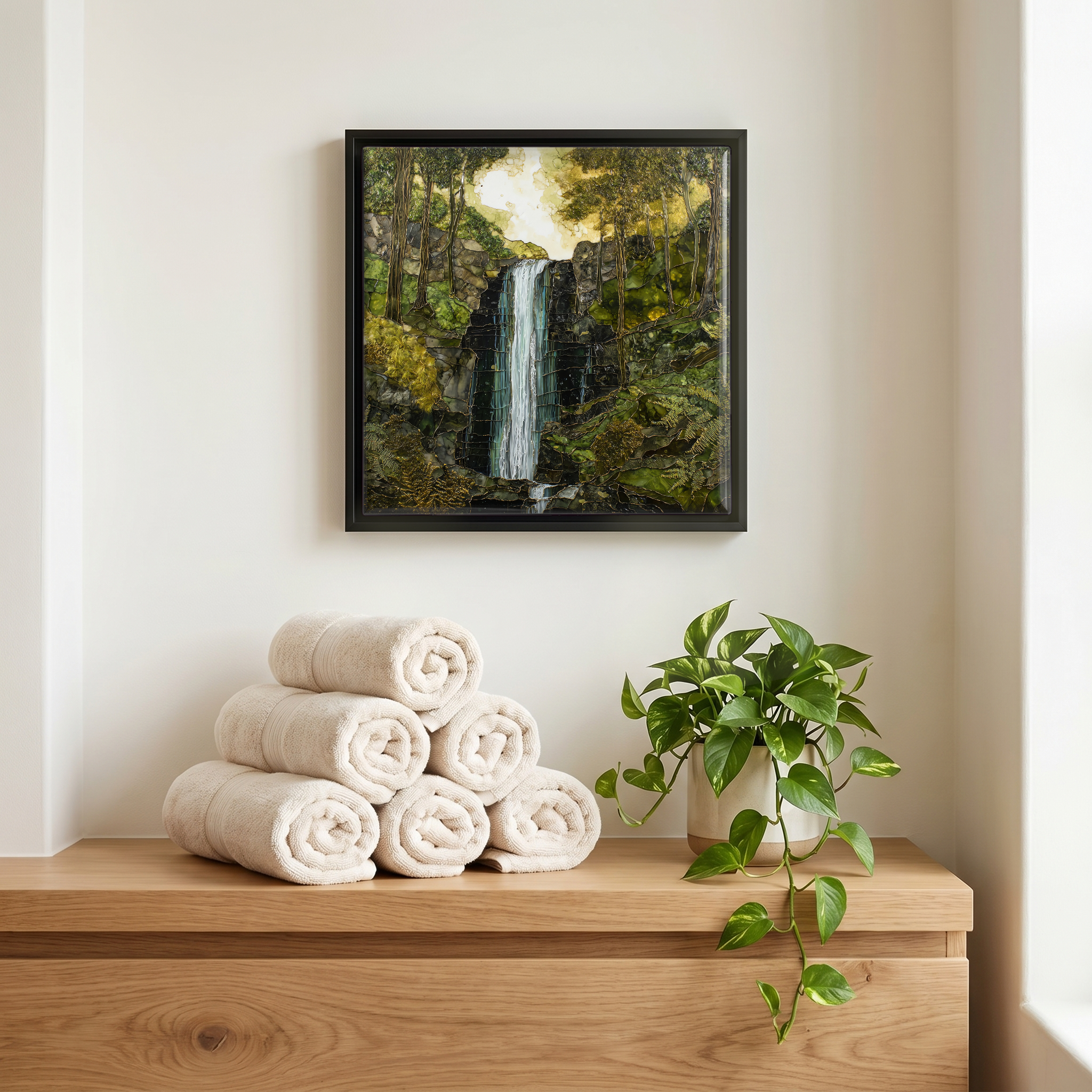
Three or five different vistas, hung together — a chapter of places you've been, or want to go.
The place, in three passes.
Torc Waterfall sits inside Killarney National Park, in County Kerry on the southwest coast of Ireland, about seven kilometres south of Killarney town along the N71 road toward Kenmare. The fall is on the Owengarriff River, which drops from a small upland lake called the Devil's Punch Bowl on the flank of Mangerton Mountain and runs down to join the Upper Lake of Killarney. Killarney National Park, established in 1932 as Ireland's first national park, holds the country's largest remaining tract of native woodland and was designated a UNESCO Biosphere Reserve in 1981. The Old Kenmare Road, part of the long-distance Kerry Way, passes within metres of the falls.
The Owengarriff drops about twenty metres at Torc in a single fanned cascade, fed almost entirely by rainfall caught on the slopes of Mangerton Mountain (838 metres) and stored in the Devil's Punch Bowl above. The river is short and steep, which means the falls respond visibly to weather. After a wet week the cascade widens and the lower pool turns brown with peat carried down from the heath; in a dry stretch the rock face shows between the white. The surrounding wood is one of the last remnants of Ireland's Atlantic oakwood, where mosses and ferns hold water in the canopy and the ground stays damp through the year.
Torc is reached from a marked car park on the N71 (the Kenmare road) about seven kilometres south of Killarney. Entry to the falls and to Killarney National Park is free and open every day; there is no gate, no booking, no fee. The base of the waterfall is reached by a 200-metre forest path, paved and largely level. From the base, around a hundred stone steps climb to an upper viewing platform that looks back across the Upper Lake toward the Macgillycuddy's Reeks. The path connects on to the Kerry Way, the 214-kilometre long-distance trail that loops the peninsula. The fall is busiest in summer and quietest in the wet half of the year, when it also runs strongest.