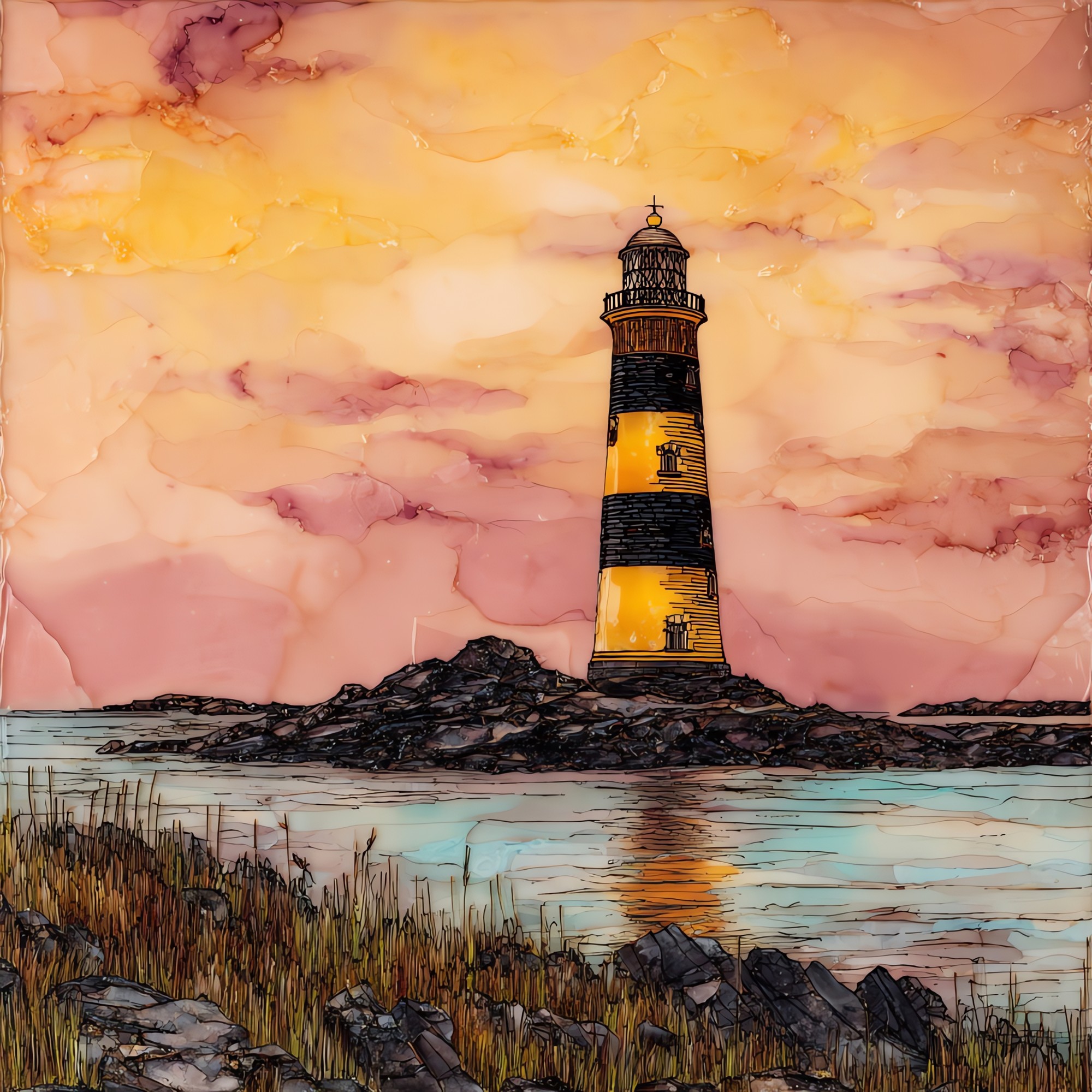
St John's Point Lighthouse
— — the colour Dundrum Bay steers by.
Not only on a wall.
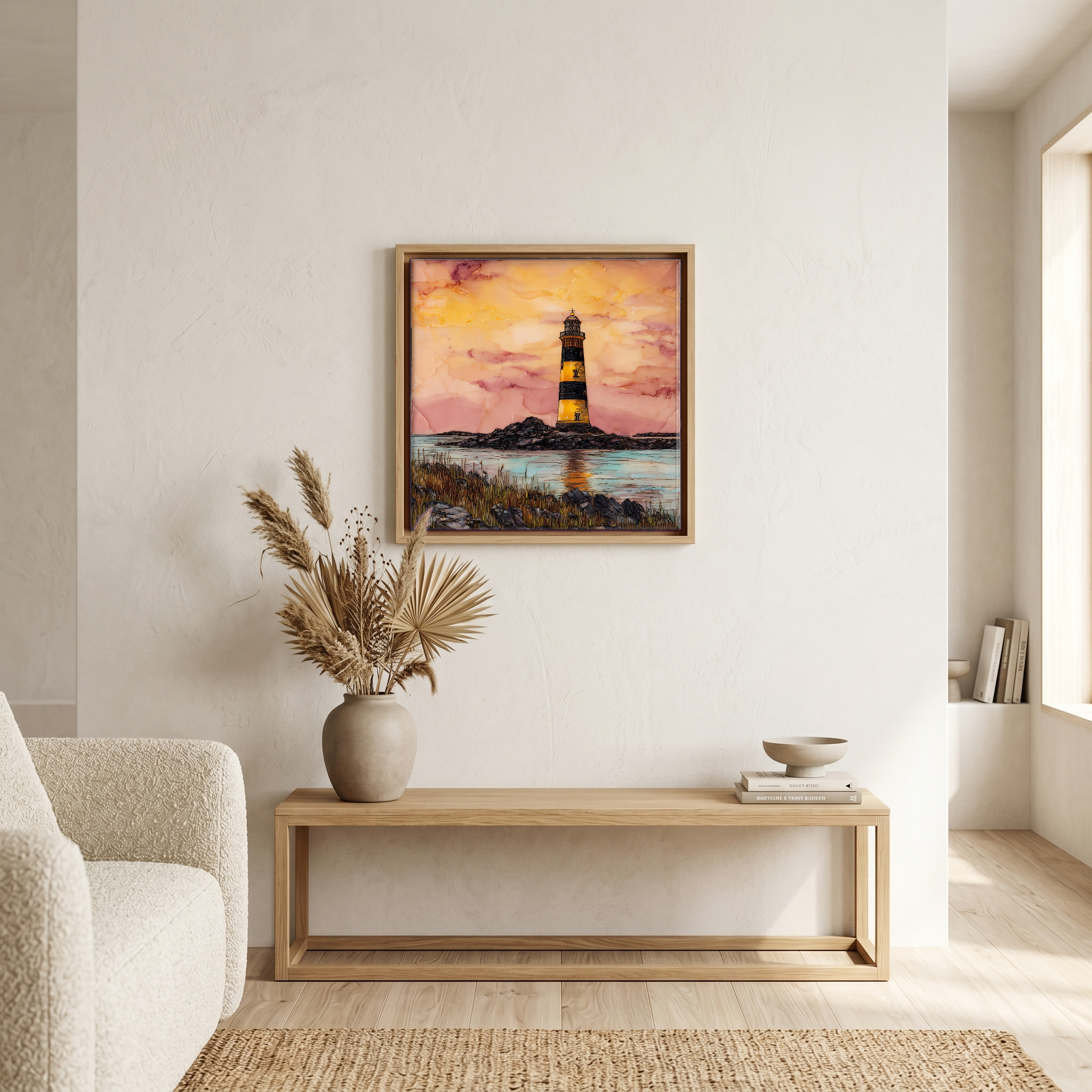
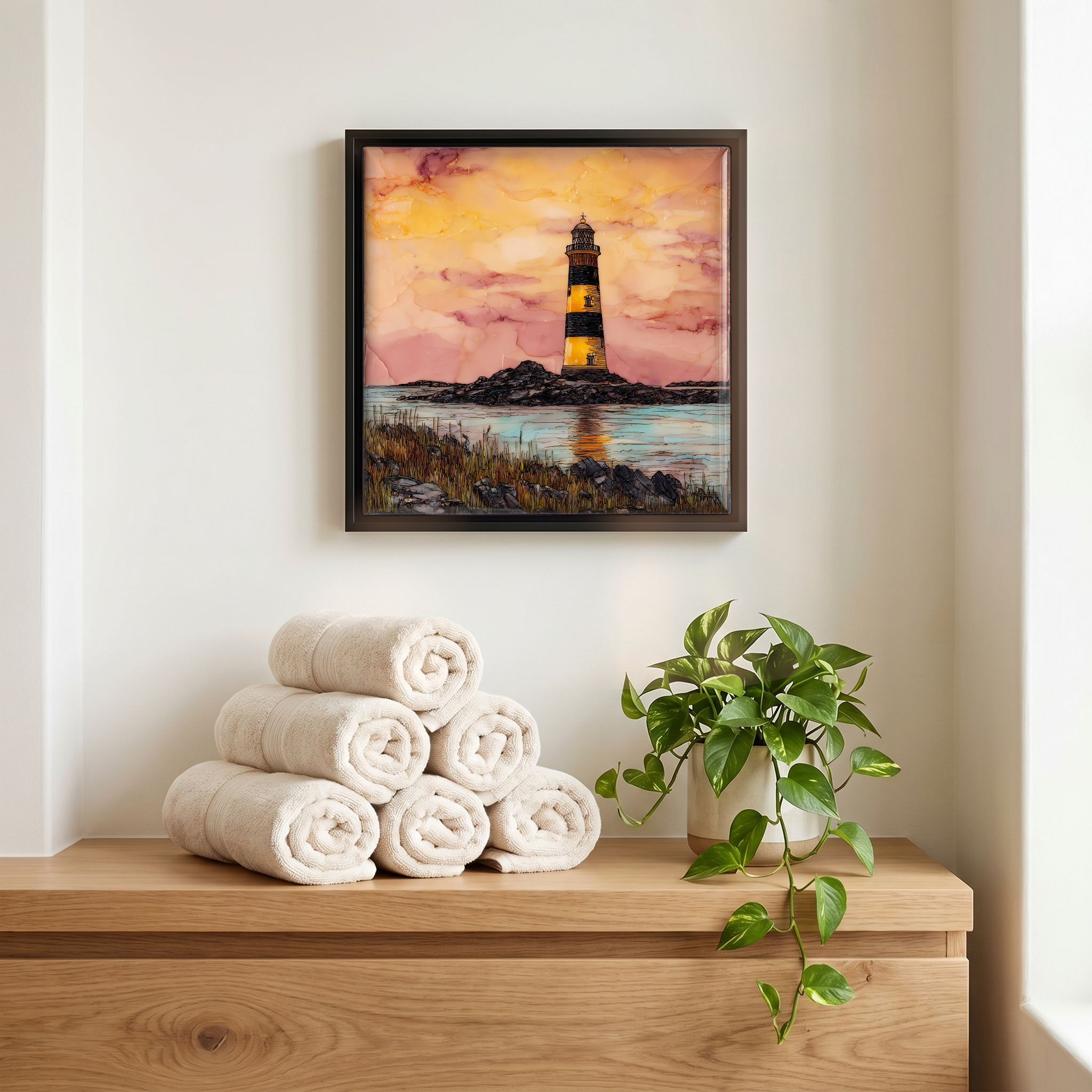
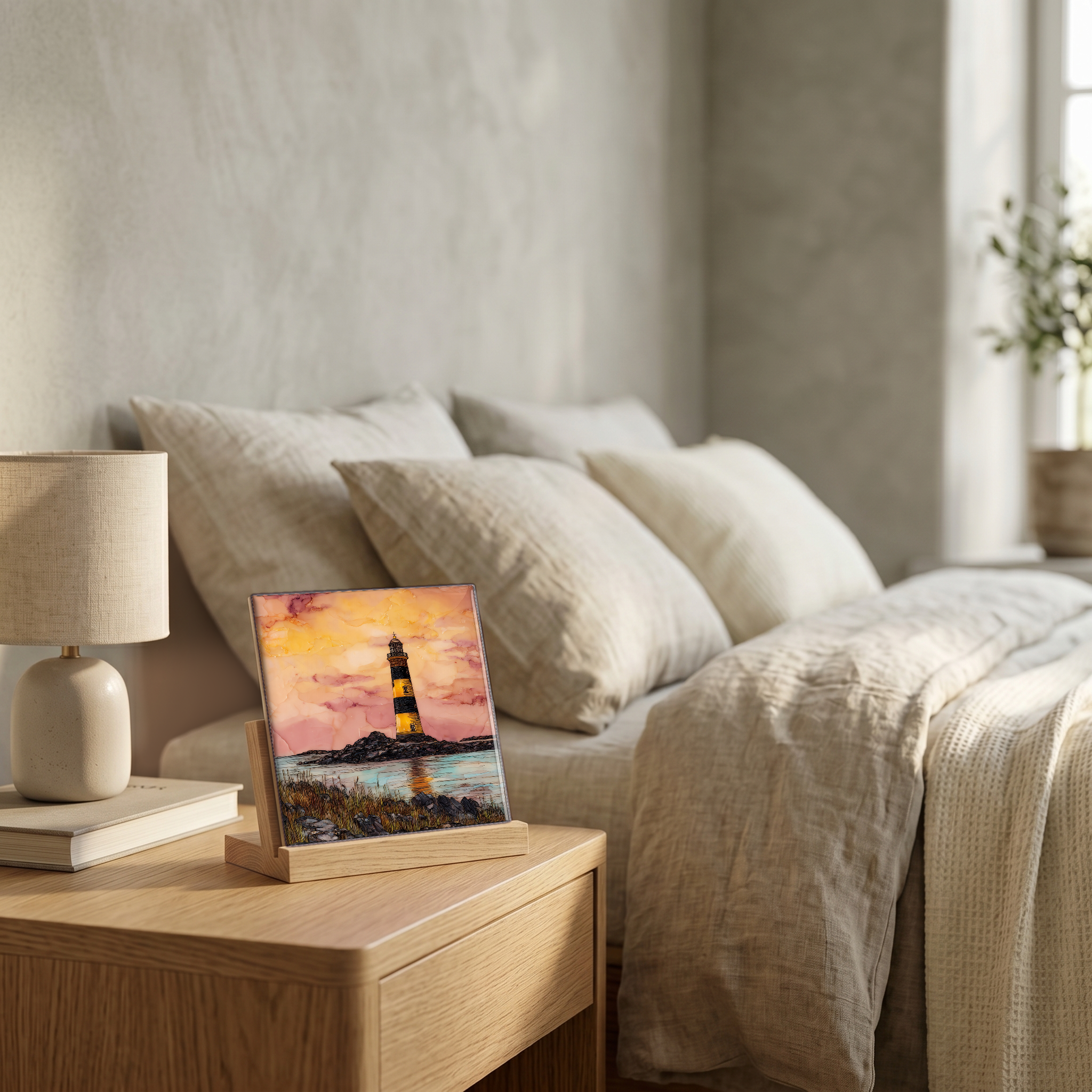
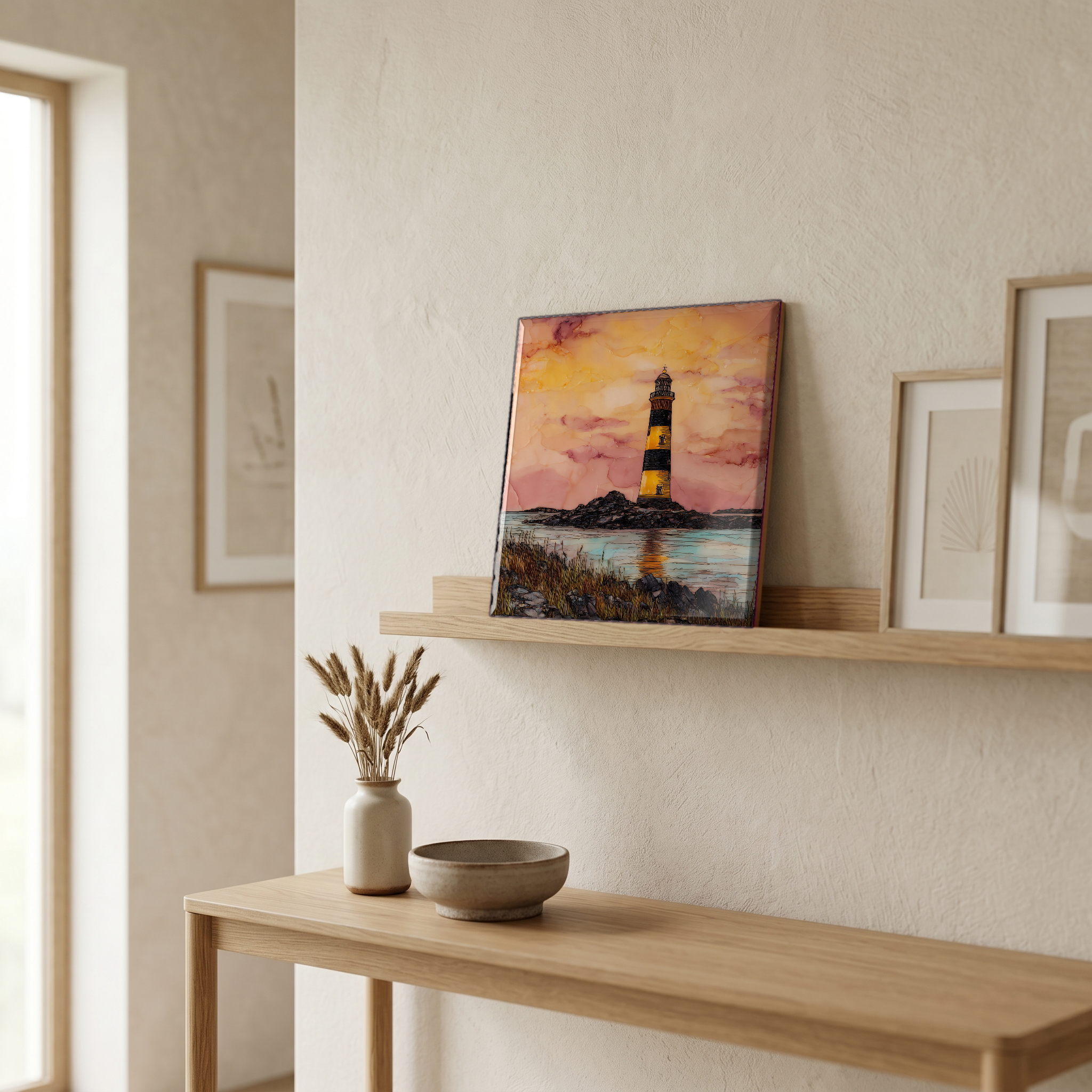
“At the southern tip of the Lecale Peninsula, a tall striped tower keeps watch over the approach to Dundrum Bay. George Halpin Senior, who designed many of Ireland's lighthouses in the nineteenth century, drew it in the 1840s. The yellow-and-black bands came later, in 1954, added for daytime visibility. They are why anyone passing the headland remembers it. Two whitewashed keeper's cottages sit beside the tower, looked after now by the Irish Landmark Trust and let by the week. The road in is narrow and quiet, sheep on one side, the Irish Sea on the other.
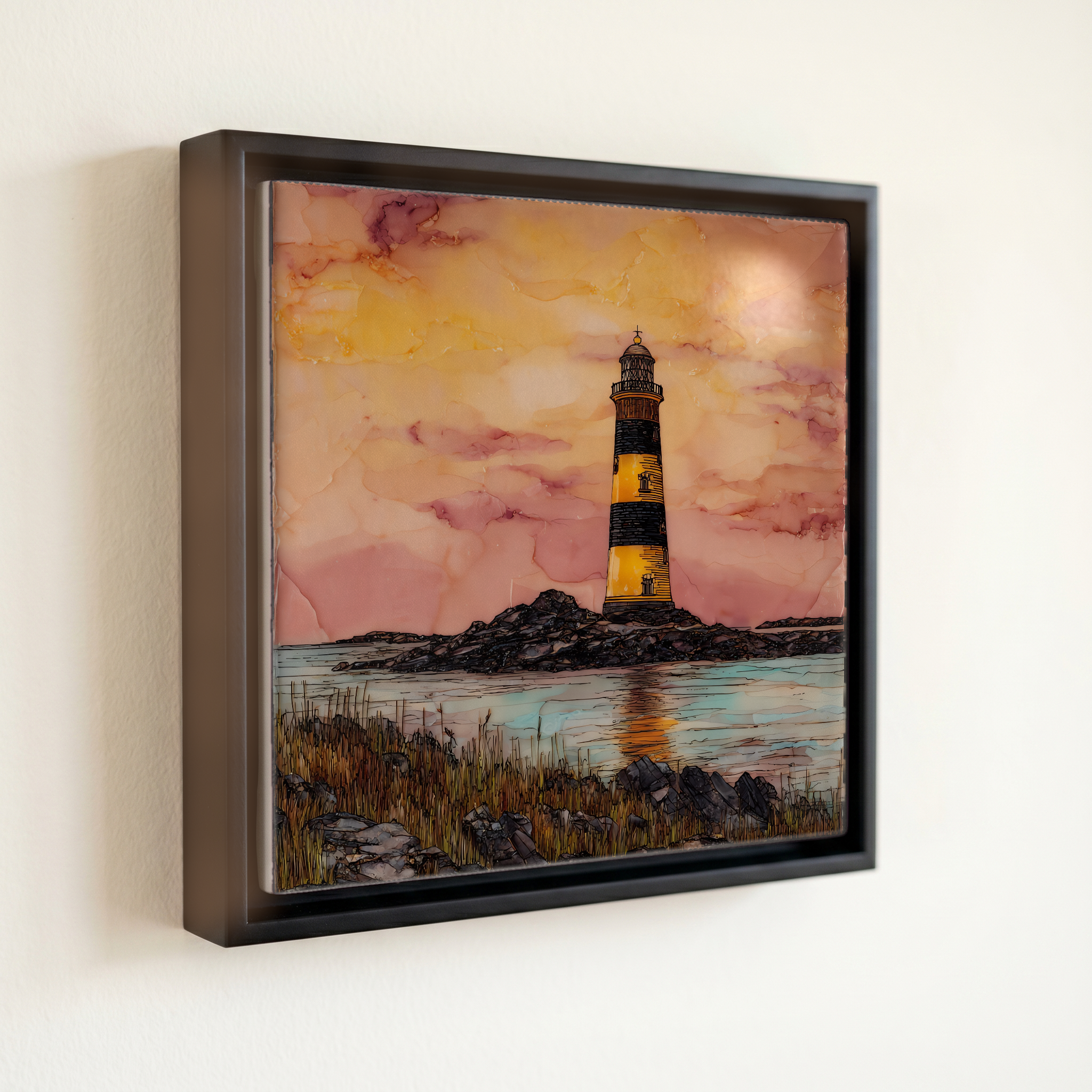
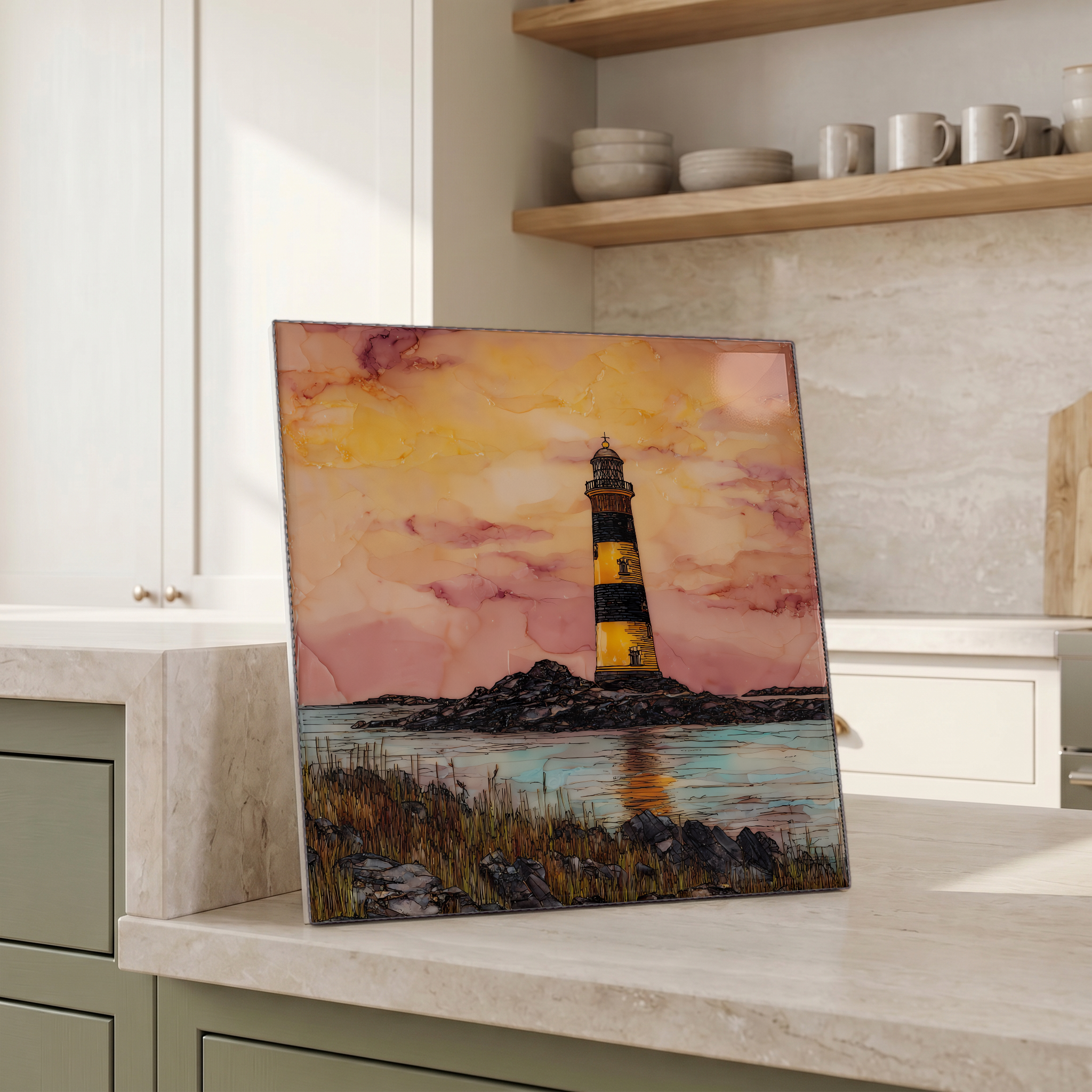
St John's Point Lighthouse, on ceramic.
Each tile is finished by hand in our Knoxville studio. Artwork is slowly infused into the ceramic surface under high heat and pressure, and rests beneath a thin glossy finish. The colour lives in the surface, not on top of it.
Pick any four 4-inch tiles — National Parks you've been to, a Smokies set, the four seasons of one place. $ for a set of , cork-backed, ready to live on the table.
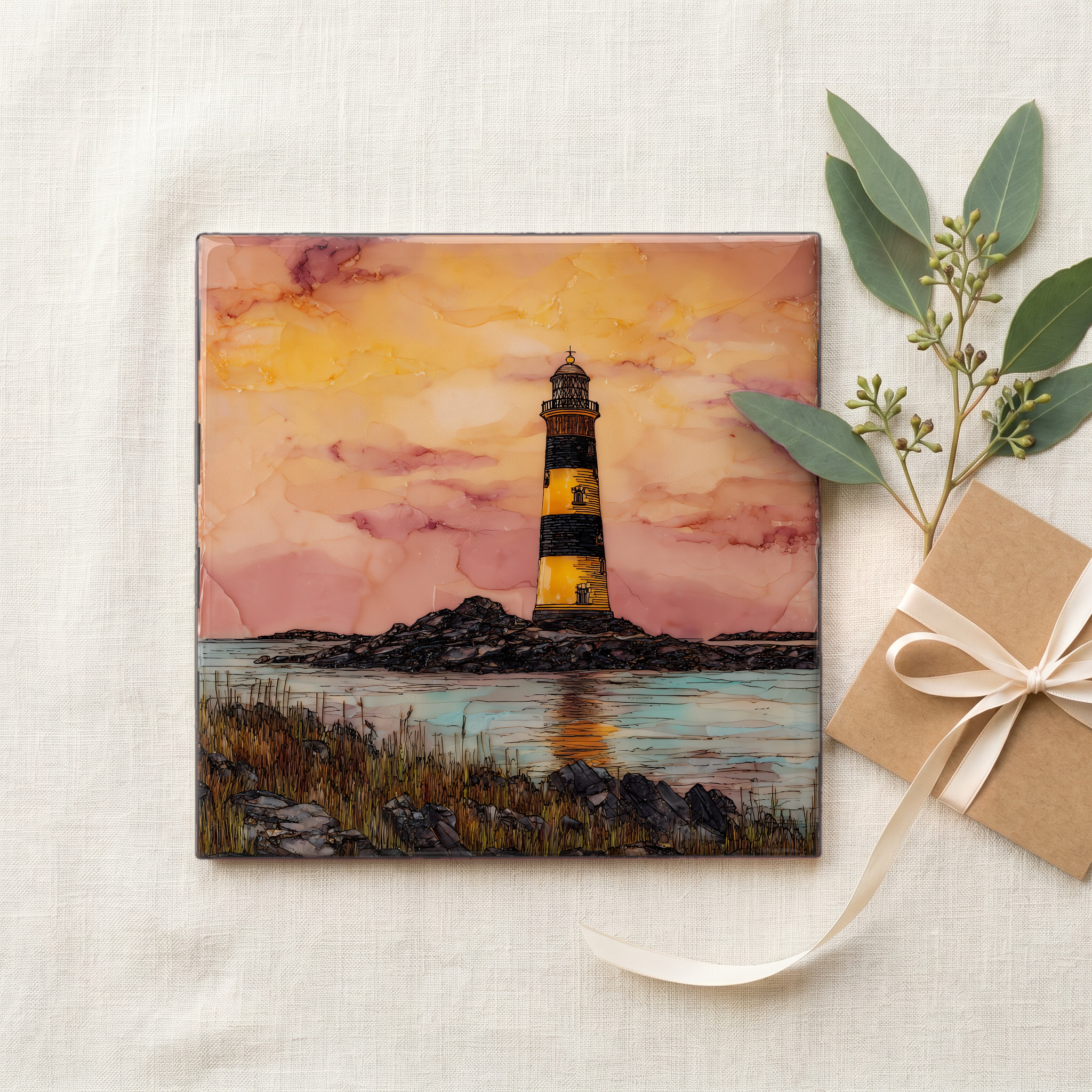
Each tile ships in a kraft box, tied with cream ribbon, with a handwritten note from the studio if you'd like to add one.
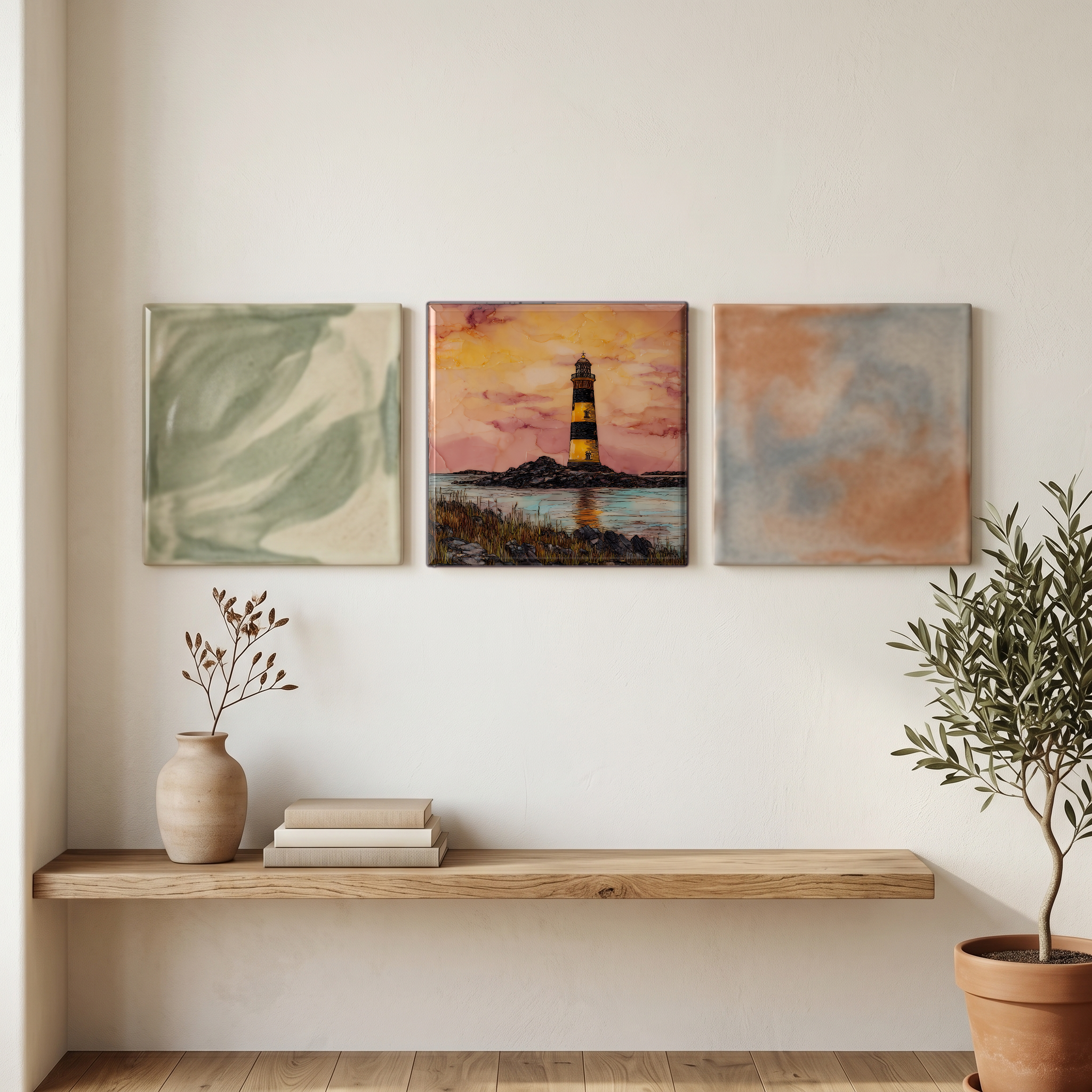
Three or five different vistas, hung together — a chapter of places you've been, or want to go.
The place, in three passes.
St John's Point Lighthouse marks the southern tip of the Lecale Peninsula in County Down, Northern Ireland, about four kilometres south of the fishing village of Killough. The peninsula is the southern half of the Ards-Lecale coast, a stretch of low farmland and exposed rock that separates Dundrum Bay from the open Irish Sea. The lighthouse is the tallest onshore lighthouse on the island of Ireland, rising 40 metres from a rocky promontory at sea level. The tower was designed by George Halpin Senior, principal engineer of the Commissioners of Irish Lights, and first lit on 1 May 1844. It marks the southern approach to Dundrum Bay and the Mourne coast beyond.
The tower is masonry, painted in horizontal bands of black and yellow. The bands were added in 1954 as a daymark, to make the lighthouse legible against the sky from passing vessels. Before then the tower was plain white. The light was automated in 1981 and the last resident keeper left the station that year; the Commissioners of Irish Lights still maintain the active light and fog signal. The two attached single-storey cottages, once home to the keepers and their families, are sturdy whitewashed buildings with thick walls against the weather coming in off the Irish Sea. Their original timber doors and fireplaces have been kept.
The lighthouse stands at the end of a narrow single-track road off the A2 coast road, about four kilometres from the village of Killough. The tower itself is not open to the public, but the two former keepers' cottages have been restored by the Irish Landmark Trust and let to visitors by the week. They share the headland with the active light and a small garden enclosed by stone walls. The Mourne Mountains rise across Dundrum Bay to the west, often catching the last of the sun. Visitors come for the quiet. There is no shop, no café, and outside the May-to-September season, very little traffic on the road.