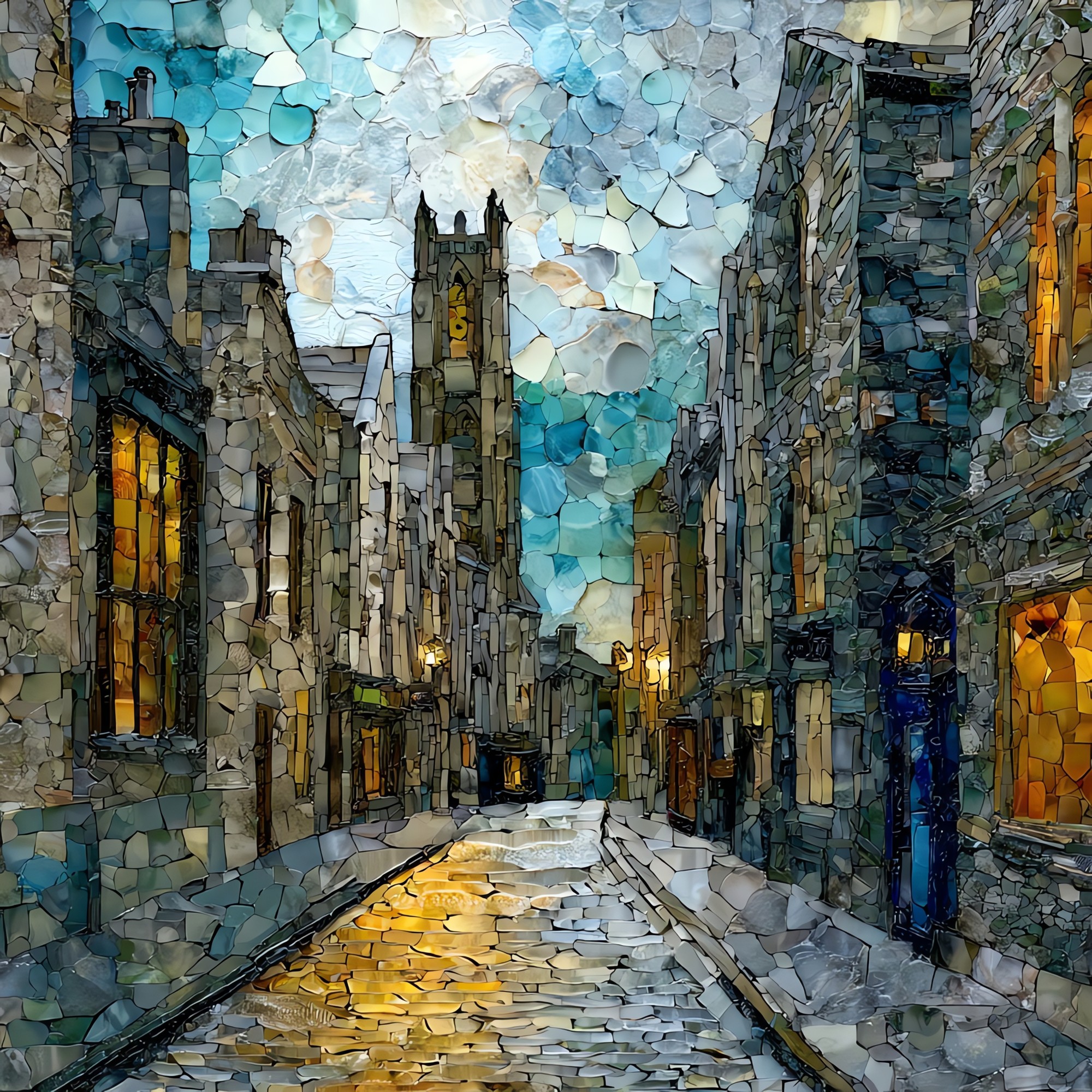
Kilkenny Medieval Mile
— a thousand years down a single street.
Not only on a wall.
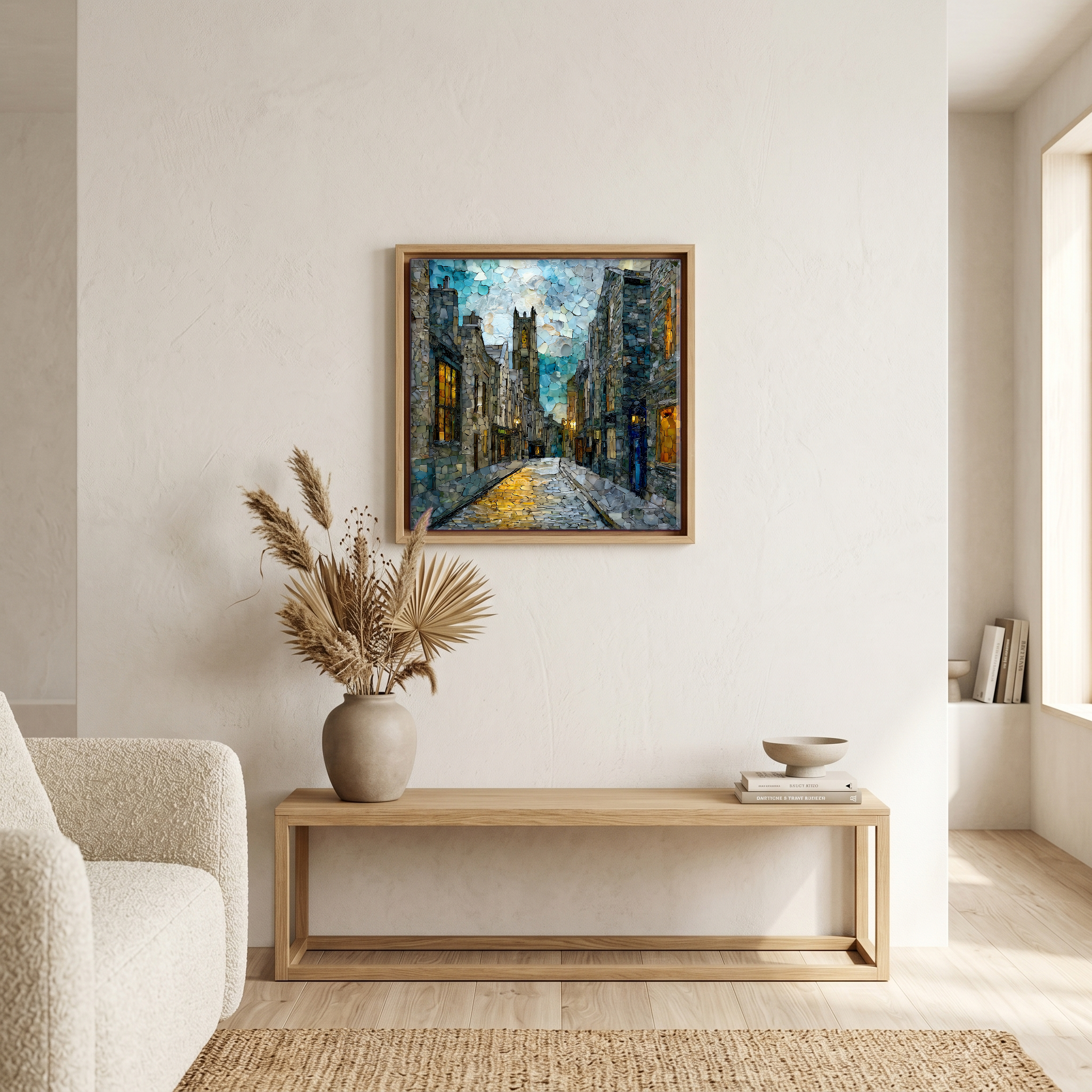
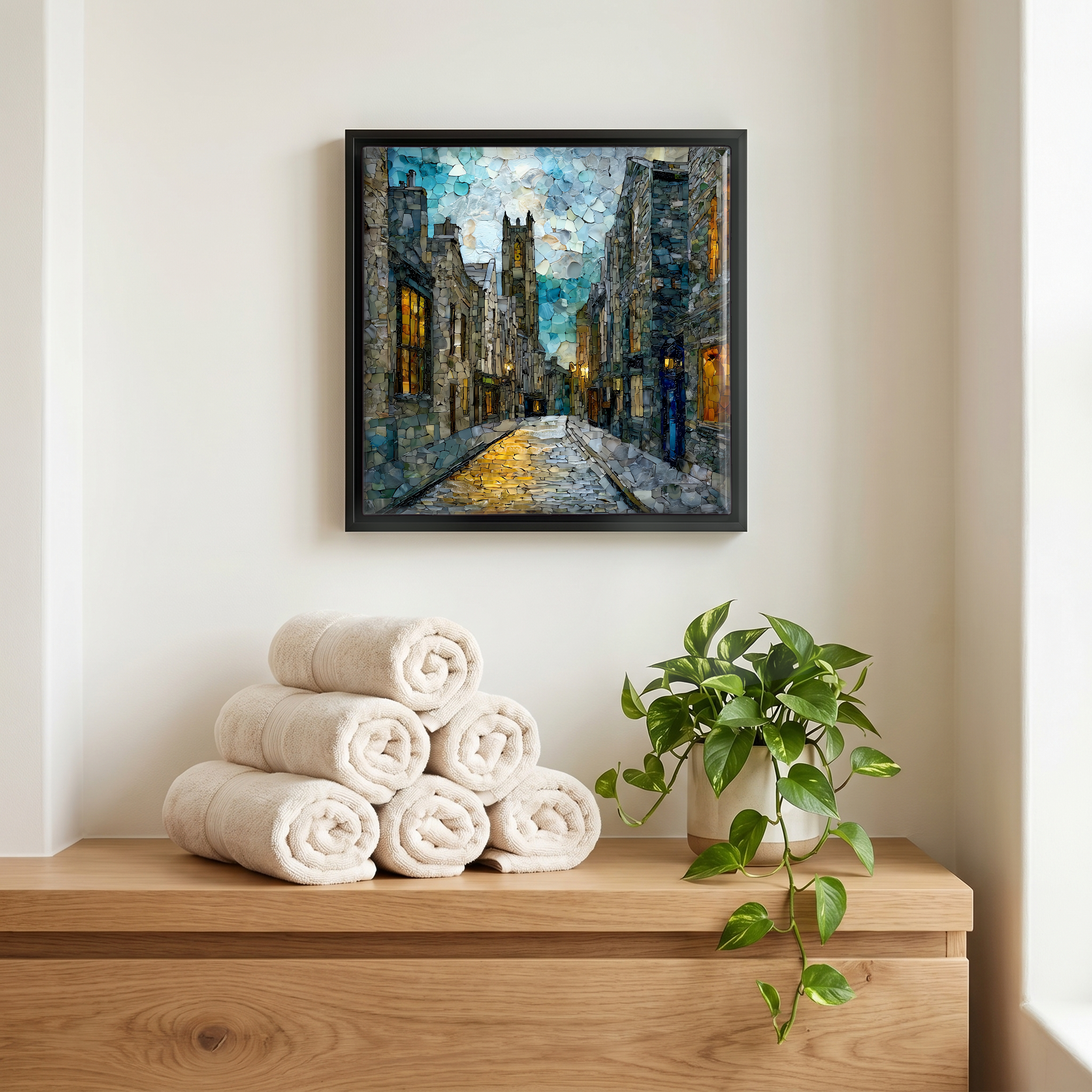
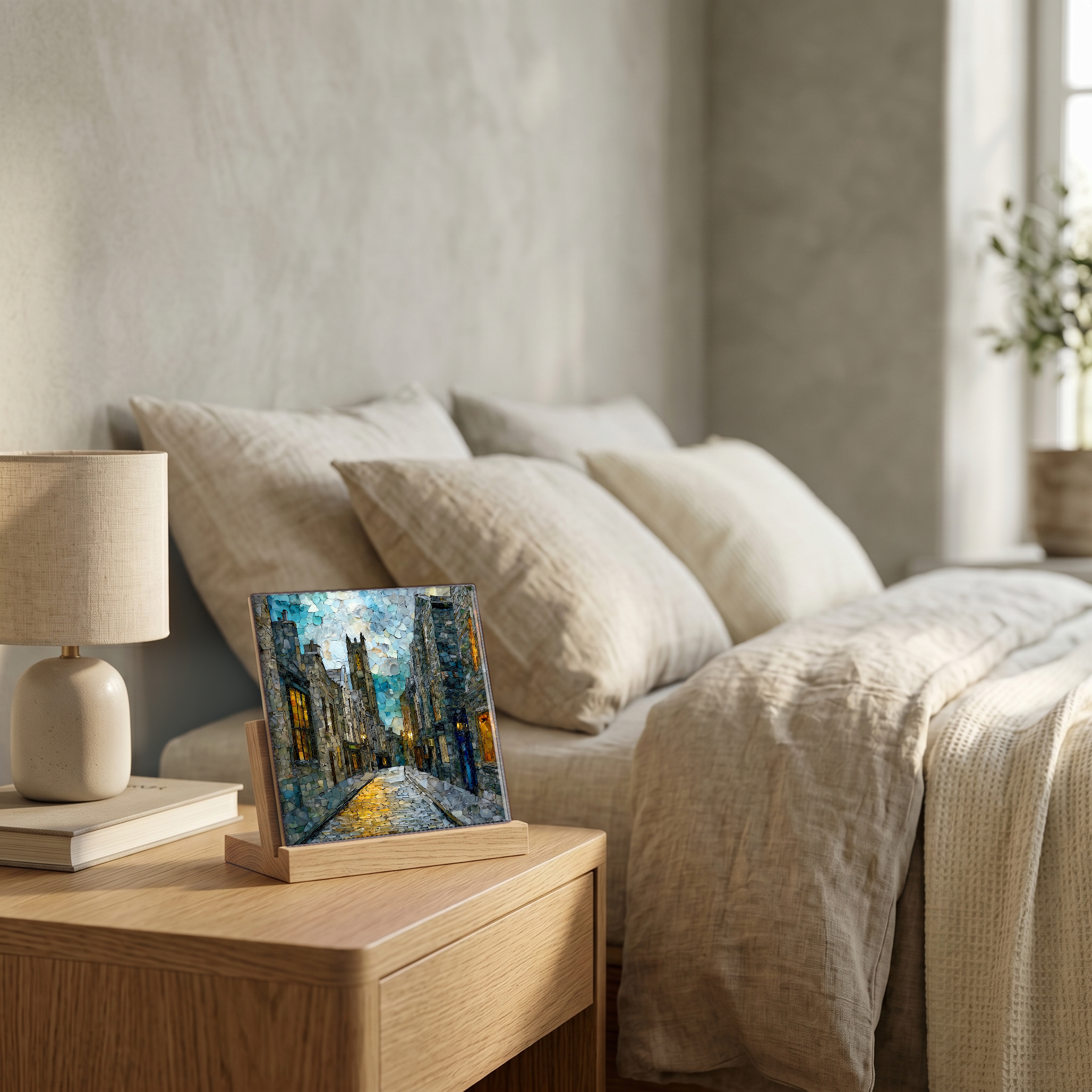
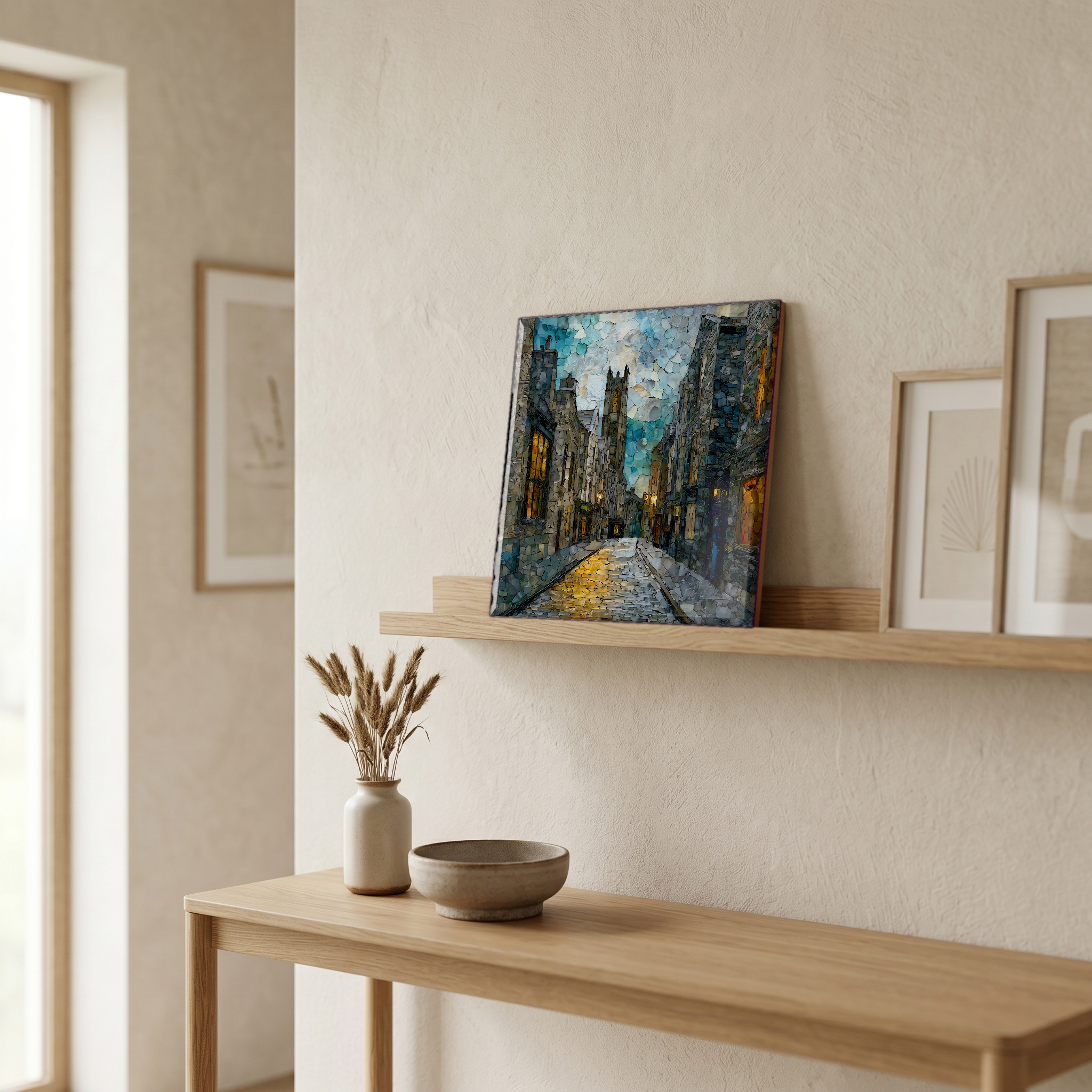
“A mile of stone running through the middle of Kilkenny, from the Butlers' castle at one end to St Canice's round tower at the other. The High Street widens and narrows along the way, past the Tholsel, past Rothe House, past the deconsecrated St Mary's that now holds the city's medieval tombs. The cathedral is the second-longest in Ireland and the round tower is one of only two in the country a visitor can still climb. People come for an afternoon and stay until the lights come up along the river.
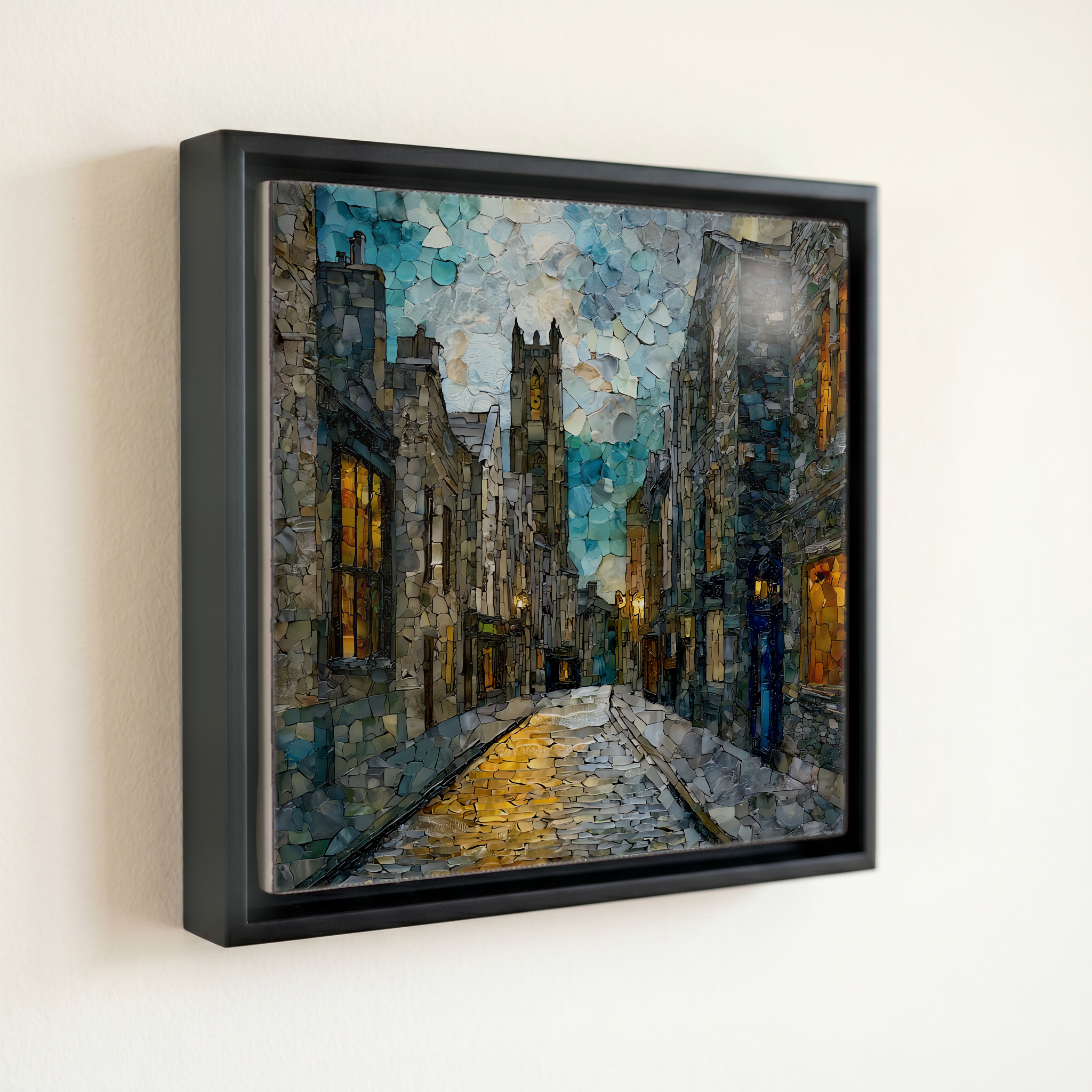
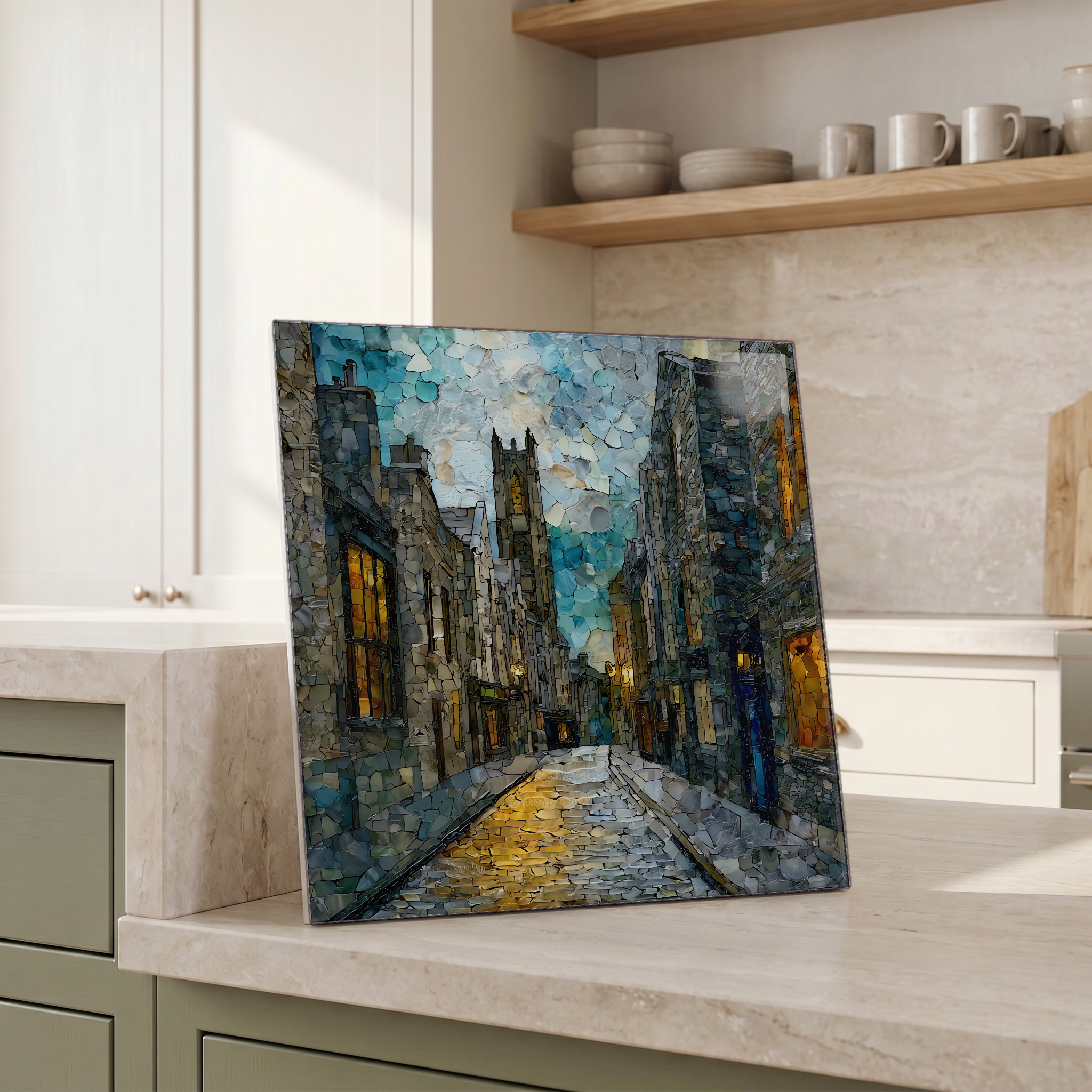
Kilkenny Medieval Mile, on ceramic.
Each tile is finished by hand in our Knoxville studio. Artwork is slowly infused into the ceramic surface under high heat and pressure, and rests beneath a thin glossy finish. The colour lives in the surface, not on top of it.
Pick any four 4-inch tiles — National Parks you've been to, a Smokies set, the four seasons of one place. $ for a set of , cork-backed, ready to live on the table.
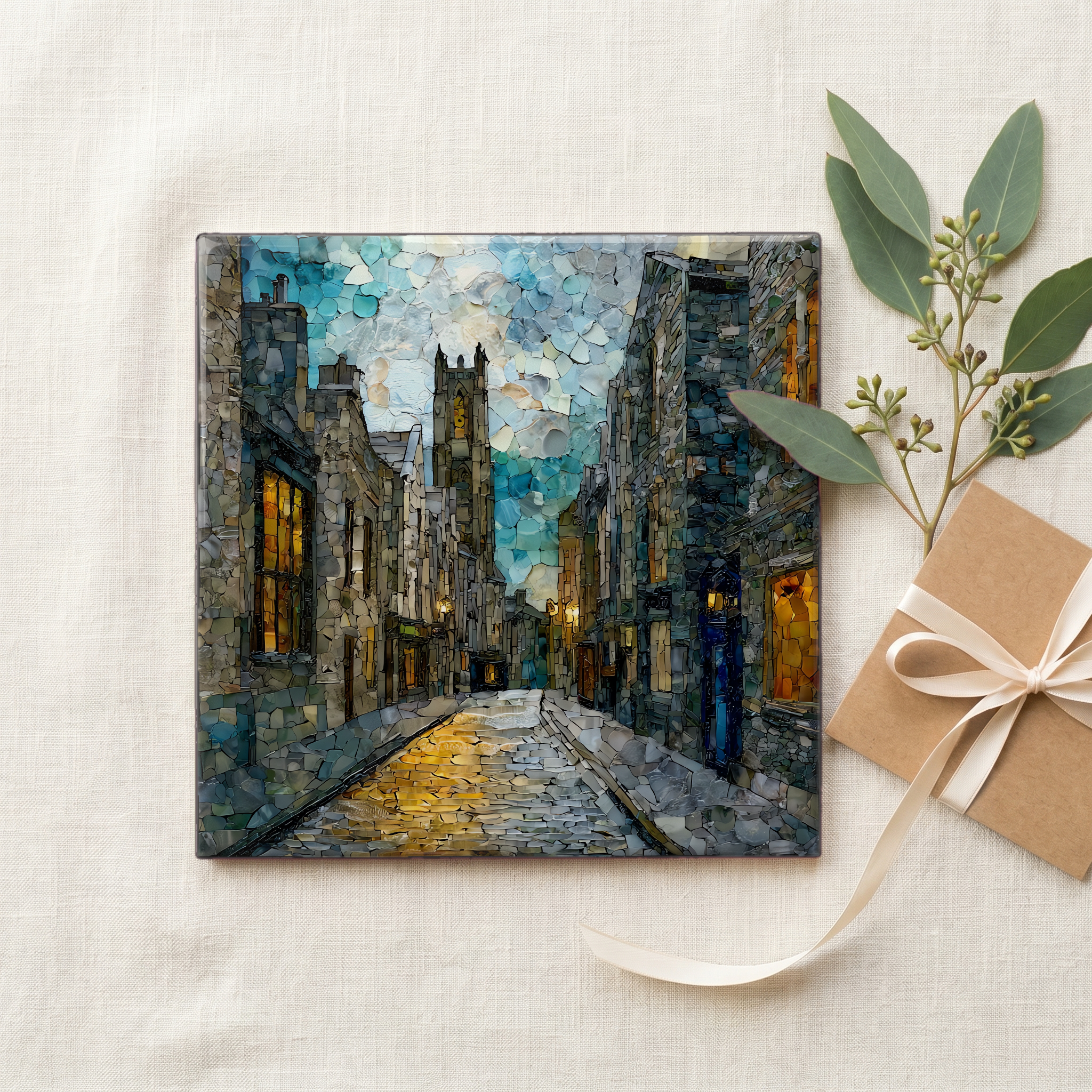
Each tile ships in a kraft box, tied with cream ribbon, with a handwritten note from the studio if you'd like to add one.
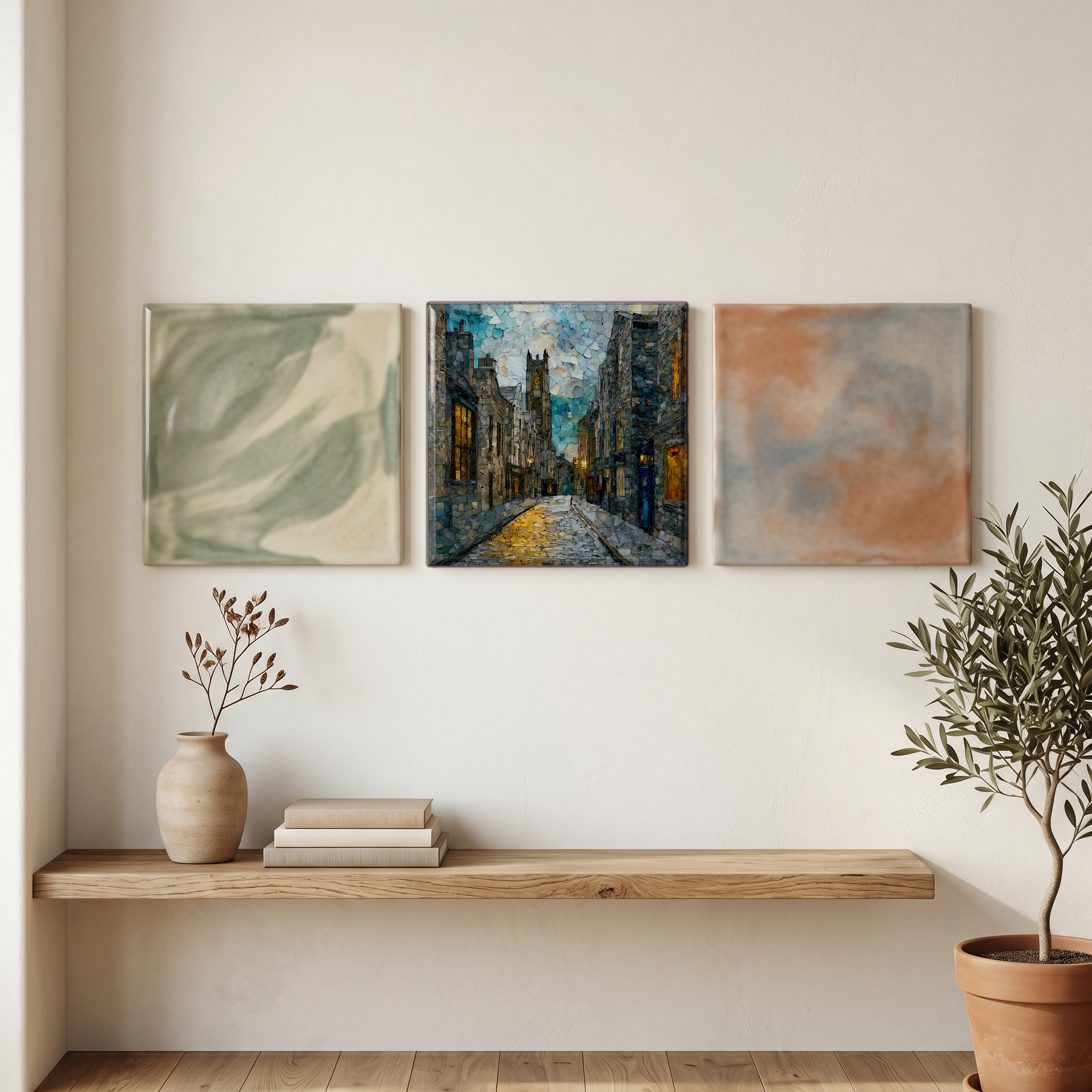
Three or five different vistas, hung together — a chapter of places you've been, or want to go.
The place, in three passes.
Kilkenny sits on the River Nore in Ireland's southeast, about 120 km south of Dublin and 50 km north of Waterford. The Medieval Mile is the spine of the city: a one-kilometre walk that runs from Kilkenny Castle at the lower end to St Canice's Cathedral and its 9th-century round tower at the upper. Saint Canice founded a monastic settlement here in the 6th century, and the city takes his name. The walled town that grew around it was chartered as a royal city by James I in 1609 and held the Confederate Parliament of Ireland here in the 1640s. The route still follows the line of the original medieval high street, threading the Tholsel, Rothe House, and Black Abbey along the way.
The Mile is built in Kilkenny limestone, a dark, fossil-flecked stone quarried locally and known to masons as Kilkenny marble for the way it polishes. St Canice's Cathedral, raised in the 13th century, is the second-longest cathedral in Ireland and a working showcase of medieval stone carving: corbel heads, effigies on table tombs, the chancel arch. A short walk down the hill, the deconsecrated 13th-century St Mary's Church holds Ireland's largest collection of Renaissance tombs, including those of the Rothe merchant family, and reopened in 2017 as the Medieval Mile Museum. The same stone runs through Rothe House, the Tholsel, the Black Abbey, and the surviving city walls. The trail is essentially one long wall of it.
The Medieval Mile runs roughly a kilometre, from the gates of Kilkenny Castle at the Parade up through High Street and Parliament Street to St Canice's Cathedral at the top of Irishtown. Walked end to end without stops, it takes about fifteen minutes. With the three main paid sites (the Castle, the Medieval Mile Museum, and the Cathedral with the round tower), it fills most of a day. The round tower has 121 steps and an open platform at the top, one of only two such towers in Ireland still open to climb. The Castle's Long Gallery is ticketed and the parkland is free to wander; the museum and the tower charge admission. Most visitors start from the Castle end and finish at the cathedral.