Wender·Vista
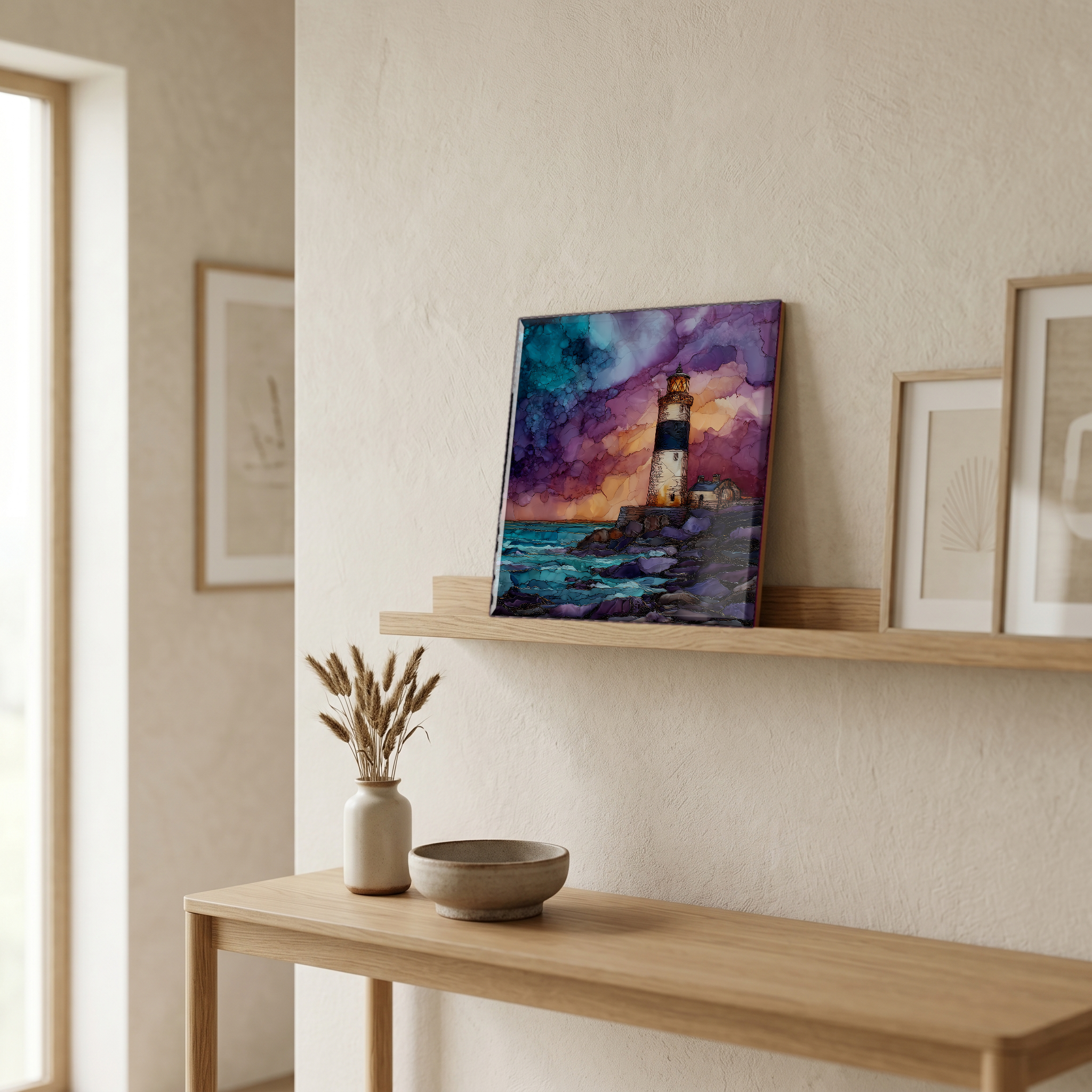
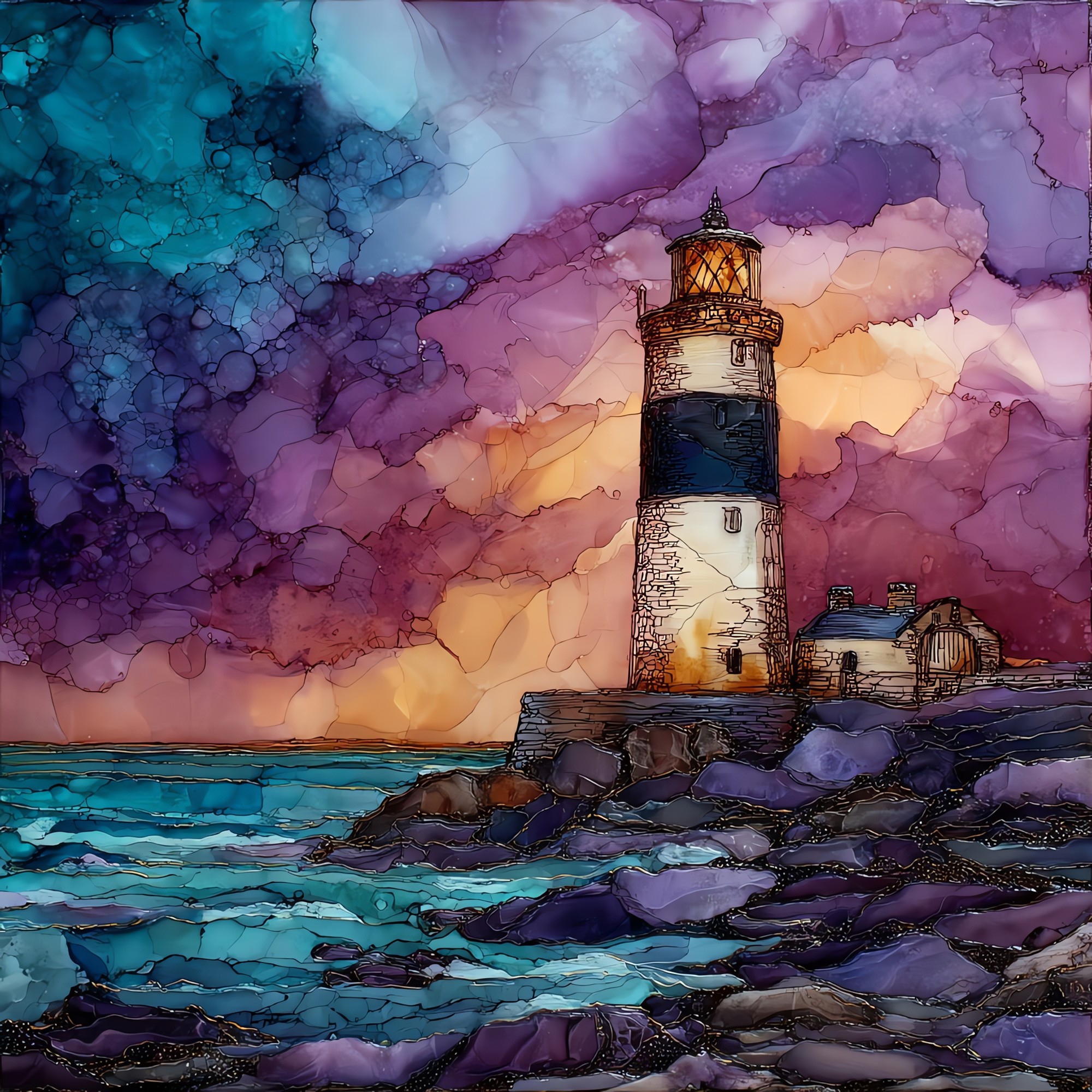
Hook Head Lighthouse
shown on ceramic, 12-inch tileIreland
at the southeast tip of Ireland

Hook Head Lighthouse

eight centuries of the same patient light.

Where it lives

Not only on a wall.

A small tile on the nightstand catching the morning. A larger one above the fire. Yours, wherever you spend the slow hours.
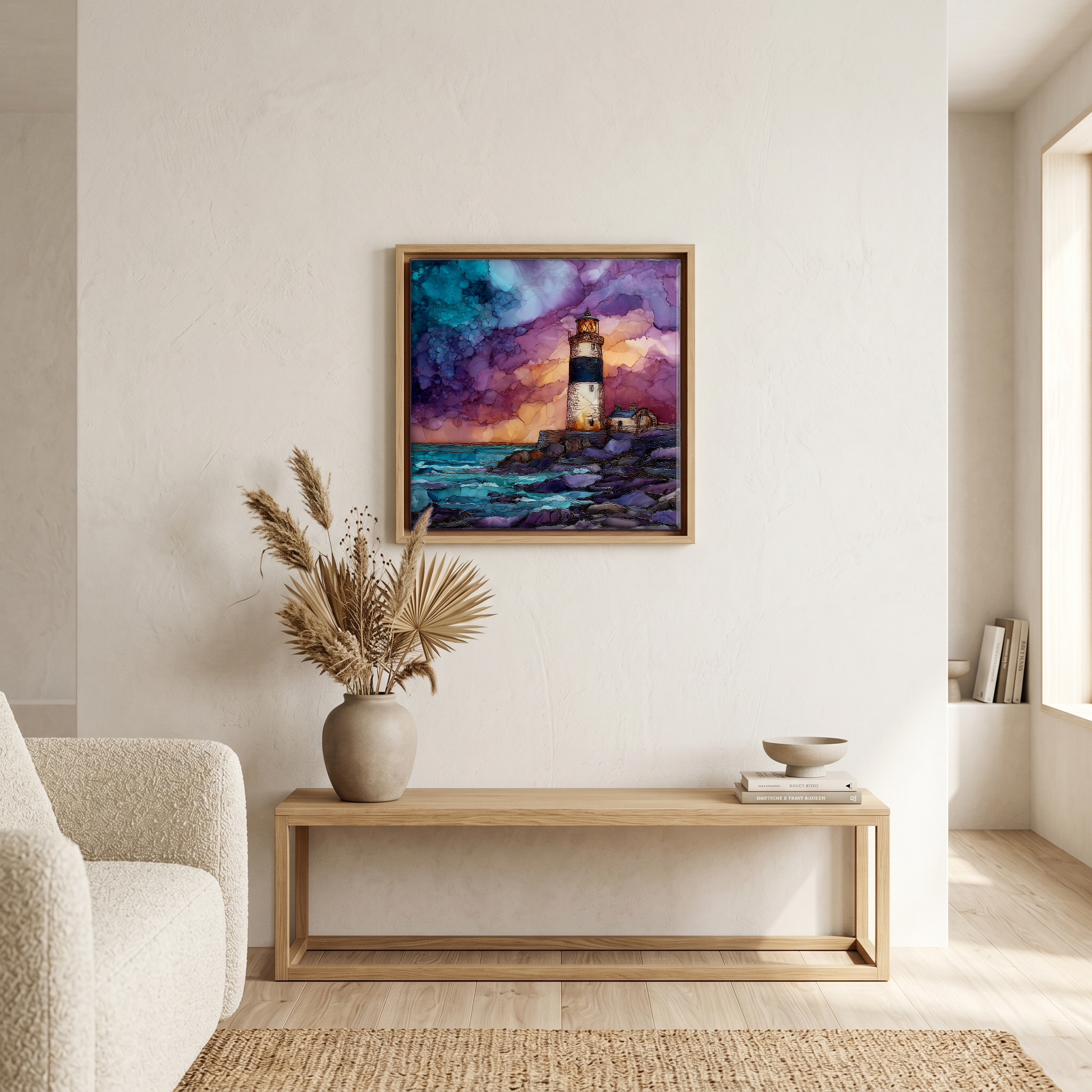
Above the bench, in a warm oak surround.
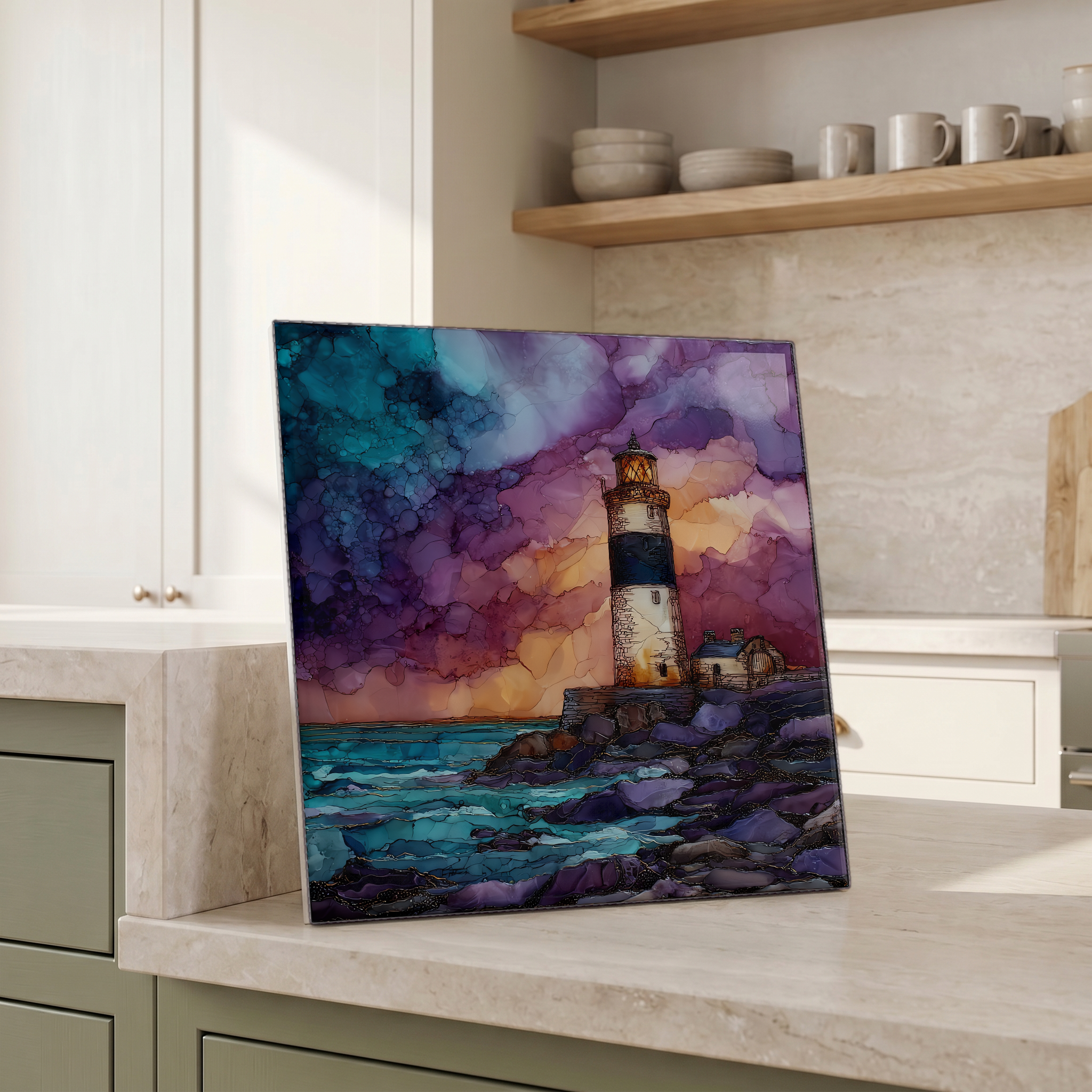
Beside the kettle, propped on the counter.
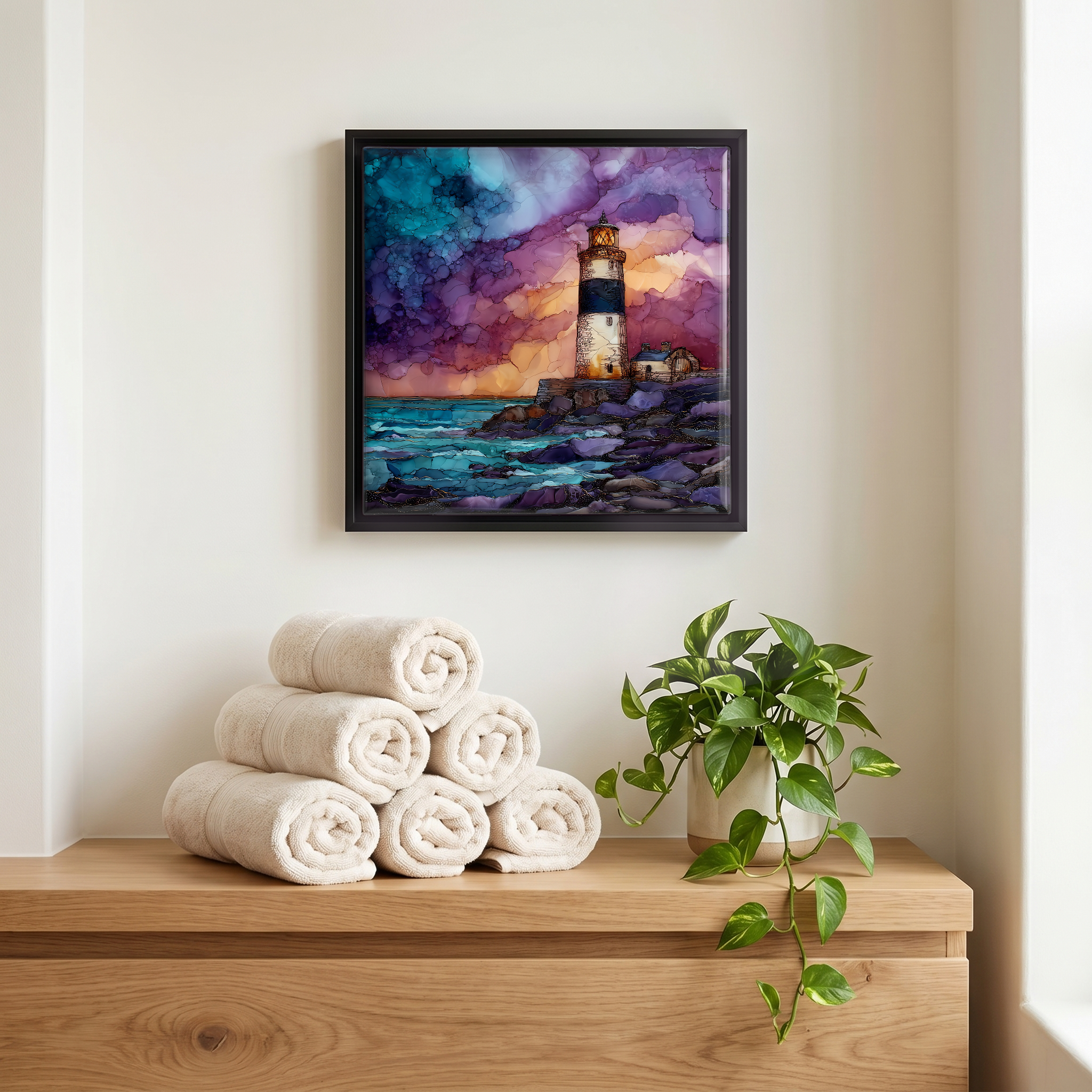
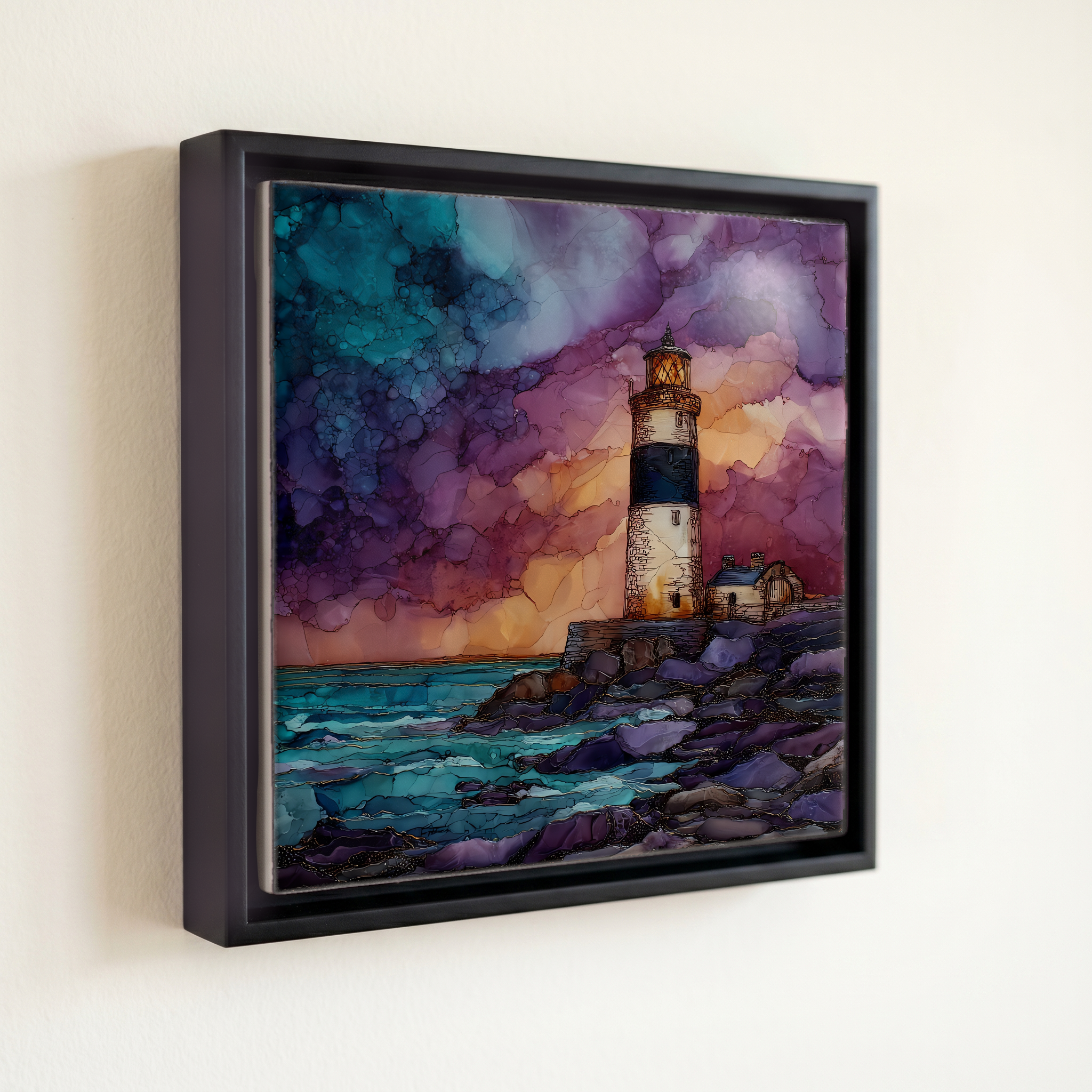
Above the linens, in a slim black surround.
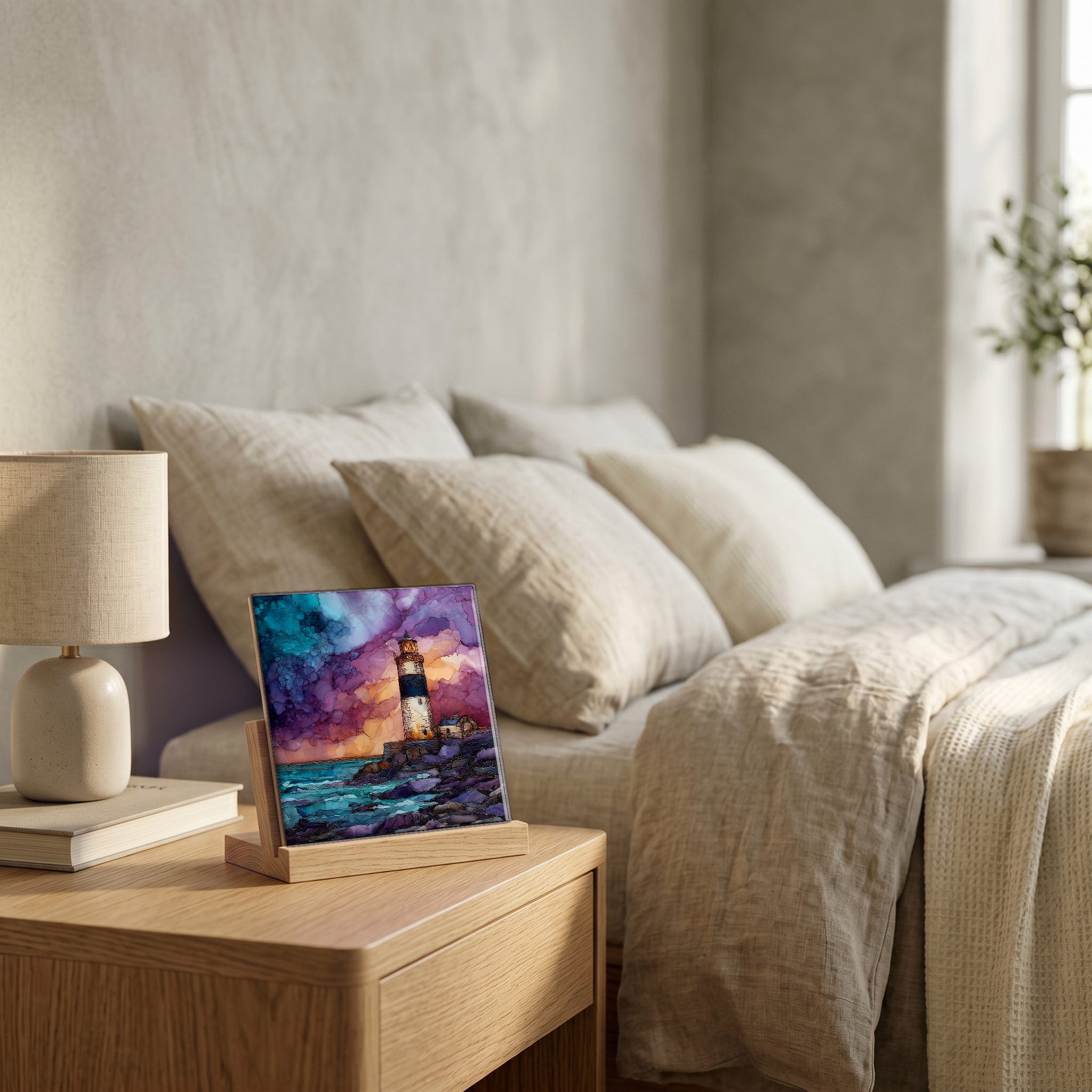
On the nightstand, on a light oak stand.
On a picture ledge, where the light comes in.
a note from the studio

The southeasternmost point of Ireland, where the Celtic Sea meets the mouth of Waterford Harbour. The tower has stood since the early 1200s, when William Marshal raised a stone keep above the spot where monks had kept a warning fire burning for centuries before. Automated since 1996, the light still turns. The limestone the tower is built from is older still: fossils of sea creatures are pressed into the rock at the base, and the cliffs around it are studied by geologists. One of the oldest operational lighthouses in the world.
from the studio
shown in a slim black floating frame · 6 × 6 in
— bring it home

Hook Head Lighthouse, on ceramic.

Each tile is finished by hand in our Knoxville studio. Artwork is slowly infused into the ceramic surface under high heat and pressure, and rests beneath a thin glossy finish. The colour lives in the surface, not on top of it.

What kind of piece?
One tile — square or rectangle.
How big?
the popular one — counter, shelf, nightstand
6 × 6 in · 15 cm · 1.6 lb
Surface finish
A clear glossy finish — the artwork reads as if under resin. Ideal for show-pieces and framed wall art.
How it sits
A hidden cleat — sits ¼″ proud of the wall.
$58
Hand-finished and shipped from our studio at the foot of the Smokies. On your wall in about ten days.
size
6 × 6 in
15 cm
weighs
1.6 lb
solid in the hand
surface
ceramic, hand-finished
art rests beneath a thin glossy finish
from
Knoxville, TN
our family studio, at the foot of the Smokies
— start a Coaster Set

Pick any four 4-inch tiles — National Parks you've been to, a Smokies set, the four seasons of one place. $ for a set of , cork-backed, ready to live on the table.

comes gift-ready
comes gift-ready

Each tile ships in a kraft box, tied with cream ribbon, with a handwritten note from the studio if you'd like to add one.
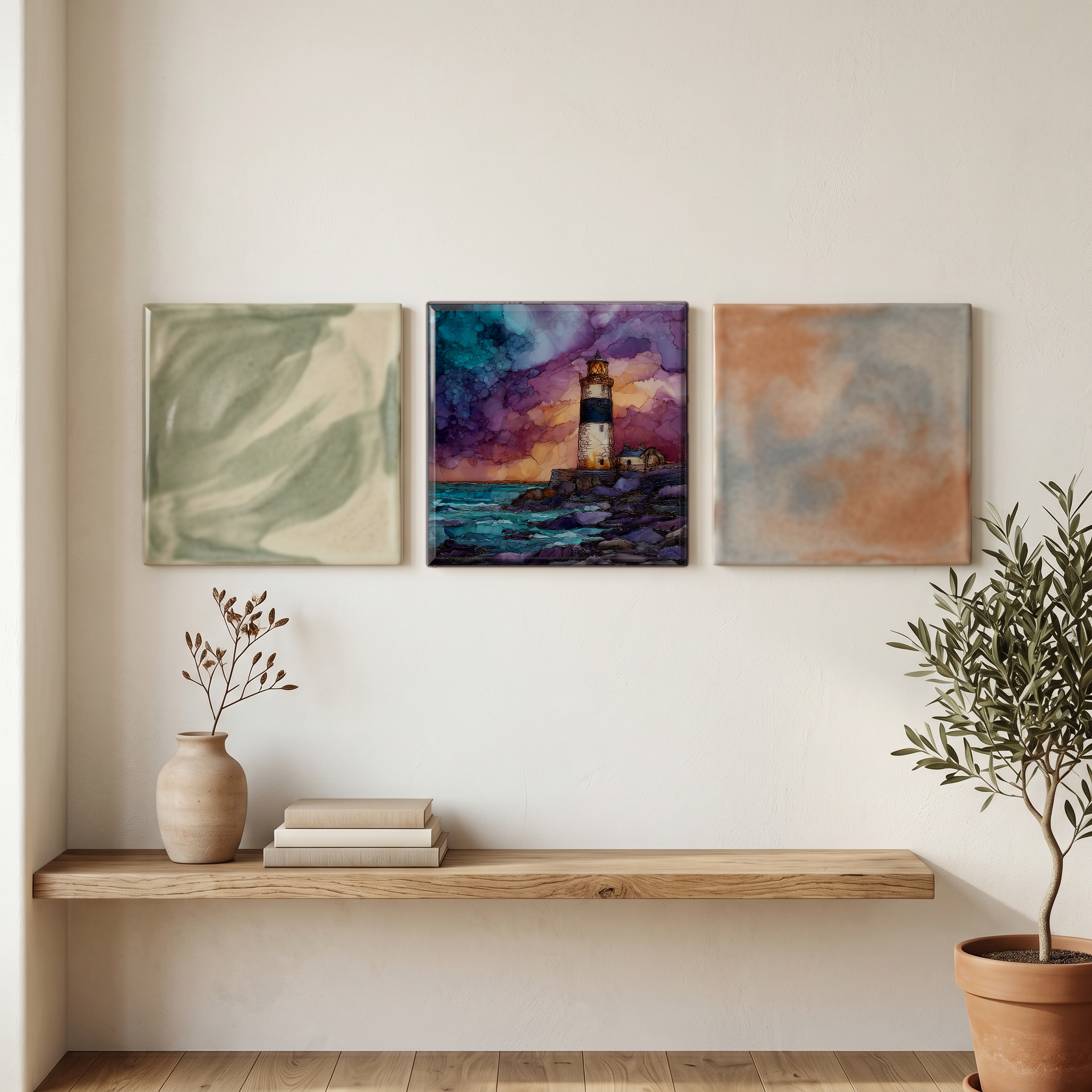
or build a grouping
or build a grouping

Three or five different vistas, hung together — a chapter of places you've been, or want to go.

about Hook Head Lighthouse

The place, in three passes.

A little of what's known, in case you fall down the rabbit hole — or want to go see it yourself.
the place

Hook Head sits at the tip of the Hook Peninsula in County Wexford, in the southeast of Ireland, where the entrance to Waterford Harbour opens to the Celtic Sea. The headland is the southeast extremity of County Wexford and a designated Special Area of Conservation. The lighthouse tower is roughly 35 metres tall and visible for some 23 nautical miles offshore. The peninsula itself sits on a recognised geological heritage site; the limestone bedrock holds Carboniferous-period marine fossils that are visible at the cliff base around the tower. The site is reached by a 50-kilometre drive from Wexford town, or by ferry from Passage East on the Waterford side of the estuary.

— informed by Wikipedia, Hook Heritage
the stone

The current tower was raised in the early 13th century by William Marshal, 1st Earl of Pembroke, the Anglo-Norman knight who held Leinster through marriage to Isabel de Clare. It replaced an older monastic warning fire kept by the followers of Saint Dubhán, the 5th-century Welsh monk who established a settlement on the peninsula. Marshal's tower is built of local Carboniferous limestone, with walls four metres thick at the base, and rises in three vaulted stone chambers connected by a spiral stair of 115 steps. The black and white bands painted on the tower today are a 19th-century daymark scheme, distinguishing Hook Head from the lighthouses at Tuskar Rock and the Saltees further up the coast.

— informed by Wikipedia, Hook Heritage
the visit

The lighthouse complex has been a working visitor centre since 2001, run by the local community trust Hook Heritage Ltd. Guided tours climb the 115 steps to the lantern room and the external balcony at the top, where the light is still in operation under the management of the Commissioners of Irish Lights; it was automated and the last keeper withdrawn in 1996. The site is open all year with reduced winter hours, and the small café and craft shop at the base look out across the rocks where the Atlantic swell breaks against the cliff. The drive from Dublin runs about three hours; from Cork, two and a half.

where
Ireland · Hook Peninsula, County Wexford
position
52.1233° N · 6.9292° W
the neighborhood

What's nearby.

A handful of named places within an hour's walk or short drive. Some we've already painted; some we will.
2 km N
Slade Castle and Harbour
Tudor coastal ruin
4 km NW
Loftus Hall
Georgian mansion
10 km N
Duncannon Fort
coastal star fort
13 km N
Tintern Abbey
Cistercian ruin
10 km W
Dunmore East
fishing village
N
Hook Head Lighthouse
Slade Castle and Harbour
Loftus Hall
Duncannon Fort
Tintern Abbey
Dunmore East
common questions

What people ask.

A few questions we get about Hook Head Lighthouse — and about bringing the piece home.
about the place

It sits at the tip of the Hook Peninsula in County Wexford, southeast Ireland, marking the eastern side of the entrance to Waterford Harbour where the Atlantic meets the Celtic Sea. The drive from Wexford town is about 50 kilometres; from Dublin, roughly three hours.

The current stone tower was raised in the early 13th century by William Marshal, Earl of Pembroke, replacing a much older monastic warning fire kept by followers of Saint Dubhán from around the 5th century. It is widely cited as one of the oldest operational lighthouses in the world.

Yes. The Hook Lighthouse Visitor Centre opened in 2001 and runs guided tours up the 115 steps to the lantern room at the top. There is a small café and craft shop at the base. The site is open all year with reduced winter hours.

Yes. The light was automated in 1996, when the last keeper withdrew, and it is now operated remotely by the Commissioners of Irish Lights. The beam is visible for around 23 nautical miles.

The Irish name is Rinn Duáin, meaning the headland of Dubhán. Dubhán was a 5th-century Welsh monk who founded a monastic settlement on the peninsula. The Old Irish word "dubhán" also means "fish-hook," and the English "Hook" is a translation of that word.

Folk etymology links the phrase to Hook Head and the village of Crooke on the opposite shore of Waterford Harbour. Oliver Cromwell is said to have vowed to take Waterford "by Hook or by Crooke," meaning by either landing point. The connection is not confirmed by linguists, but it is a story the lighthouse tells.

Carboniferous limestone, roughly 350 million years old, with visible marine fossils pressed into the cliff face at the base of the tower. The peninsula is recognised as a site of geological interest, and parts of the Hook coast are studied for their fossil beds.

about the piece in your home

It has been a meaningful gift for many of our customers with Irish family on the southeast coast. Hook Head is one of County Wexford's signature landmarks and a place generations of sailors and fishing families have known by name. A Keepsake or Small with a handwritten note carries well; the Medium suits a hallway or office wall.

The palette runs through deep Atlantic blues, lighthouse white, and the warm grey of weathered limestone. The piece sits well in Coastal-modern interiors, in Maritime-traditional rooms with darker wood, and in Irish-cottage rooms that lean toward natural linen and stone. It tends to anchor a wall rather than recede.

Coastal-modern design has moved toward older, more weather-worn coastal imagery over the polished postcard view, and a medieval lighthouse on the Irish Atlantic fits that direction well. The piece carries texture and history rather than a holiday-resort polish, and reads as architectural rather than purely decorative.

Above a standard sofa, a single Large carries on its own, or a 4-tile Mural fills the wall. Above a console table, a Medium is the usual fit. For a stairwell or a longer wall, the 9-tile Mural gives the tower a fuller presence.

Yes. The ceramic surface holds up to steam and splashing. For a bathroom, shower wall, or kitchen backsplash, order in Dura Satin or Matte rather than the Glossy finish; both are scratch-resistant and read softer in steam. The Glossy is for framed wall pieces.

A microfibre cloth and warm water are enough for everyday dust. For a deeper clean, use a soft cloth with mild soap and rinse with water. The colour is slowly infused into the ceramic surface under high heat and pressure, so it will not wear off with regular cleaning.

Yes. Reid Wender is the curator and the eye behind every WenderVista piece. The work is made in our single Knoxville studio, with no outside licensing. Each Hook Head piece is hand-finished in-house and signs off from the studio.

if this one stayed with you

A few you might also love.

Hand-picked by the eye that found Sorapis. Same air, same kind of quiet.