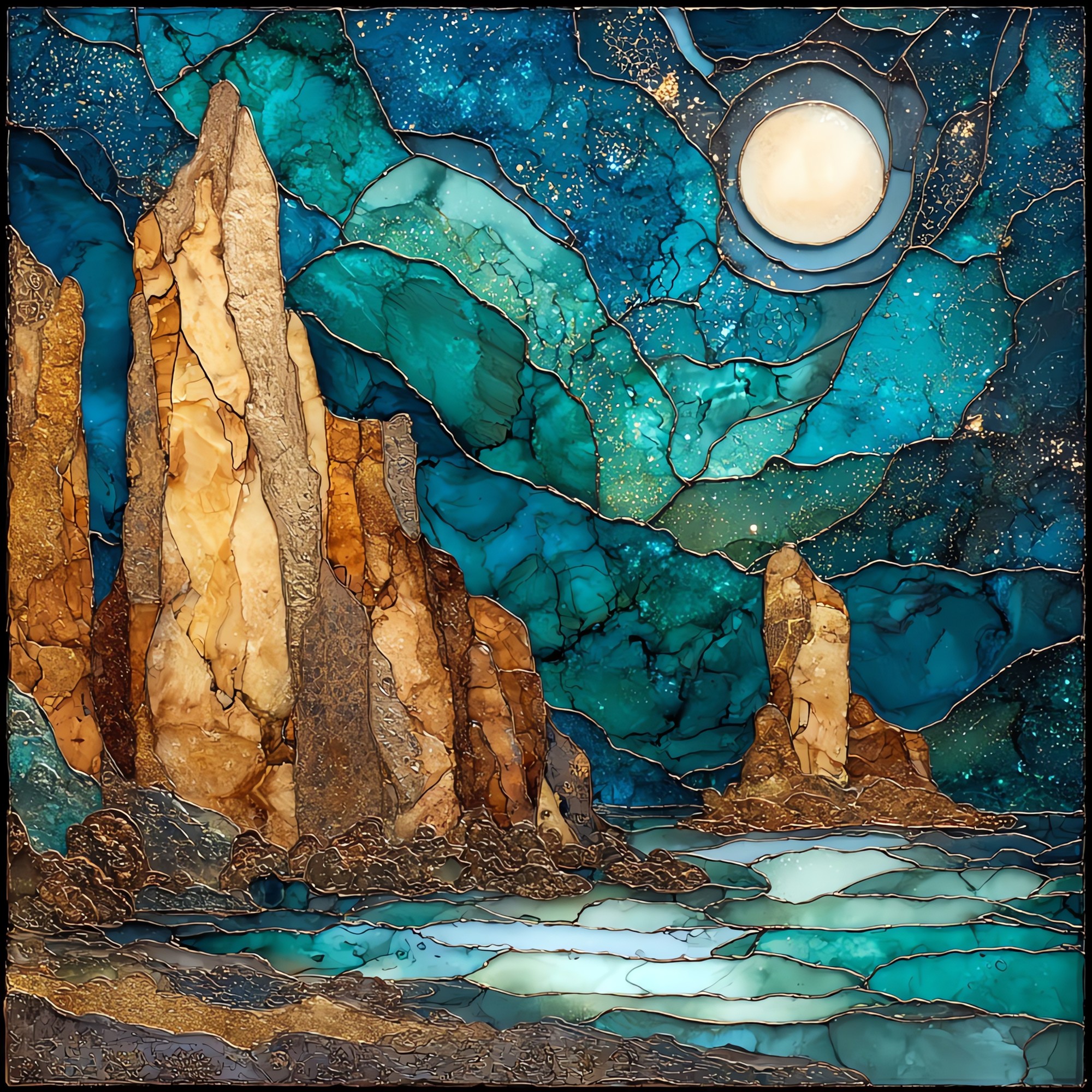
Copper Coast
— a coastline the colour of an old penny.
Not only on a wall.
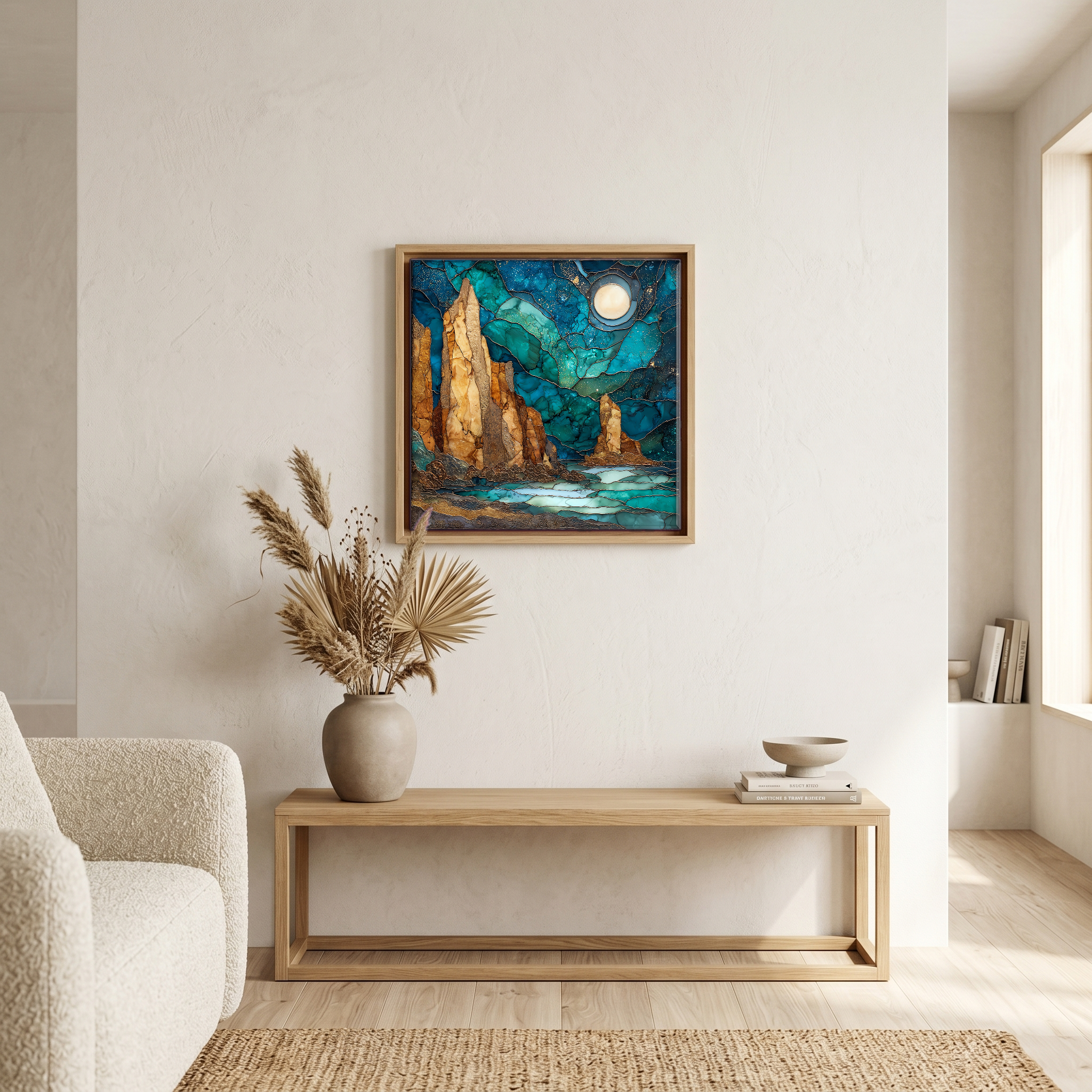

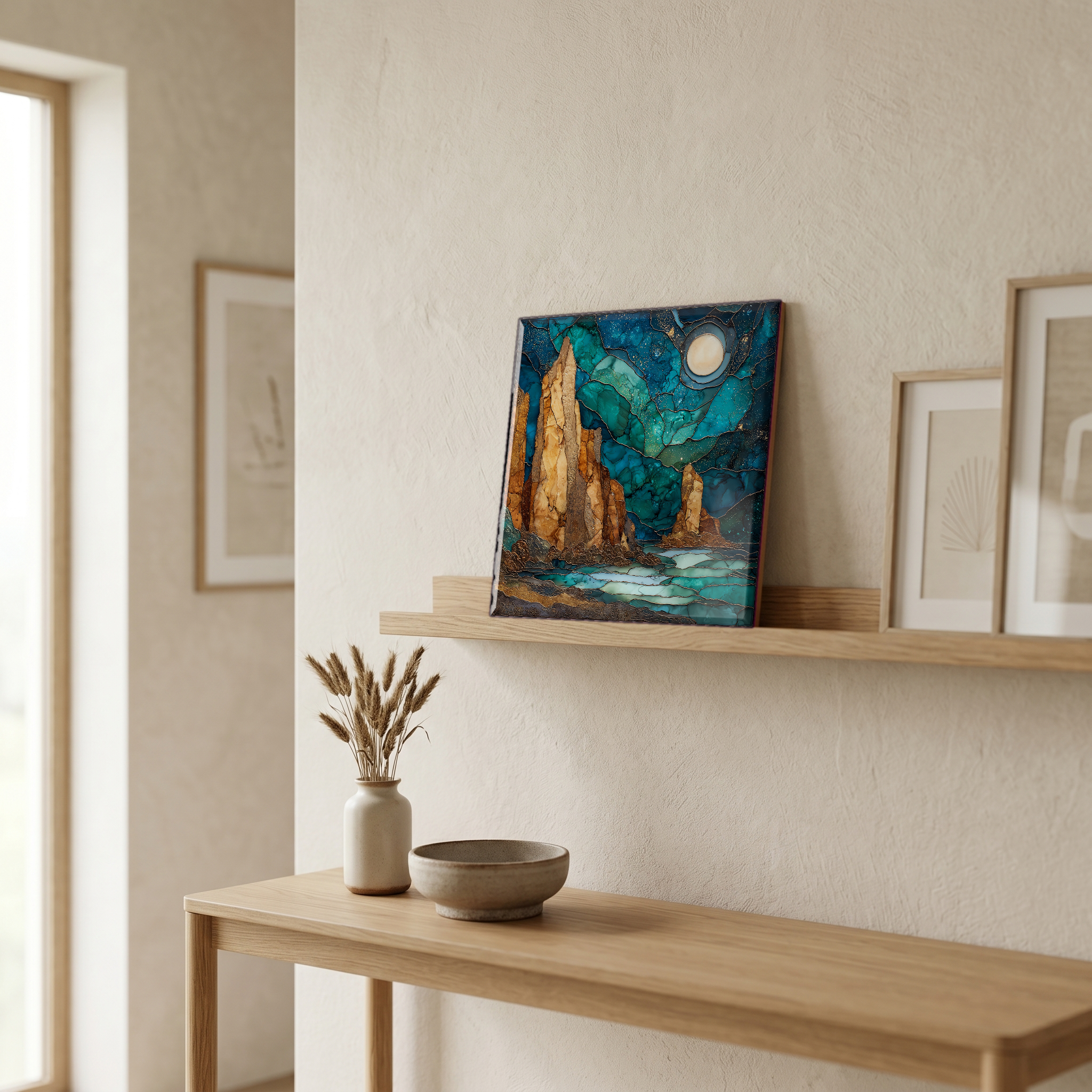
“The south shore of County Waterford, where the cliffs take on a rust the Atlantic hasn't worn out yet. A string of small coves runs west from Tramore: Annestown, Boatstrand, Bunmahon, Stradbally. The chimney of an old copper-mine engine house still stands on the headland at Tankardstown. A UNESCO Global Geopark since 2015. Not the cliffs people queue for; the cliffs people stop at on the way somewhere else.
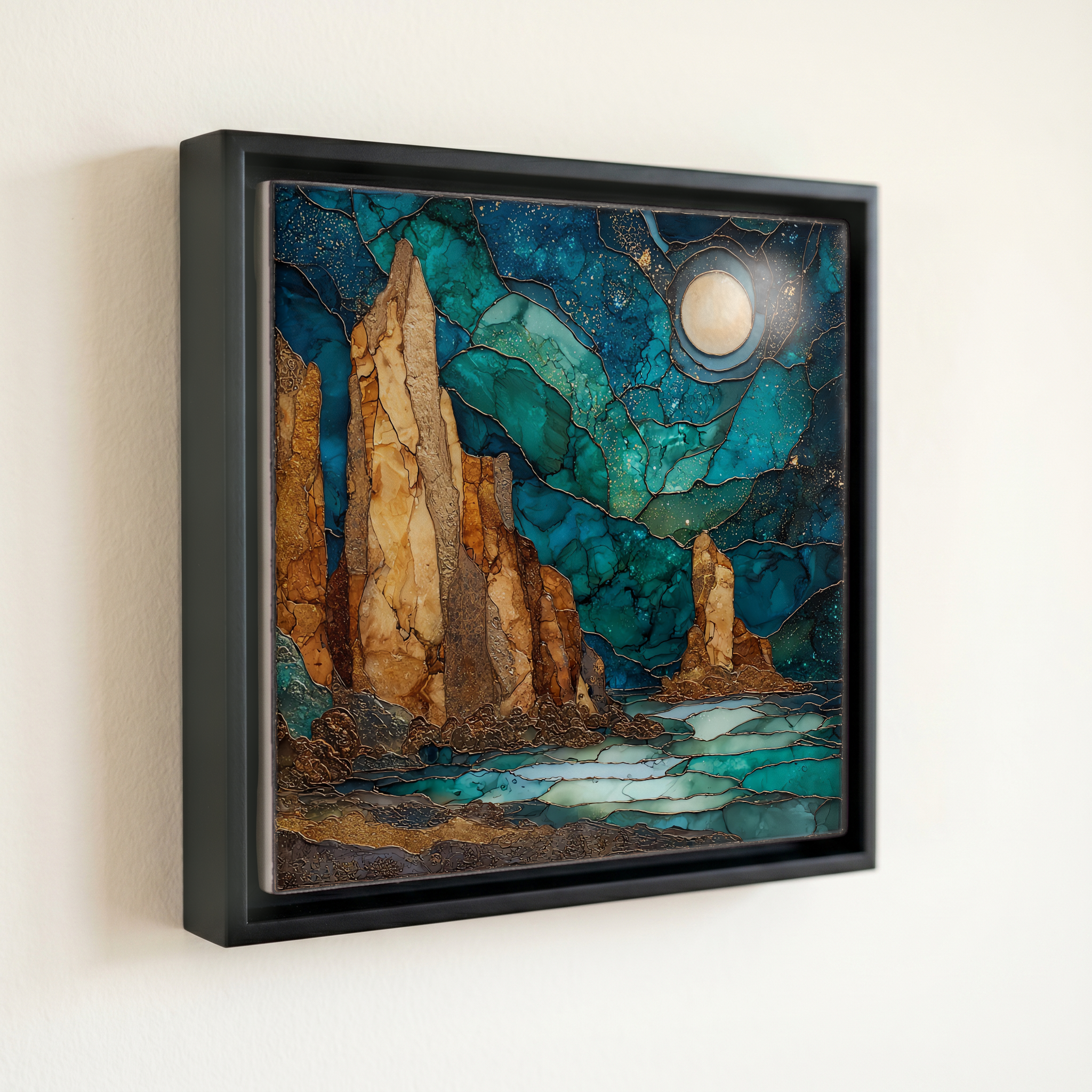
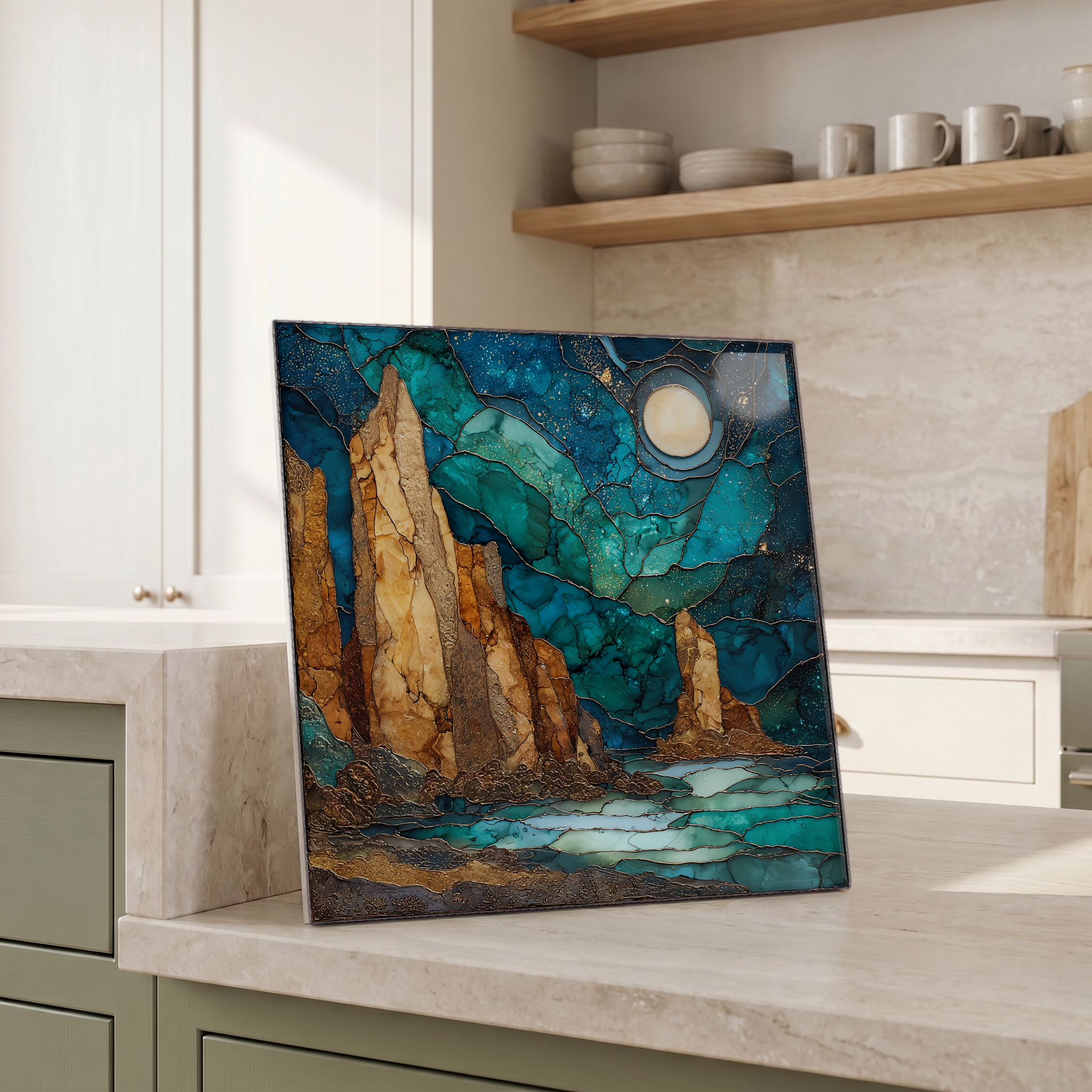
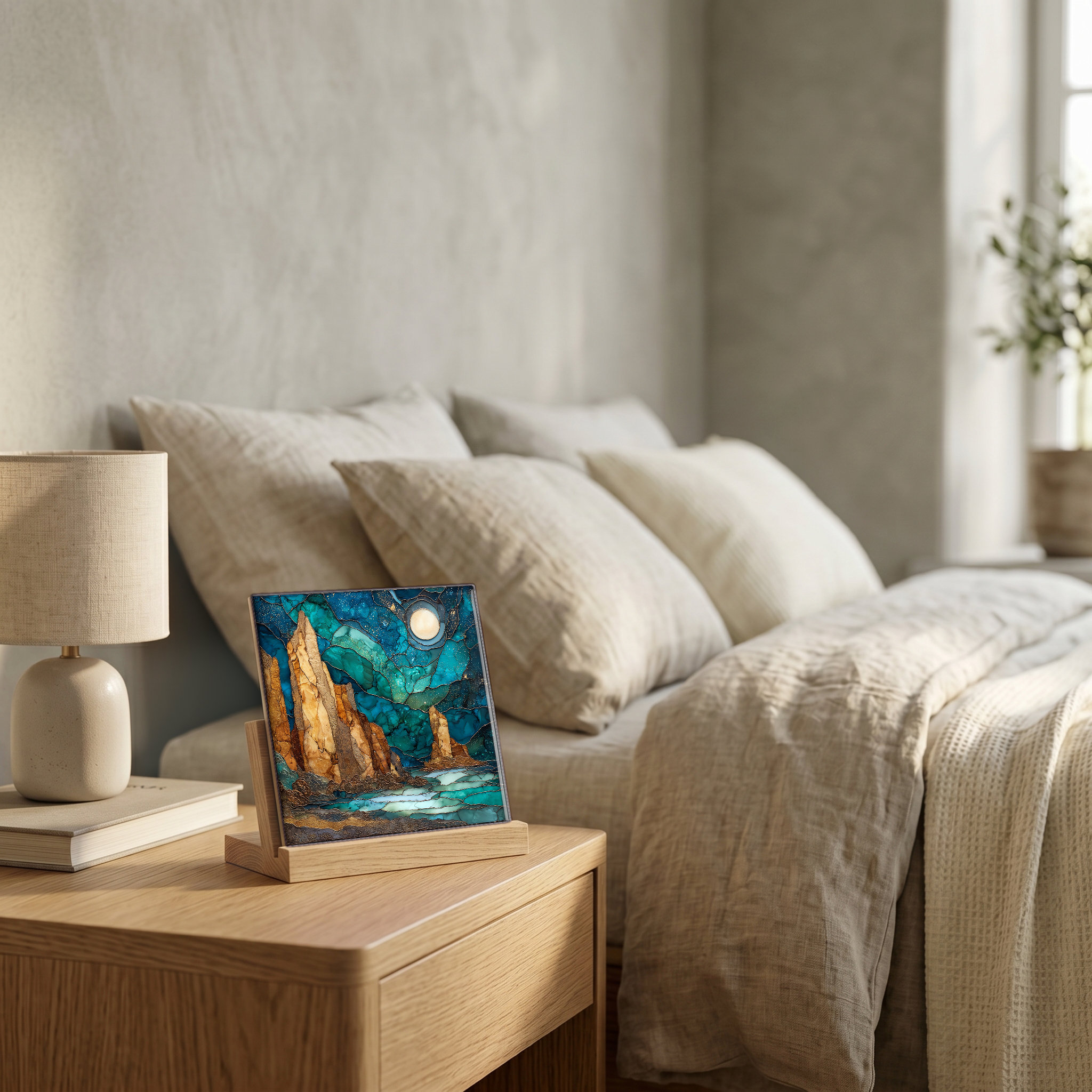
Copper Coast, on ceramic.
Each tile is finished by hand in our Knoxville studio. Artwork is slowly infused into the ceramic surface under high heat and pressure, and rests beneath a thin glossy finish. The colour lives in the surface, not on top of it.
Pick any four 4-inch tiles — National Parks you've been to, a Smokies set, the four seasons of one place. $ for a set of , cork-backed, ready to live on the table.

Each tile ships in a kraft box, tied with cream ribbon, with a handwritten note from the studio if you'd like to add one.

Three or five different vistas, hung together — a chapter of places you've been, or want to go.
The place, in three passes.
The Copper Coast runs roughly 25 km along the south shore of County Waterford, on Ireland's southeast coast, between the town of Tramore and the port of Dungarvan. Designated a UNESCO Global Geopark in 2015, it is the only such site in the Republic of Ireland. The name comes from the 19th-century copper mines at Knockmahon and Tankardstown, which at their peak in the 1840s employed around 1,200 people. The R675 coast road links the small villages strung along the cliff line: Fenor, Annestown, Bunmahon, Stradbally. Geologically the cliffs preserve roughly 460 million years of Earth history, from Ordovician volcanic rocks to glacial deposits left by the last ice age.
The cliffs along the Copper Coast preserve rocks formed roughly 460 million years ago, during the Ordovician period, when volcanic activity on a long-vanished sea floor produced the rhyolites and pyroclastic deposits now exposed at the shoreline. Iron oxides in those rocks give the cliffs the rust-red colour that the coast is named for. The same mineralisation drew 19th-century miners to Knockmahon and Tankardstown, where copper, lead, and silver were extracted from around 1825 to 1878. The chimney of the Tankardstown engine house, restored in 2013, still stands on the headland west of Bunmahon. It is the most recognisable man-made silhouette on the coast. Glacial striations on the bedrock near Kilmurrin show the direction of ice movement during the Last Glacial Maximum, about 22,000 years ago.
Wind off the Celtic Sea blows onshore for most of the year along the Copper Coast, salted with spray on the headlands and softened in the shallow basins of the coves. The prevailing southwesterly carries the mild maritime climate of the North Atlantic Drift, which keeps County Waterford temperatures damp and even through every season. Cloud passes quickly. On a clear afternoon the rust of the cliffs reads brightest in the hour before sunset, when the low sun rakes westward toward Mine Head Lighthouse, in commission since 1851. On a grey day the colour bleeds darker into wet stone.