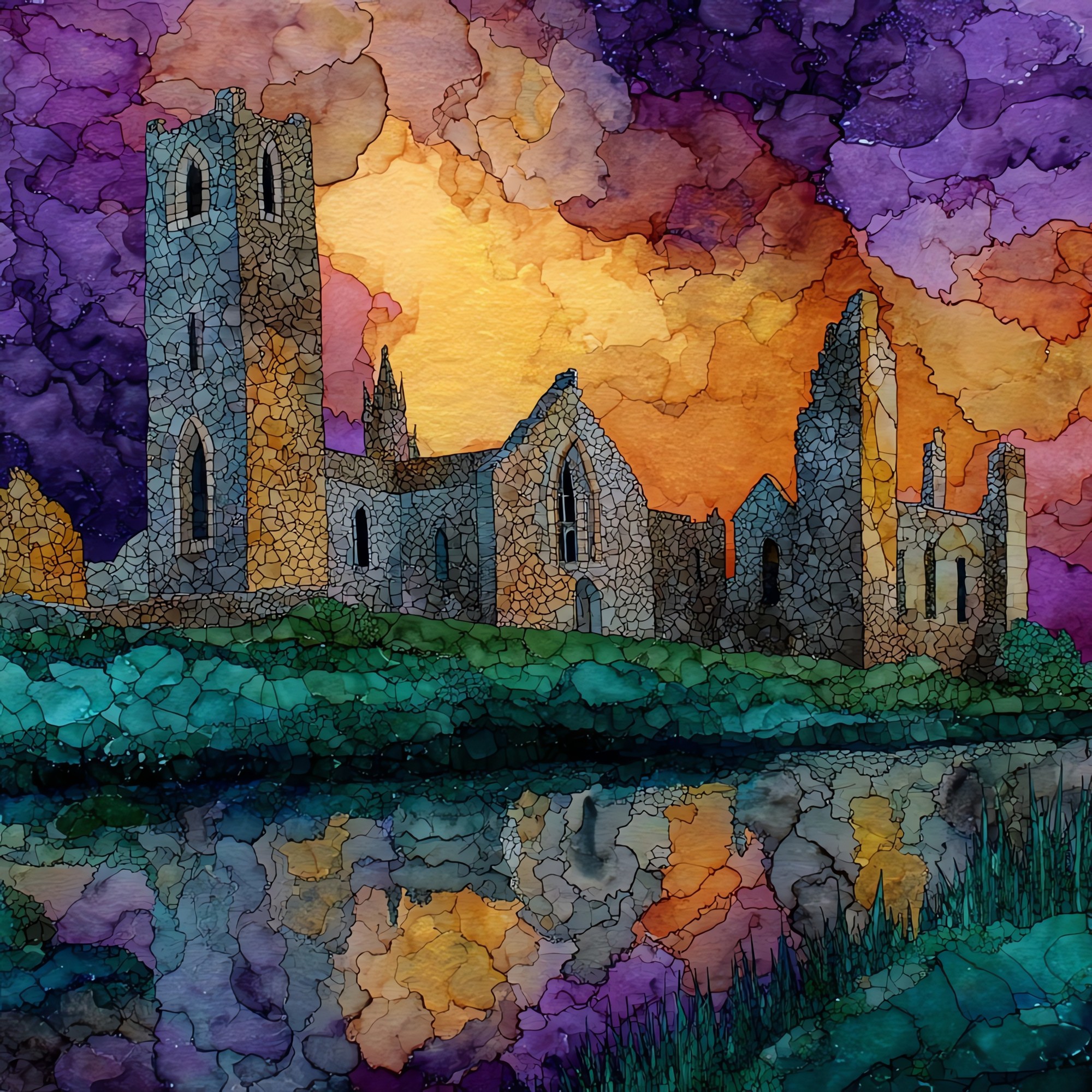
Clonmacnoise
— the silence the river kept.
Not only on a wall.


“A low ridge of ruined churches and high crosses, on the east bank of the Shannon in County Offaly. Saint Ciarán founded the monastery here in 544, where the river met the great east-west esker road across Ireland. For nine centuries it was a centre of learning, raided, rebuilt, raided again, and then in 1552 broken by an English garrison riding out from Athlone. What stands now is stone and silence. The crosses in the visitor centre are the originals; the ones on the grass are replicas the weather is allowed to work on. Pattern day is still kept on the ninth of September.
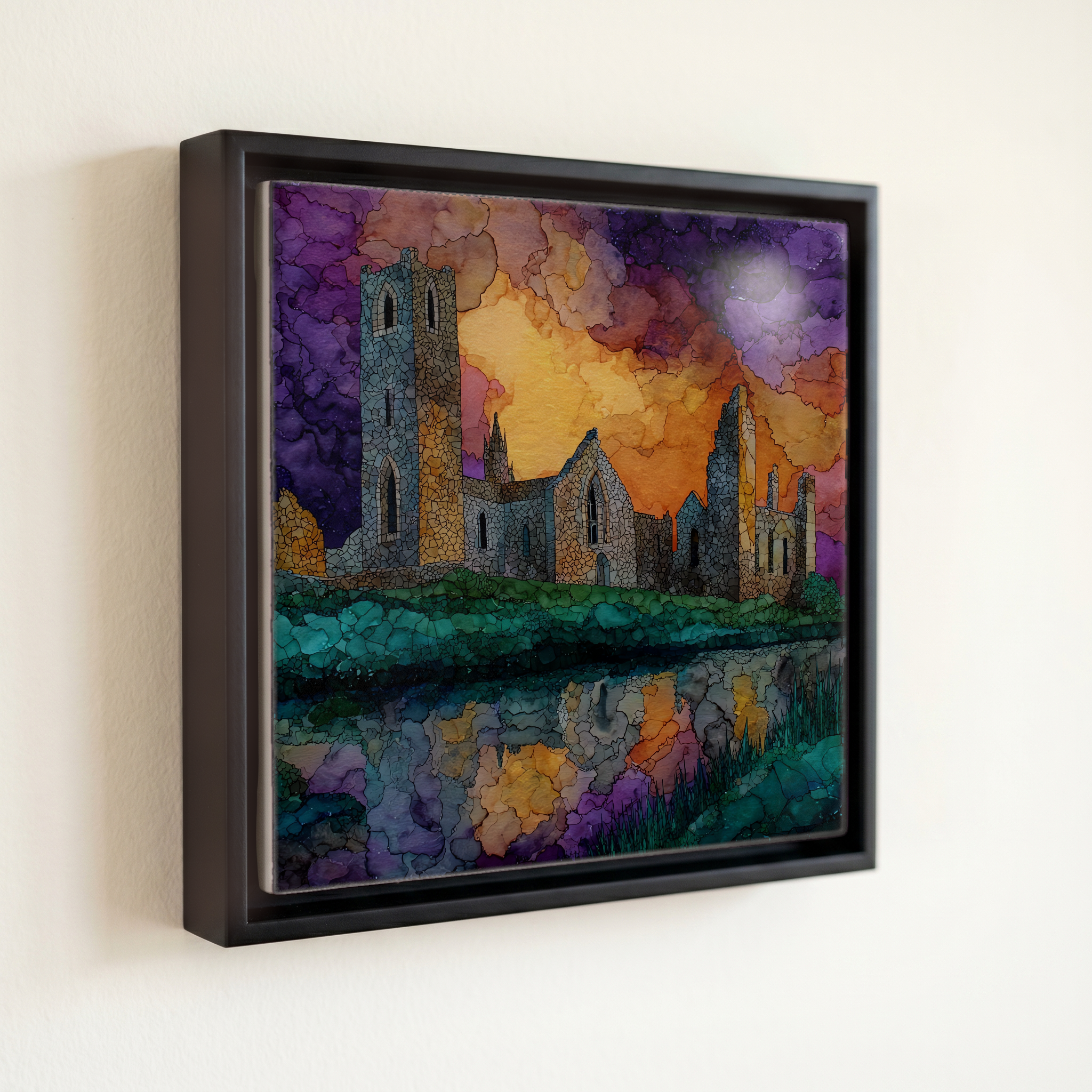
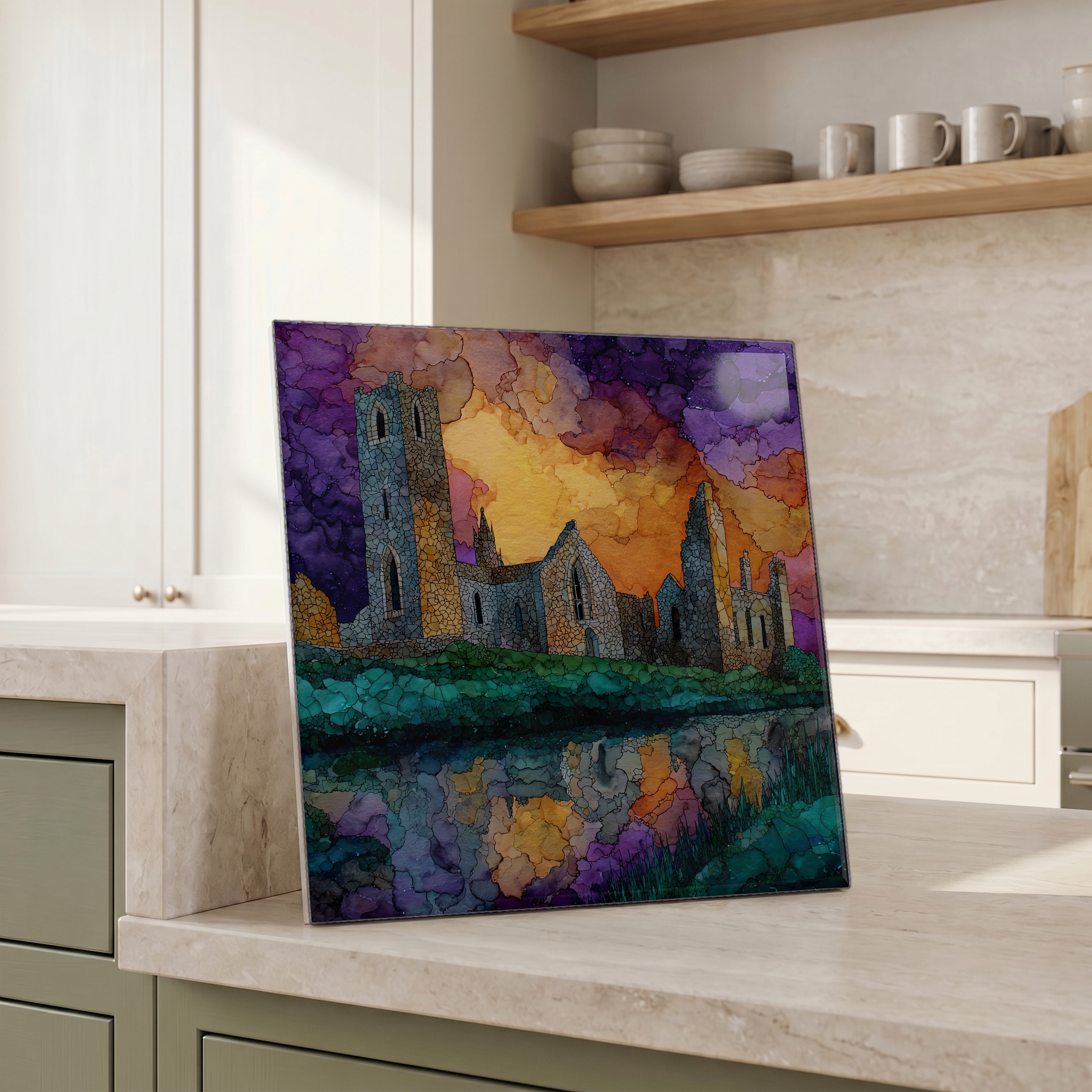
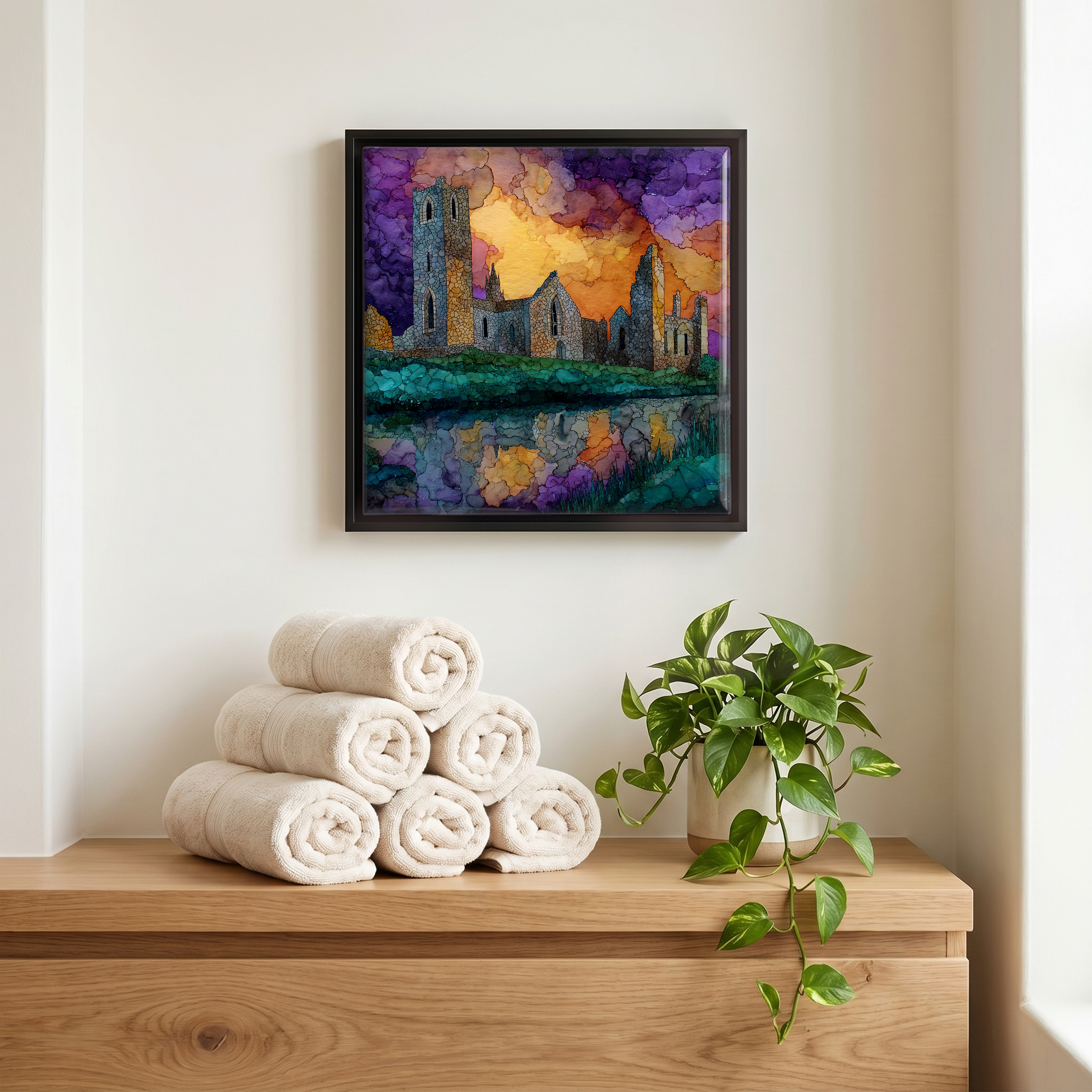
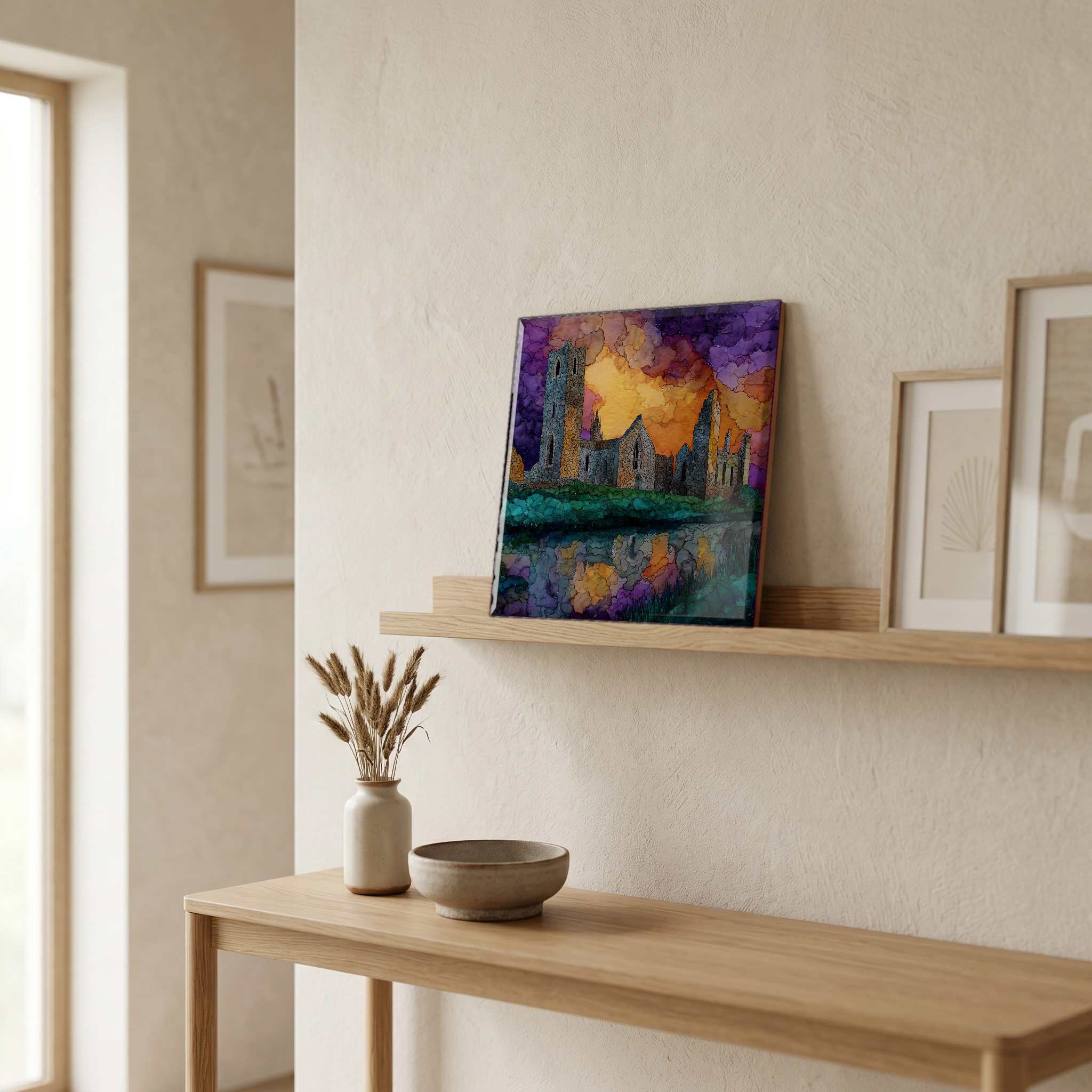
Clonmacnoise, on ceramic.
Each tile is finished by hand in our Knoxville studio. Artwork is slowly infused into the ceramic surface under high heat and pressure, and rests beneath a thin glossy finish. The colour lives in the surface, not on top of it.
Pick any four 4-inch tiles — National Parks you've been to, a Smokies set, the four seasons of one place. $ for a set of , cork-backed, ready to live on the table.
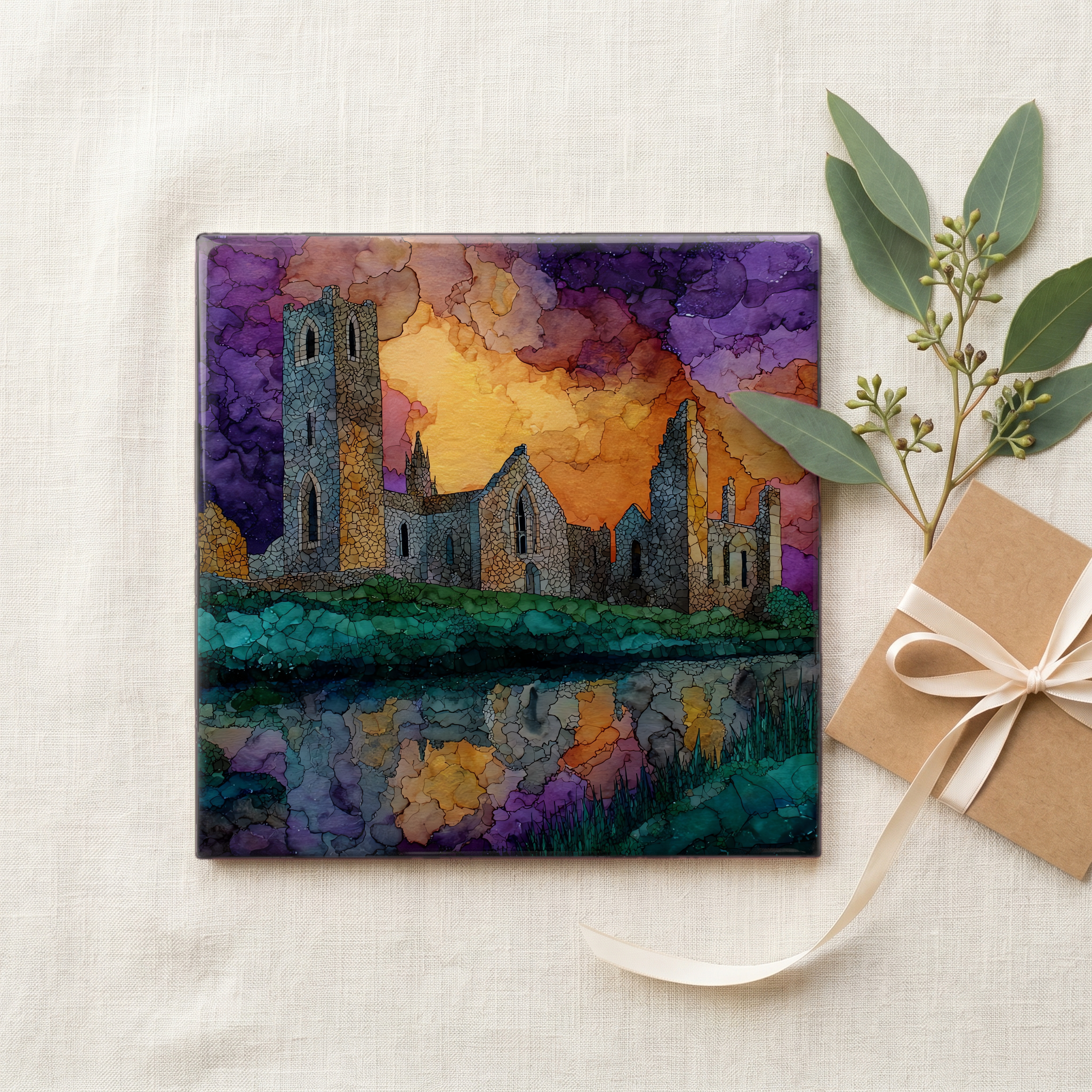
Each tile ships in a kraft box, tied with cream ribbon, with a handwritten note from the studio if you'd like to add one.

Three or five different vistas, hung together — a chapter of places you've been, or want to go.
The place, in three passes.
Clonmacnoise sits on a low ridge above the east bank of the River Shannon, in County Offaly in the Irish midlands. Saint Ciarán founded the monastery here in or around 544, drawn by the crossing of the river with the Eiscir Riada, a glacial ridge of gravel that ran east to west across the bogs and served as Ireland's principal medieval road. The site is roughly twenty kilometres south of Athlone and seven north of Shannonbridge. The Office of Public Works runs the site today, with a visitor centre that holds the original high crosses indoors; weatherproof replicas stand outside on the original bases.
Most of what stands at Clonmacnoise is stone, and most of it dates to the twelfth and thirteenth centuries or earlier. Three high crosses survive: the Cross of the Scriptures, raised around 909 under High King Flann Sinna, and the North and South Crosses of similar vintage. O'Rourke's Tower, a round tower built around 1124, stands by the cathedral and lost its conical cap to a lightning strike in 1135. The cathedral itself, Temple Doolin, Temple Finghin with its smaller round tower, Temple Connor, and Temple Ciarán each survive as roofless walls. The grave slab collection here is the largest body of early Christian inscribed stones in Ireland.
The site is open every day, with longer hours from late March through October and a reduced schedule from November through February. An admission fee covers entrance to the visitor centre and the enclosure with the crosses, churches, and round towers. The Nun's Church, about five hundred metres east of the main enclosure, is reached by a path across the meadow and is unstaffed. The annual Pattern Day pilgrimage falls on the ninth of September, the feast of Saint Ciarán; the site is busy that day, and quiet on a wet Tuesday in February.