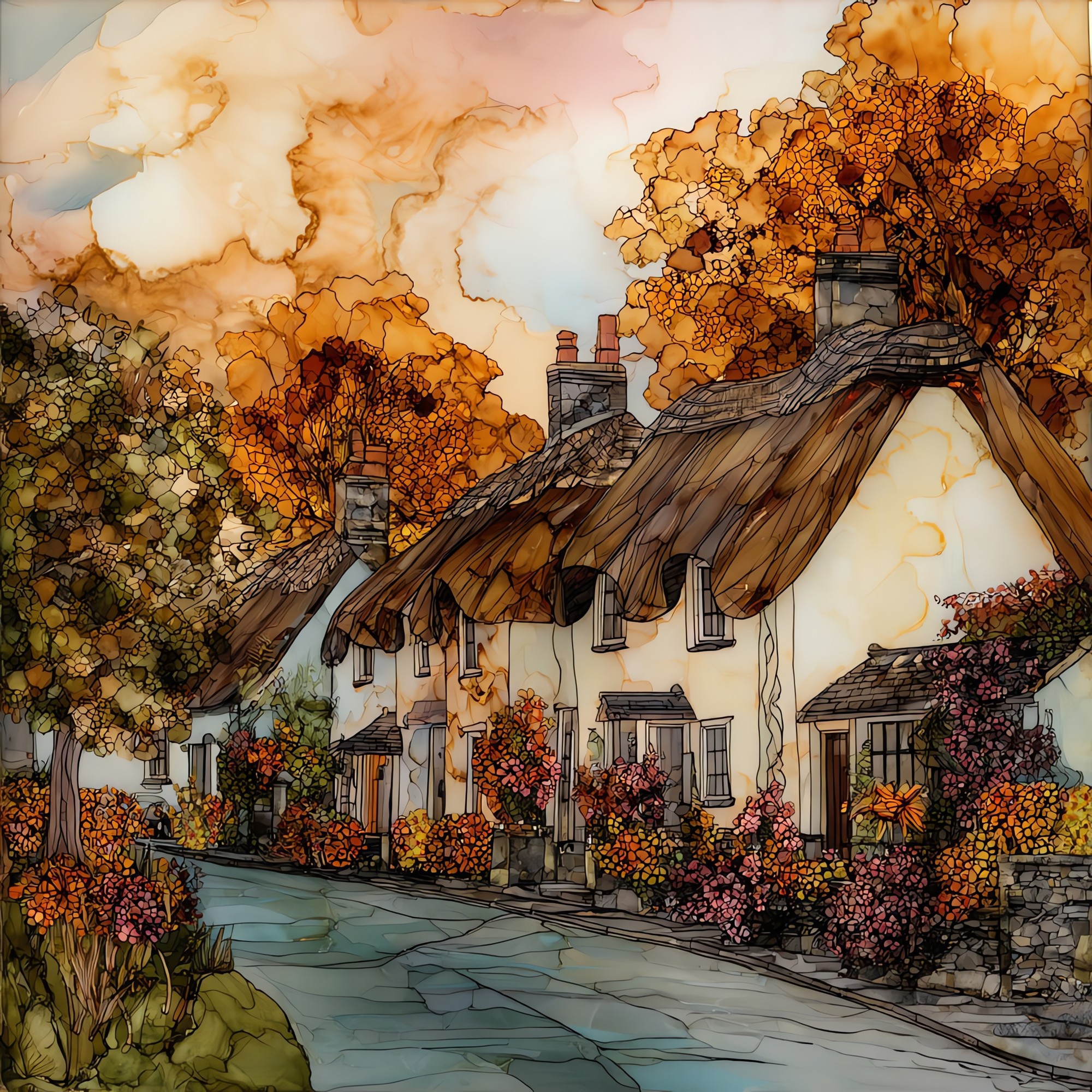
Adare Village
— — a row of thatched roofs along a slow river.
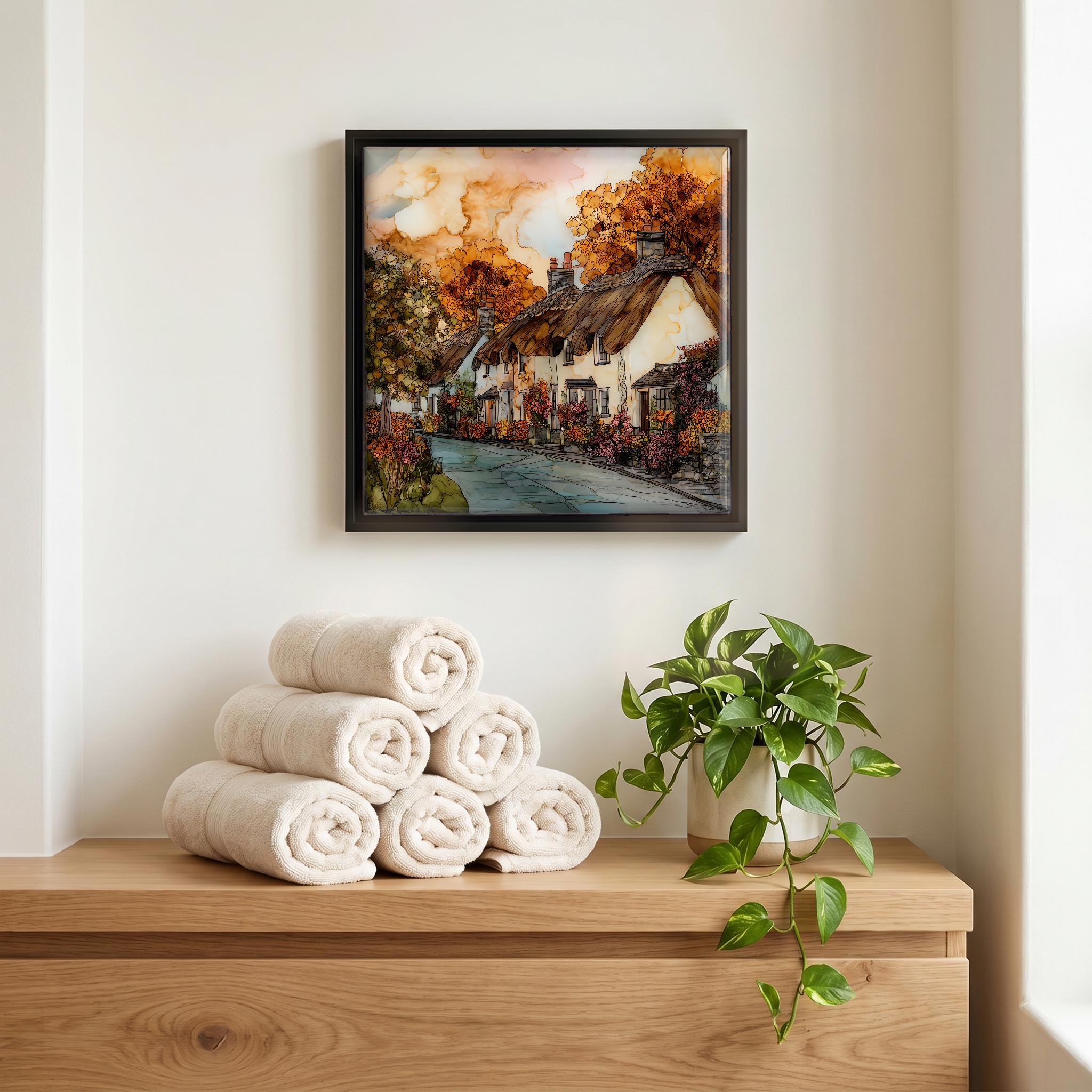
Not only on a wall.
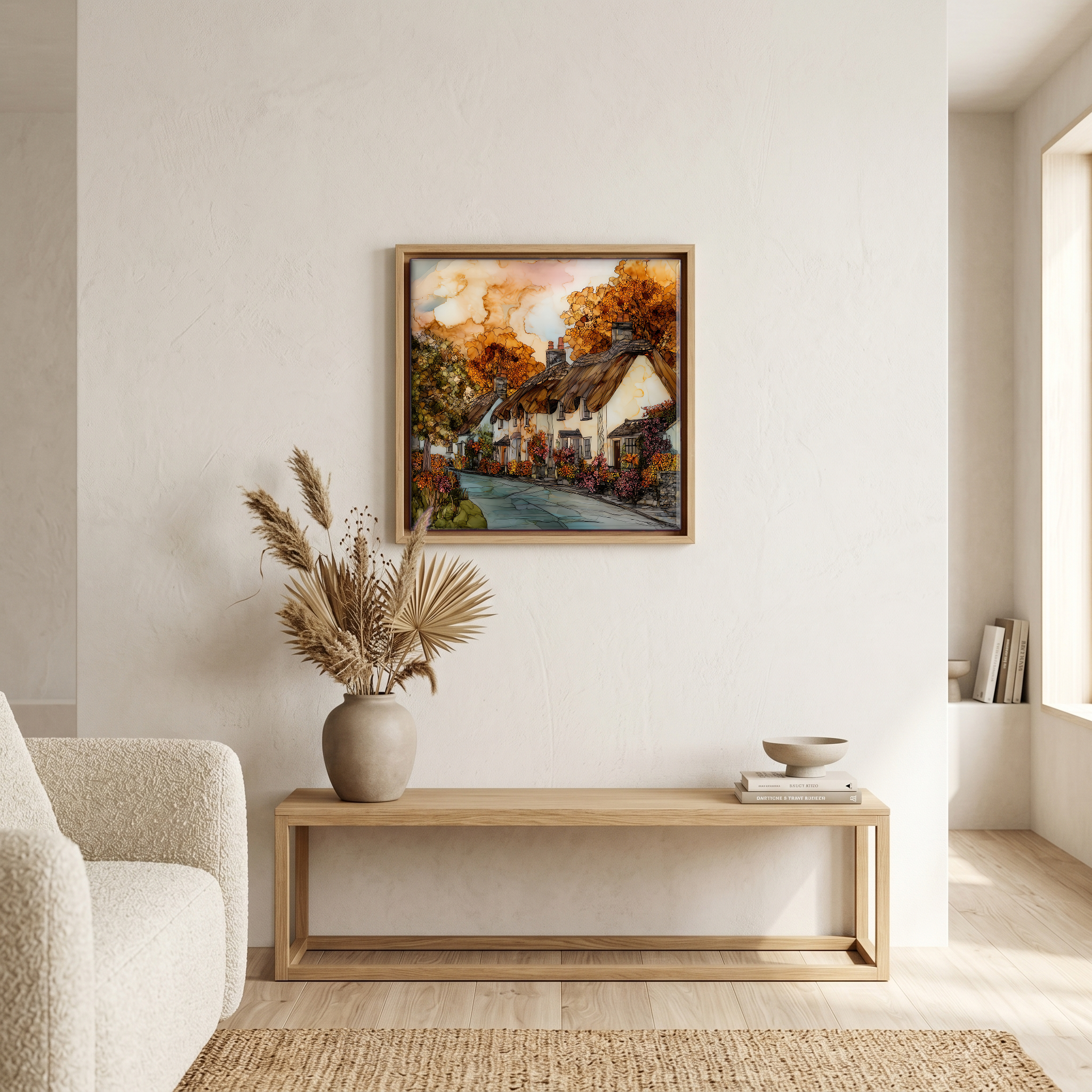
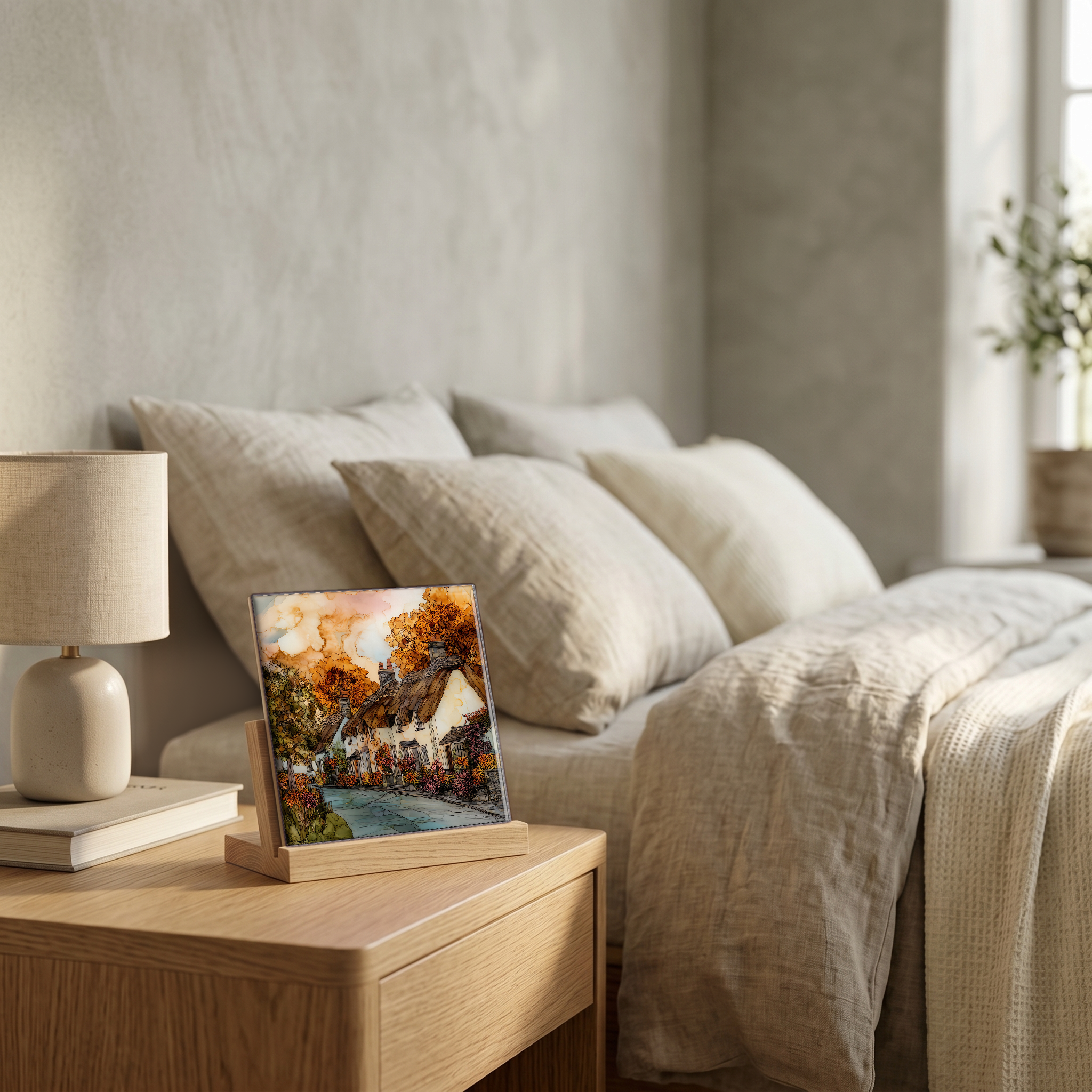
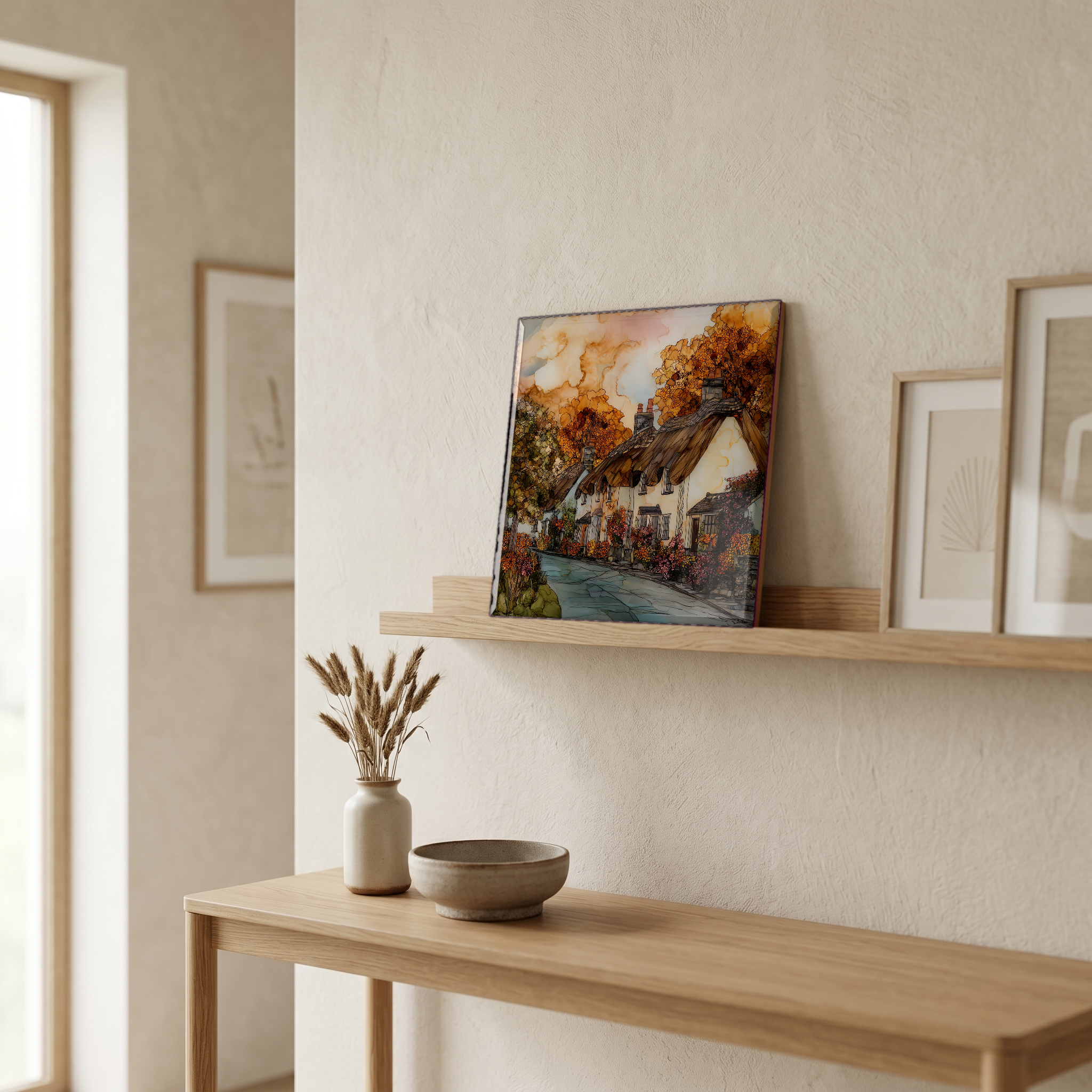
“A small village in County Limerick, southwest of the city, on the slow brown Maigue. The thatched cottages along Main Street were drawn in a single line by the second Earl of Dunraven in the 1820s, cream walls and deep eaves, doors painted sea-green and post-box red and butter yellow. Three medieval friaries sit within a half hour's walk of one another, two in ruins, one still keeping Sunday mass. Behind a long demesne wall, Adare Manor turns its Neo-Gothic windows toward the river. People come for the village and stay for the calm.
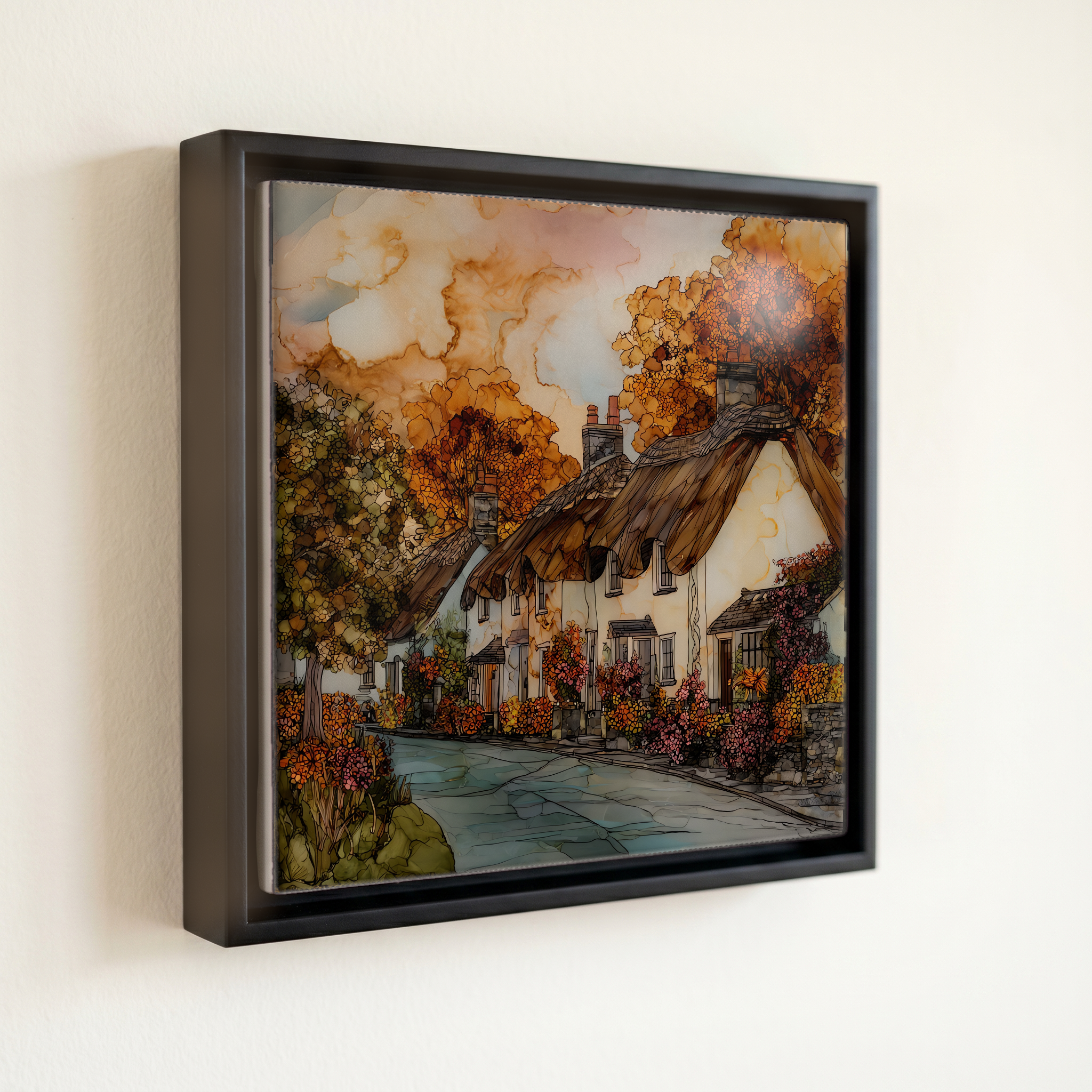
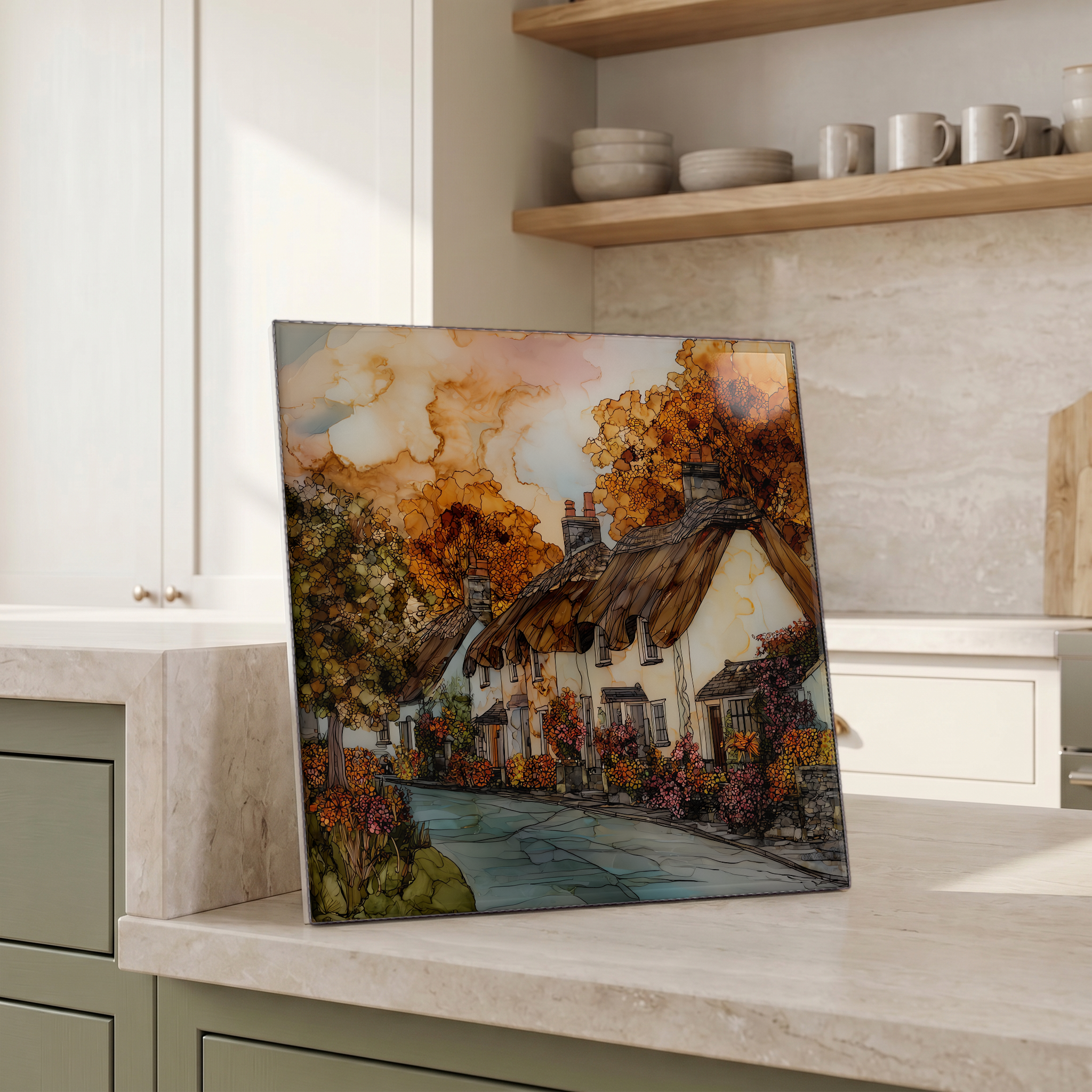
Adare Village, on ceramic.
Each tile is finished by hand in our Knoxville studio. Artwork is slowly infused into the ceramic surface under high heat and pressure, and rests beneath a thin glossy finish. The colour lives in the surface, not on top of it.
Pick any four 4-inch tiles — National Parks you've been to, a Smokies set, the four seasons of one place. $ for a set of , cork-backed, ready to live on the table.
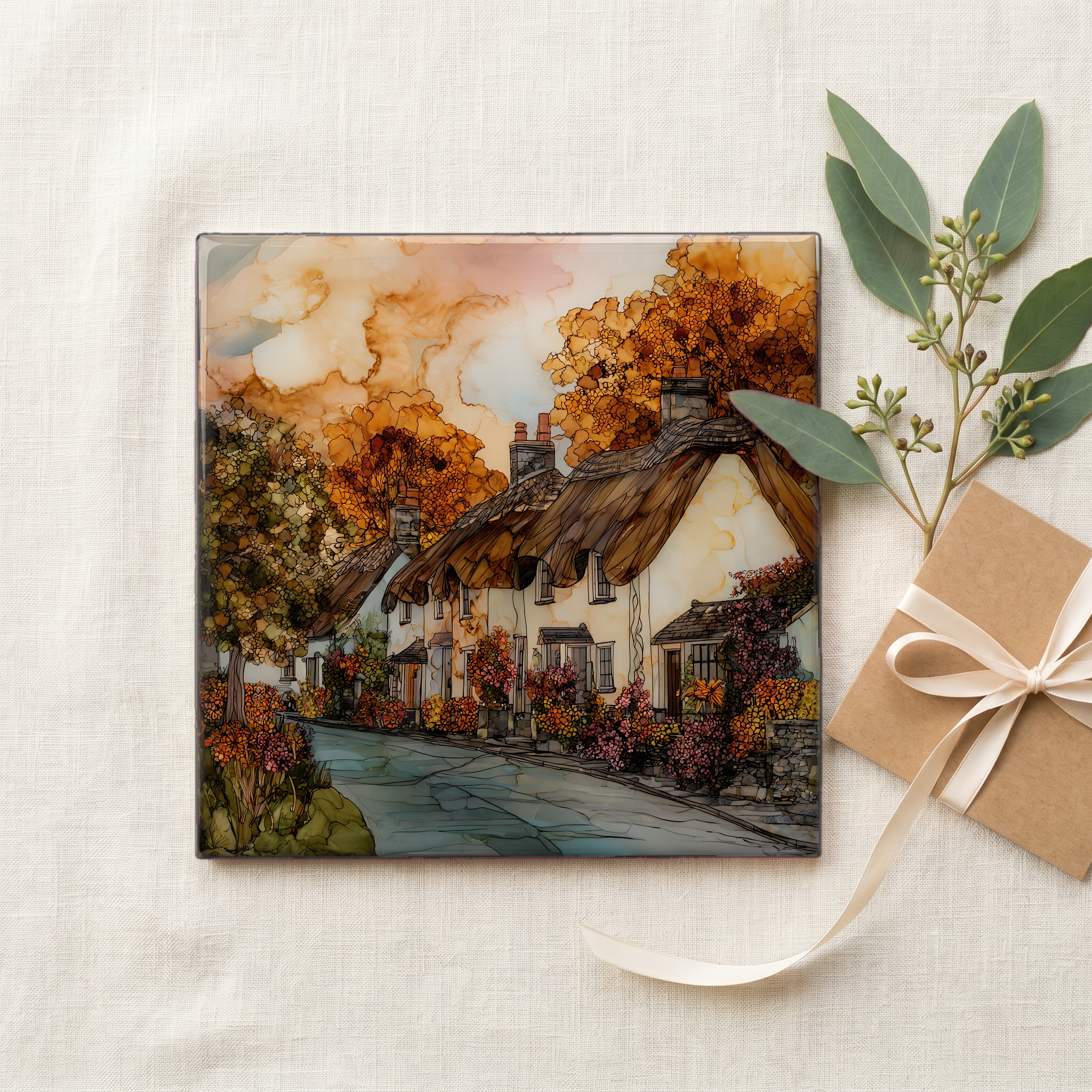
Each tile ships in a kraft box, tied with cream ribbon, with a handwritten note from the studio if you'd like to add one.
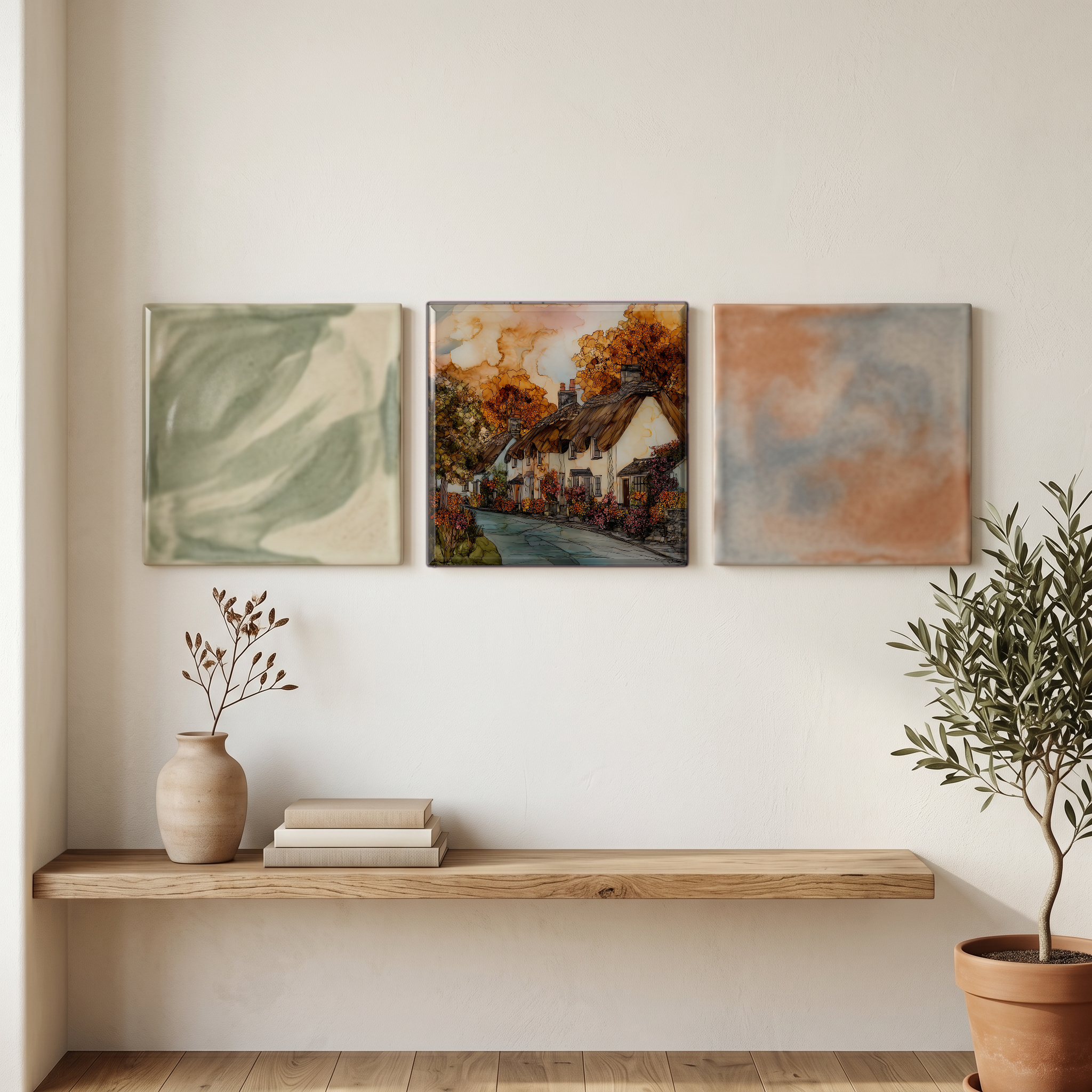
Three or five different vistas, hung together — a chapter of places you've been, or want to go.
The place, in three passes.
Adare sits on the River Maigue in County Limerick, in the Irish province of Munster, about 16 km southwest of Limerick city on the N21 road to Kerry. The village population was 2,936 at the 2022 census. The Maigue is a tributary of the River Shannon, draining the Golden Vale of north Munster before joining the Shannon estuary west of Limerick. The Irish government designated Adare a Heritage Town in 1995, one of a small group of villages held to a published conservation standard. The eastern edge of the village opens onto the Adare Manor demesne, 840 acres along the river, walled off from the road since the early nineteenth century by the Dunraven family, the village's long-time landlords.
Three medieval foundations remain inside the village. The Trinitarian Abbey on the Limerick road was built in 1230 for an order that ransomed Christian captives from North Africa; it is the only surviving Trinitarian house in Ireland and serves today as the Catholic parish church. The Augustinian Friary, founded in 1316 by John FitzThomas FitzGerald, first Earl of Kildare, sits on the river opposite the Dunraven Arms; the Church of Ireland congregation worships in its restored nave. The Franciscan Friary of 1464, roofless and reached across the golf course on the manor grounds, holds the carved tombs of the Fitzgerald earls of Desmond. Desmond Castle itself, fortified in the thirteenth century, stands ruined on the Maigue's far bank.
Adare Manor reopened in October 2017 after a twenty-one-month restoration, the Neo-Gothic mansion of the Dunravens converted to a 104-room hotel and resort. The golf course on the manor's south side, redesigned by Tom Fazio in 2017, will host the 47th Ryder Cup in September 2027, the first time the match returns to Ireland since the 2006 K Club edition in County Kildare. Day visitors reach Adare easily from Shannon Airport, 35 km north, or from Limerick by Bus Éireann services on the Limerick to Tralee route. The village centre is walkable in an hour; the Heritage Centre on Main Street holds a small museum and a tearoom. Mass at the Trinitarian Abbey runs Sunday mornings; the friary ruins on the manor grounds are open during daylight hours.