Wender·Vista
Villandry Renaissance Gardens
shown on ceramic, 12-inch tileFrance
in the Loire Valley, west of Tours

Villandry Renaissance Gardens

— the colour the kitchen garden makes in late June.

Where it lives

Not only on a wall.

A small tile on the nightstand catching the morning. A larger one above the fire. Yours, wherever you spend the slow hours.
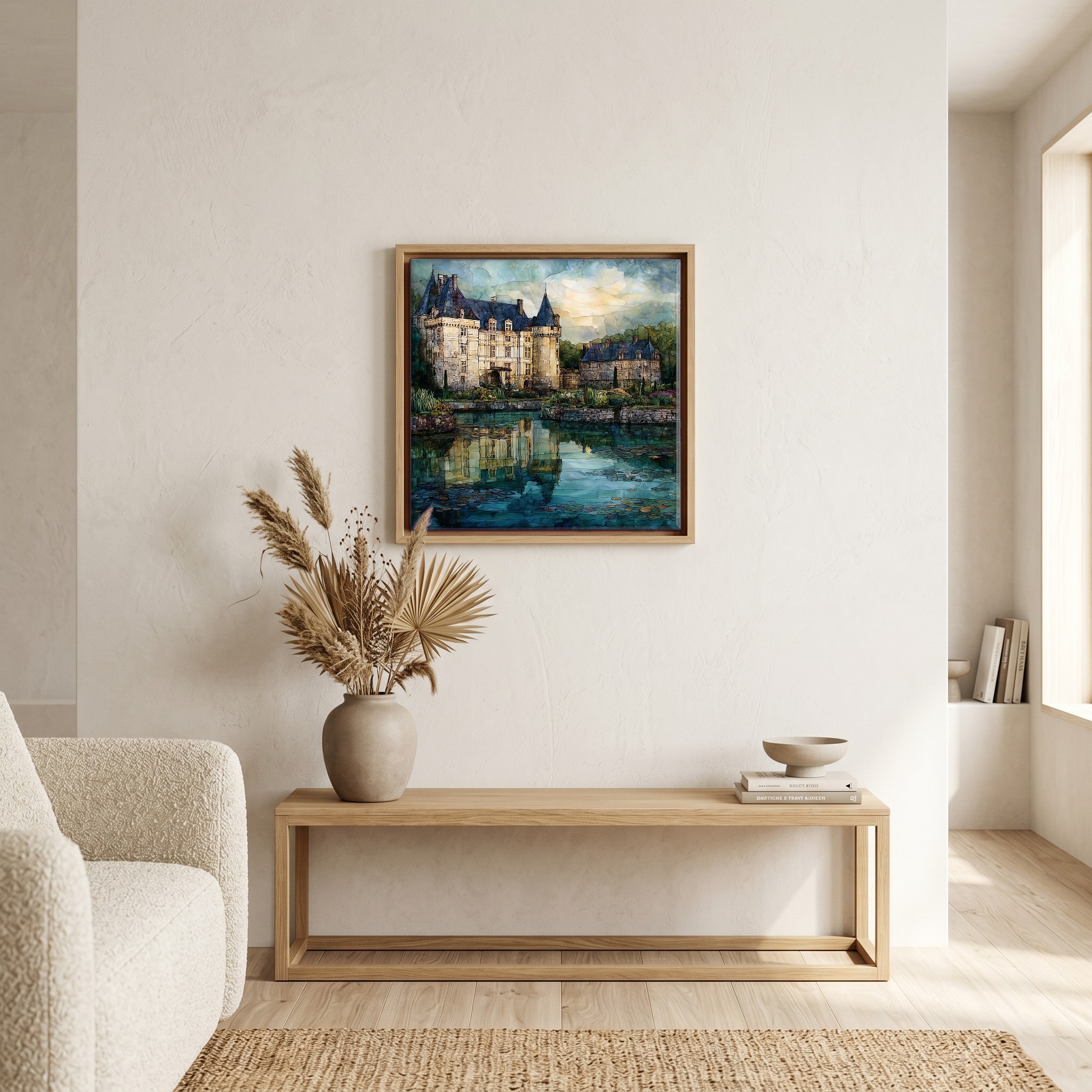
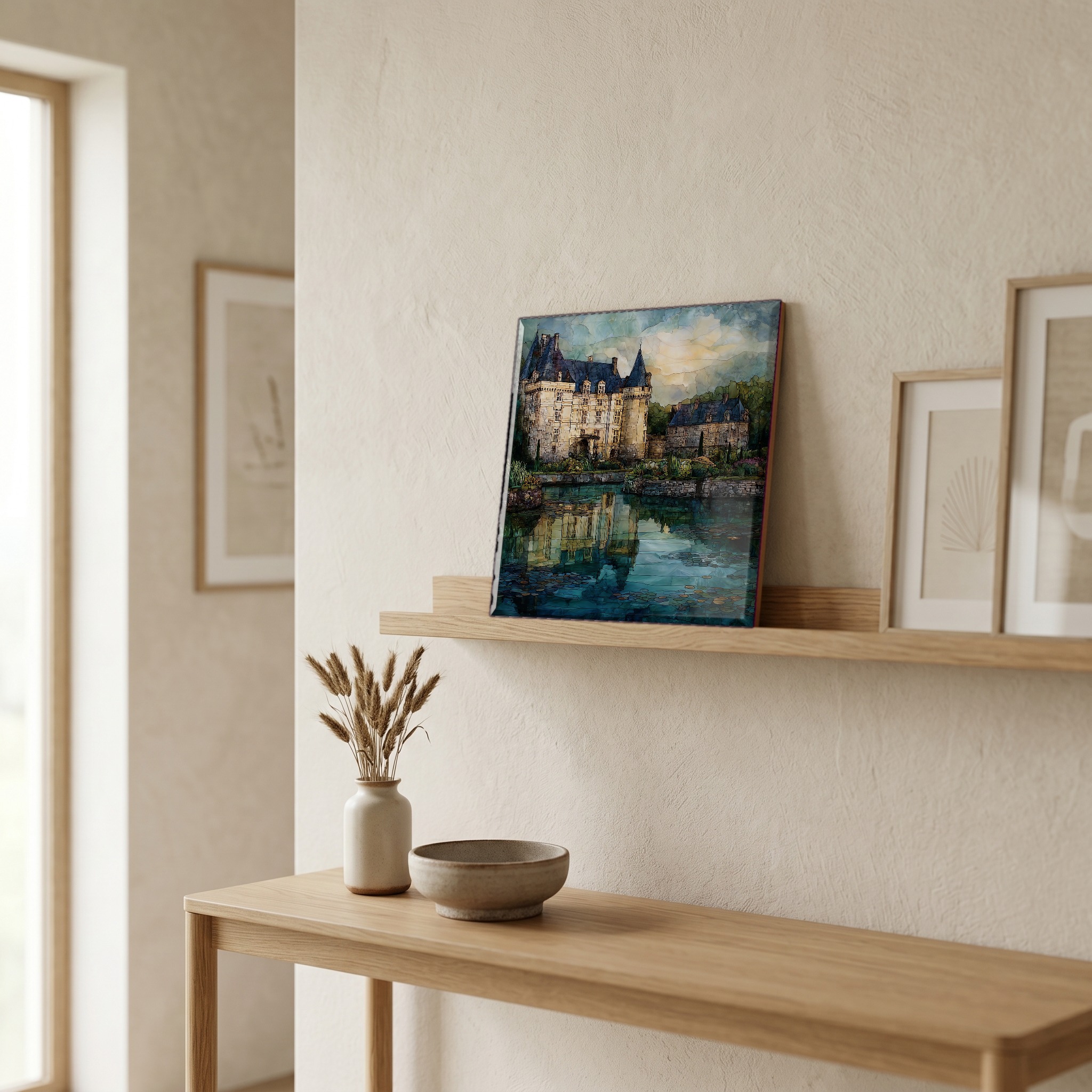
Above the bench, in a warm oak surround.
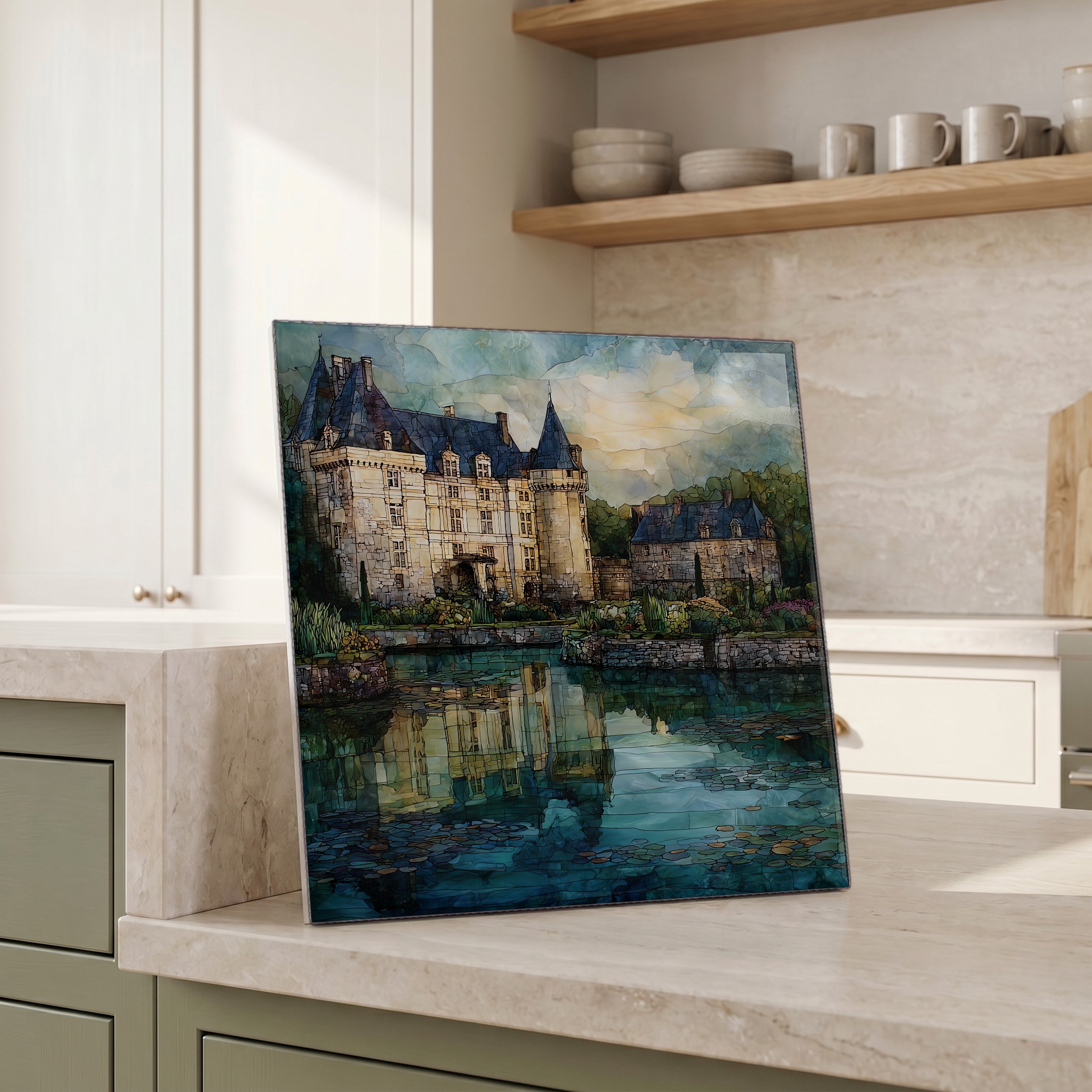
Beside the kettle, propped on the counter.
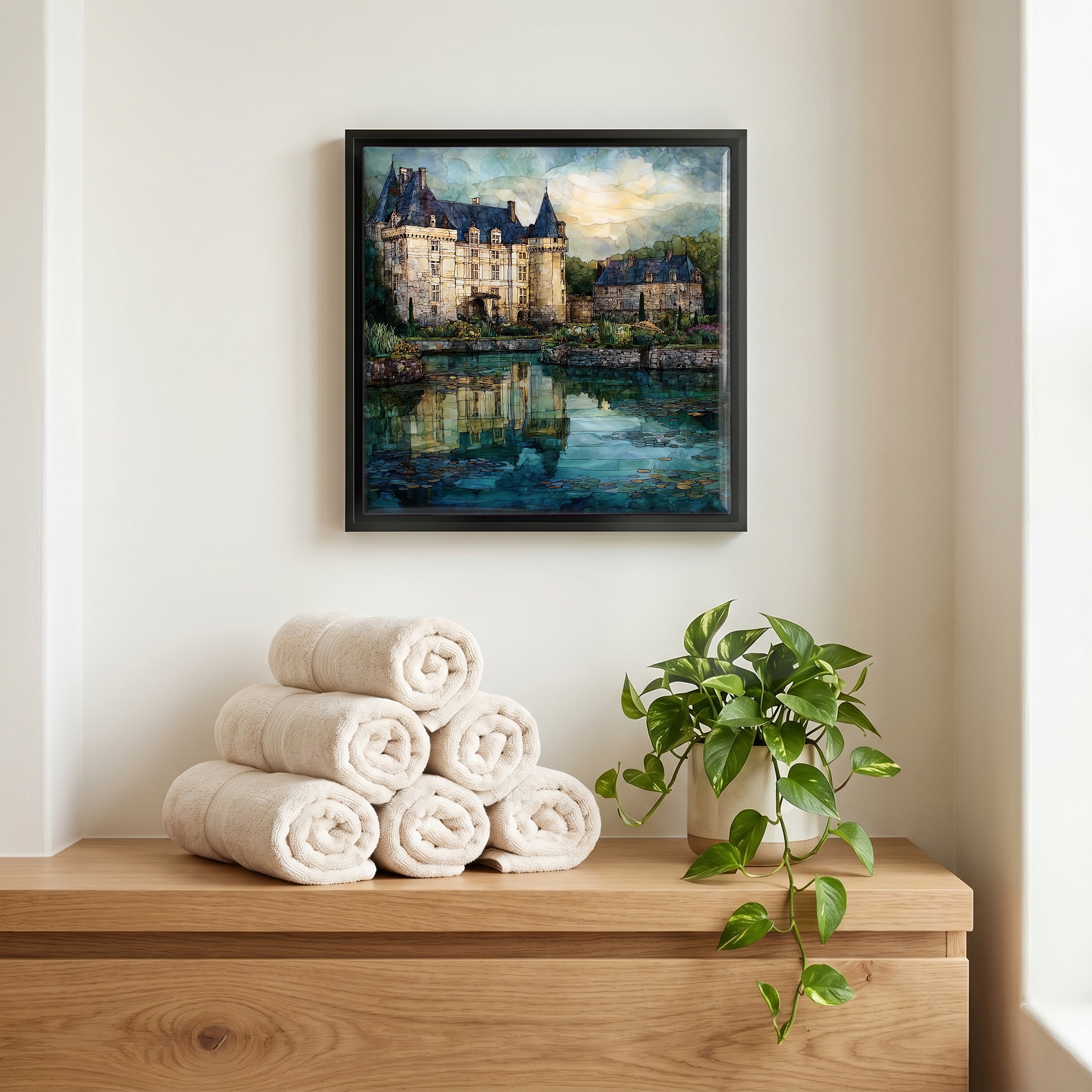
Above the linens, in a slim black surround.
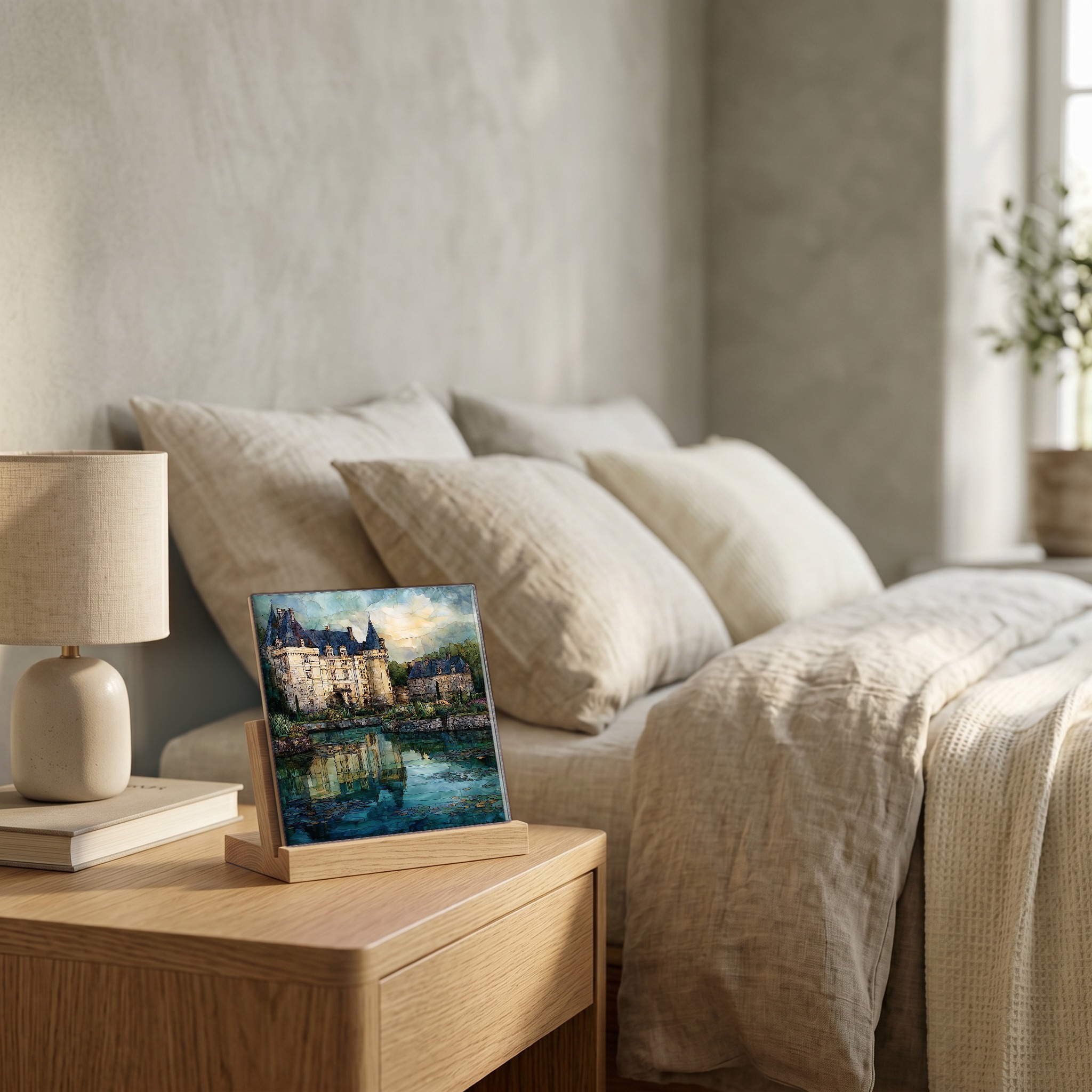
On the nightstand, on a light oak stand.
On a picture ledge, where the light comes in.
a note from the studio

The last of the great Renaissance châteaux on the Loire, with the kitchen garden that made the estate famous. Nine geometric squares of box-edged beds, replanted twice a year with cabbages, leeks, chard, and pumpkin so the colour is never the same in two visits. A Spanish doctor and his American wife bought the place in 1906 and spent the next decade putting the geometry back, working from sixteenth-century drawings. The Carvallo family still runs it, four generations on. Worth the train from Tours when the late-June plantings come up.
from the studio
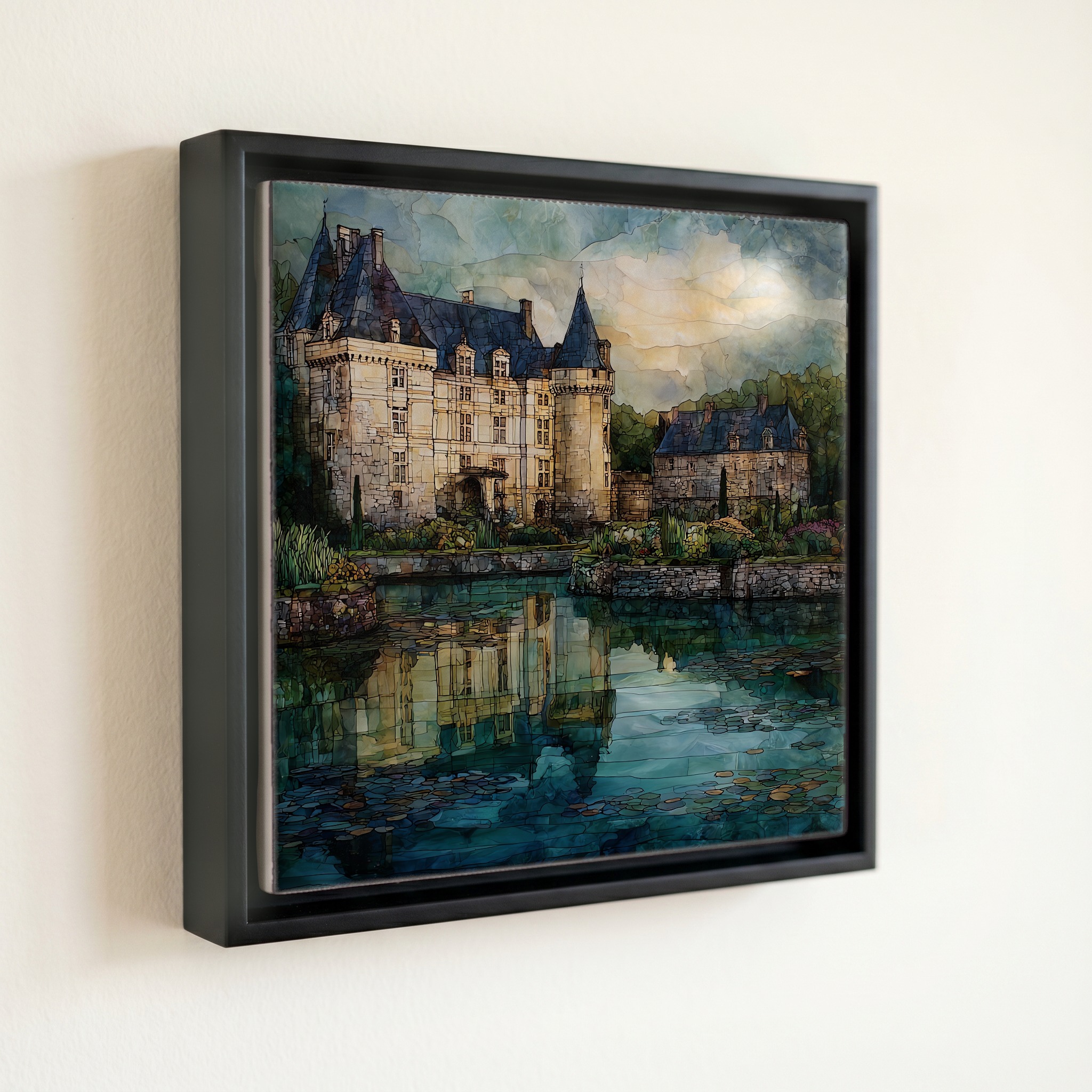
shown in a slim black floating frame · 6 × 6 in
— bring it home

Villandry Renaissance Gardens, on ceramic.

Each tile is finished by hand in our Knoxville studio. Artwork is slowly infused into the ceramic surface under high heat and pressure, and rests beneath a thin glossy finish. The colour lives in the surface, not on top of it.

What kind of piece?
One tile — square or rectangle.
How big?
the popular one — counter, shelf, nightstand
6 × 6 in · 15 cm · 1.6 lb
Surface finish
A clear glossy finish — the artwork reads as if under resin. Ideal for show-pieces and framed wall art.
How it sits
A hidden cleat — sits ¼″ proud of the wall.
$58
Hand-finished and shipped from our studio at the foot of the Smokies. On your wall in about ten days.
size
6 × 6 in
15 cm
weighs
1.6 lb
solid in the hand
surface
ceramic, hand-finished
art rests beneath a thin glossy finish
from
Knoxville, TN
our family studio, at the foot of the Smokies
— start a Coaster Set

Pick any four 4-inch tiles — National Parks you've been to, a Smokies set, the four seasons of one place. $ for a set of , cork-backed, ready to live on the table.
comes gift-ready
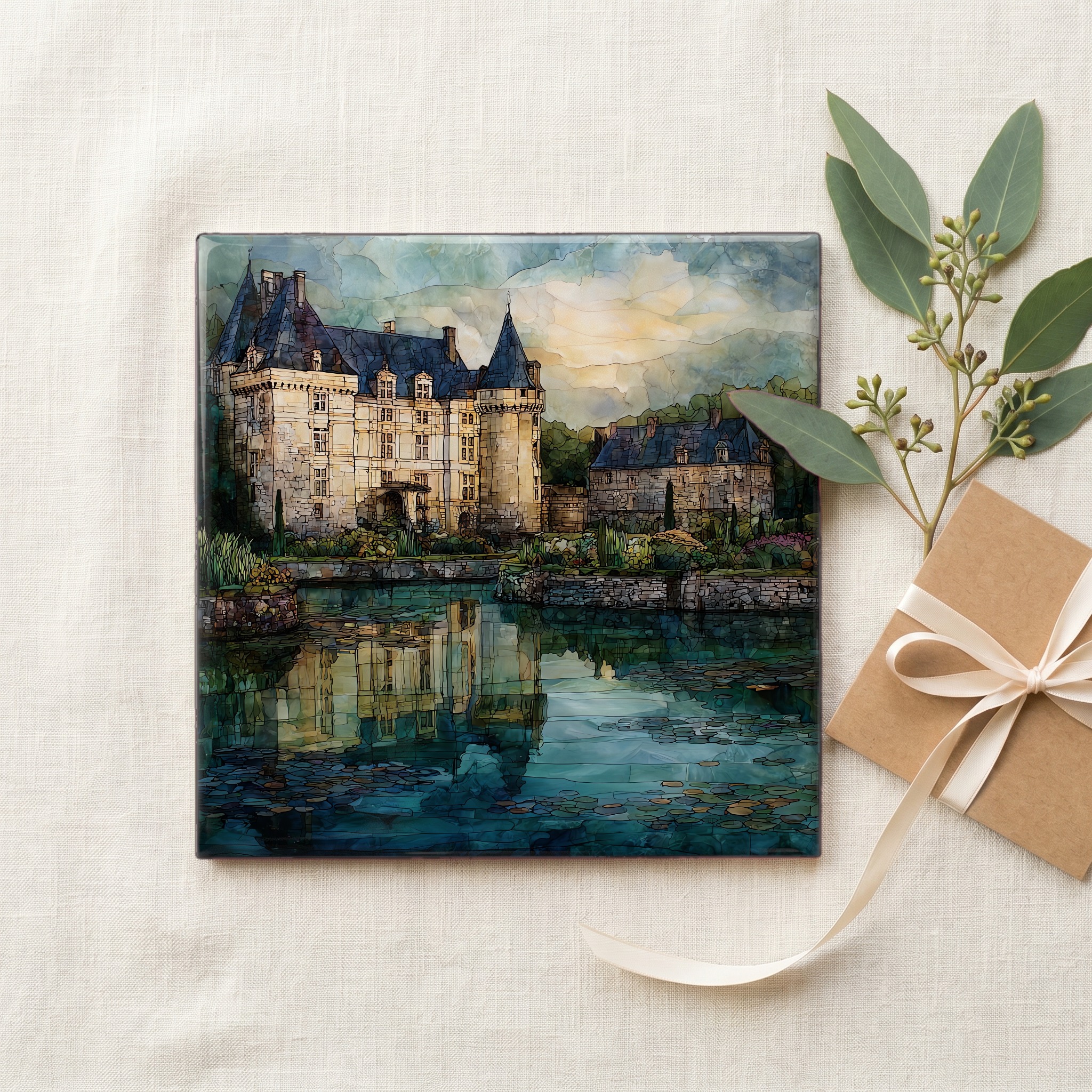
comes gift-ready

Each tile ships in a kraft box, tied with cream ribbon, with a handwritten note from the studio if you'd like to add one.
or build a grouping
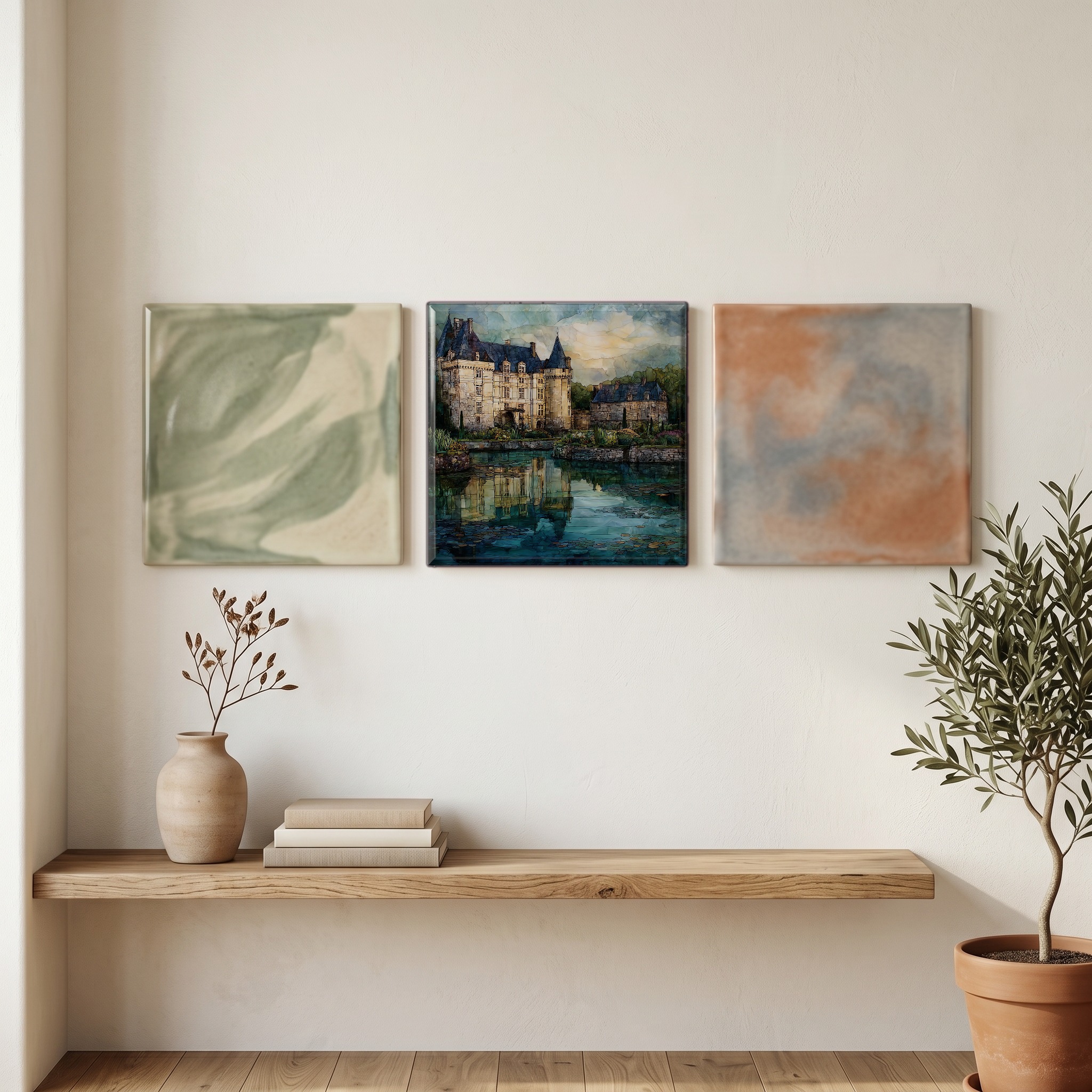
or build a grouping

Three or five different vistas, hung together — a chapter of places you've been, or want to go.

about Villandry Renaissance Gardens

The place, in three passes.

A little of what's known, in case you fall down the rabbit hole — or want to go see it yourself.
the place

Château de Villandry sits on the south bank of the Cher near where it joins the Loire, about 17 kilometres west of Tours in the Indre-et-Loire department of Centre-Val de Loire. It was built starting in 1532 for Jean Le Breton, finance minister to François I, on the site of a medieval fortress whose old keep is still embedded in the structure. The estate covers roughly six hectares of formal gardens on three terraces and forms part of the Loire Valley UNESCO World Heritage area inscribed in 2000. The nearest station is Savonnières on the TER line from Tours, a short cycle along the river bank to the gates.

the season

The potager is the ornamental kitchen garden, laid out in nine squares of box-edged geometry, replanted twice a year so the colour is never the same in two visits. Peak colour falls in late June and again in early October, when cabbages, leeks, beets, and pumpkin sit at full mass against the low hedges. The gardens stay open every day of the year, but the herb garden and the kitchen plot read flat from mid-November through April while the new plants are settling. Joachim Carvallo, the Spanish doctor who bought the estate in 1906 and oversaw the restoration, chose the dual-planting cycle to keep the design legible across the calendar.

the visit

The château and its gardens are open every day of the year, including Christmas and New Year's Day, with hours that adjust by season. Tickets cover either the château and gardens together or gardens only, with reduced rates for children and students; current prices are listed on the official site. The estate is still privately owned by the Carvallo family, four generations on from Joachim and Ann Coleman, and ticket revenue funds the replanting of the potager twice each year and the upkeep of the six hectares of formal gardens. Gravel paths run through every section, and a small kiosk near the orangery serves lunch. Photography for personal use is allowed throughout; tripods need permission from the front office.

where
France · Villandry, Indre-et-Loire
within
Loire Valley (UNESCO)
position
47.3406° N · 0.5142° E
the neighborhood

What's nearby.

A handful of named places within an hour's walk or short drive. Some we've already painted; some we will.
4 km E
Savonnières
Loire village with troglodyte caves
11 km SW
Château d'Azay-le-Rideau
Renaissance château on the Indre
13 km W
Château de Langeais
medieval and Renaissance château
17 km E
Tours
Loire Valley cathedral city
22 km W
Château d'Ussé
Loire château that inspired Sleeping Beauty
N
Villandry Renaissance Gardens
Savonnières
Château d'Azay-le-Rideau
Château de Langeais
Tours
Château d'Ussé
common questions

What people ask.

A few questions we get about Villandry Renaissance Gardens — and about bringing the piece home.
about the place

Villandry sits on the south bank of the Cher near where it meets the Loire, about 17 kilometres west of Tours in the Indre-et-Loire department of France. It is the westernmost of the great Renaissance châteaux of the Loire Valley.

The gardens visible today were restored between 1908 and 1918 by Joachim Carvallo, a Spanish doctor, and his American wife Ann Coleman, who bought the estate in 1906. They worked from sixteenth-century drawings by Jacques Androuet du Cerceau to recover the original Renaissance layout.

The potager is laid out in nine geometric squares of box-edged beds, each filled with seasonal vegetables chosen for colour as much as for harvest. Cabbages, leeks, chard, beets, and pumpkins are replanted twice a year so the squares read as a painted composition.

The potager hits full colour in late June and again in early October, when the second planting matures. Spring brings the tulip and bulb display in the ornamental beds. From mid-November through April the kitchen garden reads flat while the new plants establish.

Yes. The gardens are open every day of the year, including Christmas and New Year's Day, with hours that shorten in winter. The château interior closes for several weeks each winter for maintenance; check the official site for current dates.

The TER train from Tours to Savonnières takes about ten minutes; from Savonnières station it is a four-kilometre walk or cycle along the river bank to the château. By car, Villandry is roughly twenty minutes from Tours on the D7.

Yes. The Carvallo family still owns and runs the estate, four generations on from Joachim and Ann Coleman. Ticket revenue funds the replanting of the potager twice each year and the upkeep of the château and the six hectares of formal gardens.

about the piece in your home

It carries well for anyone who has walked the gardens at Villandry or anyone who has the Loire châteaux on their list. The geometry of the potager is the single strongest image at Villandry; a Small or Medium with a handwritten note from the studio is a considered gift.

The piece reads as Renaissance-formal but Voynich-modern. It sits well in French country interiors, garden-room schemes built around foliage and ironwork, and maximalist rooms that mix botanical prints with antique wood. The deep greens and reds of the planting carry the colour.

The garden-room style, with botanical wallpaper, indoor topiary, rattan, and pressed-leaf framings, has held steady since 2024 and is well suited to a vista like Villandry. A single Large above a buffet or a Mural along a dining wall both read strongly.

A single Large reads well above a console or a narrow sofa. For a full sofa wall, a four-tile Mural fills the space at typical sofa width; for a long modular sofa or a dining wall, a nine-tile Mural is the considered choice.

Yes. For a bathroom, a kitchen backsplash, or any wet or vertical install, ask for the Dura Satin or Matte finish. These are scratch-resistant and read without sheen. The standard Glossy finish is for framed wall art and dry rooms.

A microfibre cloth and water is enough for routine cleaning. The colour lives in the ceramic surface beneath the finish, so it does not scratch off or fade in normal household conditions. Avoid abrasive pads and bleach-based sprays.

Yes. Every WenderVista tile is original to Wender Studios, hand-finished in Knoxville, Tennessee. We do not license artwork from third parties; the Villandry painting in our Voynich stained-glass style is held only here.

if this one stayed with you

A few you might also love.

Hand-picked by the eye that found Sorapis. Same air, same kind of quiet.