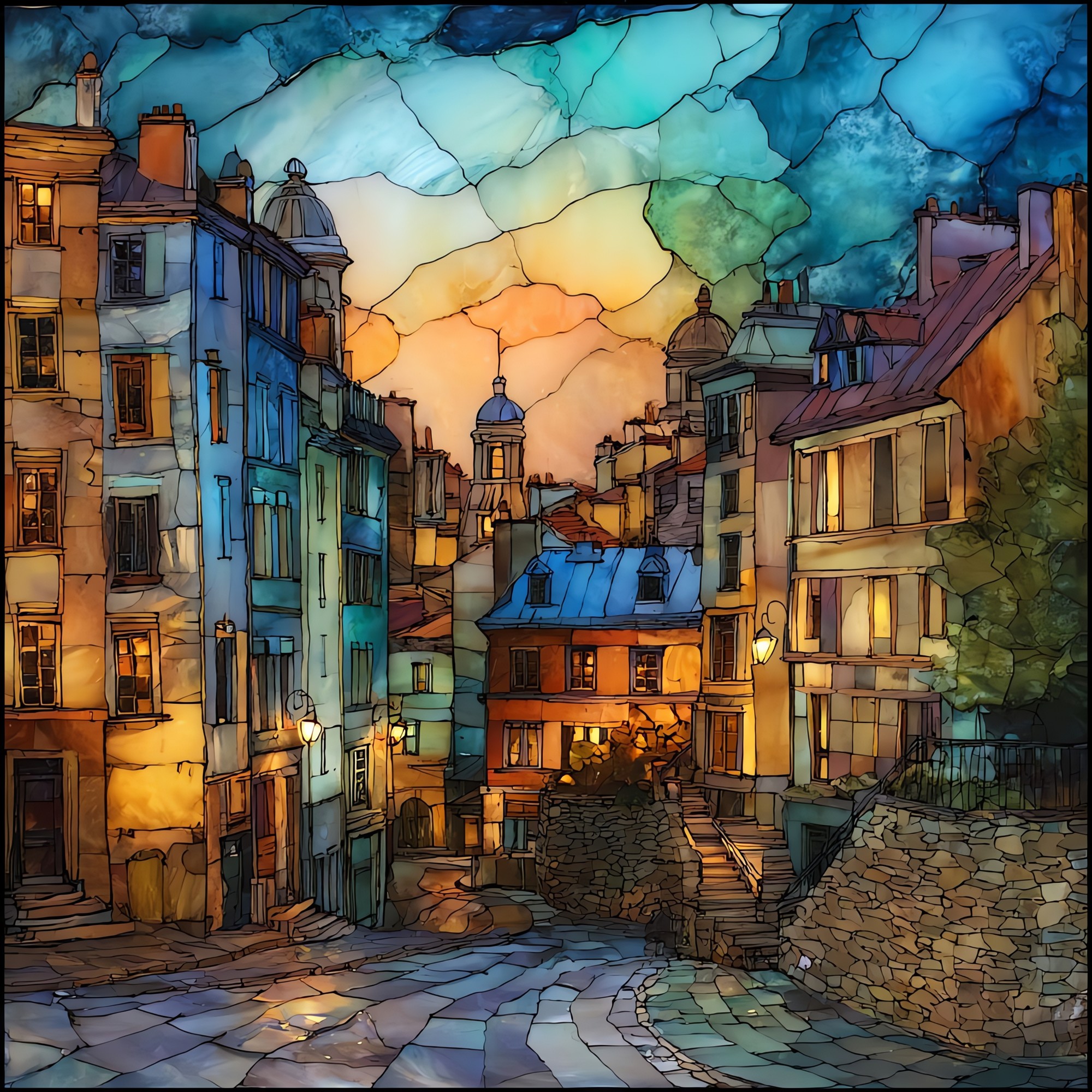
Vieux Nice Old Town
— — ochre walls, and the sea just past them.
Not only on a wall.
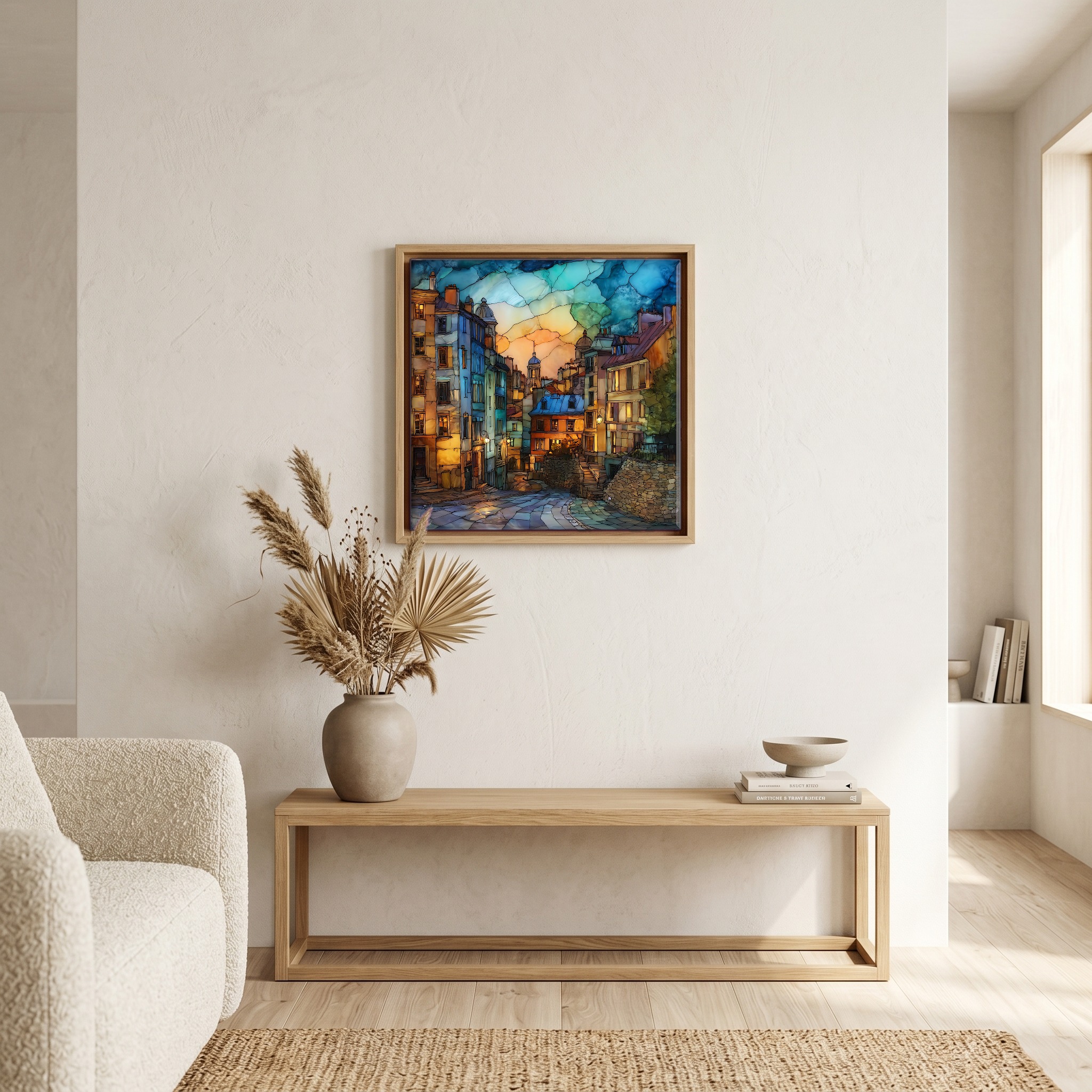
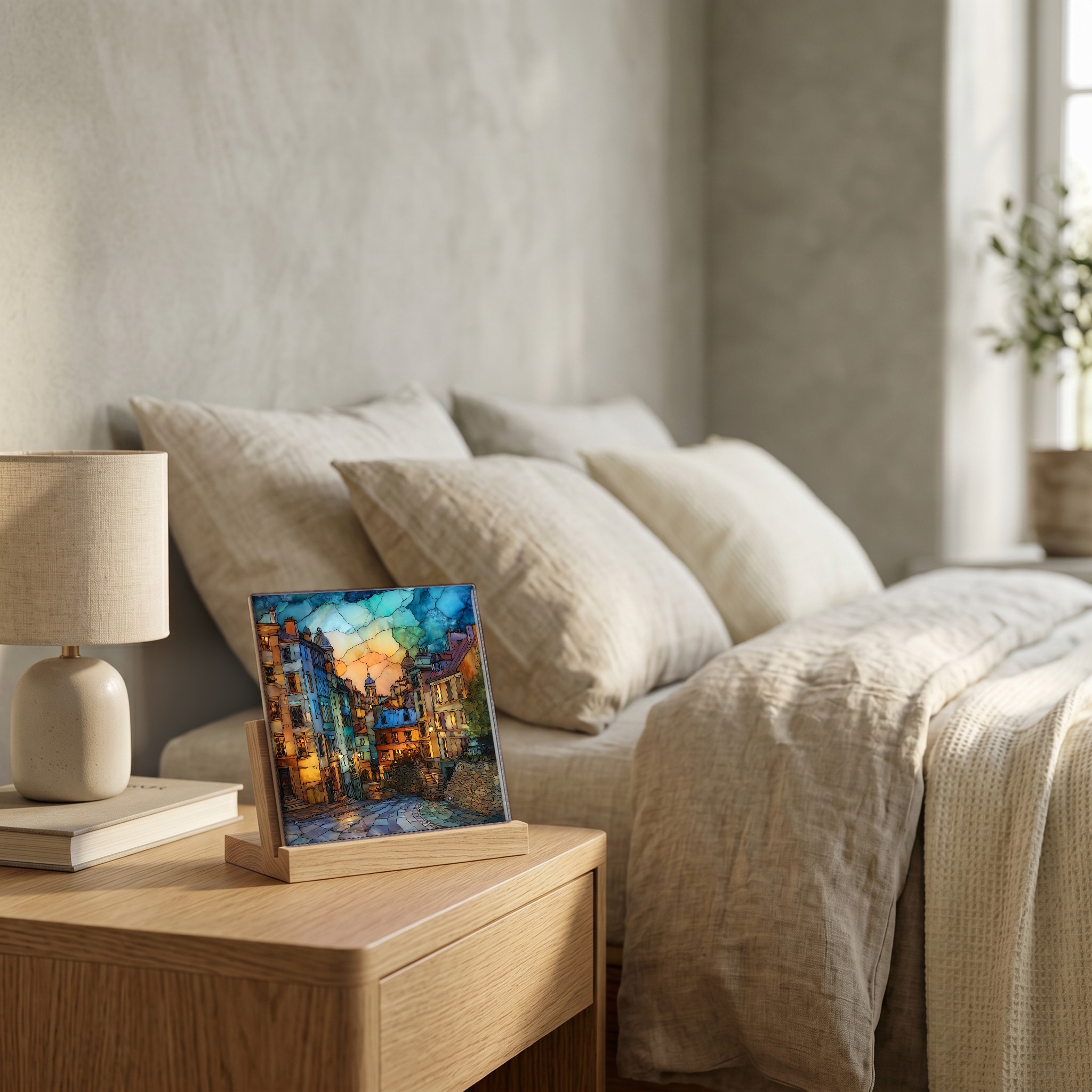
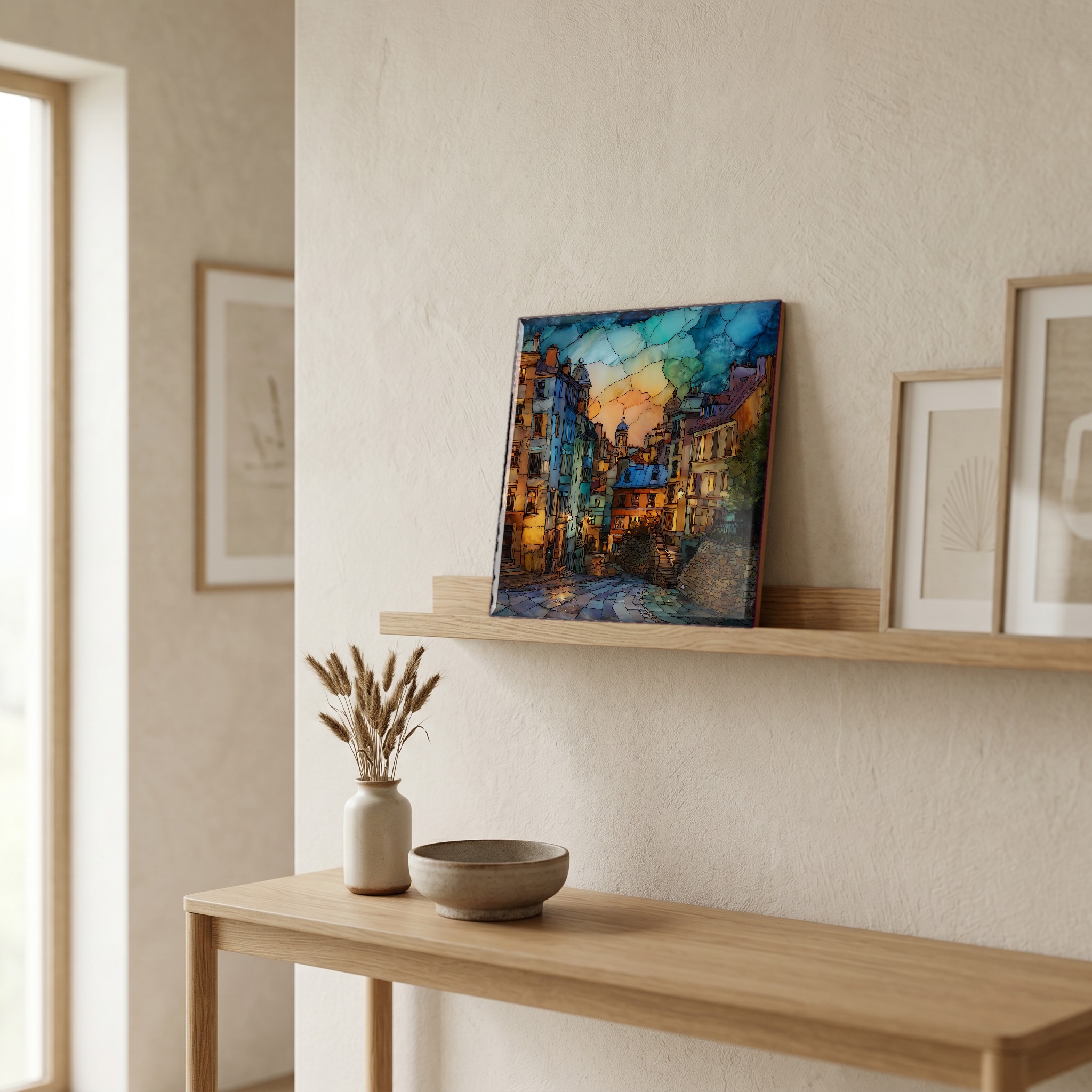
“The old quarter of Nice, held between the climb to the Colline du Château and the long sweep of the Baie des Anges. Pink and ochre Italianate facades, terracotta roofs, lanes narrow enough to throw a shadow across an entire street. Until 1860 this was a Sardinian port; the kitchens still pull from Liguria. Socca on the griddle, pissaladière on the trays. The flower market at Cours Saleya opens early. By nine the sun has reached the lower walls and the colour the south is famous for begins.
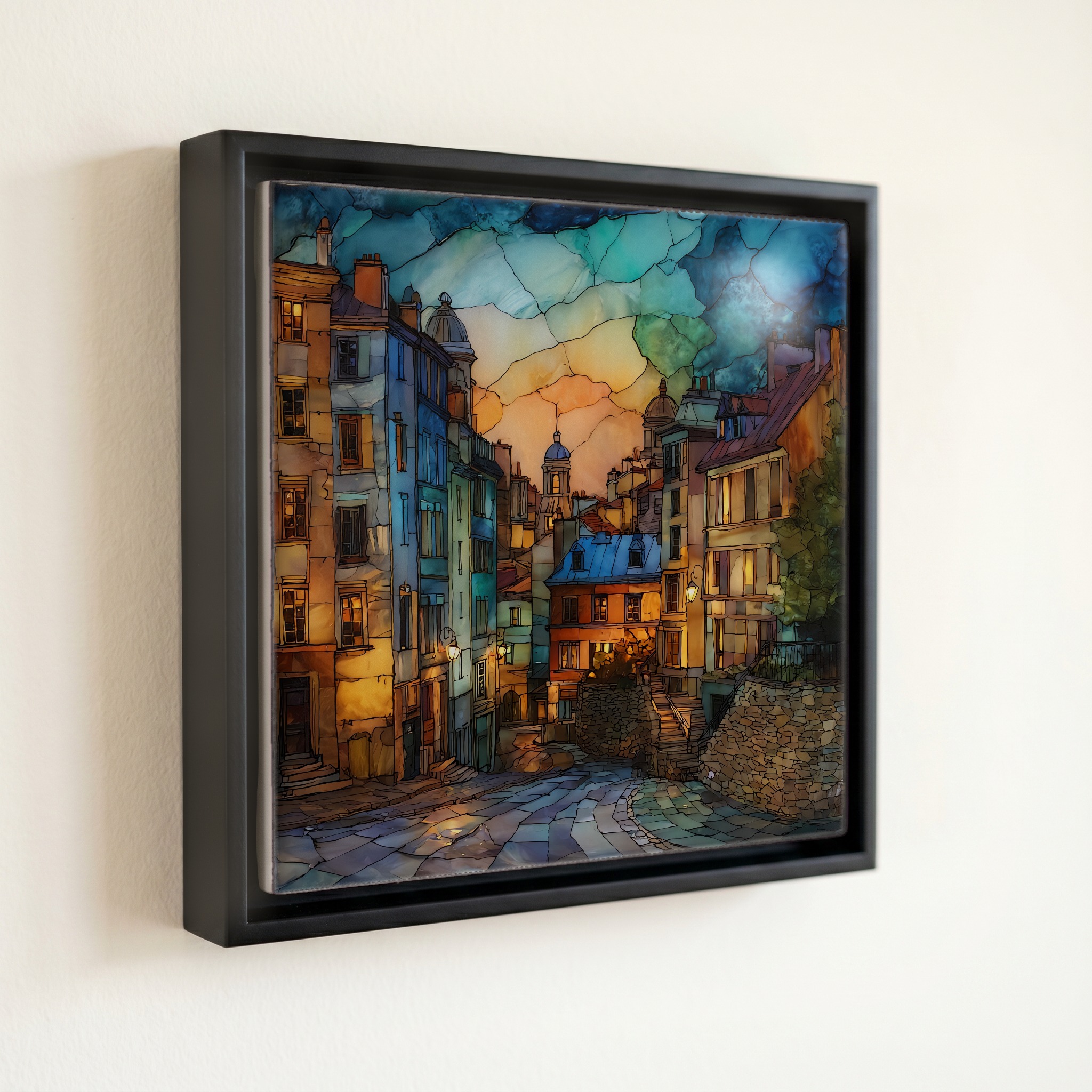
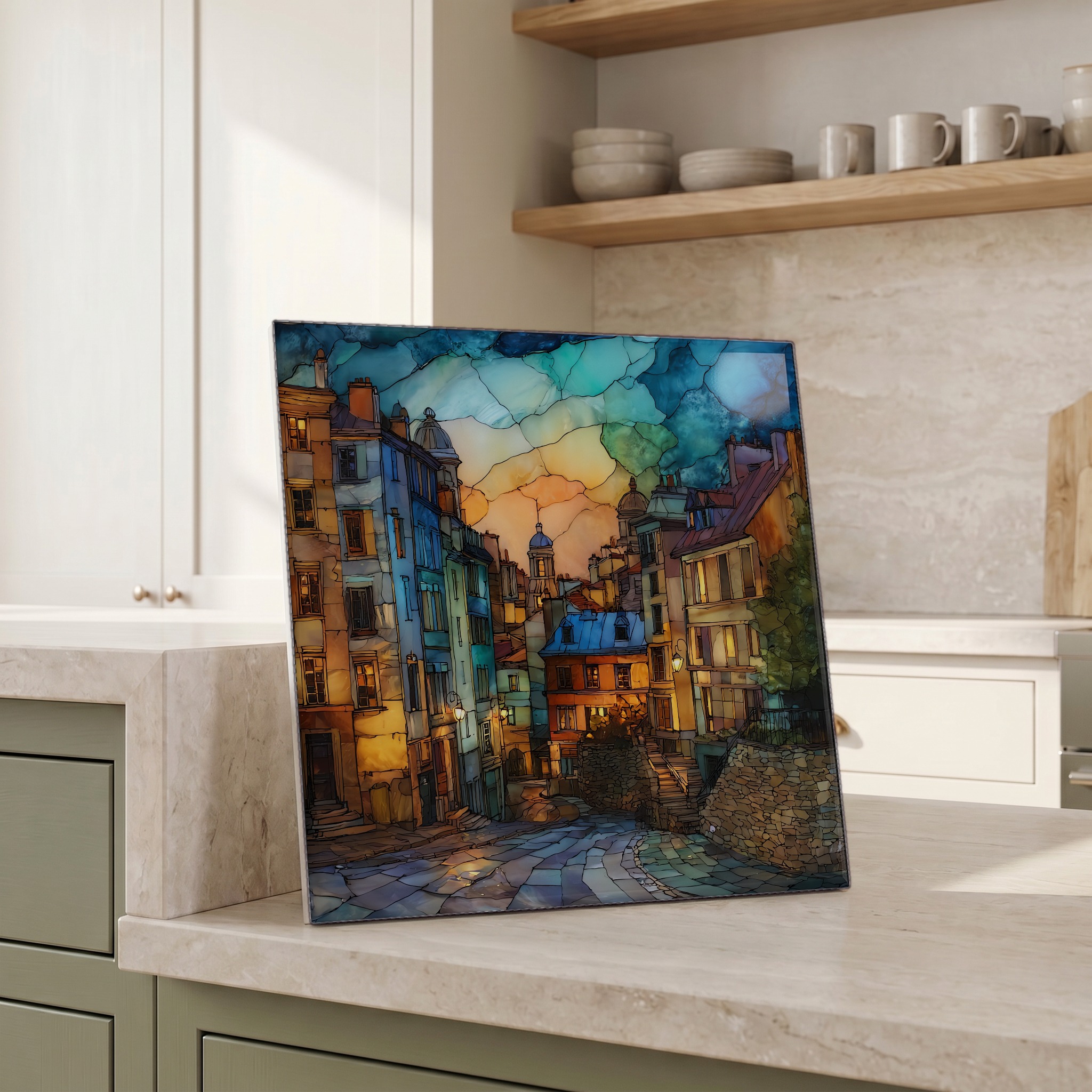
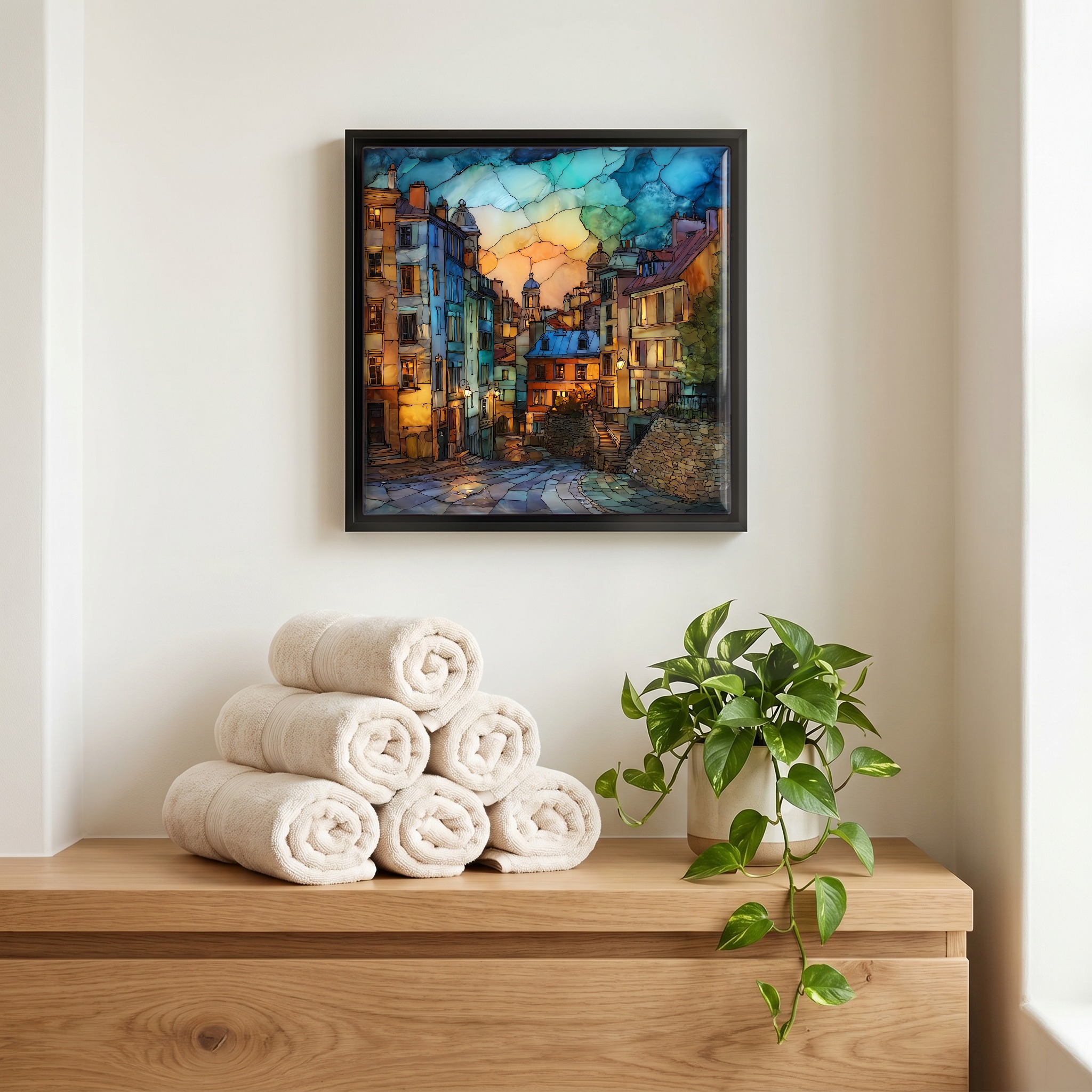
Vieux Nice Old Town, on ceramic.
Each tile is finished by hand in our Knoxville studio. Artwork is slowly infused into the ceramic surface under high heat and pressure, and rests beneath a thin glossy finish. The colour lives in the surface, not on top of it.
Pick any four 4-inch tiles — National Parks you've been to, a Smokies set, the four seasons of one place. $ for a set of , cork-backed, ready to live on the table.
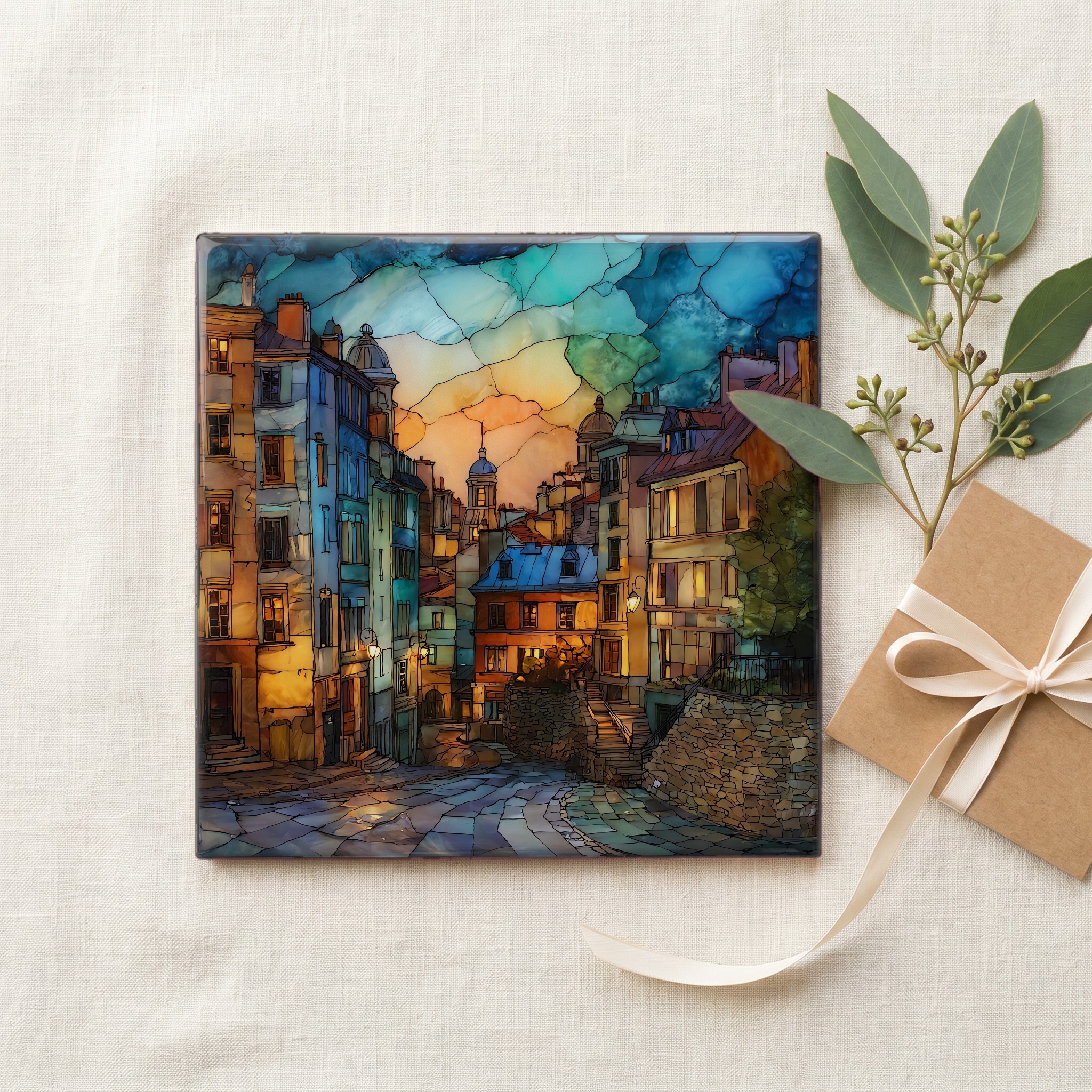
Each tile ships in a kraft box, tied with cream ribbon, with a handwritten note from the studio if you'd like to add one.
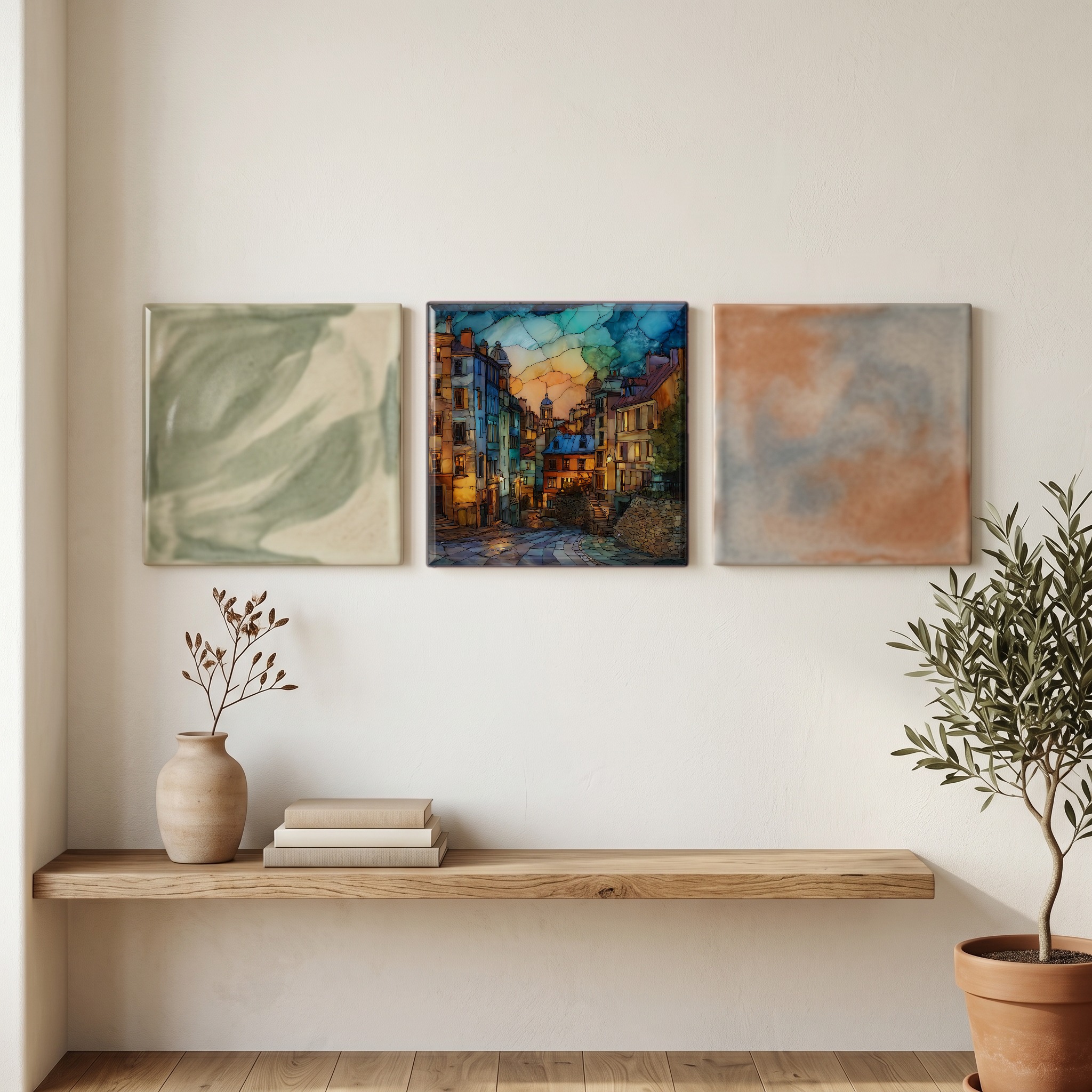
Three or five different vistas, hung together — a chapter of places you've been, or want to go.
The place, in three passes.
Vieux Nice is the historic core of Nice, France, on the Côte d'Azur at the eastern end of the Baie des Anges. It sits between the Promenade du Paillon to the west and the Colline du Château to the east, a wooded headland rising to about 92 metres above the sea. Until 1860 Nice belonged to the County of Nice in the Kingdom of Sardinia, and the architecture, language, and kitchen still carry that Ligurian inheritance: Italianate facades in ochre and rose, the Niçois dialect, and a table built on chickpea flour, olive oil, and anchovy. The quarter has been pedestrianised for decades and remains the densest concentration of pre-1860 building in the city.
The pastel facades of Vieux Nice in ochre, rose, terracotta, and a deep yellow that picks up the late sun carry the Ligurian palette across the river Var. The colour traces to limewash mixed with earth pigments long traded along the coast between Genoa and Nice, in the centuries before 1860 when Nice still looked east toward Liguria rather than west toward France. The quarter now falls under France's national heritage protection, the Secteur Sauvegardé, which requires municipal approval for facade repainting and has held the ochre-and-rose palette coherent. Light bouncing off the sea sets the walls glowing twice a day: once mid-morning when the Cours Saleya flower market reaches full bloom, and again as the sun drops behind the Promenade and the colour deepens into the lanes.
The streets of Vieux Nice are closed to vehicles and best entered on foot from the Cours Saleya end. The flower market runs Tuesday through Sunday from around 6 a.m. to 1:30 p.m.; on Mondays the same square turns over to an antiques and brocante market. The Cathédrale Sainte-Réparate on Place Rossetti, built between 1650 and 1699 in the Niçois Baroque style, is free to enter outside Mass. The Palais Lascaris, a seventeenth-century Niçois Baroque palace that now holds the city's collection of historical musical instruments, keeps museum hours and charges a modest entry. From Place Rossetti the walk up the Montée Lesage to the castle ruins on the Colline du Château takes about fifteen minutes; a free elevator beside the Hôtel Suisse climbs the headland for visitors who prefer not to walk.