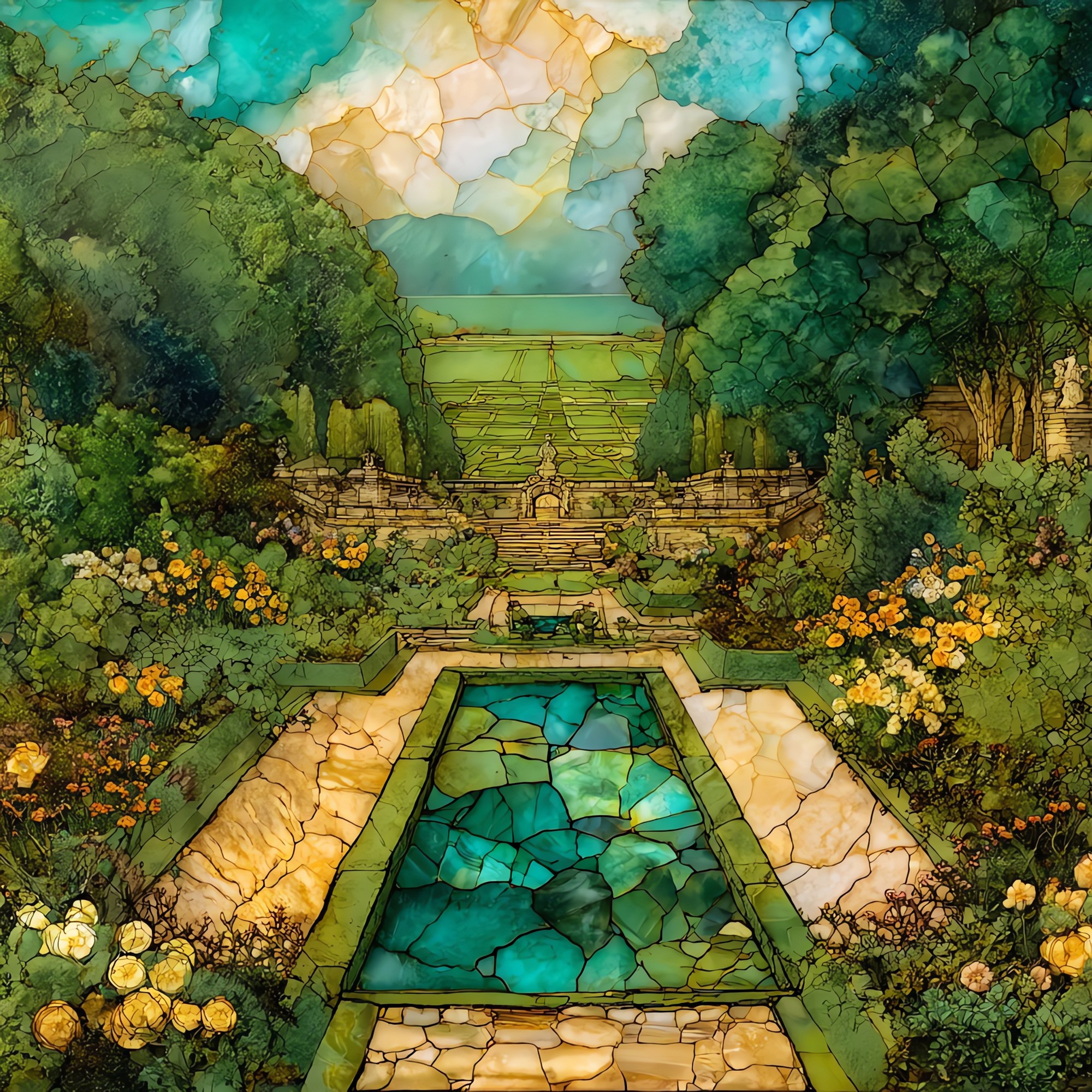
Vaux-le-Vicomte Parterre
— green ink laid down before Versailles.
Not only on a wall.
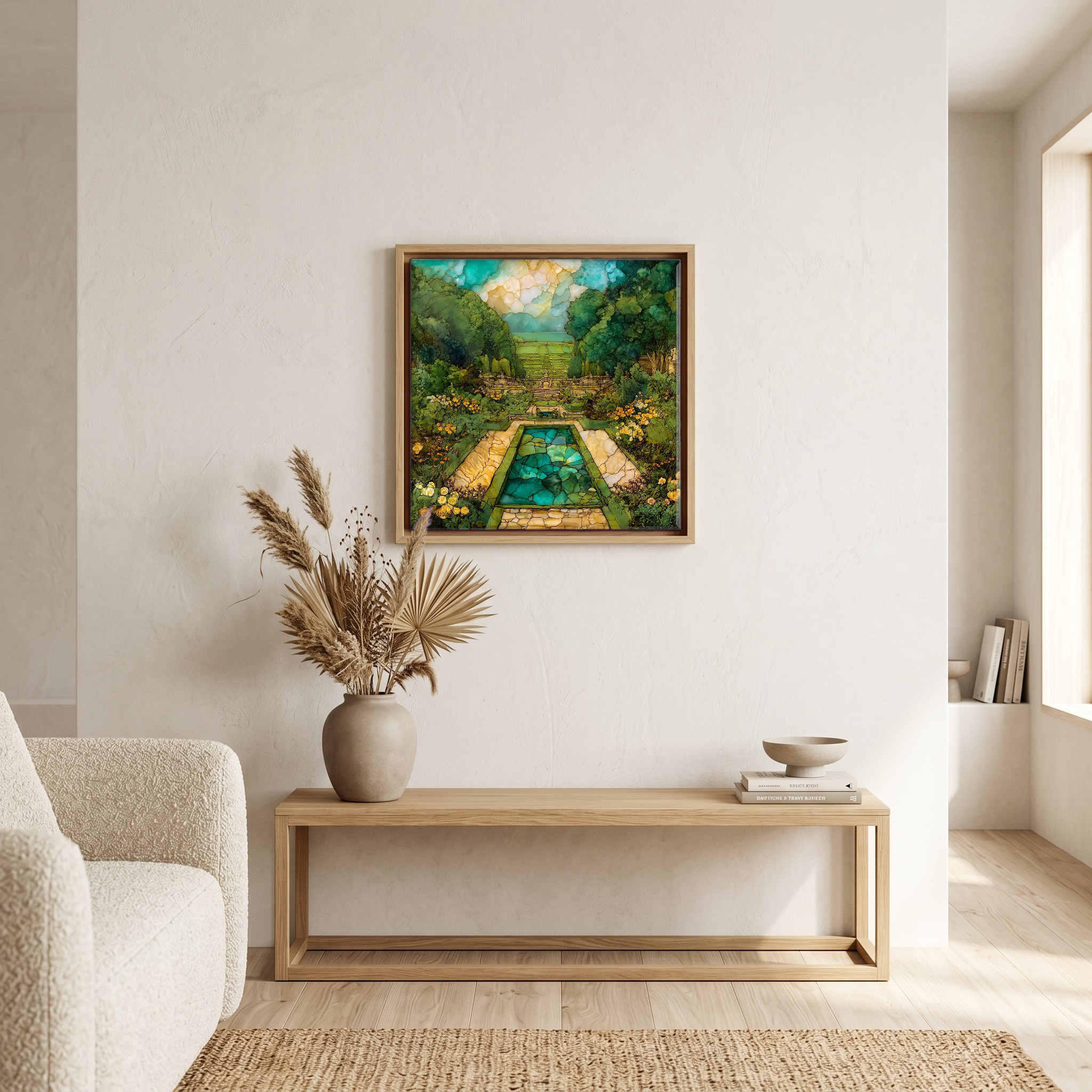
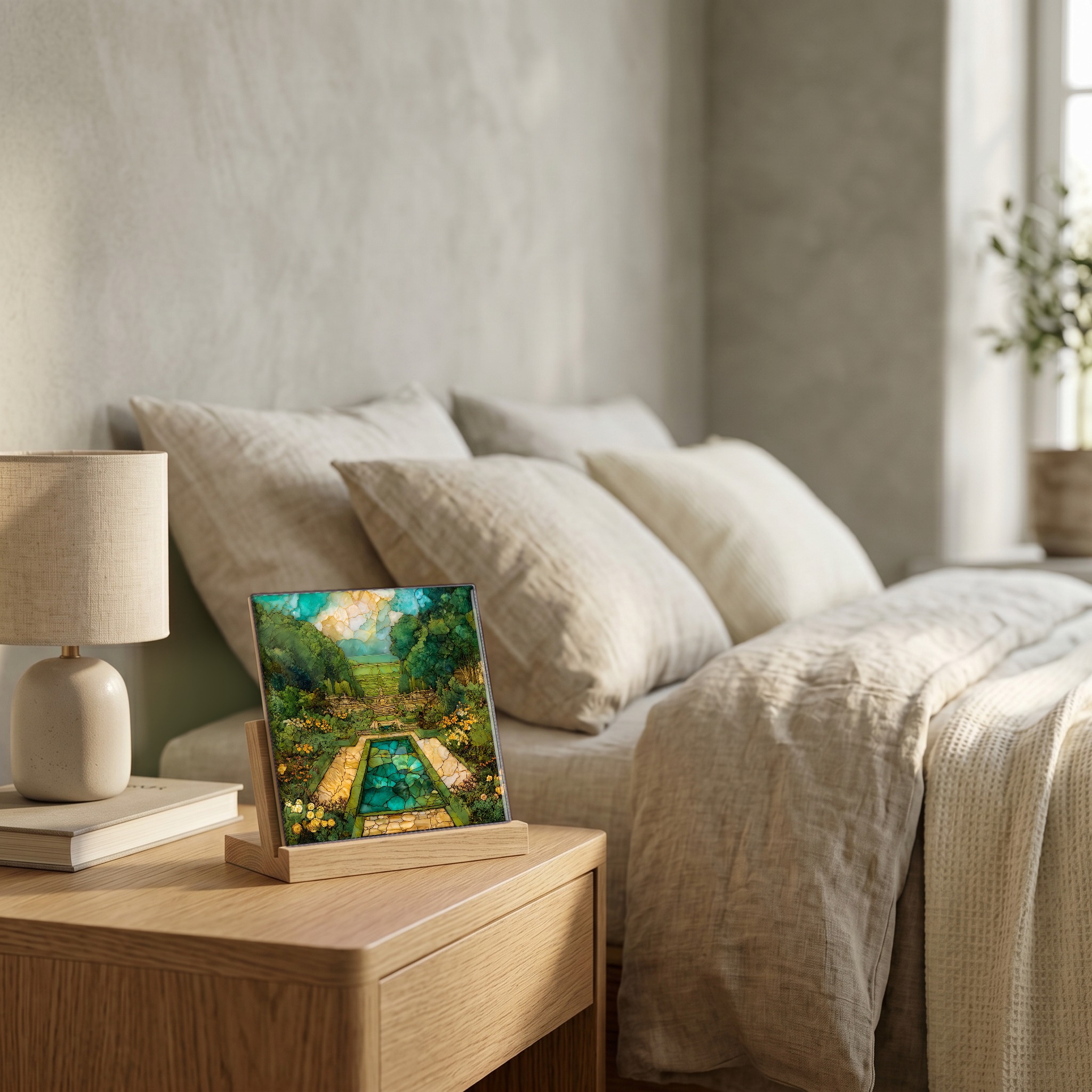
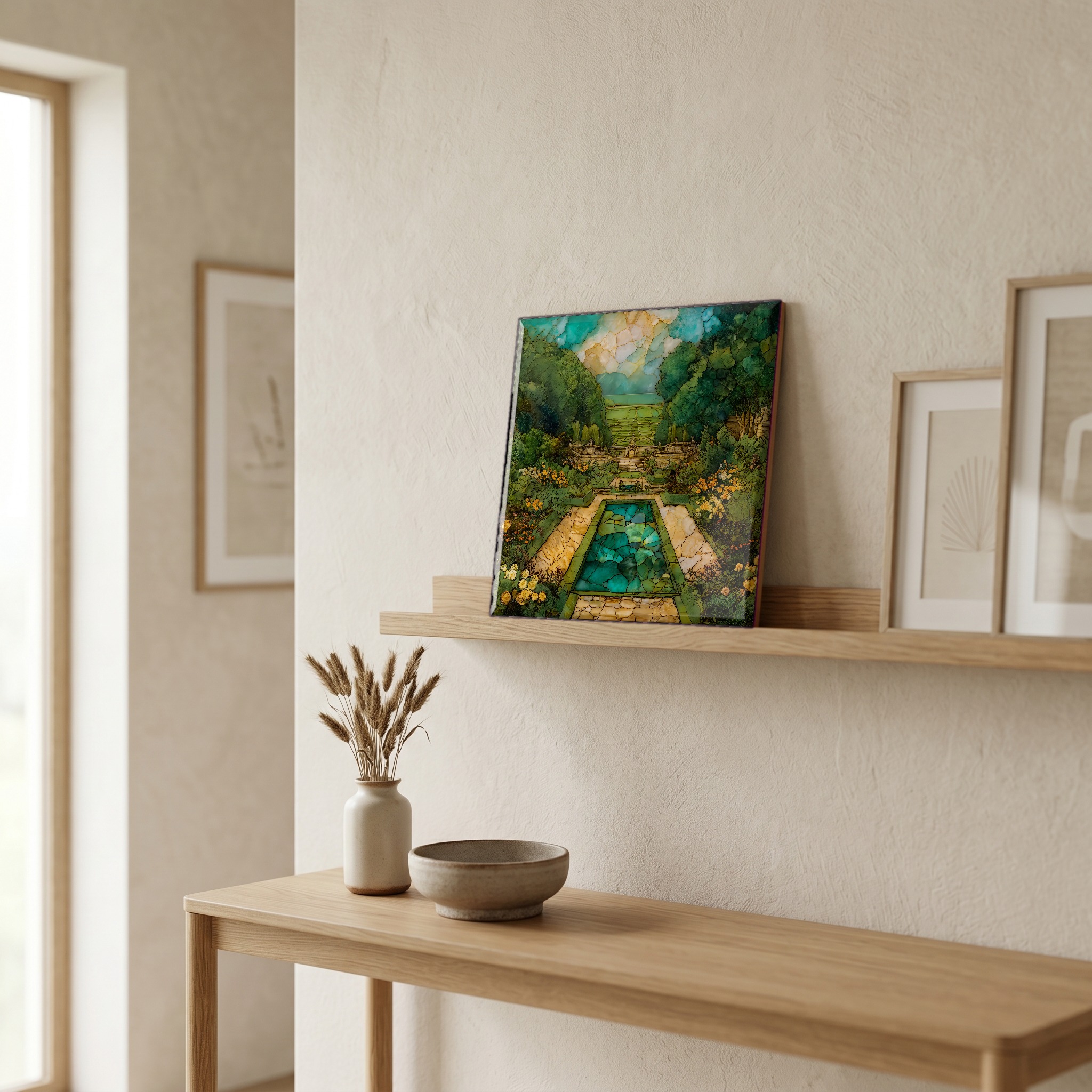
“The garden André Le Nôtre laid out before Versailles existed. Nicolas Fouquet was Louis XIV's superintendent of finances; for one summer in 1661, his lawn was the most ambitious thing in Europe. Three weeks after the housewarming, Fouquet was arrested. Le Nôtre, Louis Le Vau, and Charles Le Brun were reassigned to Versailles. The parterre is the work Le Nôtre never had to revise. Best read from the terrace above, when the long basin holds the sky on its back and the boxwood embroidery sits clean against the gravel.
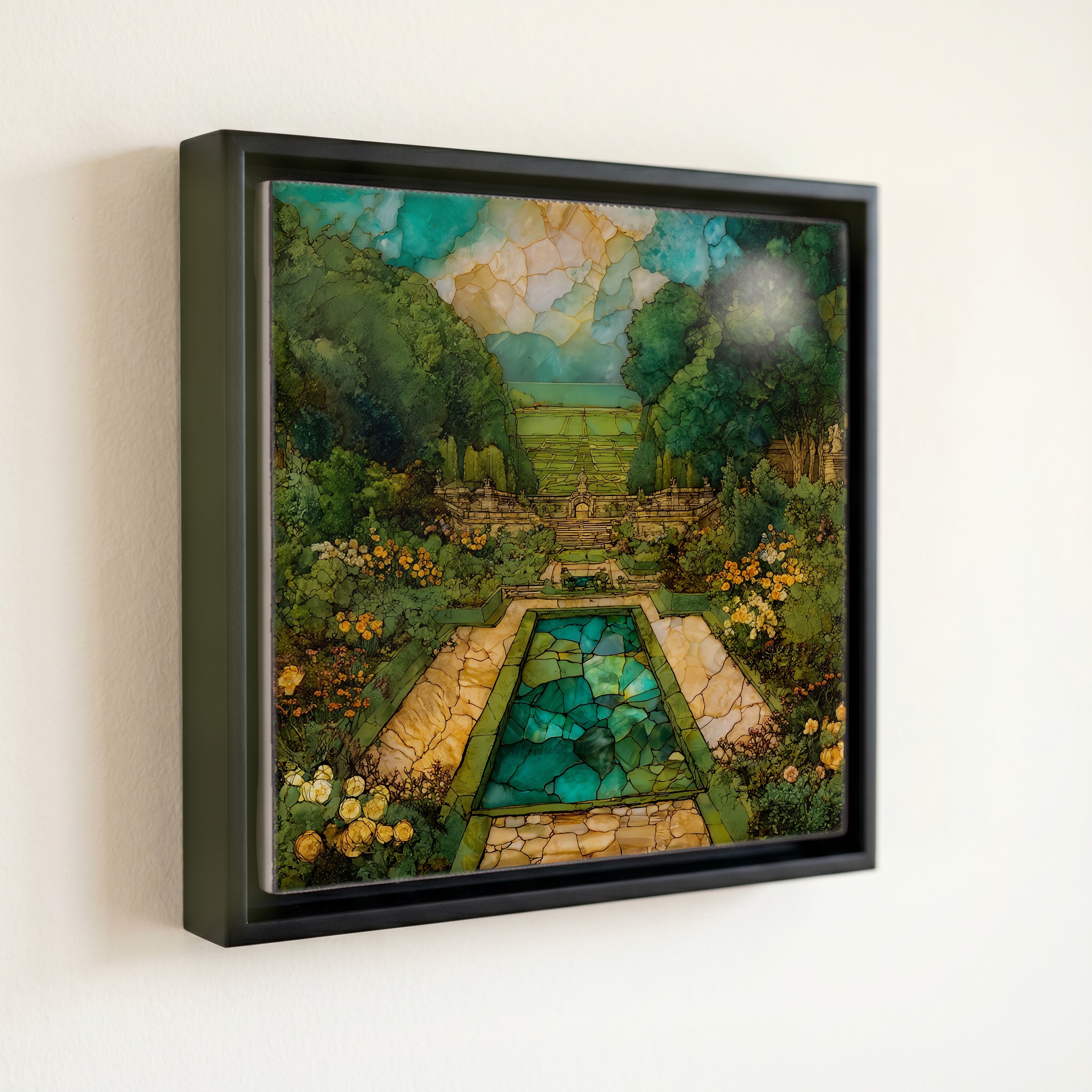
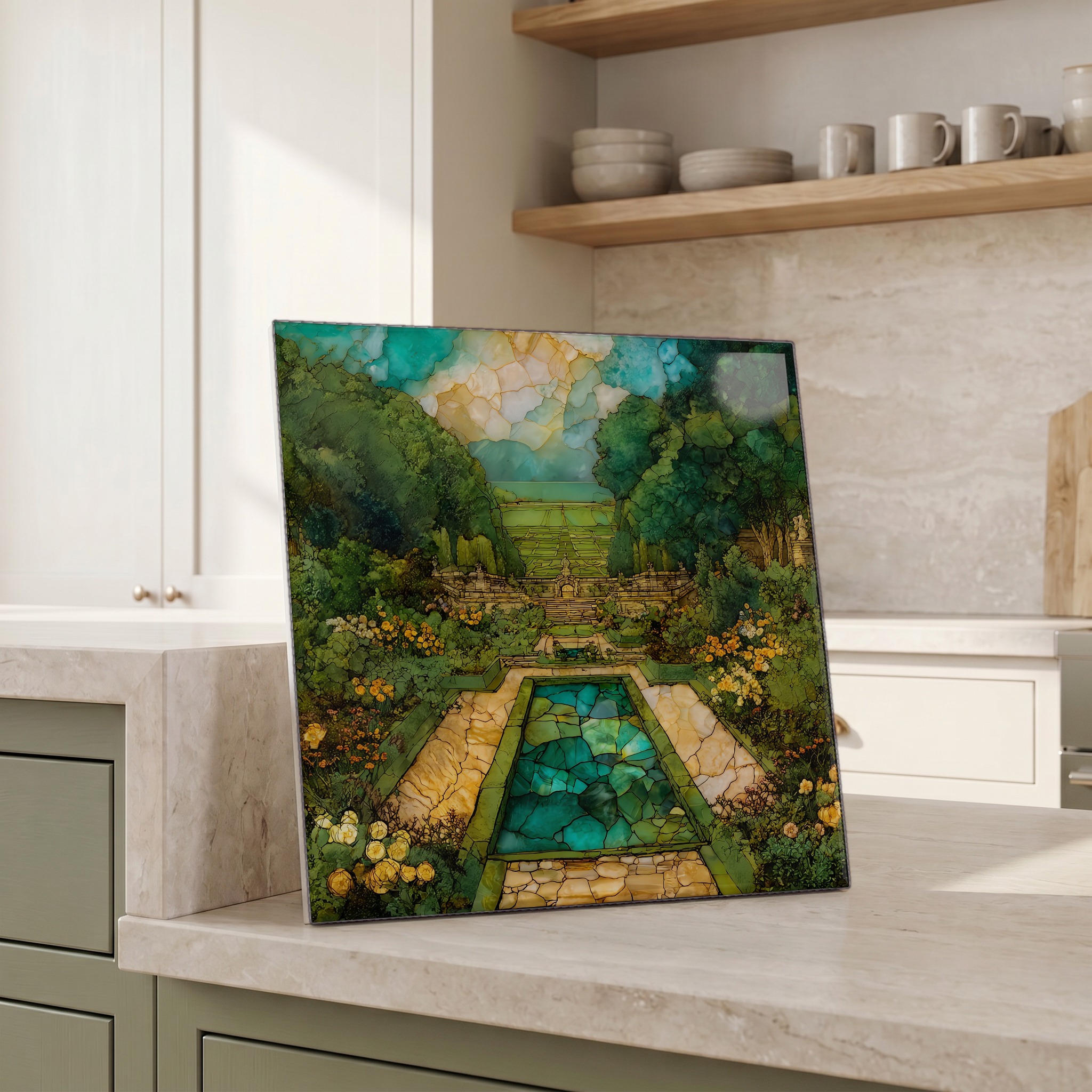
Vaux-le-Vicomte Parterre, on ceramic.
Each tile is finished by hand in our Knoxville studio. Artwork is slowly infused into the ceramic surface under high heat and pressure, and rests beneath a thin glossy finish. The colour lives in the surface, not on top of it.
Pick any four 4-inch tiles — National Parks you've been to, a Smokies set, the four seasons of one place. $ for a set of , cork-backed, ready to live on the table.
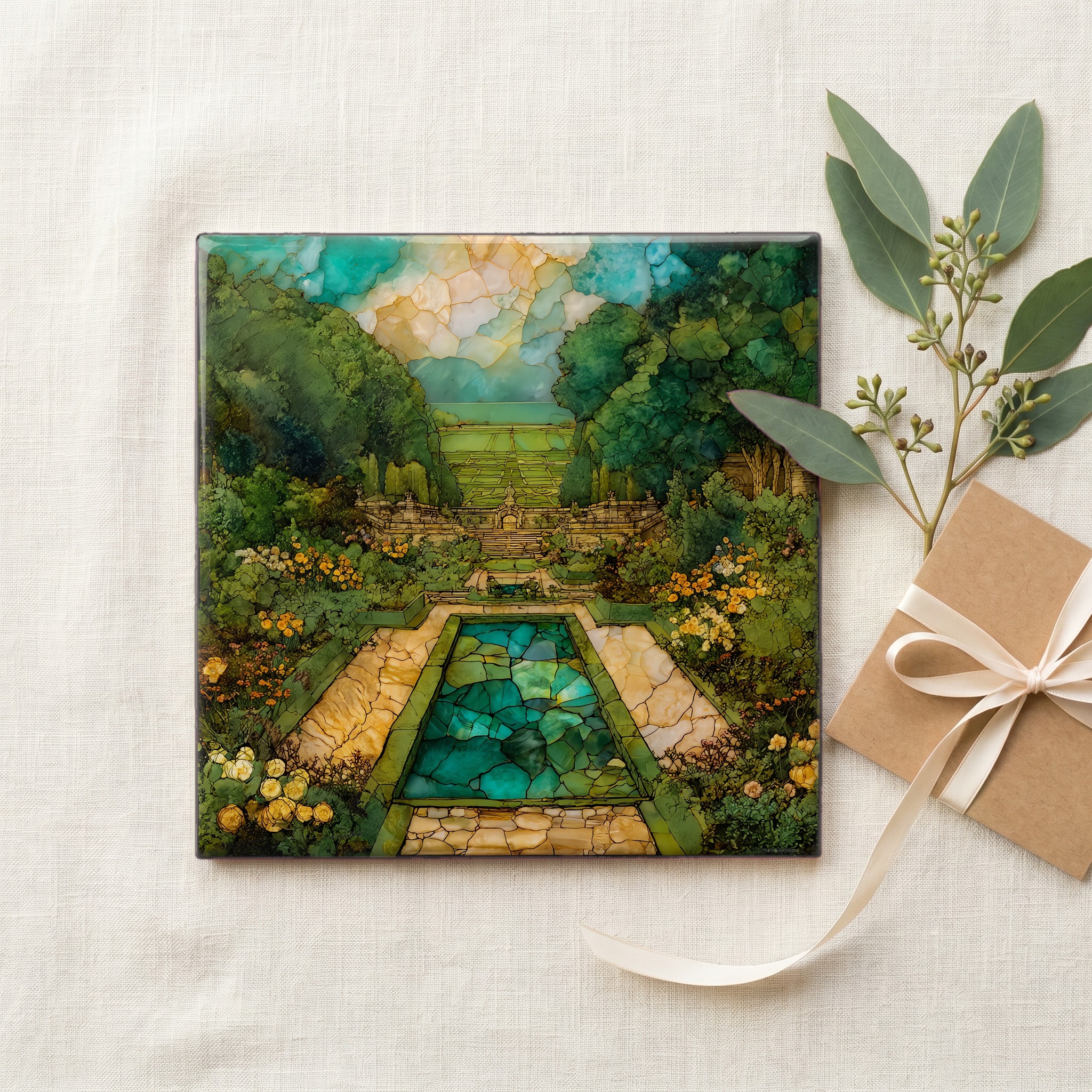
Each tile ships in a kraft box, tied with cream ribbon, with a handwritten note from the studio if you'd like to add one.
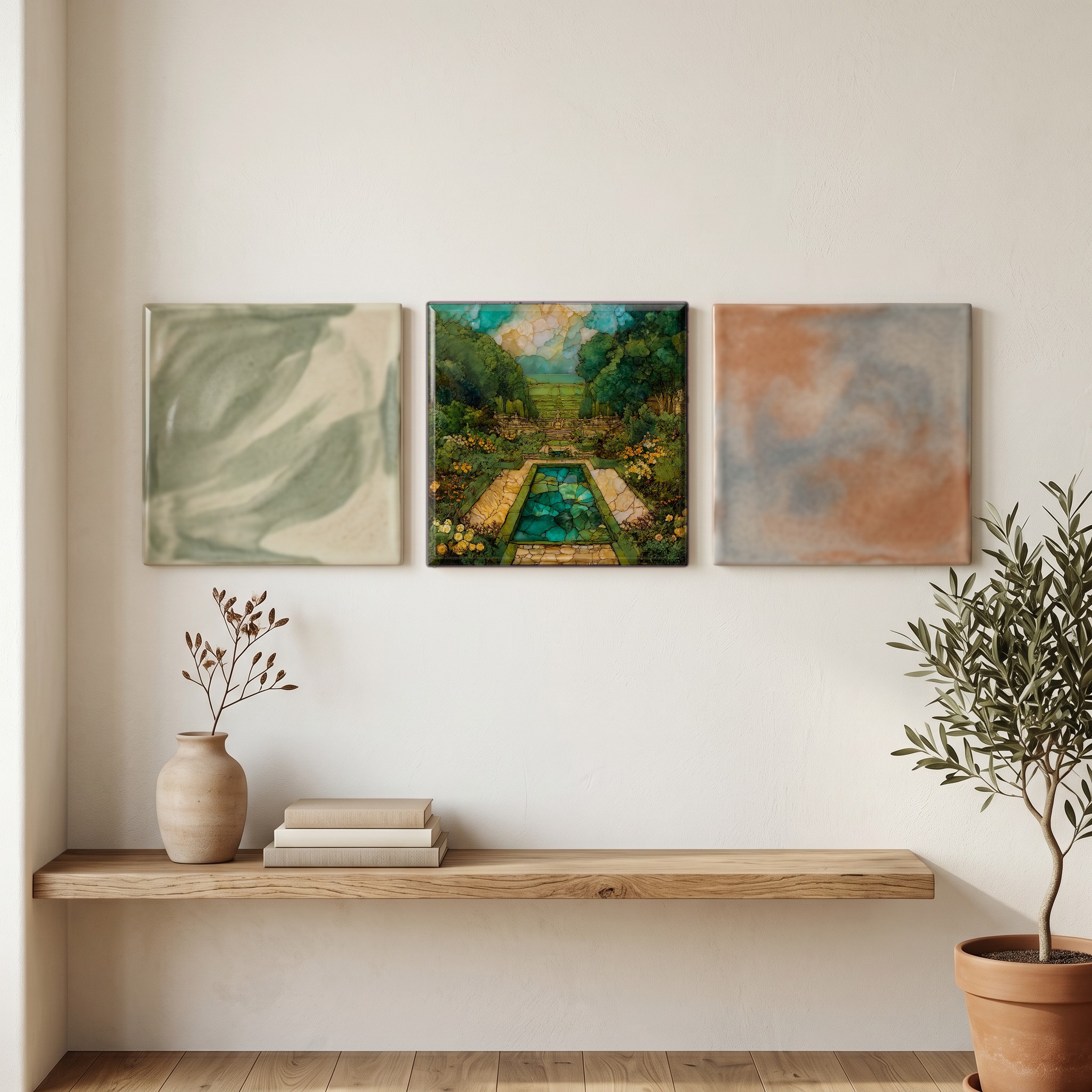
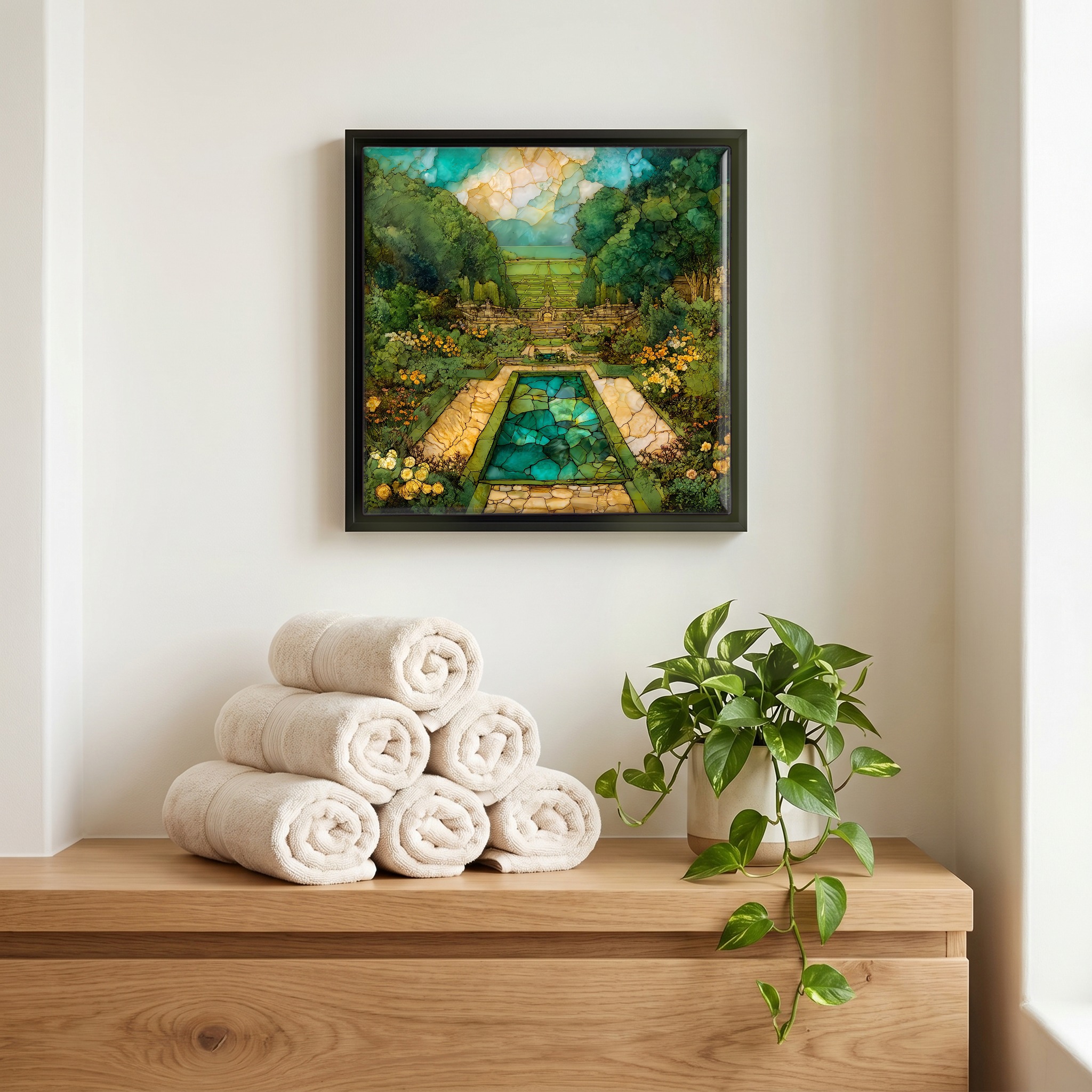
Three or five different vistas, hung together — a chapter of places you've been, or want to go.
The place, in three passes.
Vaux-le-Vicomte sits in the commune of Maincy, in the Seine-et-Marne department of the Île-de-France region, roughly 55 kilometres southeast of central Paris. The estate covers about 500 hectares; the formal garden occupies 33 of those, stretching for nearly three kilometres along a single south-facing axis. The château and grounds were commissioned by Nicolas Fouquet, Louis XIV's superintendent of finances, and built between 1656 and 1661 by architect Louis Le Vau, painter Charles Le Brun, and garden designer André Le Nôtre. The same team would later be assembled at Versailles. The estate is reached by train from Gare de Lyon to Verneuil-l'Étang, then a shuttle bus, or by car off the A5 motorway.
On 17 August 1661, Fouquet hosted the king at the château's housewarming. Molière premiered Les Fâcheux on a newly built outdoor stage. François Vatel ran the kitchens. Louis XIV, twenty-two years old and already convinced his minister had been embezzling from the crown, left enraged. Three weeks later, Fouquet was arrested by d'Artagnan at Nantes; he died in the fortress of Pignerol in 1680, never seeing Vaux again. Louis seized the orange trees, the statuary, and the team itself: Le Nôtre, Le Vau, Le Brun. He put them to work on Versailles. What remains at Vaux is the prototype, the garden every French formal garden of the next century traces back to.
The estate is open daily from mid-March through early November, with a separate winter holiday season; gardens close before the château. The signature evenings are the Soirées aux Chandelles, held on Saturdays from May through early October, when more than 2,000 candles are lit through the parterres and the dome of the château glows from inside. The full visit runs about three hours; walking Le Nôtre's intended sequence, from the terrace down then back up, takes around ninety minutes. The famous anamorphosis only works on foot: pools that read as adjacent from above are far apart, and the Grand Canal stays hidden until the visitor stands at its edge.