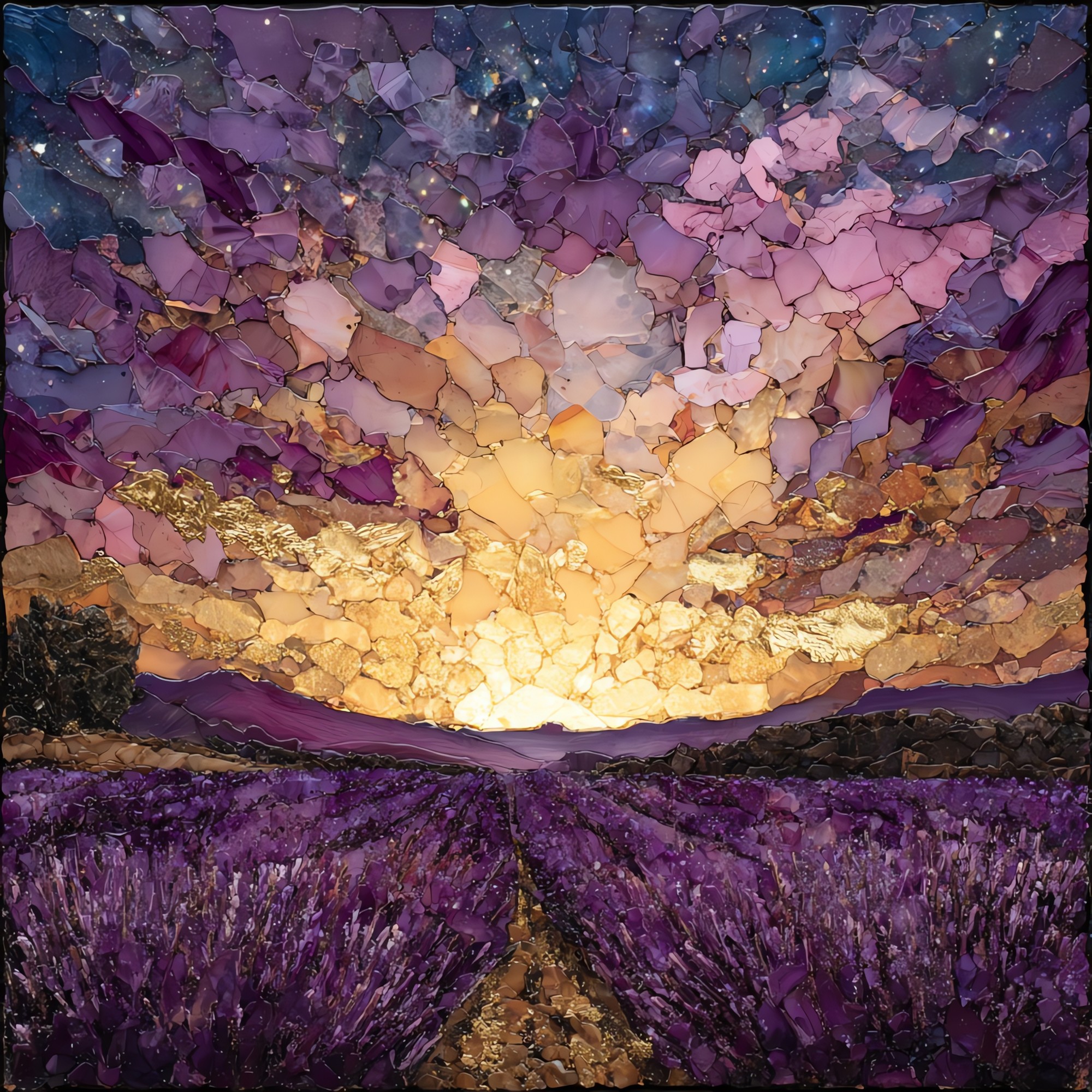
Valensole Lavender Field
— the week the fields hum.
Not only on a wall.

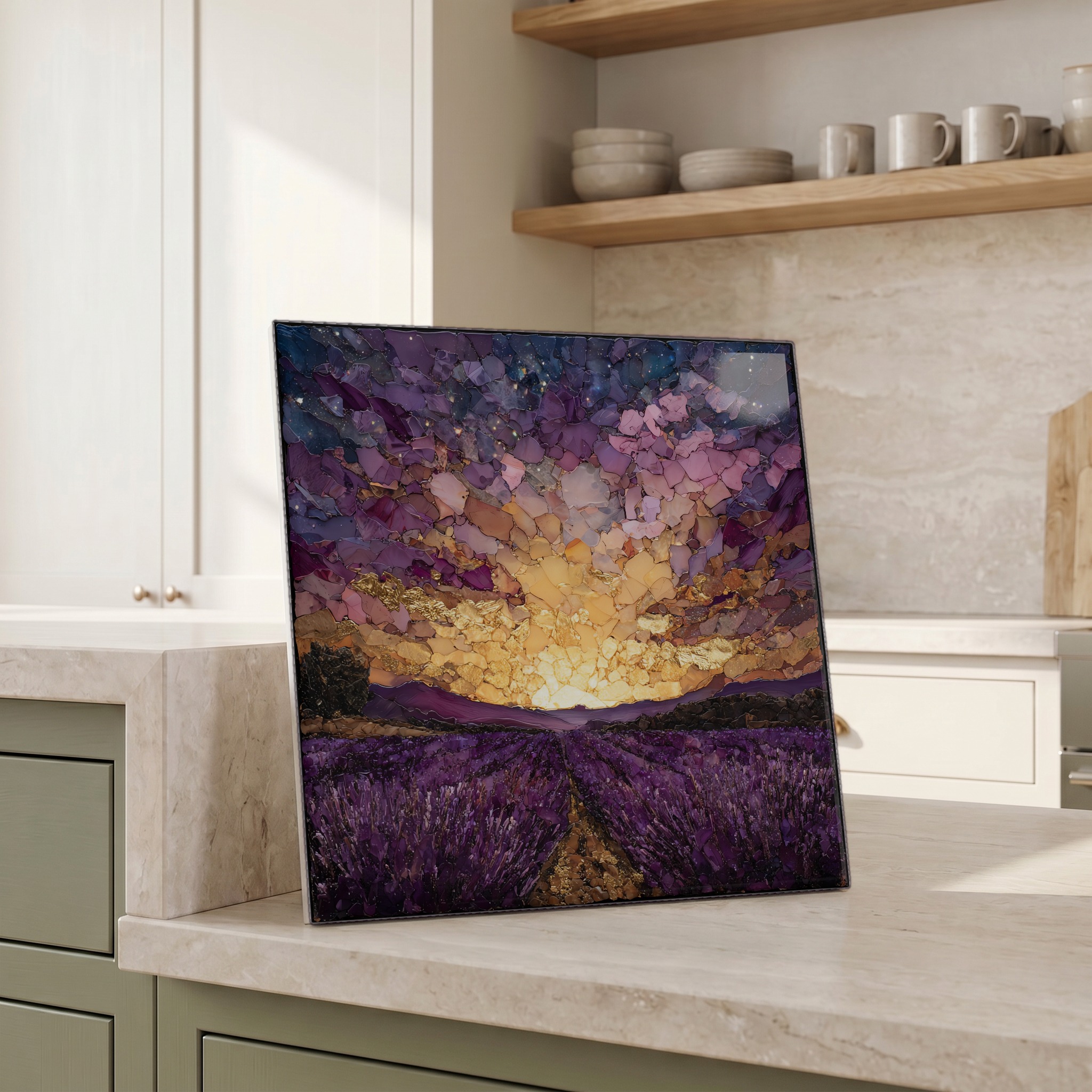

“The plateau between the Verdon Gorge and the Durance, where the lavender goes purple in late June and is cut by mid-August. Rows run to the horizon, broken only by a stone farmhouse or a single almond tree. Lavandin is the hybrid grown here, more productive than true lavender, harvested for the oil that scents Provence. The bees come in such numbers that the fields hum. The light is hardest at noon and softest the half-hour before sunset, when the colour reads warmest.
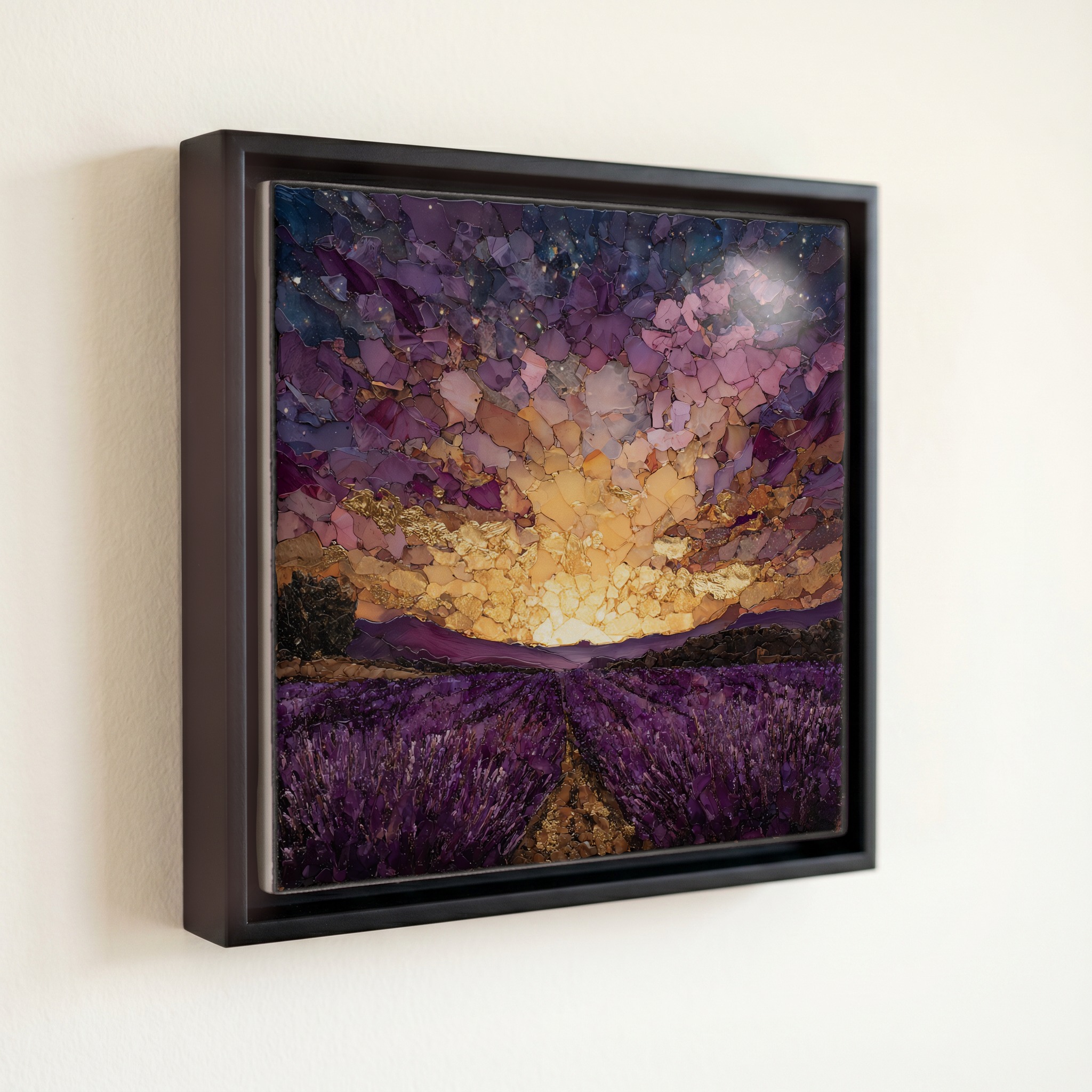
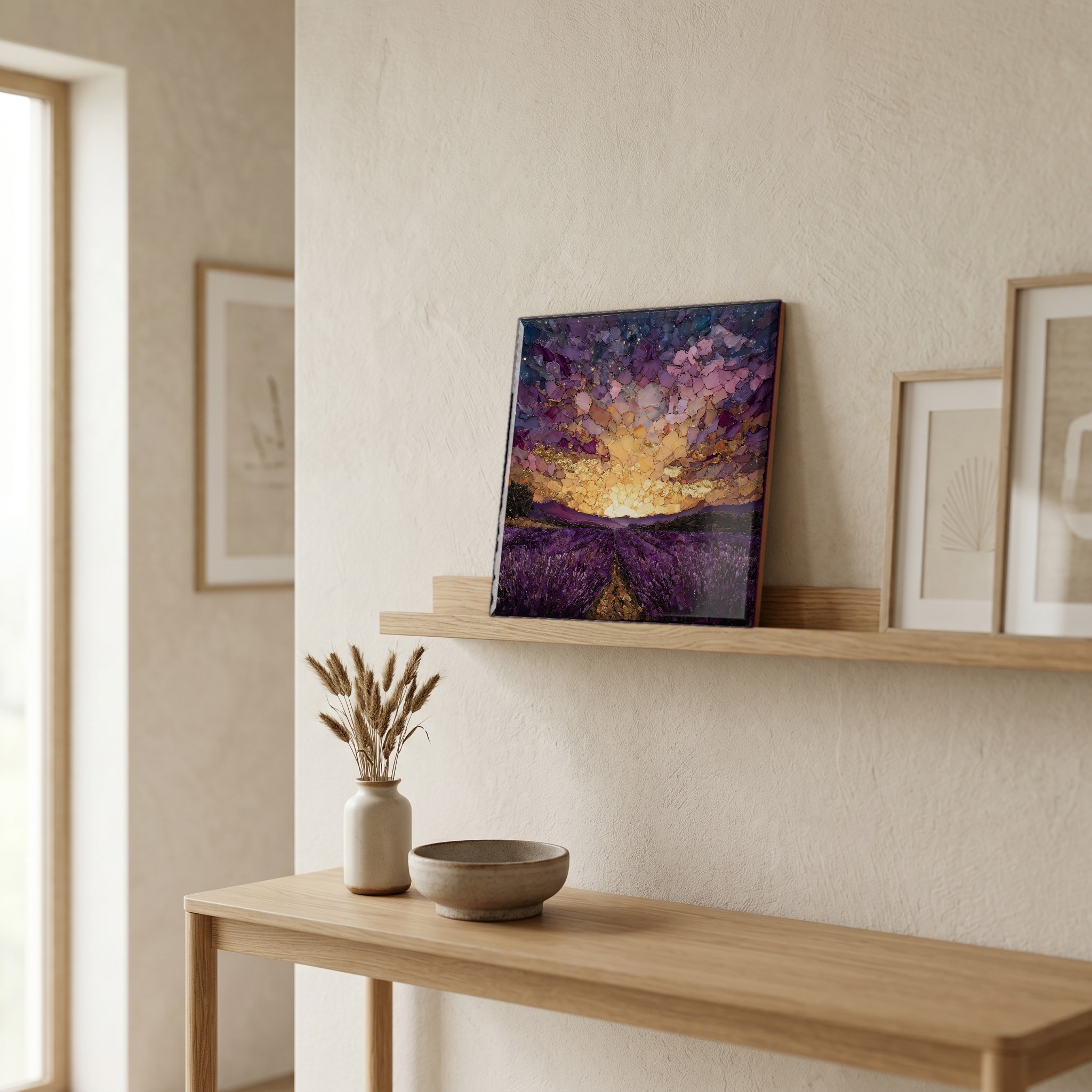
Valensole Lavender Field, on ceramic.
Each tile is finished by hand in our Knoxville studio. Artwork is slowly infused into the ceramic surface under high heat and pressure, and rests beneath a thin glossy finish. The colour lives in the surface, not on top of it.
Pick any four 4-inch tiles — National Parks you've been to, a Smokies set, the four seasons of one place. $ for a set of , cork-backed, ready to live on the table.
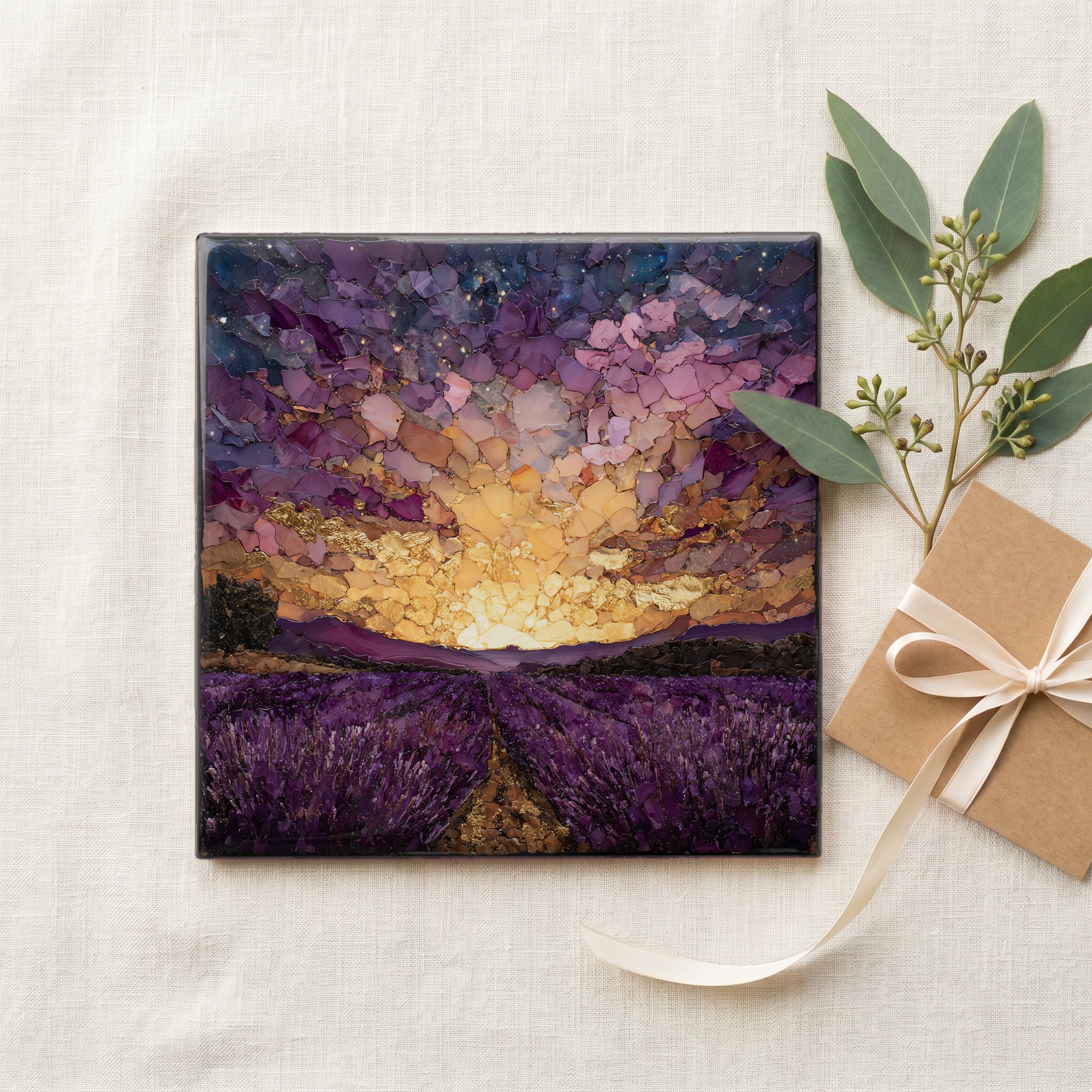
Each tile ships in a kraft box, tied with cream ribbon, with a handwritten note from the studio if you'd like to add one.
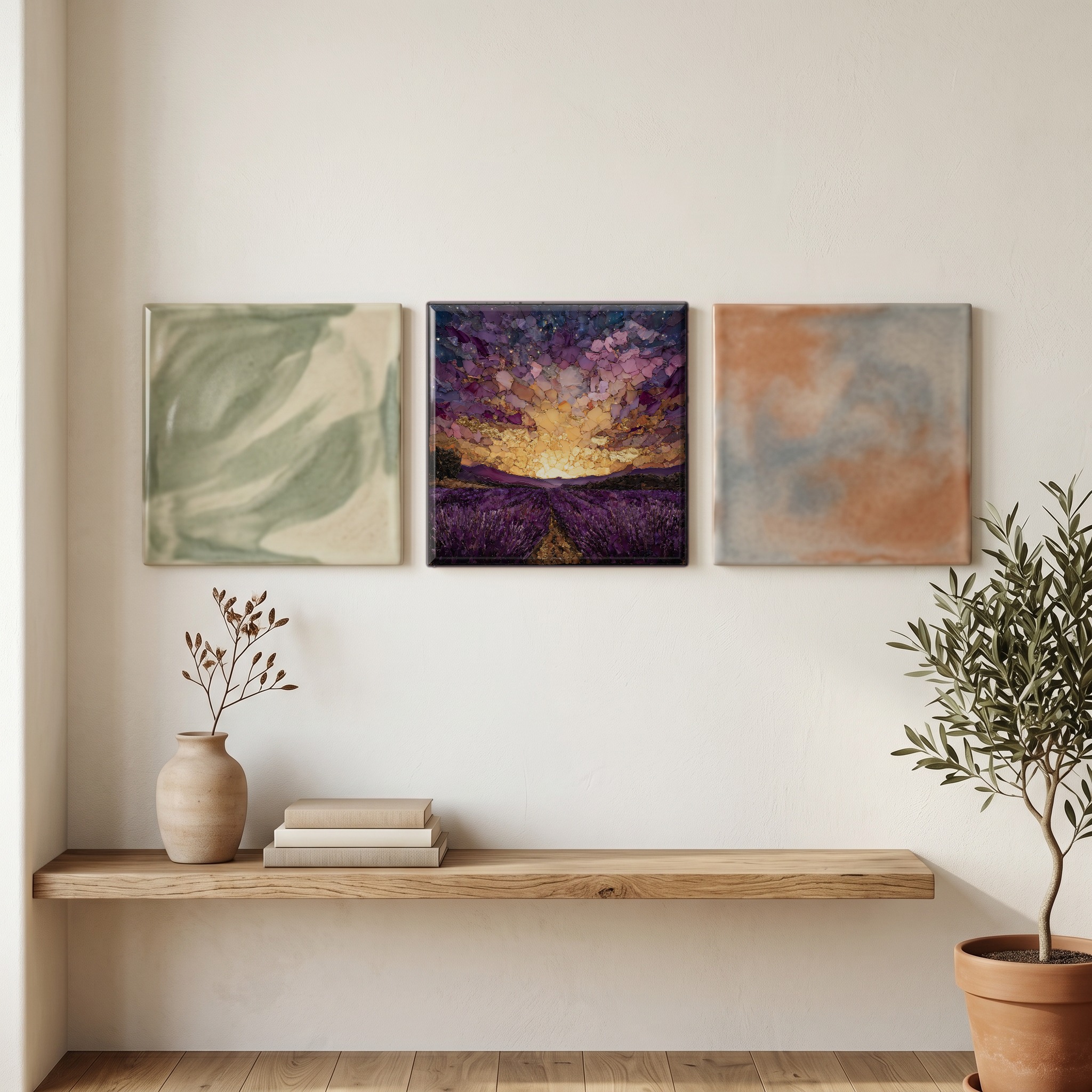
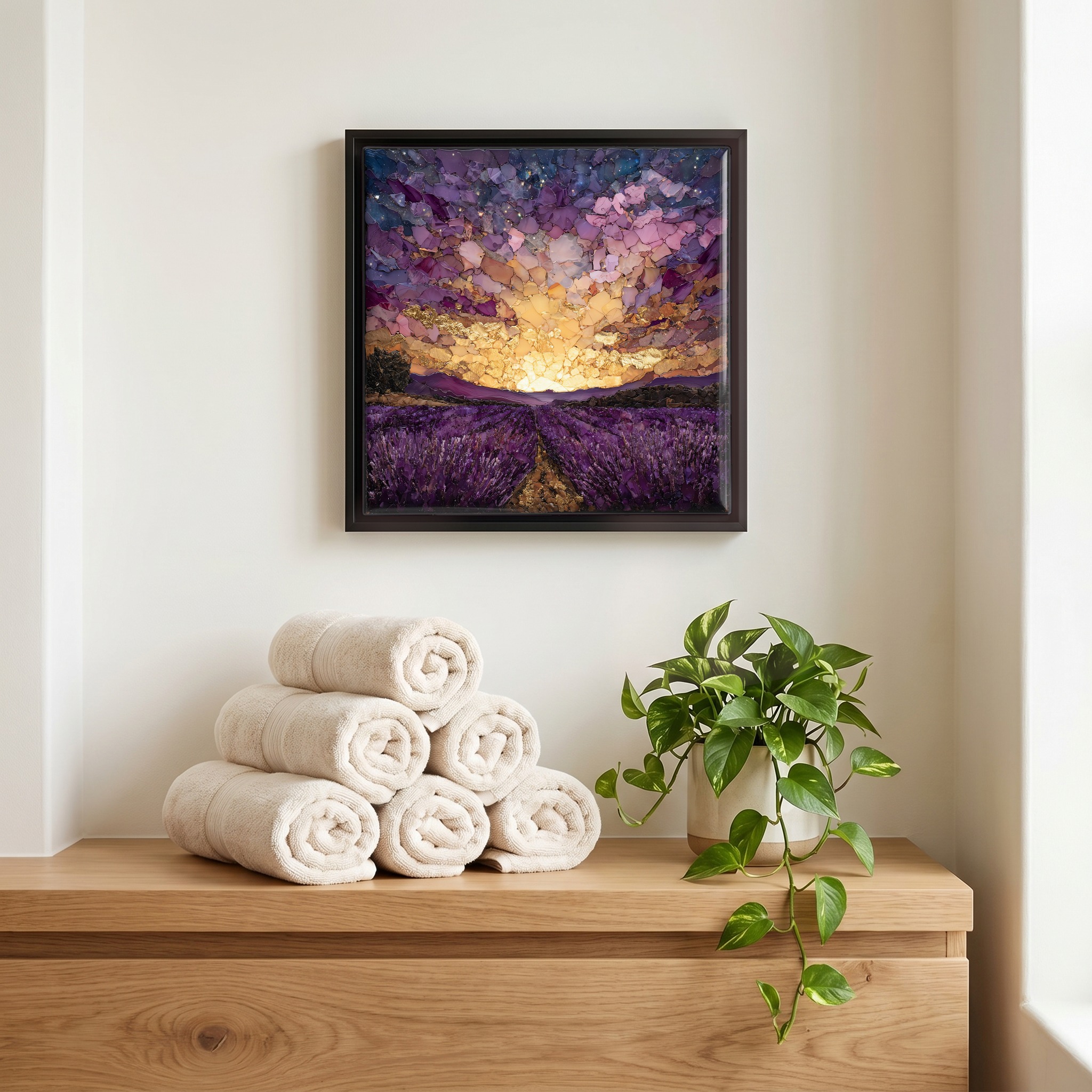
Three or five different vistas, hung together — a chapter of places you've been, or want to go.
The place, in three passes.
The Plateau de Valensole sits in Alpes-de-Haute-Provence in southeastern France, between the Durance River on the west and the Verdon Gorge on the east. The plateau covers roughly 800 square kilometres at an average elevation of 500 to 600 metres, which makes it the largest lavender-growing area in the country. The commune of Valensole has about 3,400 residents and gives the plateau its name. The closest larger town is Manosque, about 25 kilometres to the west and home to the headquarters of L'Occitane en Provence. The plateau is reached by the D6 climbing from Manosque or the D952 connecting from the Gorges du Verdon.
The purple here is lavandin, not true lavender. Lavandula × intermedia is a natural hybrid of true lavender (Lavandula angustifolia) and spike lavender (Lavandula latifolia), grown commercially because it yields several times more essential oil per hectare and tolerates the plateau's lower elevation. True lavender prefers ground above about 800 metres in the higher Provençal valleys; Valensole sits closer to 500 metres, where lavandin dominates. The plant flowers in long single spikes rather than the branching heads of true lavender, which is why the rows read as solid colour from any distance. A verticillium wilt outbreak across Provence in the late twentieth century pushed growers toward disease-resistant lavandin and reshaped what the fields here look like today.
The bloom runs from late June into mid-July, and the harvest follows immediately, finishing by mid-August. The window is short and weather-dependent: a wet spring delays it, a hot June pulls it forward. Cutting is mechanical now, done with self-propelled harvesters that windrow the stems for distillation at cooperatives in and around Valensole and Manosque. The annual Fête de la Lavande, held the third Sunday of July in the village square, marks the cultural midpoint of the season. After harvest the rows are cut to low stubble and the plateau reads gold for the rest of the summer, with wheat and almond orchards taking the visual register until the next bloom.