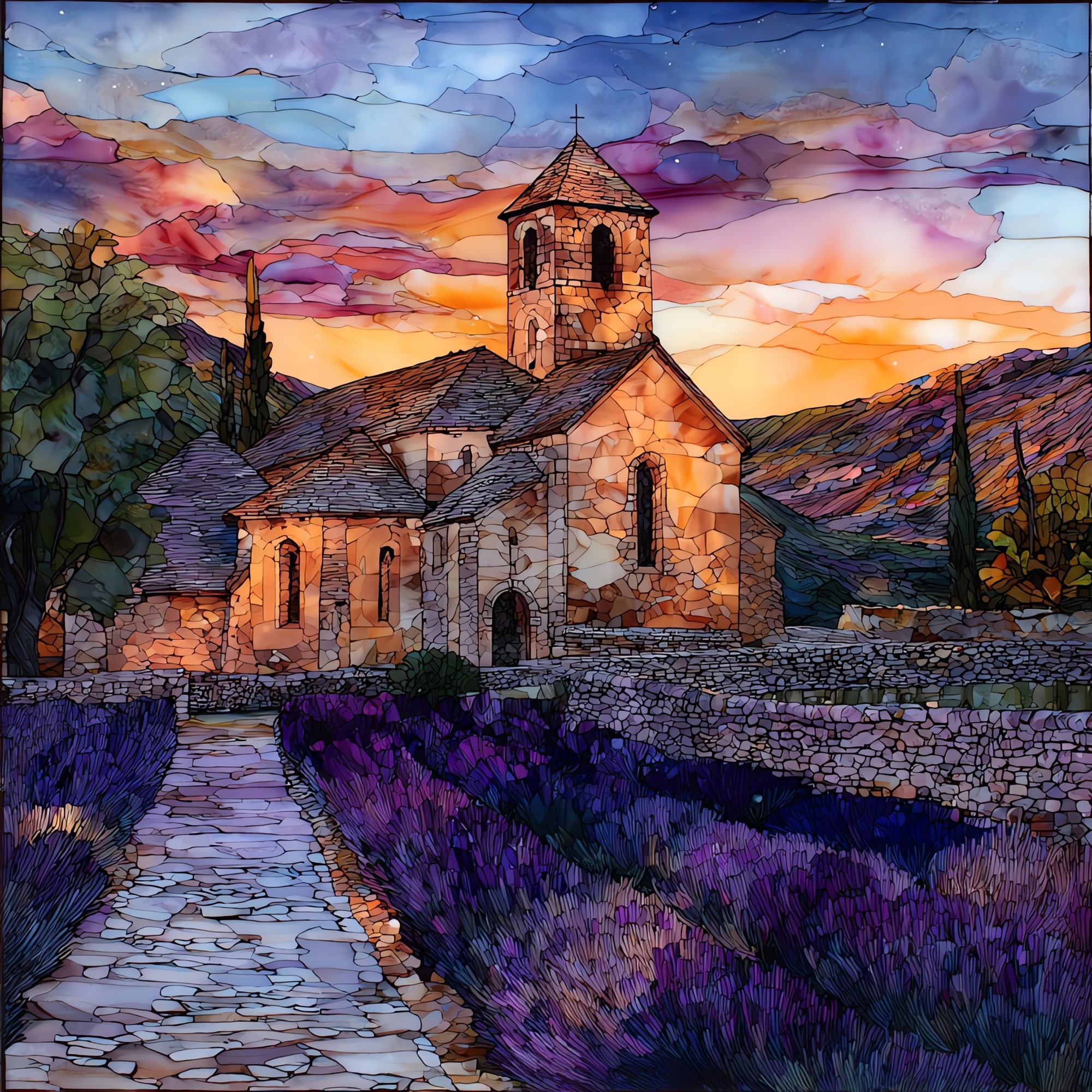
Senanque Abbey Lavender
— — the wall the lavender visits every July.
Not only on a wall.
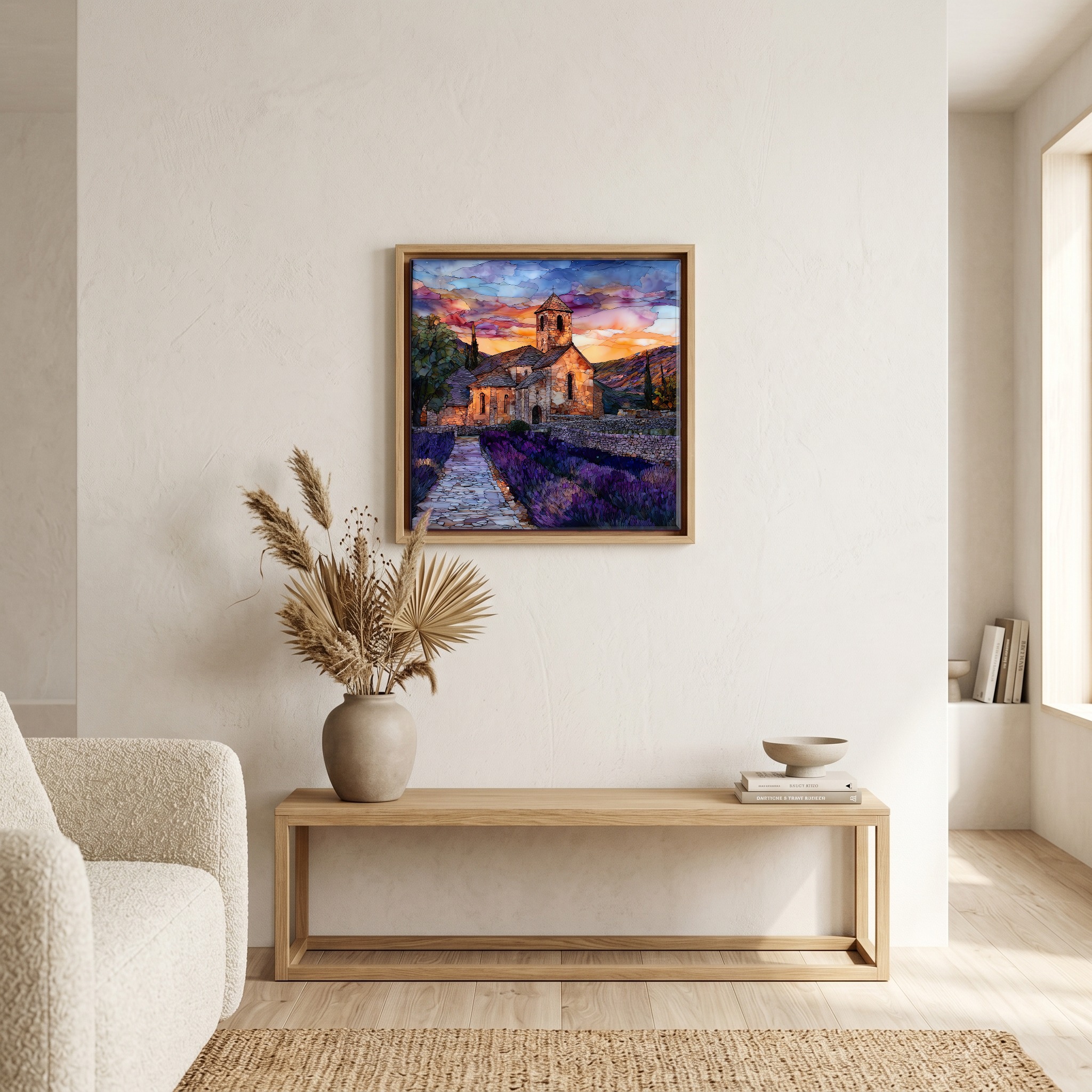
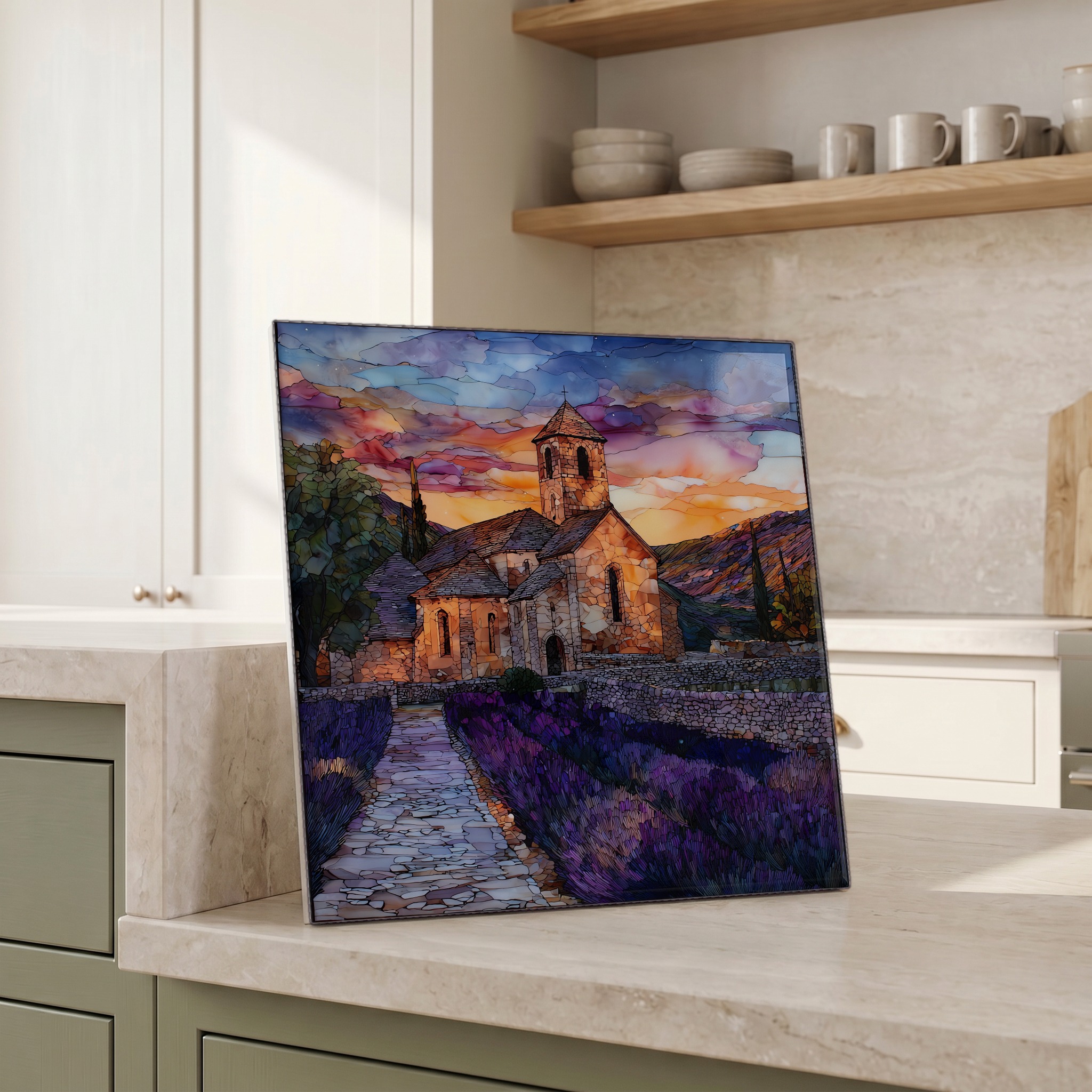
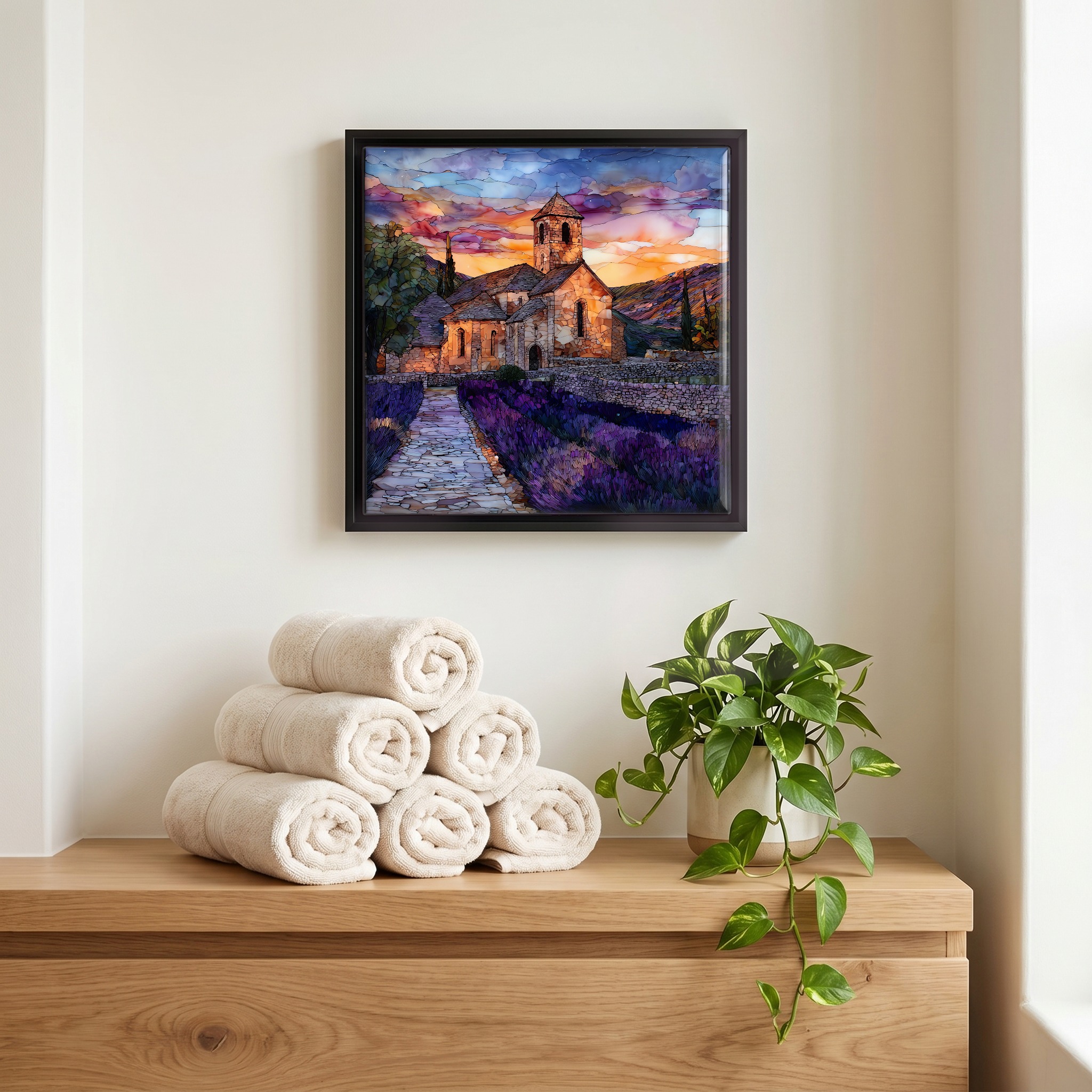

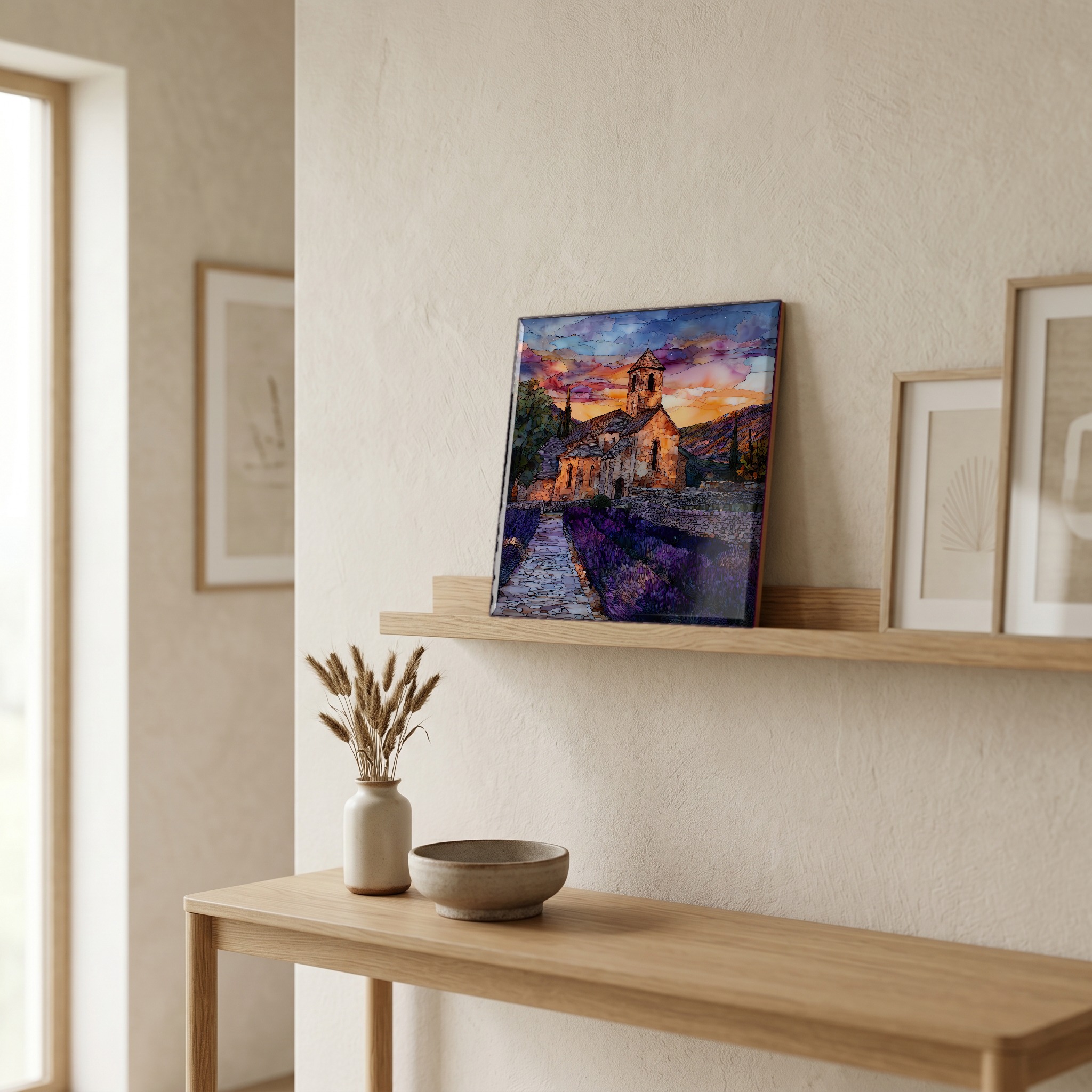
“A Cistercian abbey in a small valley north of Gordes, founded in 1148 and still kept by a small community of monks. What draws cameras now is the lavender, neat rows planted in front of the church and harvested each summer for the oil the brothers distil. The peak of the colour is the first two weeks of July. The monks ask, quietly, that the rows not be walked into. The bells still keep the canonical hours. Some of the photographers wait for them.
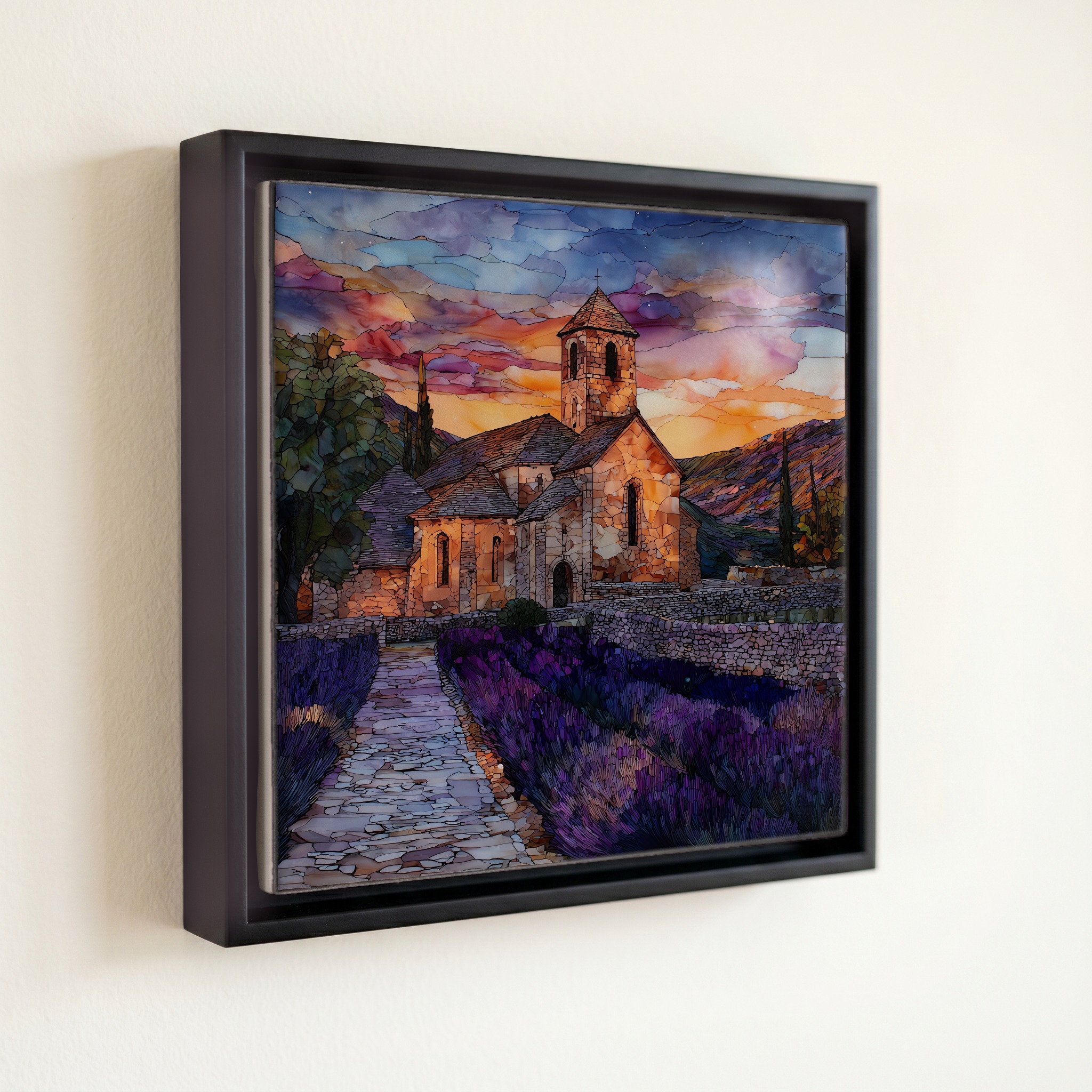
Senanque Abbey Lavender, on ceramic.
Each tile is finished by hand in our Knoxville studio. Artwork is slowly infused into the ceramic surface under high heat and pressure, and rests beneath a thin glossy finish. The colour lives in the surface, not on top of it.
Pick any four 4-inch tiles — National Parks you've been to, a Smokies set, the four seasons of one place. $ for a set of , cork-backed, ready to live on the table.
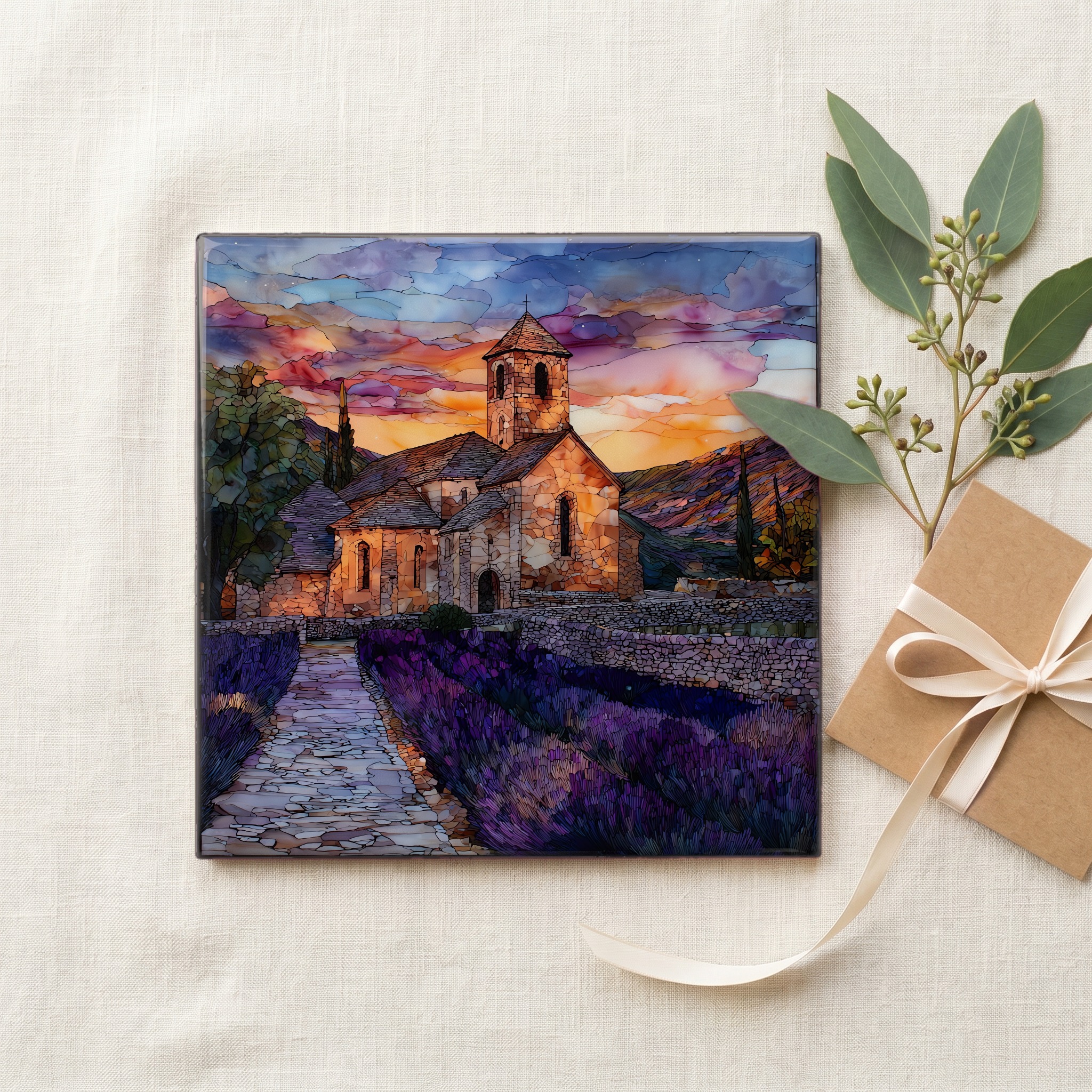
Each tile ships in a kraft box, tied with cream ribbon, with a handwritten note from the studio if you'd like to add one.
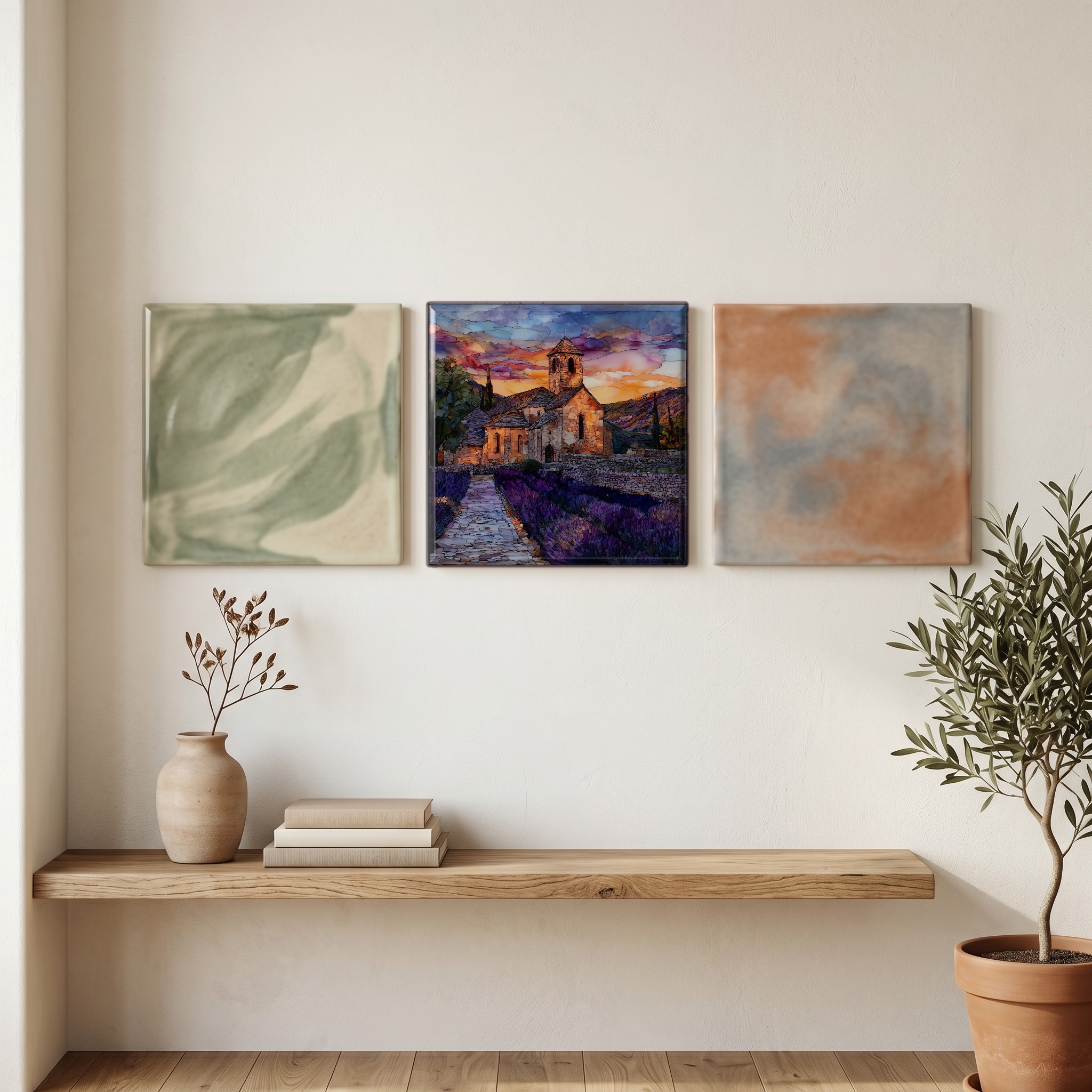
Three or five different vistas, hung together — a chapter of places you've been, or want to go.
The place, in three passes.
The Abbaye Notre-Dame de Sénanque sits in the narrow Sénancole valley about four kilometres north of Gordes, in the Vaucluse department of Provence. It was founded in 1148 by Cistercian monks from Mazan Abbey in the Ardèche, and built in the austere Romanesque idiom the order favoured. It is one of the three Cistercian abbeys of Provence, with Le Thoronet and Silvacane, sometimes called the Three Sisters. A small community of monks still lives there under the Cistercian rule. The abbey grows lavender and keeps bees, and sells the harvest to support the house.
Lavender at Sénanque blooms from late June through early August, peaking in the first two weeks of July. The variety in the rows directly in front of the abbey is mostly lavandin (Lavandula × intermedia), the hardy hybrid grown across Provence for its high oil yield; true lavender (Lavandula angustifolia) prefers higher elevations on the surrounding plateau. The monks harvest in late July or early August, after which the rows are cut to brown stubble until the following May. Photographers crowd the small road above the abbey in the peak window; the rest of the year the place is largely quiet.
The abbey church and cloister are built of dressed limestone quarried locally, in the early Romanesque idiom the Cistercians used across Europe. There is almost no ornament. The walls are bare, the arches are round, the proportions are calculated rather than decorated. The plan is unusual: the church is oriented to the north rather than the east, because the narrow valley would not allow the standard orientation. The bell tower is a stubby octagon. The cloister, completed in the late twelfth century, holds four ranges of slightly different capitals; none of them are showy. The building has outlived more than seven hundred years of weather and one period of secularisation during the French Revolution.