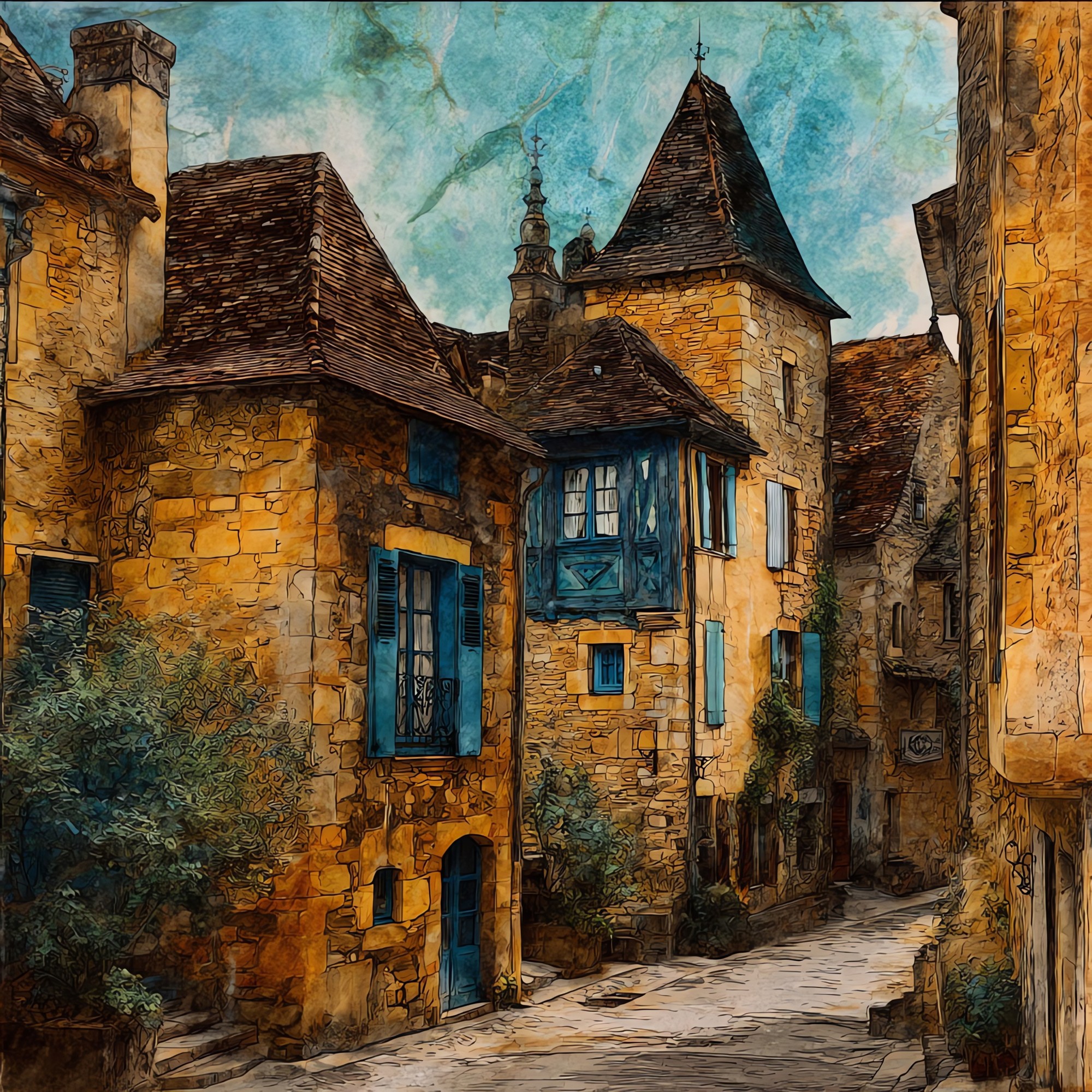
Sarlat-la-Caneda
— — a town the colour of late afternoon.
Not only on a wall.
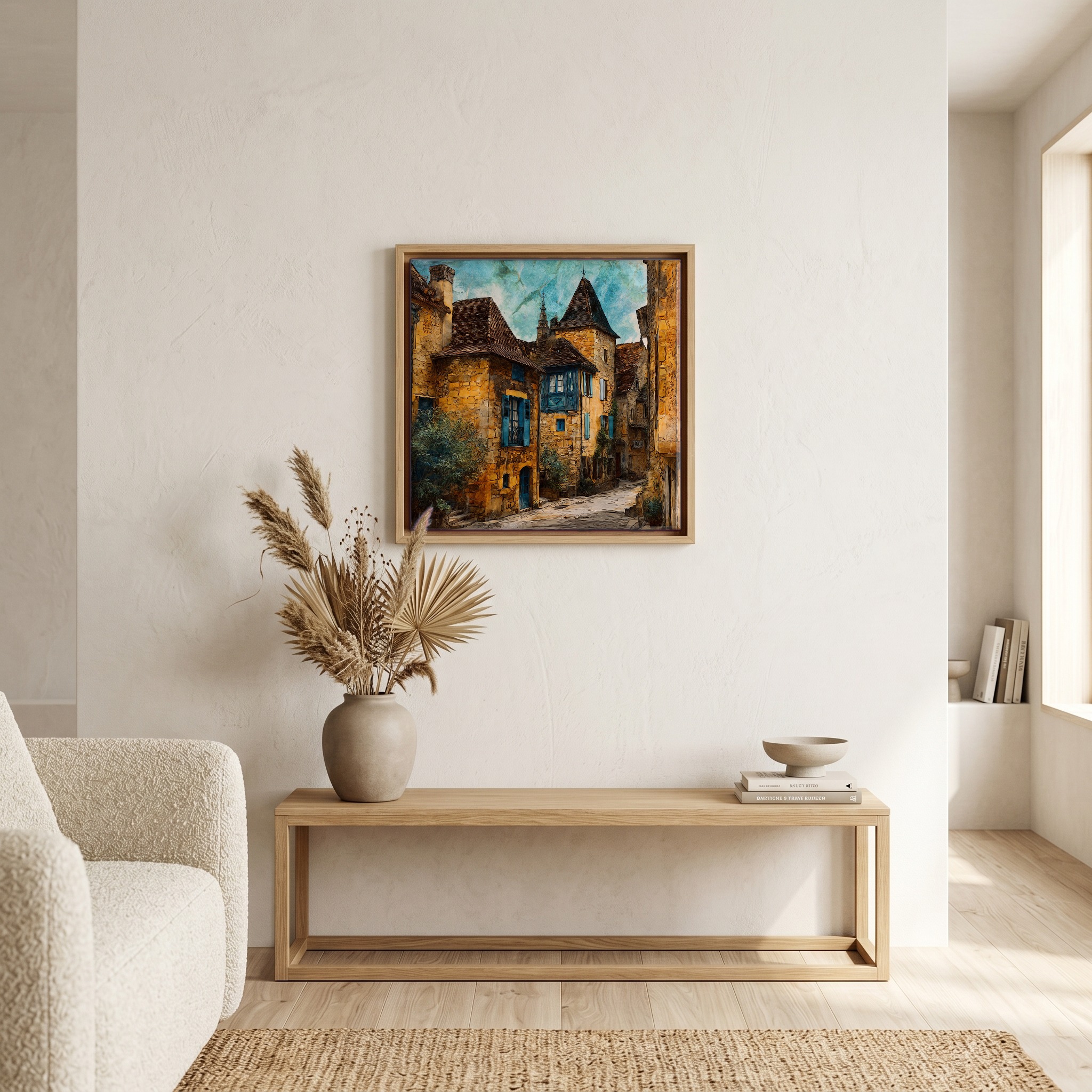
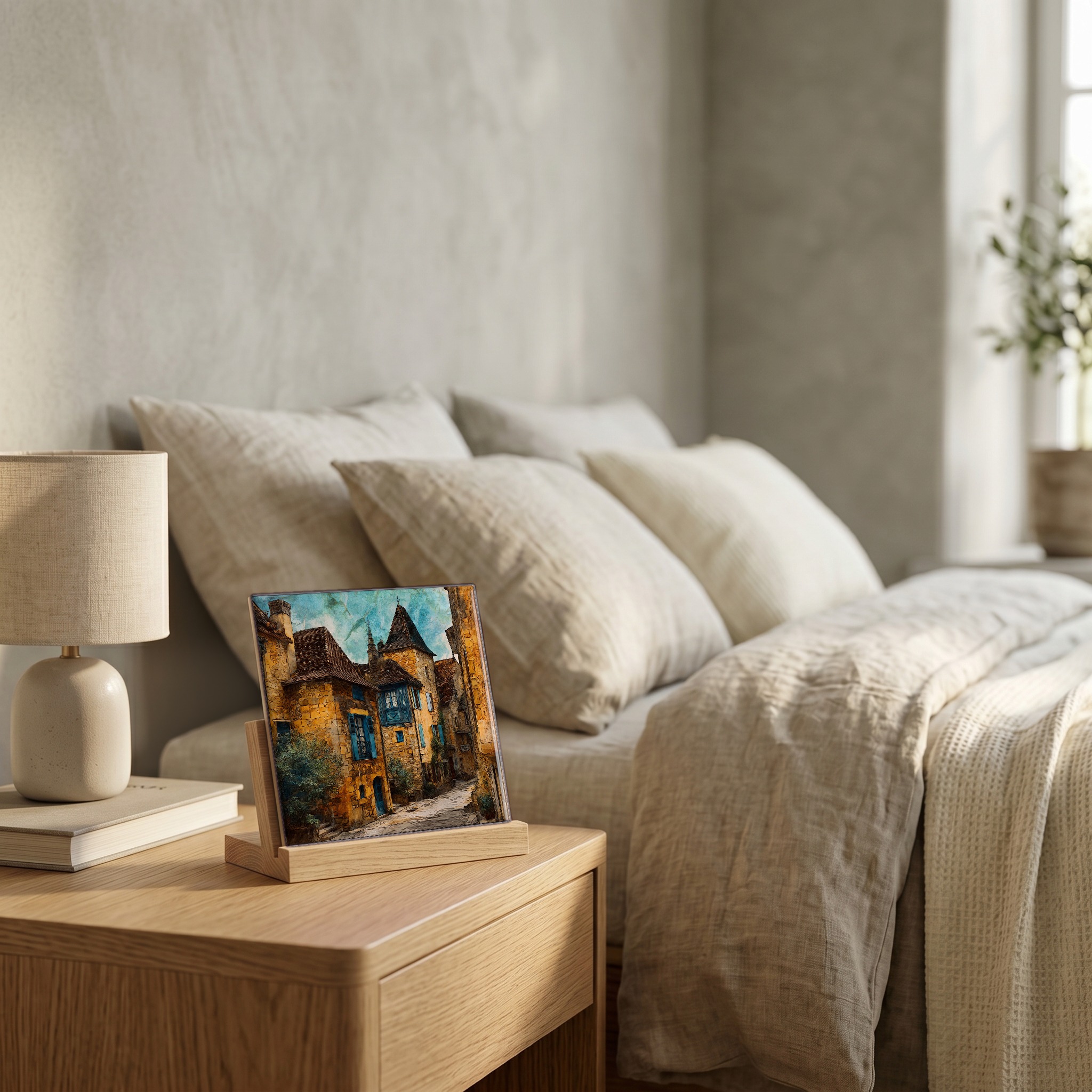
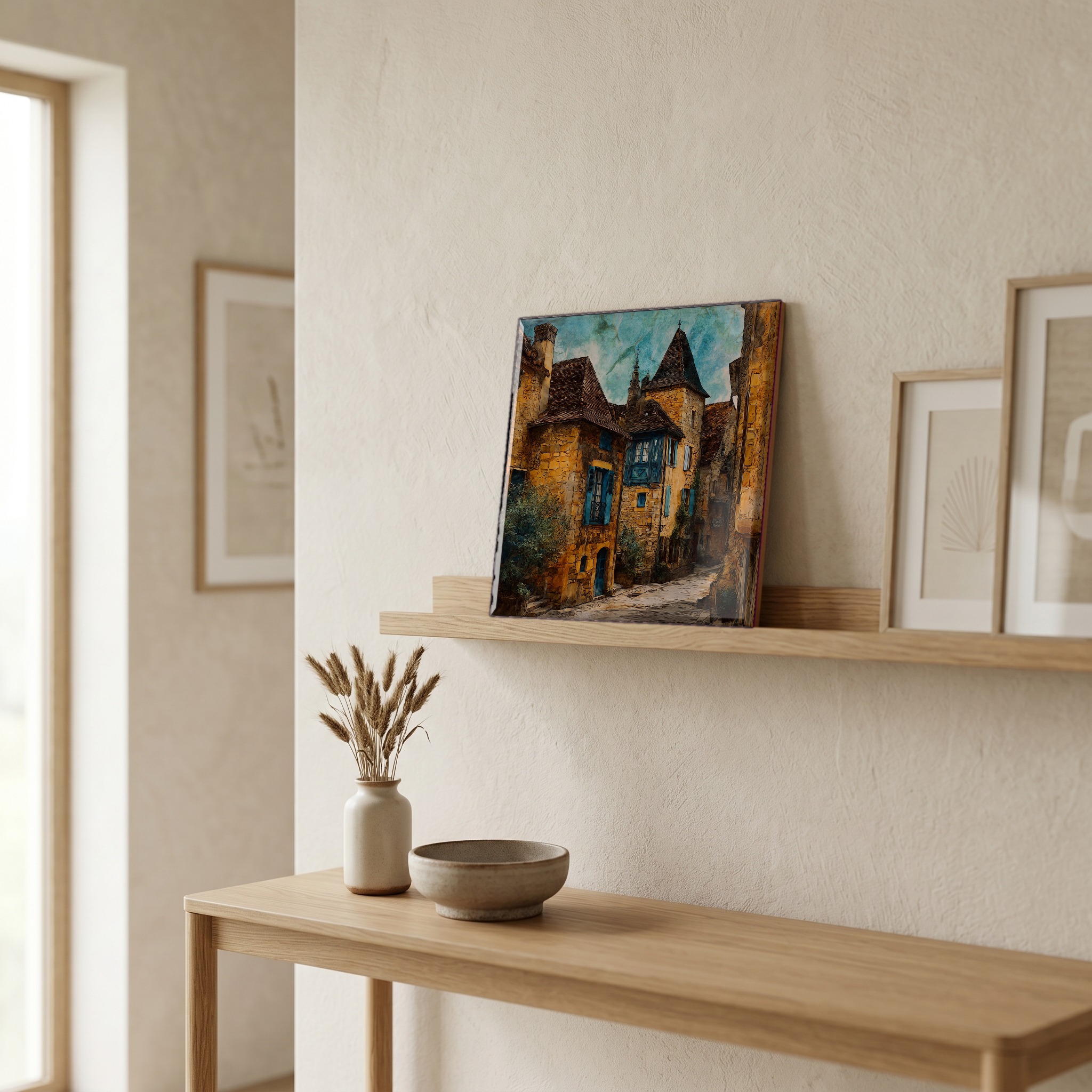
“A medieval town in the Périgord Noir, built almost entirely from the local golden limestone that holds the late light. The Saturday market still fills the Place de la Liberté the way it has since the 14th century. Geese, walnuts, truffles in season, cheese under the arcades. André Malraux made Sarlat the test case for his 1962 law protecting France's historic centres, which is why the old town still reads as one continuous medieval and Renaissance set piece. The roofs are lauze, the heavy split-stone tiles of the region. People walk slowly here.
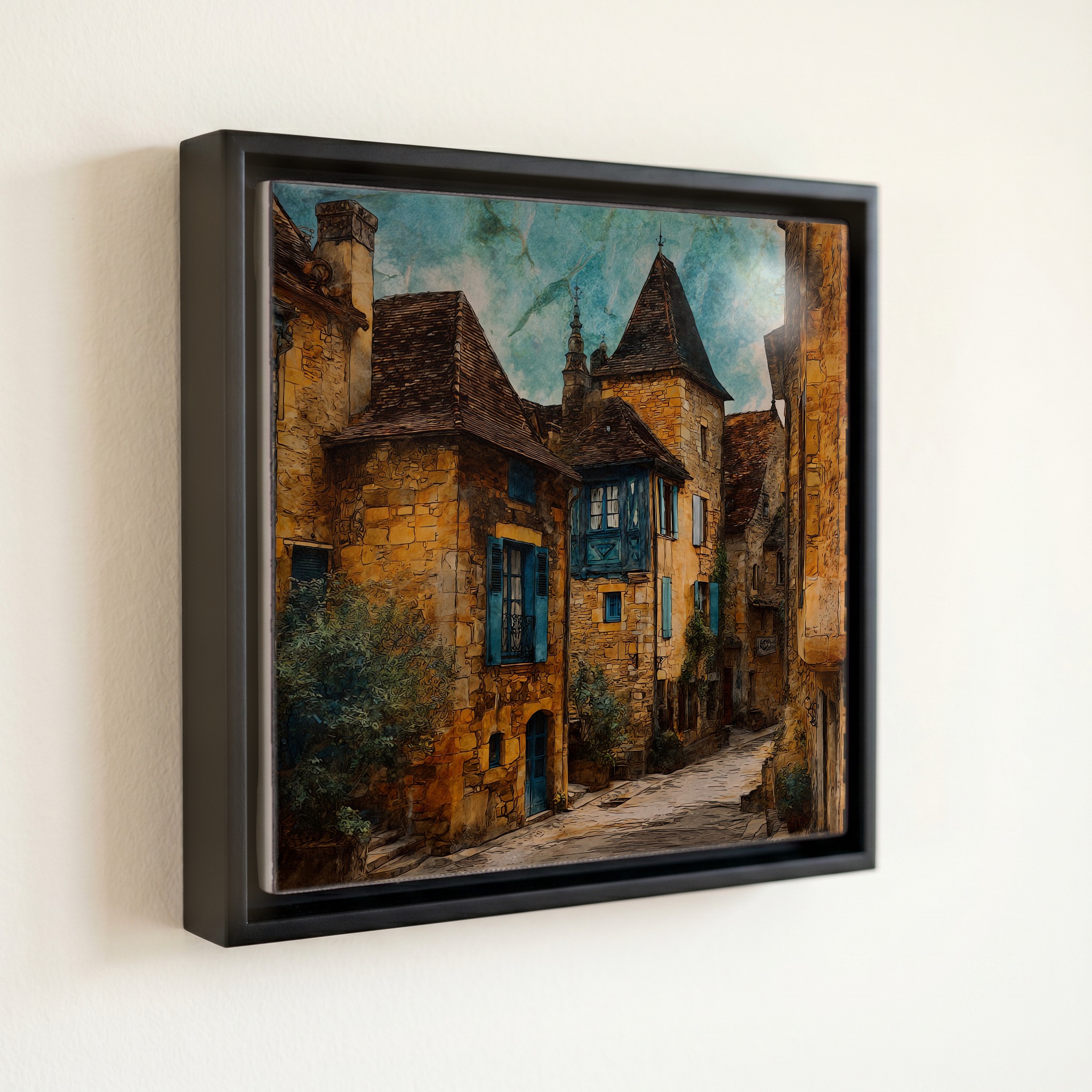
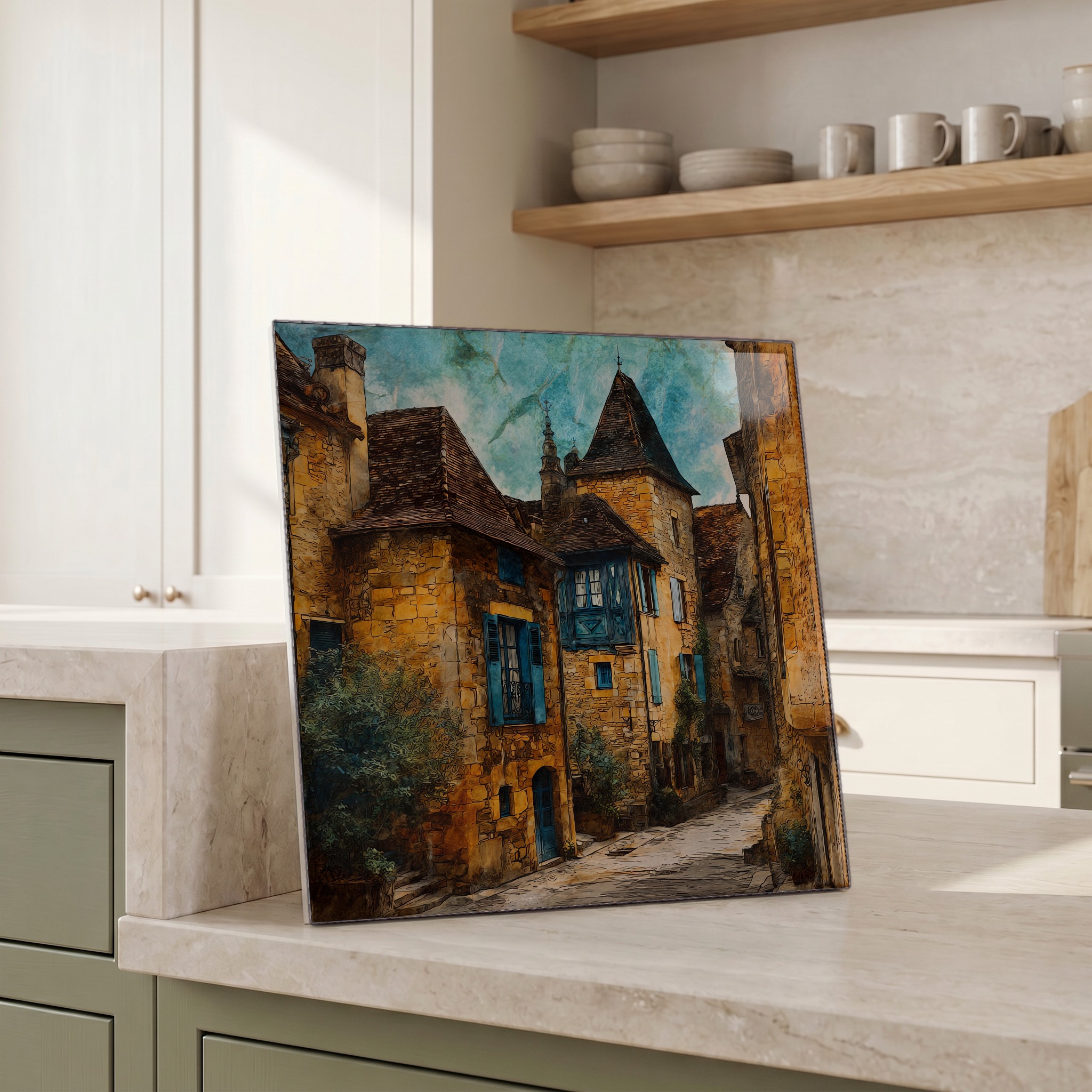
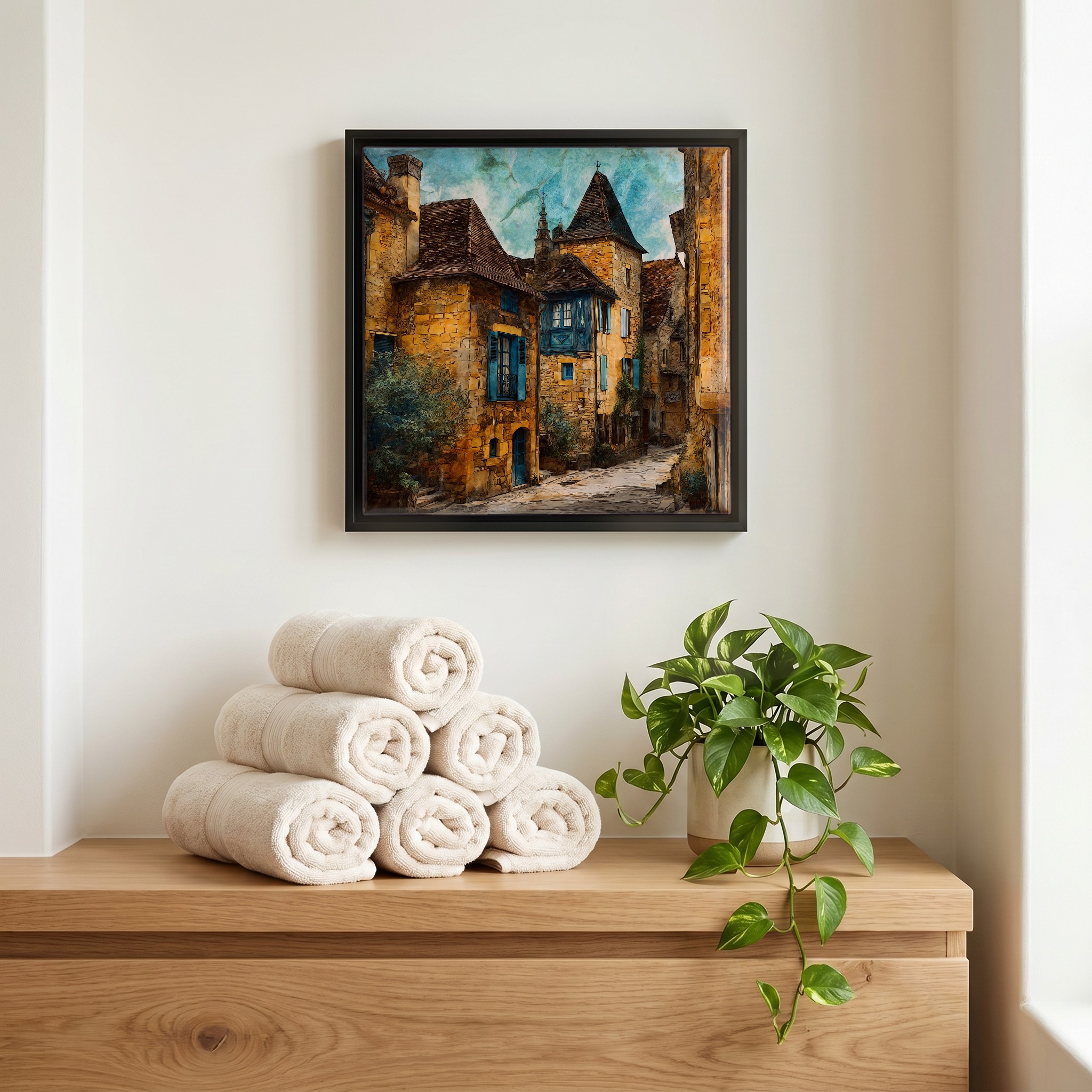
Sarlat-la-Caneda, on ceramic.
Each tile is finished by hand in our Knoxville studio. Artwork is slowly infused into the ceramic surface under high heat and pressure, and rests beneath a thin glossy finish. The colour lives in the surface, not on top of it.
Pick any four 4-inch tiles — National Parks you've been to, a Smokies set, the four seasons of one place. $ for a set of , cork-backed, ready to live on the table.
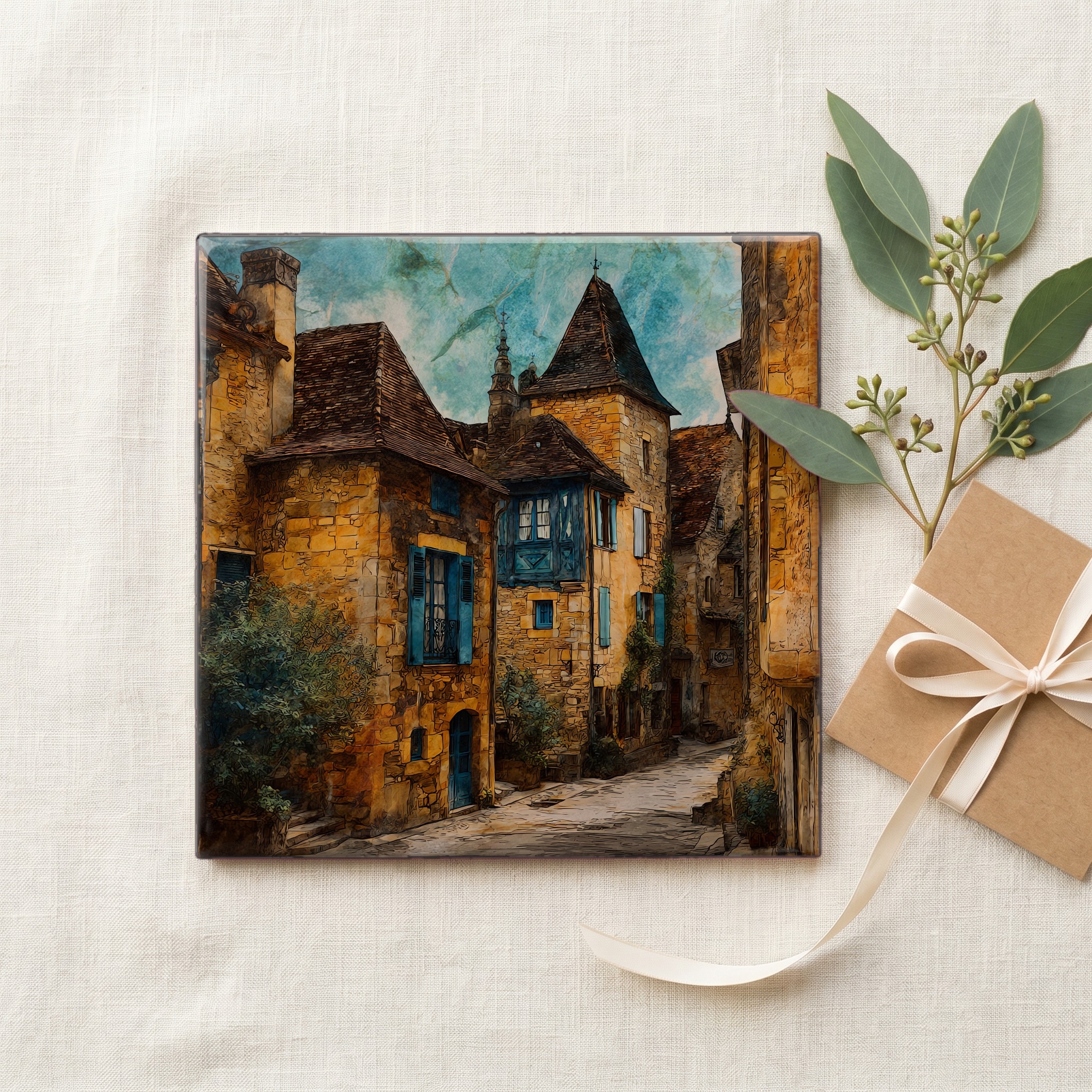
Each tile ships in a kraft box, tied with cream ribbon, with a handwritten note from the studio if you'd like to add one.
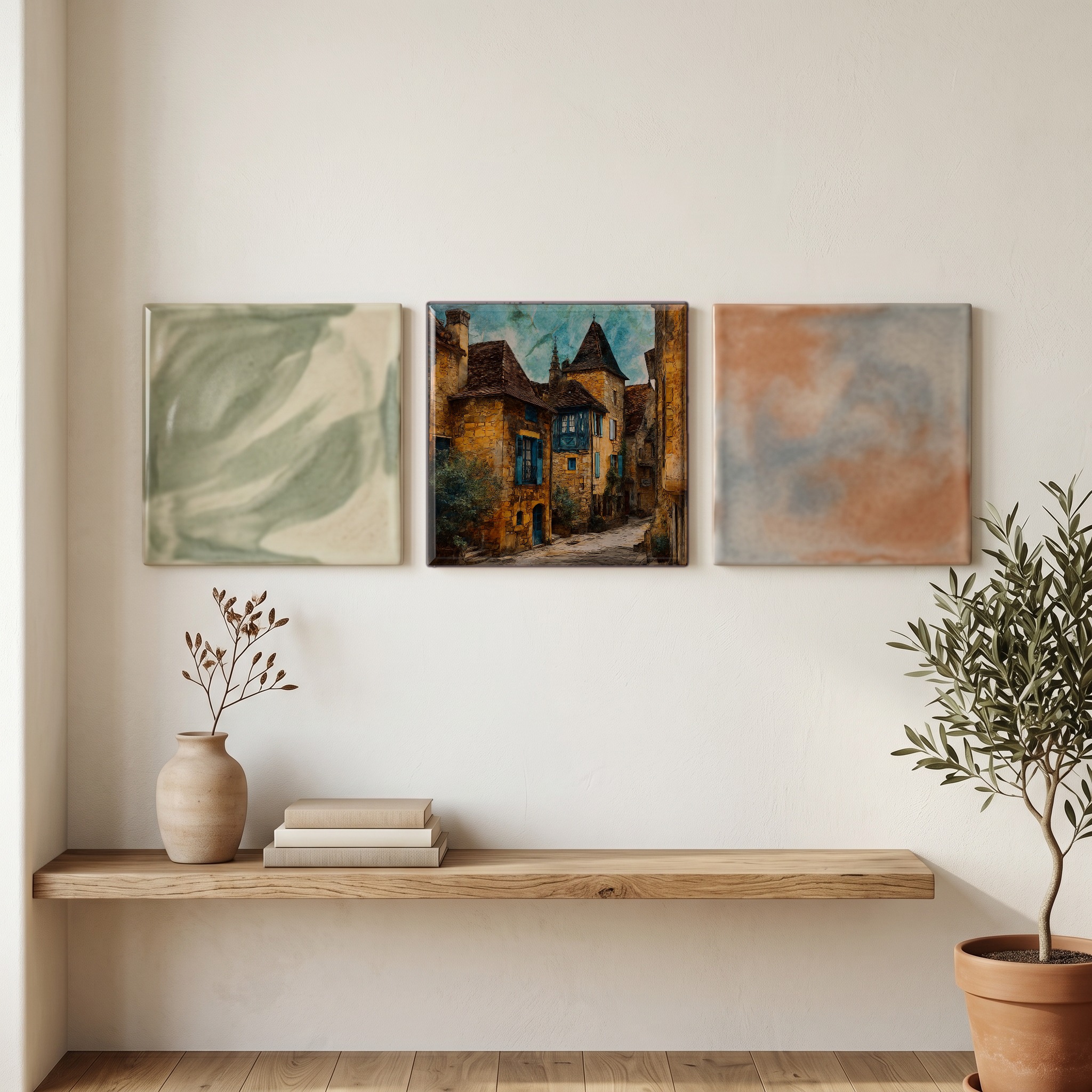
Three or five different vistas, hung together — a chapter of places you've been, or want to go.
The place, in three passes.
Sarlat-la-Canéda is a small medieval town in the Dordogne department of southwestern France, in the historic region known as the Périgord Noir for its dense oak forests. The commune holds roughly 8,700 residents on a hillside between the Dordogne and Vézère river valleys, about 200 kilometres east of Bordeaux. The old town carries one of the densest concentrations of listed medieval and Renaissance buildings in France: 65 monuments historiques across a few hectares, preserved through the 1962 Loi Malraux that the Minister of Culture André Malraux tested here first. Sarlat absorbed the neighbouring village of La Canéda in 1965, taking its current double-barrelled name. The nearest mainline rail station is Brive-la-Gaillarde, about 50 kilometres north.
The whole old town is built from Sarladais limestone, the warm-toned local calcaire quarried from the surrounding plateau. The same stone faces the 12th-century Cathédrale Saint-Sacerdos, the Hôtel de la Boétie where Étienne de La Boétie was born in 1530, and the conical Lanterne des Morts that dates to roughly 1180. The roofs are lauze, heavy split-stone tiles that can weigh up to 500 kilograms per square metre, which is why the medieval timber framing here had to be unusually thick. At low sun the whole town reads as a single pale-gold mass; under cloud it goes lavender-grey. The colour is the reason photographers come.
The market is the reason most visitors come on a Saturday. Stalls fill the Place de la Liberté and the surrounding lanes from early morning until about 1 PM, selling Périgord Noir produce: black Périgord truffles (Tuber melanosporum) in season from December to February, walnuts in many forms, foie gras, duck confit, and cabécou de Rocamadour goat cheese. A smaller market runs Wednesday mornings. The protected old-town sector covers about 11 hectares and is closed to most car traffic during the day. Sarlat sits roughly 25 kilometres south of the Lascaux IV cave-art replica at Montignac and within reach of the Vézère valley prehistoric sites, which makes it a common base for a longer Dordogne week.