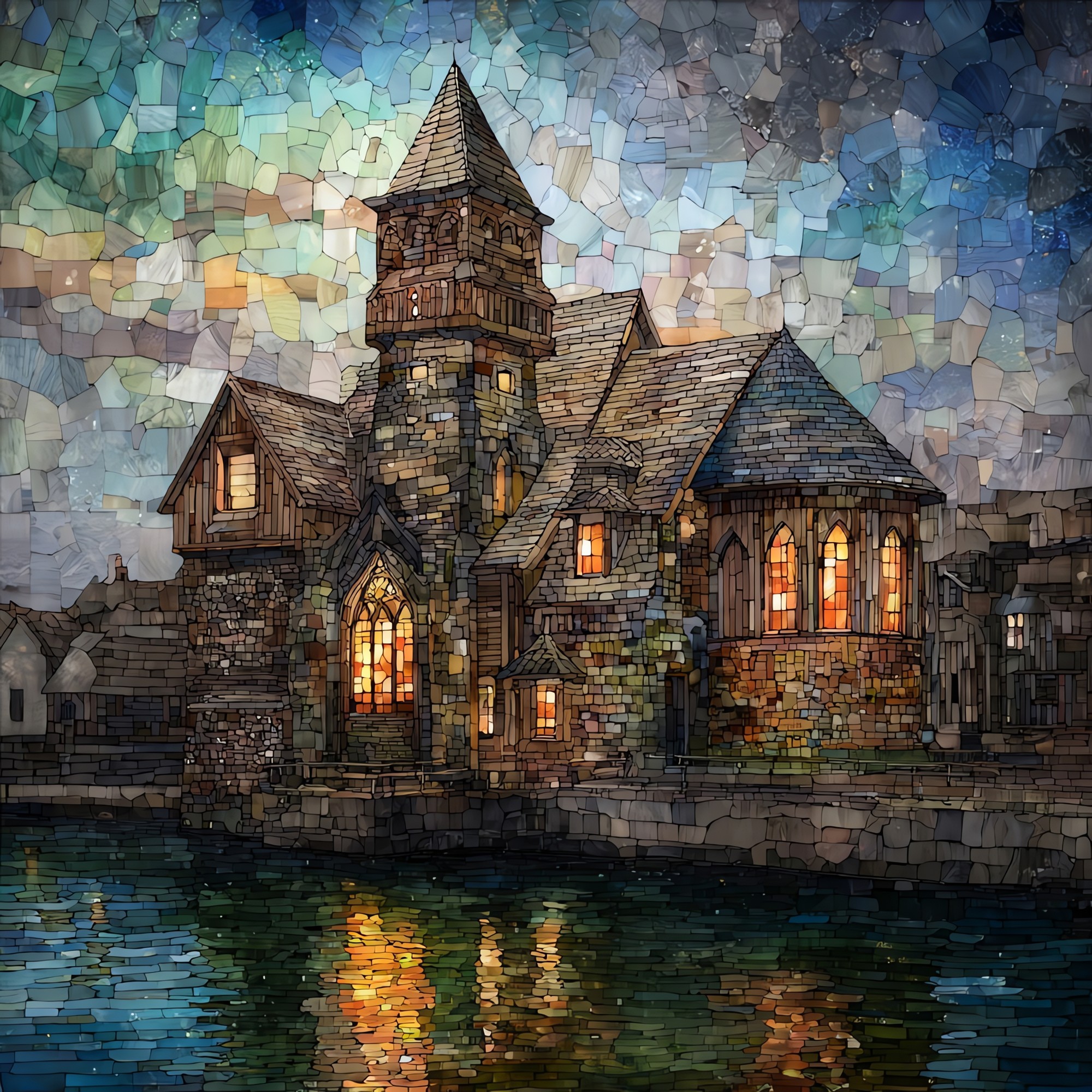
Sainte-Catherine Church
— — a church built like a ship turned over.
Not only on a wall.
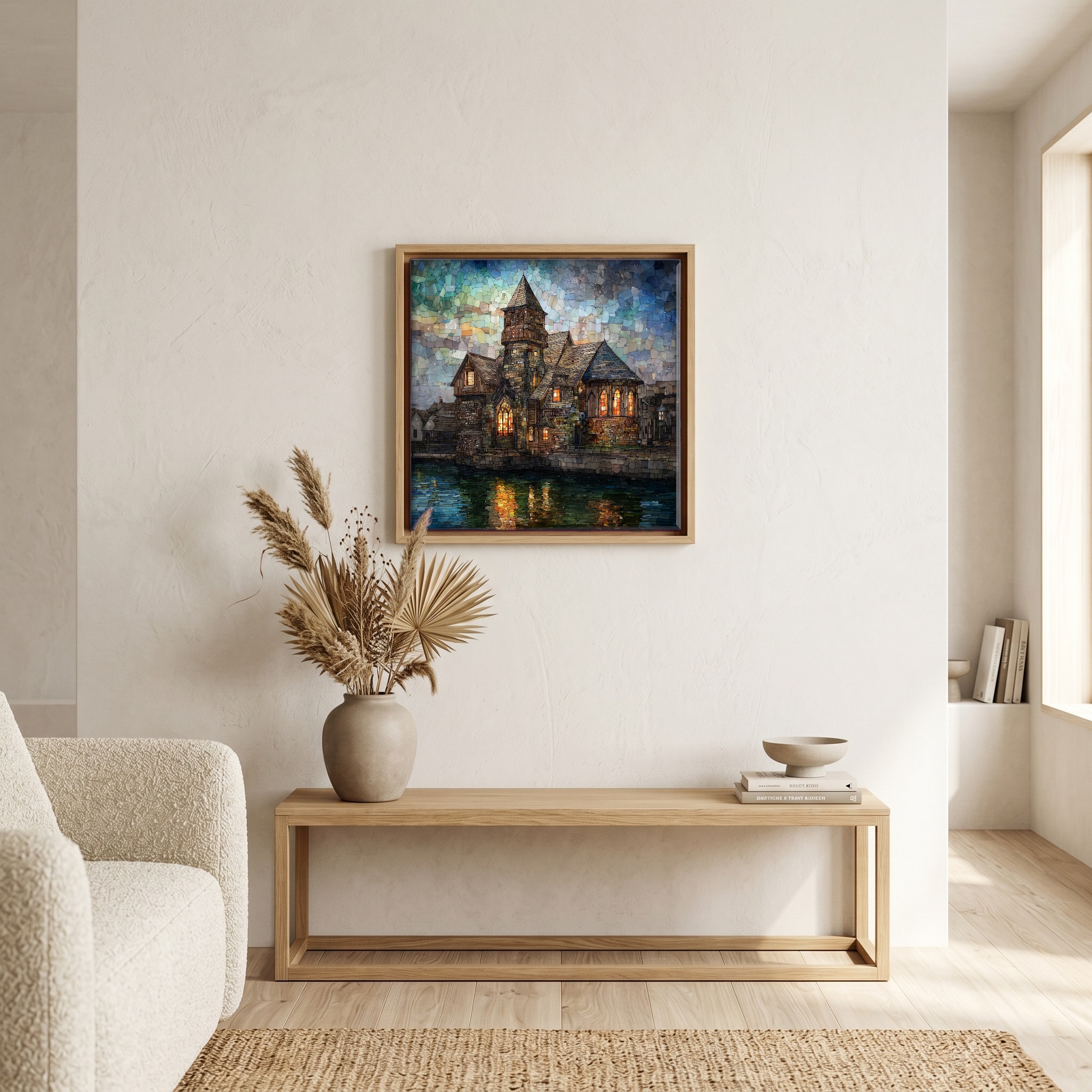
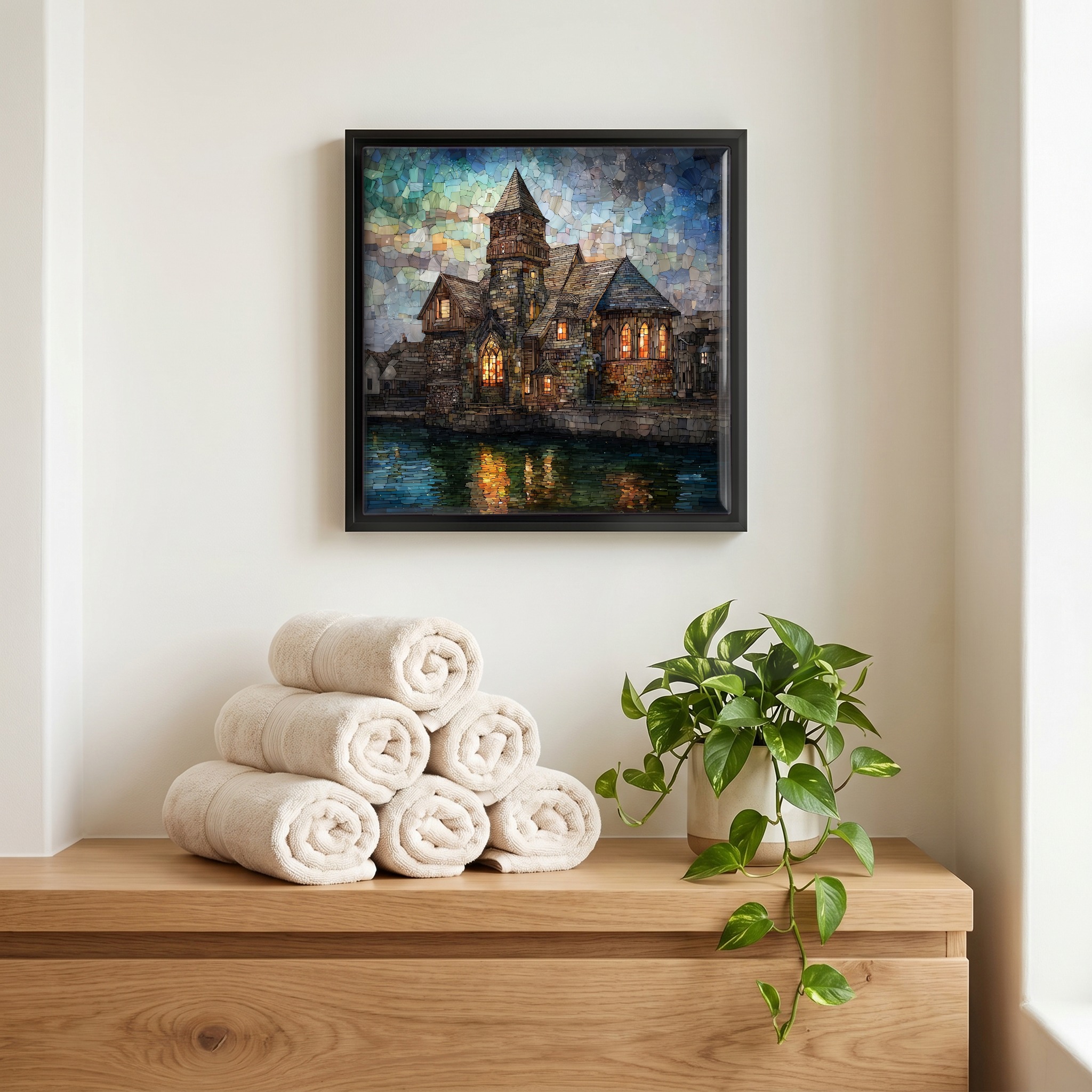
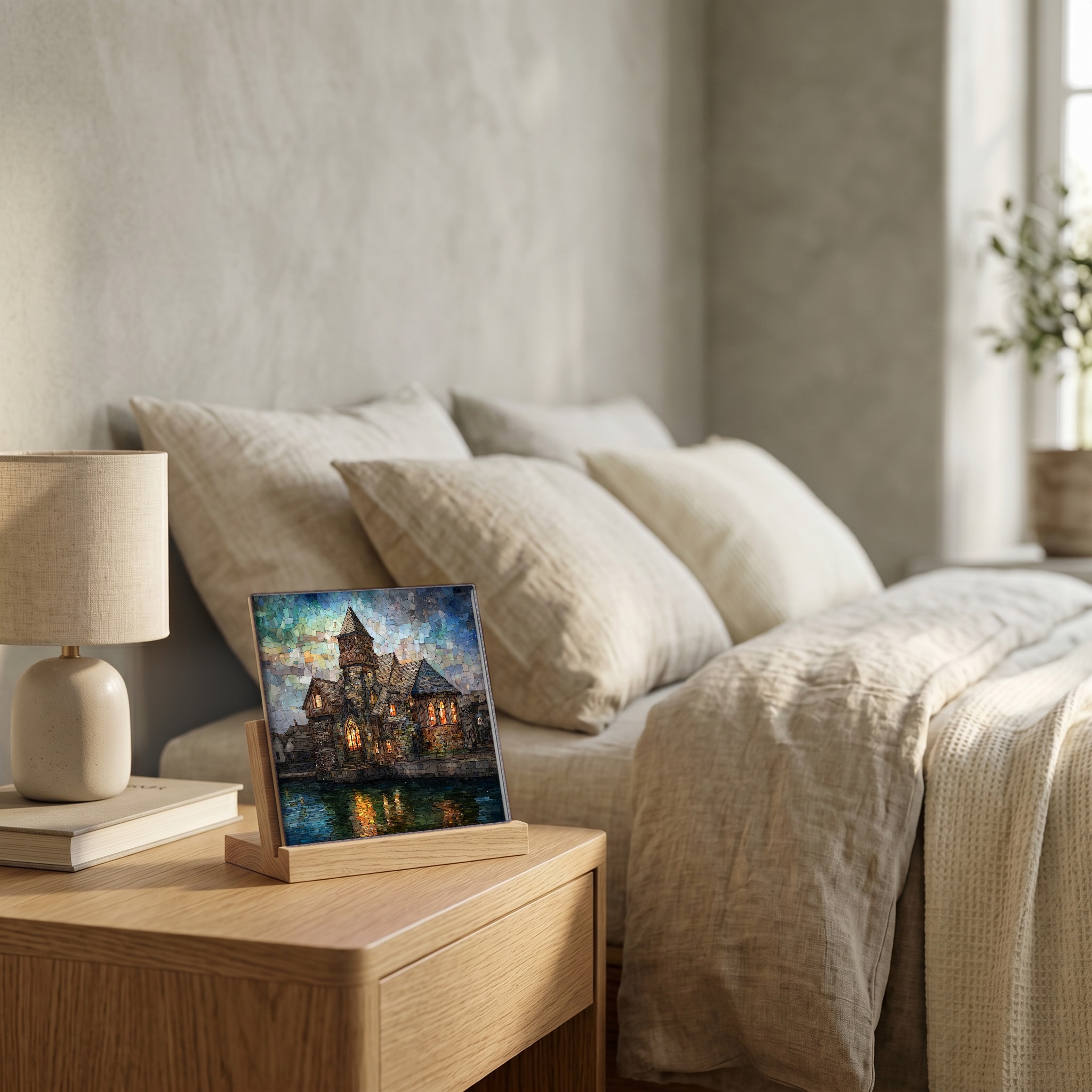
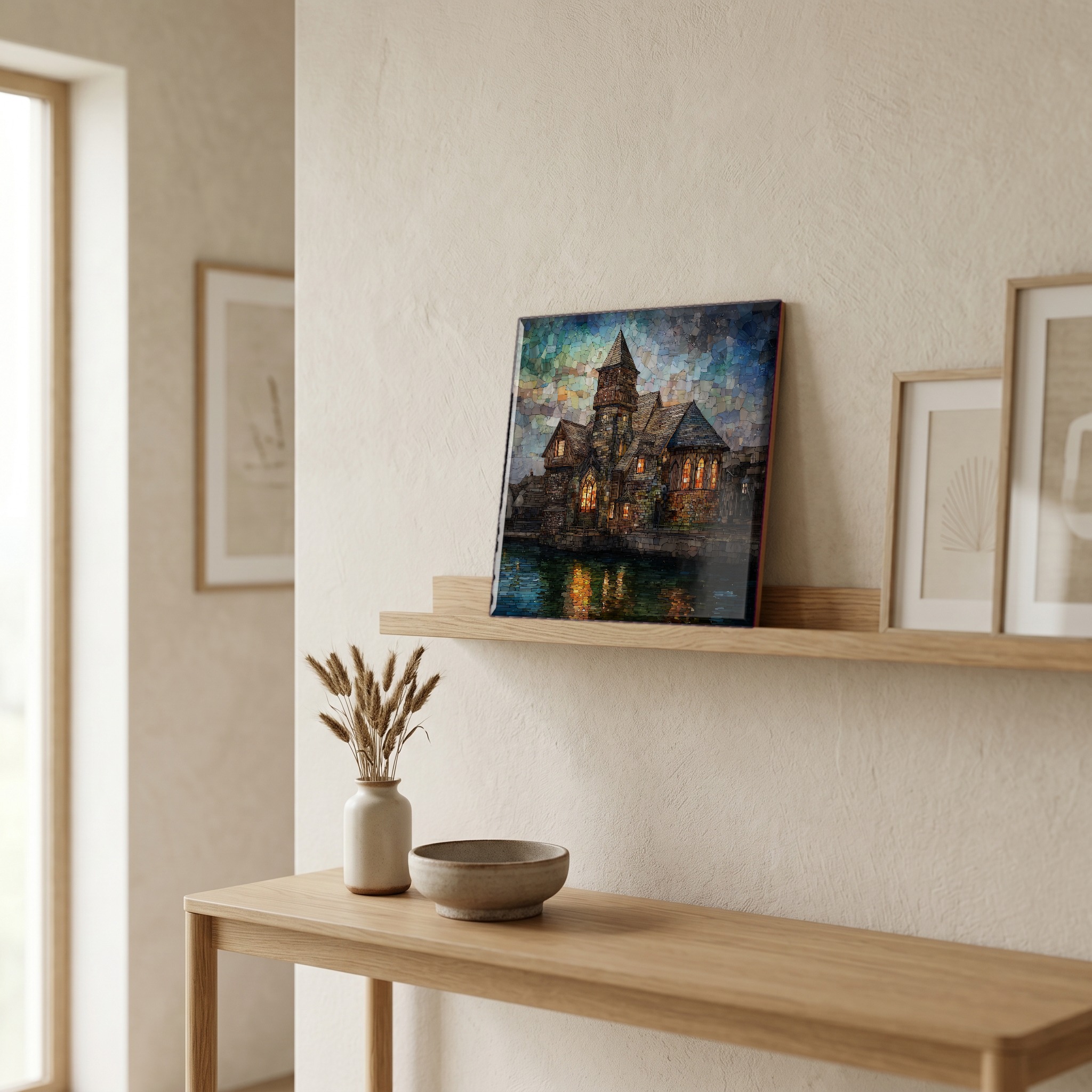
“The largest timber church in France, built by Honfleur's naval carpenters in the second half of the 15th century, when stone was scarce and shipwrights had no work. They worked the way they knew, raising twin naves under oak vaults that hang like upturned hulls. The bell tower stands apart across the square, set away from the church to spare it the weight and the lightning. Eugène Boudin, who was born in this town, painted the bell tower many times. The wood has held since the 1460s.
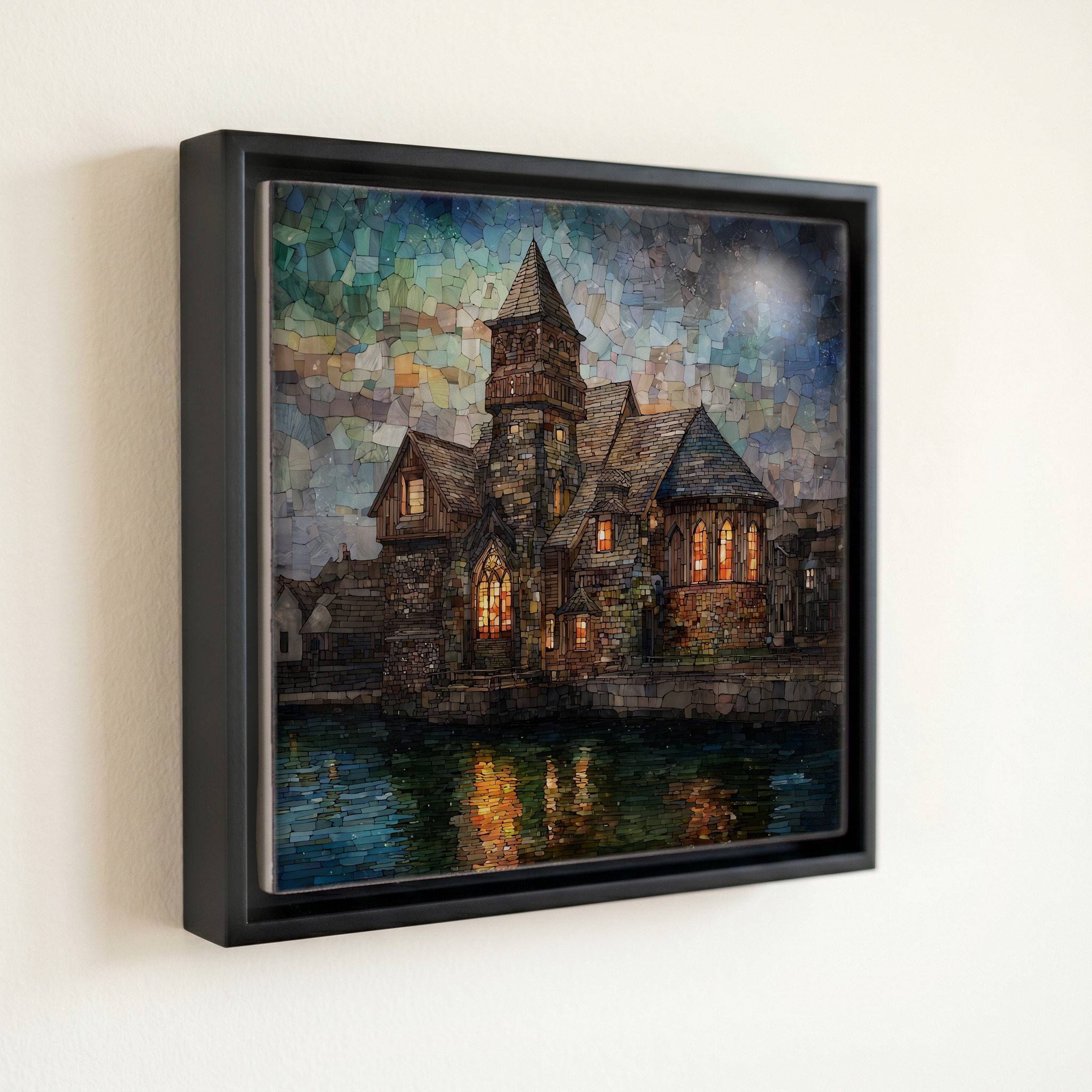
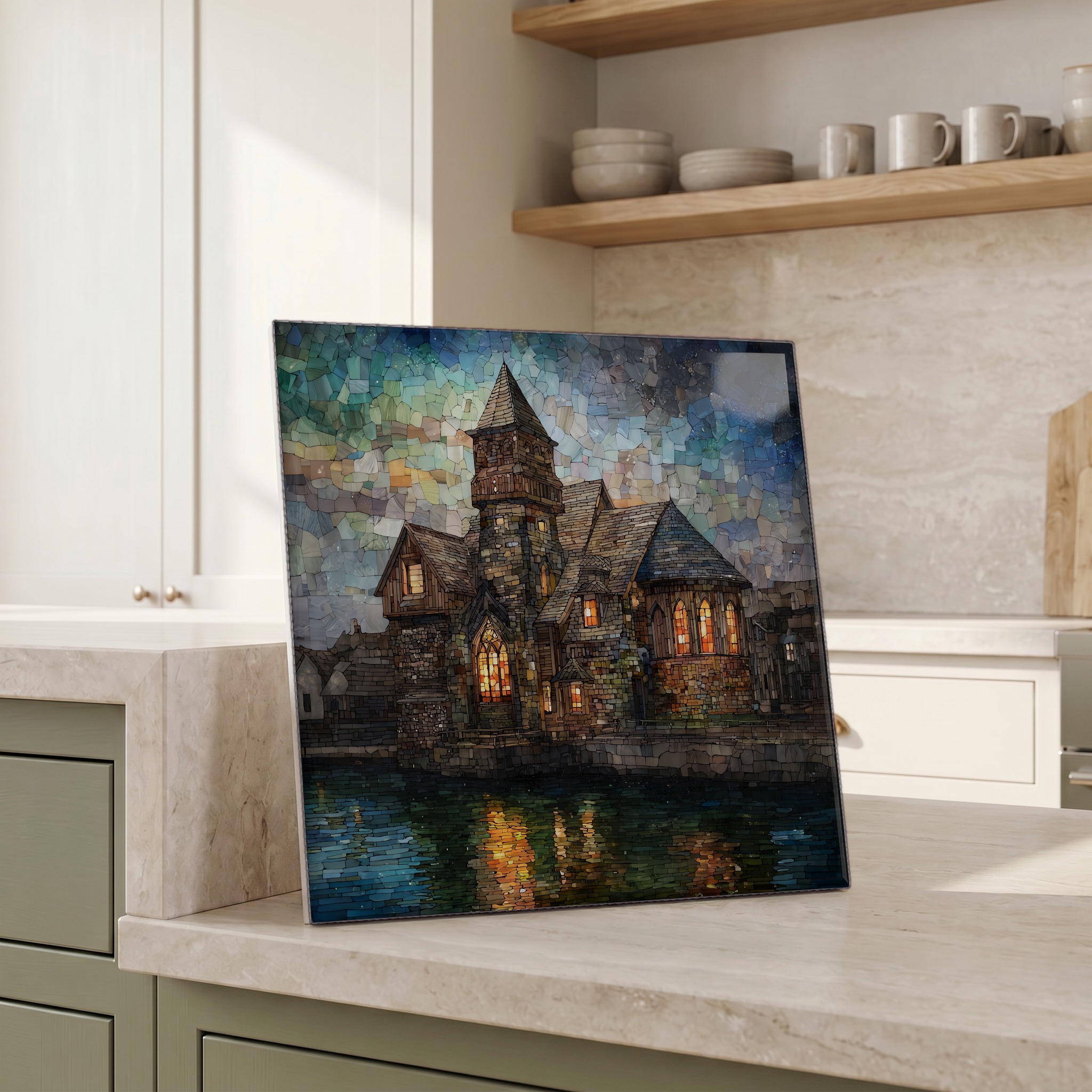
Sainte-Catherine Church, on ceramic.
Each tile is finished by hand in our Knoxville studio. Artwork is slowly infused into the ceramic surface under high heat and pressure, and rests beneath a thin glossy finish. The colour lives in the surface, not on top of it.
Pick any four 4-inch tiles — National Parks you've been to, a Smokies set, the four seasons of one place. $ for a set of , cork-backed, ready to live on the table.

Each tile ships in a kraft box, tied with cream ribbon, with a handwritten note from the studio if you'd like to add one.
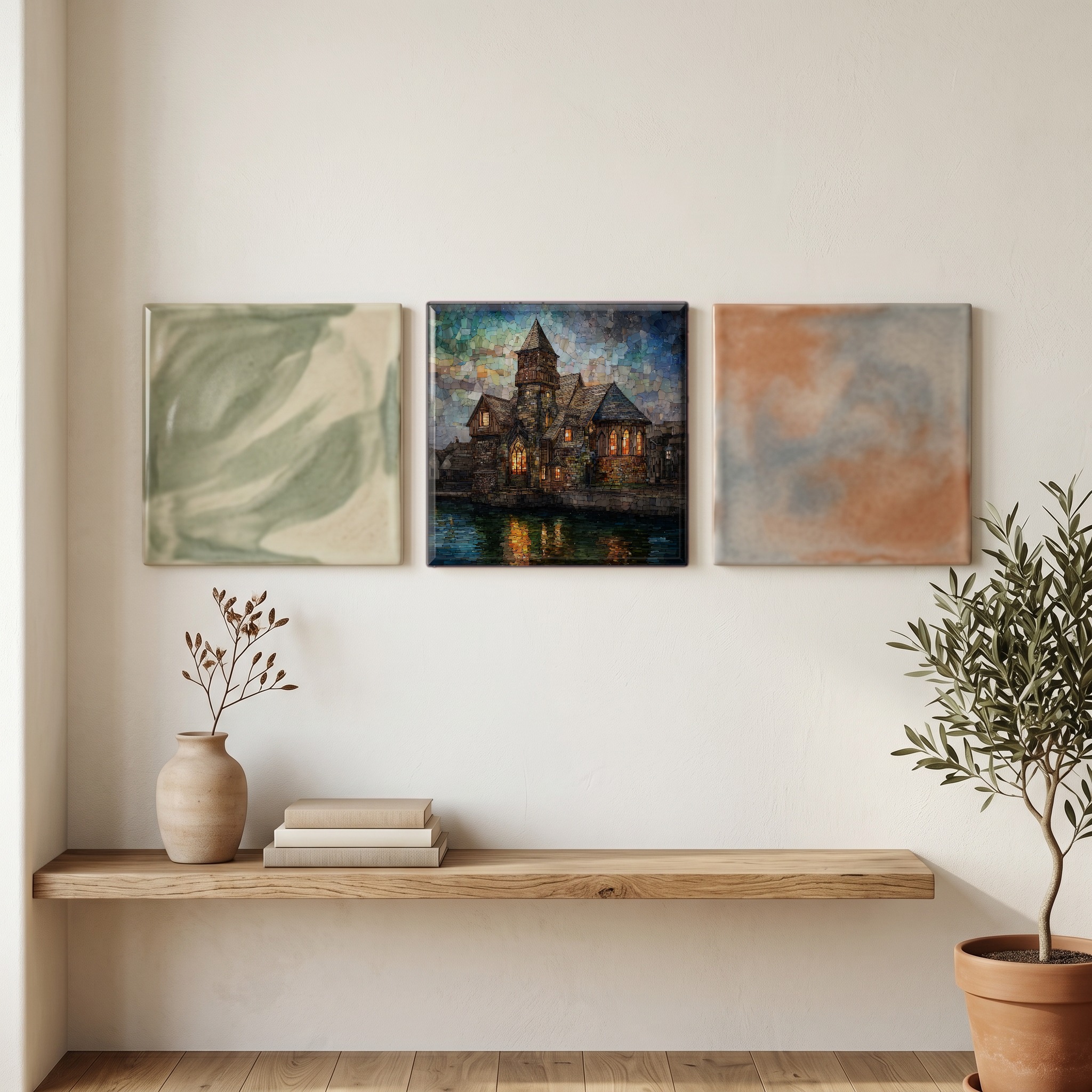
Three or five different vistas, hung together — a chapter of places you've been, or want to go.
The place, in three passes.
Sainte-Catherine sits on the south bank of the Seine estuary in Honfleur, a fishing port in the Calvados department of Normandy. The town faces Le Havre across the estuary, about 200 km west of Paris. The church and its detached bell tower stand on the Place Sainte-Catherine, three streets up from the Vieux Bassin, the old harbour Boudin and Monet painted. It was built between 1466 and the early sixteenth century by Honfleur's naval carpenters, using oak from the Forêt de Touques. Both the church and the freestanding bell tower (the Clocher Sainte-Catherine) are protected as Monuments Historiques and have been since 1879.
The church is the largest timber-built religious building in France, and the technique is rare in Europe: shipwrights raised the twin naves on oak posts and vaulted them with timbers laid like the inverted hull of a galleon. Construction began in the 1460s, paid for by townspeople grateful that the English had finally left Honfleur after the Hundred Years' War. Stone was expensive and skilled masons were scarce; what Honfleur had in surplus was naval carpenters and oak from the nearby Forêt de Touques. A second nave was added in the early sixteenth century when the parish outgrew the first.
Sainte-Catherine is an active parish church and open to visitors daily, generally from morning until evening; admission is free. The bell tower across the square (the Clocher Sainte-Catherine) houses a small museum of religious art managed by the Musées de Honfleur and can be visited for a modest fee. The town is reached by car from the A29, where the Pont de Normandie crosses the Seine from Le Havre; the nearest train stations are Pont-l'Évêque and Trouville-Deauville, with bus connections into Honfleur. The town is busy in summer and on weekends. Quieter visits are possible on weekday mornings outside July and August.