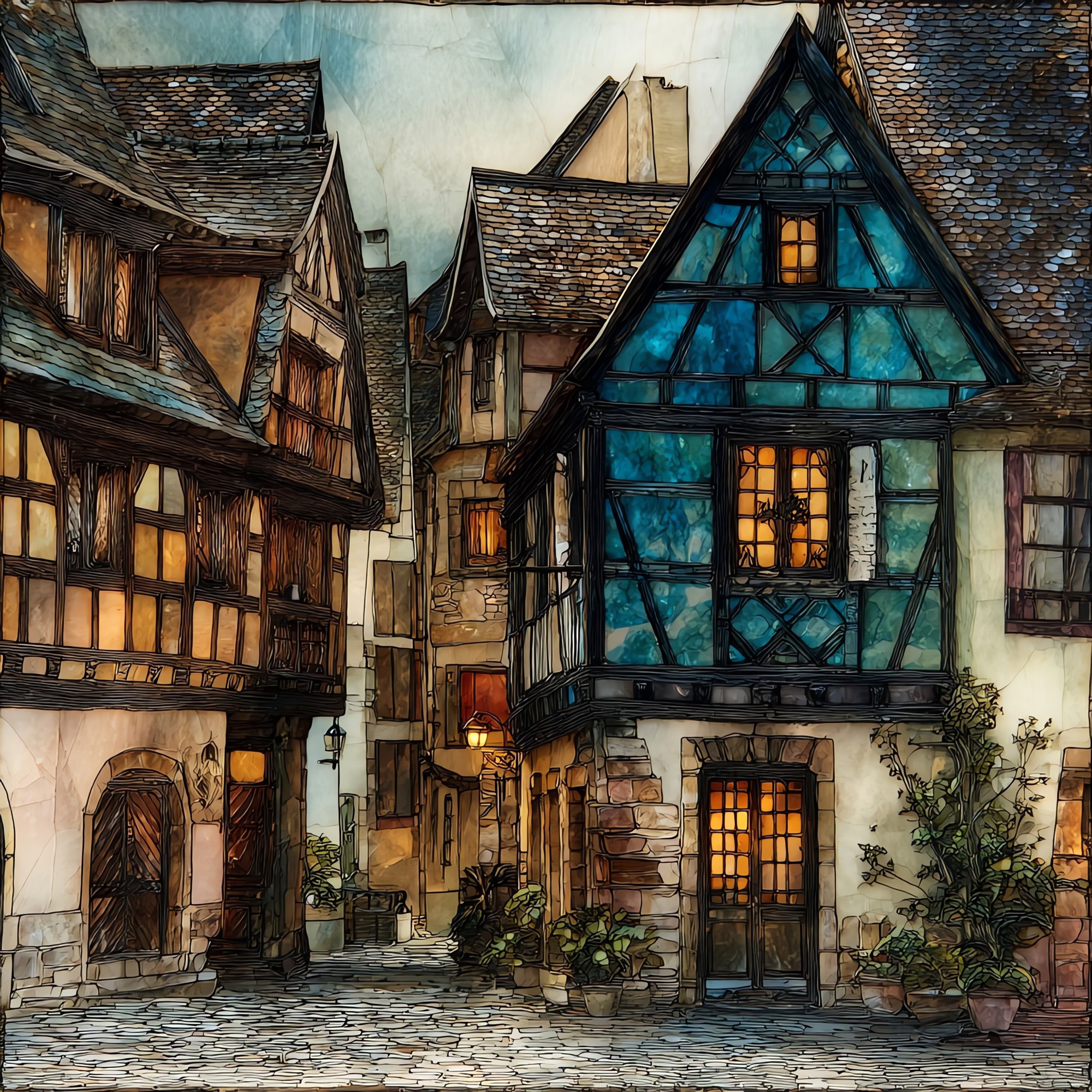
Riquewihr Alsatian Timber Houses
— the village that kept all of its colours.
Not only on a wall.
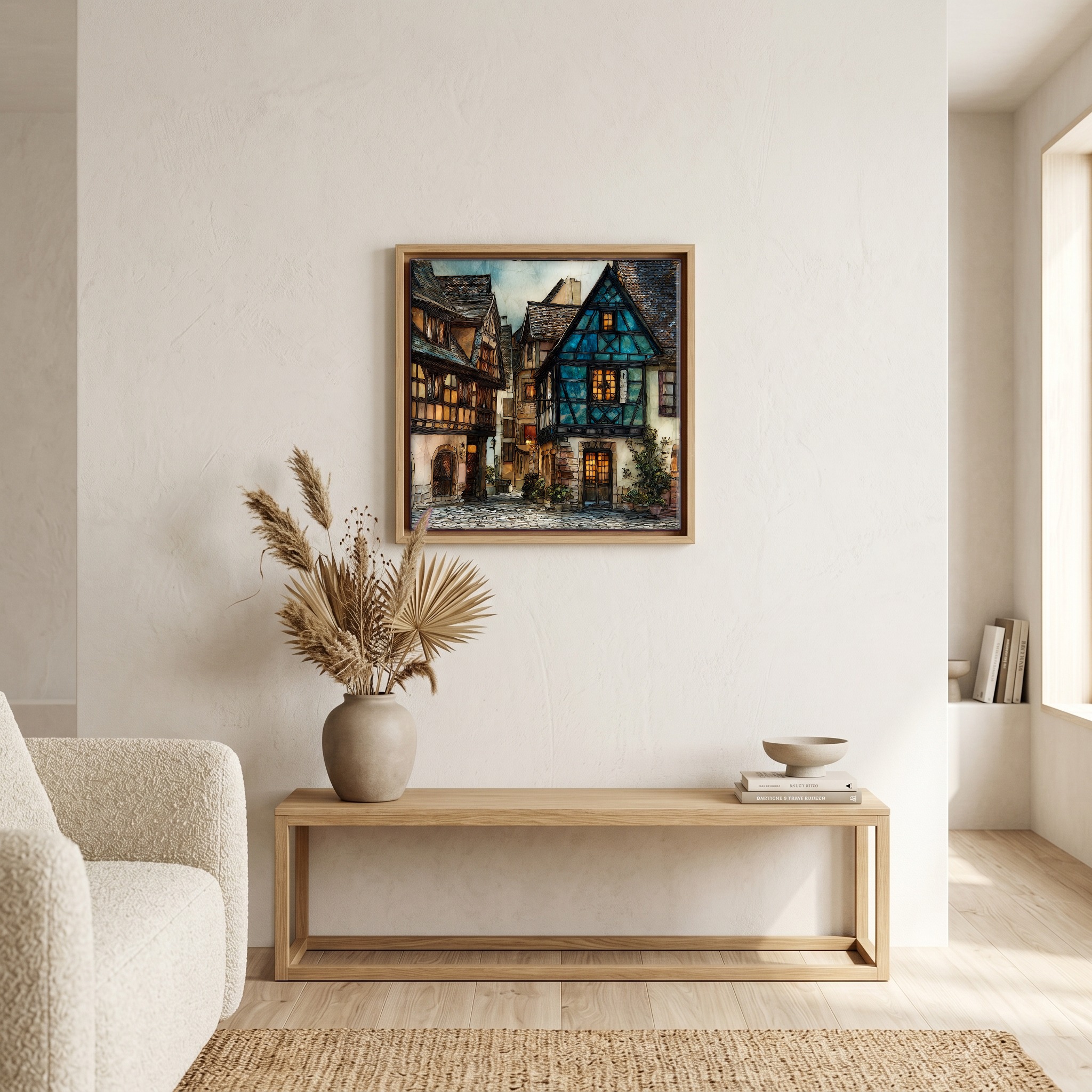
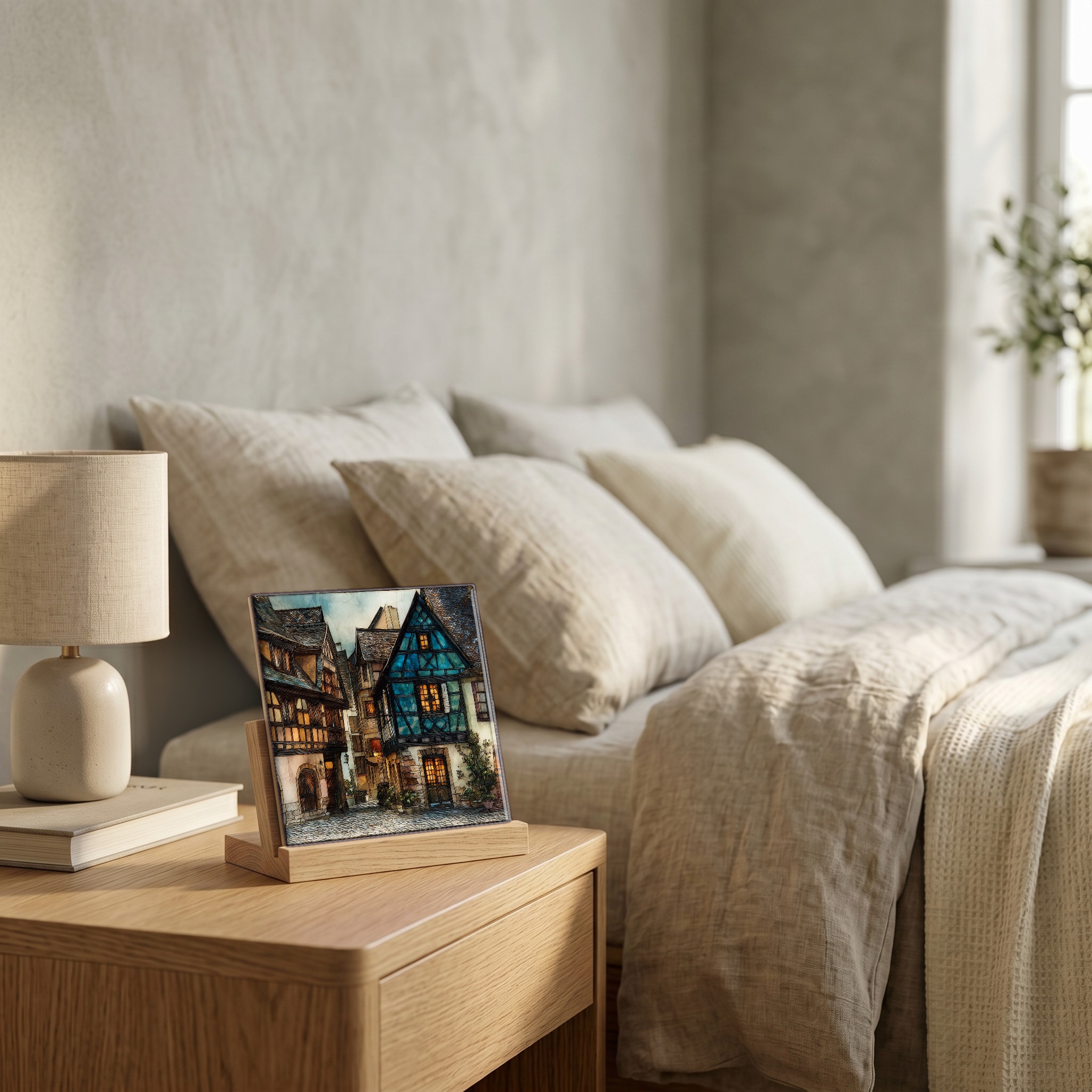
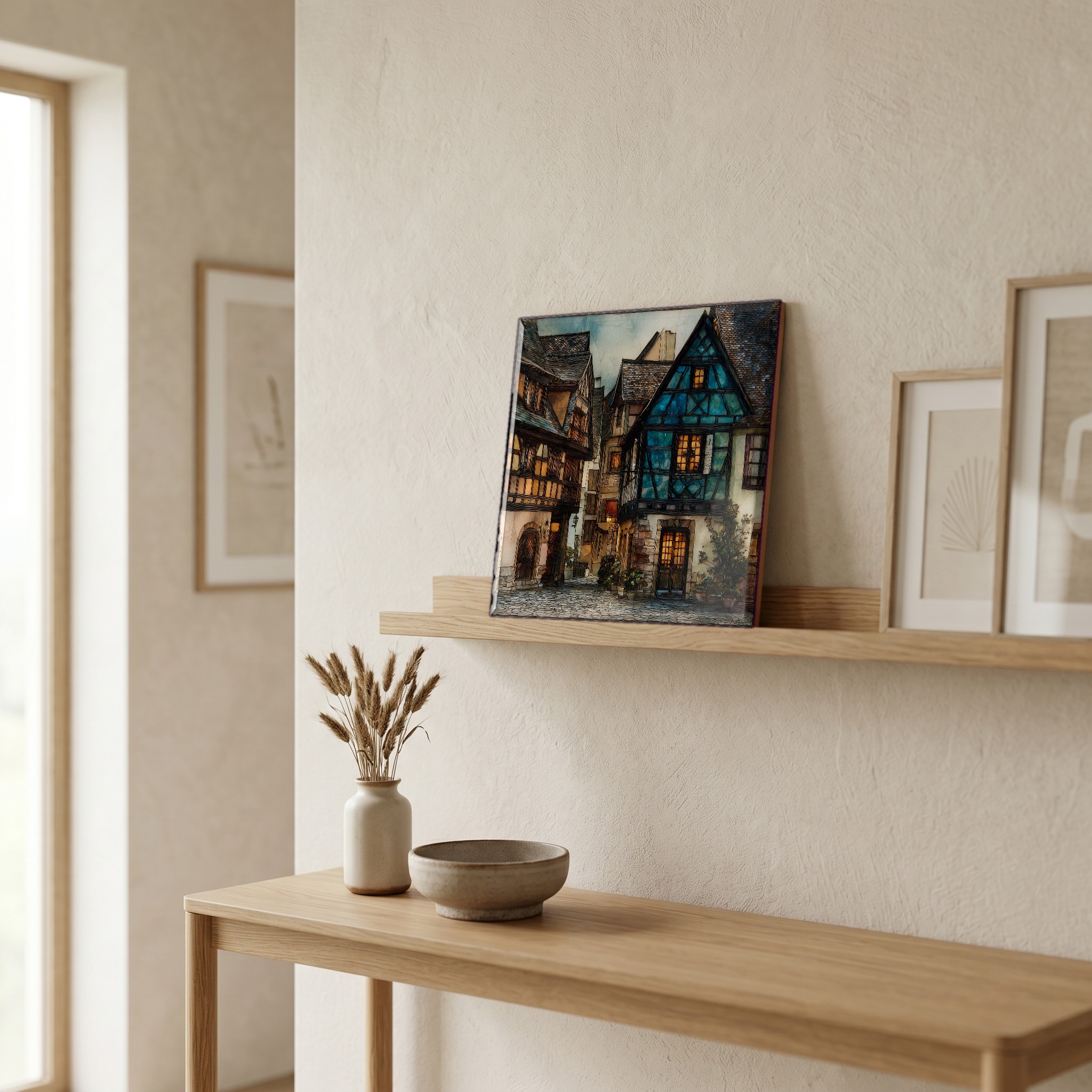
“A walled village on the Alsace Wine Route, thirteen kilometres northwest of Colmar. The houses lean toward each other across narrow streets, timber-framed, painted in faded ochres and pinks and blues that have been there since the Renaissance. The medieval core came through both world wars largely intact, and the same shutters still close at dusk on the same cobbled lanes. Riesling vineyards rise on the slopes above the wall. In late afternoon the Dolder gate throws its long shadow back across the centre of town, and the colour the houses keep is the colour they were given five centuries ago.
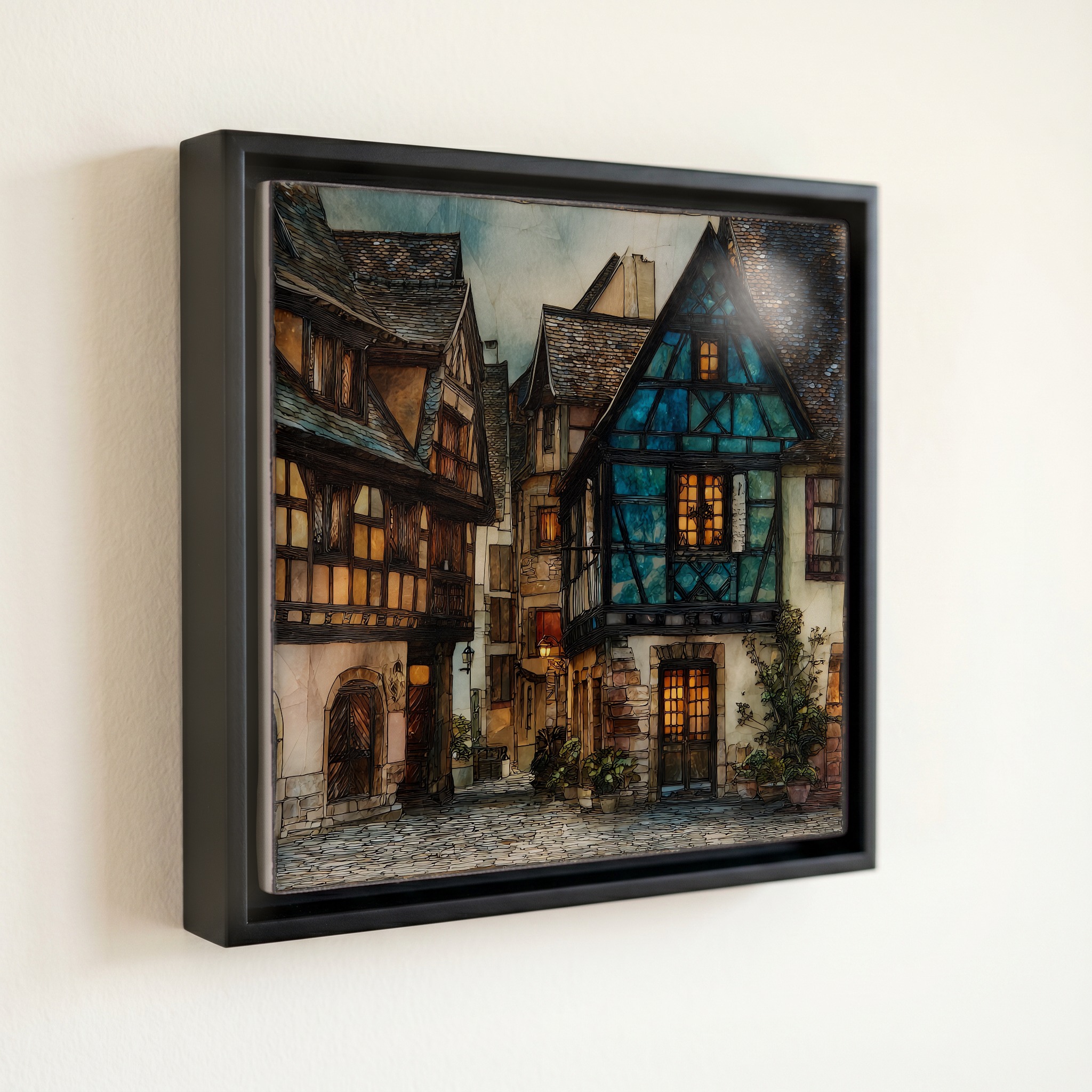
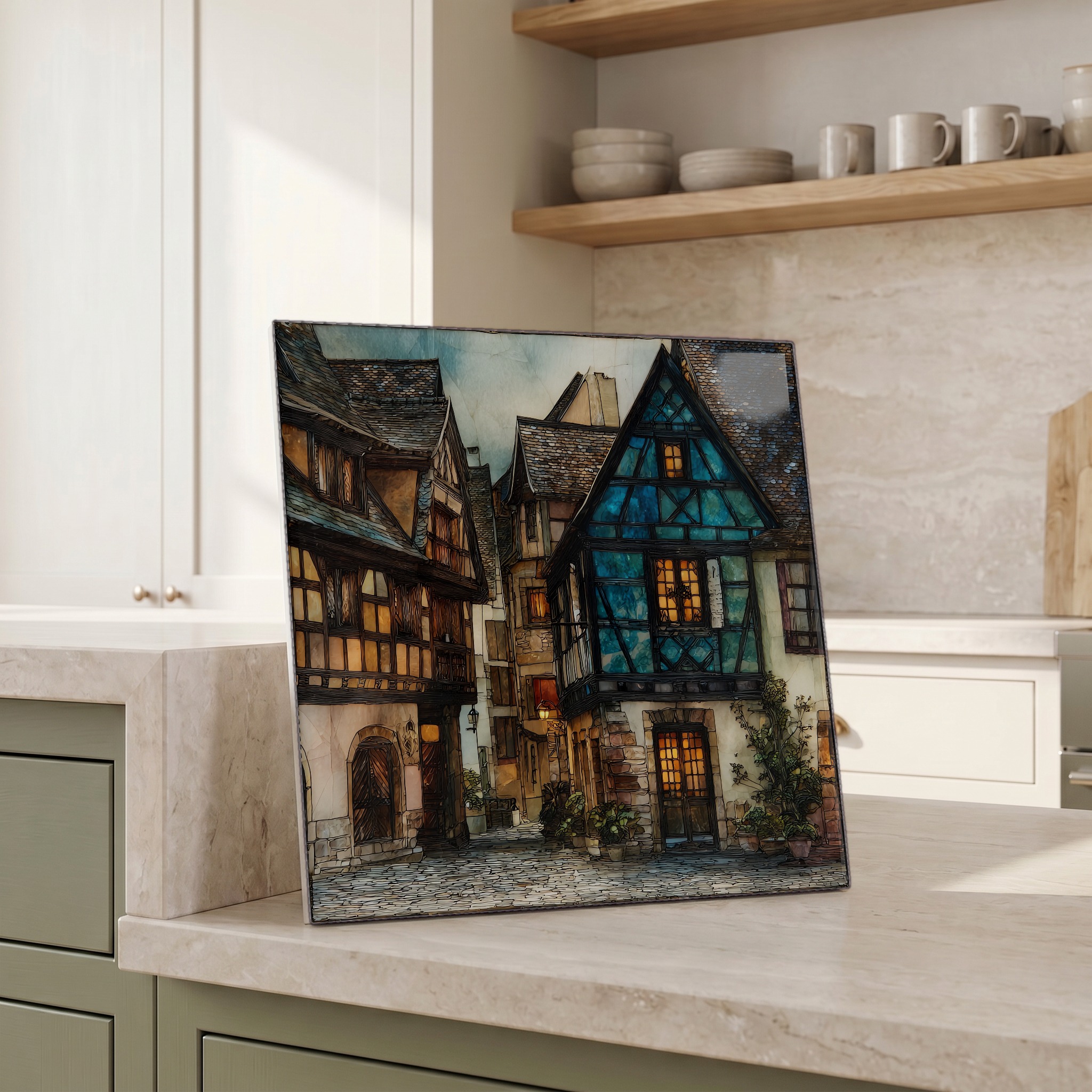
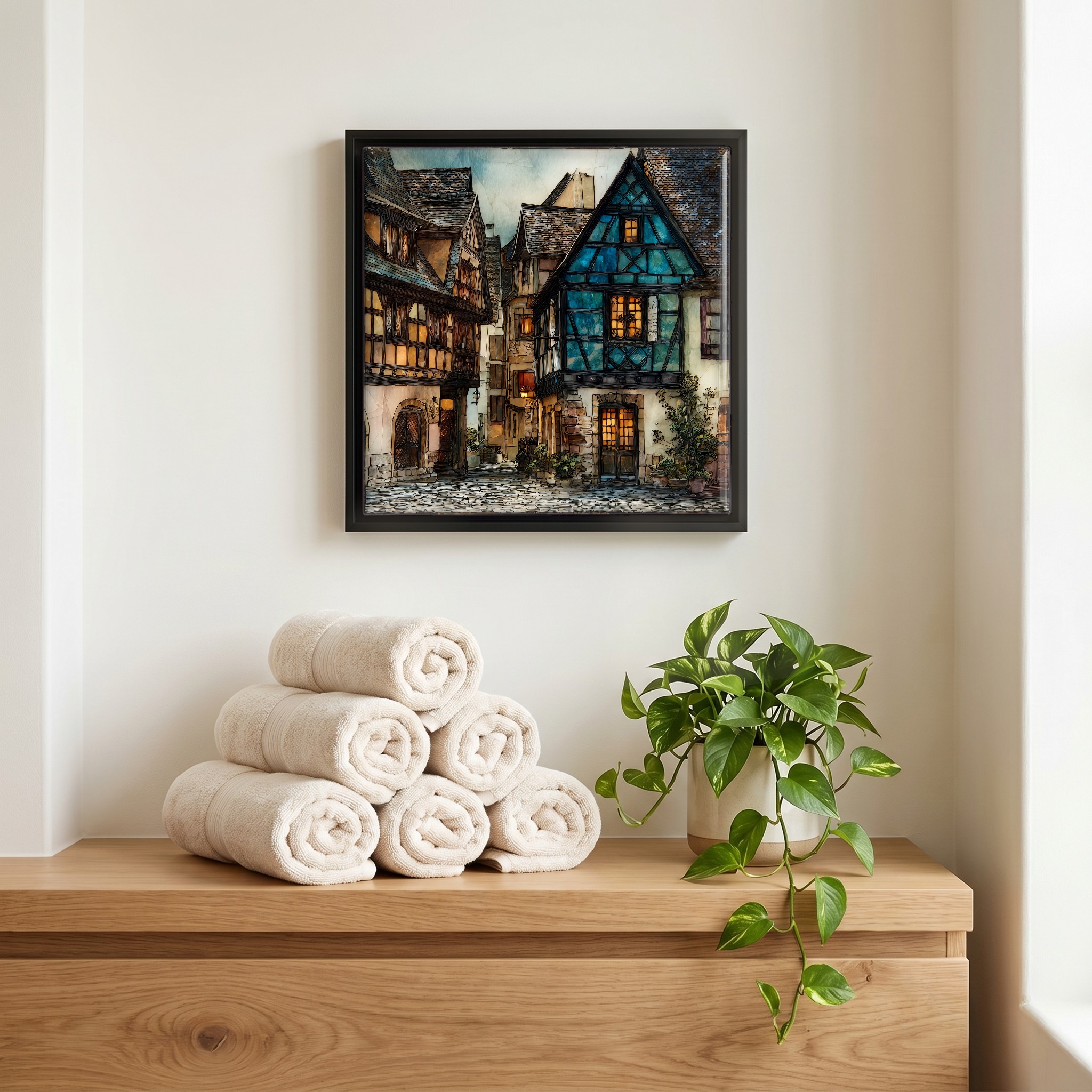
Riquewihr Alsatian Timber Houses, on ceramic.
Each tile is finished by hand in our Knoxville studio. Artwork is slowly infused into the ceramic surface under high heat and pressure, and rests beneath a thin glossy finish. The colour lives in the surface, not on top of it.
Pick any four 4-inch tiles — National Parks you've been to, a Smokies set, the four seasons of one place. $ for a set of , cork-backed, ready to live on the table.
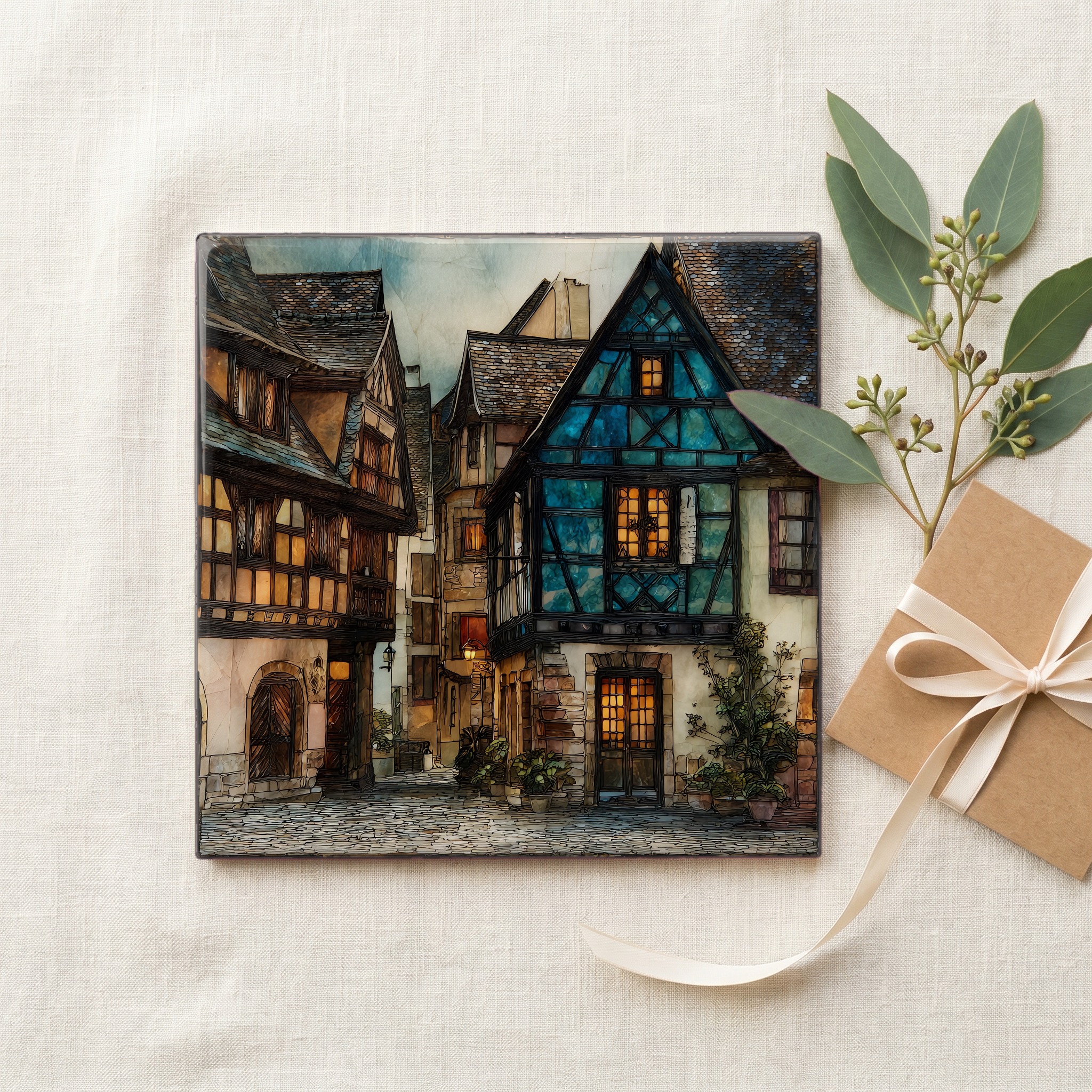
Each tile ships in a kraft box, tied with cream ribbon, with a handwritten note from the studio if you'd like to add one.
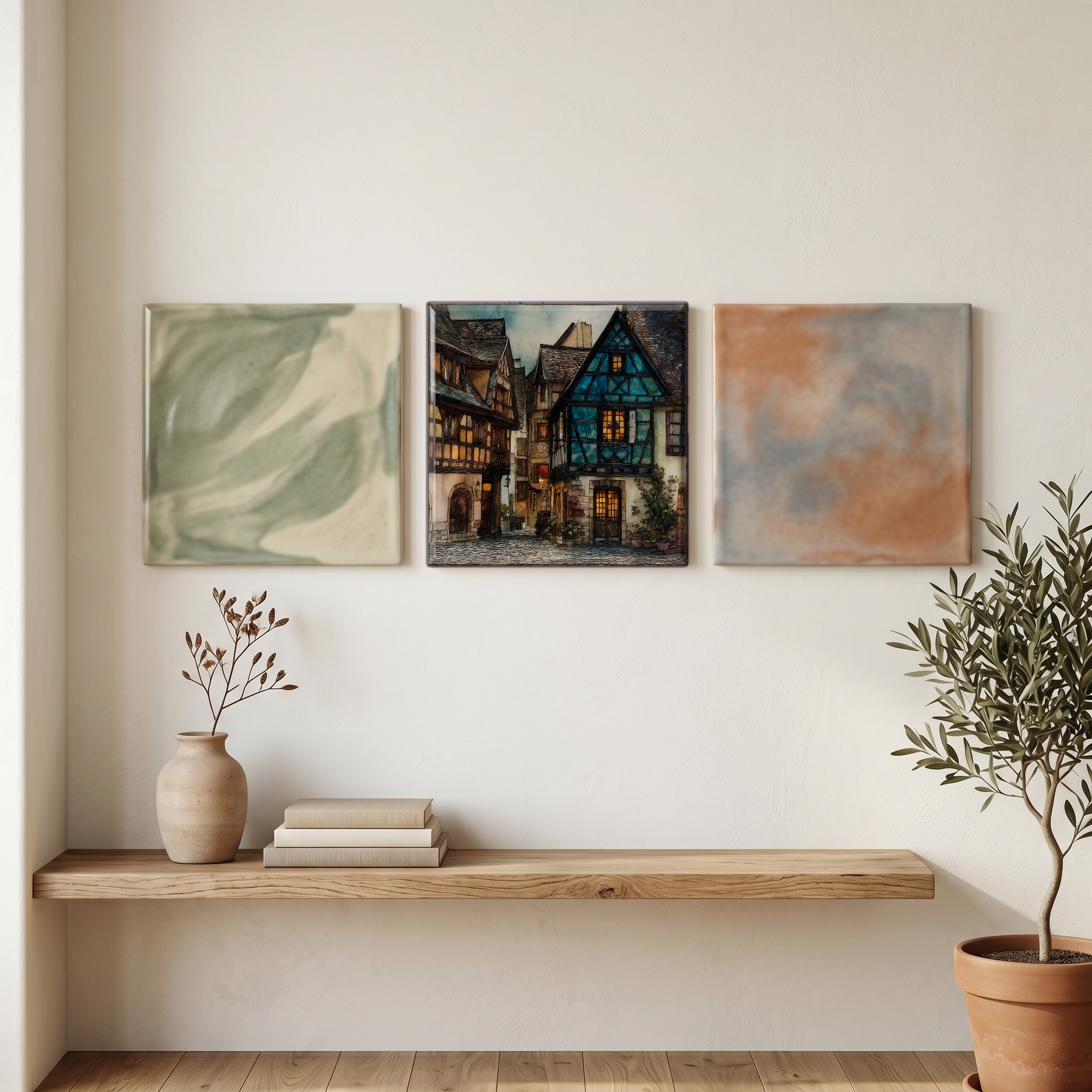
Three or five different vistas, hung together — a chapter of places you've been, or want to go.
The place, in three passes.
Riquewihr sits in the Haut-Rhin department of France's Grand Est region, on the Alsace Wine Route between Strasbourg and Colmar. The walled village rests at about 300 metres above the Plaine d'Alsace, with vineyards climbing the hillside and the Vosges Mountains rising further west. Colmar lies thirteen kilometres to the southeast, Strasbourg about seventy kilometres to the northeast. Riquewihr is one of more than 170 communes carrying the Les Plus Beaux Villages de France label, recognised for the integrity of its sixteenth-century timbered streetscape and its medieval walls [1][2].
The town's signature is the painted half-timbered facade, with exposed oak timbers laid over plaster panels and finished in faded ochre, rose, indigo, and Vosges green. The pigments come from a traditional lime-wash palette refreshed each generation, and the colour choices once tracked the region's guilds and wine families more than fashion. The oldest dated facades on Rue du Général-de-Gaulle, the village's main street, carry construction dates from the fifteenth and sixteenth centuries. Repainting in the protected core falls under the supervision of France's Architectes des Bâtiments de France, who require any new colour to draw from the village's historic palette [1].
Riquewihr's year is timed to wine and snow. The harvest (les vendanges) for Riesling Grand Cru begins in late September on the Schoenenbourg and Sporen slopes that frame the village, when the population swells well above its winter base of about 1,200. The last weekend of November opens the Marché de Noël, with wooden stalls in the courtyard around the Dolder gate selling vin chaud, bredele biscuits, and Alsatian crafts through Christmas Eve. February and March are the quietest months, when the wine cellars rest and the village belongs again to the people who live in it [1].