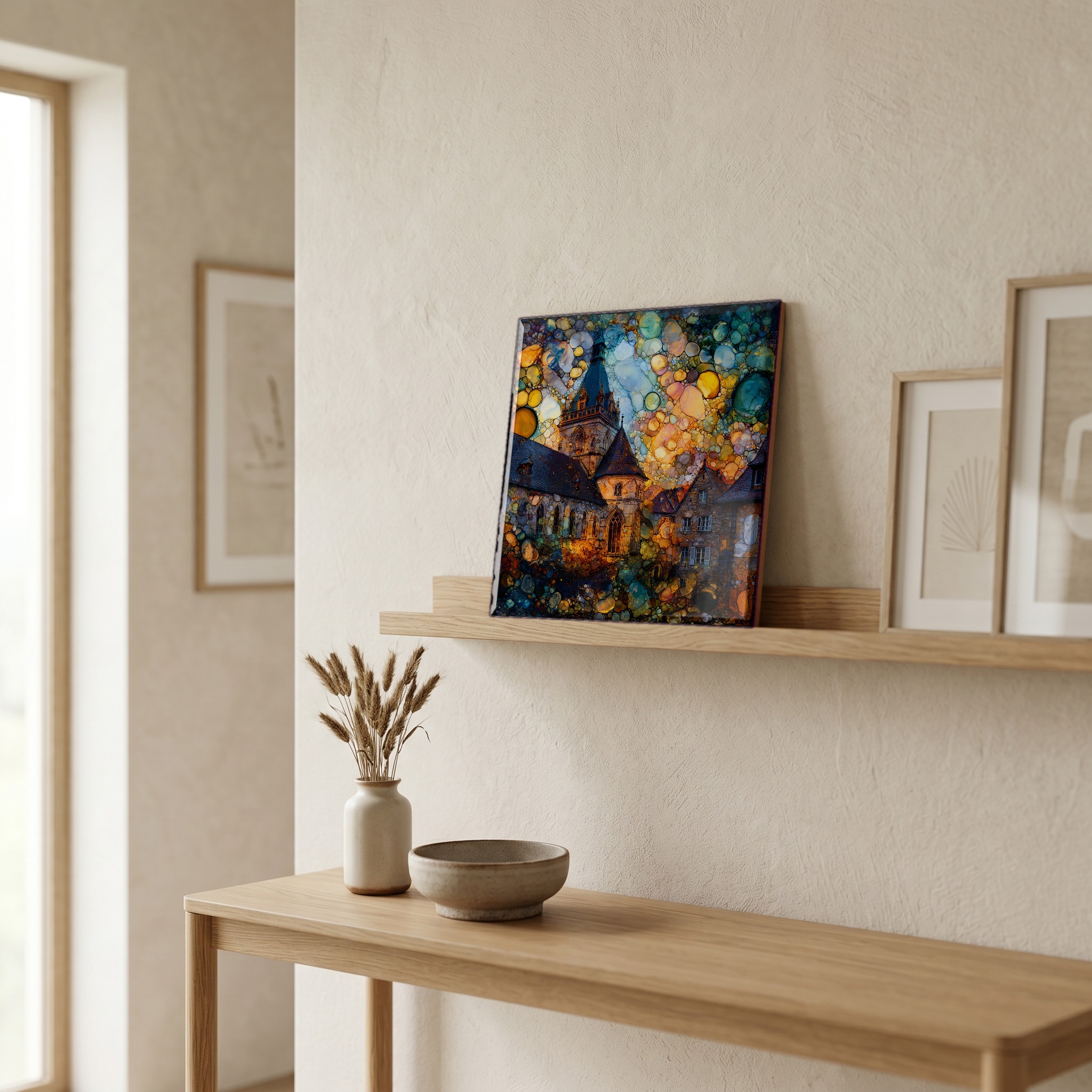
Wender·Vista
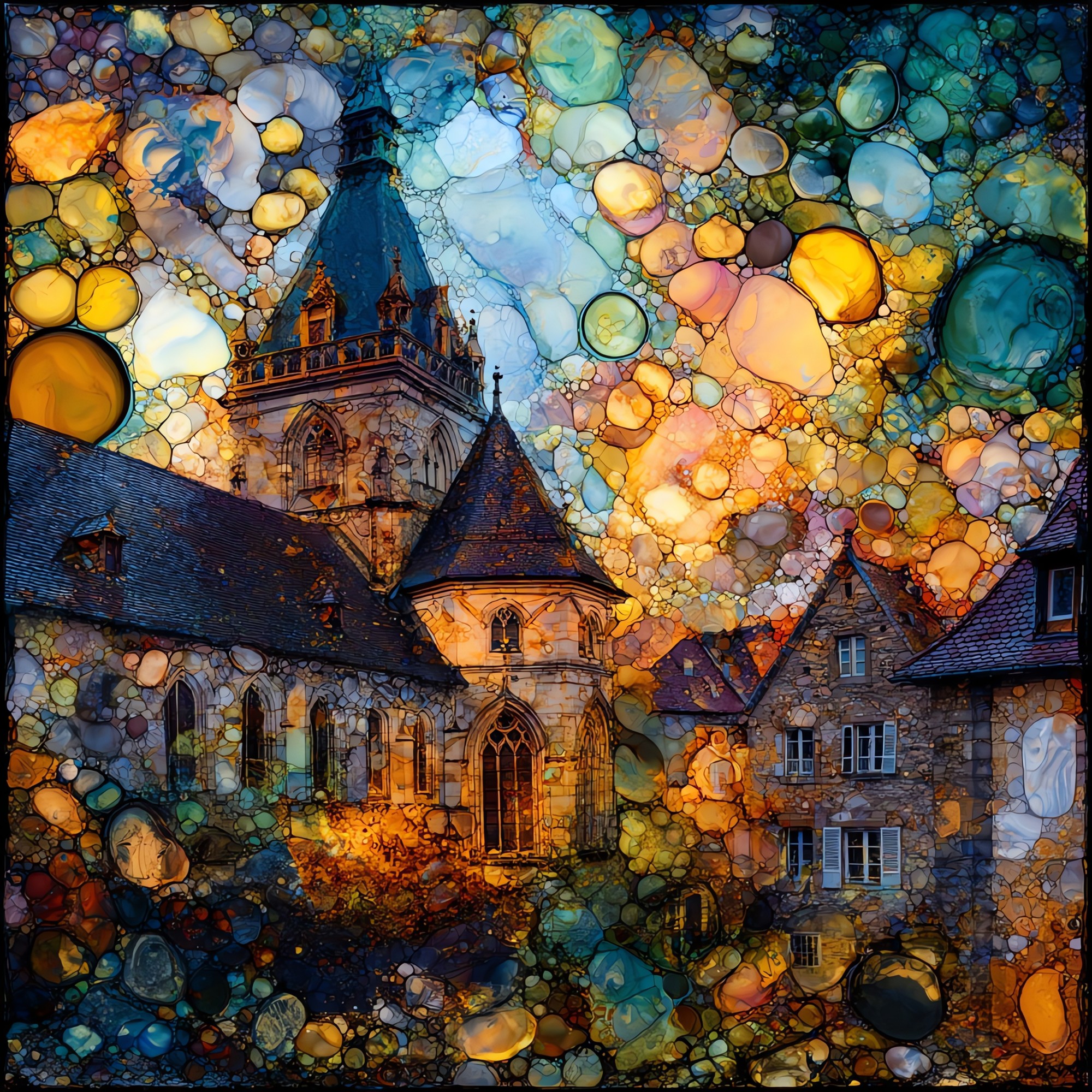
Hospices de Beaune
shown on ceramic, 12-inch tileFrance
in Beaune, the wine capital of Burgundy

Hospices de Beaune

— a roof patterned like a page from a book of hours.

Where it lives

Not only on a wall.

A small tile on the nightstand catching the morning. A larger one above the fire. Yours, wherever you spend the slow hours.
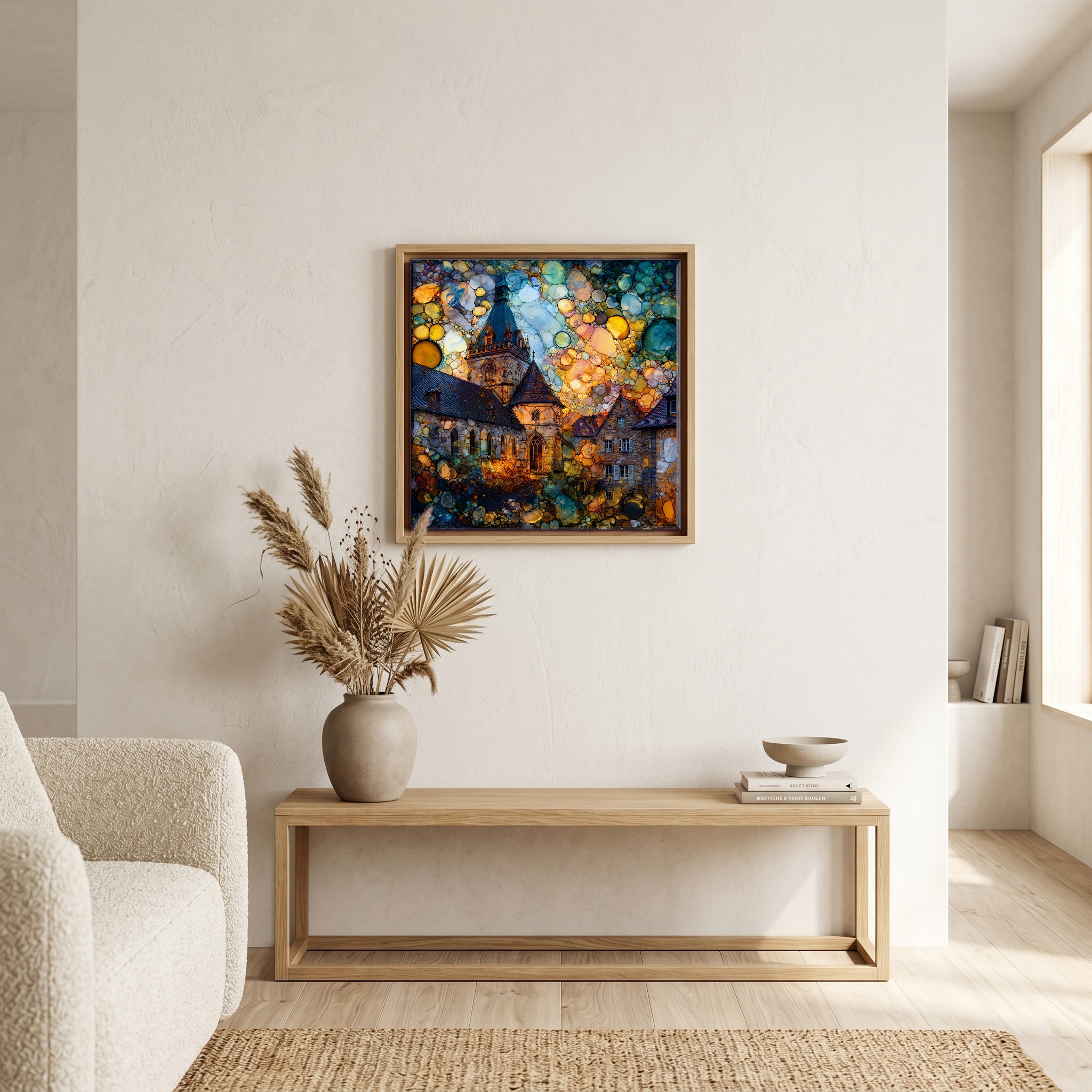
Above the bench, in a warm oak surround.
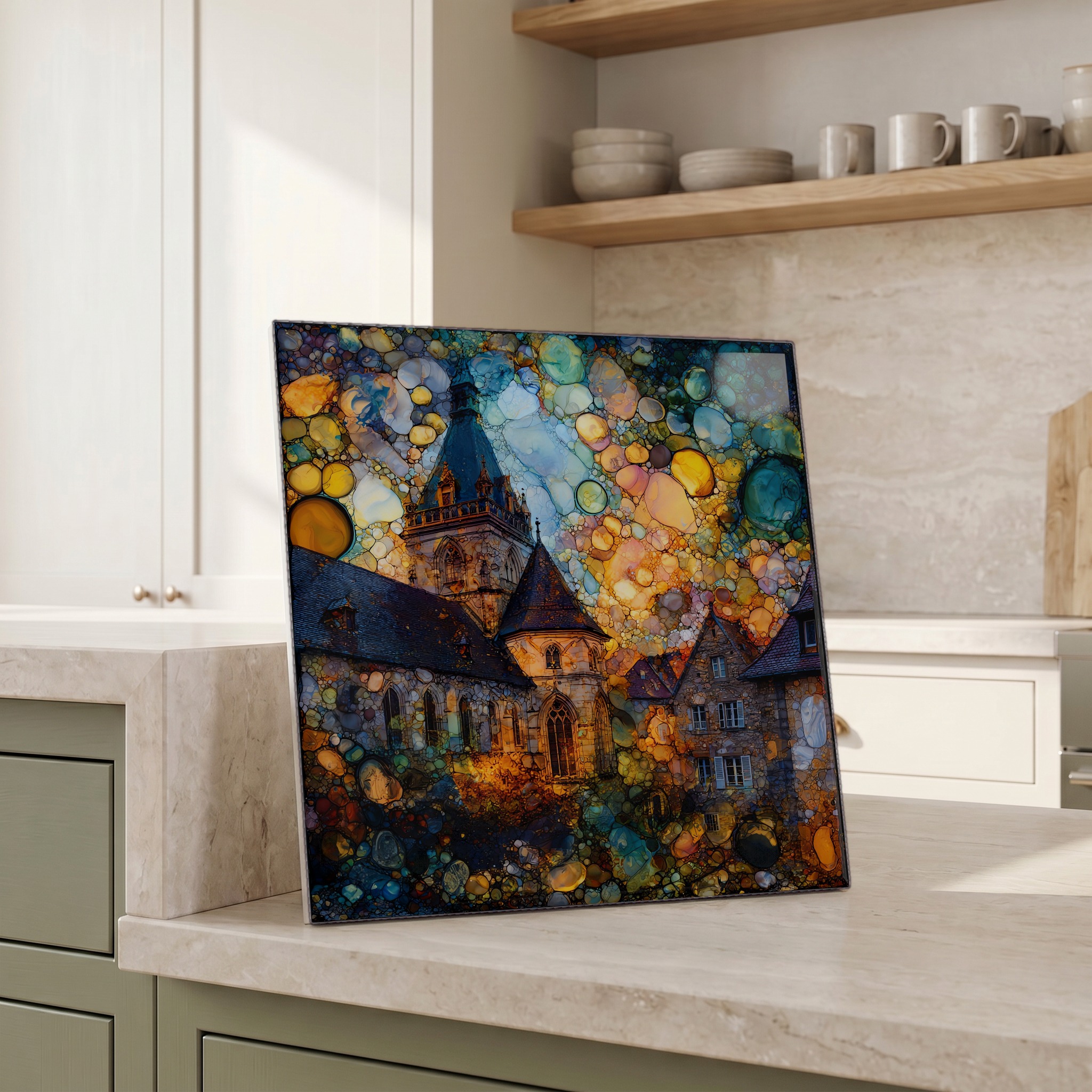
Beside the kettle, propped on the counter.
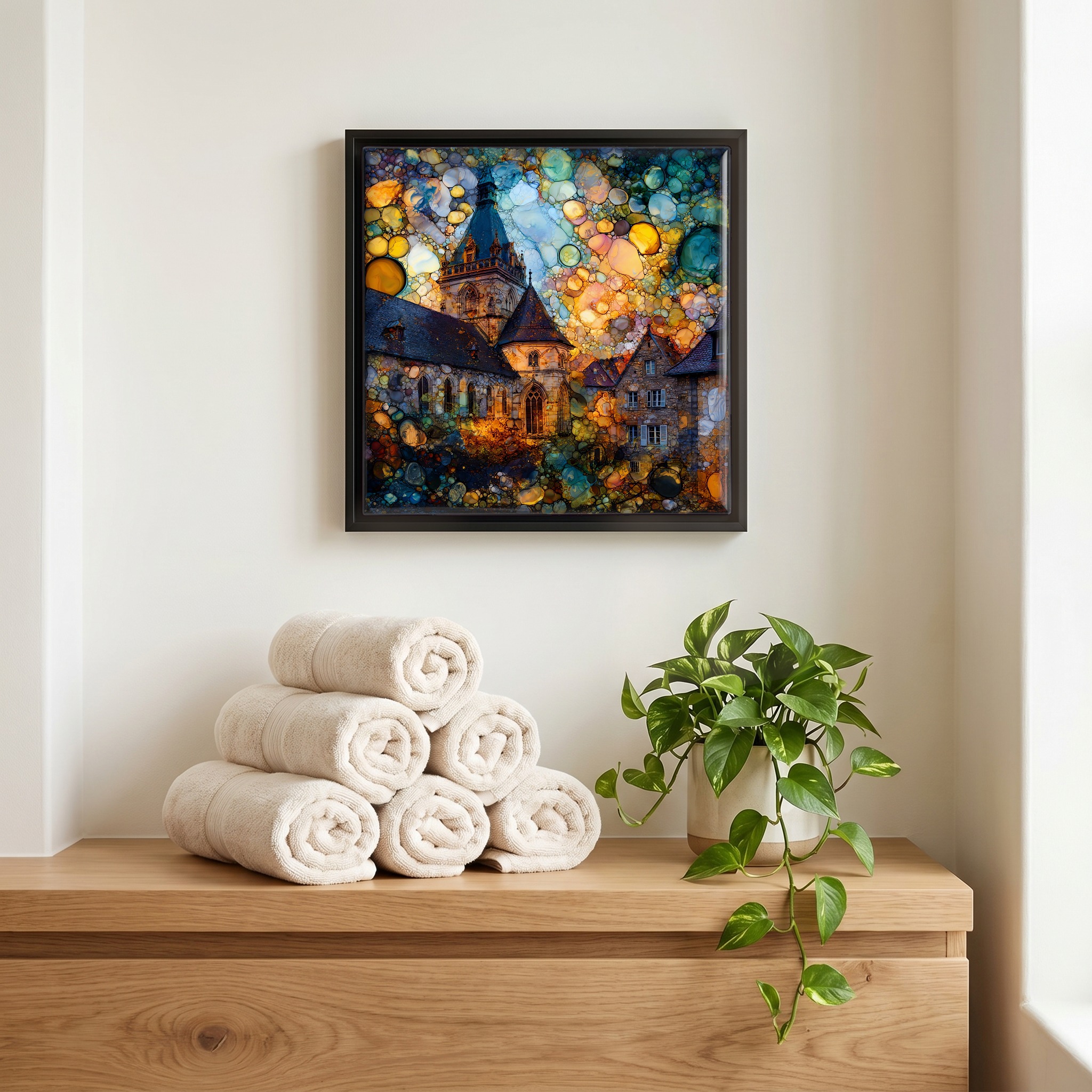
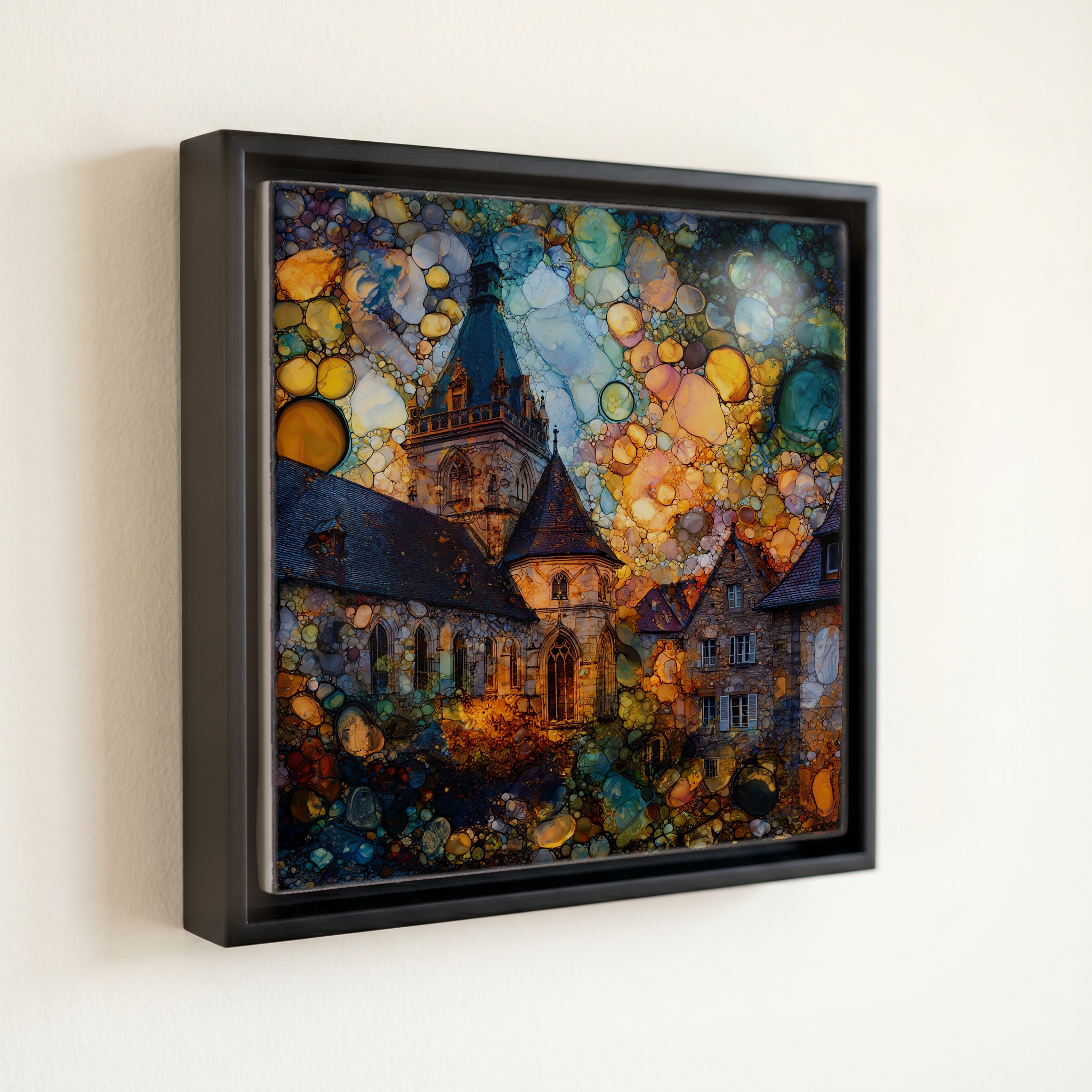
Above the linens, in a slim black surround.
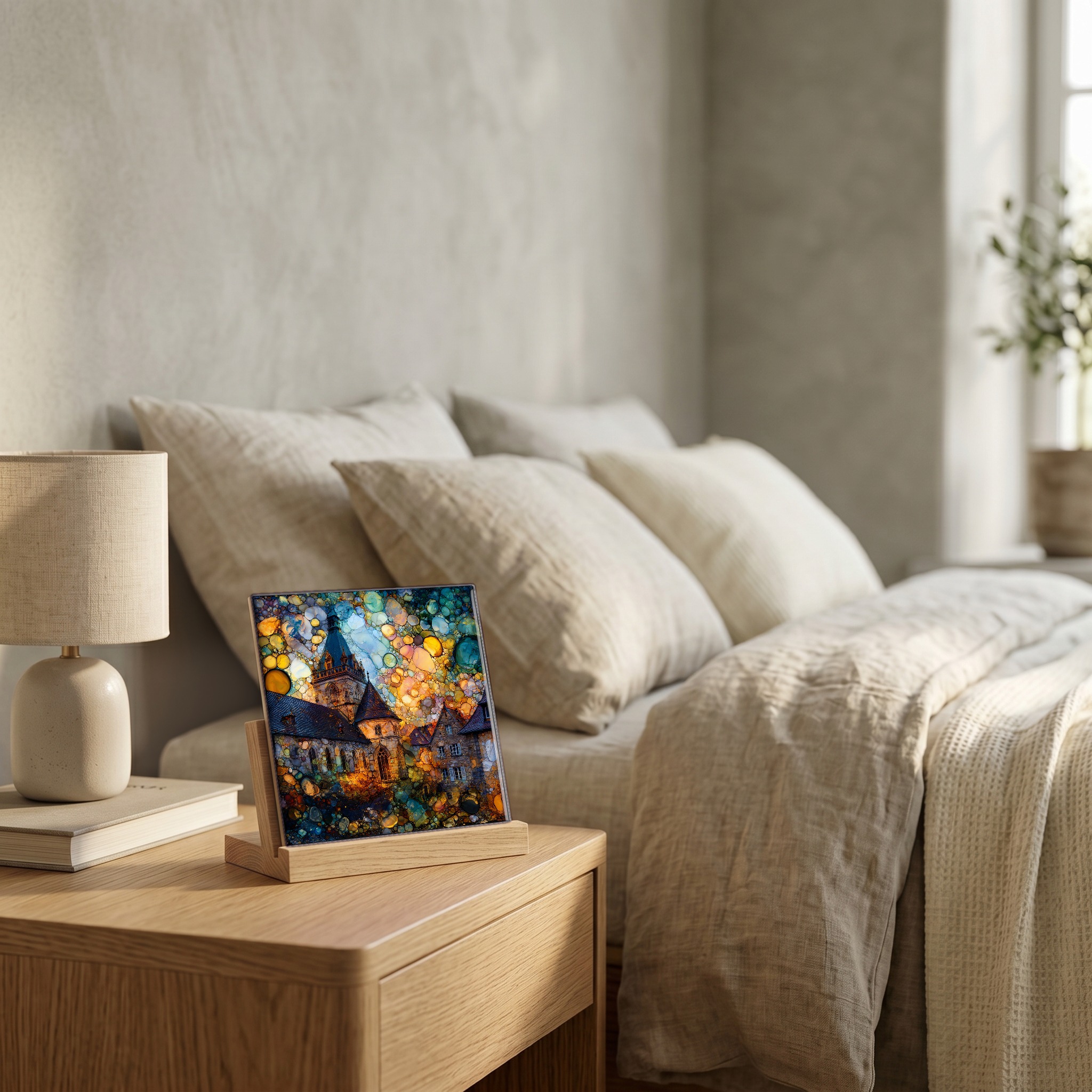
On the nightstand, on a light oak stand.
On a picture ledge, where the light comes in.
a note from the studio

The Hôtel-Dieu in Beaune, built by Nicolas Rolin in 1443 as a hospital for the poor. The roof is the thing. Close to 100,000 polychrome tiles in yellow, green, red, and black, set in diamond patterns that have held since 1452. Inside, the Salle des Pôvres still holds the long row of curtained beds where the sick were nursed for five hundred years. Every November on the third Sunday a wine auction happens here, and the proceeds still go where Nicolas Rolin meant them to. Nobody who comes is in a hurry.
from the studio
shown in a slim black floating frame · 6 × 6 in
— bring it home

Hospices de Beaune, on ceramic.

Each tile is finished by hand in our Knoxville studio. Artwork is slowly infused into the ceramic surface under high heat and pressure, and rests beneath a thin glossy finish. The colour lives in the surface, not on top of it.

What kind of piece?
One tile — square or rectangle.
How big?
the popular one — counter, shelf, nightstand
6 × 6 in · 15 cm · 1.6 lb
Surface finish
A clear glossy finish — the artwork reads as if under resin. Ideal for show-pieces and framed wall art.
How it sits
A hidden cleat — sits ¼″ proud of the wall.
$58
Hand-finished and shipped from our studio at the foot of the Smokies. On your wall in about ten days.
size
6 × 6 in
15 cm
weighs
1.6 lb
solid in the hand
surface
ceramic, hand-finished
art rests beneath a thin glossy finish
from
Knoxville, TN
our family studio, at the foot of the Smokies
— start a Coaster Set

Pick any four 4-inch tiles — National Parks you've been to, a Smokies set, the four seasons of one place. $ for a set of , cork-backed, ready to live on the table.
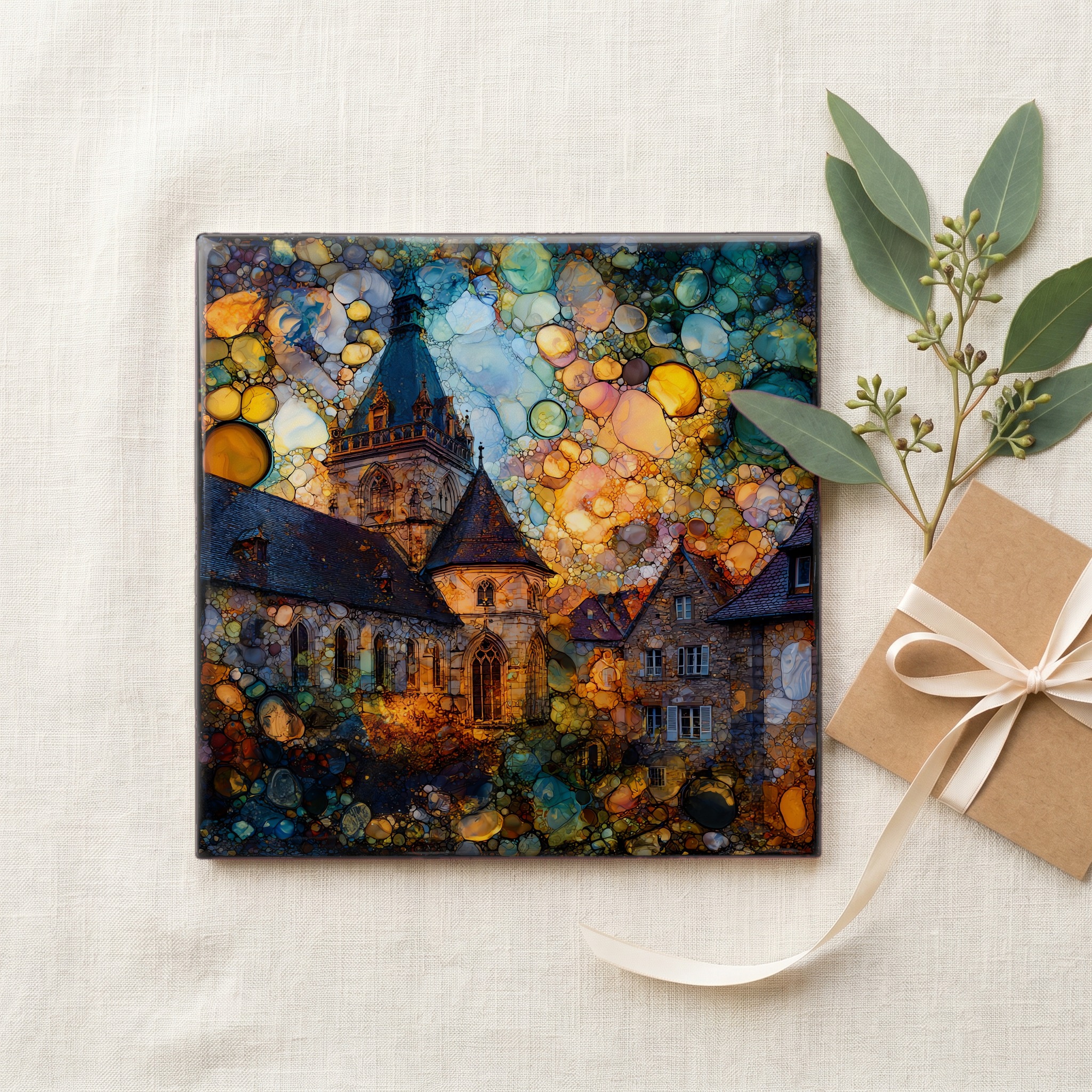
comes gift-ready
comes gift-ready

Each tile ships in a kraft box, tied with cream ribbon, with a handwritten note from the studio if you'd like to add one.
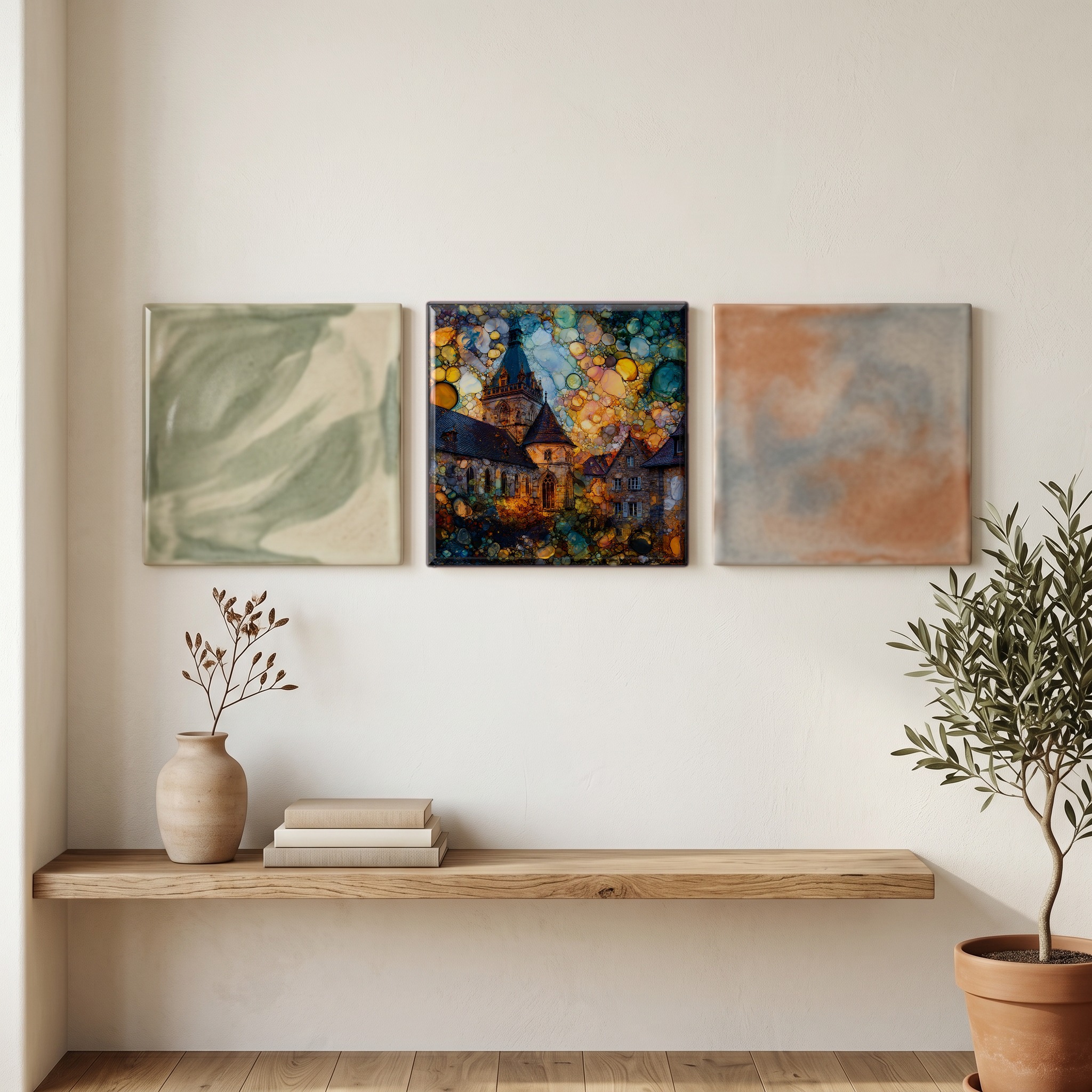
or build a grouping
or build a grouping

Three or five different vistas, hung together — a chapter of places you've been, or want to go.

about Hospices de Beaune

The place, in three passes.

A little of what's known, in case you fall down the rabbit hole — or want to go see it yourself.
the place

The Hôtel-Dieu sits at the centre of Beaune, capital of the Côte de Beaune wine region in the Côte-d'Or department of Burgundy, about 40 km south of Dijon. Construction began in 1443 under Nicolas Rolin, chancellor to Philip the Good, Duke of Burgundy, and his wife Guigone de Salins. The Hospices de Beaune is the historic charitable foundation; the Hôtel-Dieu is its original Burgundian Gothic almshouse and the building visitors come to see. The working hospital moved to a modern campus, the Hôpital Philippe le Bon, in 1971. The old hall is now a museum on rue de l'Hôtel-Dieu.

— informed by Wikipedia, Hospices de Beaune
the stone

The polychrome roof is the building's signature. Close to 100,000 varnished terracotta tiles arranged in interlocking diamond patterns of yellow, green, red, and black. The technique, called tuiles vernissées de Bourgogne, became the visual emblem of Burgundian Gothic architecture in the late fifteenth century and spread to other roofs in Dijon and Beaune. Behind the façade, the Salle des Pôvres keeps its painted oak ceiling and the original double row of curtained beds where the sick were nursed for over five centuries. The chapel beyond once held Rogier van der Weyden's polyptych The Last Judgement, commissioned by Rolin around 1445 and still kept on site.

— informed by Wikipedia, Hospices de Beaune
the year

Every November on the third Sunday, the Hospices de Beaune wine auction sets the opening price for the year's Burgundy vintage. The auction has run continuously since 1859 and has been administered by Christie's since 2005. All proceeds go where Nicolas Rolin meant them to in 1443: toward the running of the hospital and the care of patients in the modern Hôpital Philippe le Bon. The estate owns roughly 60 hectares of vineyards across the Côte de Beaune and Côte de Nuits, all worked under the Hospices label, and the auction draws bidders from every wine market in the world.

— informed by Hospices de Beaune, Wikipedia
where
France · Beaune, Côte-d'Or
elevation
220 m · 720 ft
position
47.0228° N · 4.8398° E
the neighborhood

What's nearby.

A handful of named places within an hour's walk or short drive. Some we've already painted; some we will.
5 km SW
Pommard
wine village
6 km SW
Volnay
wine village
8 km S
Meursault
wine village
7 km N
Aloxe-Corton
grand cru wine village
0.3 km N
Collégiale Notre-Dame de Beaune
Romanesque collegiate church
5 km SW
Château de Pommard
wine château
N
Hospices de Beaune
Pommard
Volnay
Meursault
Aloxe-Corton
Collégiale Notre-Dame de Beaune
Château de Pommard
common questions

What people ask.

A few questions we get about Hospices de Beaune — and about bringing the piece home.
about the place

In the town of Beaune, in the Côte-d'Or department of Burgundy, eastern France. The old almshouse sits on rue de l'Hôtel-Dieu in the centre of town, about 40 km south of Dijon and a short walk from the medieval ramparts.

Two things: its polychrome diamond-patterned roof, one of the great surviving images of Burgundian Gothic architecture, and its annual November wine auction, the oldest charity wine auction in the world.

Construction began in 1443. The almshouse was founded by Nicolas Rolin, chancellor to Duke Philip the Good of Burgundy, and his wife Guigone de Salins, as a hospital for the poor near the close of the Hundred Years' War. It opened to its first patients on 1 January 1452.

Varnished terracotta tiles in yellow, green, red, and black, laid in geometric diamond patterns. The technique is called tuiles vernissées de Bourgogne and became the signature roof style of Burgundian Gothic civil architecture in the late fifteenth century.

The third Sunday of November every year. The auction has run since 1859, has been managed by Christie's since 2005, and all proceeds fund the modern Hôpital Philippe le Bon that succeeded the old Hôtel-Dieu in 1971.

Yes. The Hôtel-Dieu is now a museum, open daily. Visitors walk through the Salle des Pôvres with its curtained beds, the apothecary, the kitchen, and the chapel that once held Rogier van der Weyden's polyptych The Last Judgement.

The Hospices de Beaune is the charitable foundation, still active since 1443. The Hôtel-Dieu is its original fifteenth-century building, the one with the famous roof. The working hospital moved to a modern campus in 1971; the old hall is now the museum.

about the piece in your home

It often is. The Hospices de Beaune is the spiritual home of Burgundy wine, and its November auction sets the opening price for the vintage. A Medium or Large makes a strong cellar-room piece; a Coaster Set works on a tasting table.

The colour saturation and geometric pattern carry well in Old-World Maximalist, French Country, and Jewel-tone interiors. The tile also reads cleanly against Modern Farmhouse or Stone-and-Oak backdrops where it gives the room its single point of colour.

Yes. Heritage architectural motifs and saturated colour are getting more wall-space in current interiors, paired often with reclaimed oak and oxidised brass. The Hospices roof reads as both heritage and graphic at the same time, which is rare for a single wall piece.

Above a sofa, a single Large or a 4-tile Mural. Above a console table or sideboard, a Medium or two Smalls side by side reads as a paired set. A 9-tile Mural turns a long wall into a feature.

Yes, with the Dura Satin or Matte finish. Both are scratch-resistant and humidity-stable, so they handle showers, backsplashes, and steamy kitchens without trouble. The Glossy finish is for framed wall art in dry rooms.

Microfibre cloth and water. The colour is slowly infused into the ceramic surface under high heat and pressure and sits beneath a thin glossy finish, so it doesn't fade or wipe off. No cleaners, no oils.

Yes. Every WenderVista tile is original to the studio. We don't license other artists, and we don't reuse the same piece across product lines. The Hospices de Beaune is one of our Burgundy pieces, part of the Wender Studios atlas of places.

if this one stayed with you

A few you might also love.

Hand-picked by the eye that found Sorapis. Same air, same kind of quiet.