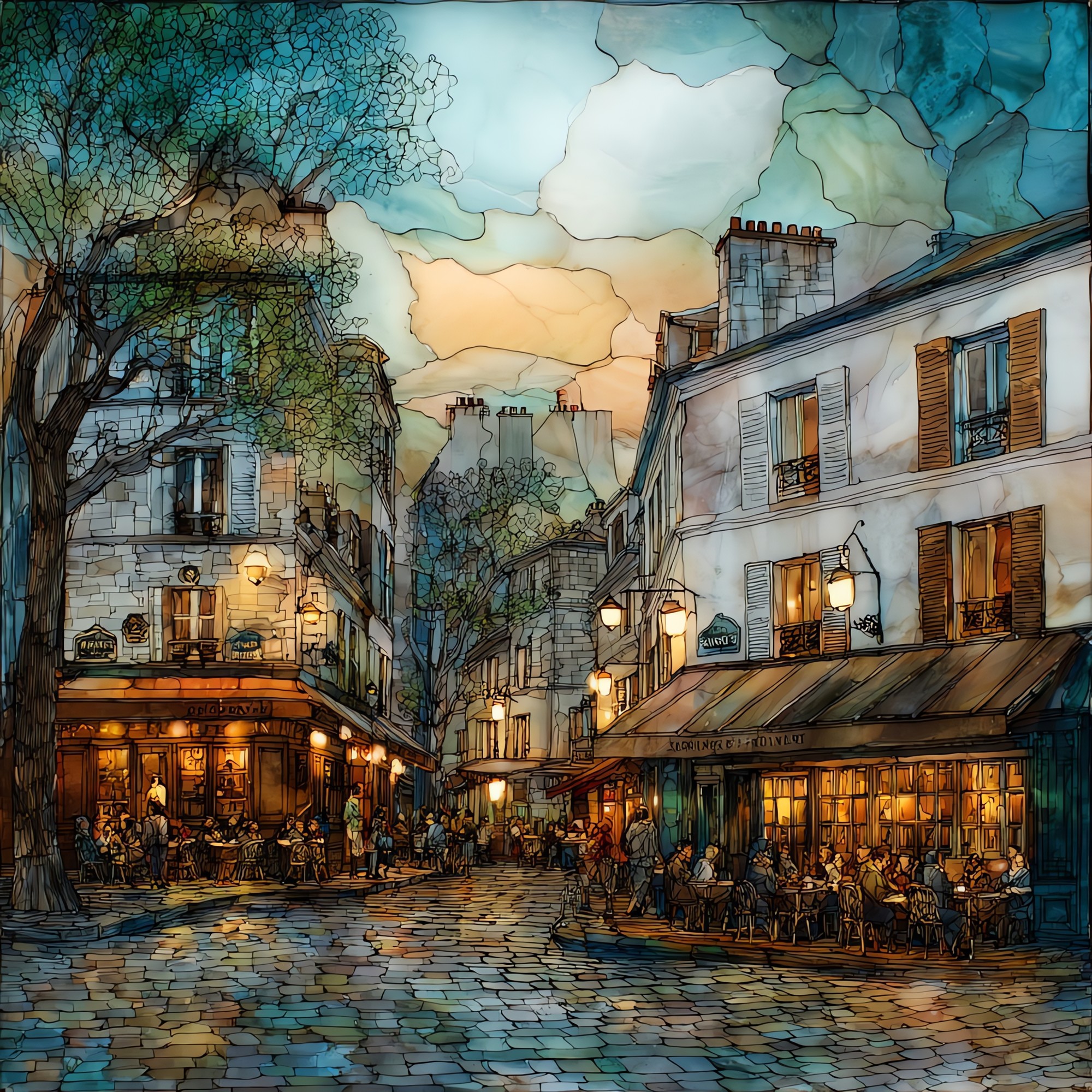
Place du Tertre
— the easels going up while the city is still quiet.
Not only on a wall.
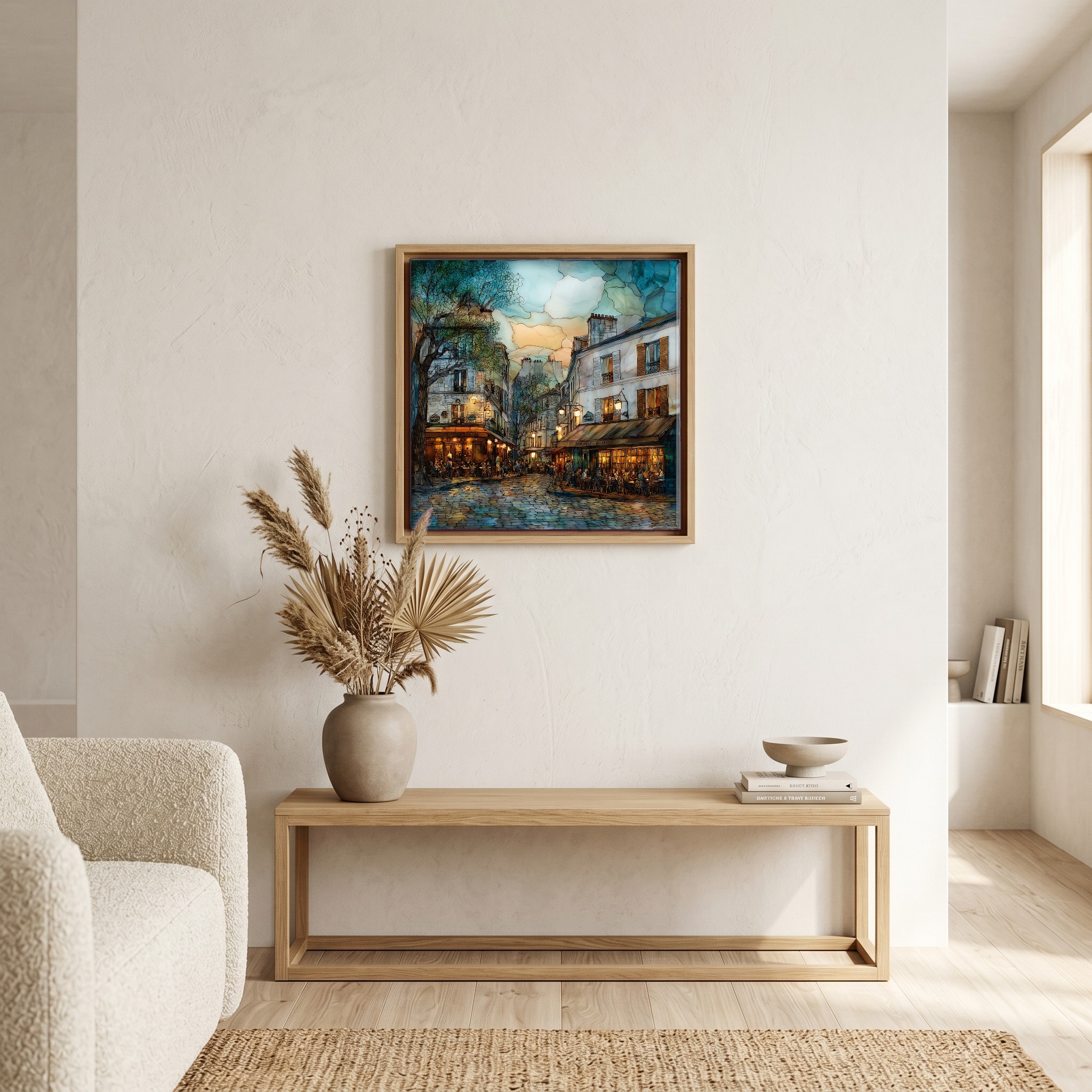
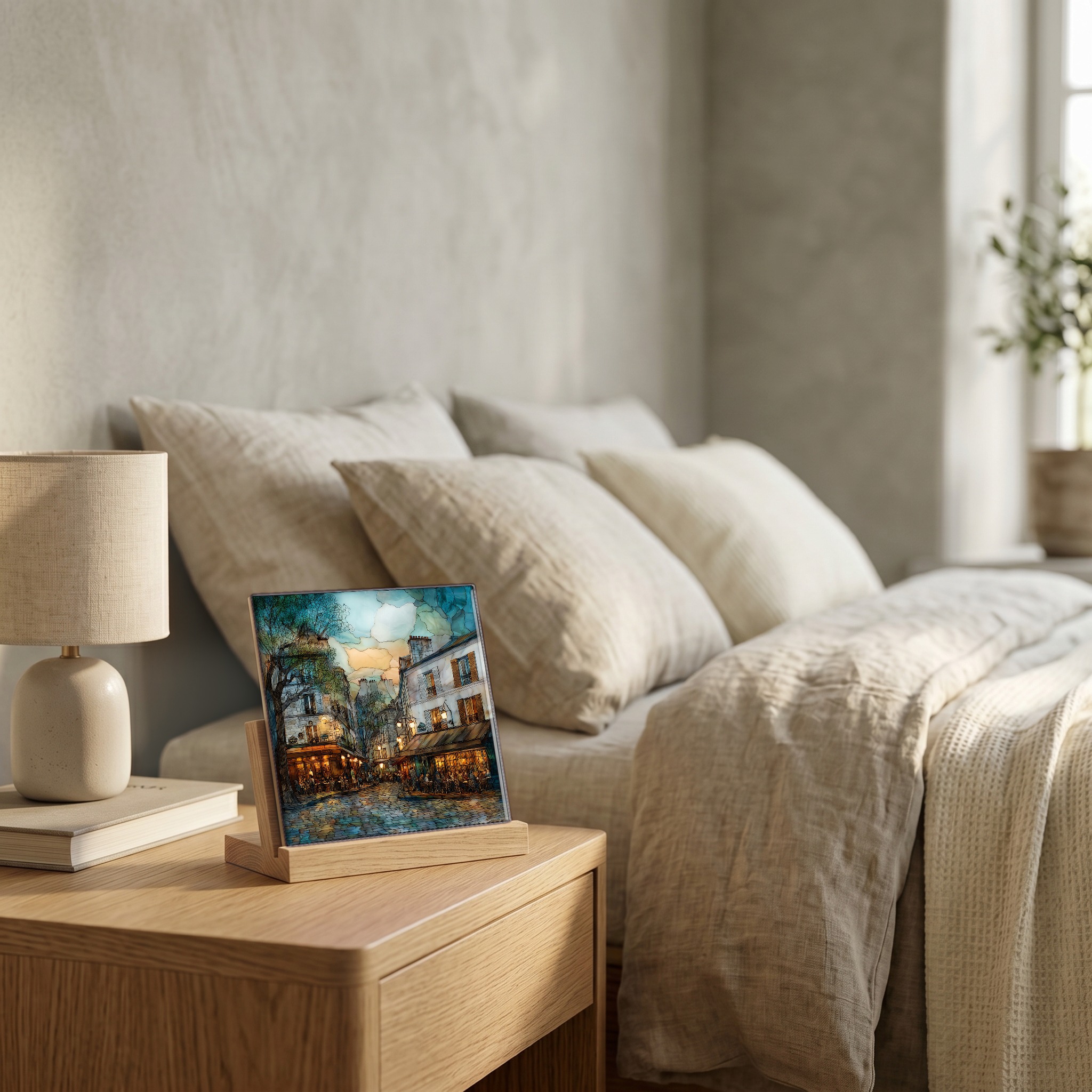
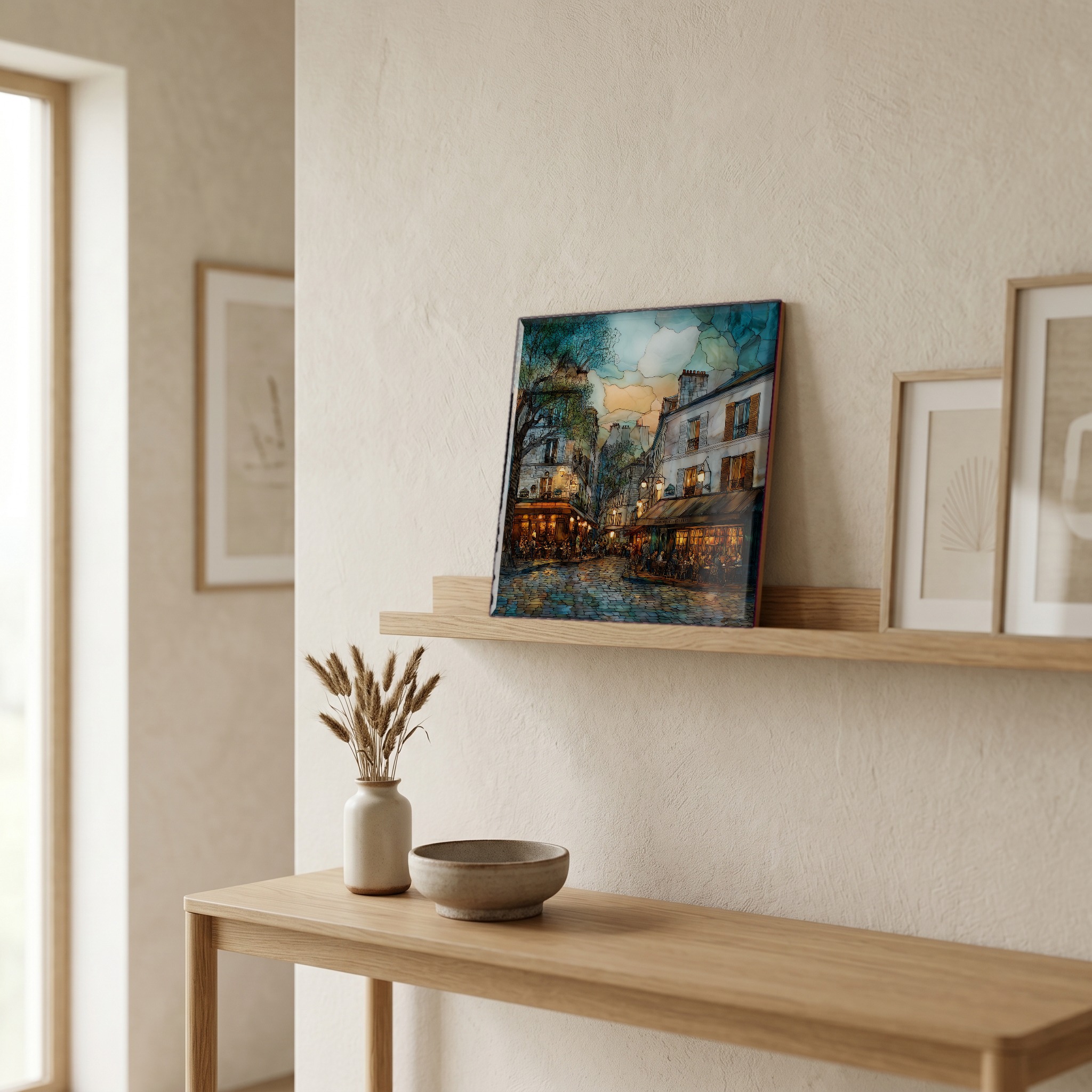
“A small square at the top of Montmartre, the highest hill in Paris. Painters set up their easels here in the morning. About 140 of them are officially licensed to work the square. By eleven the cobblestones are full of canvases and the cafés on the edges fill up. La Mère Catherine has been on the corner since 1793, two doors from the church of Saint-Pierre, which is older than the Sorbonne. Picasso painted at the Bateau-Lavoir, a few streets down. The light has held.
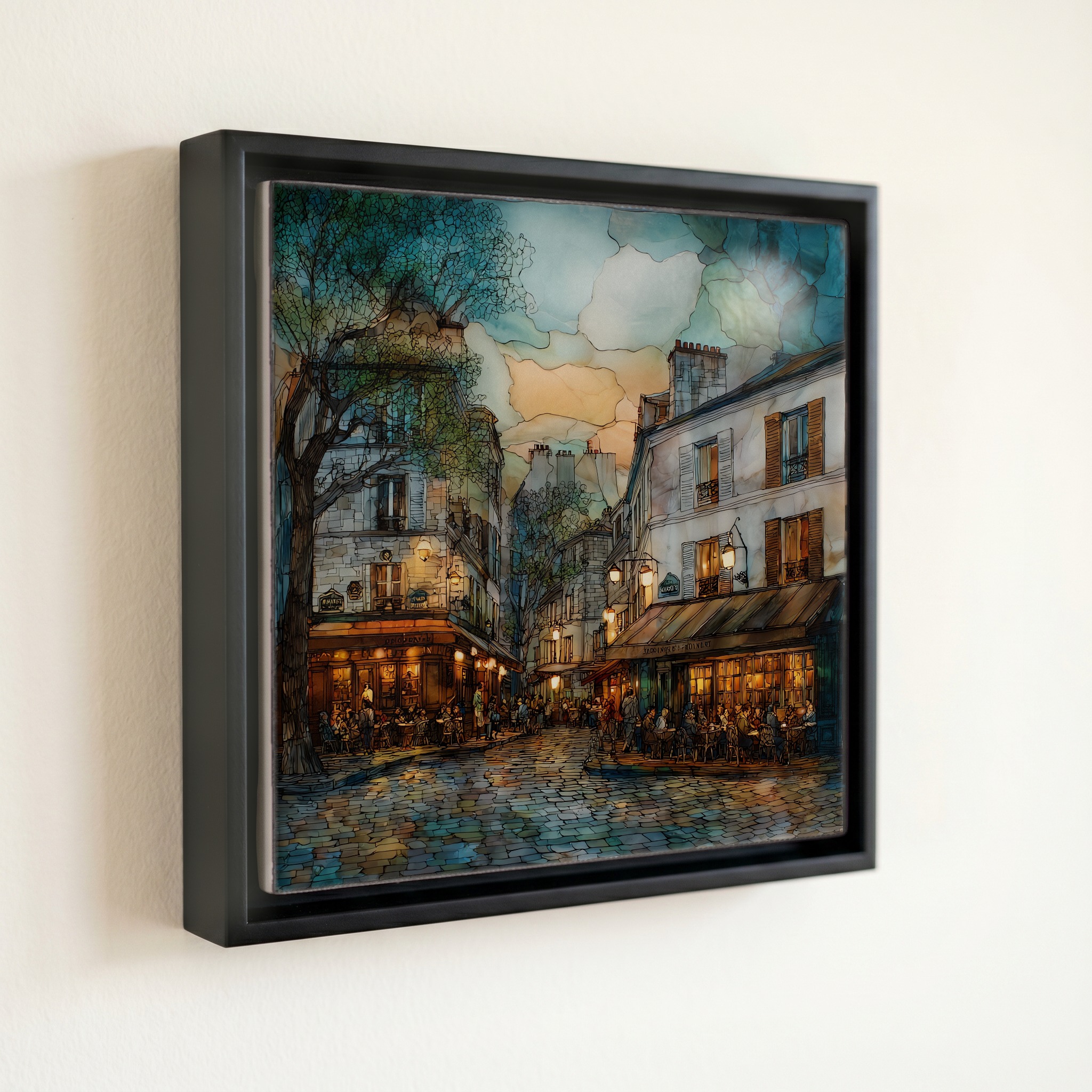
Place du Tertre, on ceramic.
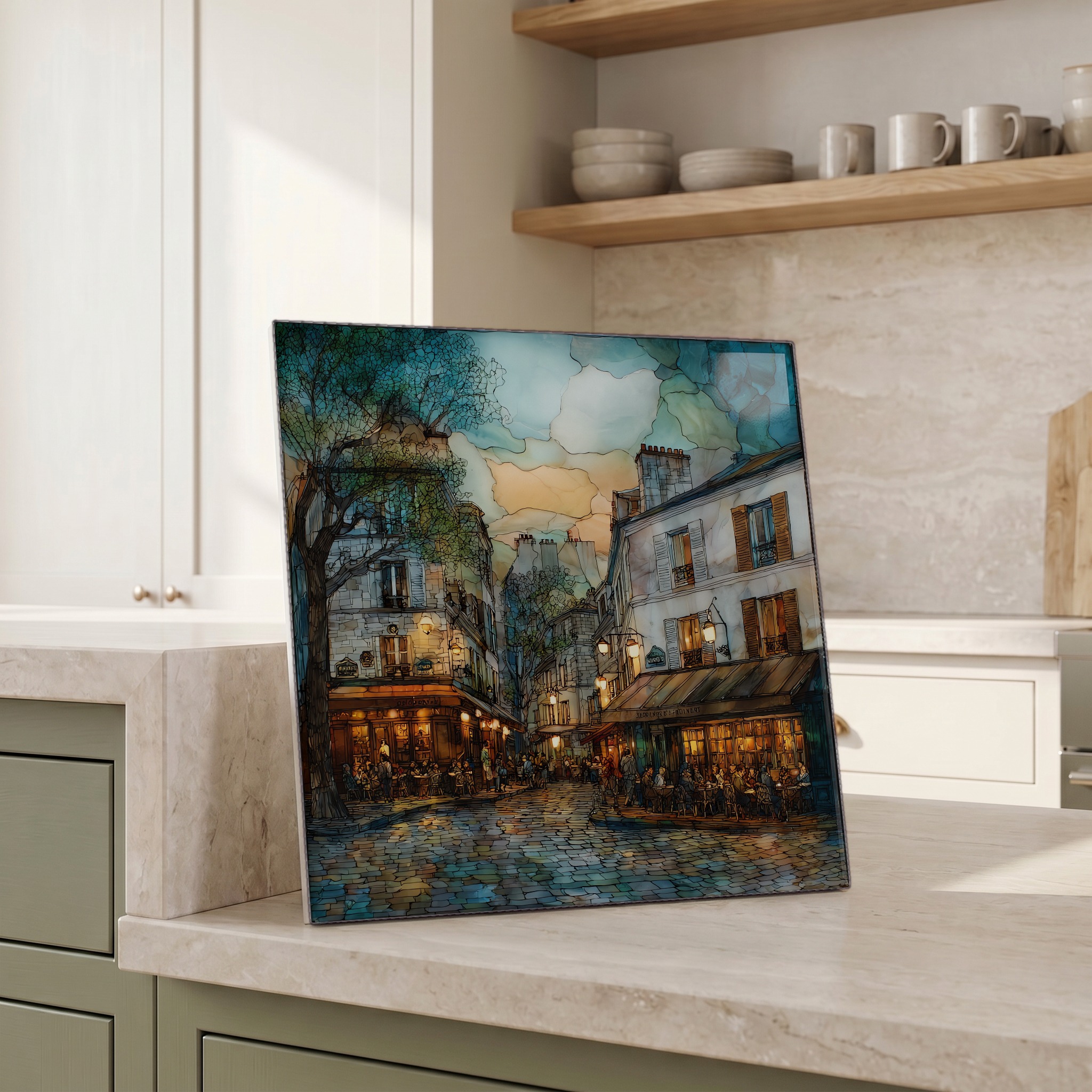
Each tile is finished by hand in our Knoxville studio. Artwork is slowly infused into the ceramic surface under high heat and pressure, and rests beneath a thin glossy finish. The colour lives in the surface, not on top of it.
Pick any four 4-inch tiles — National Parks you've been to, a Smokies set, the four seasons of one place. $ for a set of , cork-backed, ready to live on the table.
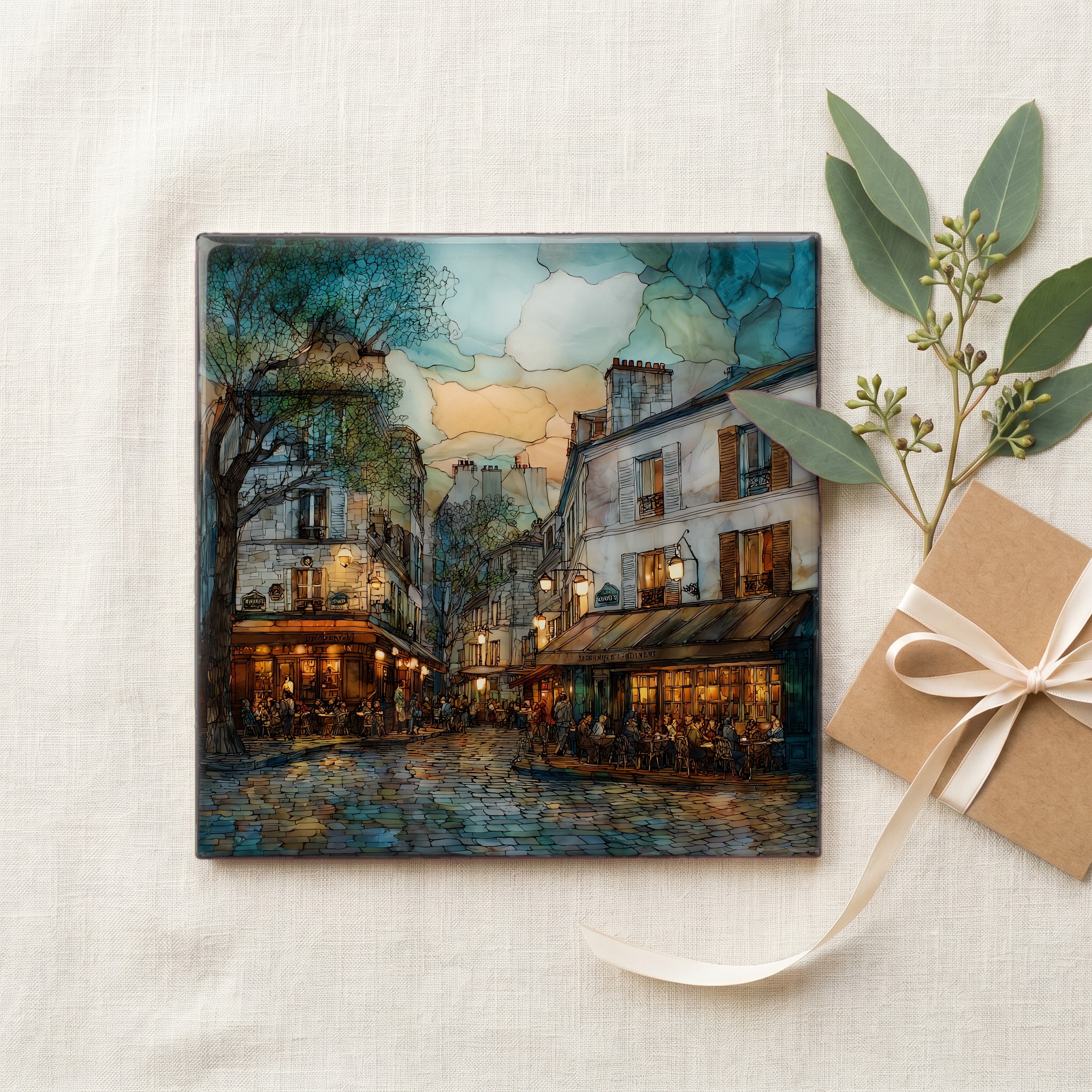
Each tile ships in a kraft box, tied with cream ribbon, with a handwritten note from the studio if you'd like to add one.
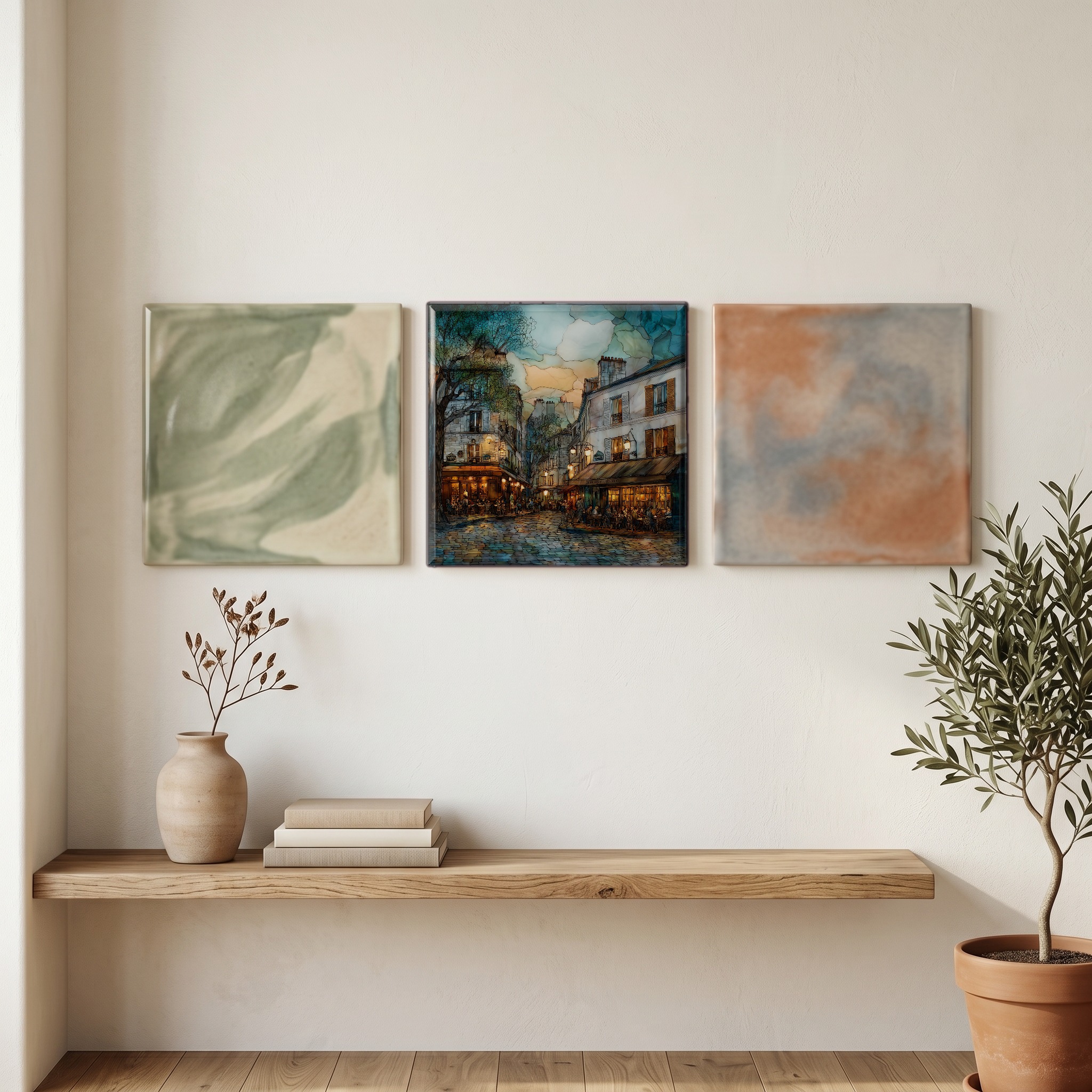
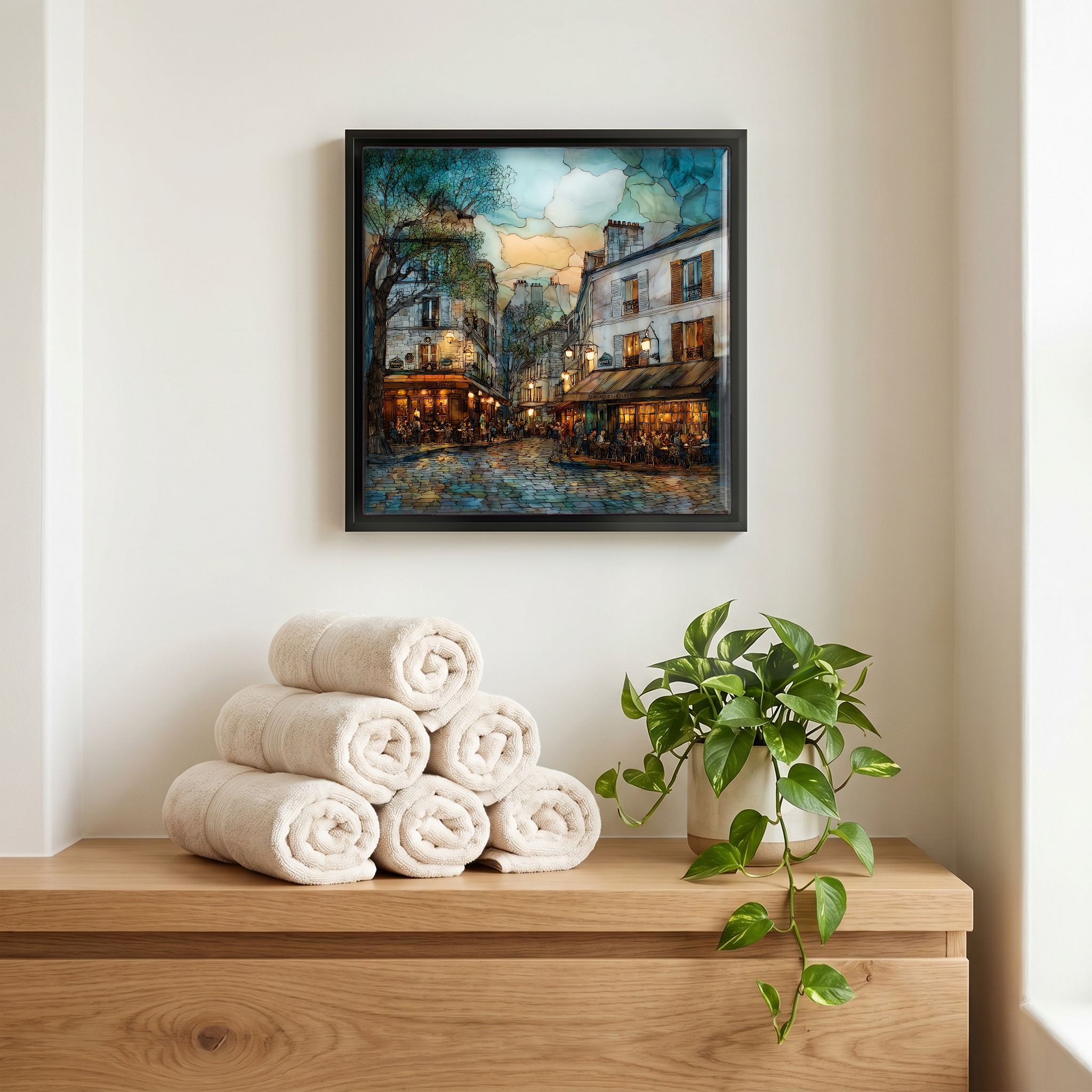
Three or five different vistas, hung together — a chapter of places you've been, or want to go.
The place, in three passes.
Place du Tertre sits at the top of Montmartre, the highest hill in Paris at about 130 metres, in the 18th arrondissement. The square dates to 1635 and takes its name from tertre, the old French word for a small hill or knoll. It is bordered on one side by Saint-Pierre de Montmartre, consecrated in 1147 and one of the four oldest churches in the city. Sacré-Cœur Basilica stands about a hundred metres east, at the very crown of the butte. The Montmartre funicular runs up the south flank from near Anvers Métro; most visitors walk the steps.
The square's oldest neighbour is the church of Saint-Pierre de Montmartre, consecrated in 1147 by Pope Eugene III. Its earliest stones go back to about 1133, making it one of the four surviving twelfth-century churches in Paris, and it holds four marble columns reused from a Roman temple to Mars that once stood on the hill. La Mère Catherine has worked the eastern corner of the square since 1793. The restaurant's house story has it that, when Russian Cossacks occupied Paris in 1814, their cry of bystro, the Russian word for quickly, gave the world the word bistro.
About 140 painters and caricaturists hold the official permits to work the square, awarded by the Mairie of the 18th arrondissement and rotated among a much larger waiting list. Each licensed artist holds a one-square-metre patch and works two days a week, alternating with a partner who holds the other five. The square fills between ten and noon, thins after lunch, and quietens by sunset. La Mère Catherine and Le Consulat keep their tables at the edges all day. Agree the price for any portrait before the chair is offered.