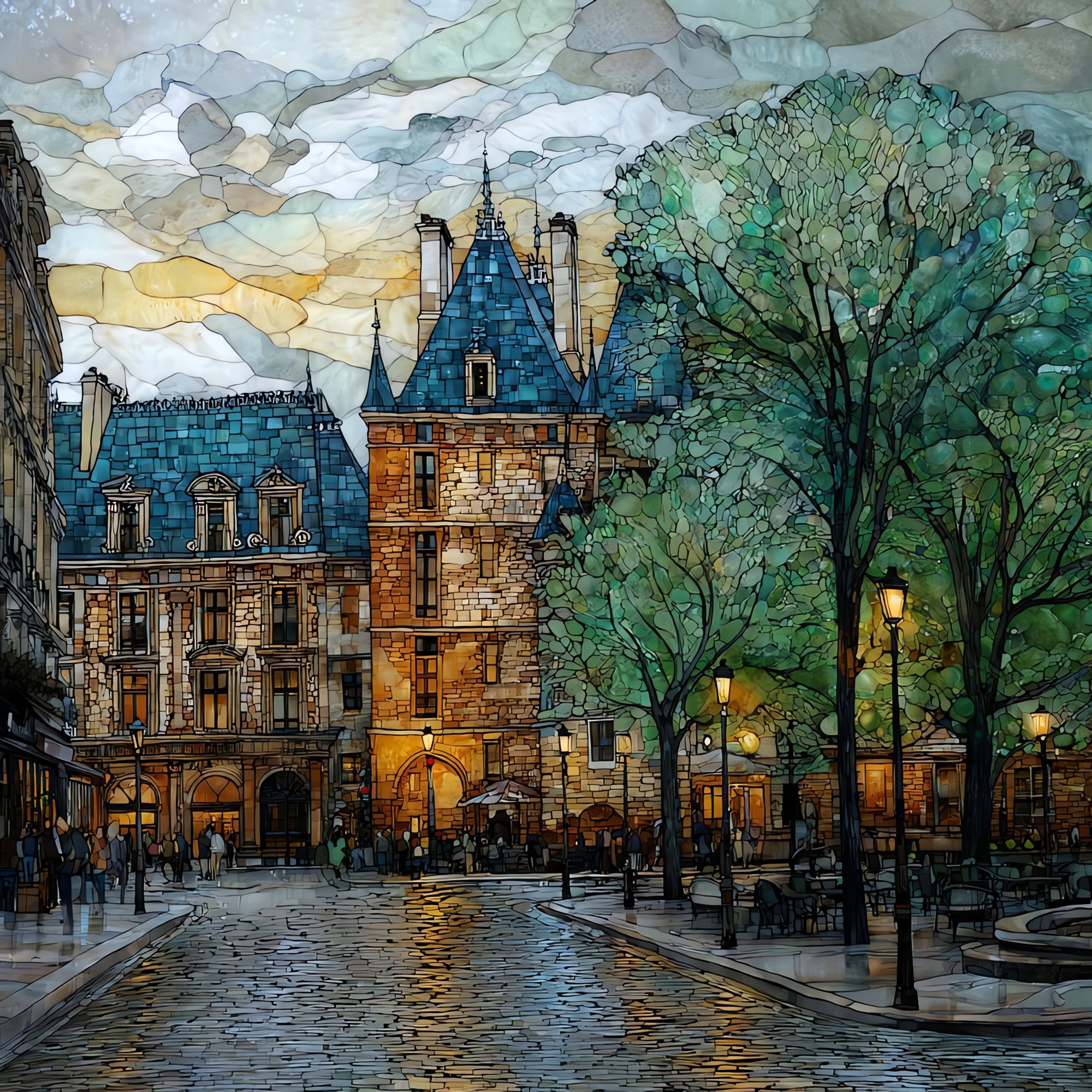
Place des Vosges
— — red brick the afternoon settles into.
Not only on a wall.
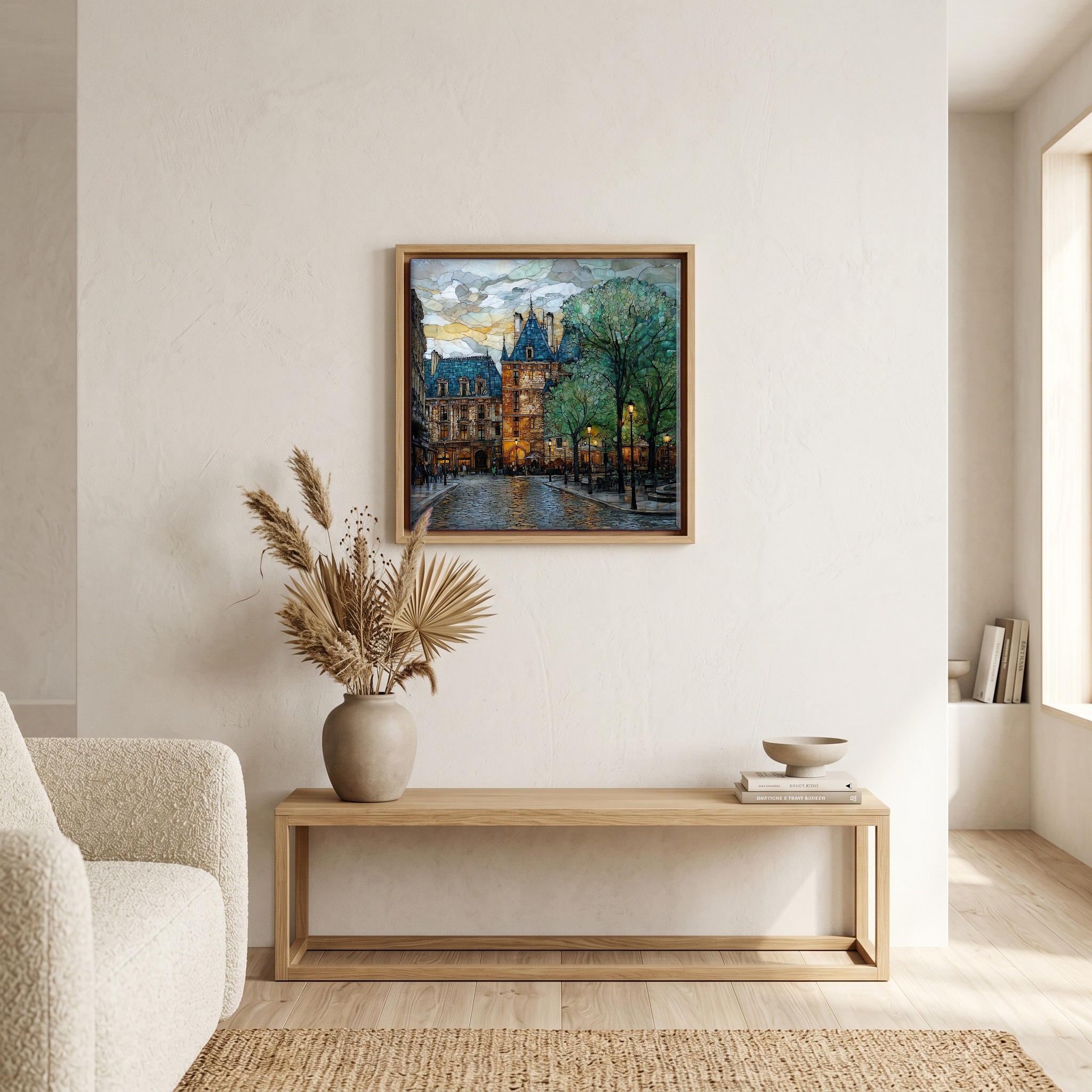
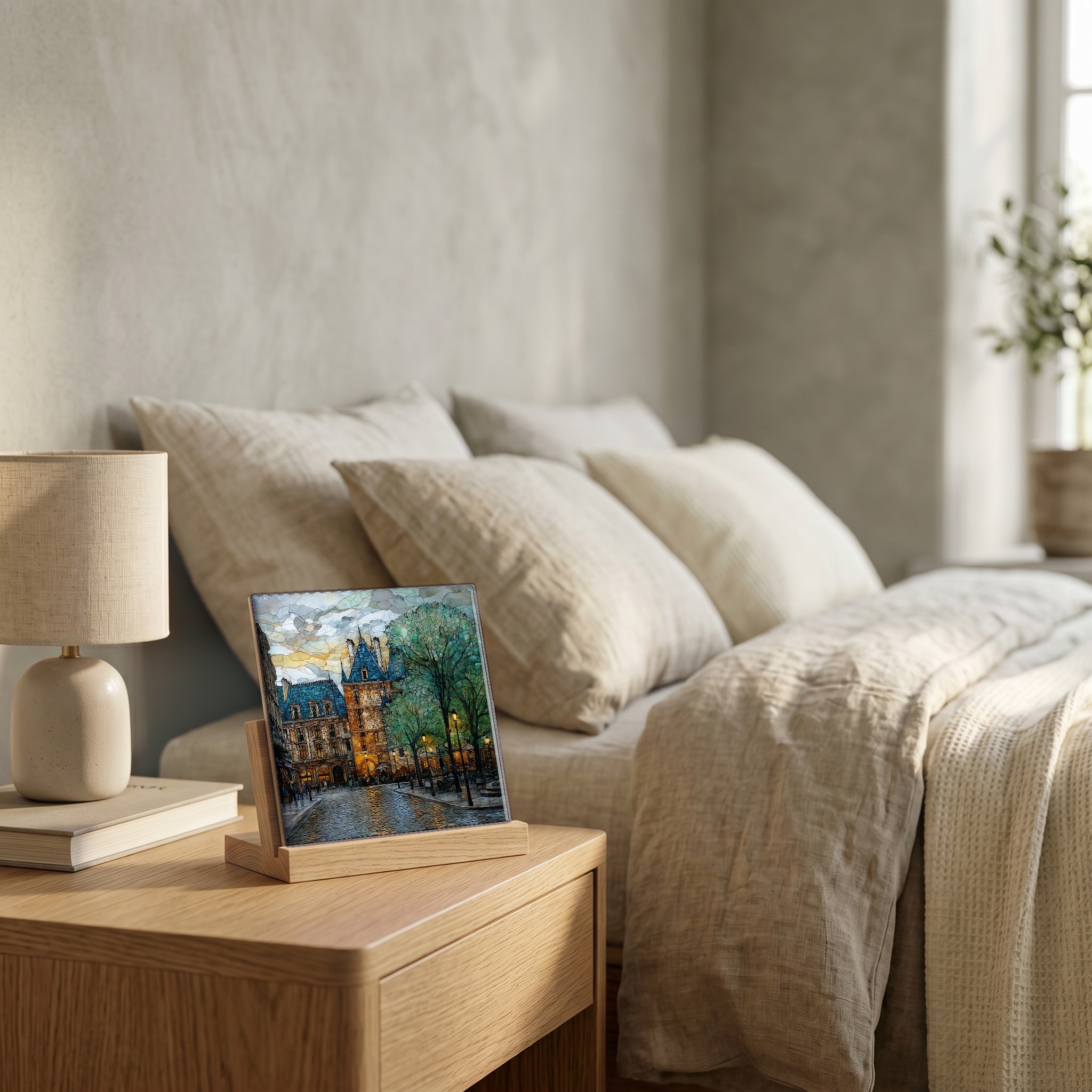
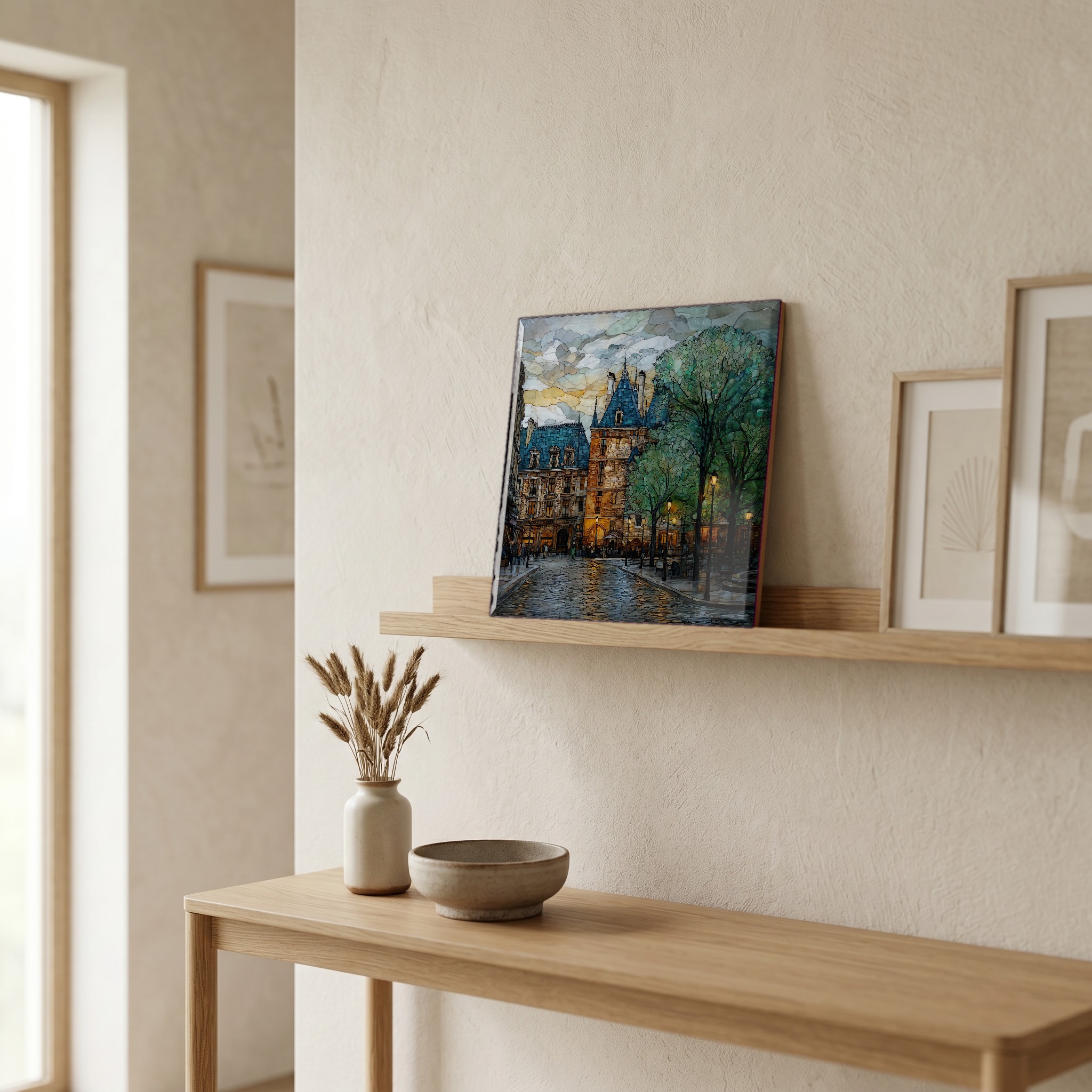
“The oldest planned square in Paris, begun by Henry IV in 1605 and inaugurated in 1612. Thirty-six identical pavilions of red brick and white stone, steep blue slate roofs, an arcade running the whole way around. Victor Hugo lived at number six for sixteen years. Locals still walk the gravel paths between the four fountains as if the square were a private room. The Marais kept it. The Revolution left it standing. Four hundred years on, the lindens have grown tall.
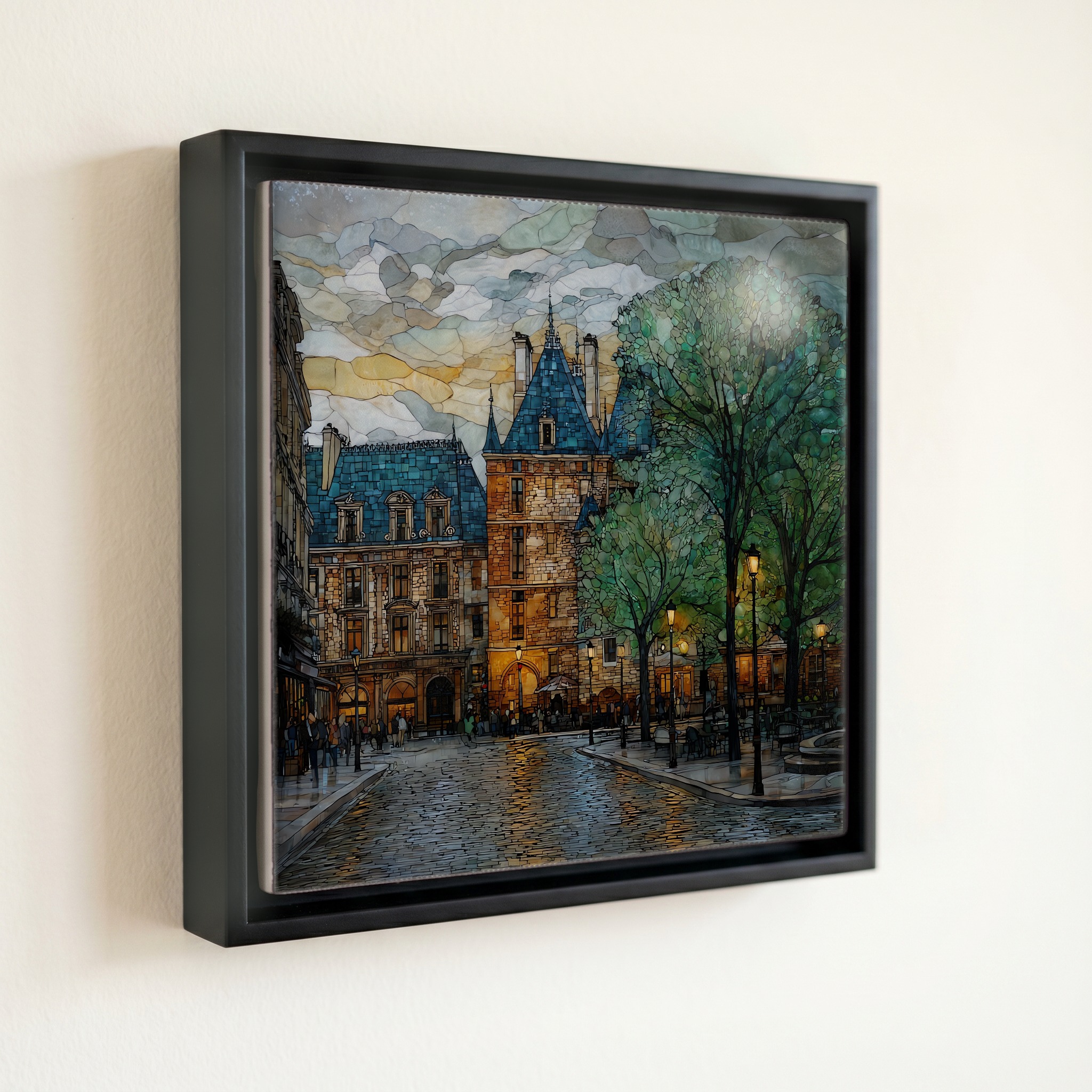
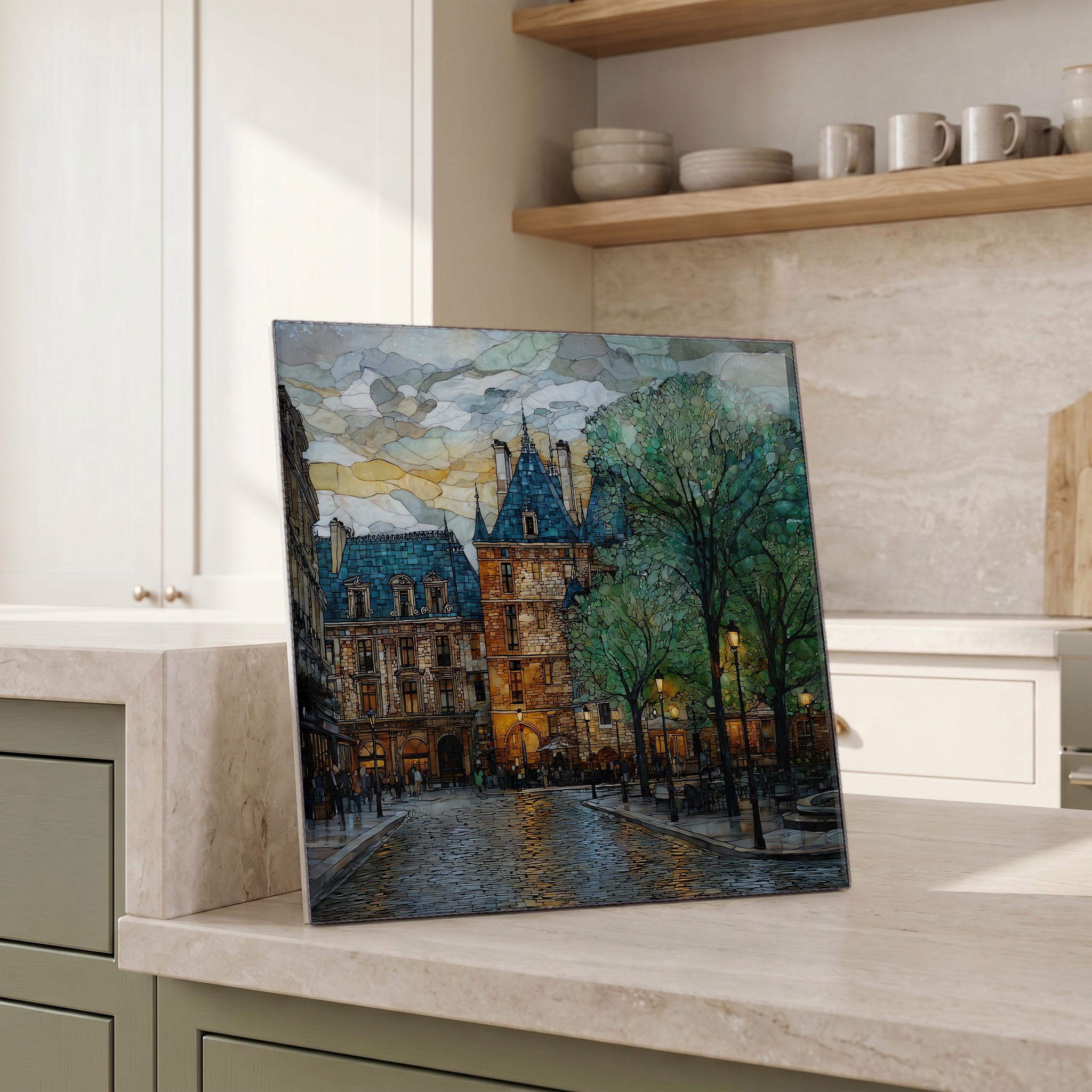
Place des Vosges, on ceramic.
Each tile is finished by hand in our Knoxville studio. Artwork is slowly infused into the ceramic surface under high heat and pressure, and rests beneath a thin glossy finish. The colour lives in the surface, not on top of it.
Pick any four 4-inch tiles — National Parks you've been to, a Smokies set, the four seasons of one place. $ for a set of , cork-backed, ready to live on the table.
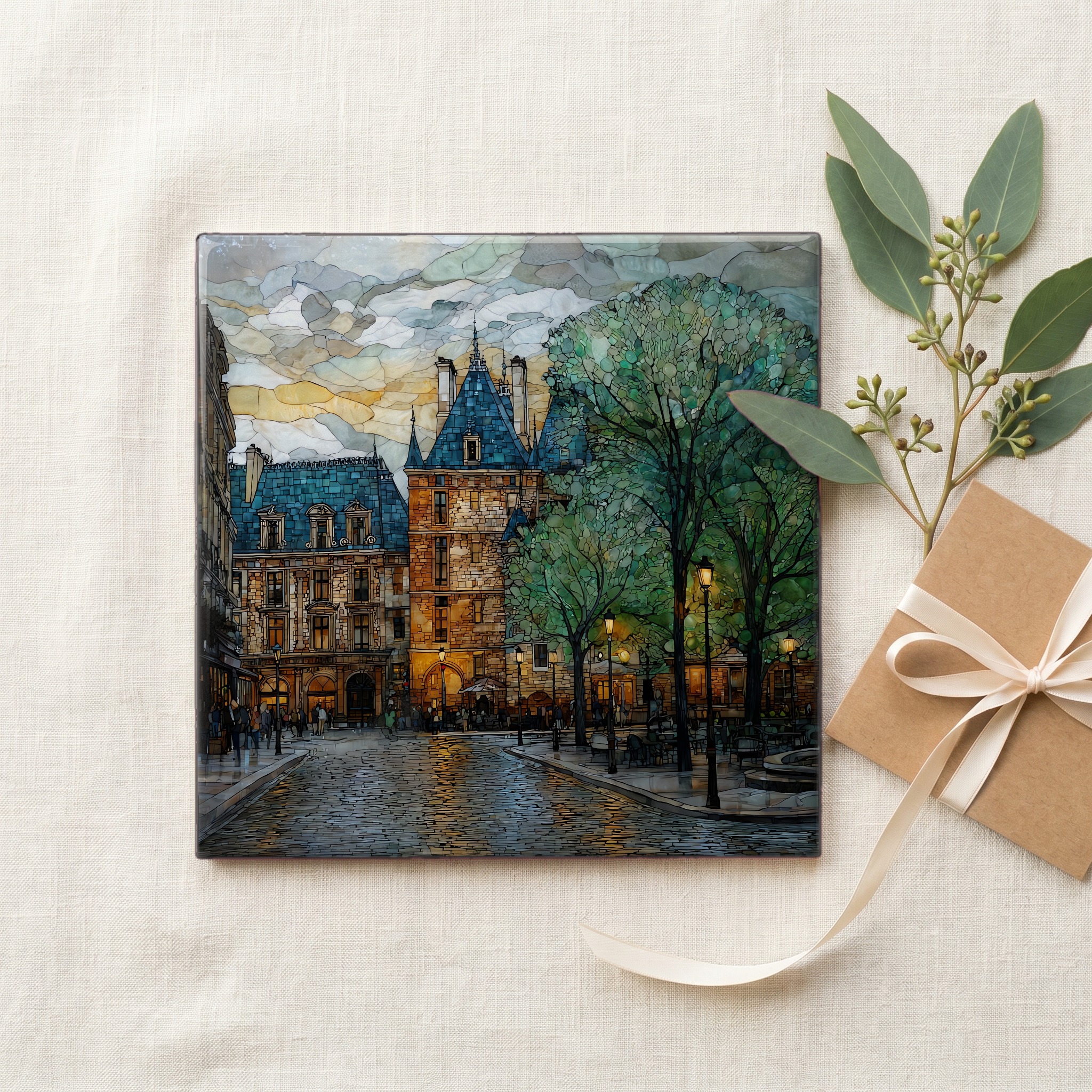
Each tile ships in a kraft box, tied with cream ribbon, with a handwritten note from the studio if you'd like to add one.
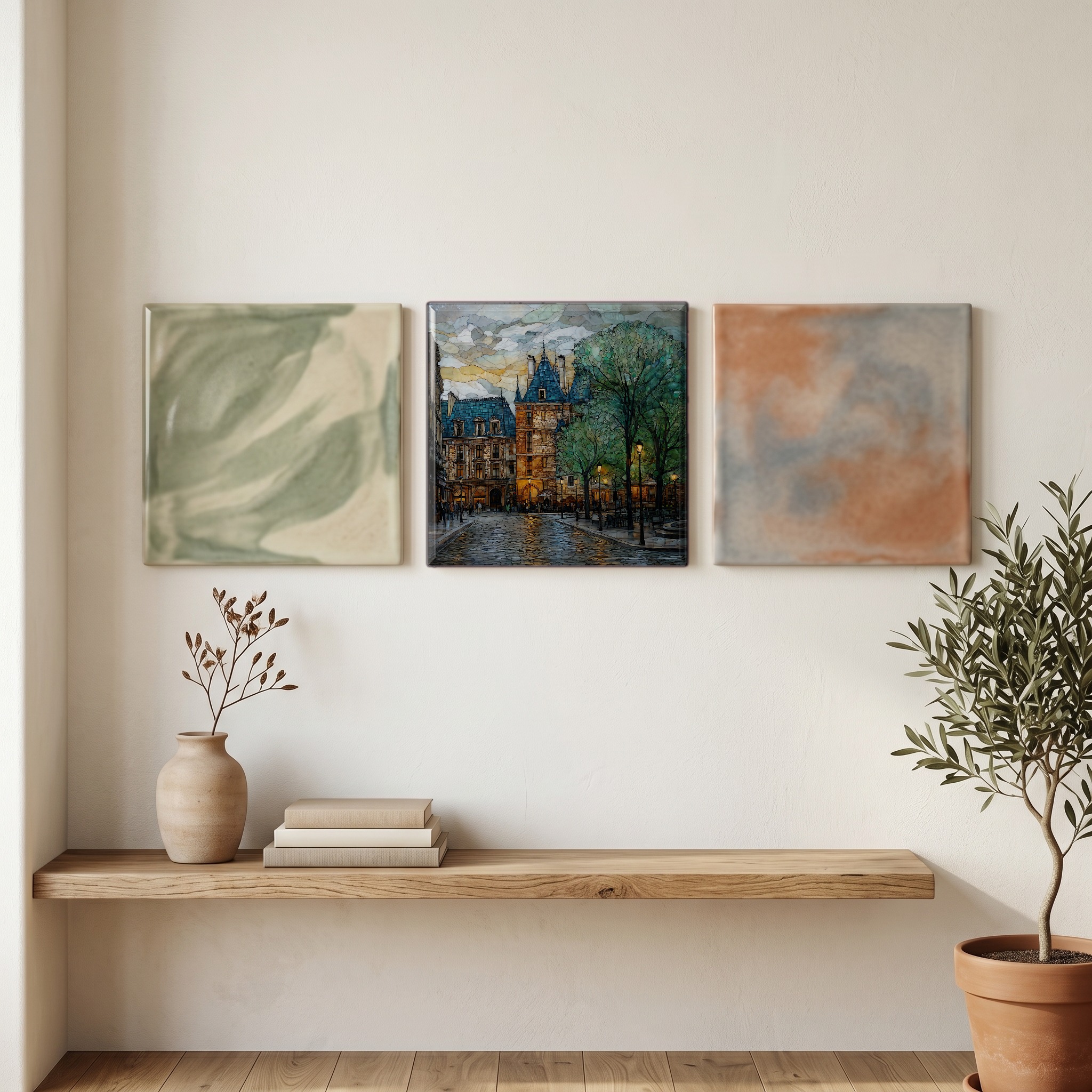
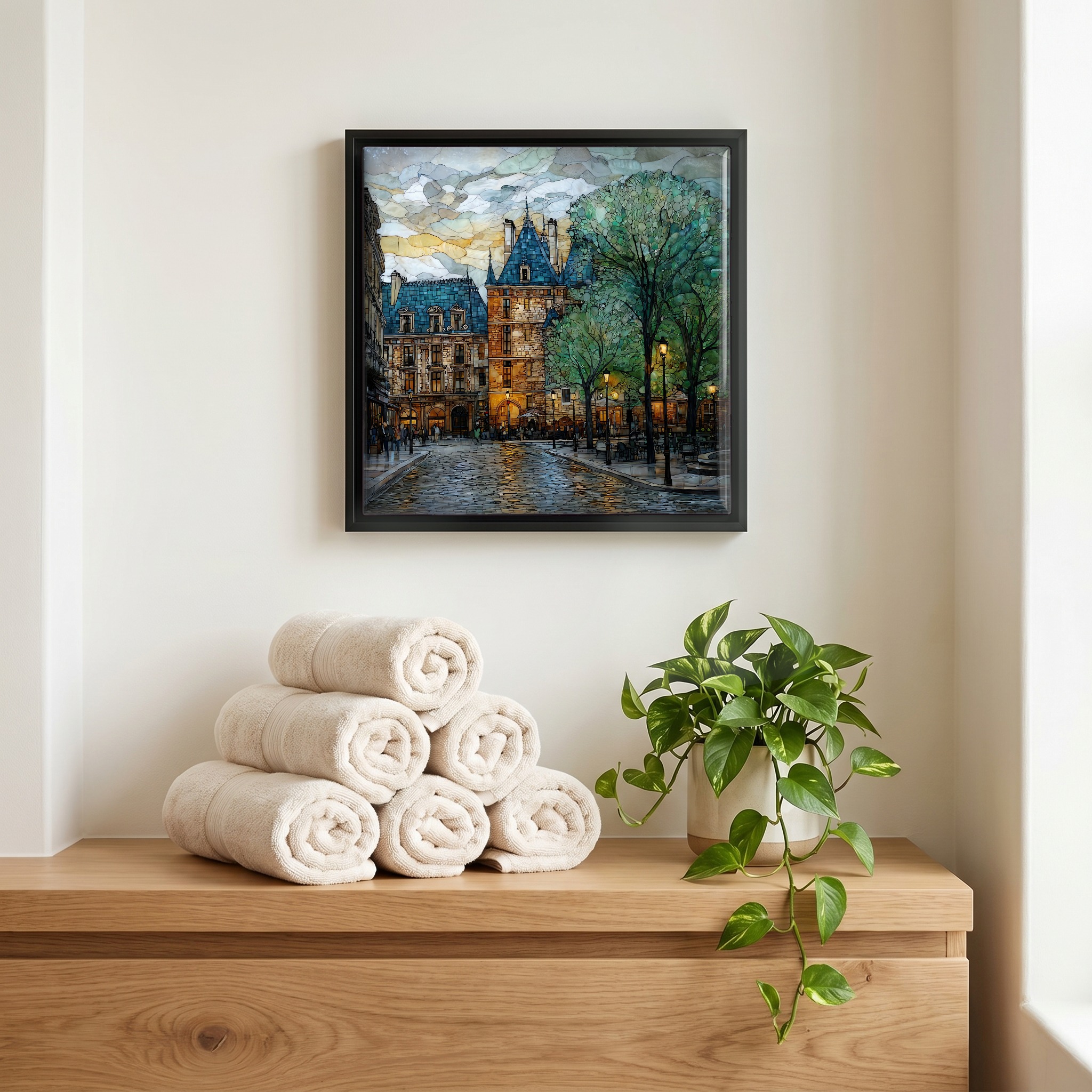
Three or five different vistas, hung together — a chapter of places you've been, or want to go.
The place, in three passes.
Place des Vosges sits in the Marais, straddling the boundary between Paris's 3rd and 4th arrondissements, a few minutes' walk north of the Bastille and the Seine. Commissioned by Henry IV in 1605 and inaugurated in 1612, it is the oldest planned square in Paris and the model that every later royal square in Europe, from Covent Garden to Madrid's Plaza Mayor, was measured against. The plan is a true 140-metre square: thirty-six identical pavilions of red brick with white limestone quoins, slate roofs, and a continuous ground-floor arcade. A central garden, the Square Louis XIII, holds four fountains and replanted lindens.
The square's signature look comes from a strict palette: red brick walls, white limestone quoins at the corners of each pavilion, and steep blue slate roofs from the Anjou quarries. Thirty-six pavilions, nine on each side, each two storeys above a continuous vaulted arcade. The Pavillon du Roi anchors the south face and the Pavillon de la Reine the north, both rising a half-storey higher than the rest to mark the royal axis. The dormers are uniform, the chimneys are uniform, the height of the arcade keystones is uniform. Henry IV's surveyor enforced a rule that no later king has lifted. Victor Hugo's apartment, on the second floor at number six, is now a free municipal museum.
The square itself is free and open at all hours; the central garden has fixed gates that close at dusk and open at first light. The arcades shelter cafés, galleries, and several small bookshops, most open six days a week. The Maison de Victor Hugo at number six, the apartment Hugo kept from 1832 to 1848, is free to enter and closed Mondays. The Pavillon de la Reine on the north side has been a small luxury hotel since the 1980s. The nearest Métro stops are Saint-Paul on Line 1, three minutes west, and Bastille on Lines 1, 5, and 8, four minutes south.