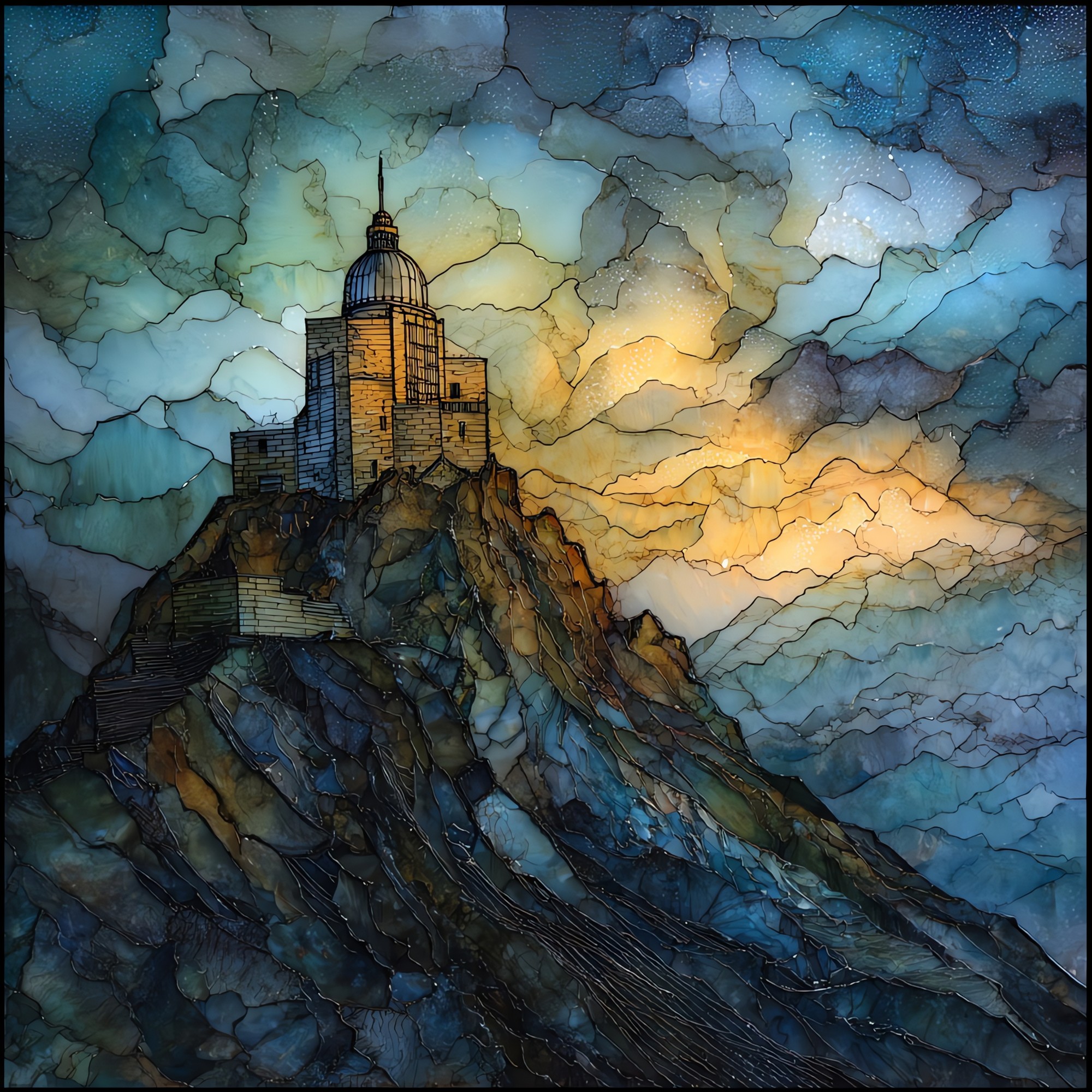
Pic du Midi de Bigorre
— — the night sky from above the weather.
Not only on a wall.
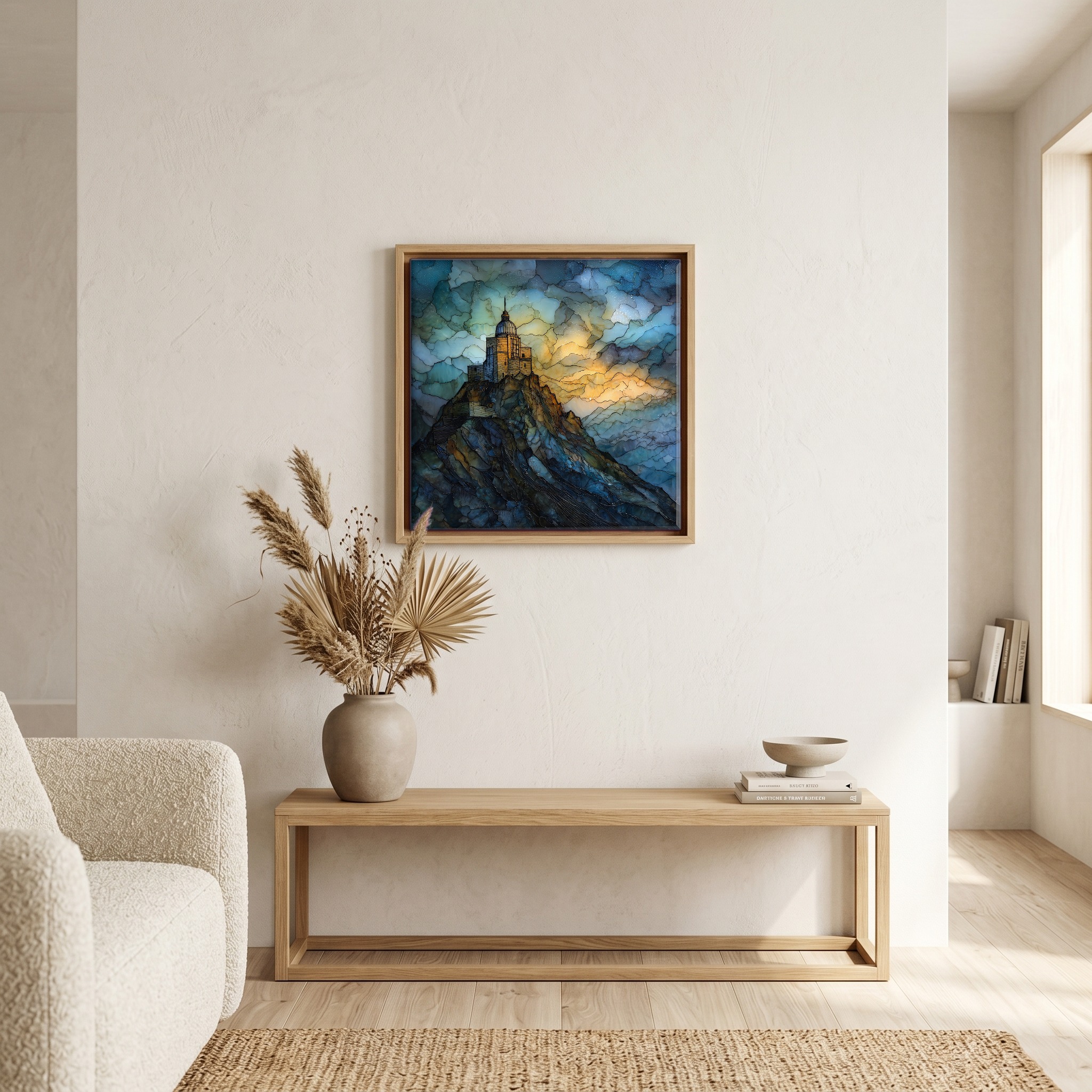
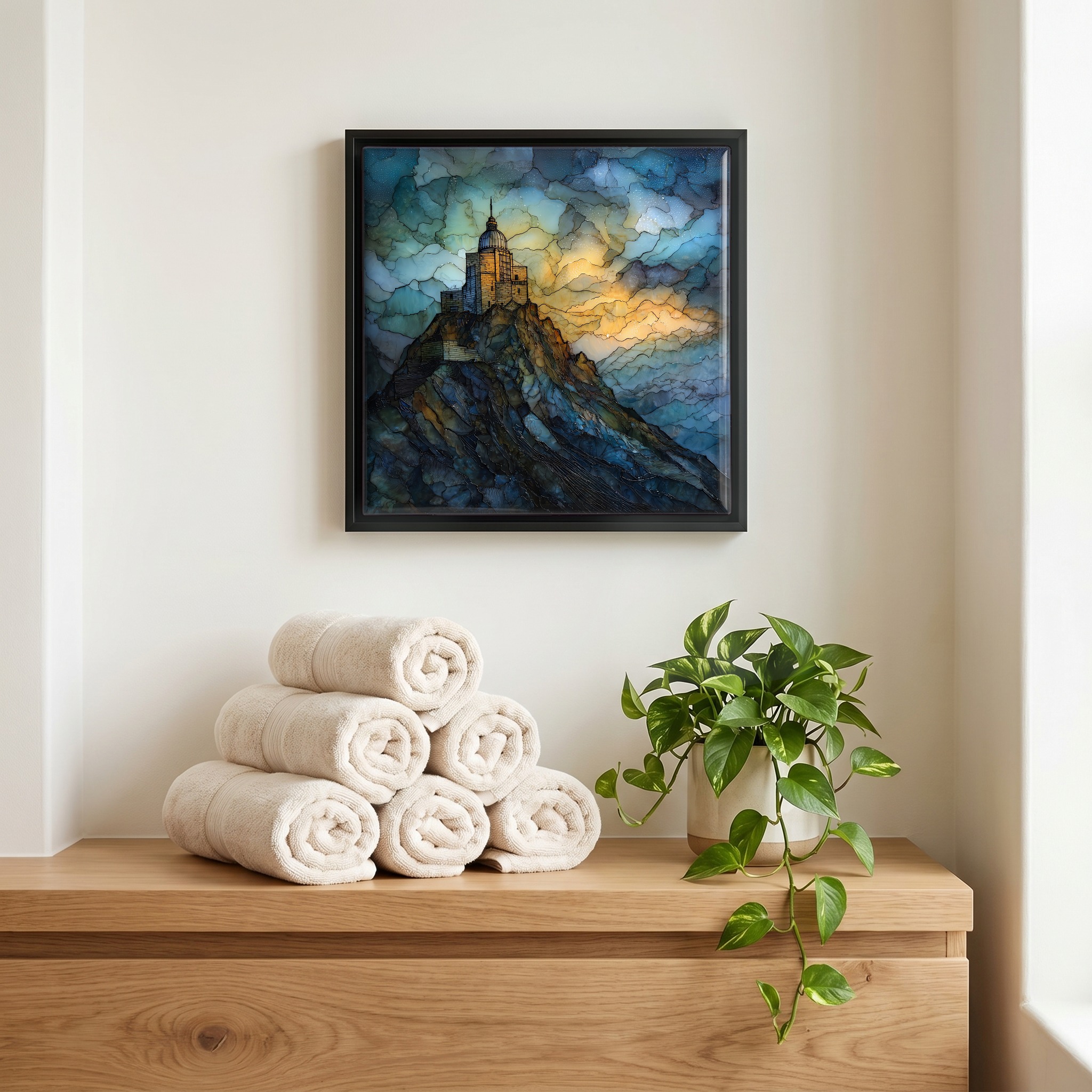
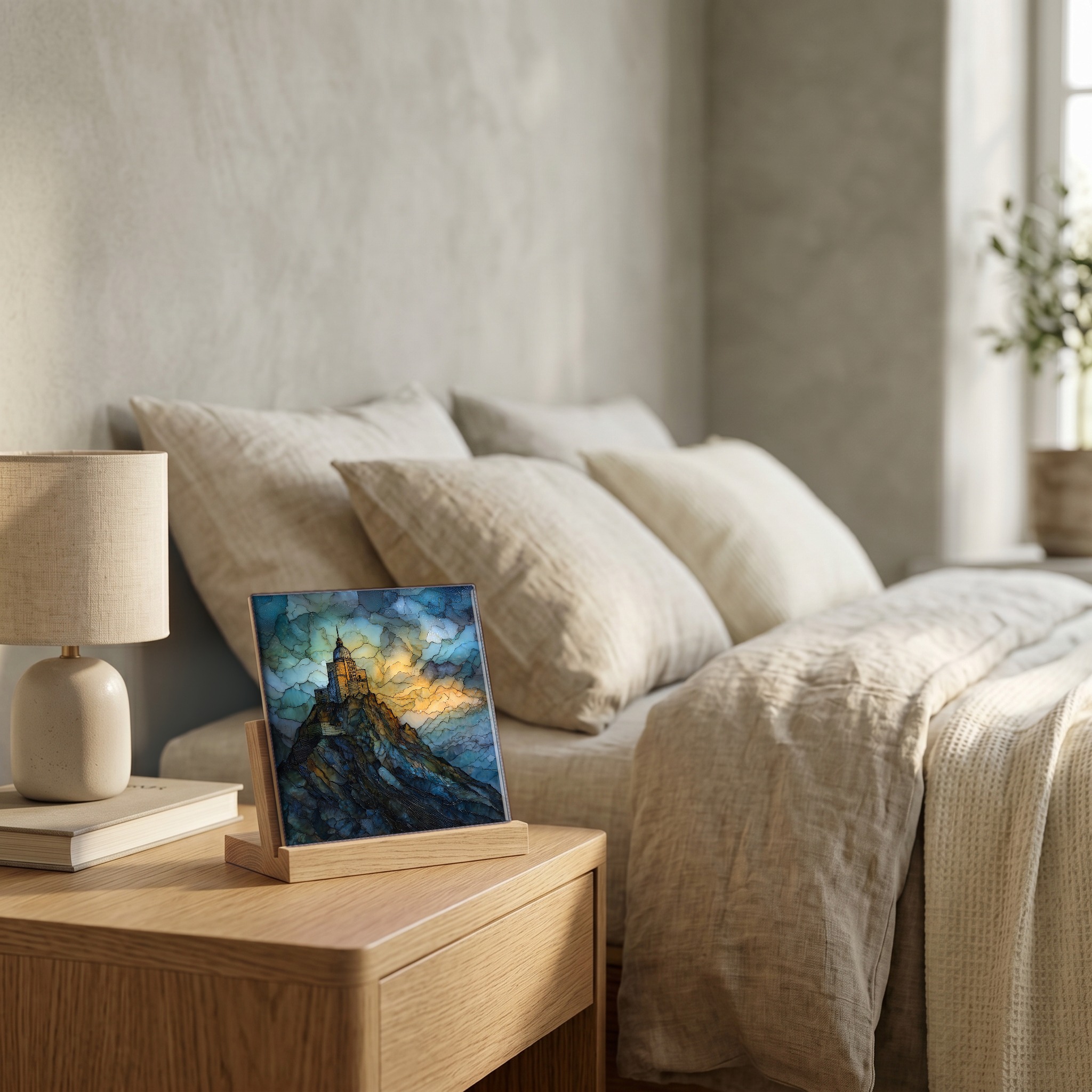
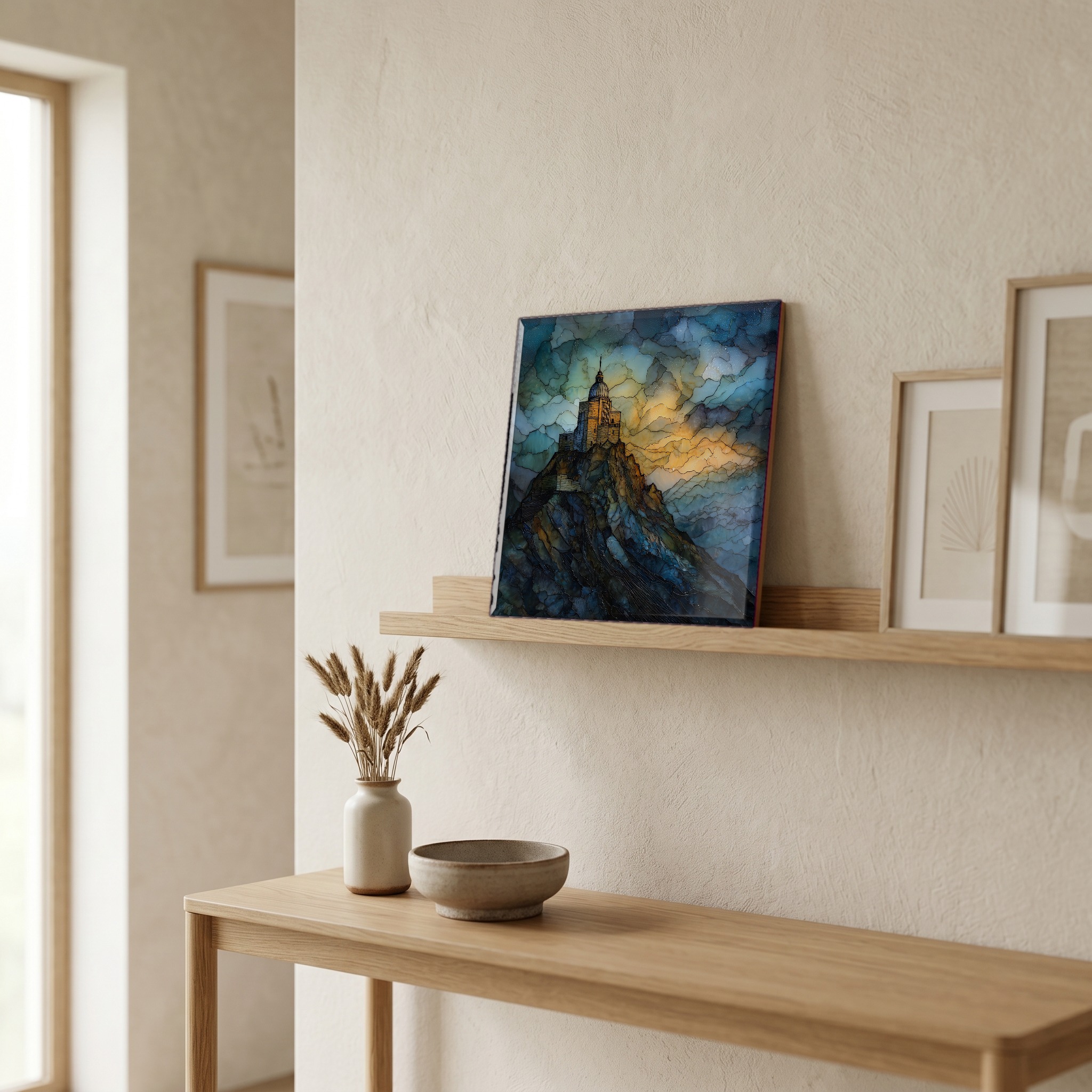
“The summit sits at 2,877 metres above the Pyrenees. An observatory at the top once mapped the moon for the Apollo missions and still tracks the sky most clear nights. A cable car climbs from La Mongie. The view, when the air is clear, runs the whole French side of the range. The mountains around the peak form one of the largest dark-sky reserves in Europe. Some take the last car up and stay overnight to see it.
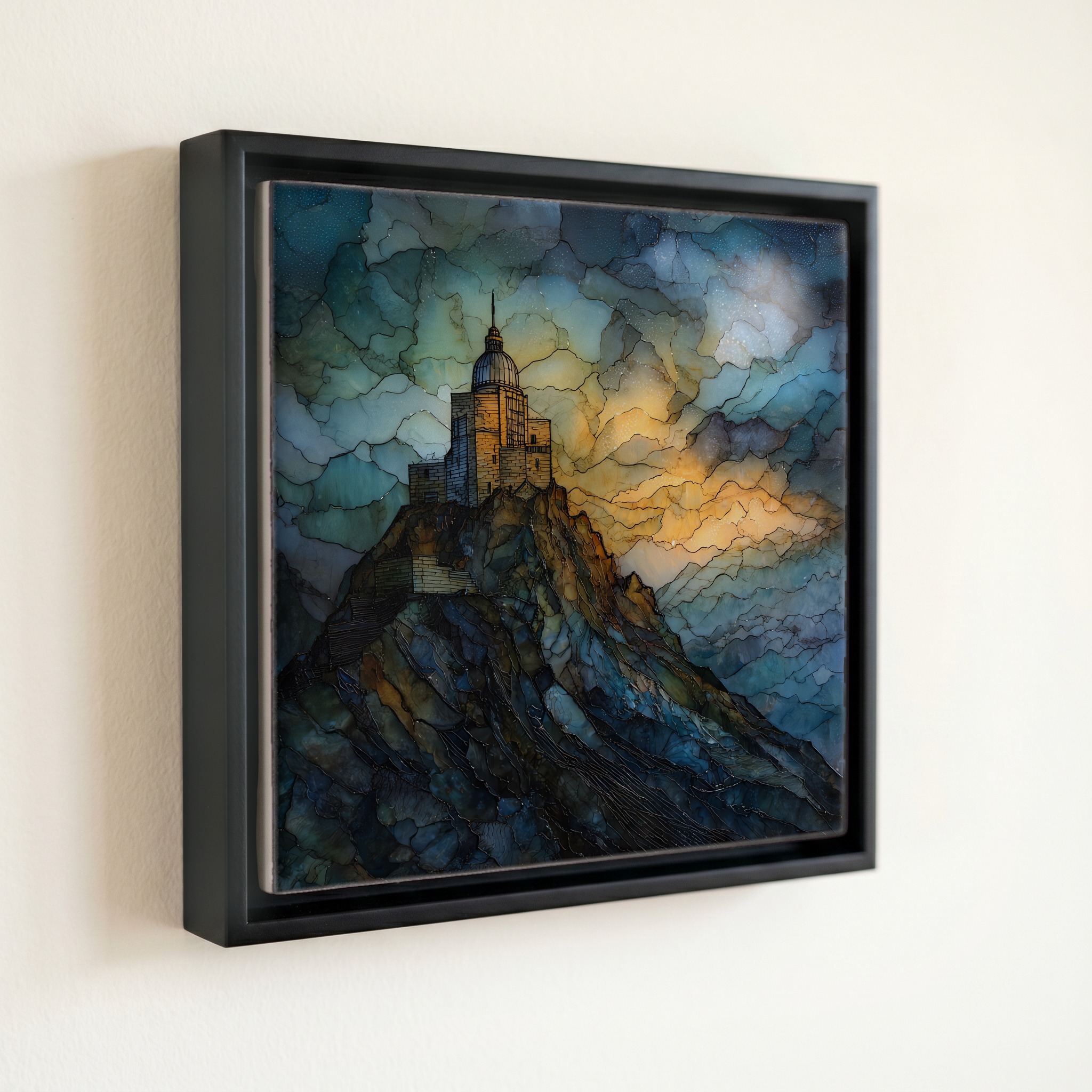
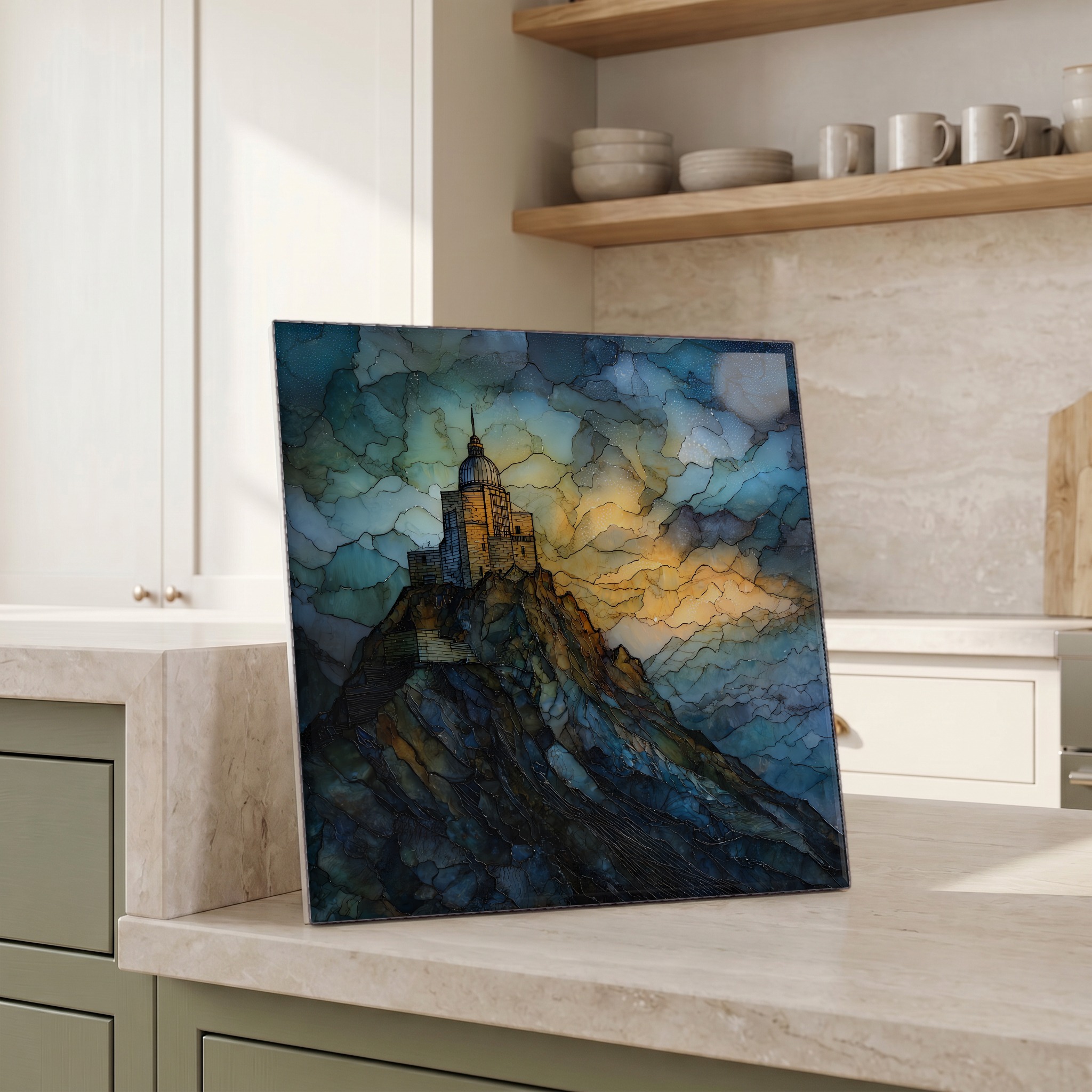
Pic du Midi de Bigorre, on ceramic.
Each tile is finished by hand in our Knoxville studio. Artwork is slowly infused into the ceramic surface under high heat and pressure, and rests beneath a thin glossy finish. The colour lives in the surface, not on top of it.
Pick any four 4-inch tiles — National Parks you've been to, a Smokies set, the four seasons of one place. $ for a set of , cork-backed, ready to live on the table.
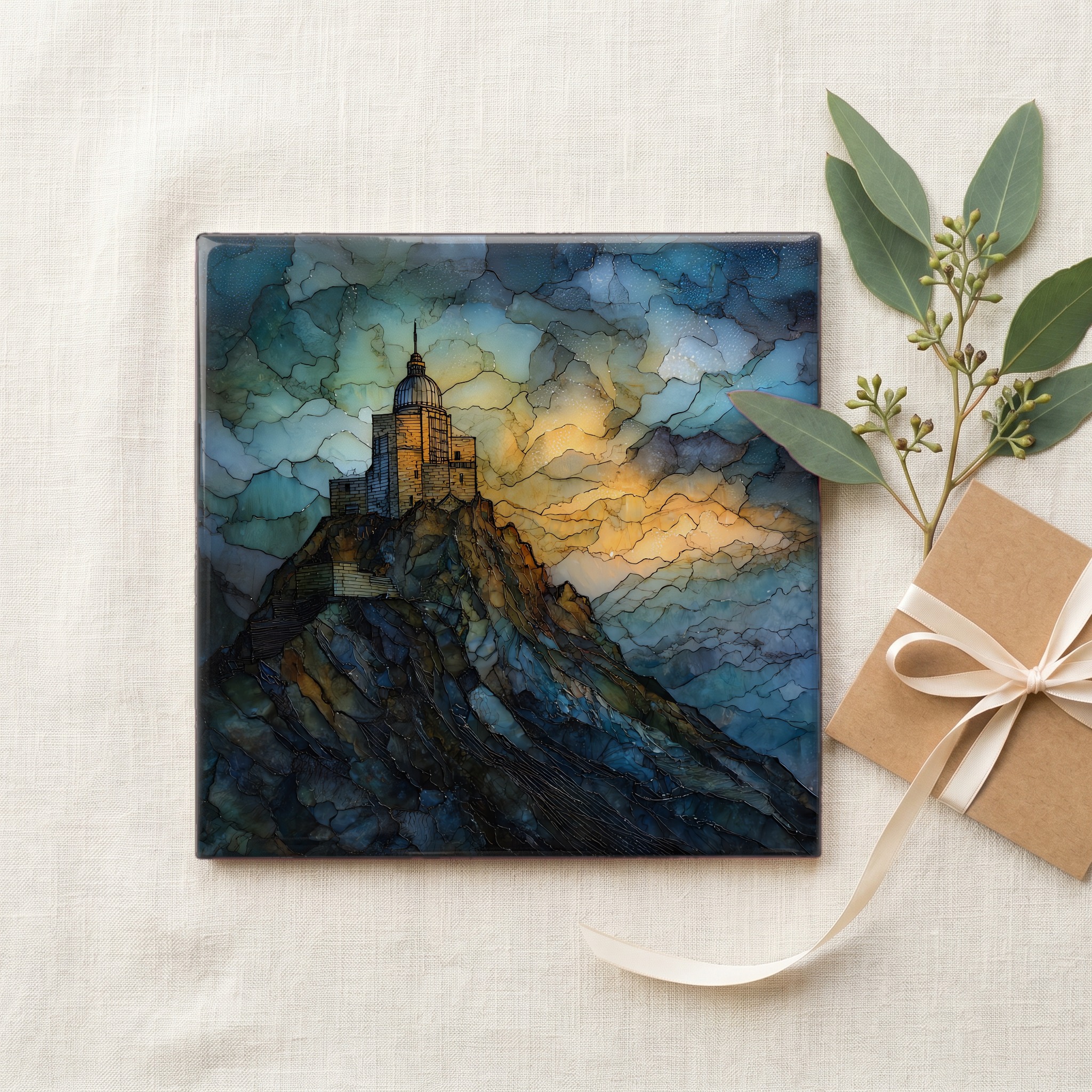
Each tile ships in a kraft box, tied with cream ribbon, with a handwritten note from the studio if you'd like to add one.
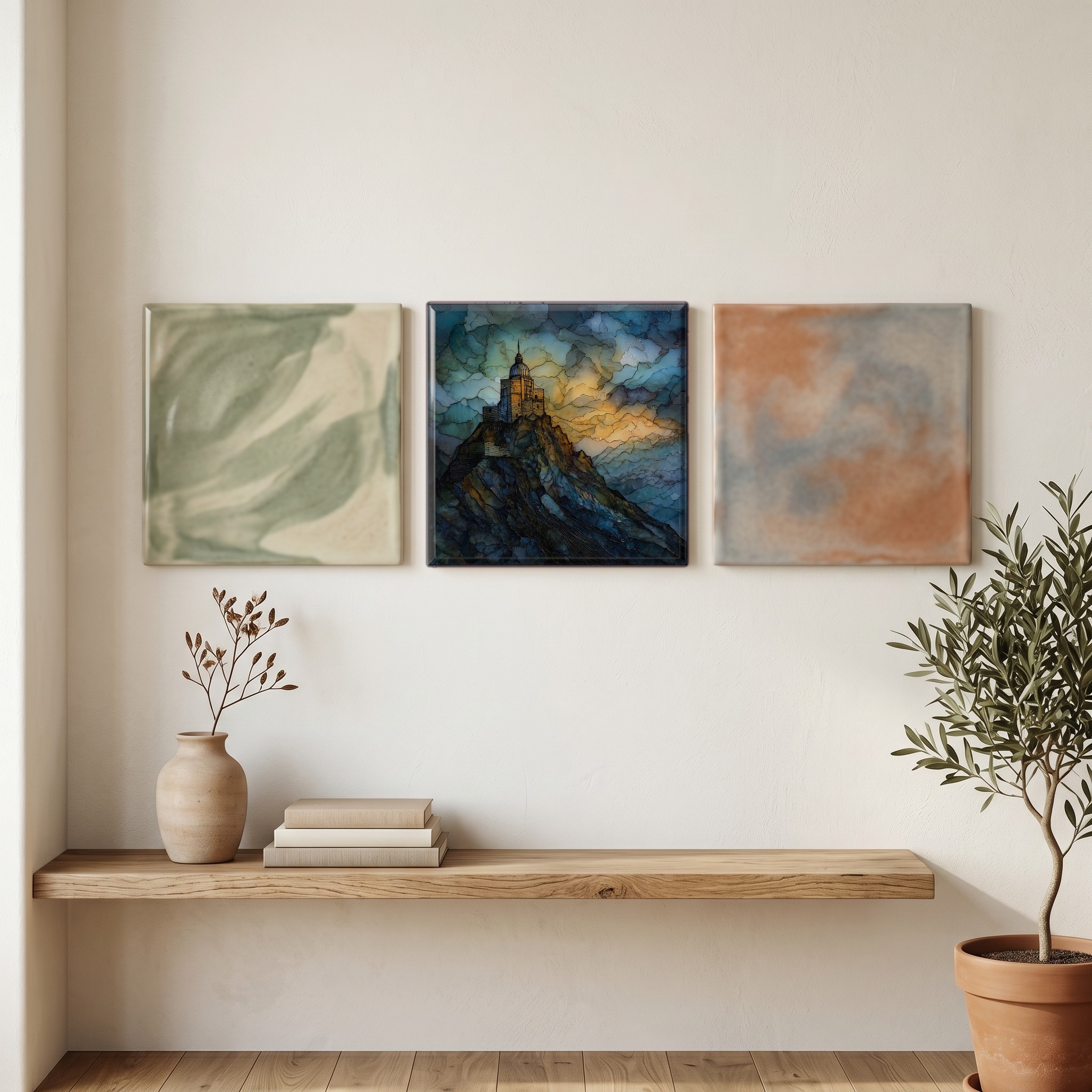
Three or five different vistas, hung together — a chapter of places you've been, or want to go.
The place, in three passes.
Pic du Midi de Bigorre rises 2,877 metres in the Hautes-Pyrénées department of southern France, near the border with Spain. It stands above the village of La Mongie and the Col du Tourmalet, one of the Tour de France's most contested climbs. The mountain is part of the central Pyrenees and offers a near-uninterrupted view of the range from west to east, over 300 kilometres on the clearest days. The summit holds the Pic du Midi Observatory, established in the late nineteenth century and operated today by the Université Toulouse III Paul Sabatier. A cable car from La Mongie carries visitors to the summit from late spring through autumn and during the winter ski season.
The air at the summit is thin and unusually still, the conditions that drew astronomers here in the nineteenth century. In the 1960s the observatory's lunar photographs were used by NASA to help scout landing sites for the Apollo missions. The viewing is so clean that in 2013 the surrounding mountains were designated by the International Dark-Sky Association as a Reserve Internationale de Ciel Étoilé, the first in France and one of the largest in Europe. On a calm night the Andromeda Galaxy is visible to the naked eye, and the Milky Way runs the width of the southern sky. The observatory still operates several telescopes, including instruments dedicated to monitoring the Sun's corona.
The cable car from La Mongie climbs over 1,000 metres in roughly fifteen minutes and runs daily through most of the year, with maintenance closures in spring and autumn. The summit complex includes a museum on the observatory's history, a planetarium, an outdoor viewing platform, and a restaurant. The Nuit au Sommet program allows a small number of guests to stay at the summit, dine after the last car descends, and view the night sky through a public telescope. Reservations open several months ahead and winter dates sell out quickly. Tickets are sold by the Régie du Pic du Midi and prices vary by season.