Wender·Vista
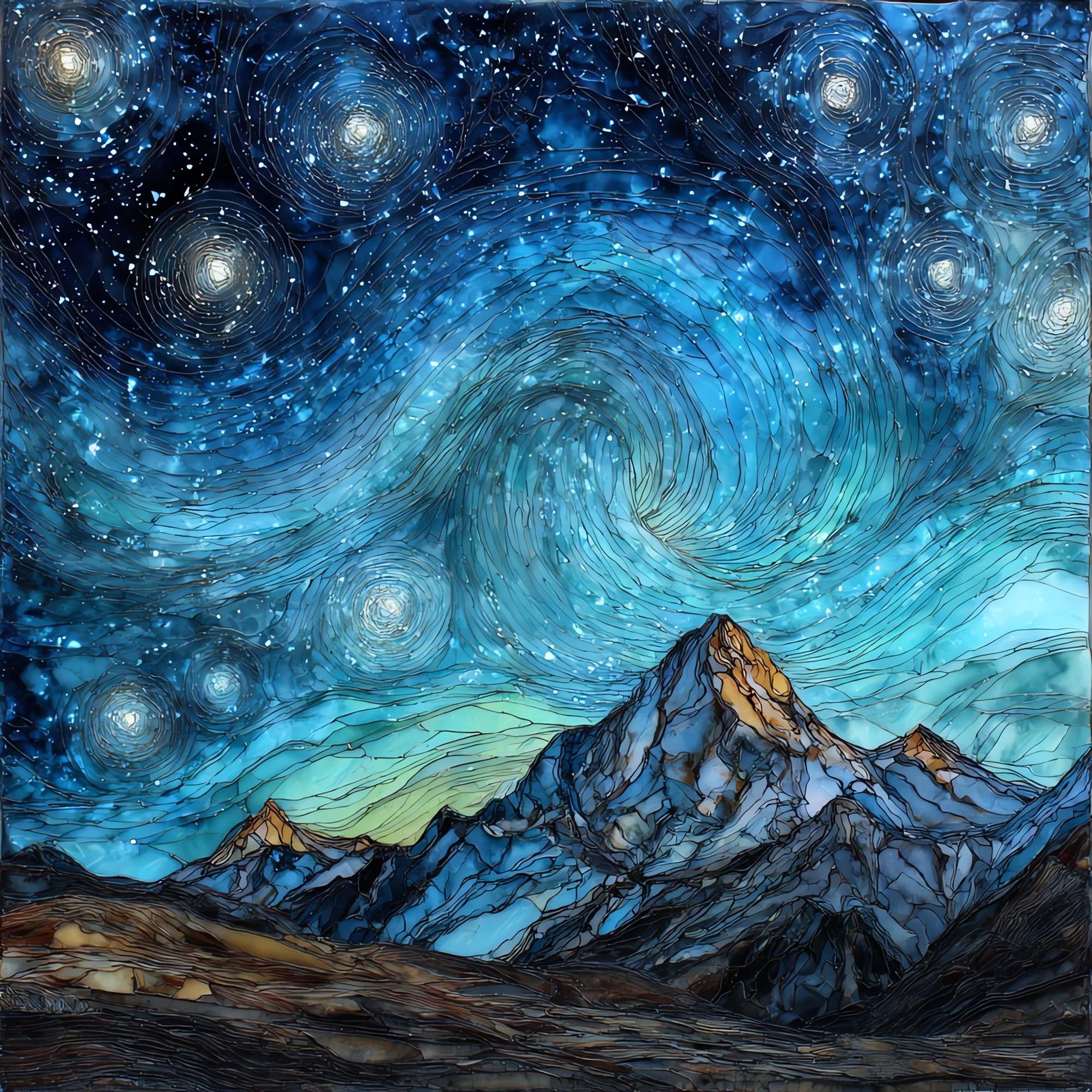
Pic du Midi Observatory
shown on ceramic, 12-inch tileFrance
high in the French Pyrenees, above the Col du Tourmalet

Pic du Midi Observatory

— the stars the valleys can no longer see.

Where it lives

Not only on a wall.

A small tile on the nightstand catching the morning. A larger one above the fire. Yours, wherever you spend the slow hours.
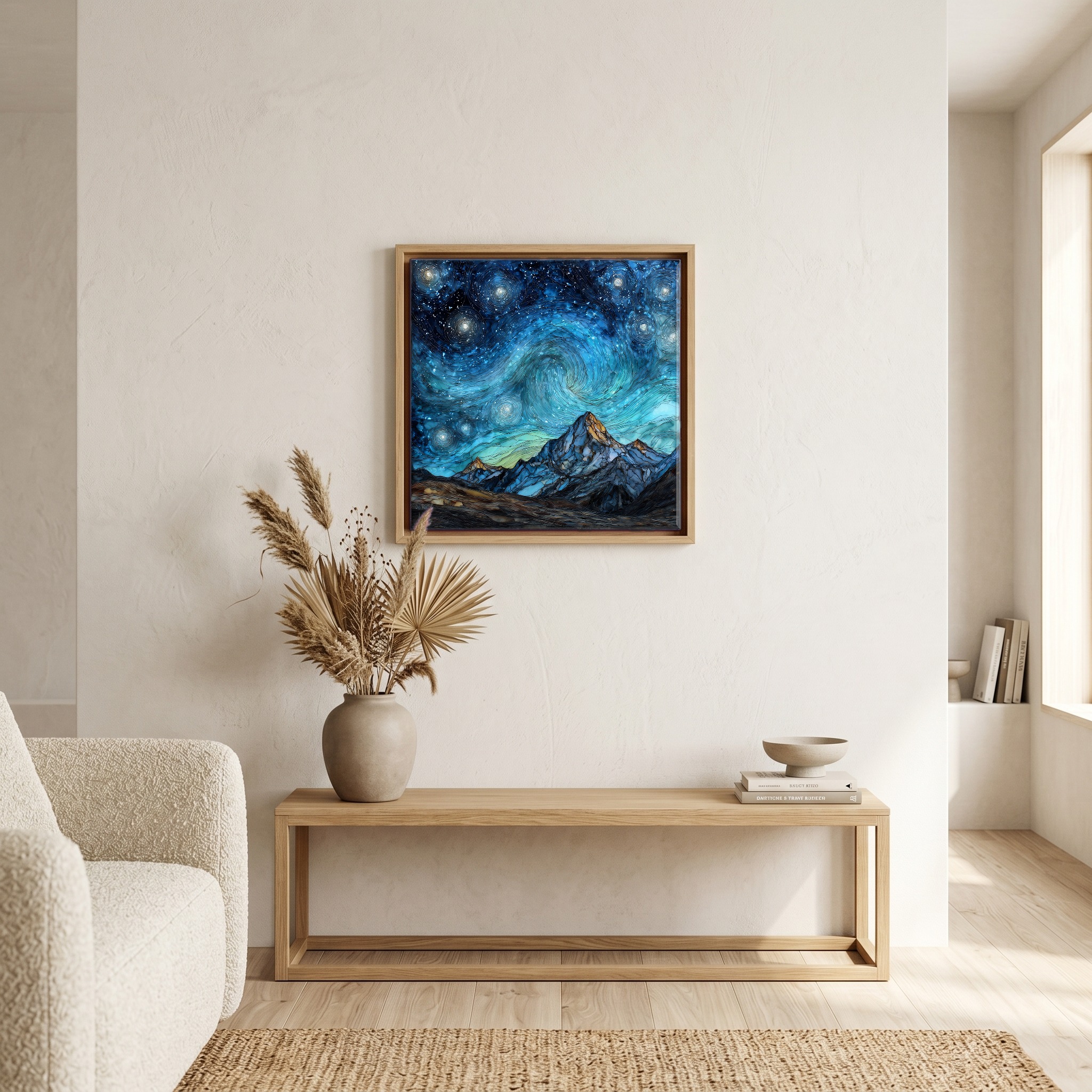
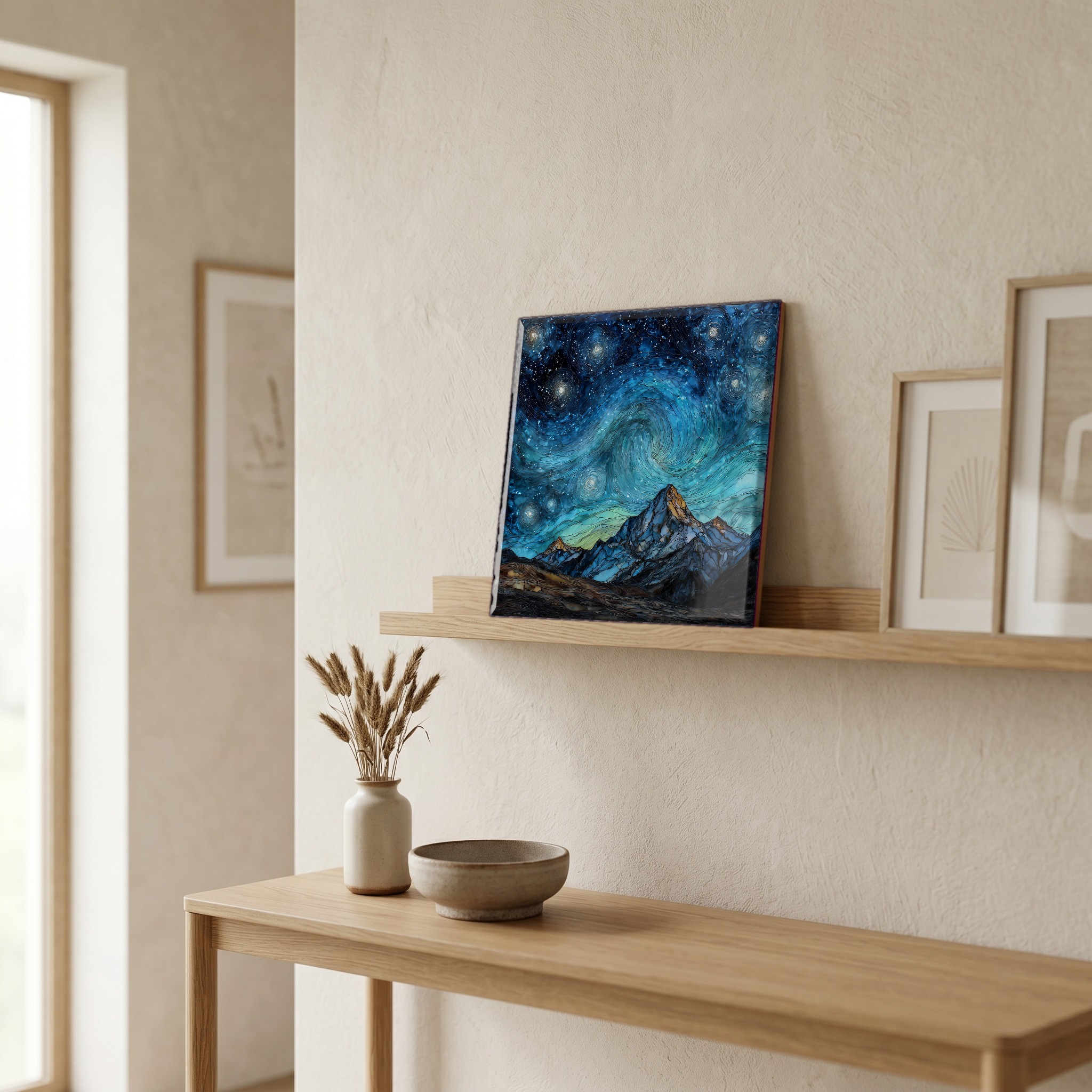
Above the bench, in a warm oak surround.
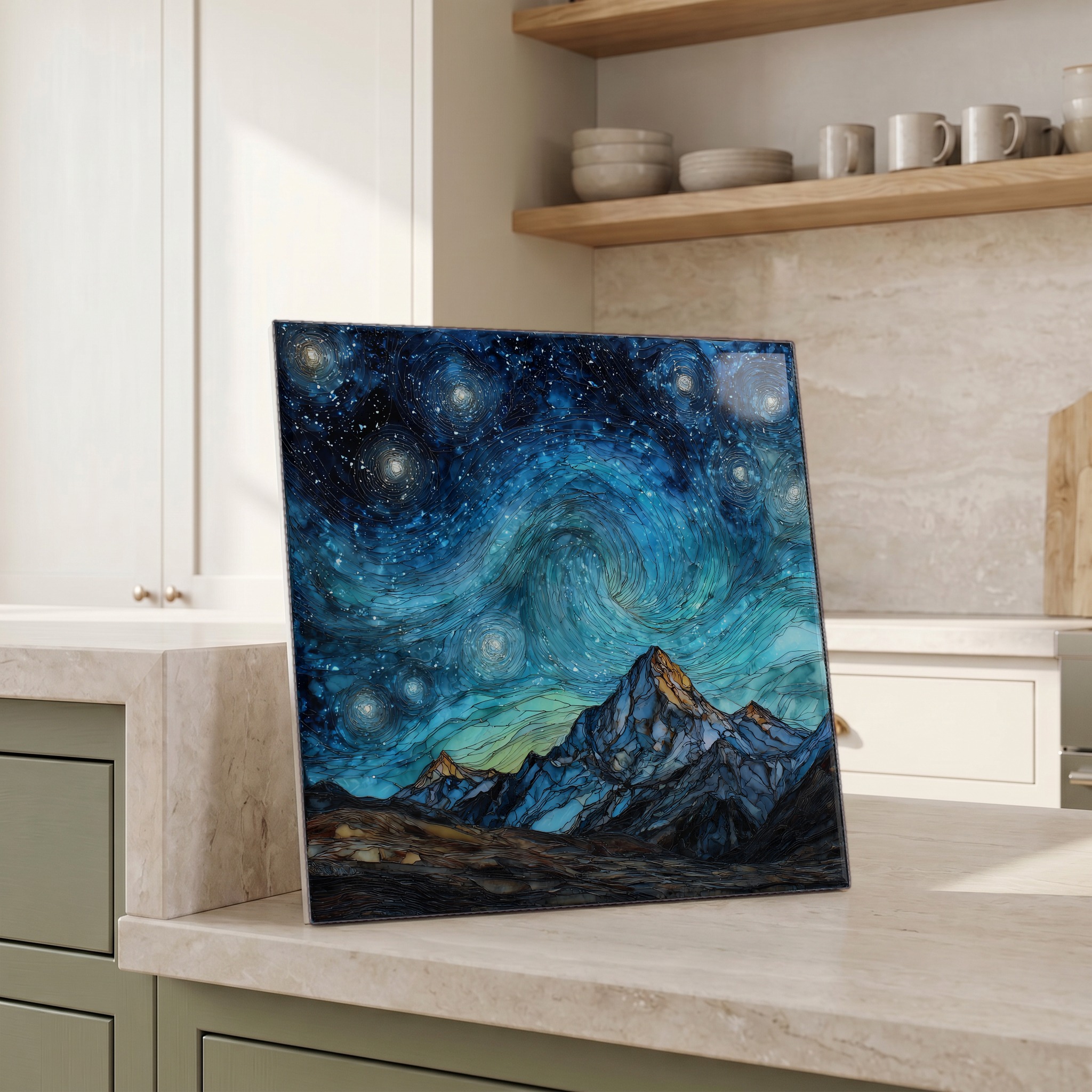
Beside the kettle, propped on the counter.
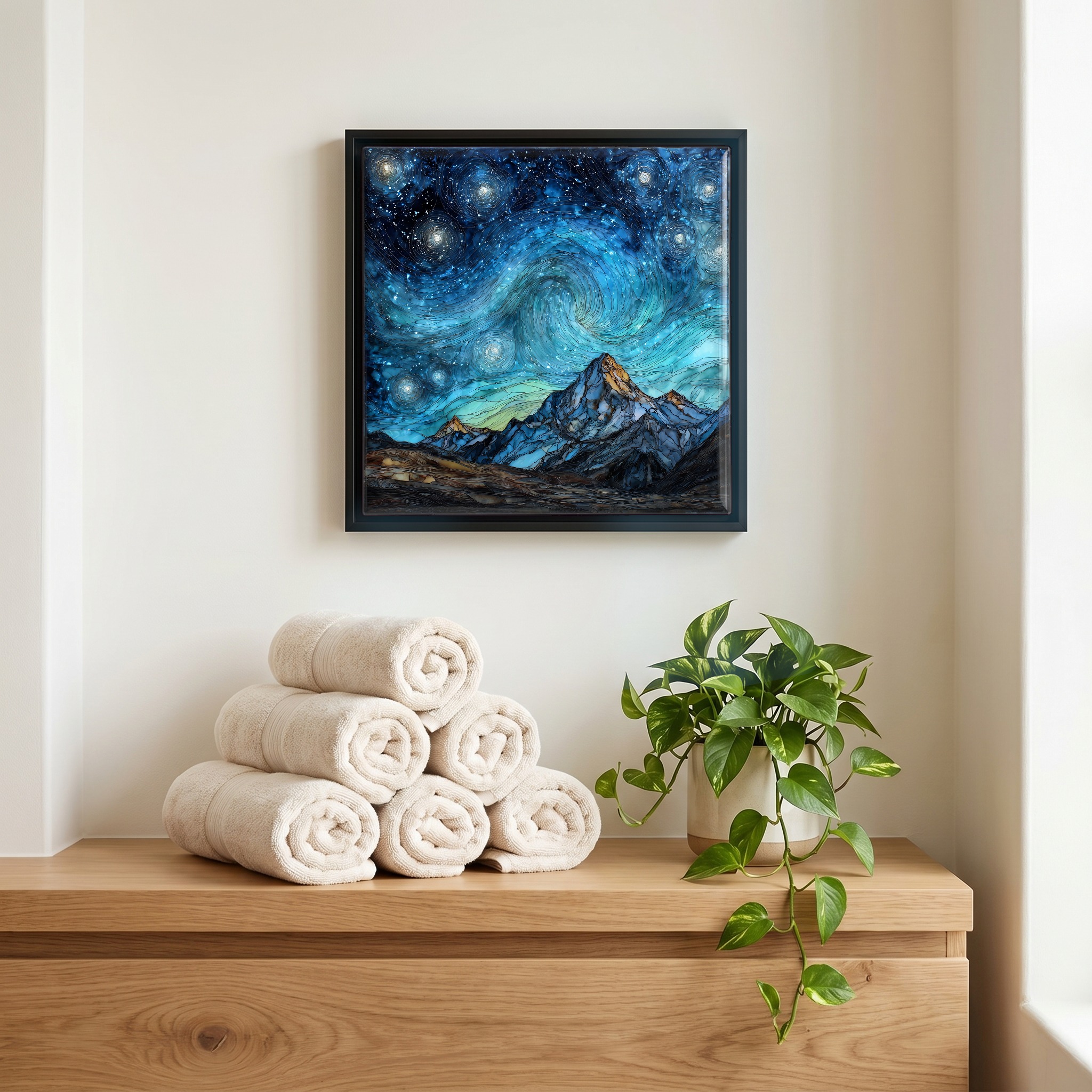
Above the linens, in a slim black surround.
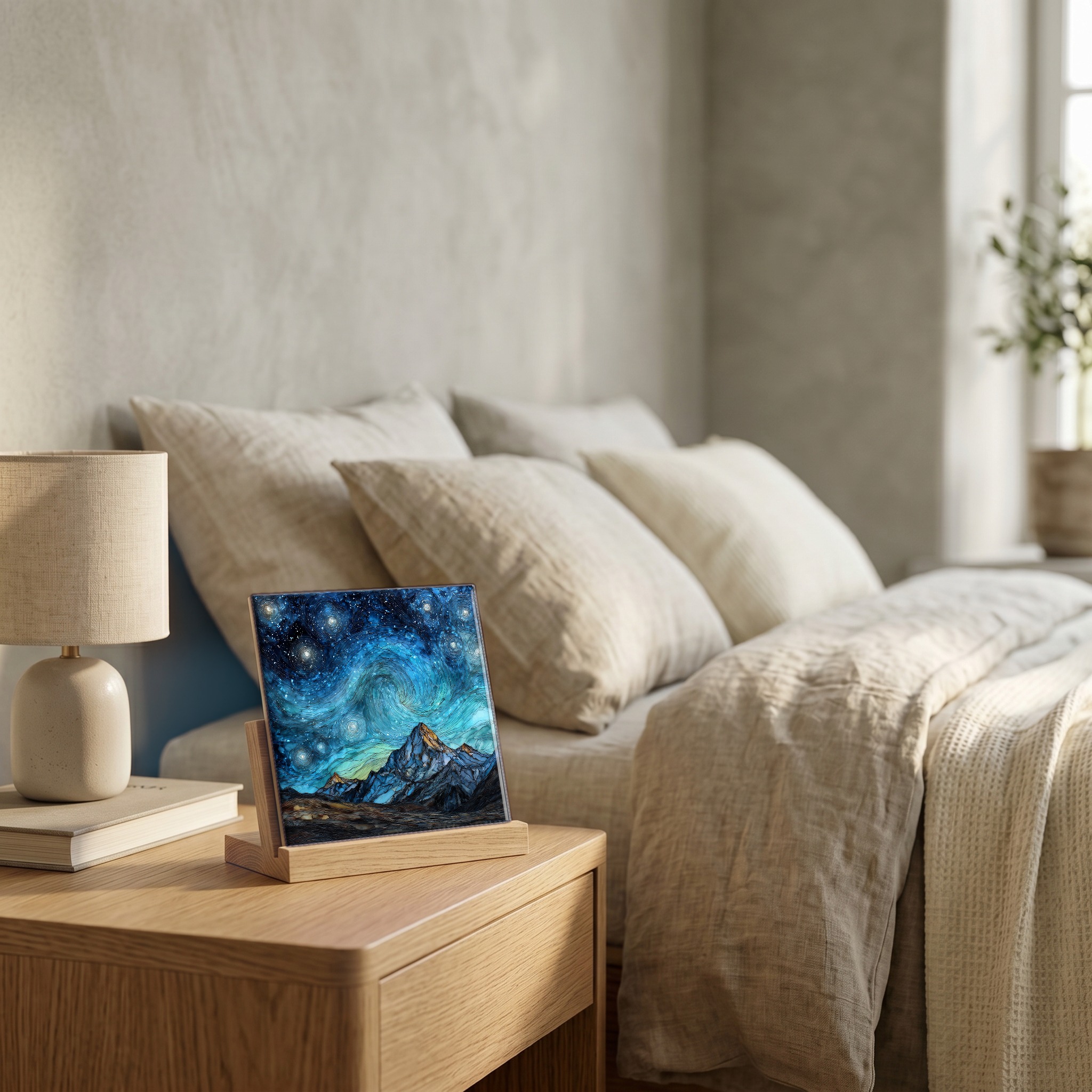
On the nightstand, on a light oak stand.
On a picture ledge, where the light comes in.
a note from the studio

A working observatory on a sharp summit in the French Pyrenees, three kilometres up, above the cable-car town of La Mongie. The domes have watched the sky since 1878, long enough to have mapped the moon for the Apollo program in the 1960s. The valley lights are far below and far away, which is why the International Dark-Sky Association named the country around it the first dark-sky reserve in continental Europe. The summit keeps a small set of rooms for the few who stay through the night. Most of them say very little.
from the studio
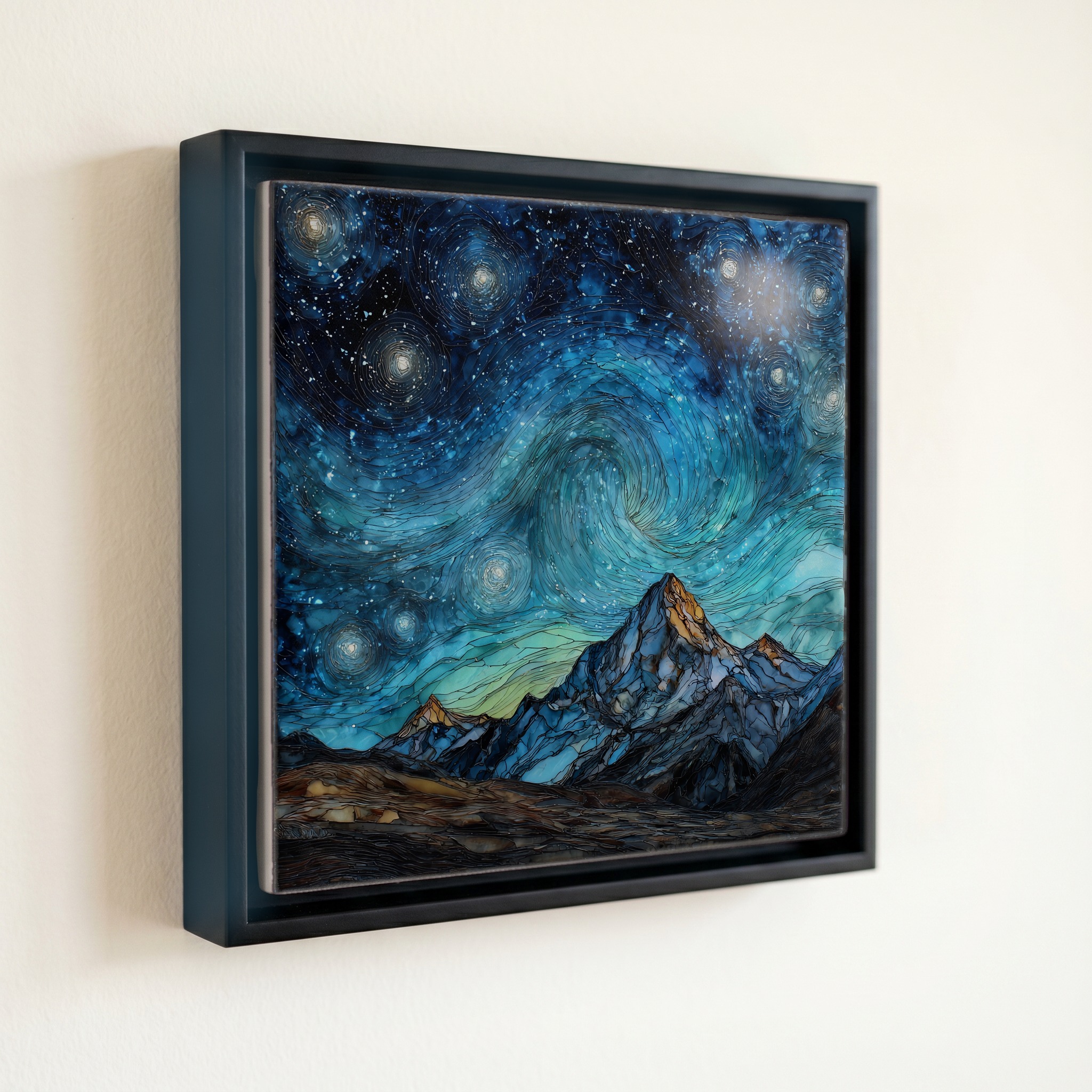
shown in a slim black floating frame · 6 × 6 in
— bring it home

Pic du Midi Observatory, on ceramic.

Each tile is finished by hand in our Knoxville studio. Artwork is slowly infused into the ceramic surface under high heat and pressure, and rests beneath a thin glossy finish. The colour lives in the surface, not on top of it.

What kind of piece?
One tile — square or rectangle.
How big?
the popular one — counter, shelf, nightstand
6 × 6 in · 15 cm · 1.6 lb
Surface finish
A clear glossy finish — the artwork reads as if under resin. Ideal for show-pieces and framed wall art.
How it sits
A hidden cleat — sits ¼″ proud of the wall.
$58
Hand-finished and shipped from our studio at the foot of the Smokies. On your wall in about ten days.
size
6 × 6 in
15 cm
weighs
1.6 lb
solid in the hand
surface
ceramic, hand-finished
art rests beneath a thin glossy finish
from
Knoxville, TN
our family studio, at the foot of the Smokies
— start a Coaster Set

Pick any four 4-inch tiles — National Parks you've been to, a Smokies set, the four seasons of one place. $ for a set of , cork-backed, ready to live on the table.
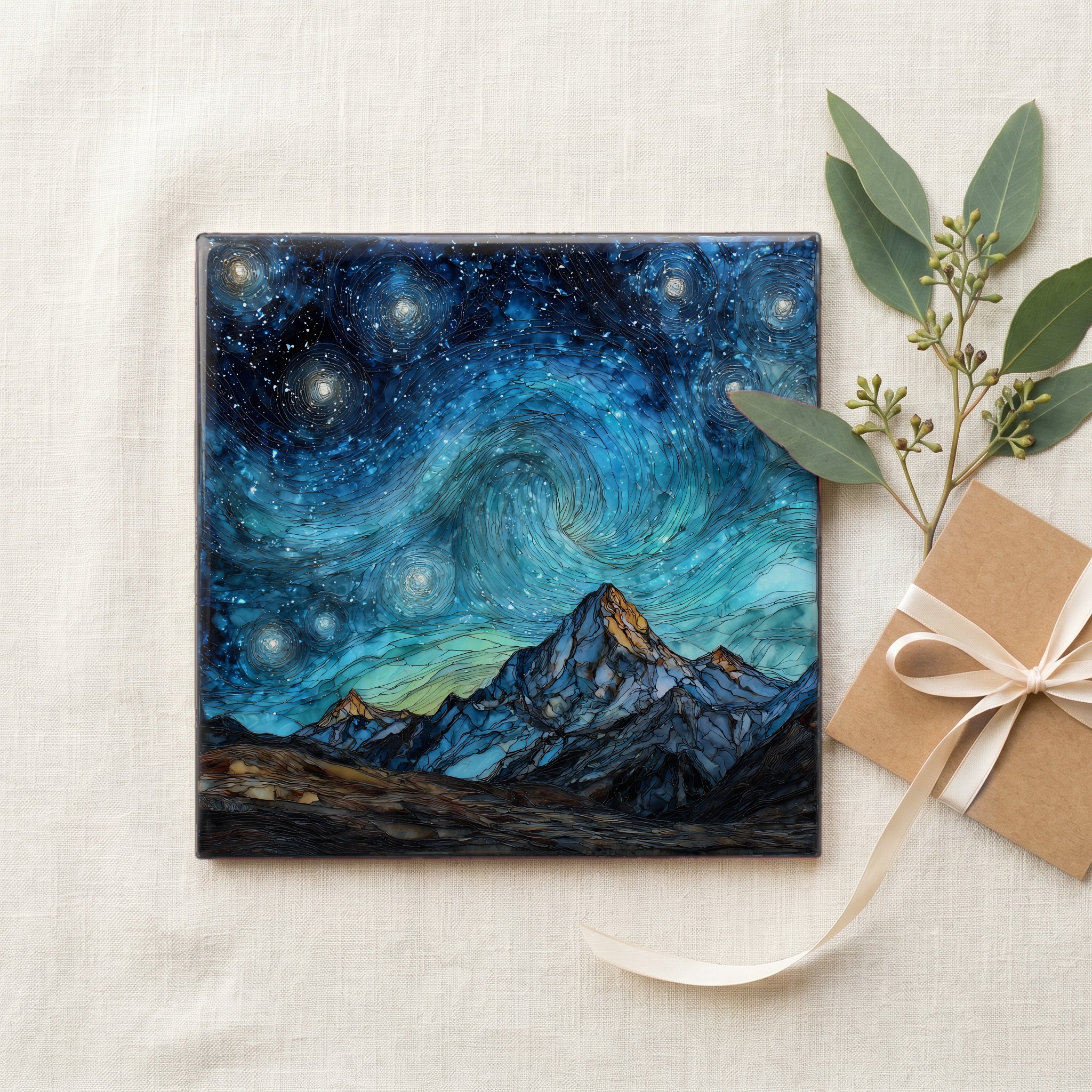
comes gift-ready
comes gift-ready

Each tile ships in a kraft box, tied with cream ribbon, with a handwritten note from the studio if you'd like to add one.
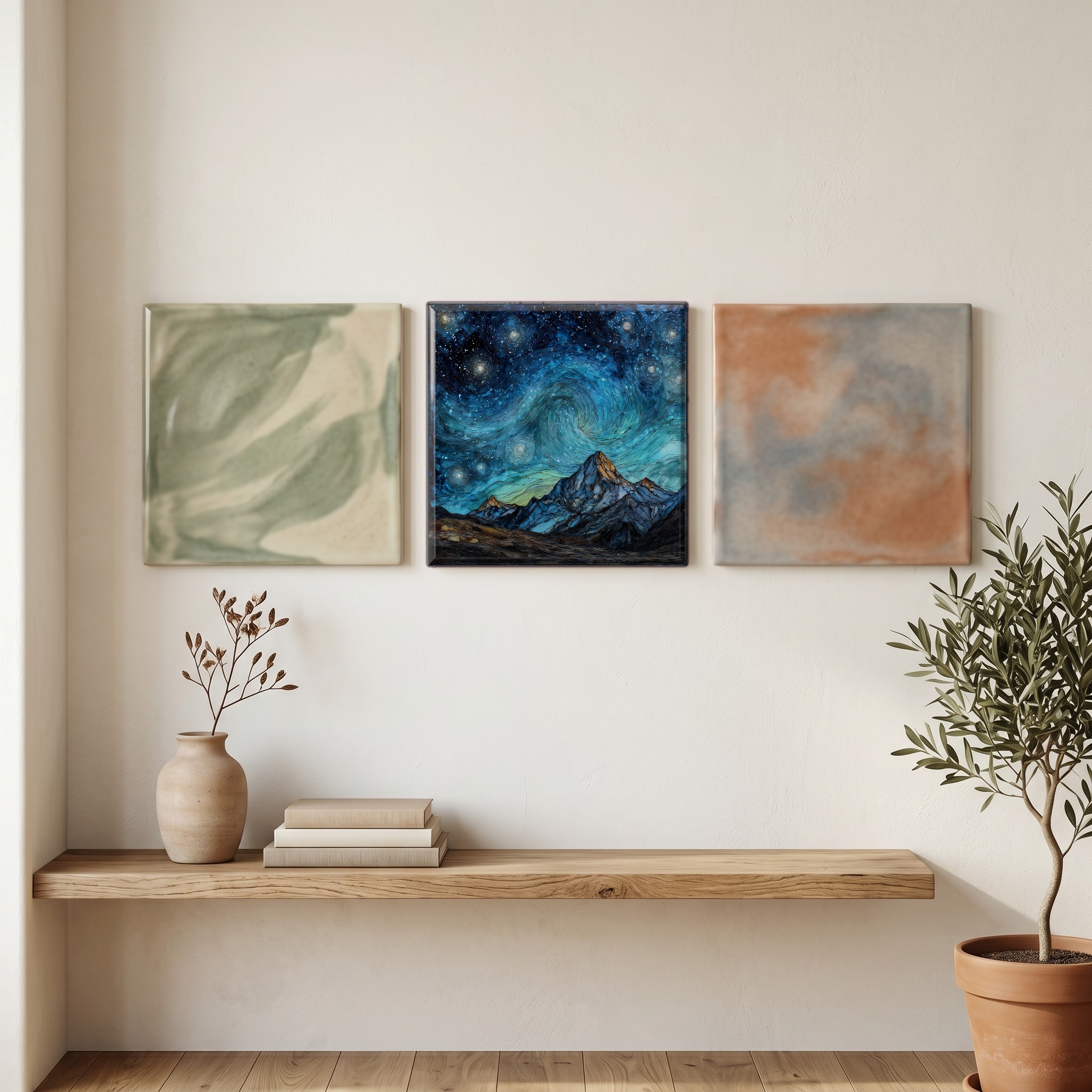
or build a grouping
or build a grouping

Three or five different vistas, hung together — a chapter of places you've been, or want to go.

about Pic du Midi Observatory

The place, in three passes.

A little of what's known, in case you fall down the rabbit hole — or want to go see it yourself.
the place

Pic du Midi de Bigorre is a 2,877-metre summit in the French Pyrenees, in the Hautes-Pyrénées department of the Occitanie region. The observatory at the top was founded in 1878 and has been continuously operated for nearly 150 years, making it one of the oldest high-altitude observatories in the world. It sits above the Col du Tourmalet, the cycling pass made famous by the Tour de France, and overlooks the resort village of La Mongie. The site was used by NASA in the 1960s to map the lunar surface in preparation for the Apollo program, and now houses the two-metre Télescope Bernard Lyot, the largest optical telescope in mainland France.

the dark

In December 2013 the country around the observatory was certified by the International Dark-Sky Association as a Réserve Internationale de Ciel Étoilé, the first such reserve in continental Europe. The reserve covers roughly 3,112 square kilometres of the central Pyrenees, including parts of the Pyrénées National Park, and the surrounding communes have agreed to keep their outdoor lighting low, warm, and shielded so the night sky stays close to its natural darkness. The result is a sky almost free of artificial glow. The Milky Way is visible to the naked eye on most clear nights, and the summit's open observation deck is used for guided stargazing through the warmer months.

the visit

The summit is reached by cable car from La Mongie, a ski village in the Hautes-Pyrénées department that is itself reached by road from Bagnères-de-Bigorre or, in summer, over the Col du Tourmalet. The cable car climbs from roughly 1,800 metres at the village base to the observation deck at 2,877 metres in about fifteen minutes. Day tickets include access to the 360-degree terrace, the astronomy museum, and the planetarium. A smaller number of guests stay overnight in summit rooms for a dinner-and-stargazing programme; reservations open well ahead and fill quickly in summer. The Col du Tourmalet road below is generally open only from late May to October.

where
France · Bagnères-de-Bigorre, Hautes-Pyrénées
elevation
2,877 m · 9,439 ft
position
42.9369° N · 0.1411° E
the neighborhood

What's nearby.

A handful of named places within an hour's walk or short drive. Some we've already painted; some we will.
3 km S
Col du Tourmalet
mountain pass
5 km E
La Mongie
ski village
15 km N
Bagnères-de-Bigorre
spa town
12 km S
Pyrénées National Park
national park
30 km NW
Lourdes
pilgrimage town
N
Pic du Midi Observatory
Col du Tourmalet
La Mongie
Bagnères-de-Bigorre
Pyrénées National Park
Lourdes
common questions

What people ask.

A few questions we get about Pic du Midi Observatory — and about bringing the piece home.
about the place

Pic du Midi de Bigorre is in the French Pyrenees, in the Hautes-Pyrénées department of the Occitanie region. The summit observatory sits above the Col du Tourmalet, about fifteen kilometres south of the spa town of Bagnères-de-Bigorre and roughly 150 kilometres southwest of Toulouse.

The summit of Pic du Midi de Bigorre stands at 2,877 metres above sea level, or 9,439 feet. The cable car climbs from the village of La Mongie at about 1,800 metres to the observation deck at the top in roughly fifteen minutes.

The summit is reached only by cable car from La Mongie, a ski village reached by road from Bagnères-de-Bigorre or, in summer, over the Col du Tourmalet pass. The cable car runs daily in its operating season, with separate tickets for day visits and overnight stays. There is no public road to the summit itself.

In December 2013 the International Dark-Sky Association certified about 3,112 square kilometres around the observatory as a Réserve Internationale de Ciel Étoilé, the first such reserve in continental Europe. Surrounding communes agreed to keep their outdoor lighting low, warm, and shielded so the night sky stays close to its natural darkness.

Yes. The observatory offers a limited number of summit rooms with a dinner-and-stargazing programme. Guests ride the last evening cable car up, eat at the summit, watch the sky after the day visitors leave, and ride down the next morning. Reservations open well ahead and fill quickly in summer.

The observatory was founded in 1878 and has been continuously operated since. It was used by NASA in the 1960s to map the lunar surface in preparation for the Apollo program, and now houses the two-metre Télescope Bernard Lyot, the largest optical telescope in mainland France.

The cable car runs for most of the year, weather permitting, though the Col du Tourmalet road below the observatory is generally only open from late May to October. Late summer and early autumn offer the clearest nights for the summit's stargazing programmes.

about the piece in your home

It has been a meaningful gift for amateur astronomers, dark-sky travellers, and Tour de France fans whose favourite mountain pass is the Tourmalet. The tile carries the silhouette of the observatory itself, so it reads instantly to anyone who has stood on the summit terrace. A Small or Medium with a handwritten note from the studio travels well.

The deep indigos, silvered greys, and stained-glass blues of a night-sky piece settle into alpine modern, library-study, and observatory-loft rooms. The tile pairs with oiled walnut, brushed steel, and warm low-wattage lamps. It also works as the single dark anchor in a Japandi room where the rest of the palette is pale.

Yes. Astronomy and dark-sky tourism have grown steadily over the past decade, and observatory and night-sky imagery has moved into mainstream interior design as part of the same shift. A Pic du Midi piece anchors a study or a reading corner where a single quiet image carries the wall.

Above a standard sofa the single Large reads as the natural anchor. For a longer wall a four-tile Mural or a nine-tile Mural carries the room. Above a console table the Medium is usually the right scale; the Large can overpower if the console is narrow.

Yes. For damp or splash-prone rooms we recommend the Dura Satin or Matte finish, which is scratch-resistant and holds up around steam and water. The glossy finish is reserved for framed living-room and bedroom installations.

A soft microfibre cloth and clean water are all the tile needs. The colour is slowly infused into the ceramic surface under high heat and pressure and lives beneath a thin glossy finish, so it does not lift or fade with cleaning. Avoid abrasive sponges and ammonia-based sprays.

Yes. Reid Wender paints every piece in our atlas; nothing is licensed in or resold. The Pic du Midi vista belongs to our French Pyrenees collection and is not sold by any other studio.

if this one stayed with you

A few you might also love.

Hand-picked by the eye that found Sorapis. Same air, same kind of quiet.