Wender·Vista
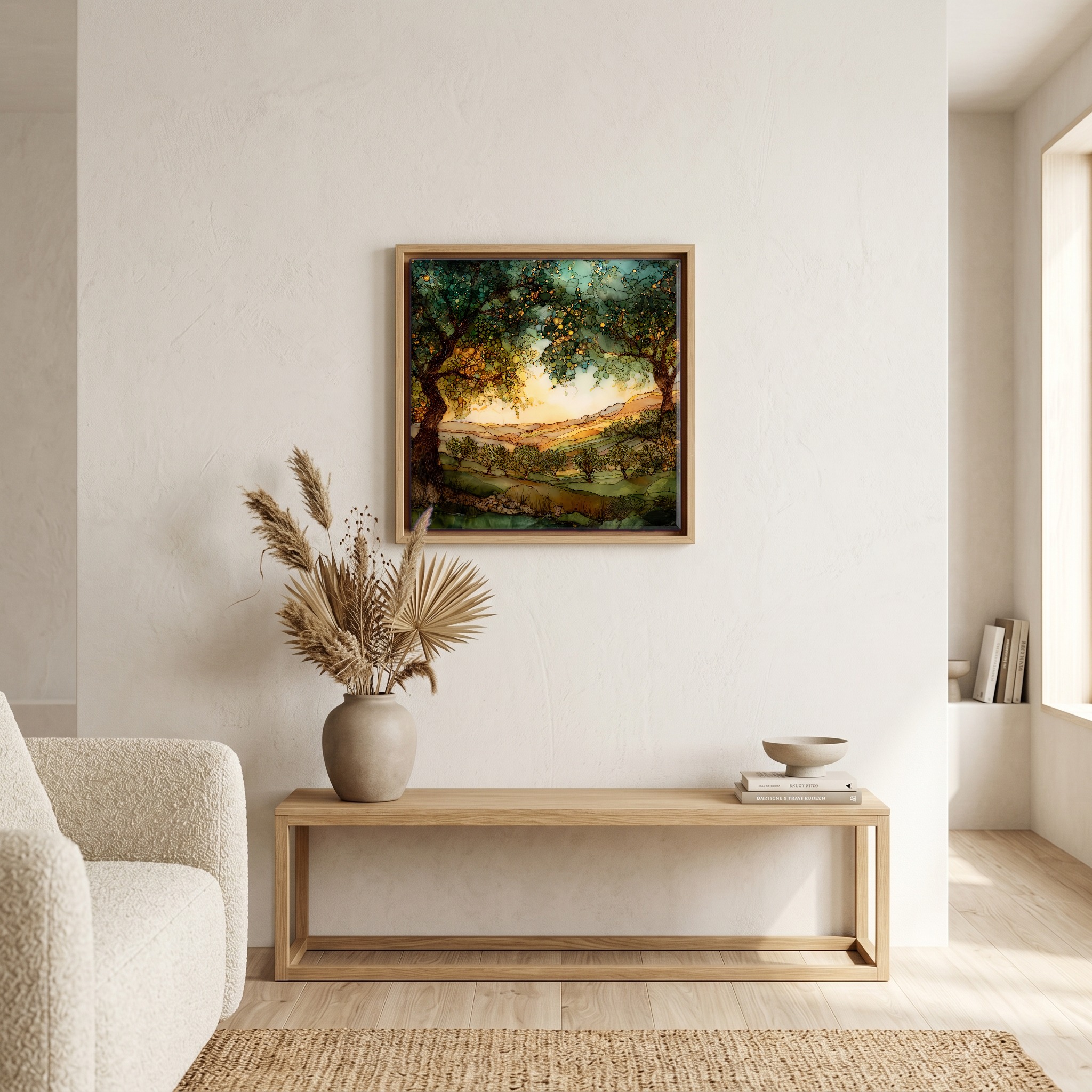
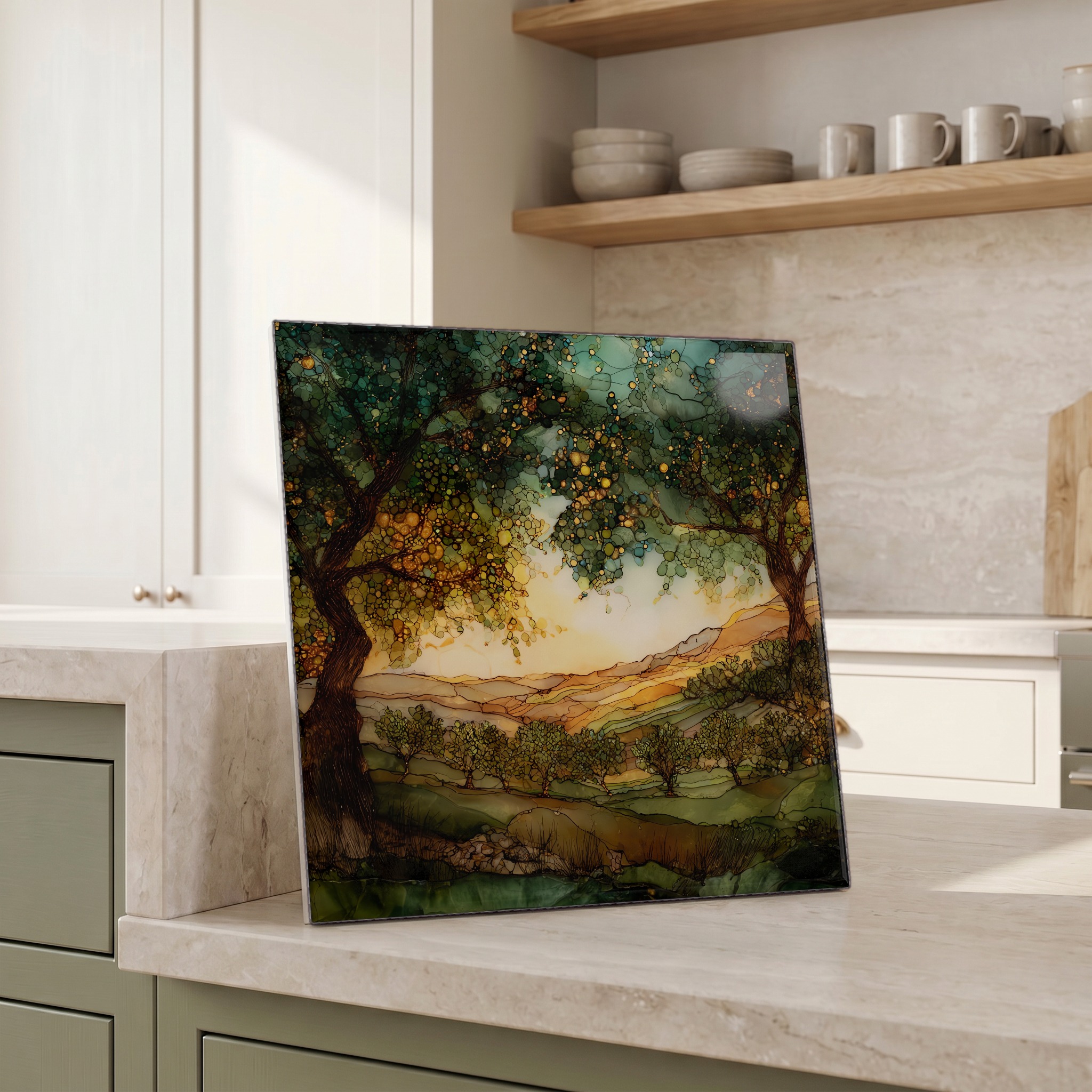
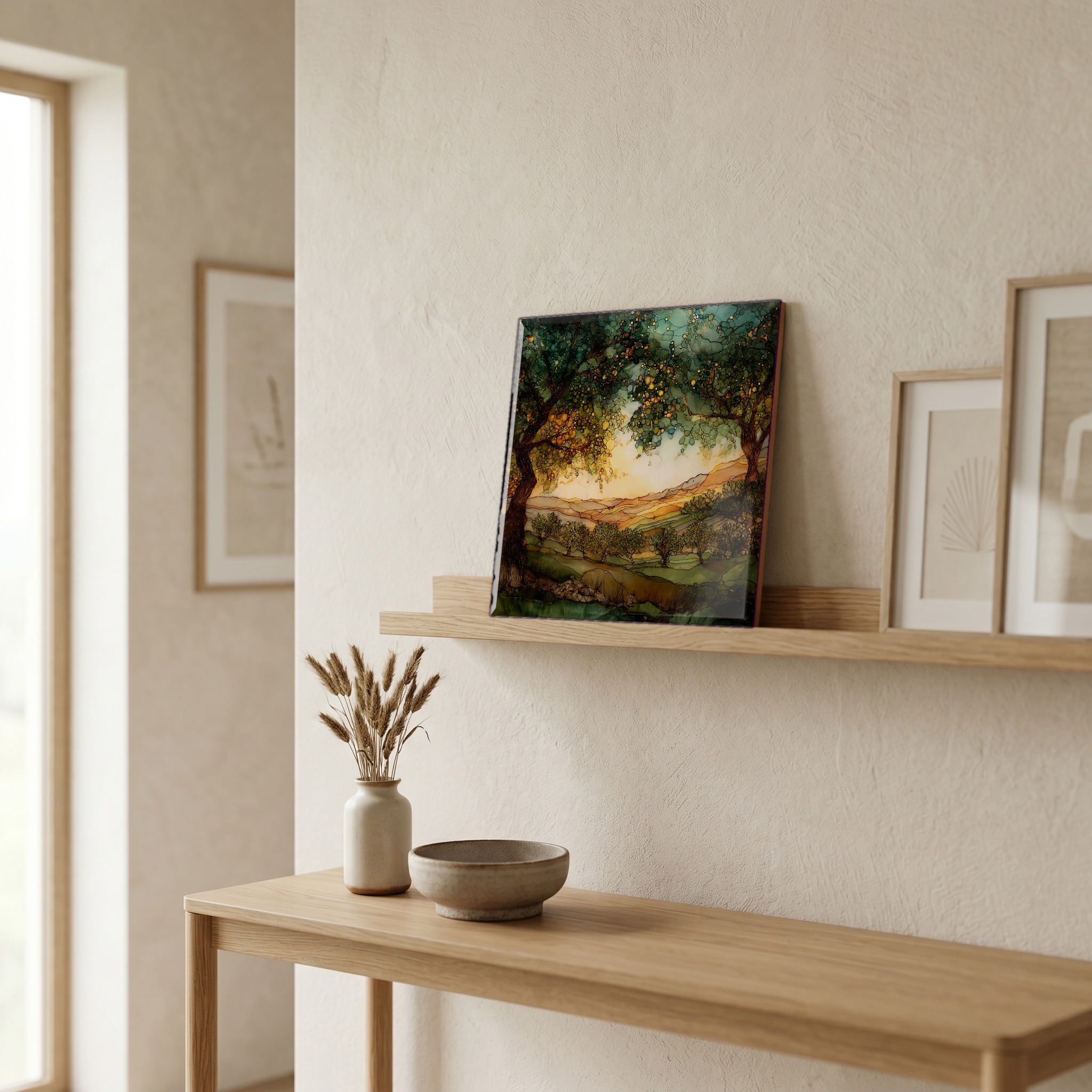
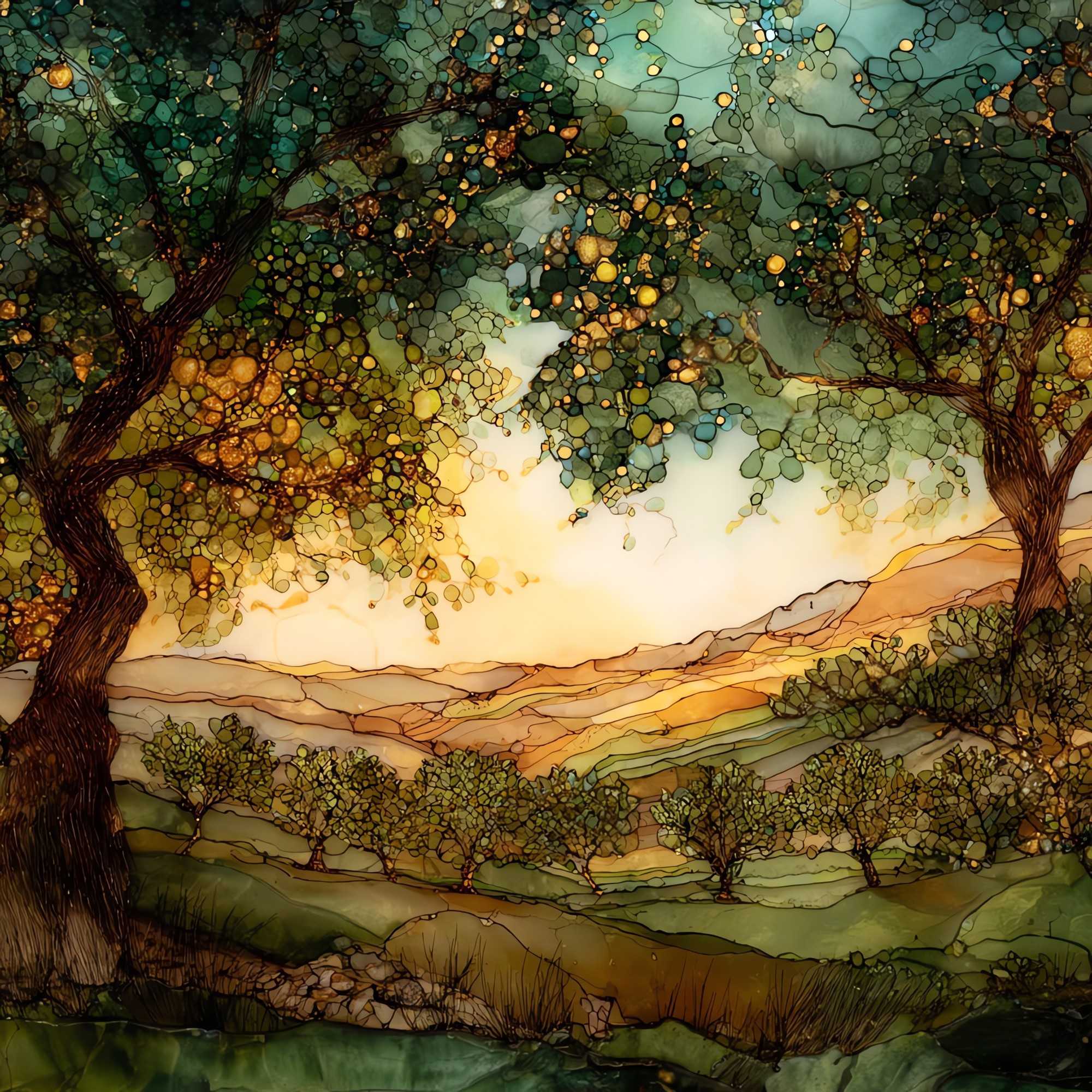
Perigord Walnut Orchard
shown on ceramic, 12-inch tileFrance
in the Dordogne, southwest France

Perigord Walnut Orchard

the sound of walnuts hitting the grass.

Where it lives

Not only on a wall.

A small tile on the nightstand catching the morning. A larger one above the fire. Yours, wherever you spend the slow hours.
Above the bench, in a warm oak surround.
Beside the kettle, propped on the counter.
Above the linens, in a slim black surround.
On the nightstand, on a light oak stand.
On a picture ledge, where the light comes in.
a note from the studio

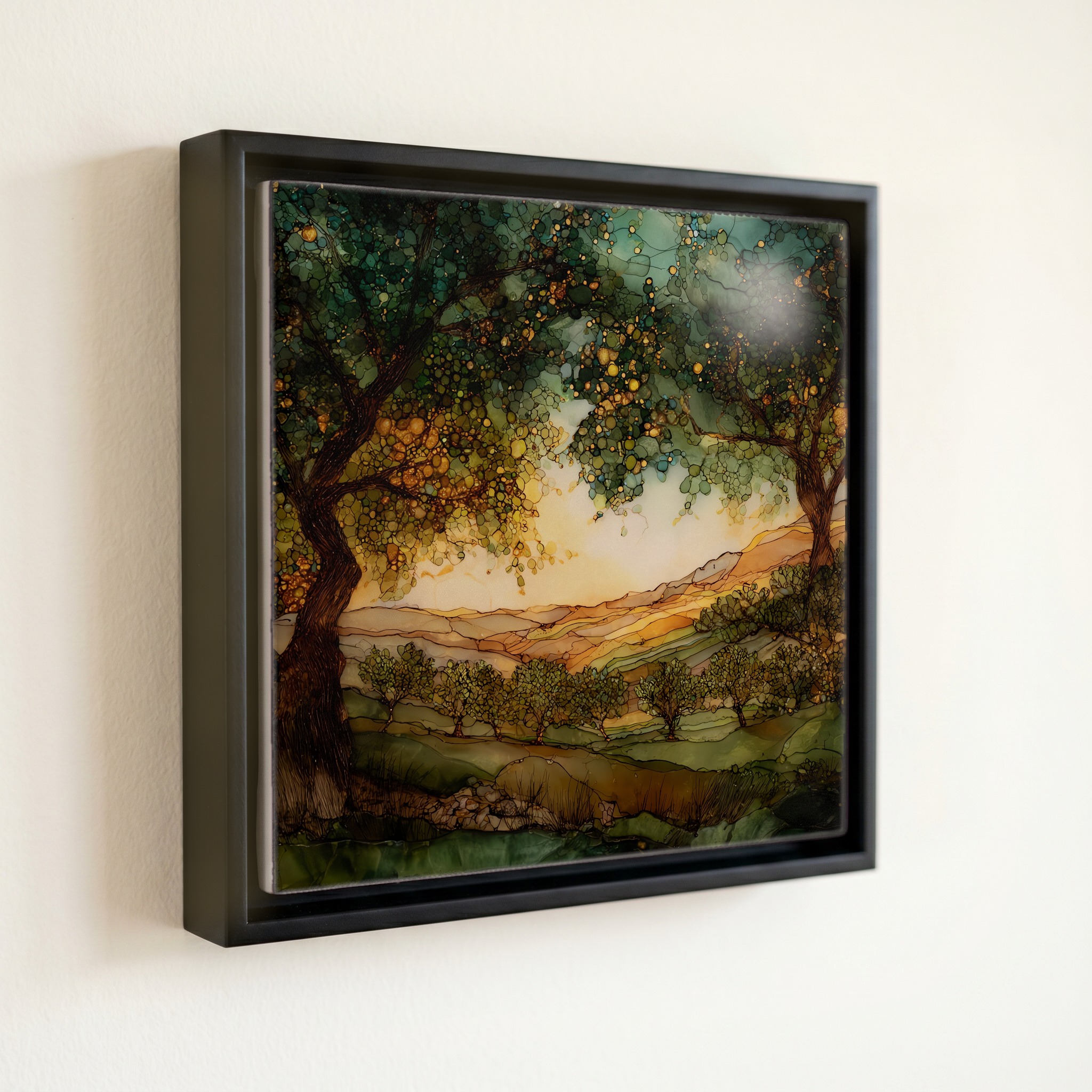
The orchards of the Périgord, noyeraies as the French call them. Rows of old Franquette walnut trees, leaves turning gold in October. The harvest comes in waves through autumn. The trees shaken, the nuts gathered from the grass, dried, sorted. Périgord walnuts have carried an Appellation d'Origine Protégée since 2004. Four protected varieties, a region that runs from the Vézère valley to the Lot. The oil mills still press the way they did a century ago. The smell of fresh walnut oil holds the place better than any photograph.
from the studio
shown in a slim black floating frame · 6 × 6 in
— bring it home

Perigord Walnut Orchard, on ceramic.

Each tile is finished by hand in our Knoxville studio. Artwork is slowly infused into the ceramic surface under high heat and pressure, and rests beneath a thin glossy finish. The colour lives in the surface, not on top of it.

What kind of piece?
One tile — square or rectangle.
How big?
the popular one — counter, shelf, nightstand
6 × 6 in · 15 cm · 1.6 lb
Surface finish
A clear glossy finish — the artwork reads as if under resin. Ideal for show-pieces and framed wall art.
How it sits
A hidden cleat — sits ¼″ proud of the wall.
$58
Hand-finished and shipped from our studio at the foot of the Smokies. On your wall in about ten days.
size
6 × 6 in
15 cm
weighs
1.6 lb
solid in the hand
surface
ceramic, hand-finished
art rests beneath a thin glossy finish
from
Knoxville, TN
our family studio, at the foot of the Smokies
— start a Coaster Set

Pick any four 4-inch tiles — National Parks you've been to, a Smokies set, the four seasons of one place. $ for a set of , cork-backed, ready to live on the table.
comes gift-ready
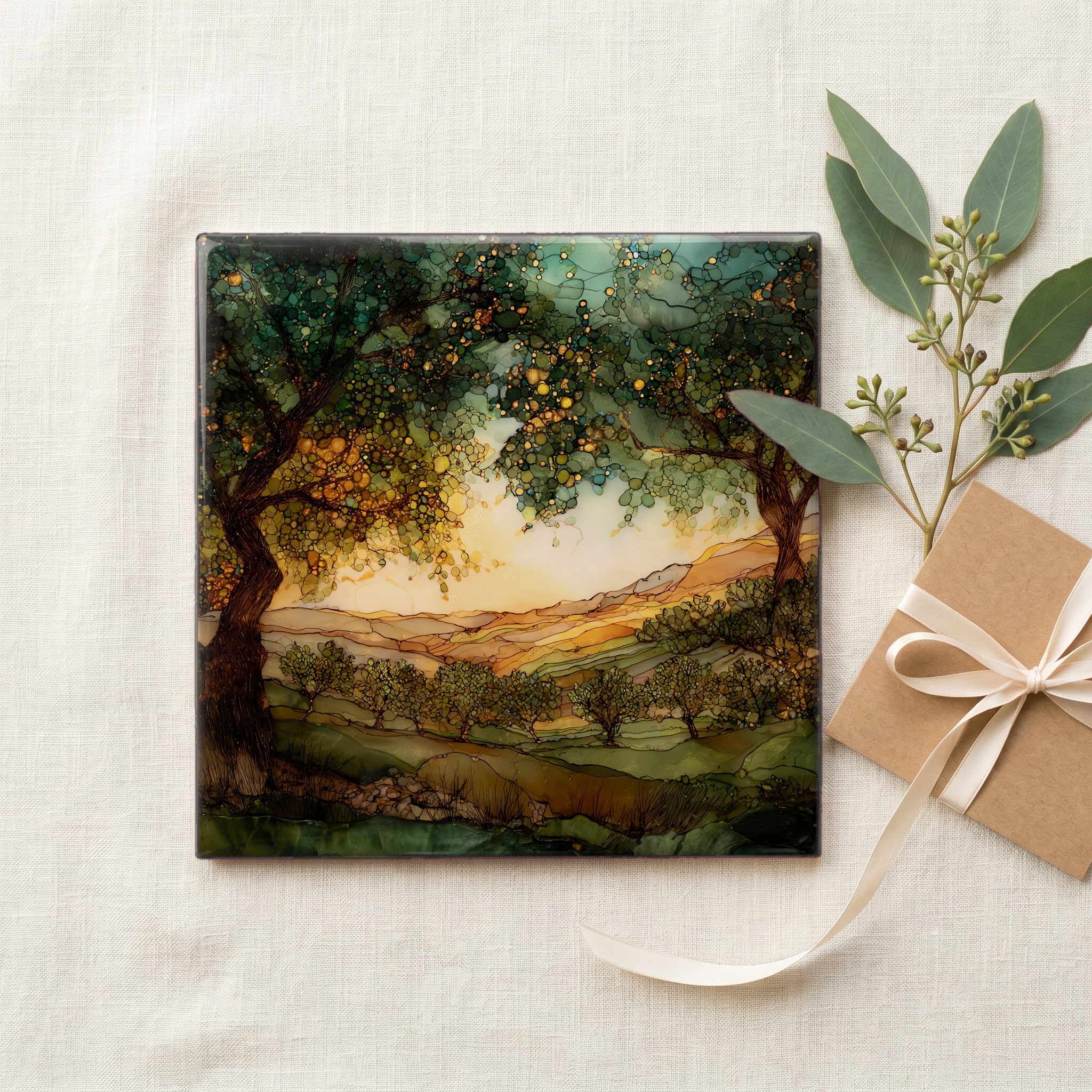
comes gift-ready

Each tile ships in a kraft box, tied with cream ribbon, with a handwritten note from the studio if you'd like to add one.

or build a grouping
or build a grouping

Three or five different vistas, hung together — a chapter of places you've been, or want to go.

about Perigord Walnut Orchard

The place, in three passes.

A little of what's known, in case you fall down the rabbit hole — or want to go see it yourself.
the place

The Périgord is the historical name for the region centered on the Dordogne department in southwestern France, part of Nouvelle-Aquitaine. The walnut-growing area defined by the Noix du Périgord Appellation d'Origine Protégée spans 614 communes across four departments: Dordogne, Corrèze, Lot, and Charente. The Dordogne river runs through it. The administrative capital is Périgueux, but the orchards are concentrated in the limestone hills around Sarlat-la-Canéda, in the area locally called the Périgord Noir. The region is reached by train from Bordeaux in about two and a half hours, or by car off the A20 motorway between Limoges and Toulouse.

the season

Walnut harvest in the Périgord runs roughly from mid-September into late October, depending on variety. The earliest, the Marbot, comes down first; the Franquette and the Corne follow through October, with Grandjean closing the season. The trees are shaken (traditionally with a long pole, now often mechanically), and the nuts gathered from the grass within a few days to keep them dry. Drying happens at around 30°C until the kernels separate cleanly from the shell. The leaves turn through bronze and gold in the same weeks, then drop. By early November the orchards stand bare and the oil mills, the huileries, are running. Visiting in October catches both at once.

the air

The orchards smell of two things in late autumn: drying leaves and pressed walnut oil. The huileries, small artisan oil mills found in many Périgord villages, press cold-roasted walnut kernels through stone or steel screws, yielding an oil dark amber in colour and rich enough to use a few drops at a time. The Moulin de la Tour at Sainte-Nathalène, near Sarlat, has milled walnut oil on the same site for over two centuries. Outside, the walnut leaves give off a sharper, almost iodine-like scent as they break down. Together, the smell of the season carries half a kilometre on a still morning.

where
France · Périgord, Dordogne, Nouvelle-Aquitaine
the neighborhood

What's nearby.

A handful of named places within an hour's walk or short drive. Some we've already painted; some we will.
null km W
Sarlat-la-Canéda
medieval town
null km S
La Roque-Gageac
clifftop river village
null km SW
Beynac-et-Cazenac
clifftop castle village
null km S
Domme
bastide town
null km N
Lascaux IV
painted cave replica
N
Perigord Walnut Orchard
Sarlat-la-Canéda
La Roque-Gageac
Beynac-et-Cazenac
Domme
Lascaux IV
common questions

What people ask.

A few questions we get about Perigord Walnut Orchard — and about bringing the piece home.
about the place

The Périgord is the historical region of southwestern France centered on the Dordogne department, in the Nouvelle-Aquitaine region. The protected walnut zone covers 614 communes across four departments: Dordogne, Corrèze, Lot, and Charente. Bordeaux lies about two and a half hours west by train.

Noix du Périgord is the protected designation of origin for walnuts grown in the Périgord region. It received French AOC status in 2002 and European AOP (Appellation d'Origine Protégée) recognition in 2004. The designation covers four cultivated varieties: Marbot, Franquette, Corne, and Grandjean.

The harvest runs from mid-September through late October. The Marbot variety ripens first, followed by the Franquette and the Corne, with Grandjean closing the season. Trees are shaken to release the nuts, which are then gathered from the grass within a few days to keep them dry.

Périgord walnut oil is a cold-pressed oil made from lightly roasted walnut kernels. It is dark amber, deeply aromatic, and used by the spoonful rather than the cupful. Several historic huileries still operate in the region, including the Moulin de la Tour at Sainte-Nathalène, near Sarlat.

Walnuts have been part of the Périgord landscape since prehistory. Walnut remains have been recovered from prehistoric sites in the Dordogne valley. Roman-era cultivation in Gaul is well documented, and walnut oil has been a regional staple for over a thousand years.

Mature walnut trees reach 20 to 25 metres, with broad rounded crowns and silver-grey bark. The orchards are planted in long rows, usually with grass beneath. Leaves emerge late in spring, turn gold and bronze in October, and drop by early November, when the orchards stand bare against the limestone hills.

The Périgord is also known for foie gras, the black Périgord truffle (Tuber melanosporum), the painted caves of the Vézère valley including Lascaux, and the medieval bastide towns and clifftop villages along the Dordogne river.

about the piece in your home

It carries well for someone from the Dordogne, or for anyone who has spent an autumn in the Périgord. The tile reads as a quiet reference to the orchards and the harvest season, without commemorating a single trip. A Small or Medium with a handwritten note from the studio is a natural pairing.

The autumn-gold and bronze palette sits well with French country, warm rustic, and earthy modern interiors. It also works in kitchens with copper and oak finishes, and against limewash walls in cream or pale clay. Less at home in cool industrial or strict minimalist rooms.

Walnut, brass, and amber tones are central to the warm-rustic and quiet-luxury kitchen movements of the mid-2020s. The tile pairs well with stone counters, oak cabinetry, and brass hardware. It reads as collected rather than decorated, which is what those rooms aim for.

Above a standard sofa or a 60-inch console, a Large reads cleanly on its own. For more presence, a four-tile Mural (two by two) carries the wall. Above a longer console or a kitchen banquette, a nine-tile Mural (three by three) is the right scale.

Yes. For a kitchen backsplash, a shower wall, or any vertical install behind a sink, choose the Dura Satin or Matte finish. Both are scratch-resistant and stand up to splashes and steam. The Glossy finish is intended for framed pieces and dry display.

Microfibre cloth and water. No abrasive cleaners, no scouring pads. For kitchen installs, a damp microfibre after cooking keeps the surface clean. The colour is slowly infused into the ceramic surface under high heat and pressure, so it does not lift or scratch off with normal cleaning.

Yes. Every WenderVista piece is created in-house by Reid Wender, the studio's curator. The studio does not license artwork from third parties. Each tile in the Périgord Walnut Orchard line is hand-finished in Knoxville before it ships.

if this one stayed with you

A few you might also love.

Hand-picked by the eye that found Sorapis. Same air, same kind of quiet.