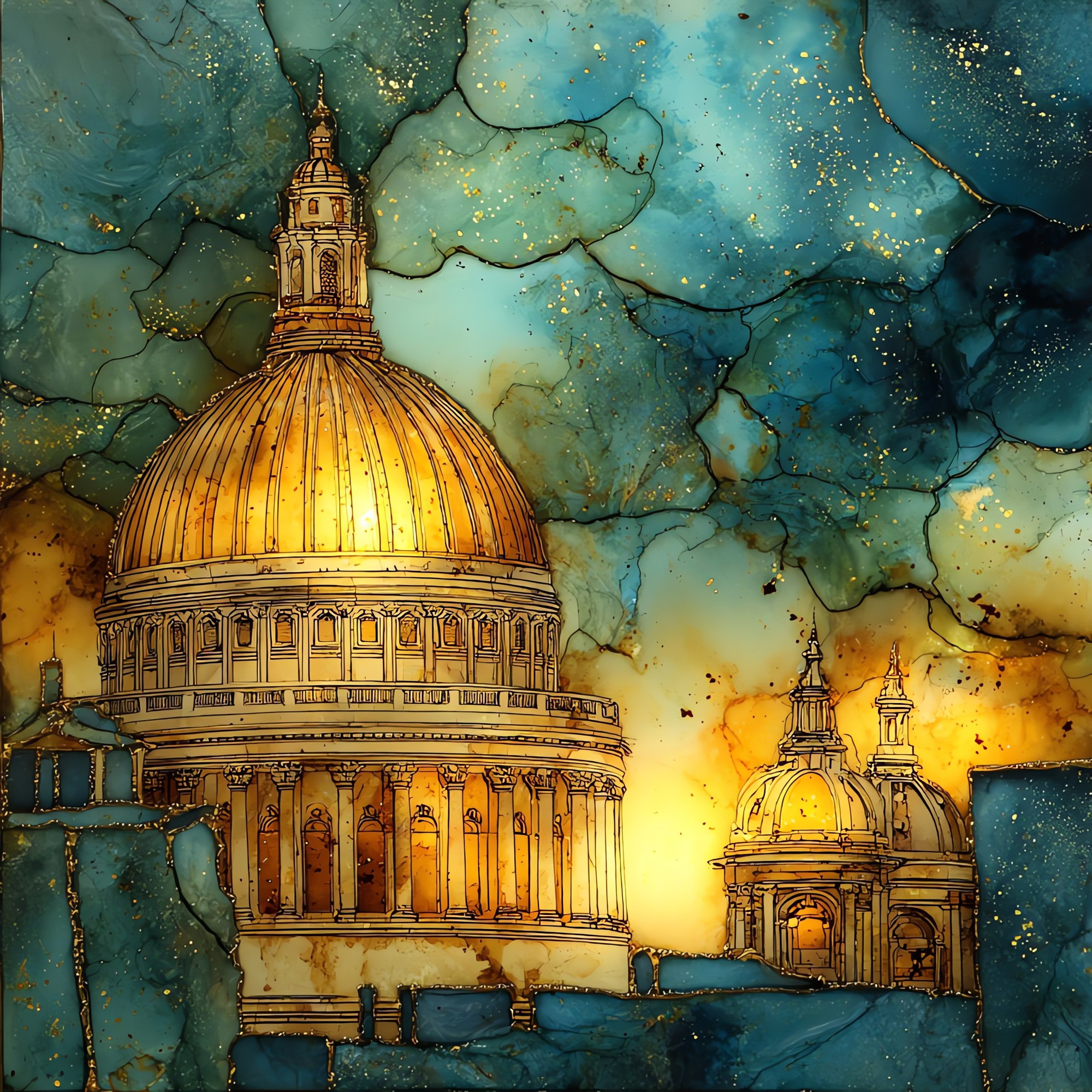
Pantheon Sainte-Genevieve
— where the country keeps its great names.
Not only on a wall.
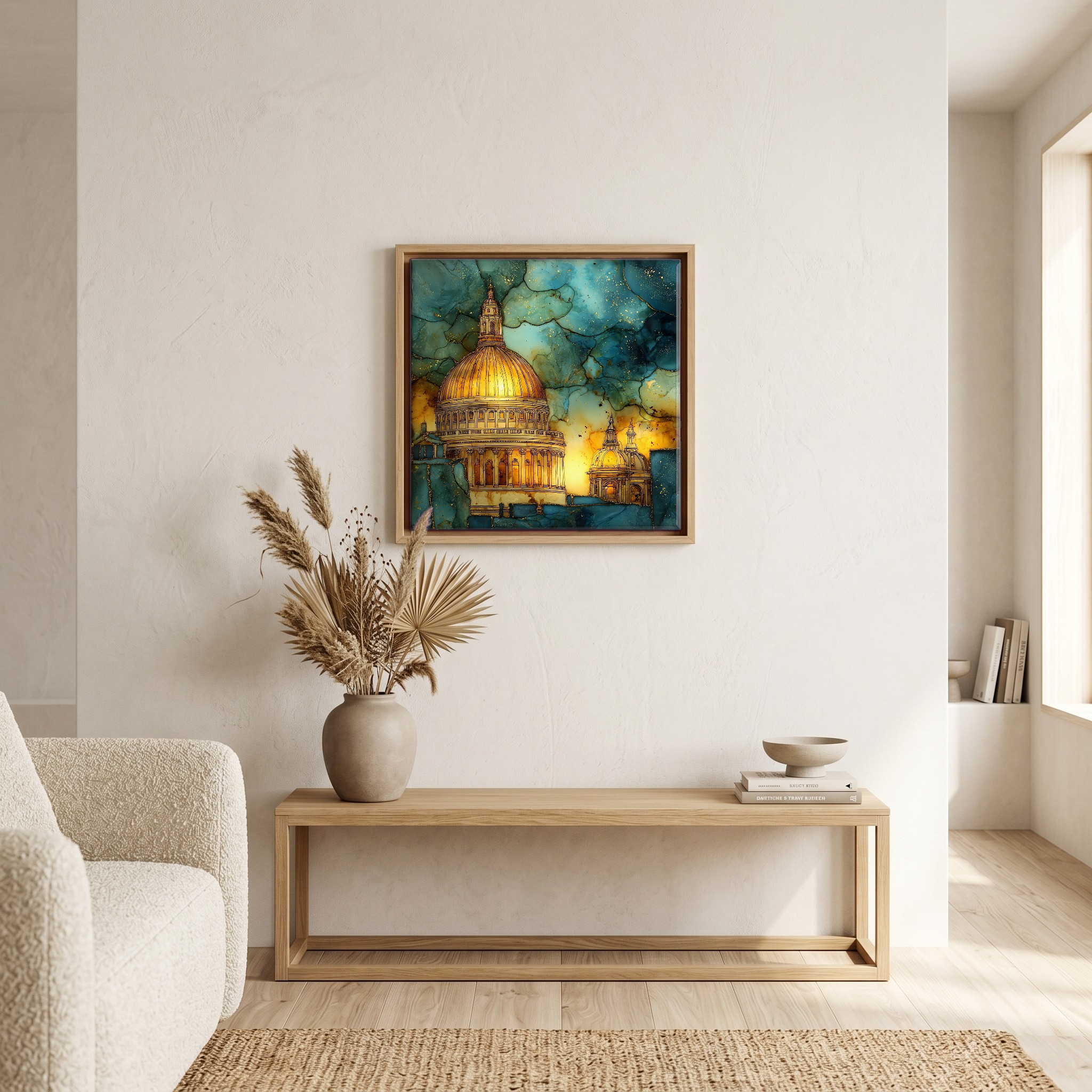
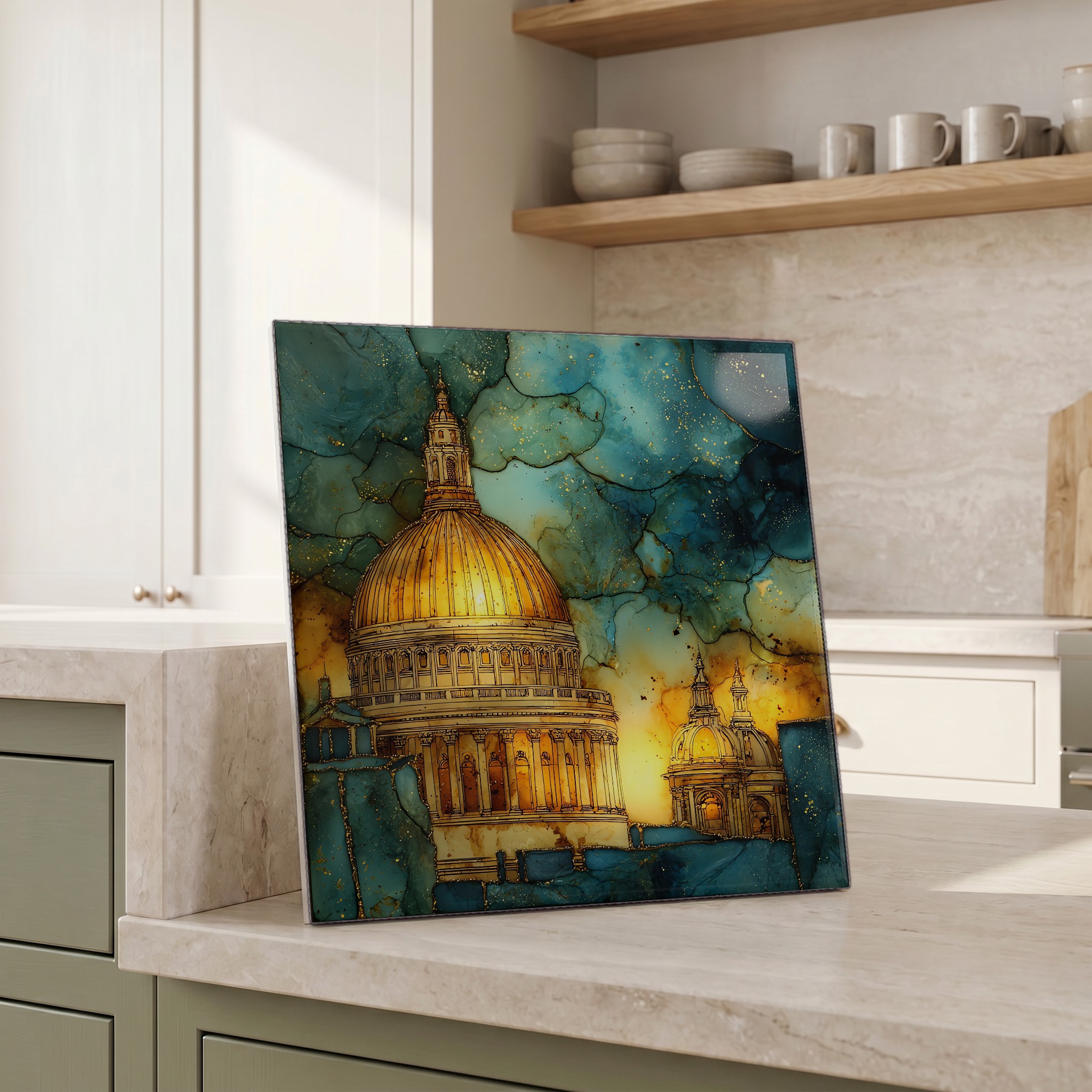
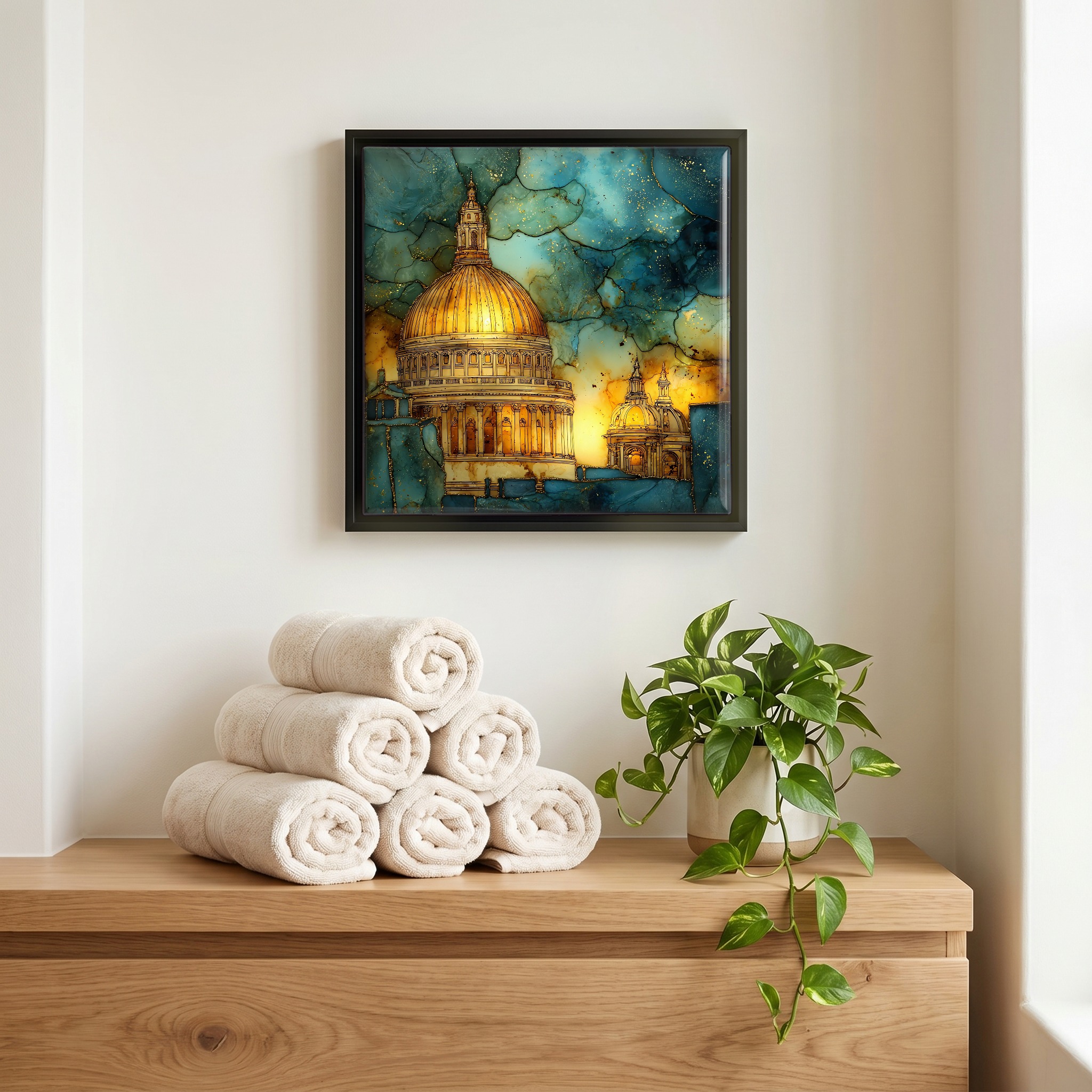
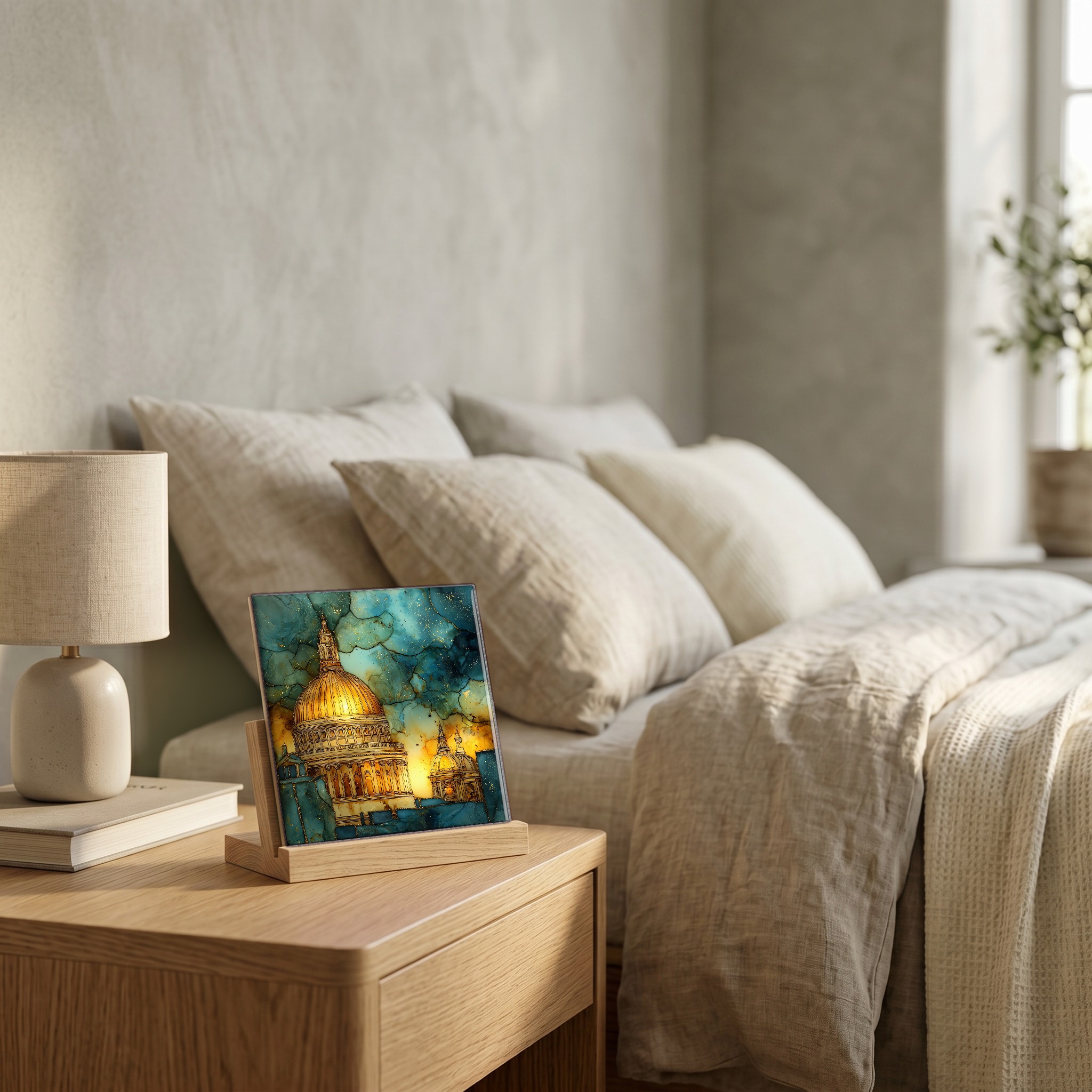
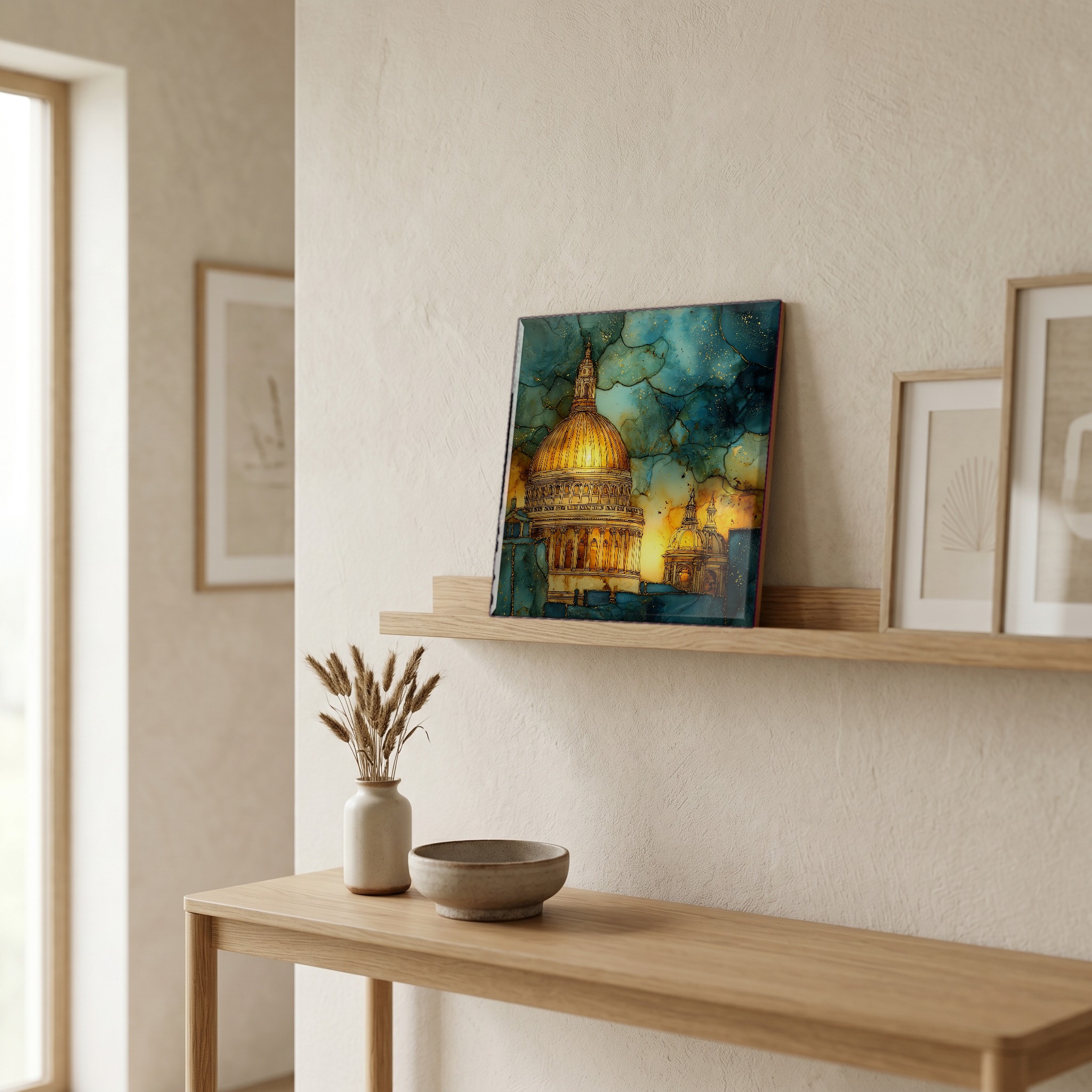
“A neoclassical dome on the hill above the Sorbonne, begun as a church for Saint Geneviève and finished just in time for the Revolution to make it a mausoleum instead. The floor inside is long and still. Voltaire and Rousseau face each other across the crypt; Marie Curie, Victor Hugo, Joséphine Baker. The Foucault pendulum has hung from the dome on and off since 1851, swinging out the slow proof that the Earth turns.
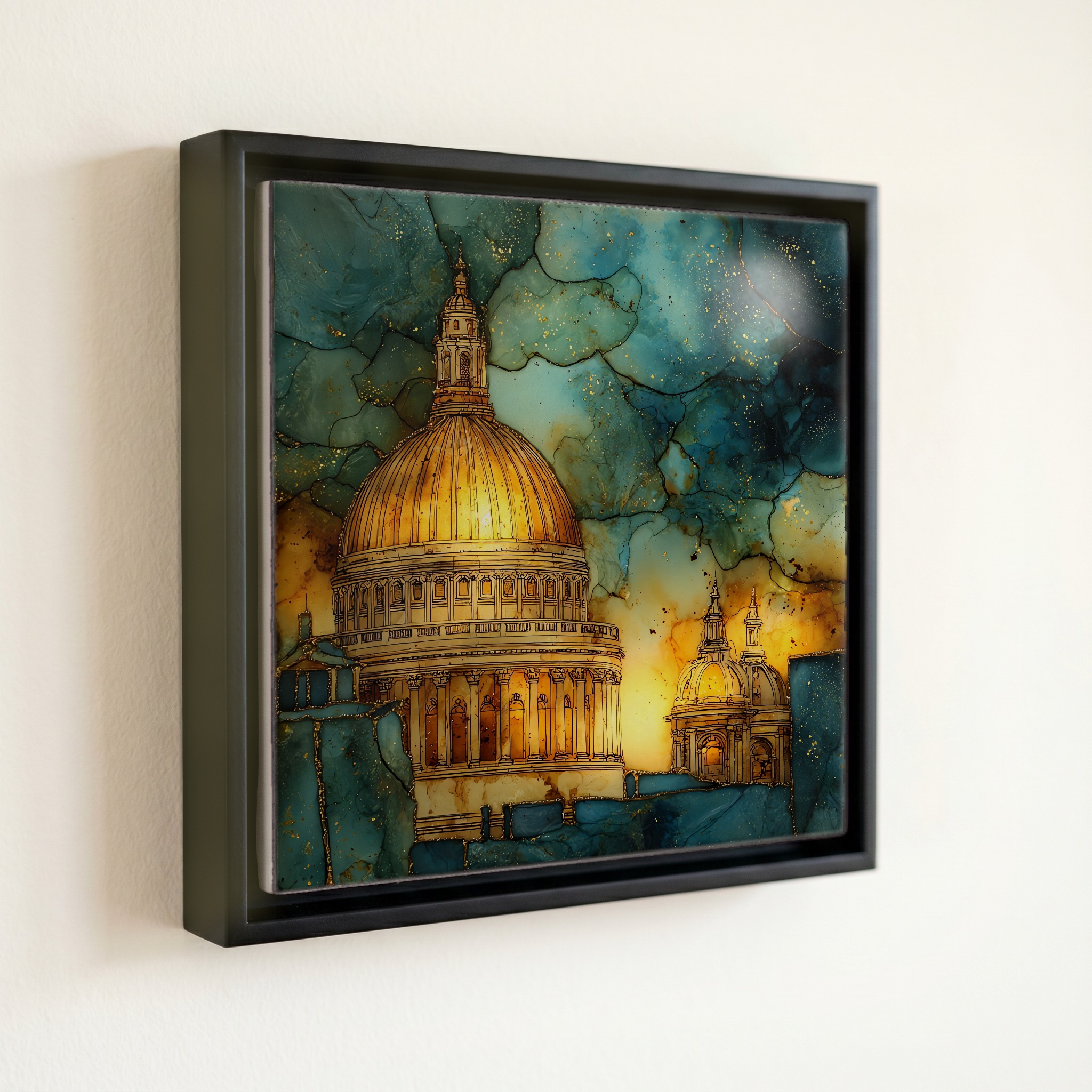
Pantheon Sainte-Genevieve, on ceramic.
Each tile is finished by hand in our Knoxville studio. Artwork is slowly infused into the ceramic surface under high heat and pressure, and rests beneath a thin glossy finish. The colour lives in the surface, not on top of it.
Pick any four 4-inch tiles — National Parks you've been to, a Smokies set, the four seasons of one place. $ for a set of , cork-backed, ready to live on the table.
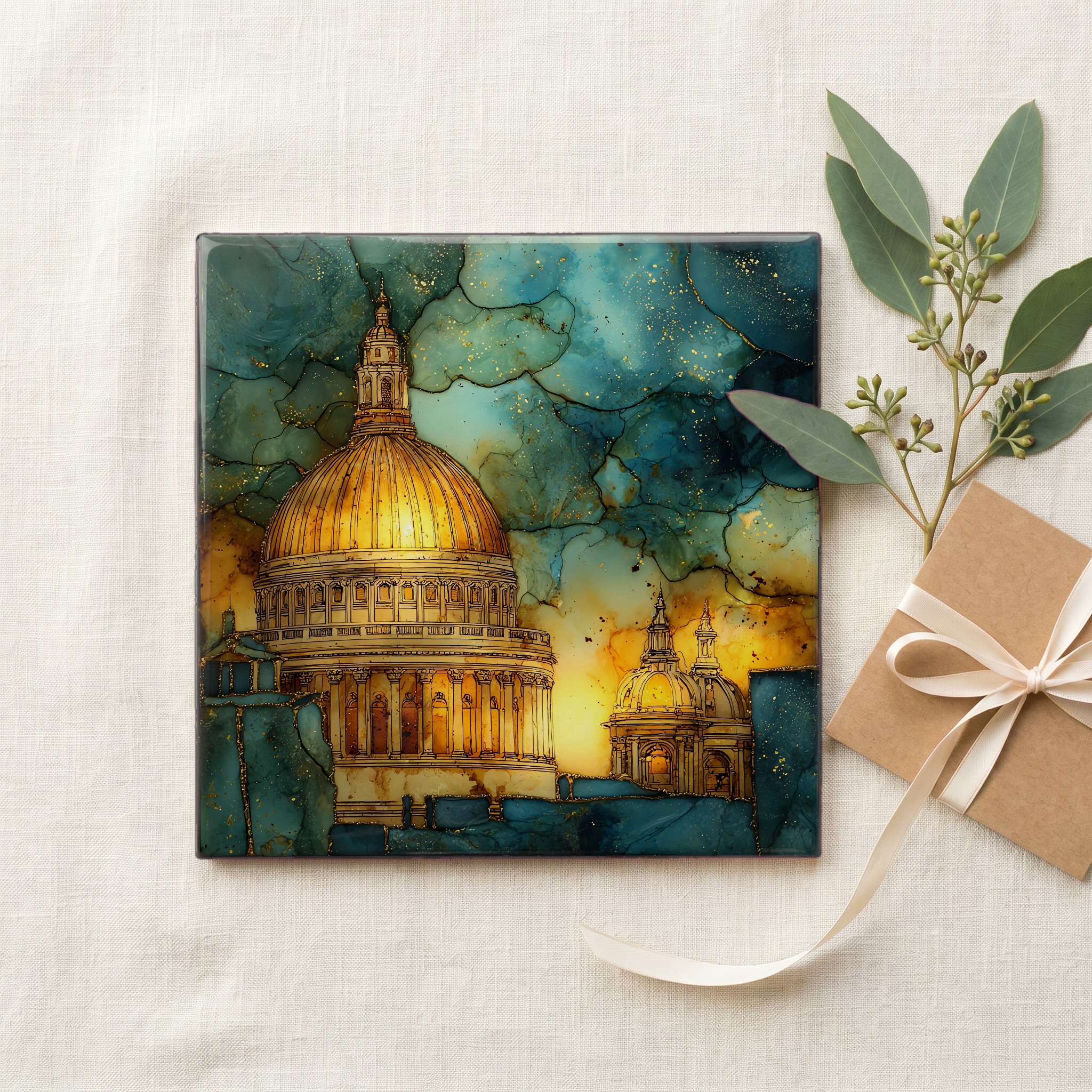
Each tile ships in a kraft box, tied with cream ribbon, with a handwritten note from the studio if you'd like to add one.
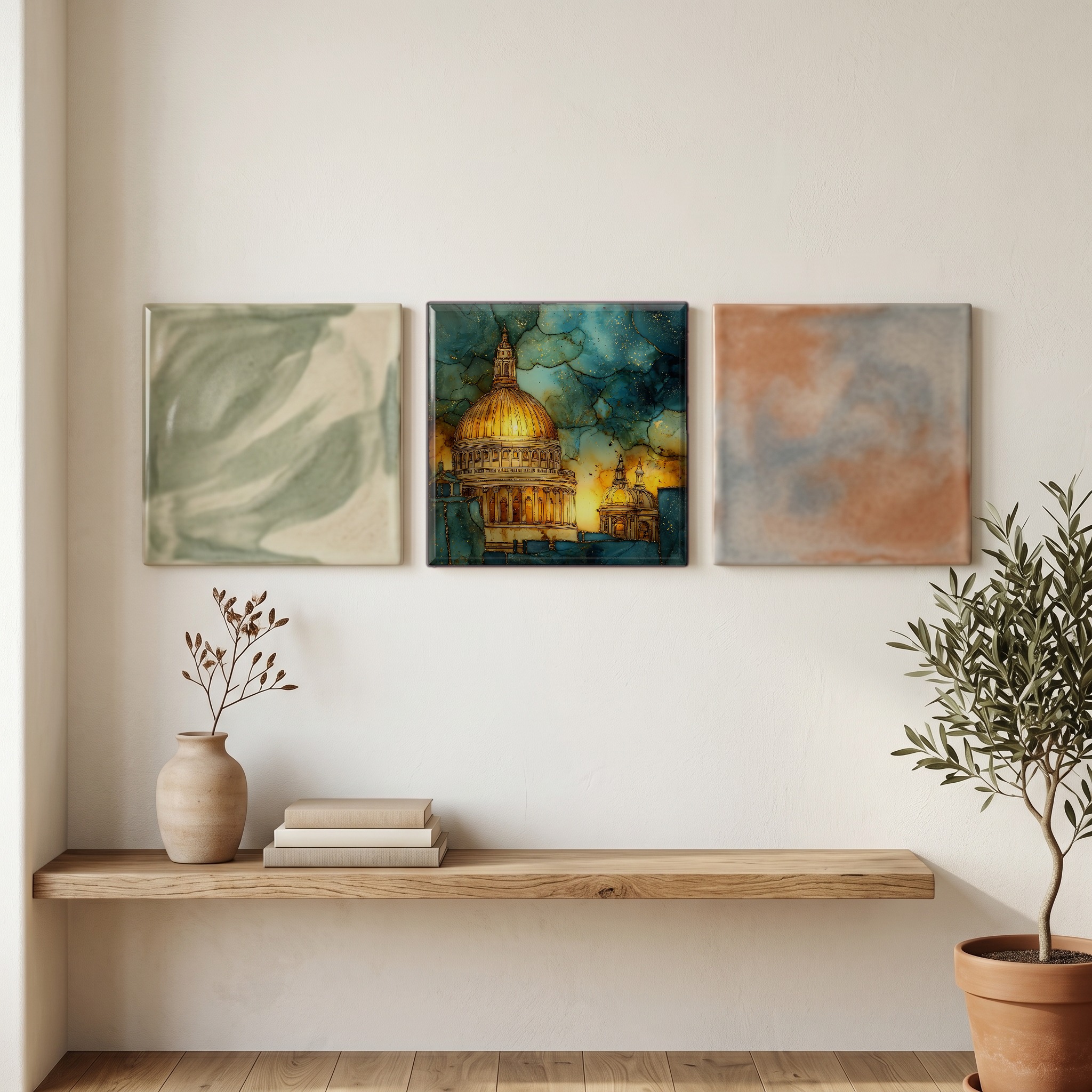
Three or five different vistas, hung together — a chapter of places you've been, or want to go.
The place, in three passes.
The Panthéon stands at the top of the Montagne Sainte-Geneviève in Paris's 5th arrondissement, the highest point on the Left Bank at about 60 metres. It looks out over the Sorbonne and the Latin Quarter to the north, and the Jardin du Luxembourg to the west. The Métro stations Cardinal Lemoine and Maubert-Mutualité are a five-minute walk; RER B stops at Luxembourg. Architect Jacques-Germain Soufflot began the building in 1758 as a church dedicated to Saint Geneviève, the patron saint of Paris, and Jean-Baptiste Rondelet finished it in 1790. The dome rises about 83 metres above the square, visible from much of the Left Bank, framed by the long axis of the Rue Soufflot.
Soufflot's design was a deliberate revival of antique forms: a Greek cross plan, a portico of twenty-two Corinthian columns modelled on the Pantheon in Rome, a triple-shell dome inspired by St Paul's in London and the Invalides. The pediment carries the inscription added in 1791: Aux grands hommes la patrie reconnaissante (to great men, the grateful homeland). The walls are built from a local pale limestone that gives the building its even, cool grey tone; the dome and drum are also masonry, reinforced by iron cramps that Rondelet redesigned in the 1790s after settling cracks appeared. The whole sits on a deeply buried foundation driven through unstable ground left by old Gallo-Roman clay pits beneath the hill.
The Panthéon opens daily, generally from 10 in the morning until 18:30 in summer and 18:00 in winter, with last admission about forty-five minutes before closing. The crypt is included in the general ticket and runs the slow length of the floor plan, past Voltaire and Rousseau facing each other, then Hugo, Zola, the Curies, Louis Braille, Jean Jaurès, Jean Moulin, Simone Veil, and Joséphine Baker, inducted in 2021 as the first Black woman honoured in the building. The dome viewing gallery opens seasonally from April to October and needs a separate timed ticket and a climb up several hundred steps. The site is managed by the Centre des monuments nationaux.