Wender·Vista
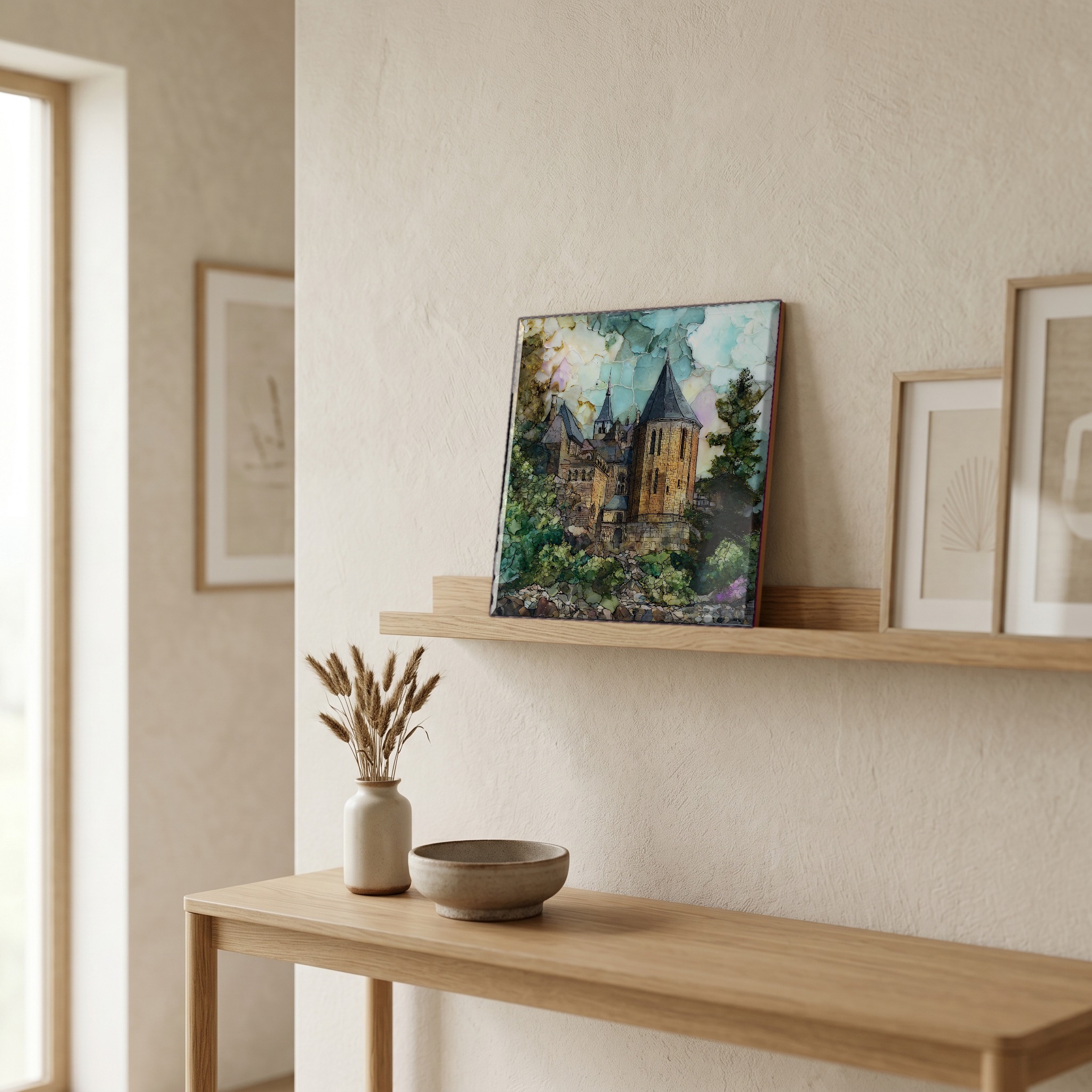
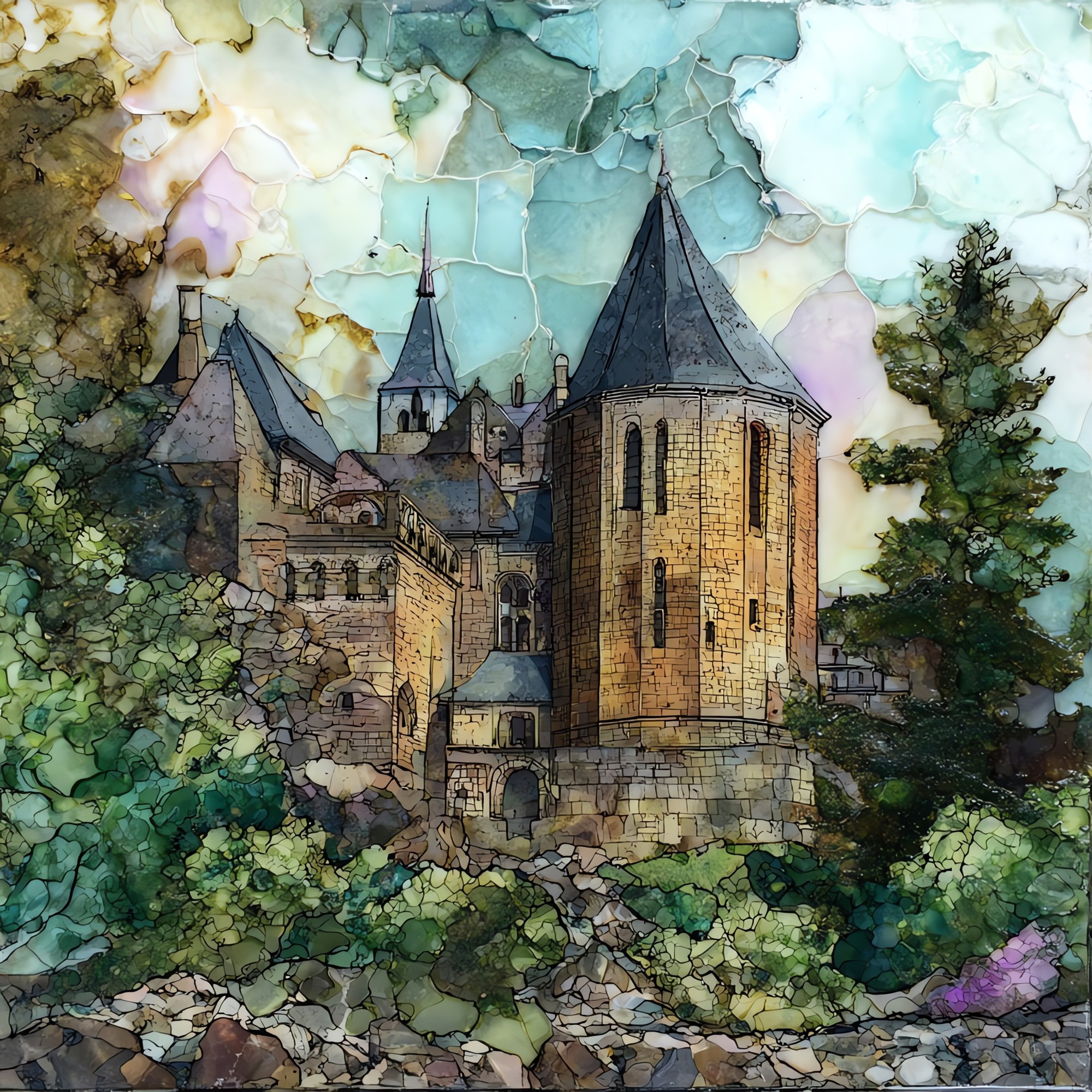
Mont-Saint-Michel Abbey Cloister
shown on ceramic, 12-inch tileFrance
on a tidal island where Normandy meets Brittany

Mont-Saint-Michel Abbey Cloister

a courtyard suspended between the sea and the sky.

Where it lives

Not only on a wall.

A small tile on the nightstand catching the morning. A larger one above the fire. Yours, wherever you spend the slow hours.
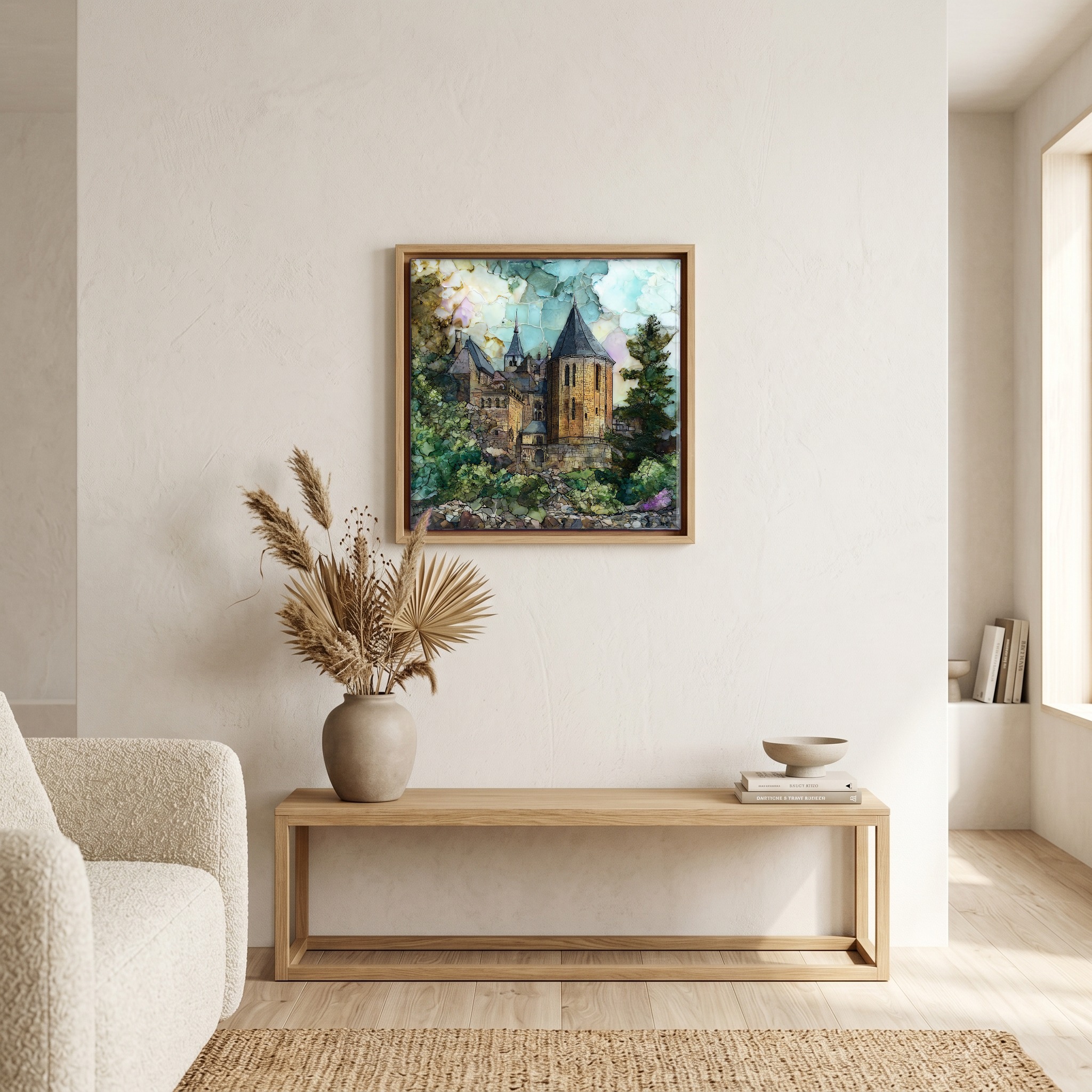
Above the bench, in a warm oak surround.
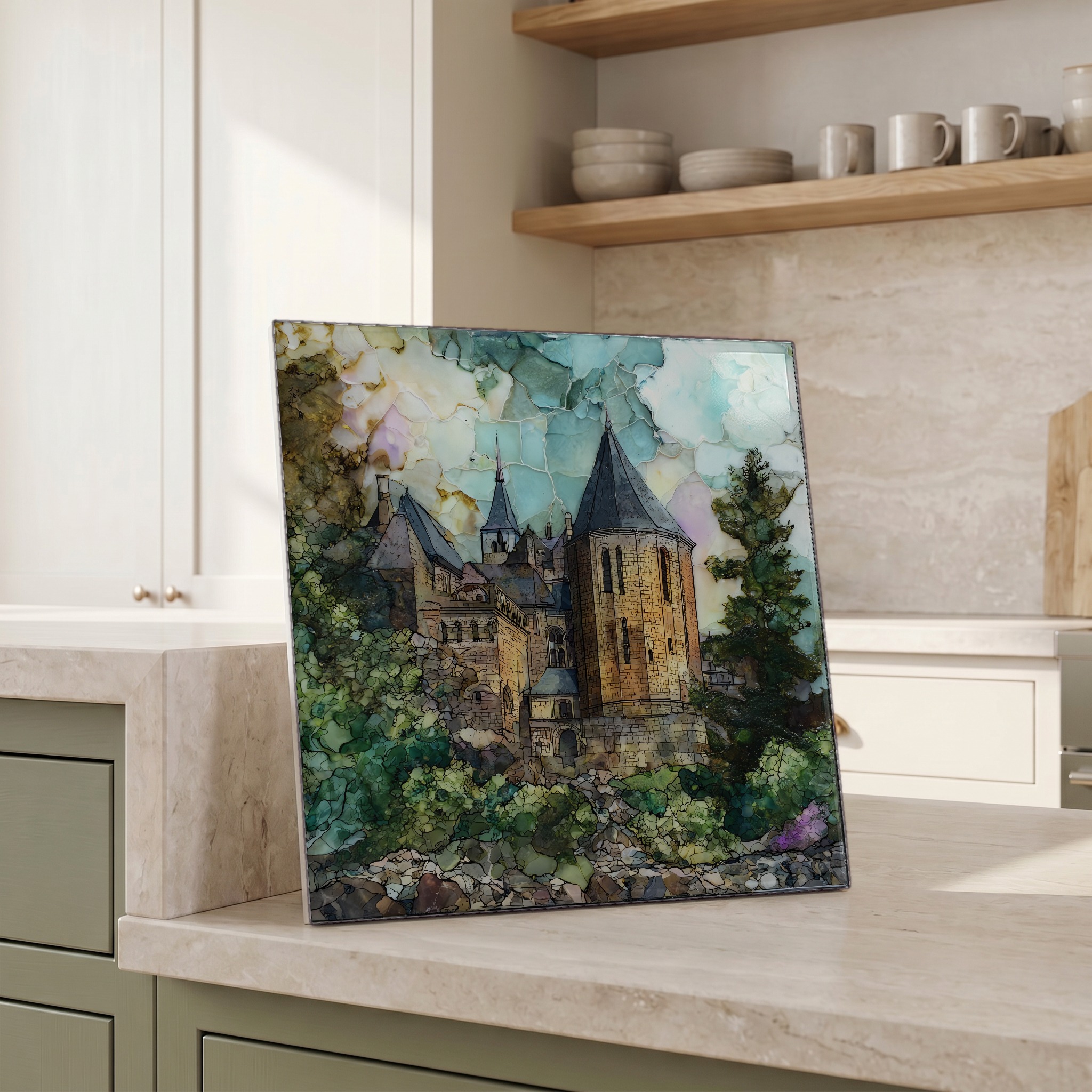
Beside the kettle, propped on the counter.
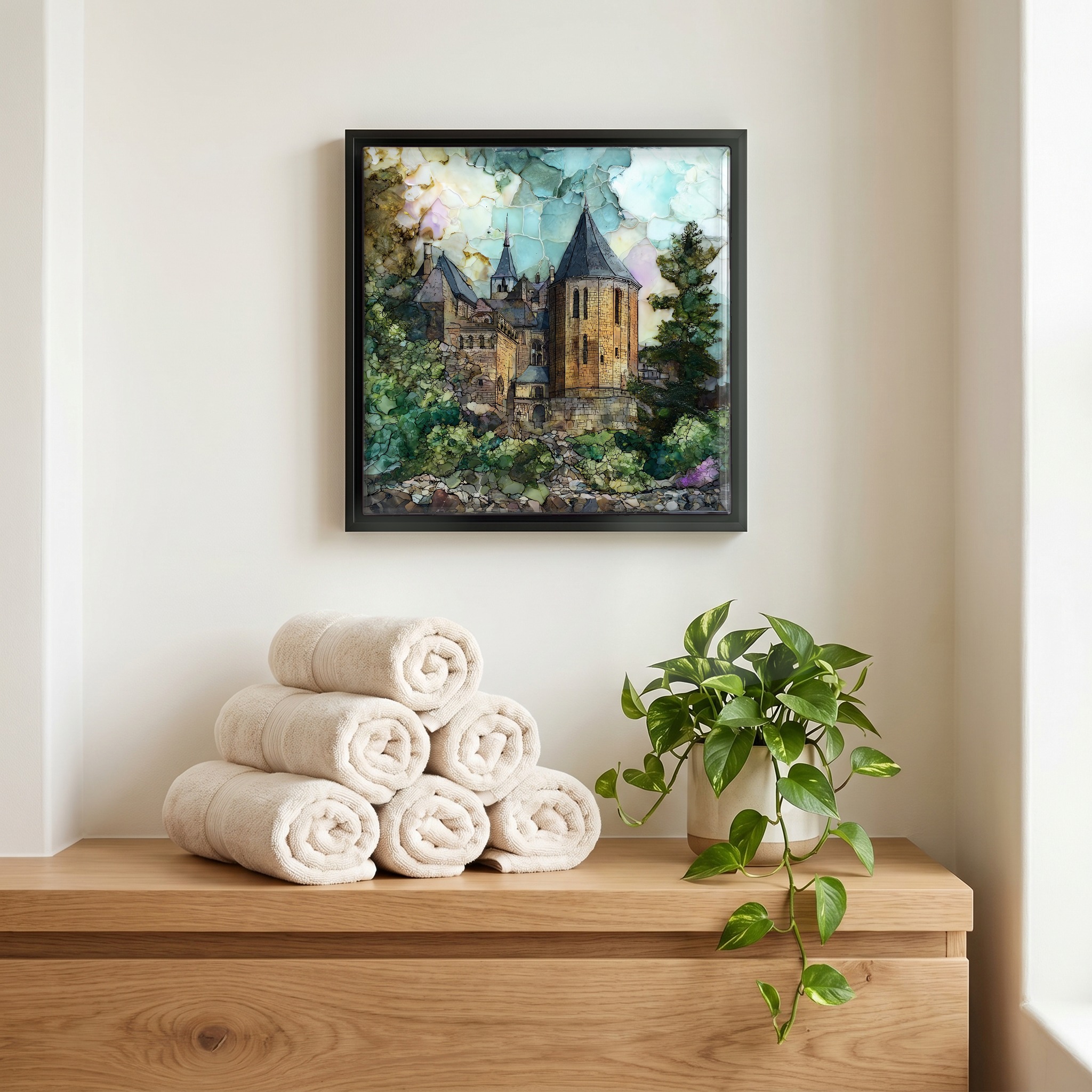
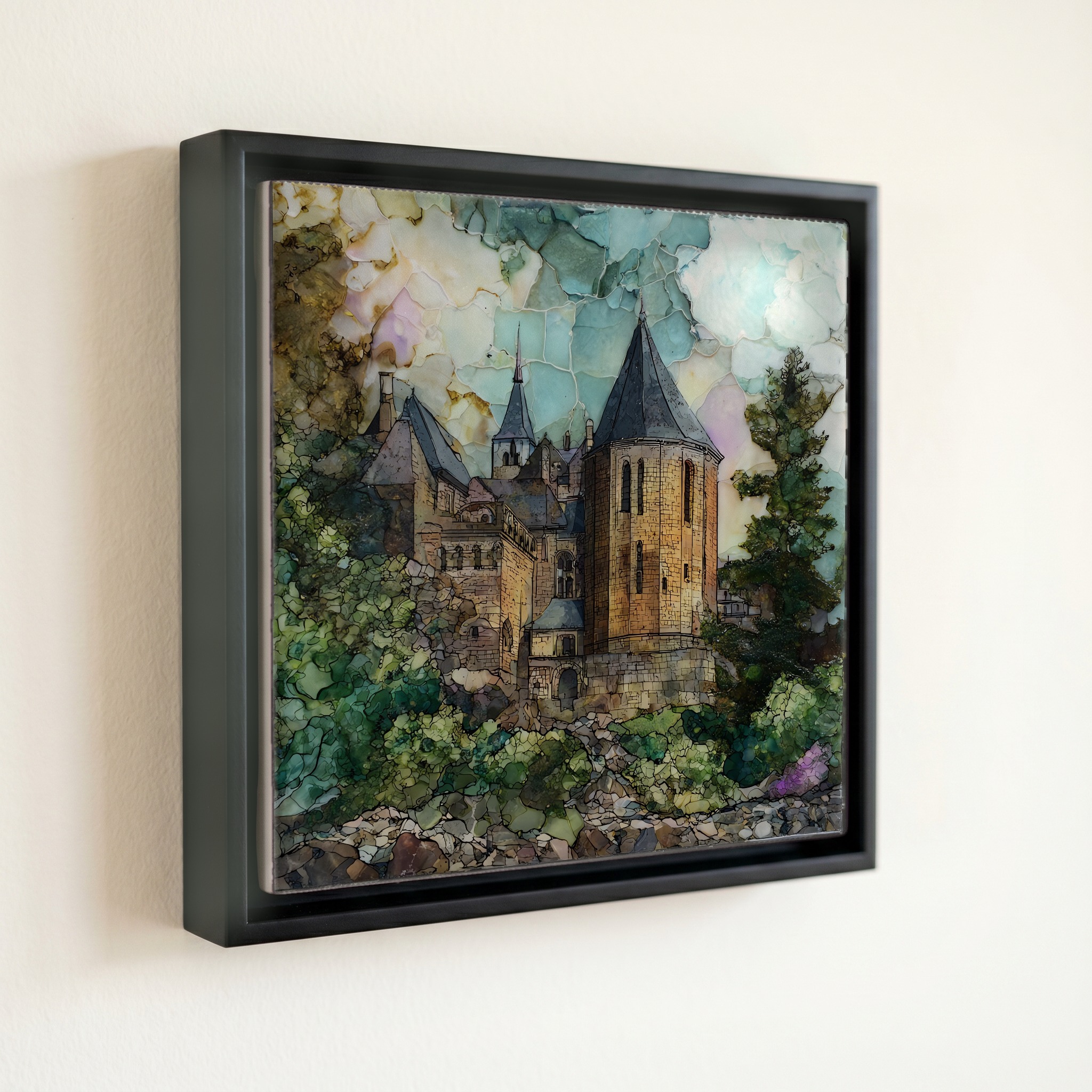
Above the linens, in a slim black surround.
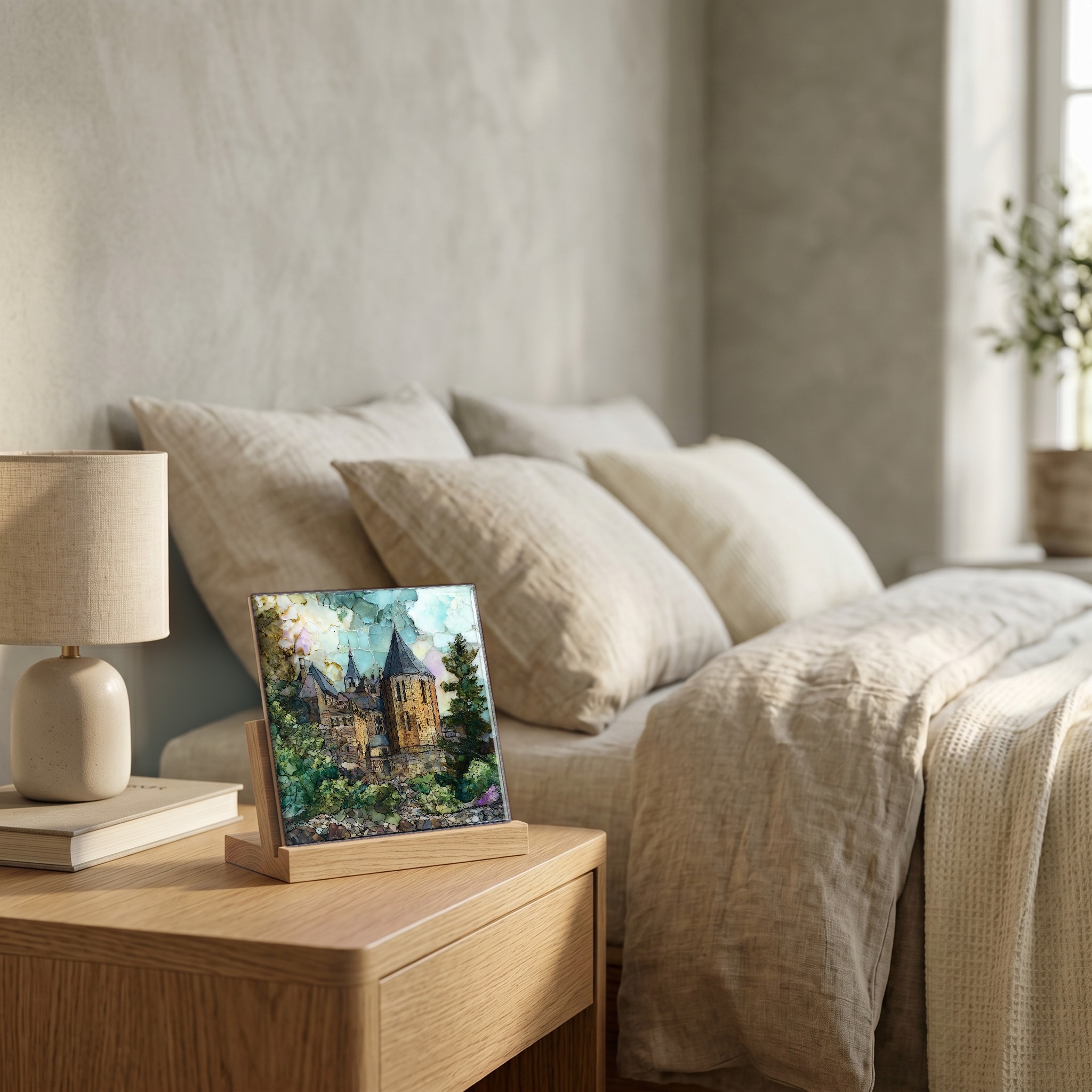
On the nightstand, on a light oak stand.
On a picture ledge, where the light comes in.
a note from the studio

At the top of Mont-Saint-Michel, above the great vaulted halls of La Merveille, a small rectangular cloister opens onto the sky. Two staggered rows of slender columns ring a garden the Benedictines kept for walking and reading. The west gallery was meant to give onto a fourth wing of La Merveille that the abbey never built; instead the open arches look out over the bay. The cloister was finished around 1228, under Abbot Raoul des Îles. Gulls come through. Below it, the tide moves.
from the studio
shown in a slim black floating frame · 6 × 6 in
— bring it home

Mont-Saint-Michel Abbey Cloister, on ceramic.

Each tile is finished by hand in our Knoxville studio. Artwork is slowly infused into the ceramic surface under high heat and pressure, and rests beneath a thin glossy finish. The colour lives in the surface, not on top of it.

What kind of piece?
One tile — square or rectangle.
How big?
the popular one — counter, shelf, nightstand
6 × 6 in · 15 cm · 1.6 lb
Surface finish
A clear glossy finish — the artwork reads as if under resin. Ideal for show-pieces and framed wall art.
How it sits
A hidden cleat — sits ¼″ proud of the wall.
$58
Hand-finished and shipped from our studio at the foot of the Smokies. On your wall in about ten days.
size
6 × 6 in
15 cm
weighs
1.6 lb
solid in the hand
surface
ceramic, hand-finished
art rests beneath a thin glossy finish
from
Knoxville, TN
our family studio, at the foot of the Smokies
— start a Coaster Set

Pick any four 4-inch tiles — National Parks you've been to, a Smokies set, the four seasons of one place. $ for a set of , cork-backed, ready to live on the table.
comes gift-ready
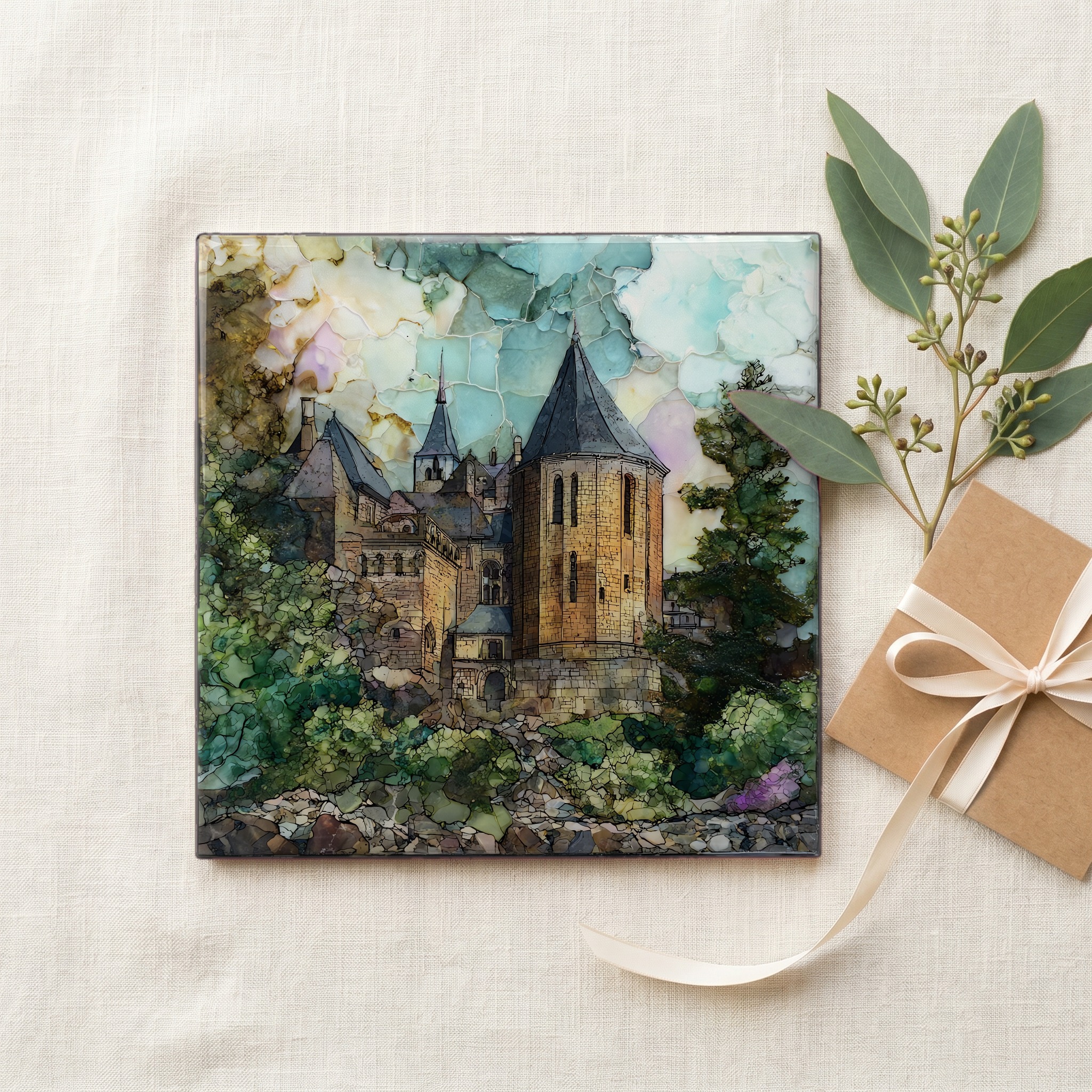
comes gift-ready

Each tile ships in a kraft box, tied with cream ribbon, with a handwritten note from the studio if you'd like to add one.
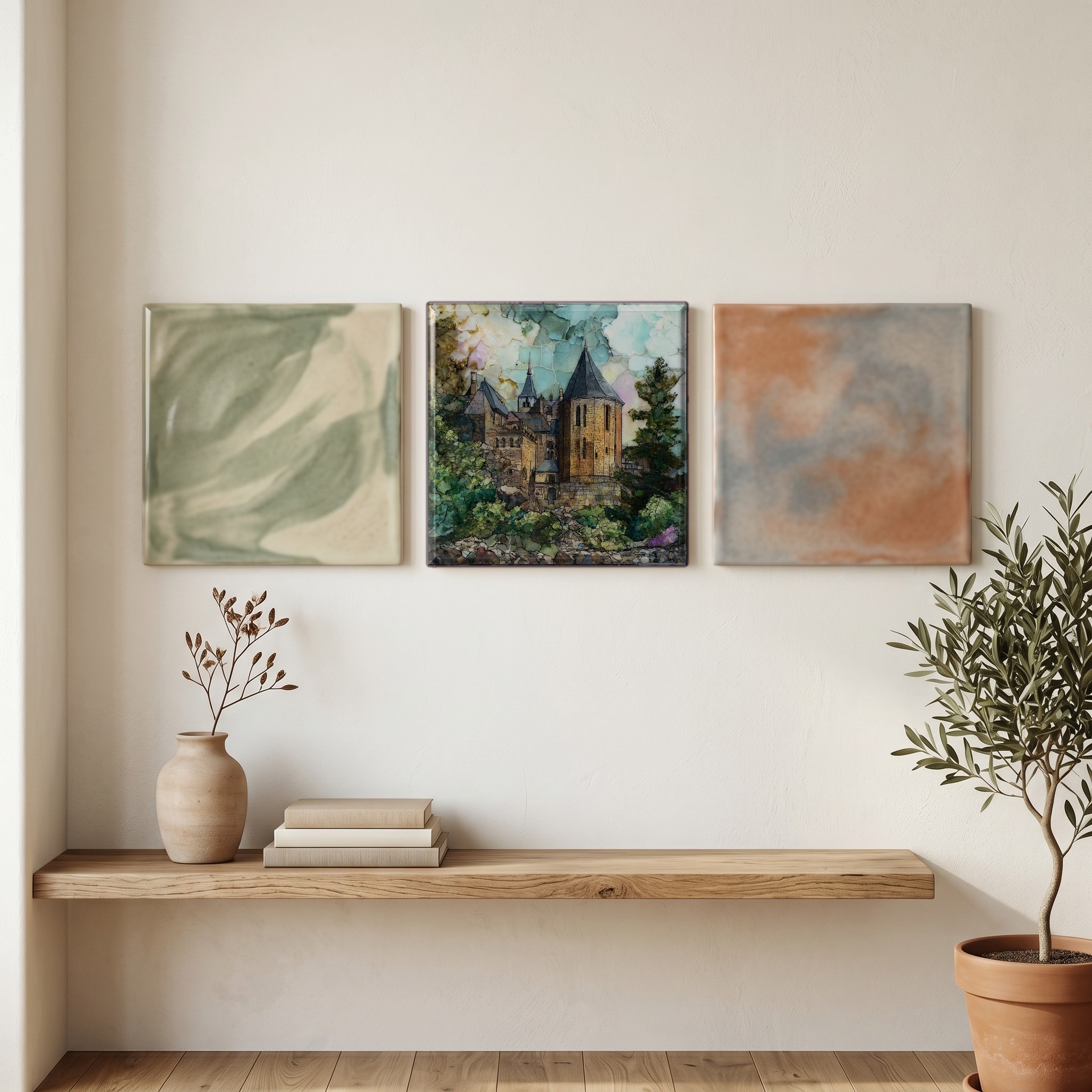
or build a grouping
or build a grouping

Three or five different vistas, hung together — a chapter of places you've been, or want to go.

about Mont-Saint-Michel Abbey Cloister

The place, in three passes.

A little of what's known, in case you fall down the rabbit hole — or want to go see it yourself.
the place

Mont-Saint-Michel rises from a small granite tidal island in the bay where the Couesnon River meets the English Channel, on the historic border between Normandy and Brittany in northwestern France. The summit of the rock stands about 92 metres above the surrounding sand and water. The site has been monastic since 708, when Bishop Aubert of Avranches founded the first oratory; a Benedictine community took it over in 966 under Duke Richard I of Normandy. The cloister sits at the top of La Merveille, the Gothic complex built into the north flank of the rock between roughly 1211 and 1228, after Philip II Augustus funded the rebuilding of the abbey following a fire in 1204. UNESCO inscribed Mont-Saint-Michel and its bay on the World Heritage list in 1979.

the stone

The cloister forms a small rectangle ringed by a double row of slender columns set in staggered pairs, so the inner and outer rows do not align. As a visitor walks the gallery, the columns appear to slide past each other in a slow optical movement, an effect medieval masons favoured for small contemplative spaces. The columns are cut from pink-grey granite quarried in the Chausey Islands, the small archipelago about 40 kilometres offshore in the English Channel; the spandrels above them carry carved limestone foliage and small figures. The walls and arches were originally painted in rich colours that have long since faded back to bare stone. The whole gallery rests on three storeys of vaulted halls below, a thirteenth-century engineering decision that lets a quiet space float at the top of the rock.

the water

The bay around Mont-Saint-Michel has one of the largest tidal ranges in continental Europe, with spring tides moving water as much as 14 metres between low and high. At low tide the bay drains for several kilometres, leaving sand flats that visitors can cross only in the company of a licensed guide. At high tide the water can return at speed, a phenomenon Victor Hugo described as moving at the pace of a galloping horse, an image local guides still repeat. The island became fully tidal again in 2014, when a slender pedestrian bridge replaced the nineteenth-century causeway that had silted up the channel around the rock. From the open western arches of the cloister, the bay extends out toward the Channel, weather permitting.

where
France · Mont-Saint-Michel, Manche, Normandy
elevation
92 m · 302 ft
position
48.6361° N · 1.5115° W
the neighborhood

What's nearby.

A handful of named places within an hour's walk or short drive. Some we've already painted; some we will.
3 km N
Tombelaine
tidal islet in the bay
9 km S
Pontorson
gateway town
22 km E
Avranches
historic bishopric town
30 km W
Cancale
oyster harbour
50 km W
Saint-Malo
walled coastal city
N
Mont-Saint-Michel Abbey Cloister
Tombelaine
Pontorson
Avranches
Cancale
Saint-Malo
common questions

What people ask.

A few questions we get about Mont-Saint-Michel Abbey Cloister — and about bringing the piece home.
about the place

It sits at the very top of Mont-Saint-Michel Abbey, on a small tidal island in the bay where Normandy meets Brittany, in northwestern France. The cloister forms the uppermost storey of La Merveille, the Gothic complex built into the north flank of the rock in the thirteenth century.

The cloister was completed around 1228 under Abbot Raoul des Îles, as the final and highest element of La Merveille. Construction of La Merveille began about 1211, funded in part by King Philip II Augustus as reparation for a fire that damaged the abbey in 1204.

The cloister has a double row of slim columns arranged in staggered pairs, so the inner and outer rings do not align. As a visitor walks the gallery, the columns appear to slide past each other in a slow optical movement, an effect medieval masons used to give a small contemplative space depth.

Benedictine cloisters typically sit beside a church on level ground. Mont-Saint-Michel has no level ground, so the builders stacked La Merveille upward and placed the cloister on the highest storey, where the community could walk and read at sky-height beside the abbey church.

Yes. UNESCO inscribed Mont-Saint-Michel and its bay on the World Heritage list in 1979, recognising the abbey, the medieval village around its base, and the surrounding tidal flats as a single cultural and natural landscape.

A slender pedestrian bridge connects Mont-Saint-Michel to the mainland near Pontorson. Visitors park on the mainland and walk across or take a shuttle. The bridge opened in 2014 and replaced the nineteenth-century causeway, which had silted the bay and was slowly cutting the rock off from the tide.

Yes. The cloister is part of the standard self-guided route through Mont-Saint-Michel Abbey, managed by the Centre des monuments nationaux. The abbey is open daily except for a small number of public holidays, with admission set annually by the French heritage agency; the cloister sits near the end of the visit.

about the piece in your home

It often is. Almost everyone who climbs the abbey reaches the cloister near the end, at the top of the rock, and many remember it as the part of the visit that finally went quiet. A Small or Medium with a handwritten note from the studio carries that memory well.

The cloister piece sits comfortably in three settings in particular: Gothic Revival rooms with dark wood and tall books, French Provincial interiors where stone and linen already do the work, and Library-Traditional studies that welcome a deeper-toned focal piece on a single wall.

European heritage and monastic-quiet aesthetics have stayed in the major design conversations through the twenty-twenties, especially in libraries, studies, and slow bedrooms. A specific abbey, rather than a generic ruin, reads as collected rather than themed, which is how the look holds together.

Above a sofa, the single Large holds the wall on its own; for a wider room or a stairwell, a 4-tile Mural or a 9-tile Mural carries the architecture at proper scale. On a console table, the Medium leans well in a light oak stand, often with a Keepsake or two beside it.

Yes, in the Dura Satin or Matte finish. Both are scratch-resistant and made for vertical installation, including backsplashes and shower walls. The Glossy finish is the show-piece option for living and dining rooms where the tile will not take splashes; for wet rooms, choose Dura Satin or Matte.

A soft microfibre cloth with plain water is enough. The colour is slowly infused into the ceramic surface under high heat and pressure and rests beneath a thin protective finish, so abrasive cleaners, scouring pads, and bleach are not needed and should be avoided.

Yes. Every WenderVista tile is original work from a single Tennessee studio, where Reid Wender curates and the team finishes each tile in-house. There is no licensing in either direction. The piece you receive comes from a small run produced in the studio's own atelier.

if this one stayed with you

A few you might also love.

Hand-picked by the eye that found Sorapis. Same air, same kind of quiet.