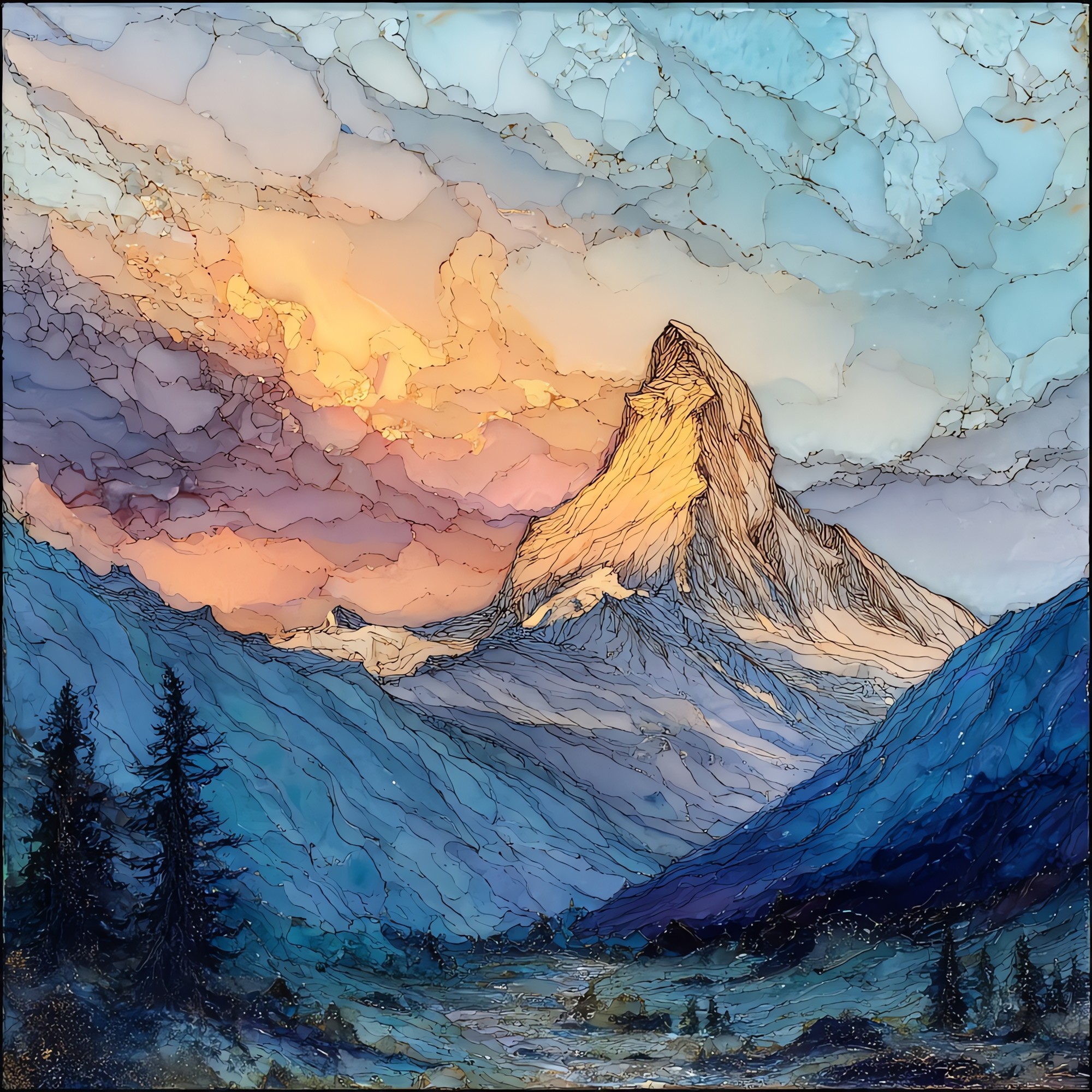
Mont Blanc
— — the white the summer cannot melt.
Not only on a wall.
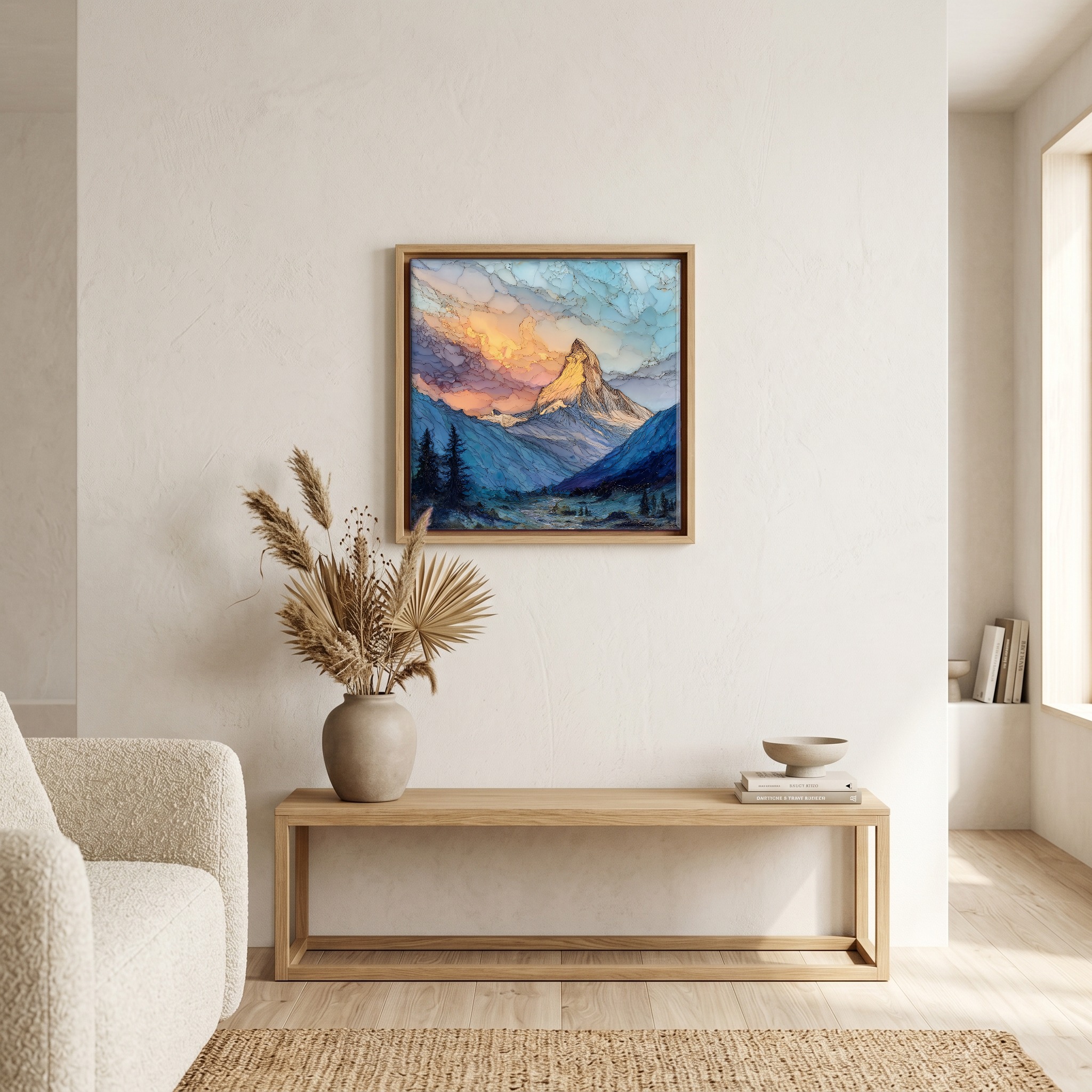
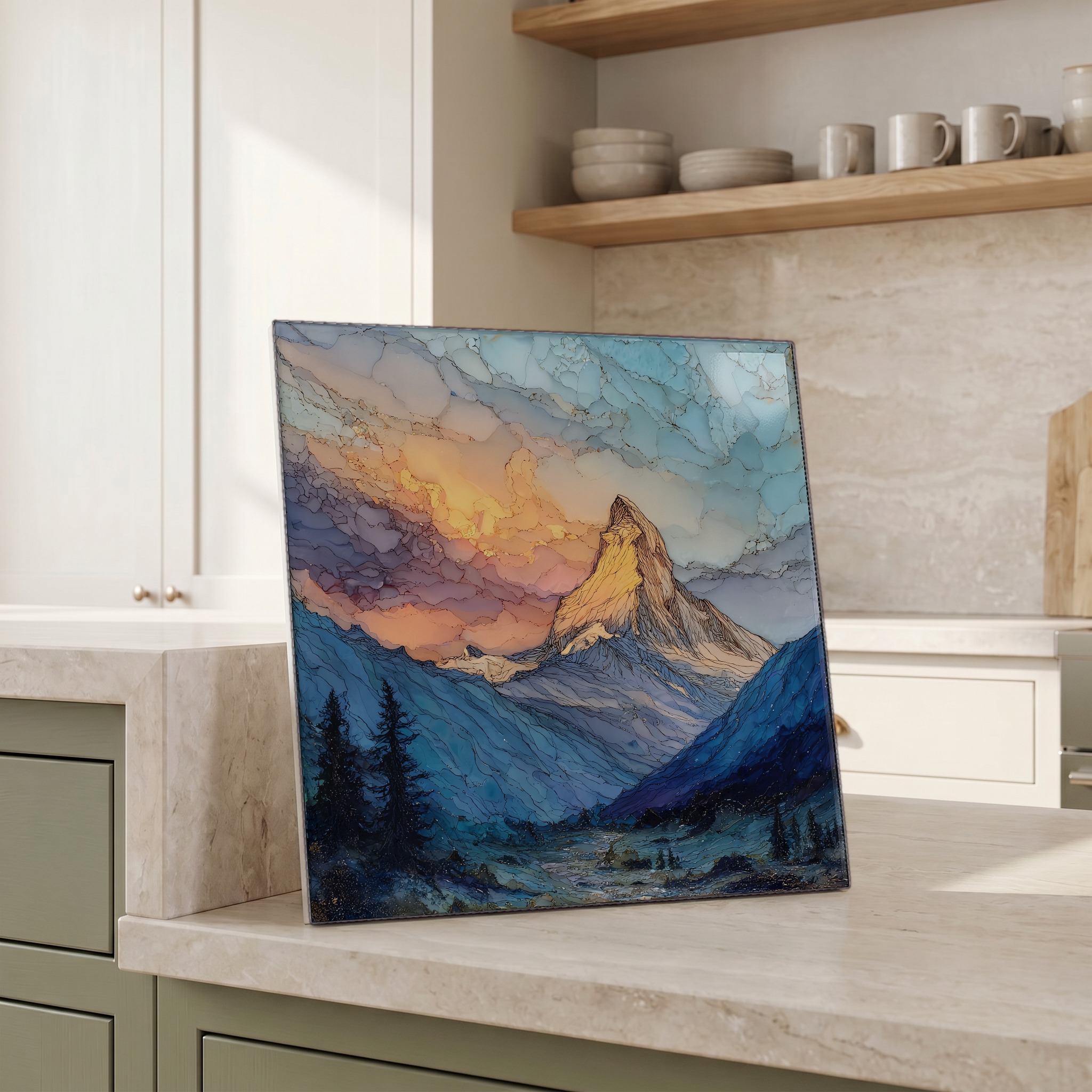
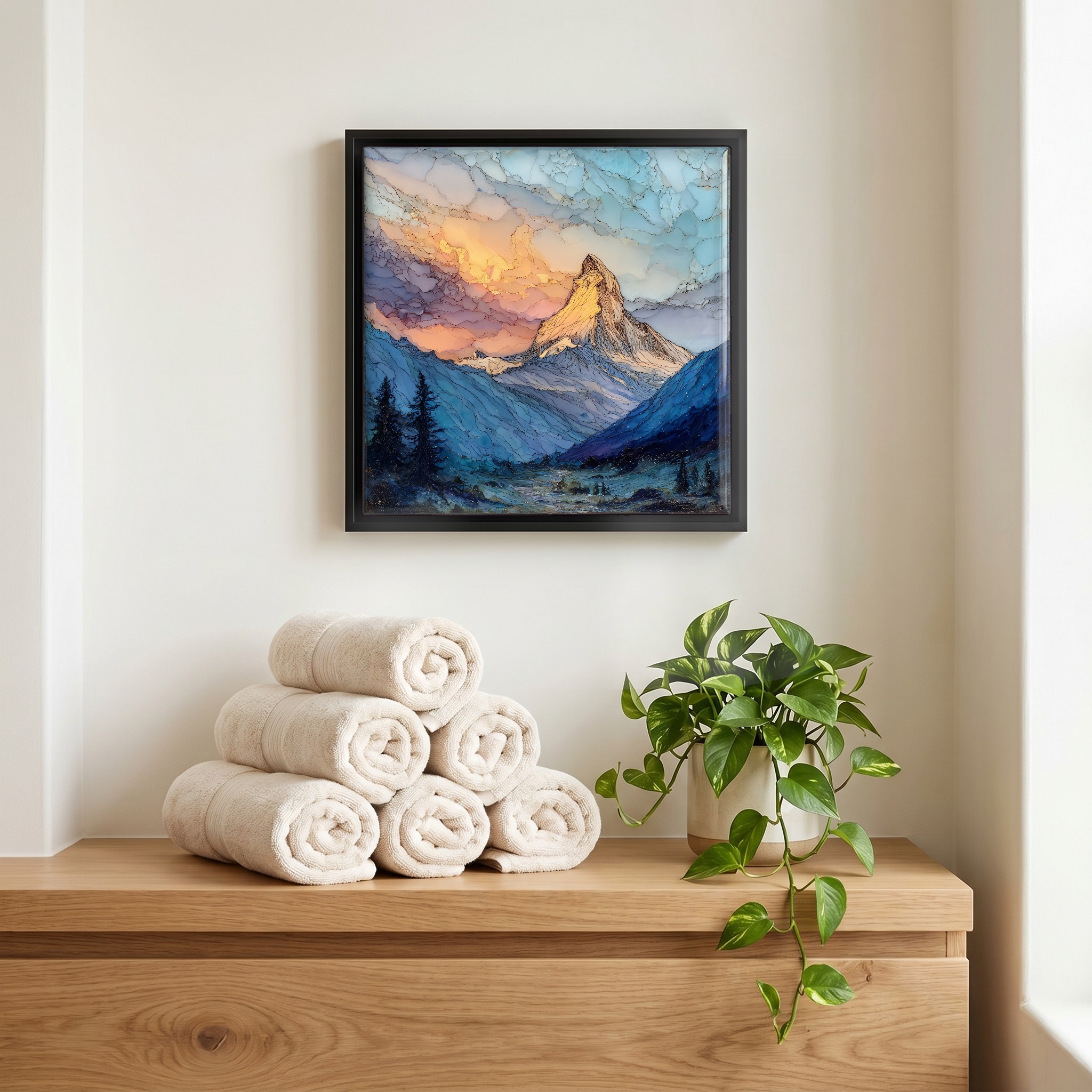
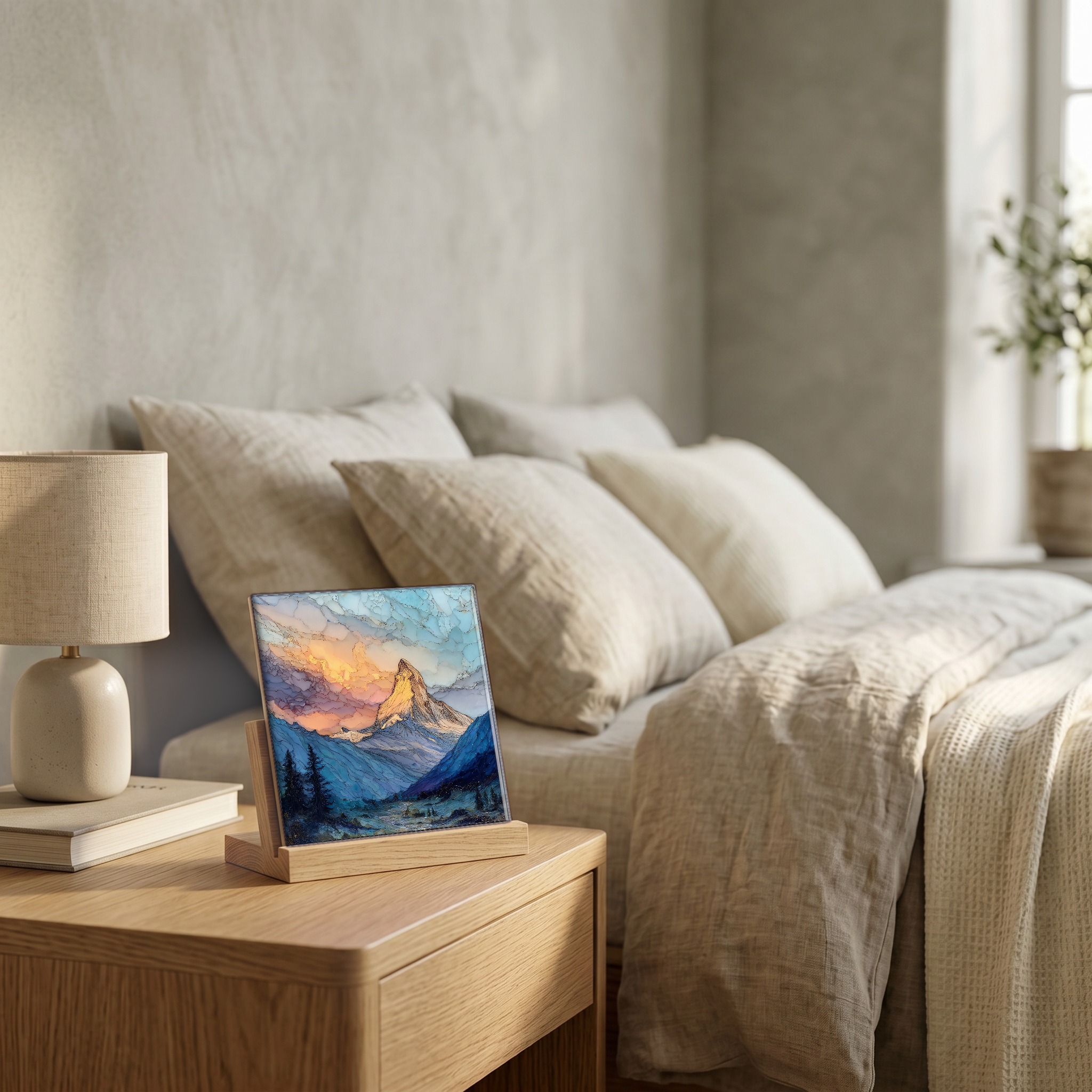
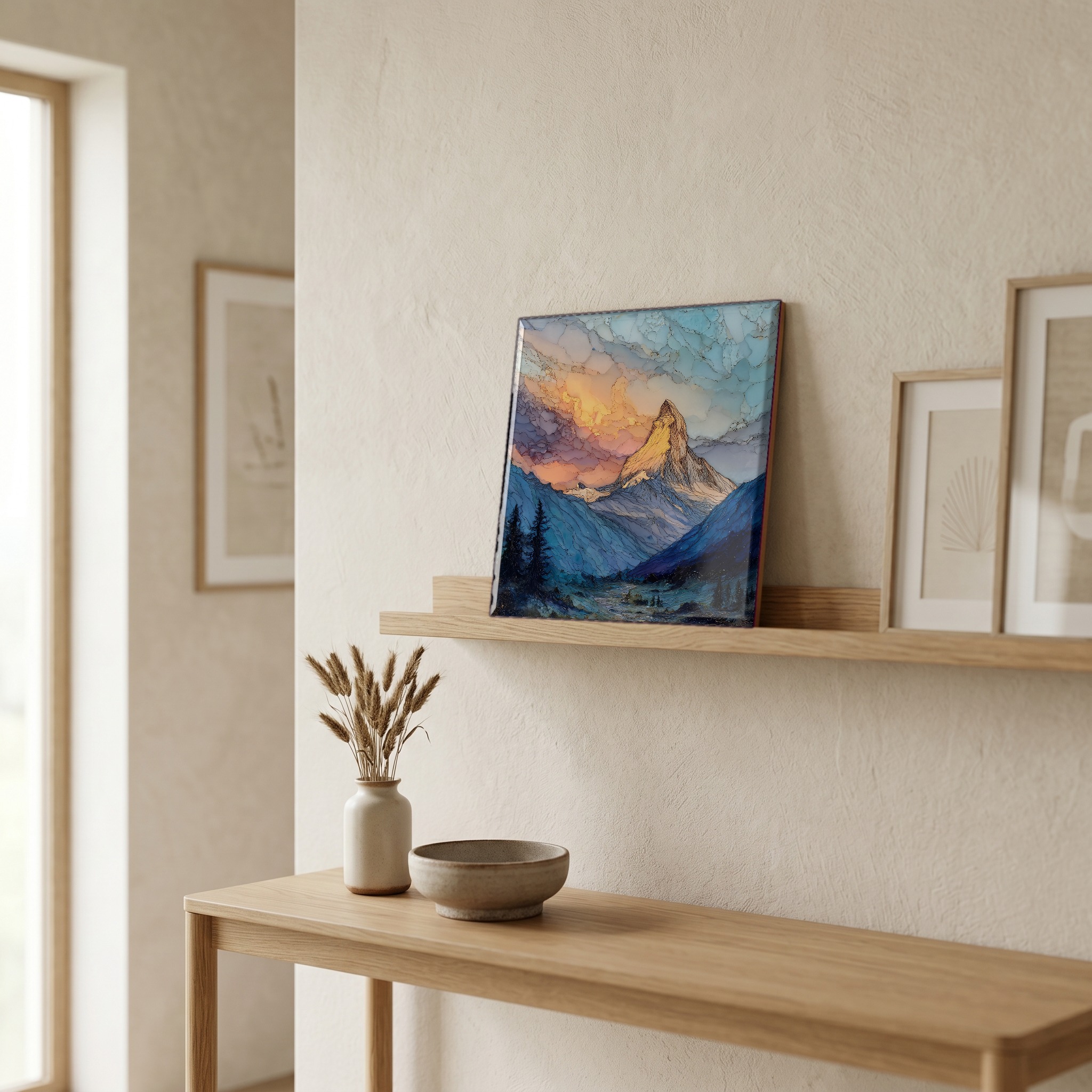
“The highest summit in the Alps and in western Europe, 4,808 metres of granite and permanent ice. From Chamonix the valley climbs straight up to it; from Courmayeur on the Italian side it leans the other way. The dome at the top is white in July and white in January. Climbers leave the Goûter hut at two in the morning to be down before the afternoon weather. Most days on the valley floor, there is a café where someone is just looking up.
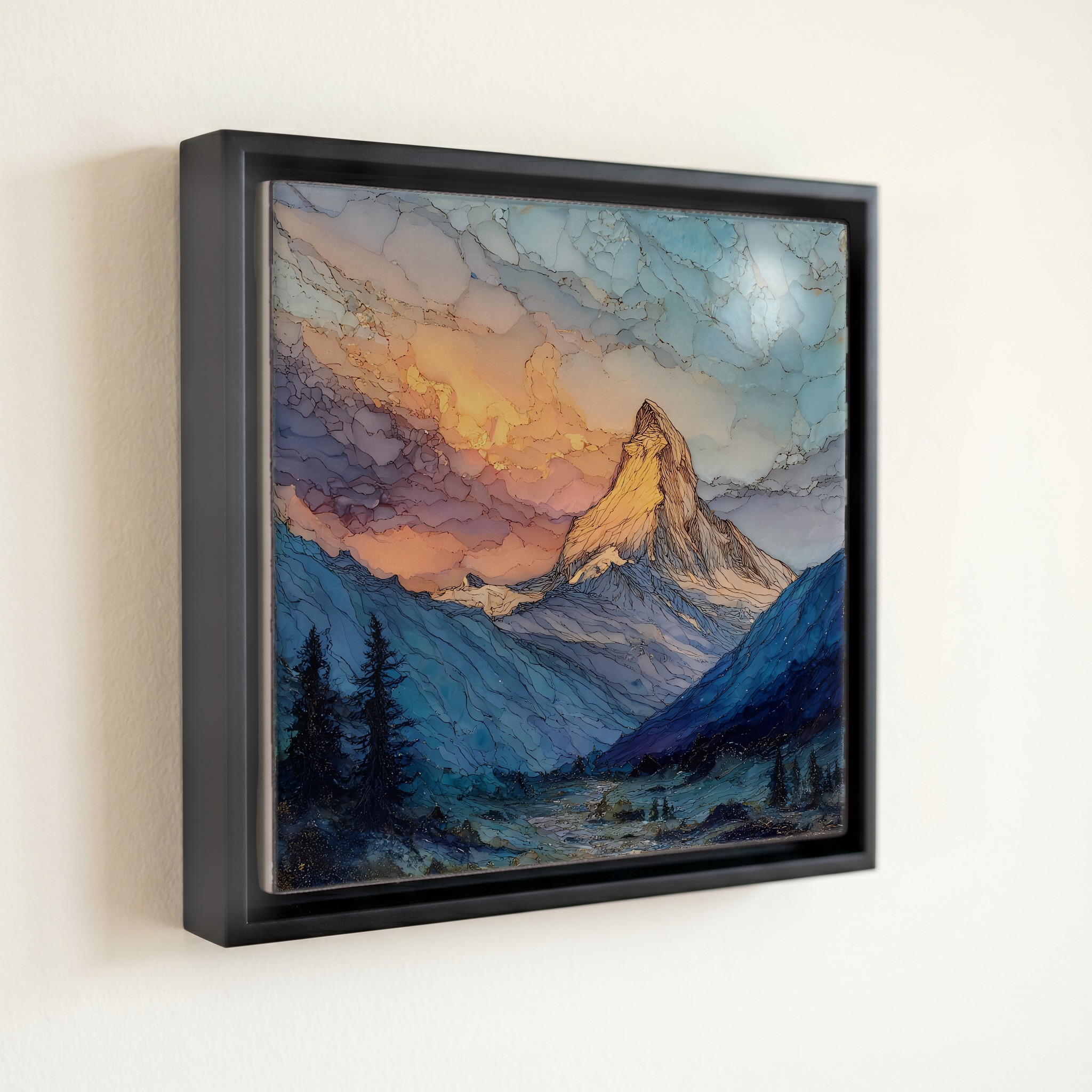
Mont Blanc, on ceramic.
Each tile is finished by hand in our Knoxville studio. Artwork is slowly infused into the ceramic surface under high heat and pressure, and rests beneath a thin glossy finish. The colour lives in the surface, not on top of it.
Pick any four 4-inch tiles — National Parks you've been to, a Smokies set, the four seasons of one place. $ for a set of , cork-backed, ready to live on the table.
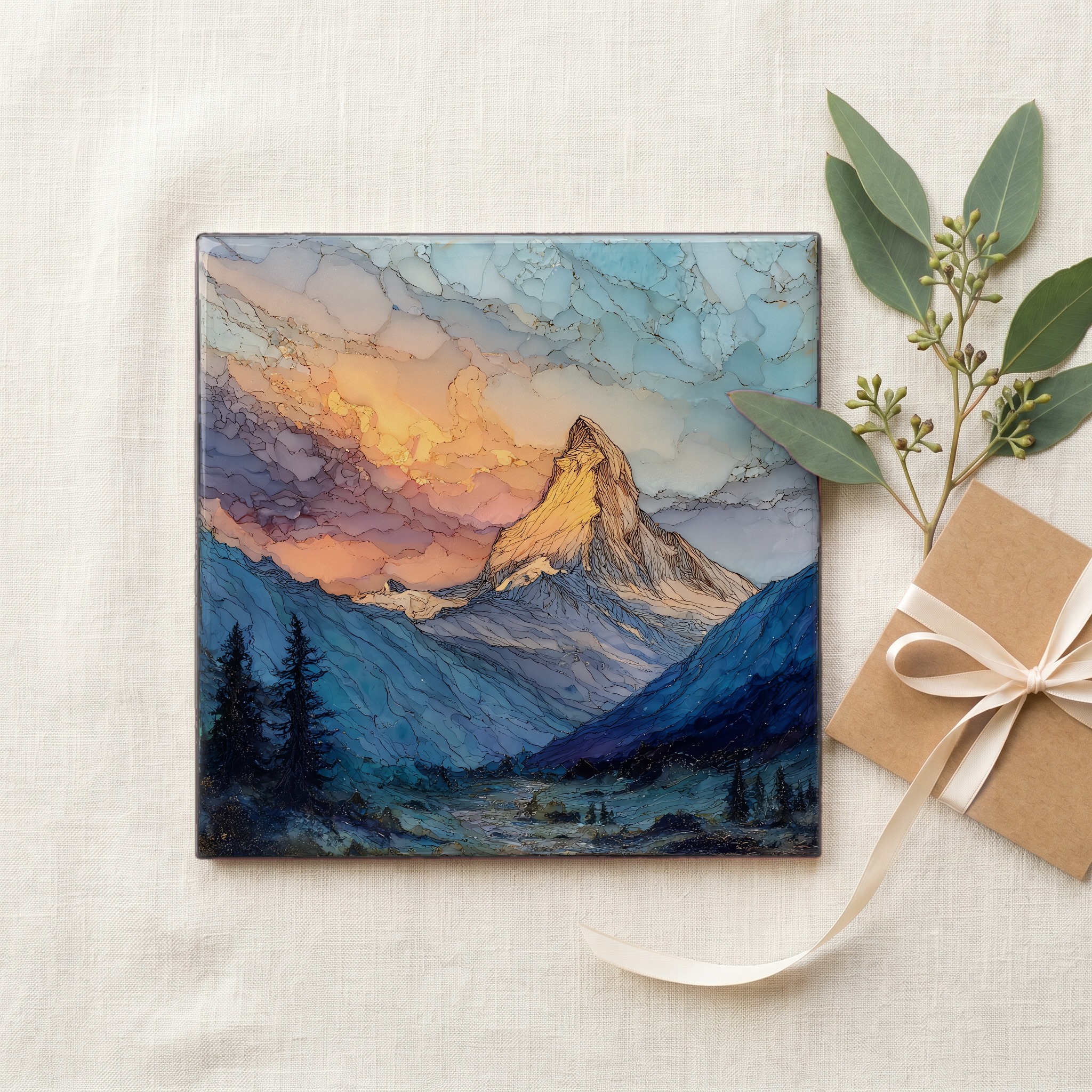
Each tile ships in a kraft box, tied with cream ribbon, with a handwritten note from the studio if you'd like to add one.
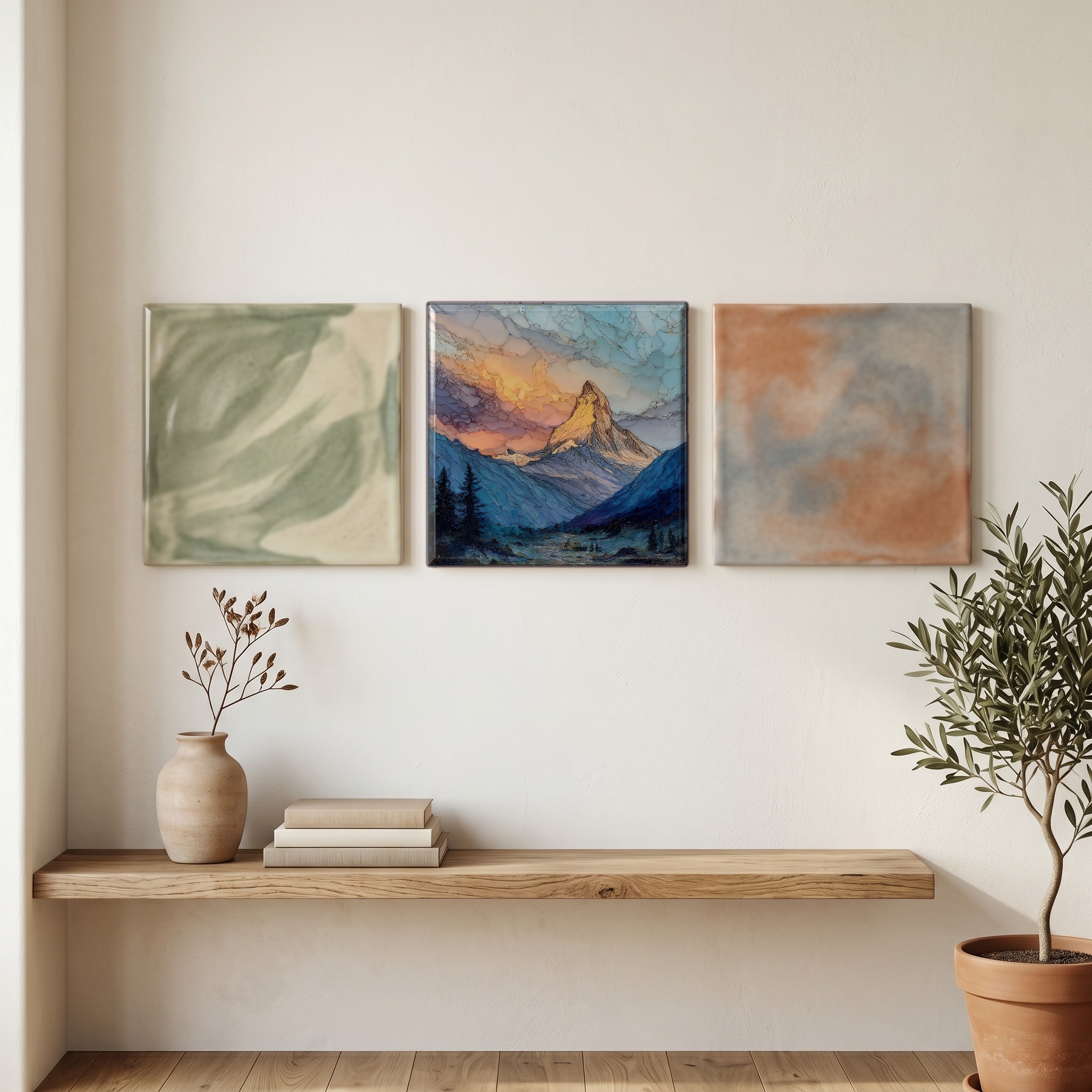
Three or five different vistas, hung together — a chapter of places you've been, or want to go.
The place, in three passes.
Mont Blanc is the highest summit in the Alps at 4,808 metres (15,774 ft), straddling the border between France's Haute-Savoie department and Italy's Aosta Valley, with the Swiss canton of Valais a short distance to the east. The massif covers roughly 400 square kilometres and holds dozens of peaks above 4,000 metres. On the French side, the valley town of Chamonix sits at 1,035 metres and has been the climbing capital of the range since the first ascent on August 8, 1786 by Jacques Balmat and Michel Paccard, prompted by a prize from the Geneva naturalist Horace-Bénédict de Saussure. The 11.6-kilometre Mont Blanc Tunnel under the massif, opened in 1965, connects Chamonix to Courmayeur on the Italian side.
At the summit the air holds about half the oxygen of sea level, and the temperature stays below freezing through every month of the year. The dome at the top is permanently white because new snow falls faster than the wind and sun can strip it away, leaving a cap that has grown and shrunk only by a metre or two across two centuries of measurement. The most recent IGN survey, carried out in September 2023, recorded 4,805.59 metres; the figure shifts year to year with the snowpack. From the valley floor in Chamonix, the summit reads as a single round shoulder above darker rock and ice, most distinct in the hour before sunset when the snow catches a long rose-gold light.
Most visitors do not attempt the summit. The standard climbing route, via the Goûter refuge at 3,835 metres, requires a refuge booking and, since 2019, an official permit on the French side, introduced by the commune of Saint-Gervais to limit accidents in the Couloir du Goûter rockfall zone. The Aiguille du Midi cable car from Chamonix rises to 3,842 metres in about twenty minutes and delivers the high-mountain view without the climb. The Tour du Mont Blanc, a roughly 170-kilometre walking circuit through France, Italy and Switzerland, takes most walkers ten to eleven days and stays well below the snowline. The Mer de Glace, the longest glacier in France, is reached by a small rack railway from Chamonix to Montenvers.