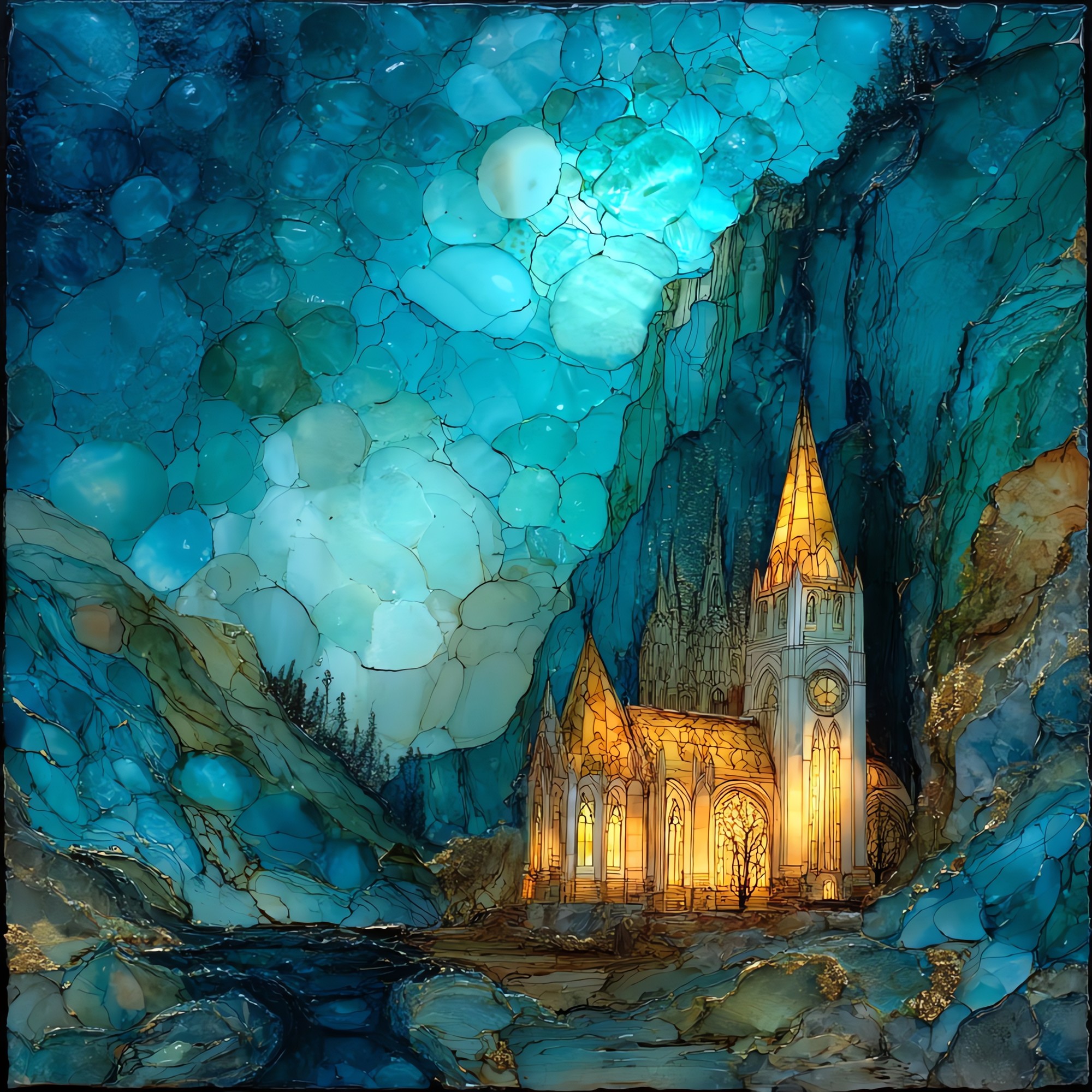
Massabielle Grotto
— a wall a million hands have touched.
Not only on a wall.
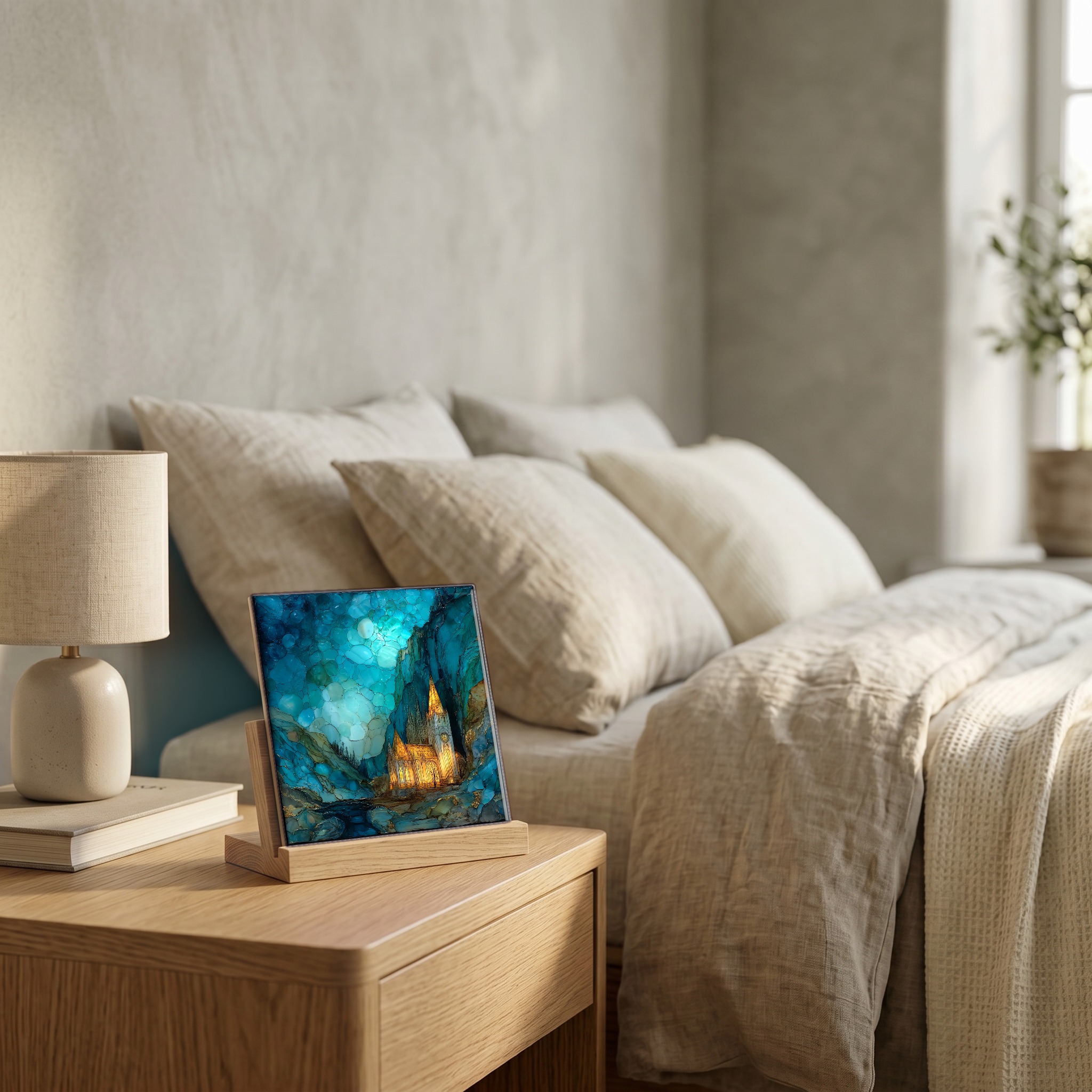
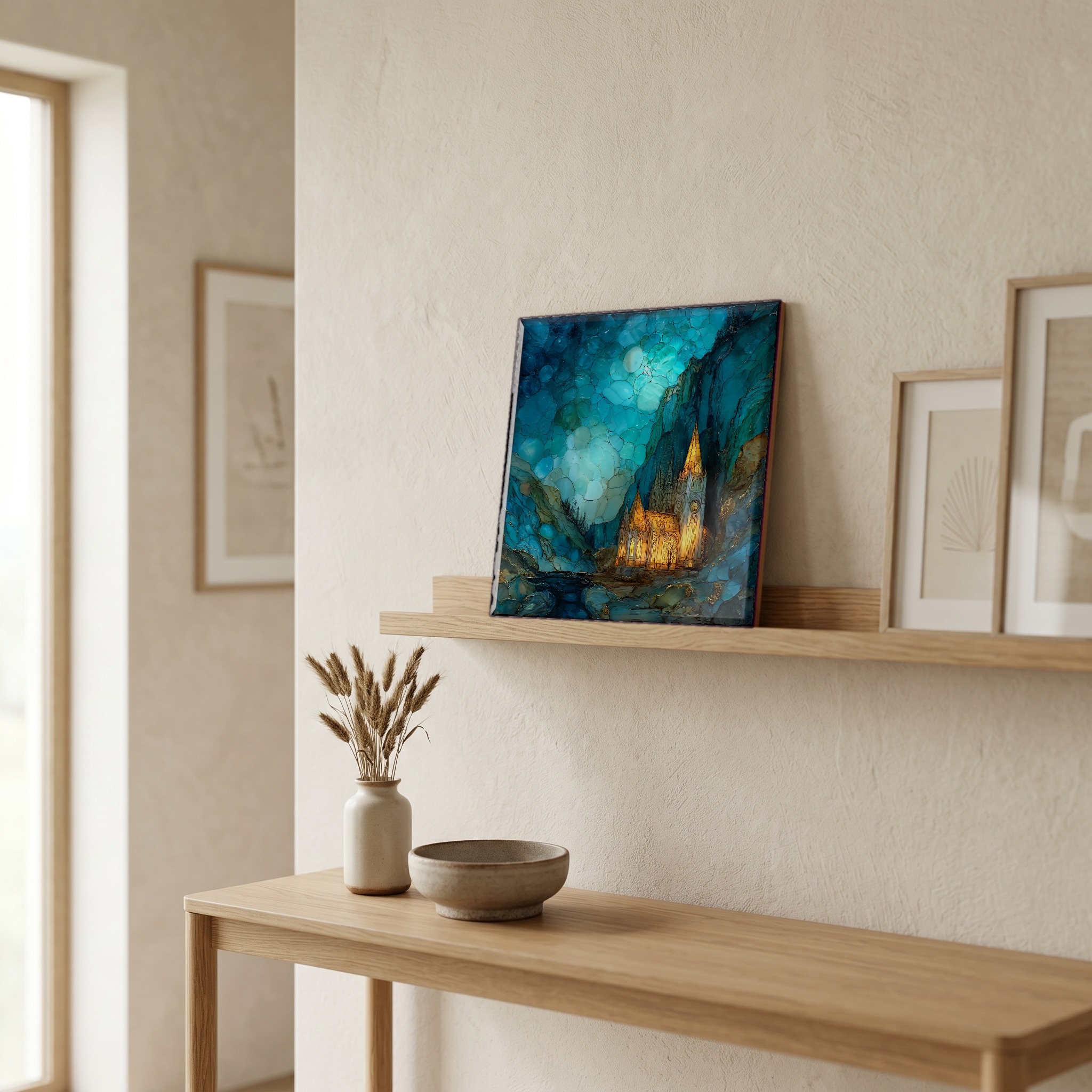
“A natural cave in a limestone outcrop on the bank of the Gave de Pau, at Lourdes in the French Pyrenees. The spring inside has been running since 1858, when a fourteen-year-old girl named Bernadette Soubirous dug for it with her hands. Pilgrims come from every continent, more than four million in a good year. The basilicas above were built afterward; the grotto stays the way it was, low and dim and full of candles. People queue along the rock face to touch the wall. Nobody talks much.
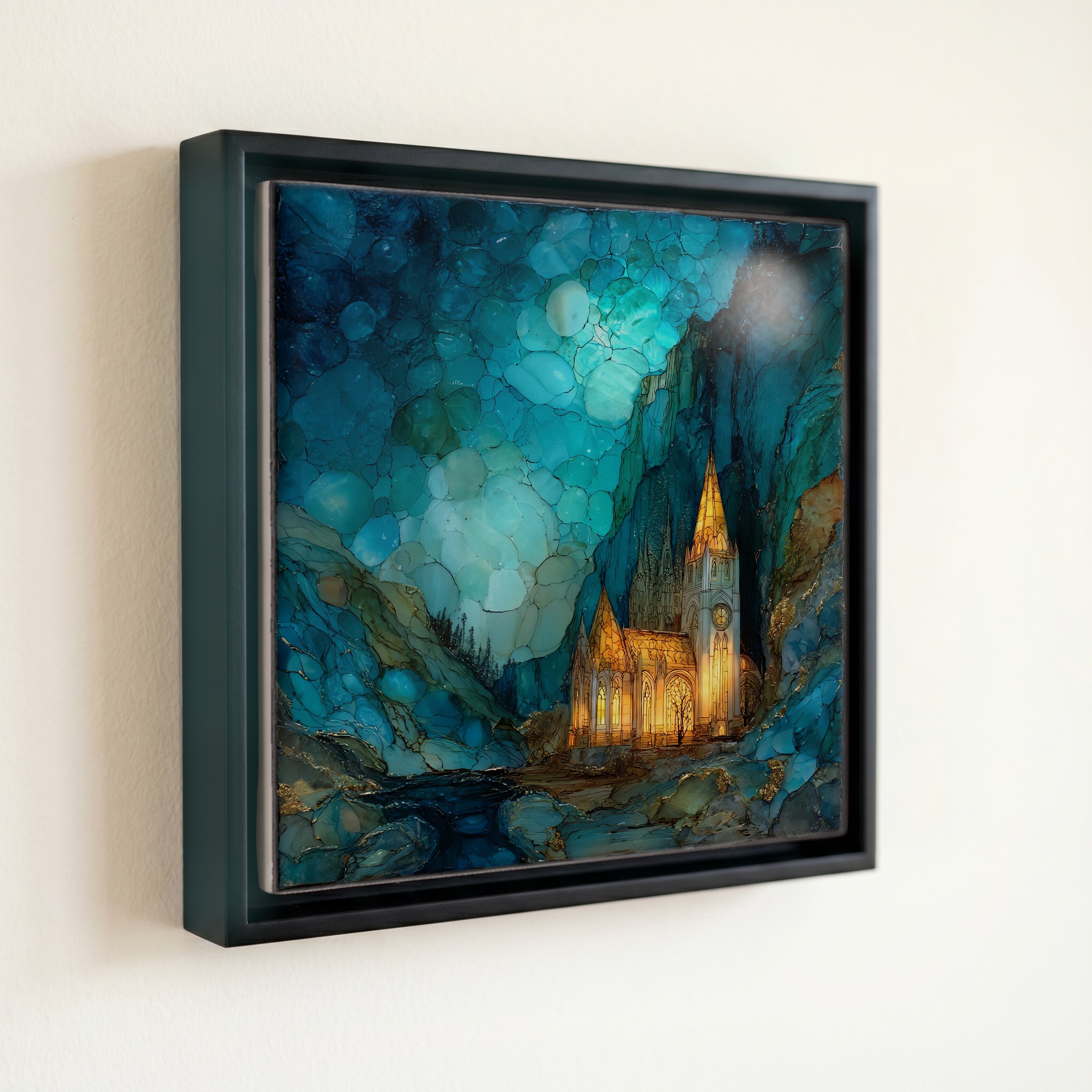
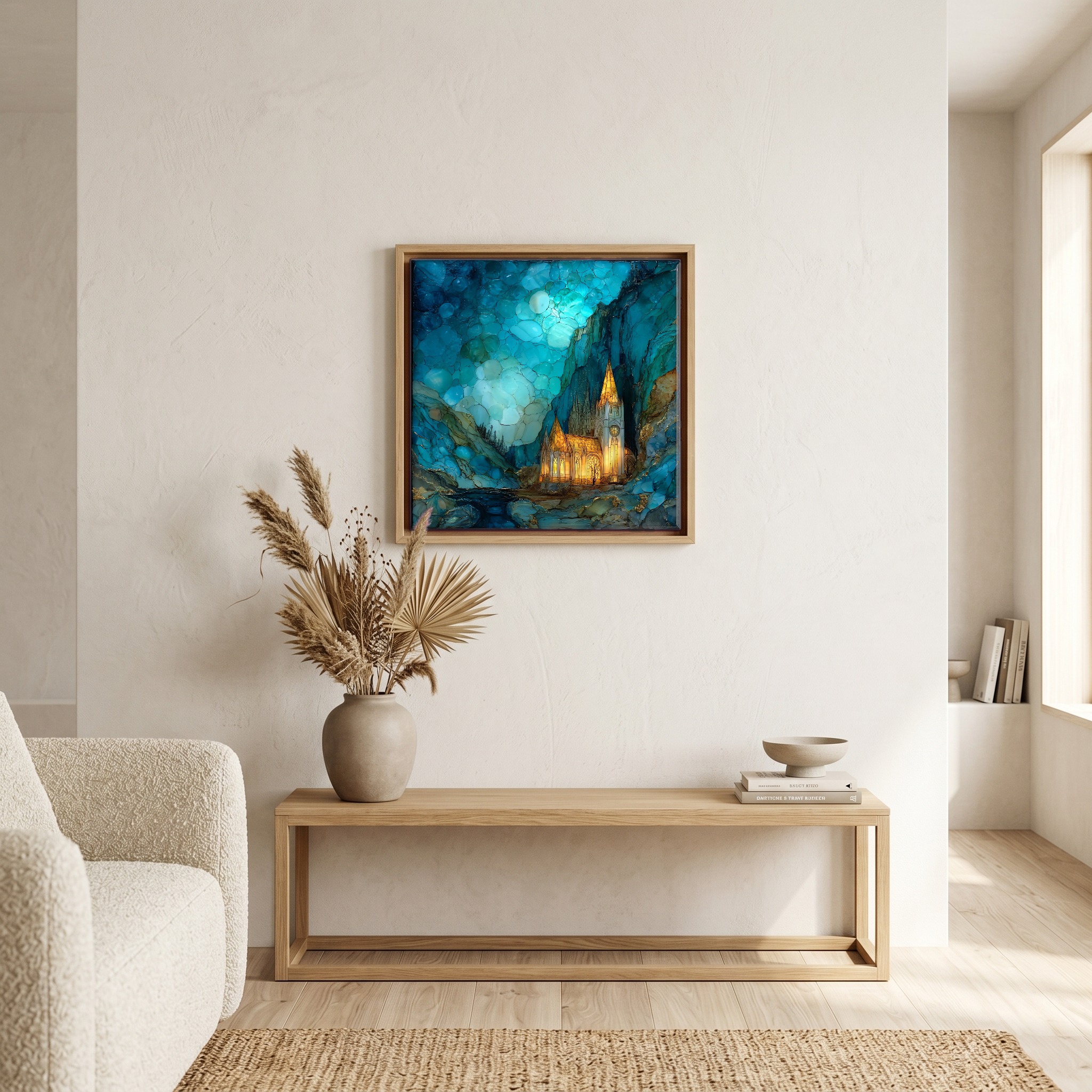
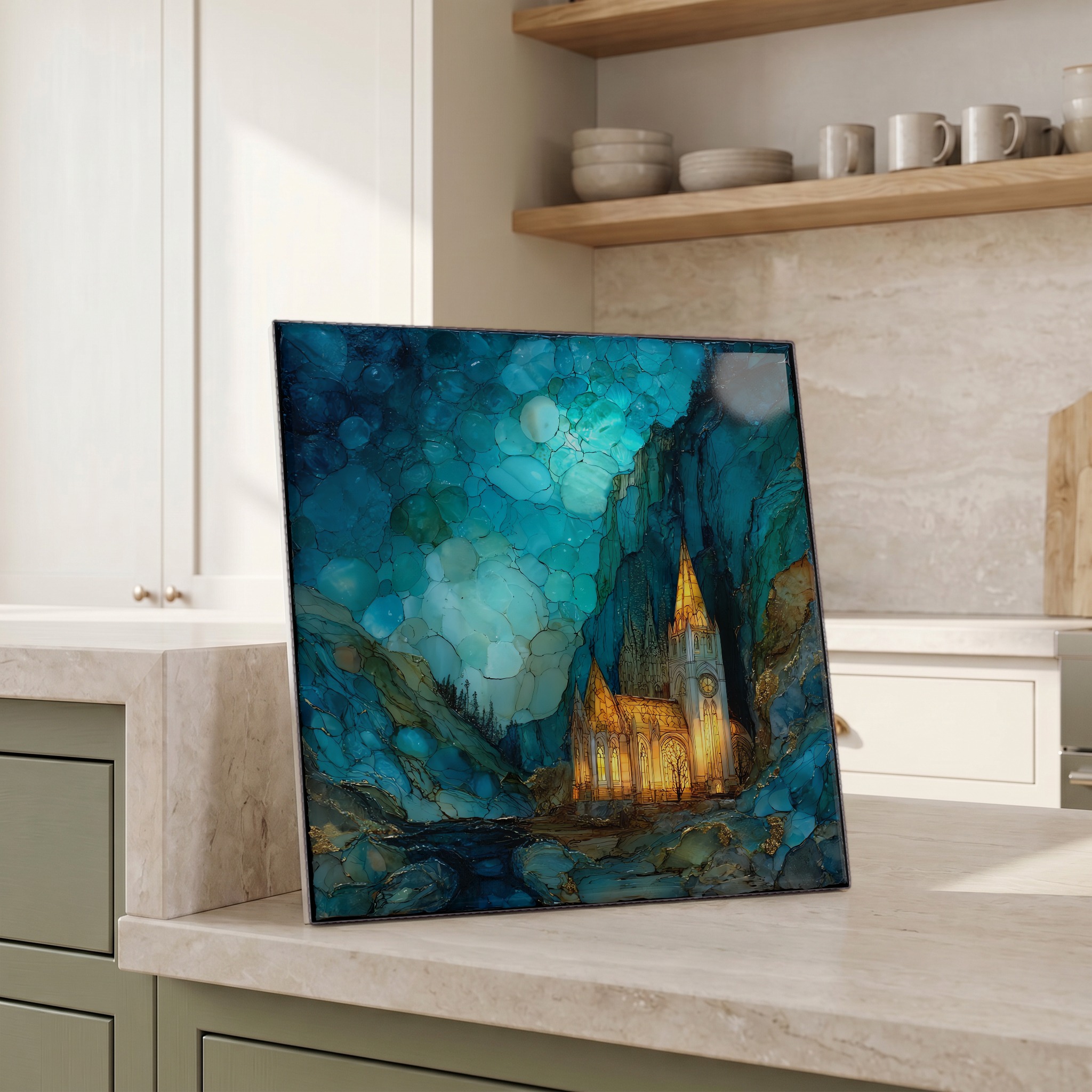
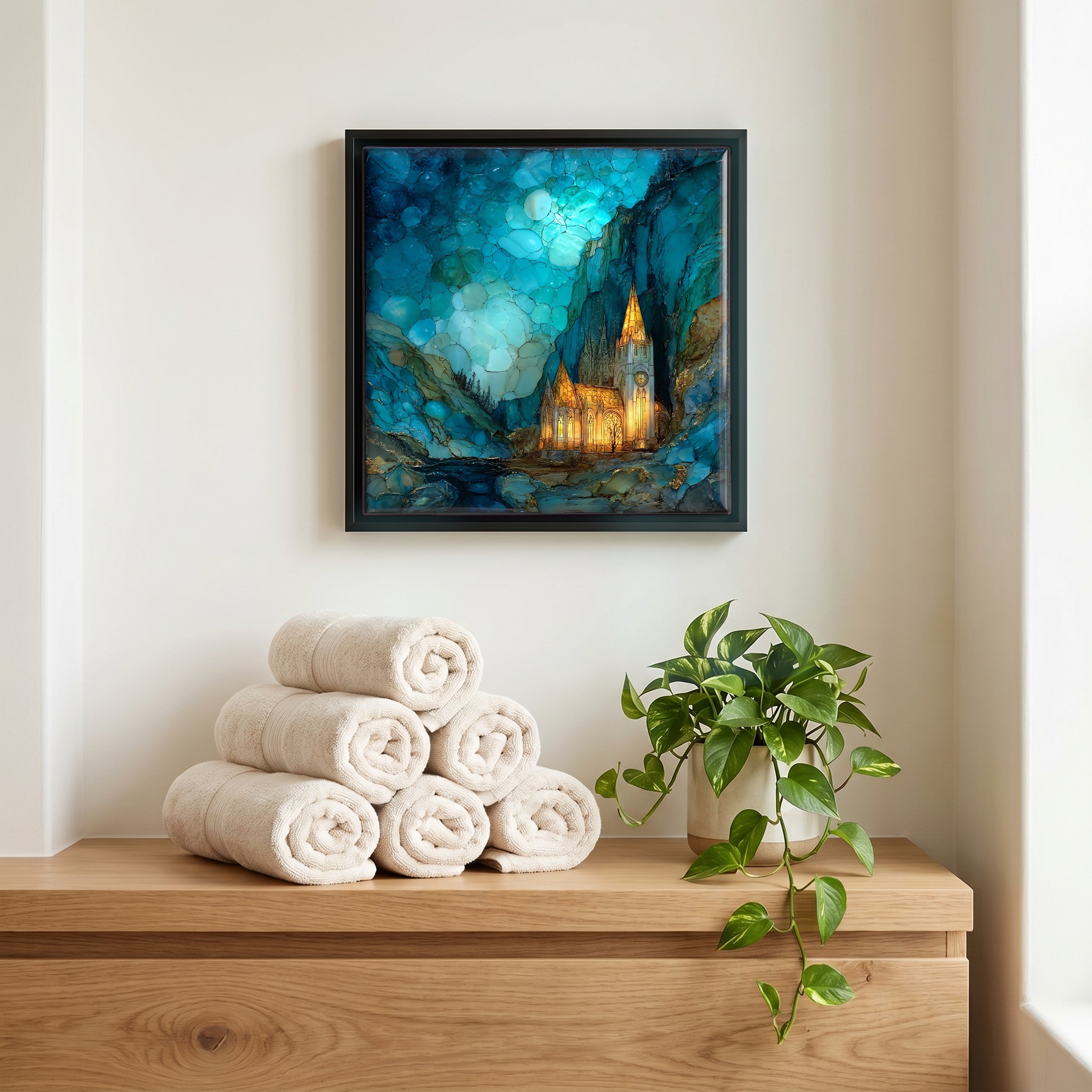
Massabielle Grotto, on ceramic.
Each tile is finished by hand in our Knoxville studio. Artwork is slowly infused into the ceramic surface under high heat and pressure, and rests beneath a thin glossy finish. The colour lives in the surface, not on top of it.
Pick any four 4-inch tiles — National Parks you've been to, a Smokies set, the four seasons of one place. $ for a set of , cork-backed, ready to live on the table.
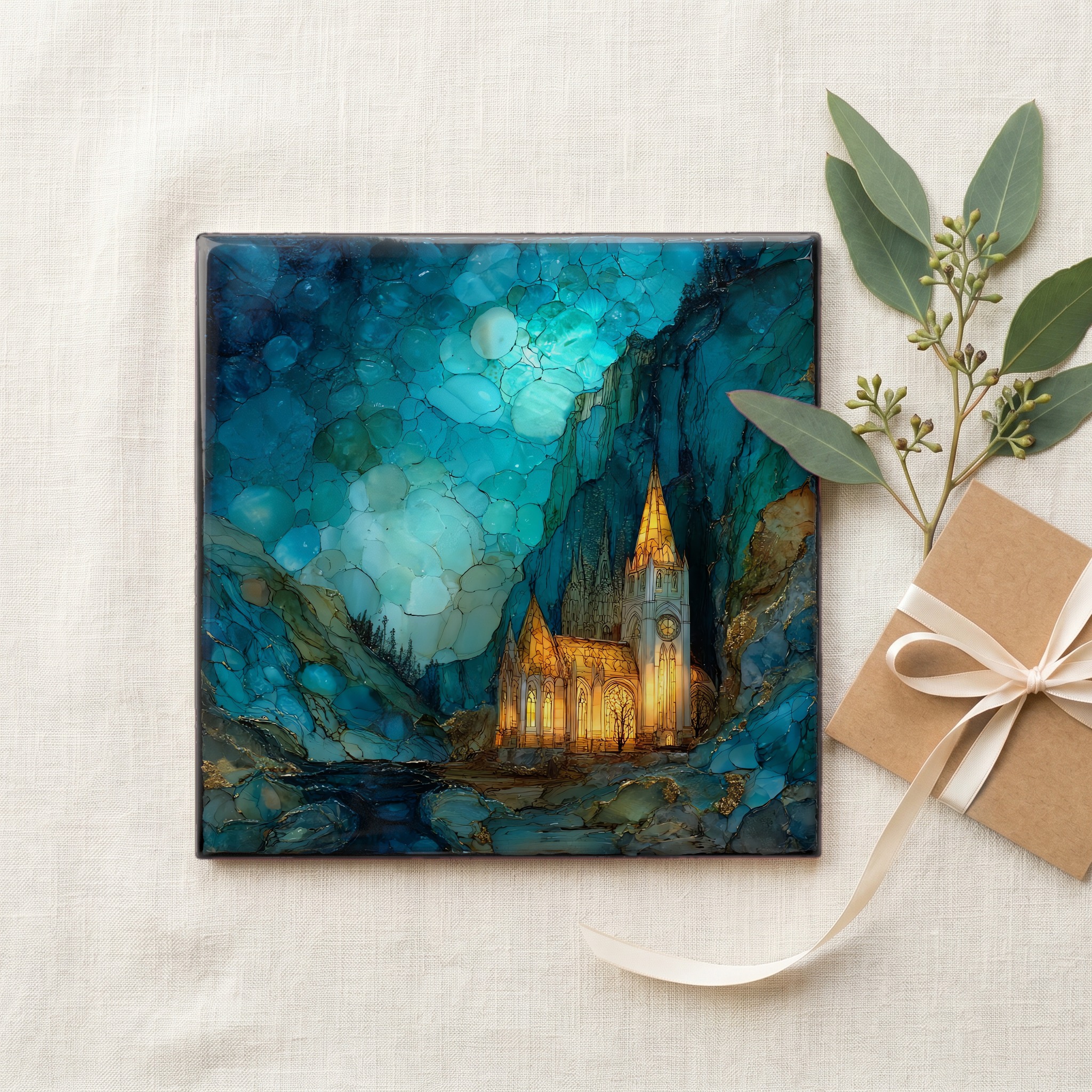
Each tile ships in a kraft box, tied with cream ribbon, with a handwritten note from the studio if you'd like to add one.
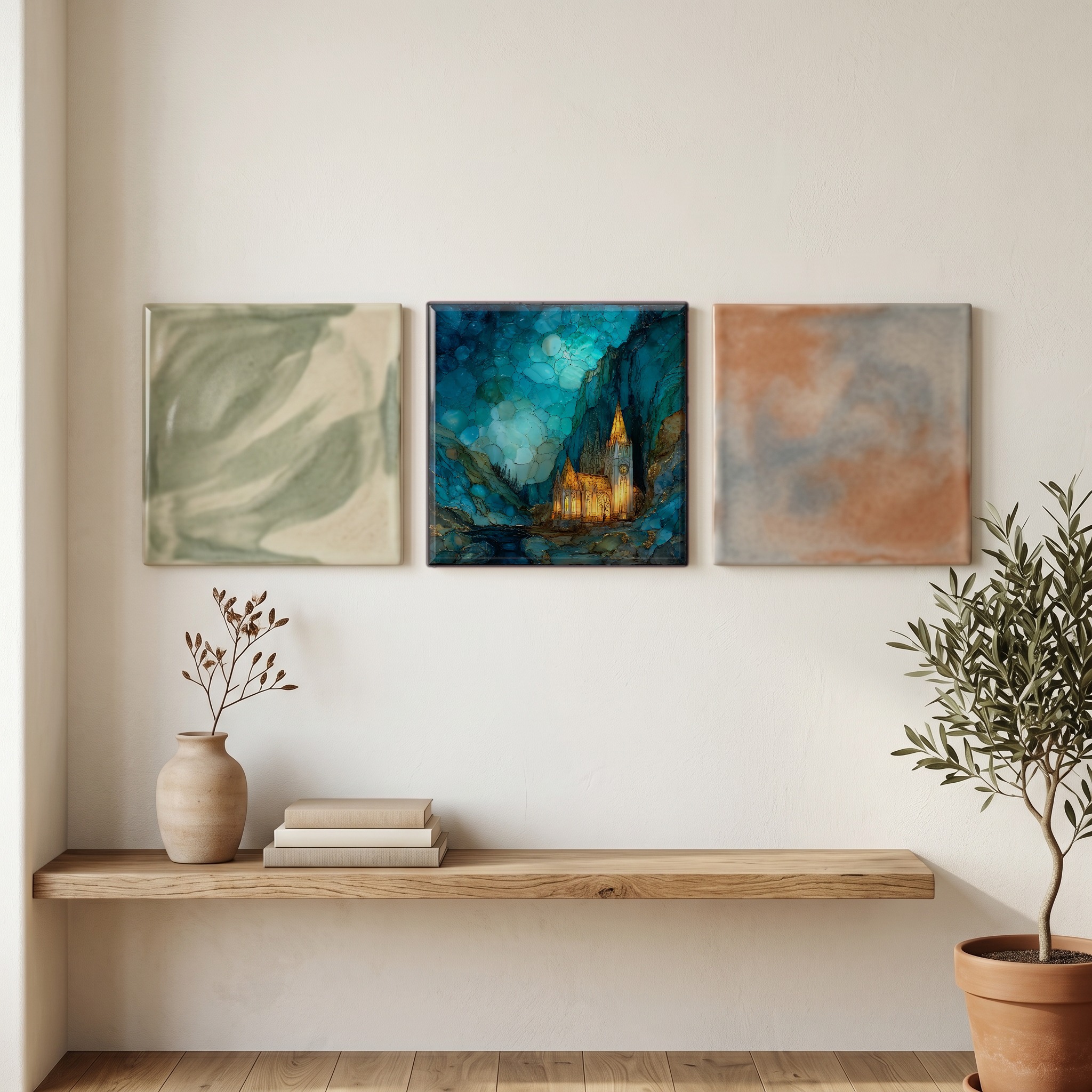
Three or five different vistas, hung together — a chapter of places you've been, or want to go.
The place, in three passes.
The Grotto of Massabielle sits at the foot of a low limestone outcrop on the right bank of the Gave de Pau, the fast Pyrenean river that drains the Cirque de Gavarnie about 50 km to the south. Lourdes lies in the Hautes-Pyrénées department of southwestern France, roughly 40 km south of Pau and 150 km west of Toulouse. The grotto is the centrepiece of the Sanctuary of Our Lady of Lourdes, a 51-hectare enclosure that includes three basilicas: the Rosary Basilica (1899), the Upper Basilica of the Immaculate Conception (1876), and the underground Basilica of St. Pius X (1958), which seats about 25,000 and is one of the largest churches in the world by capacity.
On 25 February 1858, during the ninth of eighteen reported apparitions to Bernadette Soubirous, the fourteen-year-old dug a small hollow in the floor of the grotto; a spring opened that has flowed continuously since. The water is now piped to a row of taps along the cliff face and to the bathing pools below, where pilgrims, especially the sick, come to wash. The Sanctuary's Bureau Médical, founded in 1883, reviews medical evidence for claimed healings; the Catholic Church has recognised 70 cases as miraculous, the most recent confirmed in 2018. Visitors fill bottles at the taps to carry home; the queue stretches along the rock face on most days of the year.
The Sanctuary is open every day of the year, free of charge, from before dawn until close to midnight. The grotto itself is reached on foot through the Saint Michael Gate and across the prairie; queues to walk along the rock face and touch the cave wall begin most mornings. The torchlight Marian procession leaves the grotto at 9 p.m. from April through October, weather permitting; the rosary procession crosses the Esplanade in the afternoon. About four to six million visitors come each year, with peaks in May, August, and during the National Pilgrimage of the Assumption (15 August). Lourdes is reached by SNCF train from Toulouse (about two hours) or Pau (forty minutes), and by Tarbes–Lourdes–Pyrénées Airport, about 10 km north.