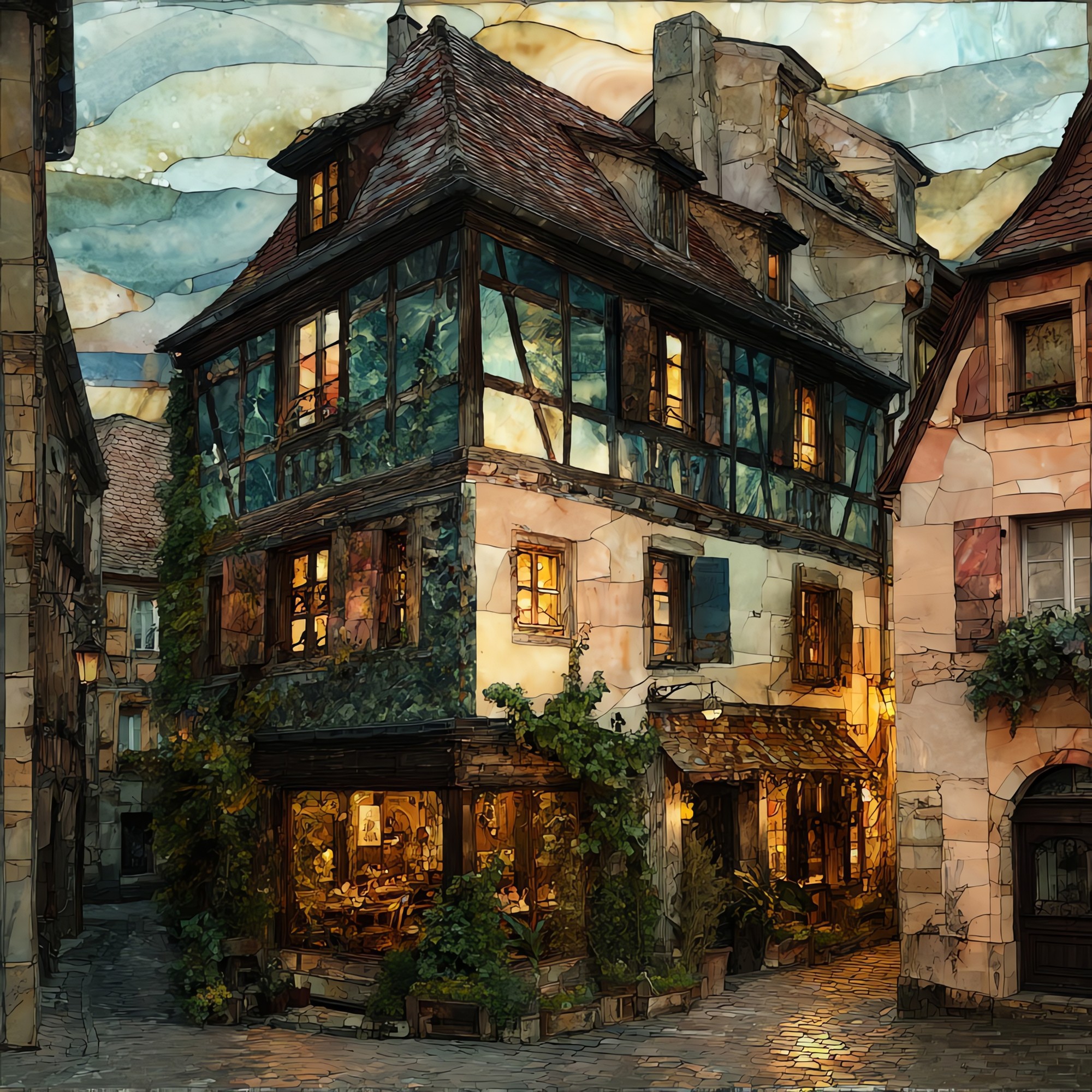
Maison Pfister
— a corner that turned Colmar toward the Renaissance.
Not only on a wall.
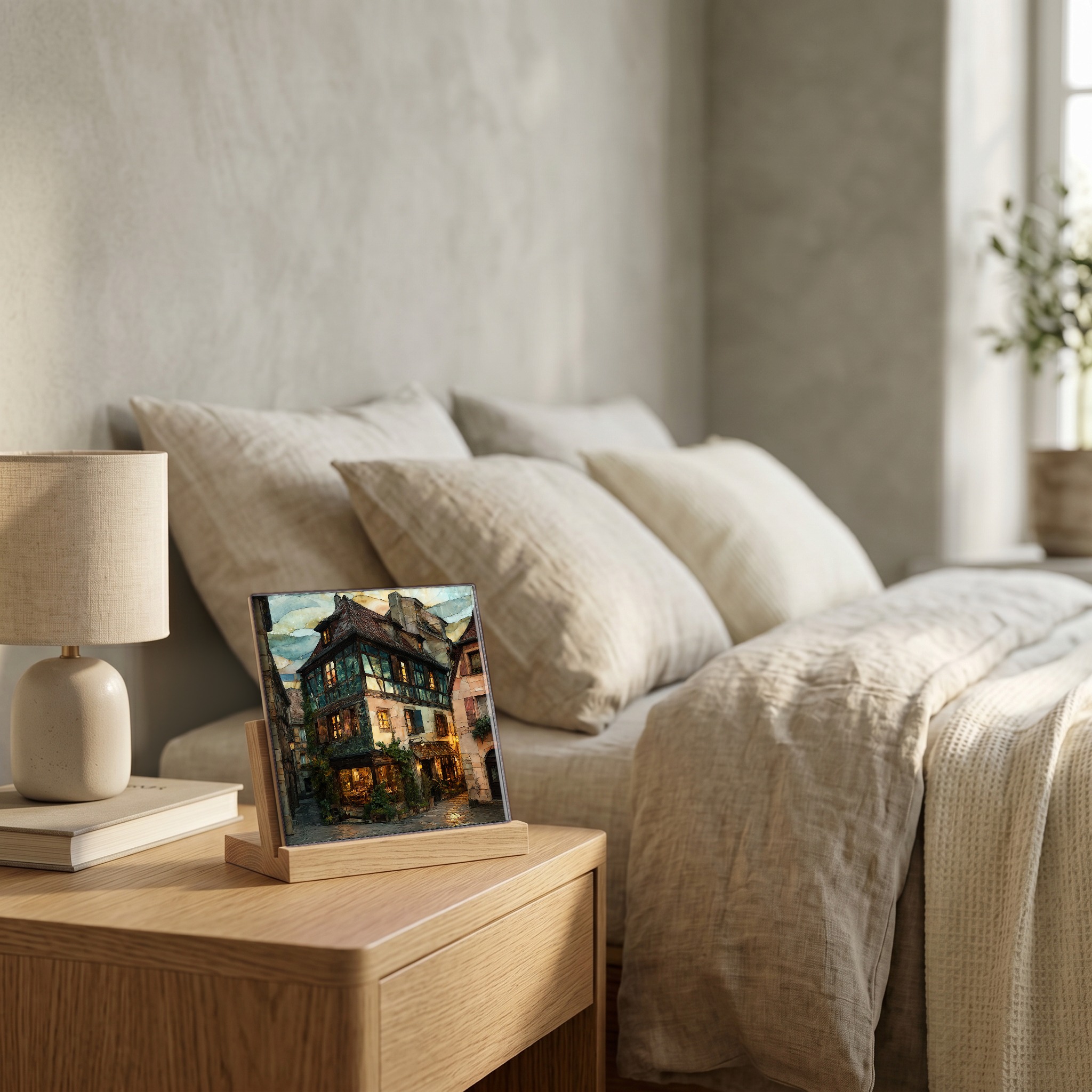
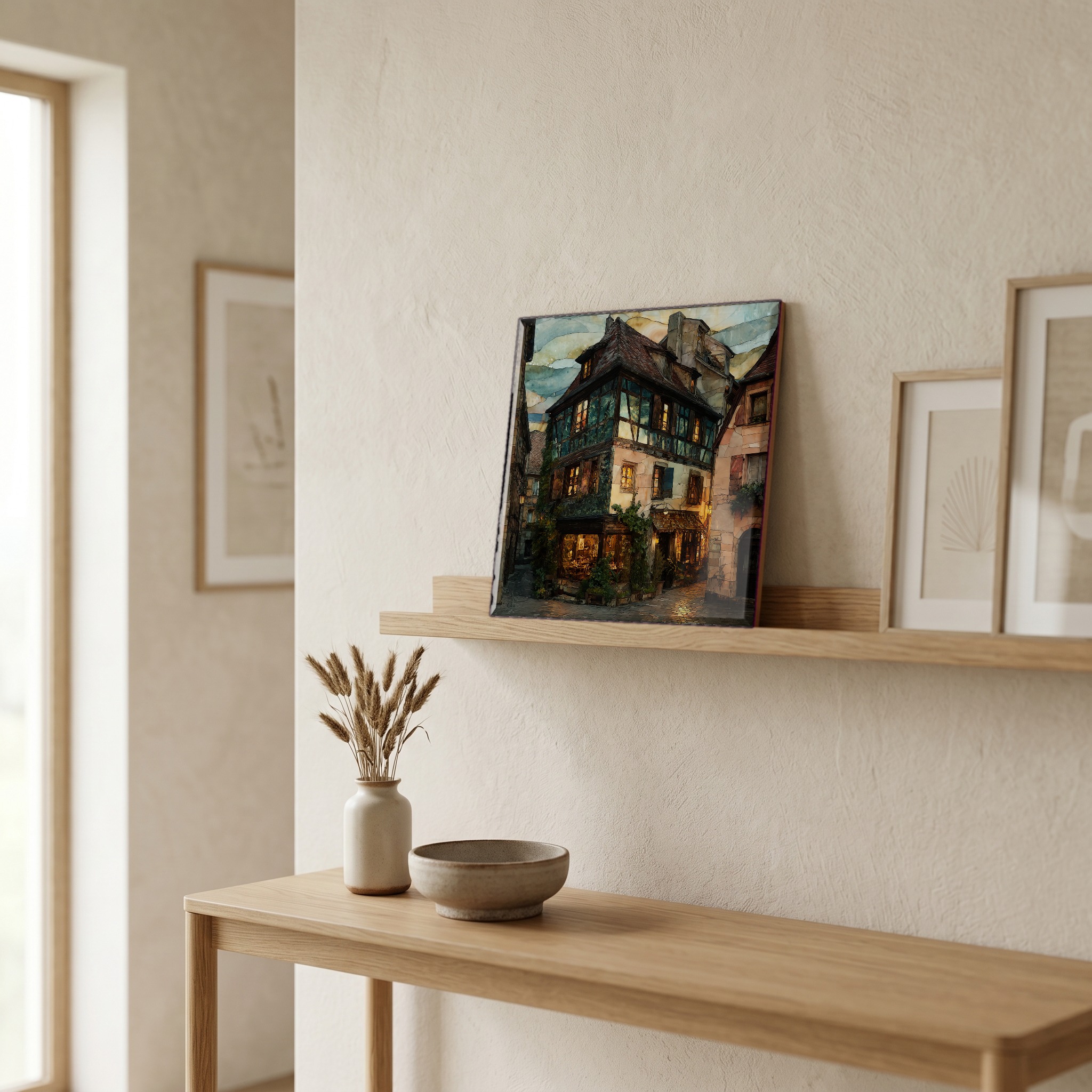
“A merchant's corner house on the rue des Marchands, built in 1537 by a hat maker who made his fortune trading silver out of the Val de Liepvre. Yellow Rouffach sandstone at the ground floor, timber above, a two-storey oriel that bends around the corner, and an octagonal stair-turret crowned with a small bulbous dome. Painted later, in 1577, by Christian Vacksterffer: emperors and evangelists and the coats of arms of Upper Alsace, all of it fading slowly into the wood. The first Renaissance gesture in Colmar, and still the corner the town gathers around.
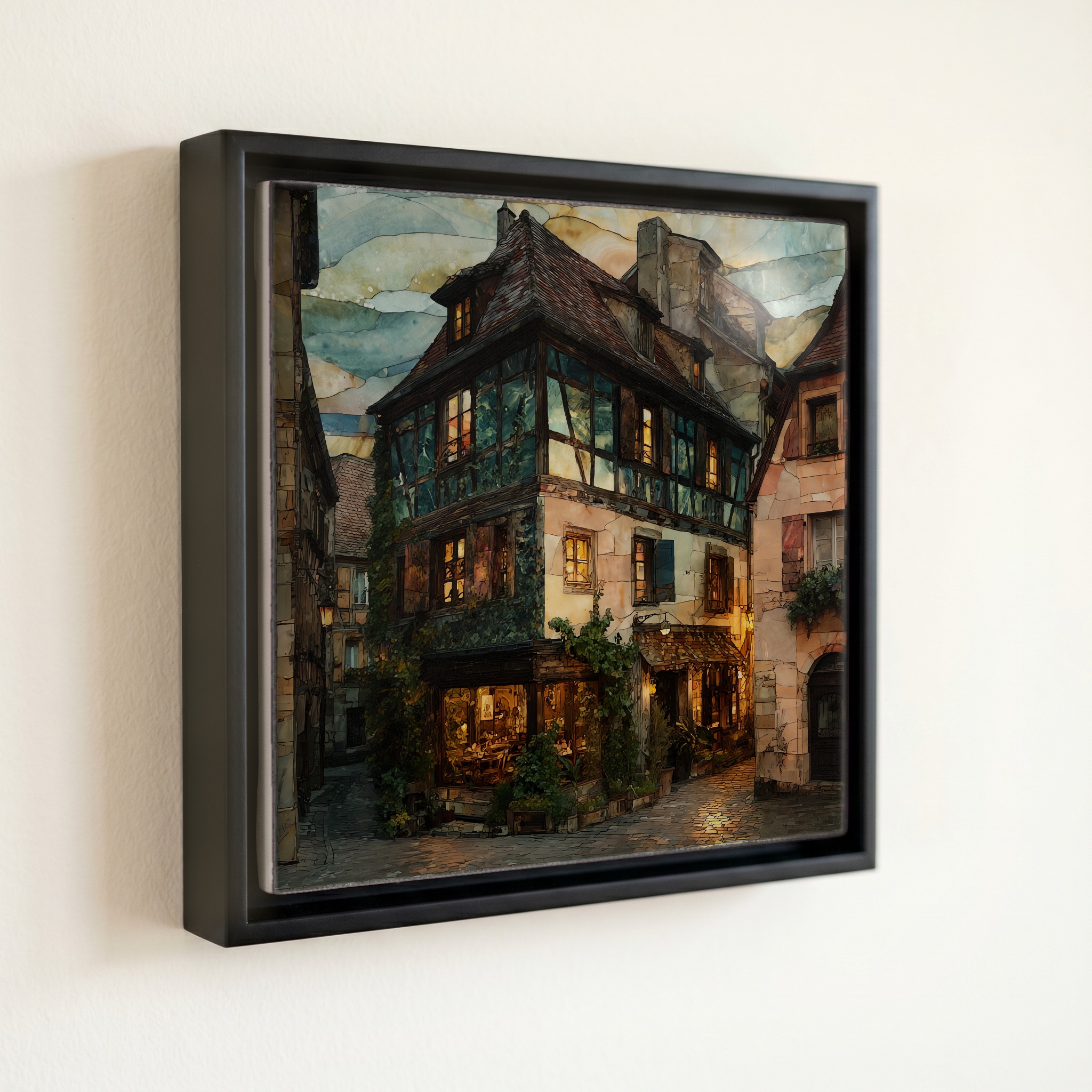
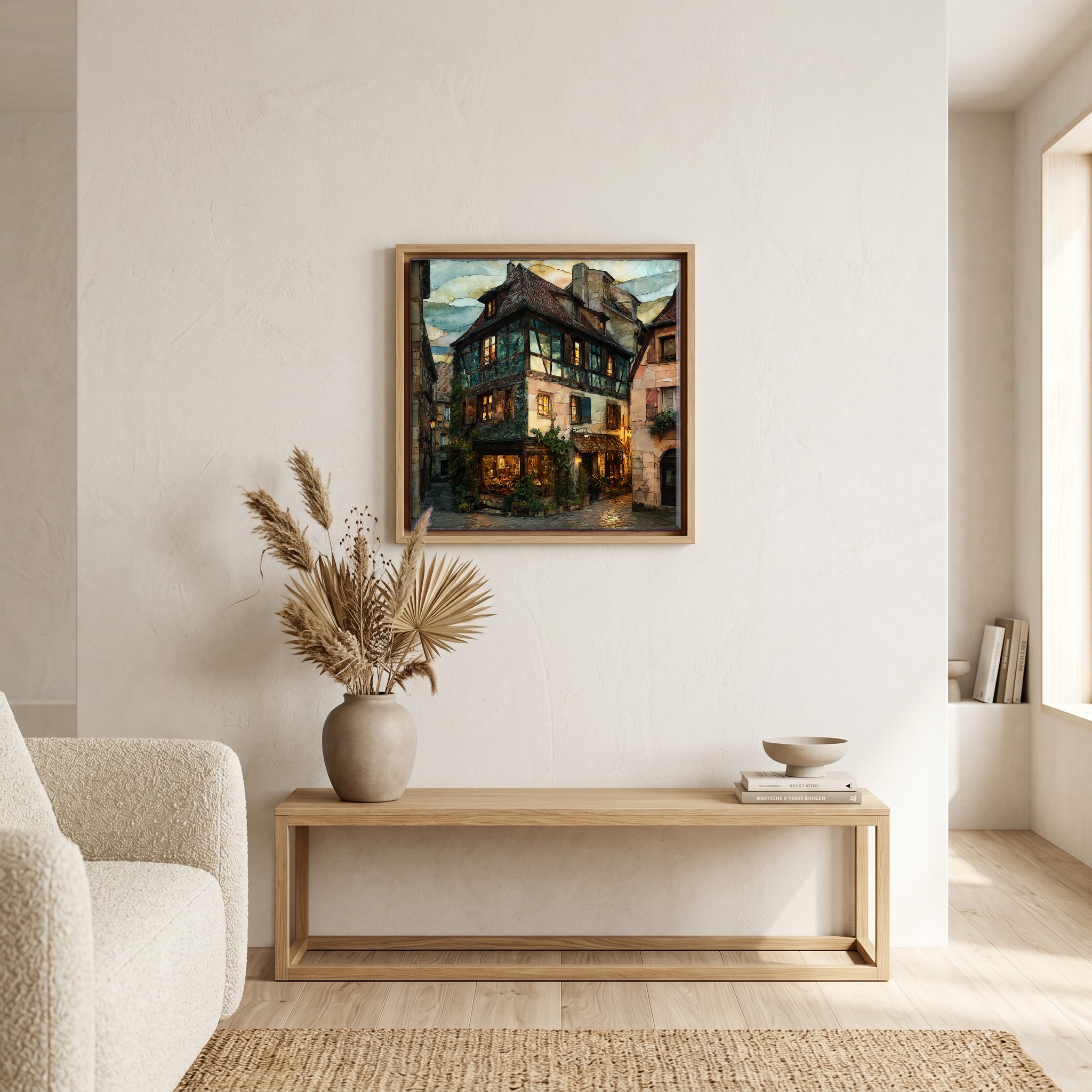
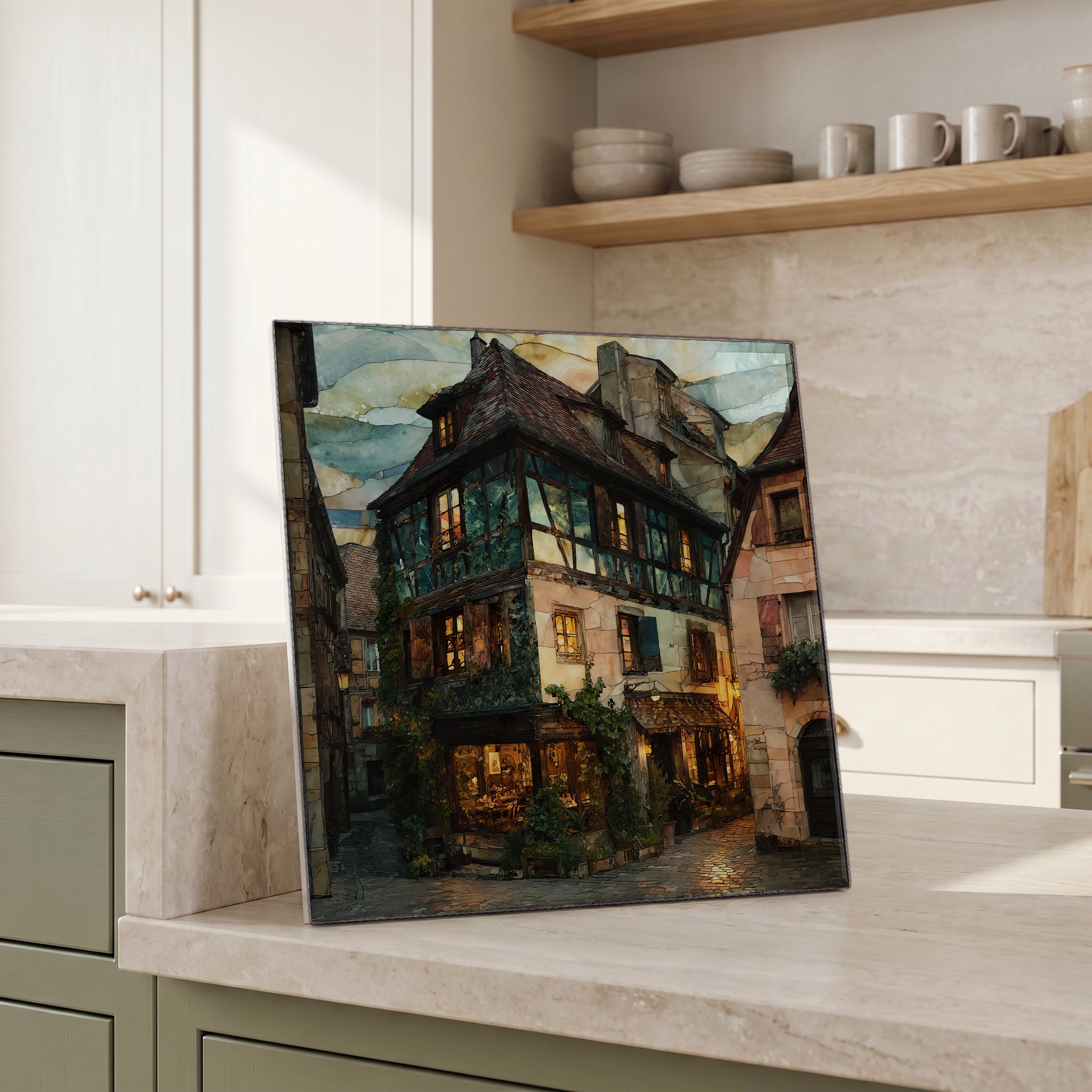
Maison Pfister, on ceramic.
Each tile is finished by hand in our Knoxville studio. Artwork is slowly infused into the ceramic surface under high heat and pressure, and rests beneath a thin glossy finish. The colour lives in the surface, not on top of it.
Pick any four 4-inch tiles — National Parks you've been to, a Smokies set, the four seasons of one place. $ for a set of , cork-backed, ready to live on the table.
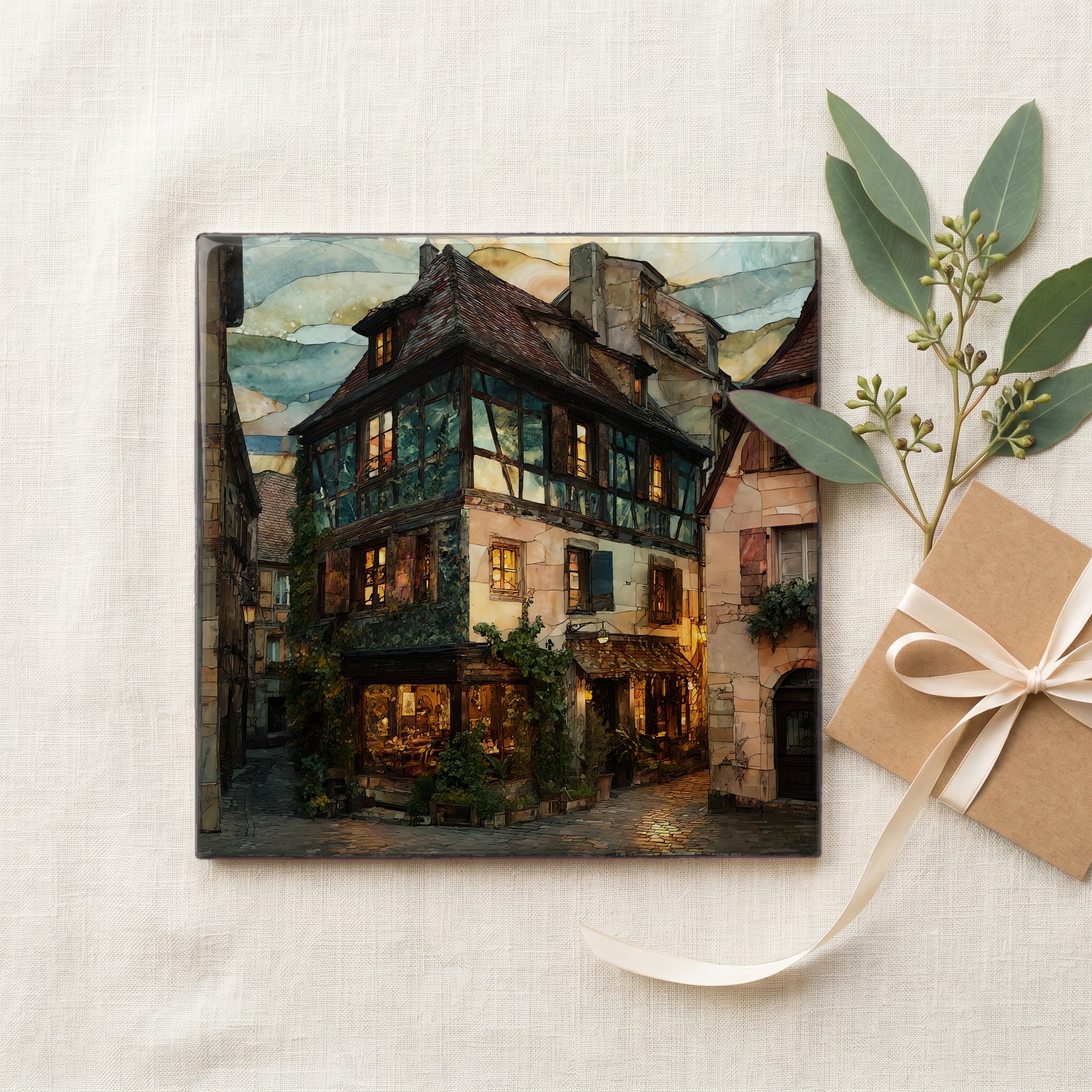
Each tile ships in a kraft box, tied with cream ribbon, with a handwritten note from the studio if you'd like to add one.
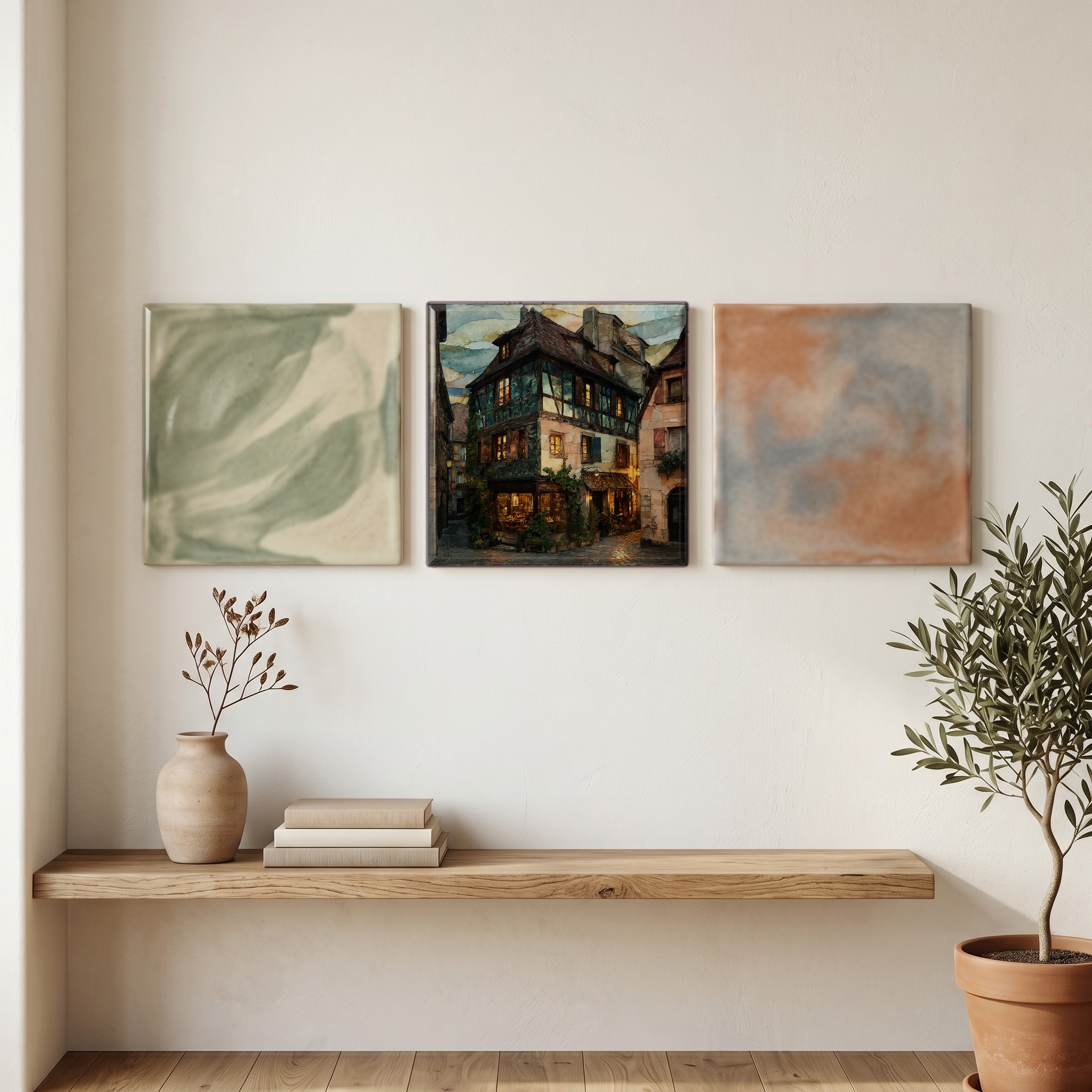
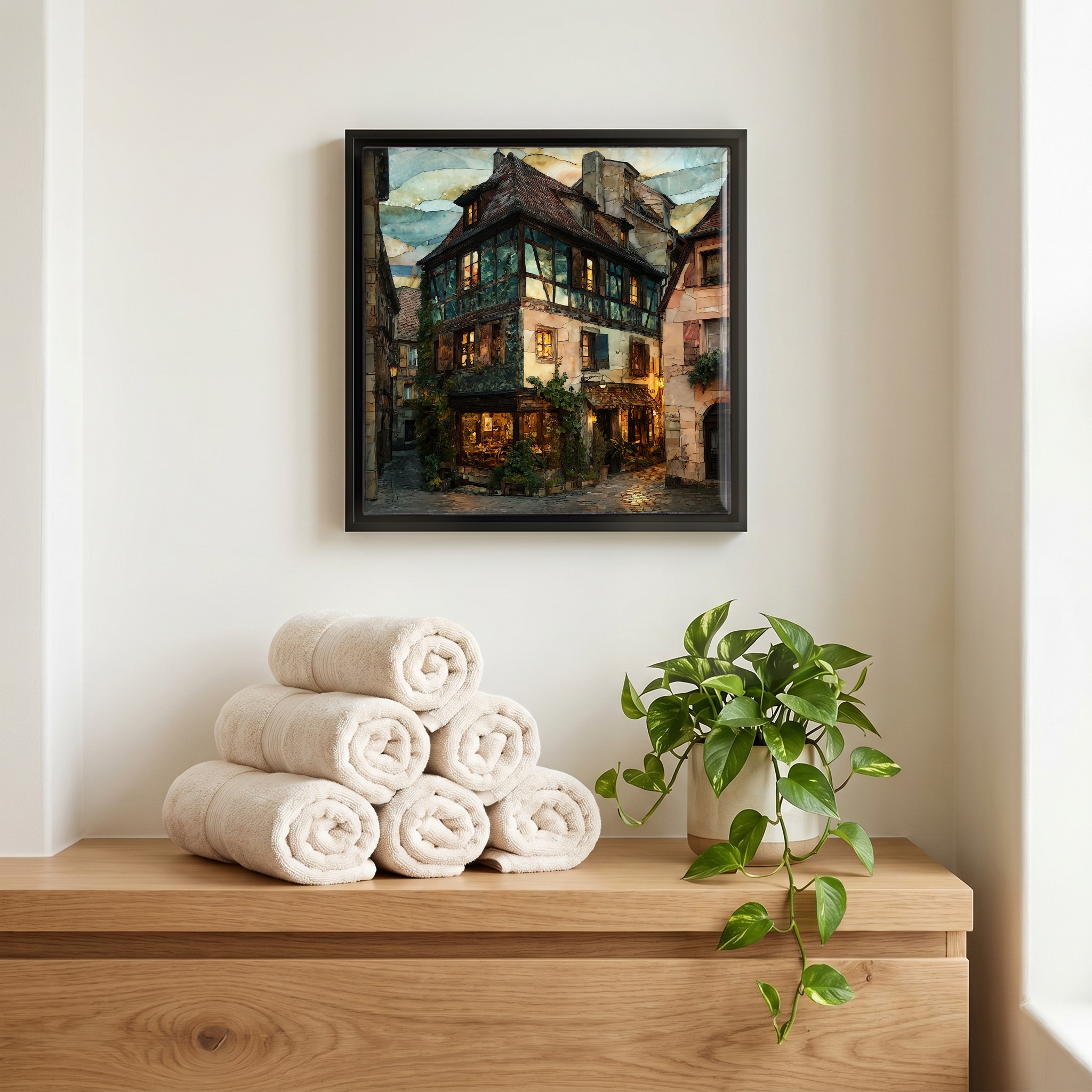
Three or five different vistas, hung together — a chapter of places you've been, or want to go.
The place, in three passes.
At 11 rue des Marchands, in the historic centre of Colmar, in the Haut-Rhin département of Alsace. The corner sits a short walk from the Collégiale Saint-Martin and the canal quarter known as La Petite Venise, on a pedestrian street that has been the city's mercantile spine since the Middle Ages. Colmar is the capital of Haut-Rhin, about seventy kilometres south of Strasbourg and just over the Vosges from the Rhine plain. The house was built in 1537 for Ludwig Scherer, a hat maker from Besançon who made his fortune trading silver out of the Val de Liepvre. Reached by foot. The old town has been closed to cars for decades.
Yellow sandstone from the quarries of Rouffach forms the arcaded ground floor; timber framing carries the upper storeys. The defining gesture is the two-storey corner oriel, a stone bay window on the lower level and a wooden gallery above, wrapping the angle of the building like the prow of a ship. An octagonal spiral-stair turret completes the silhouette, crowned with a small bulbous dome. In 1577, forty years after construction, Christian Vacksterffer painted the facades with portraits of the sixteenth-century Holy Roman emperors, the four evangelists, the coats of arms of Colmar and Upper Alsace, and scenes from Genesis. The murals have faded; the geometry has not. Listed as a Monument Historique on 14 March 1927, restored most recently in 2012.
The house is a private residence and is not open to the public. The facade is the visit: visible at any hour from the rue des Marchands, best read in late-afternoon light when the Rouffach stone warms to gold. Colmar is reachable by direct TGV from Paris in roughly two and a half hours, or by regional train from Strasbourg in under thirty minutes. The old town is pedestrianised; the easiest approach is north from Place Jeanne d'Arc, past the Koïfhus customs house and onto the rue des Marchands. Allow a few minutes to circle the corner twice; the painted scenes differ on each face, and the upper gallery rewards a second look.