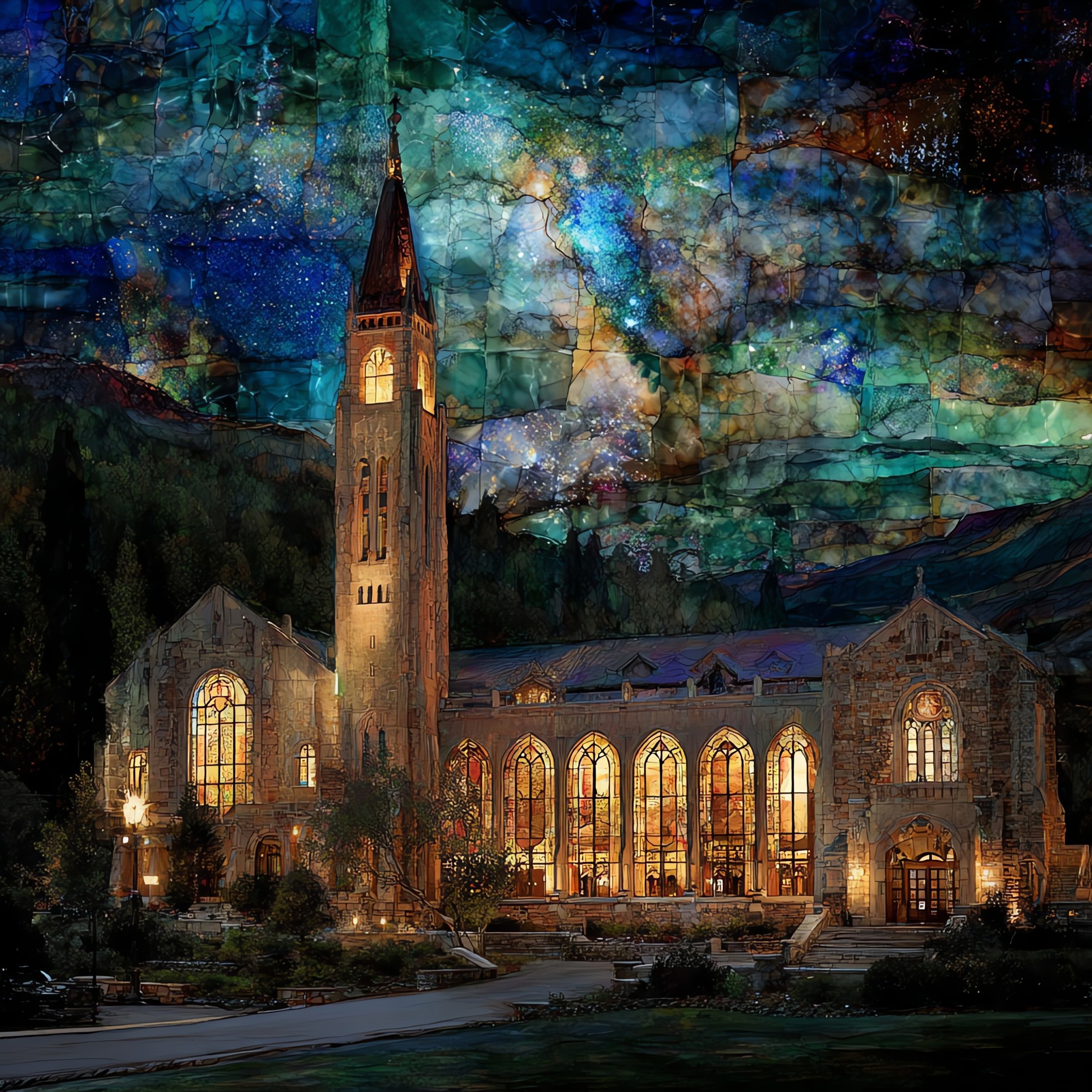
Lourdes Sanctuary Basilica
— — a rock, a spring, and the world walks to it.
Not only on a wall.
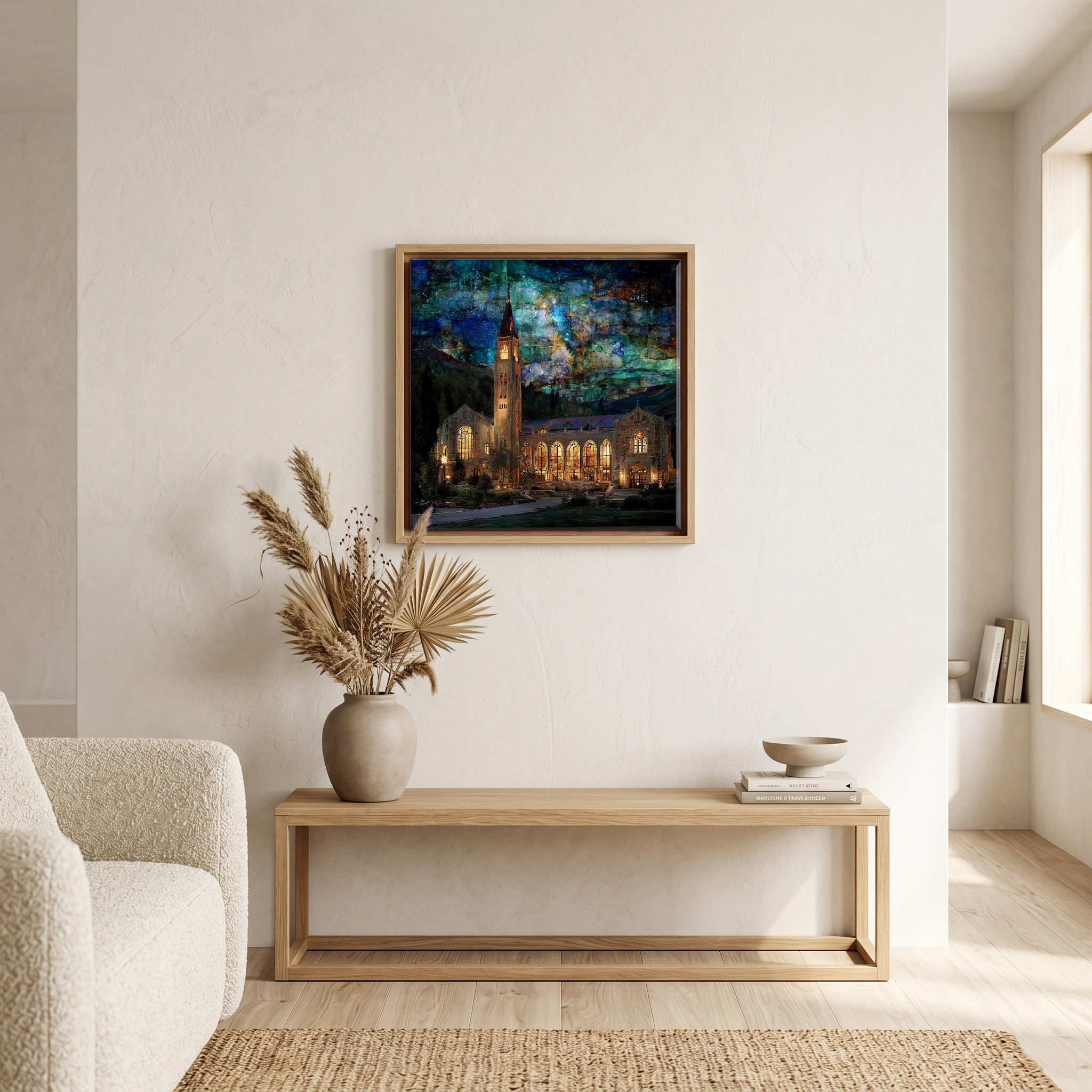
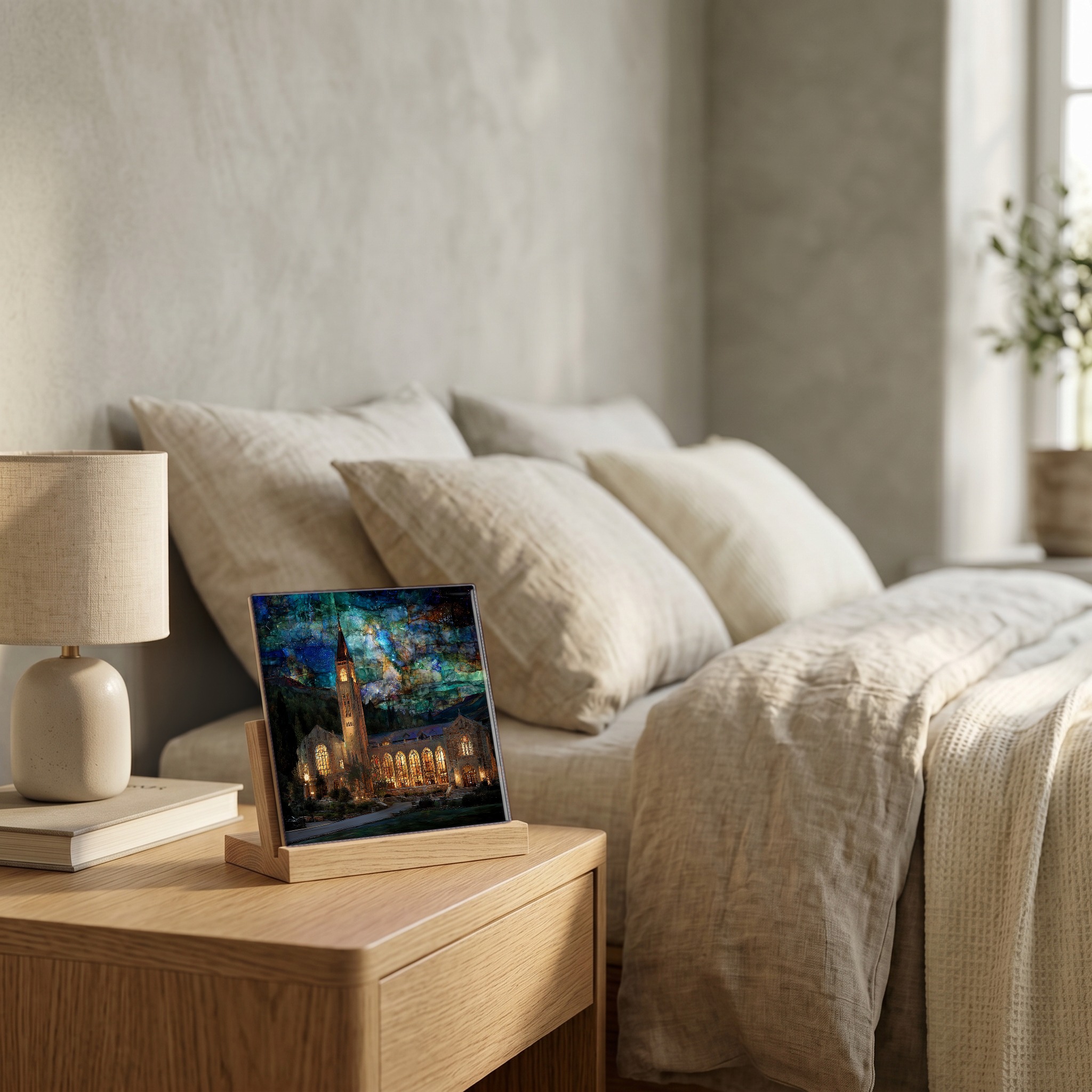
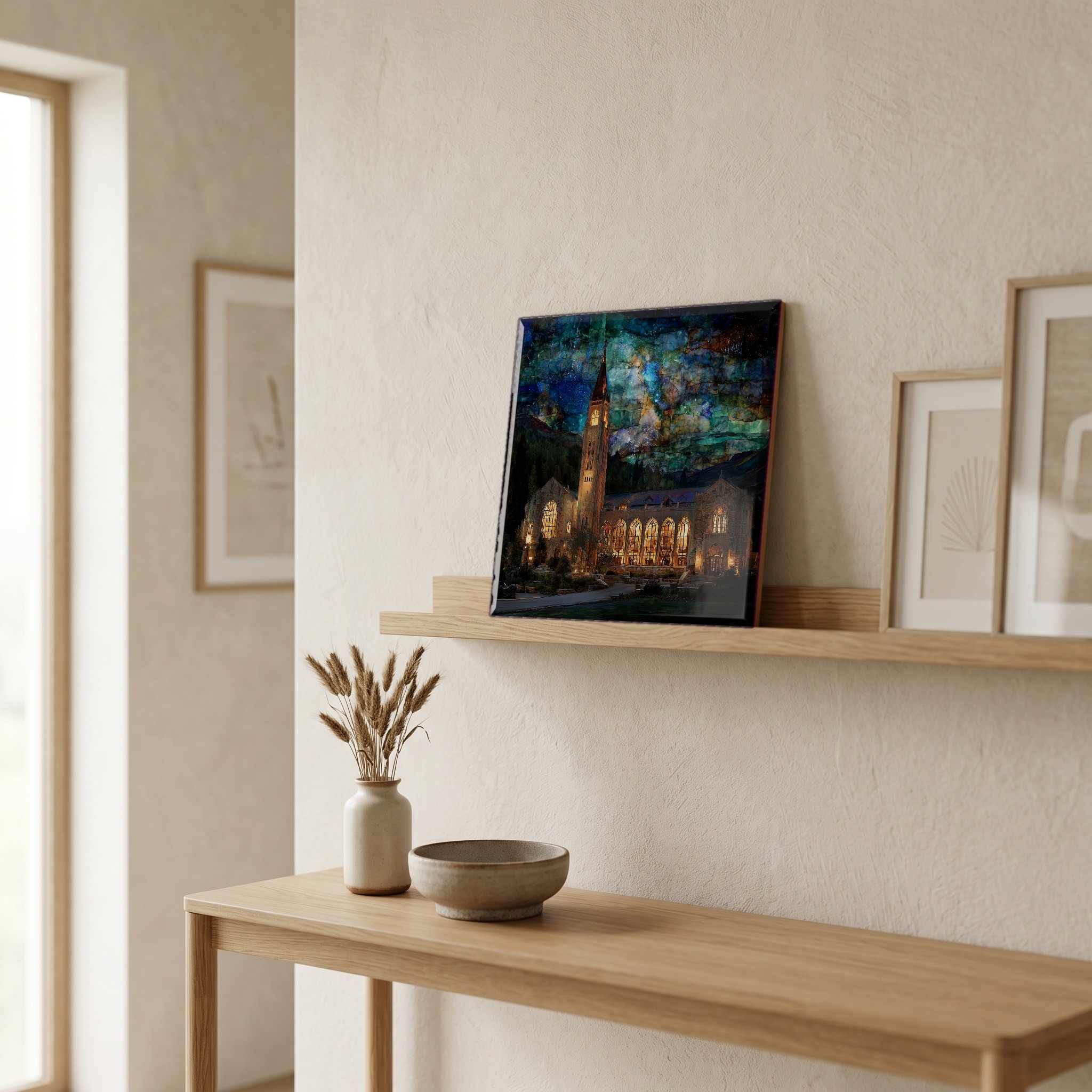
“A small town in the French Pyrenees where, since 1858, the world has come to a grotto carved into the Massabielle cliff. The Gave de Pau runs at the foot of the sanctuary. Above the grotto three churches stand on top of one another: the Rosary Basilica at the bottom, the Crypt in the middle, the Upper Basilica on the summit. Long stone ramps the pilgrims have worn smooth join the levels. After dark the candles still move up the esplanade in a slow river of light. About six million people come each year. Nobody comes for a holiday.
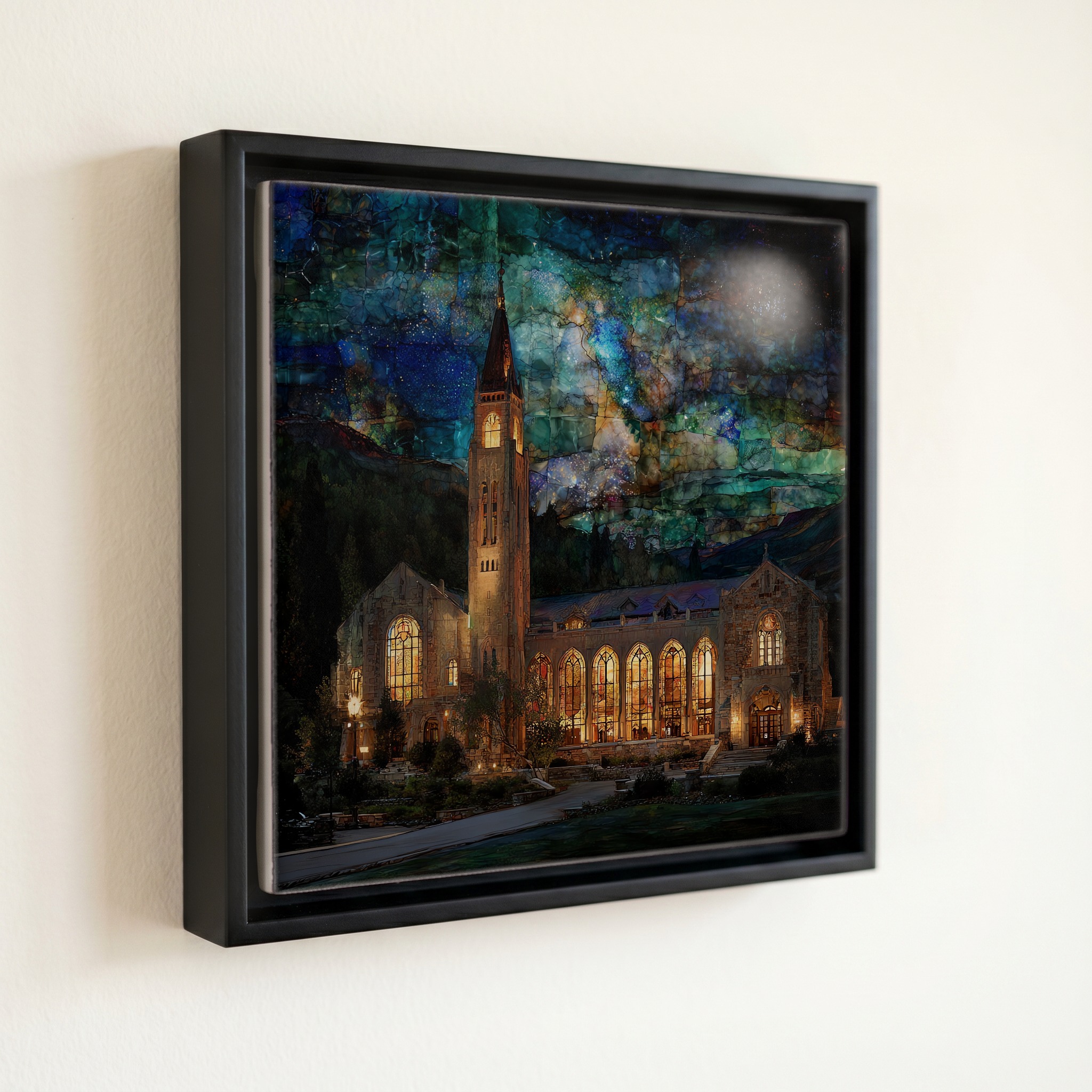
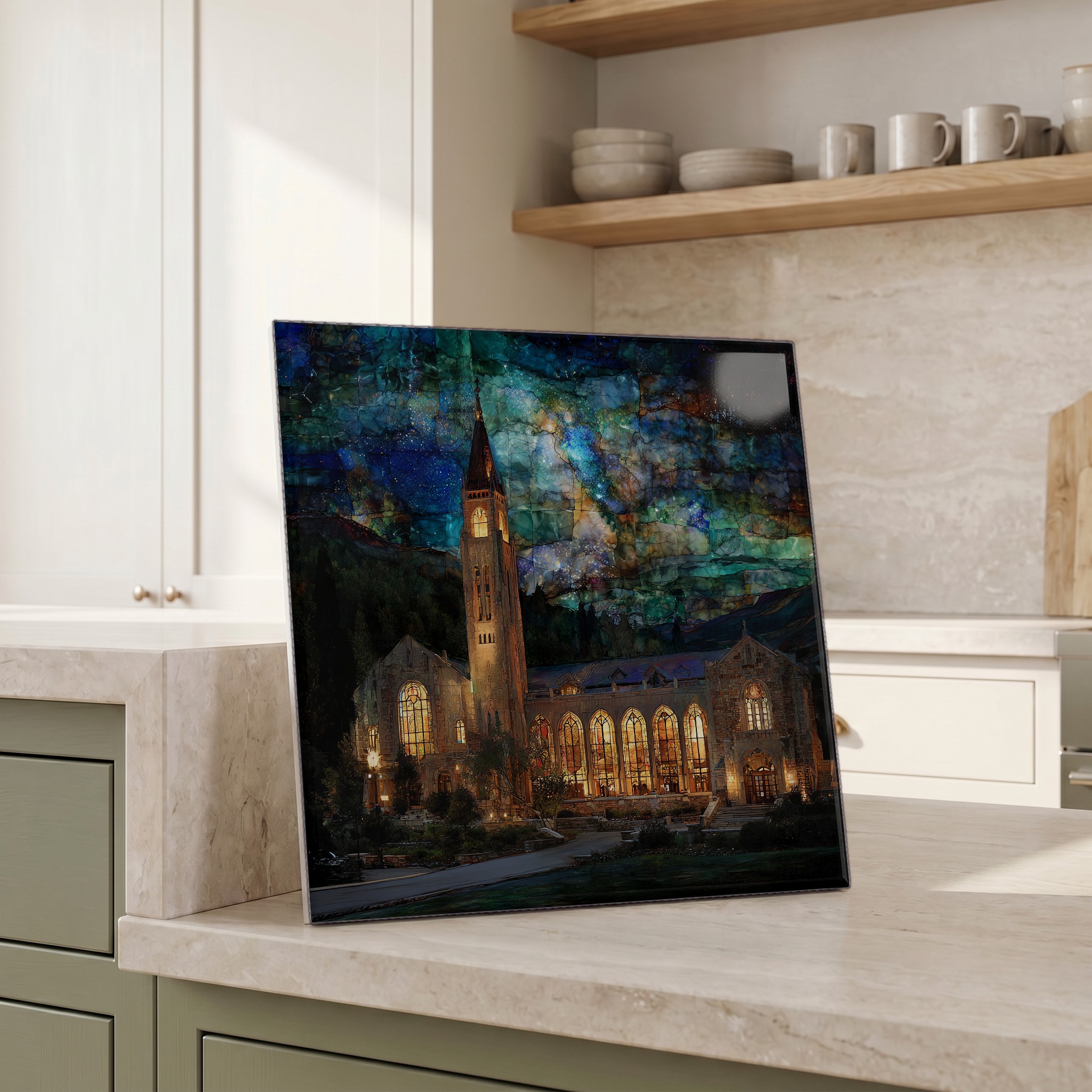
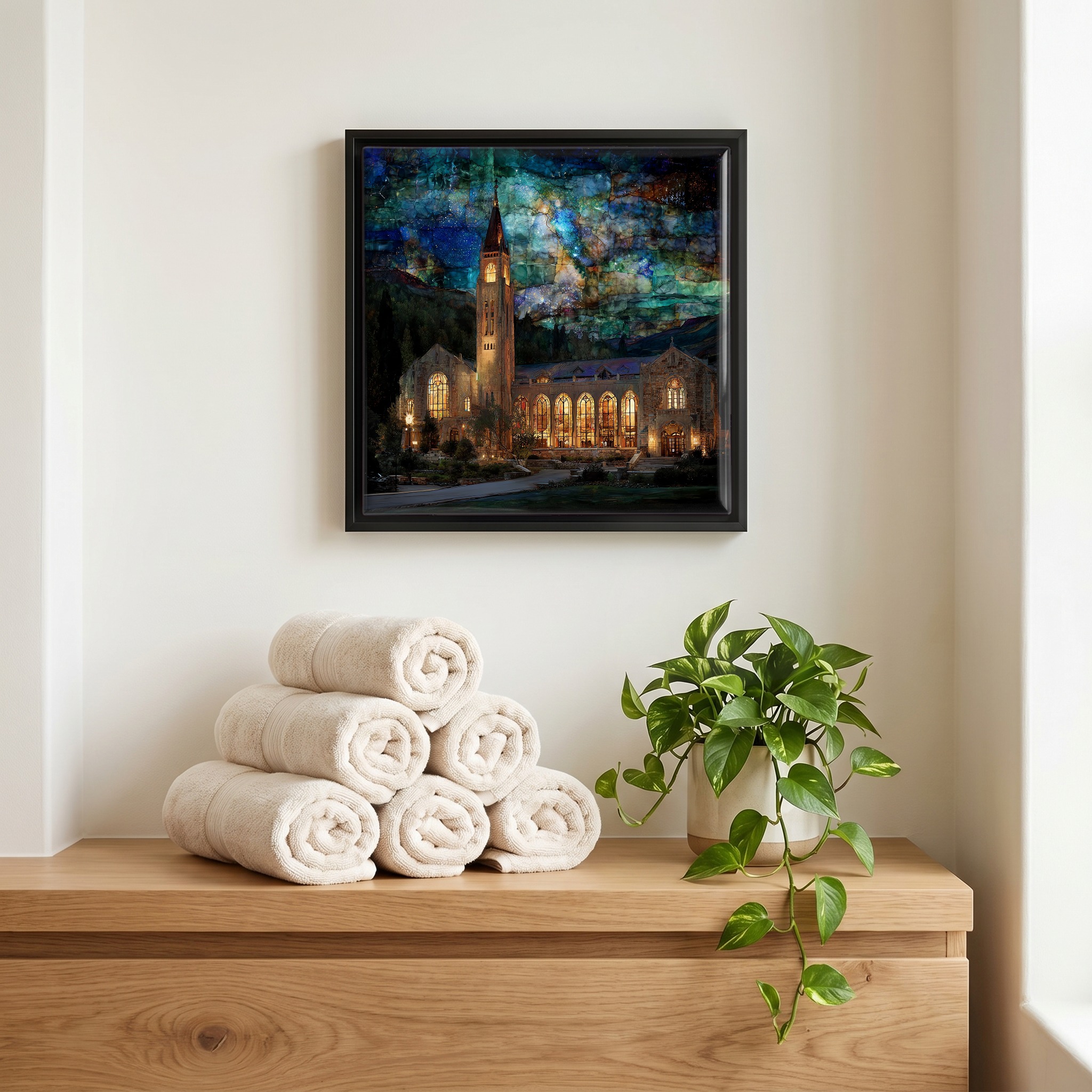
Lourdes Sanctuary Basilica, on ceramic.
Each tile is finished by hand in our Knoxville studio. Artwork is slowly infused into the ceramic surface under high heat and pressure, and rests beneath a thin glossy finish. The colour lives in the surface, not on top of it.
Pick any four 4-inch tiles — National Parks you've been to, a Smokies set, the four seasons of one place. $ for a set of , cork-backed, ready to live on the table.
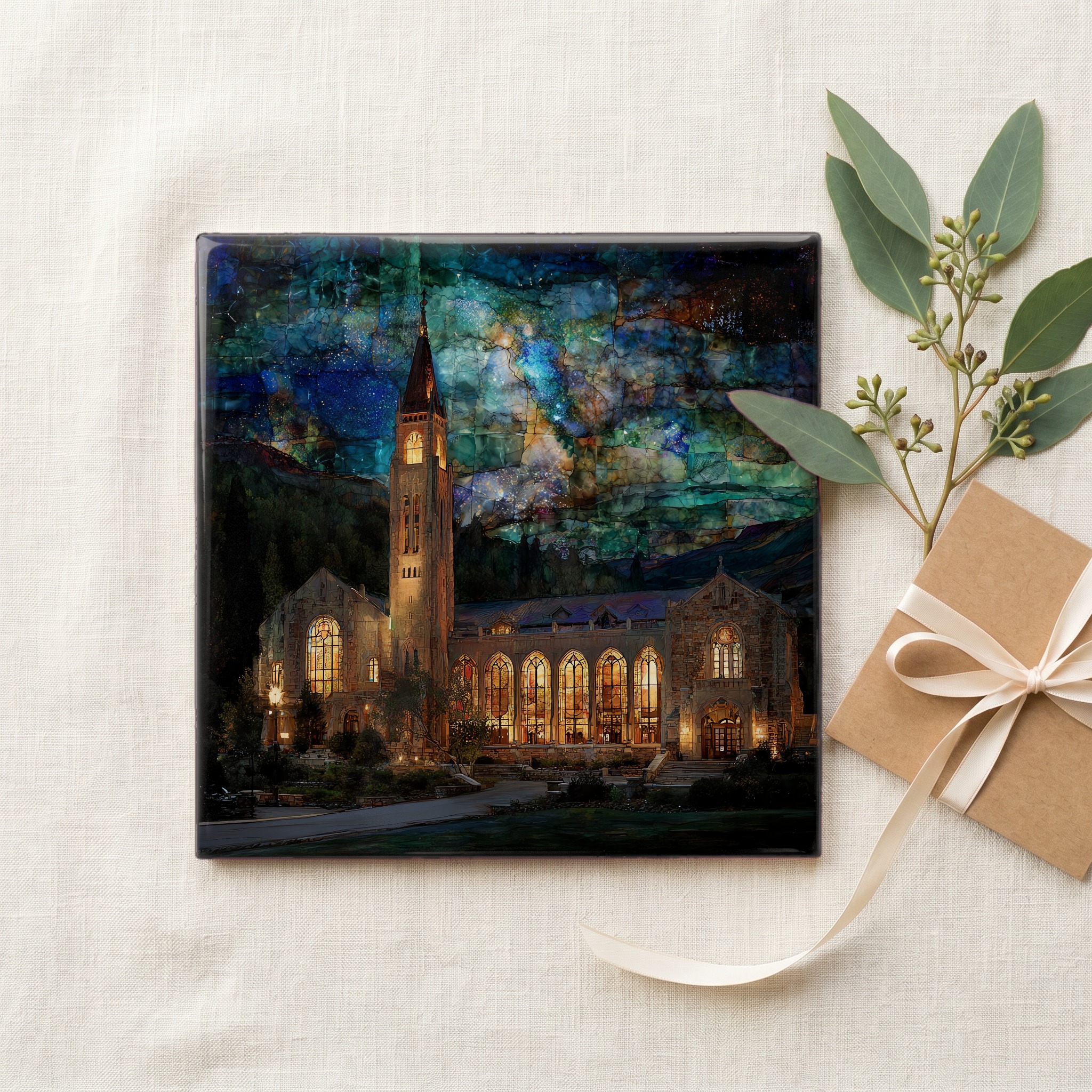
Each tile ships in a kraft box, tied with cream ribbon, with a handwritten note from the studio if you'd like to add one.
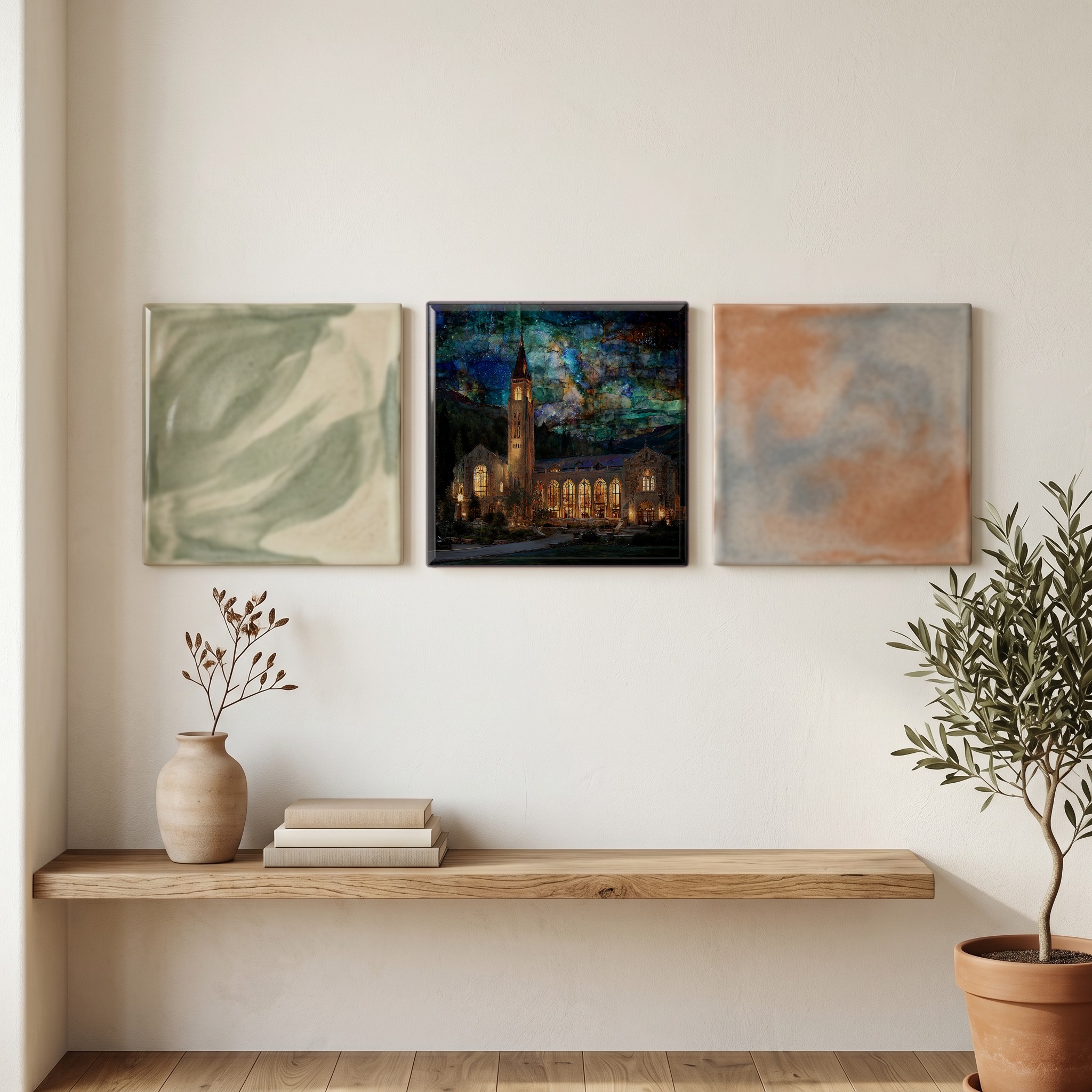
Three or five different vistas, hung together — a chapter of places you've been, or want to go.
The place, in three passes.
Lourdes sits in the Hautes-Pyrénées department of southwestern France, about 130 kilometres south of Toulouse and 20 kilometres north of the Spanish border. The Sanctuary of Our Lady of Lourdes occupies a 51-hectare domain along the Gave de Pau river, at the foot of the Massabielle cliff where the grotto opens. The town centre sits at roughly 415 metres of elevation, in the foothills of the central Pyrenees. The sanctuary complex includes four basilicas, the grotto, the spring, a Way of the Cross on the hillside above, and the esplanades that hold the evening processions. The whole domain is open to the public every day of the year.
Three churches rise above the grotto, one on top of another. The Rosary Basilica, designed by Léopold Hardy and consecrated in 1901, sits at ground level in a Romano-Byzantine style with a great mosaic facade. Above it is the Crypt, opened in 1866 and the oldest of the three. On the summit of the rock, the Upper Basilica of the Immaculate Conception was consecrated in 1876, a tall neo-Gothic church with a single spire designed by the architect Hippolyte Durand. Below all of this, opened in 1958 for the centenary of the apparitions, the Underground Basilica of Saint Pius X is one of the largest churches in the world, with room for 25,000 worshippers.
The sanctuary is open every day of the year and entry is free. The pilgrimage season runs from early April through late October, with the largest international gathering during the second week of October. The Marian Torchlight Procession, lit candles carried in paper shields, leaves the grotto esplanade each evening at 21:00 from April to October. The grotto itself is accessible at all hours. Lourdes has the largest hotel capacity in France outside of Paris, with over 30,000 hotel beds for a town of about 13,000 residents. The sick are received first; wheelchairs, stretchers, and accompanying carers are central to the place.