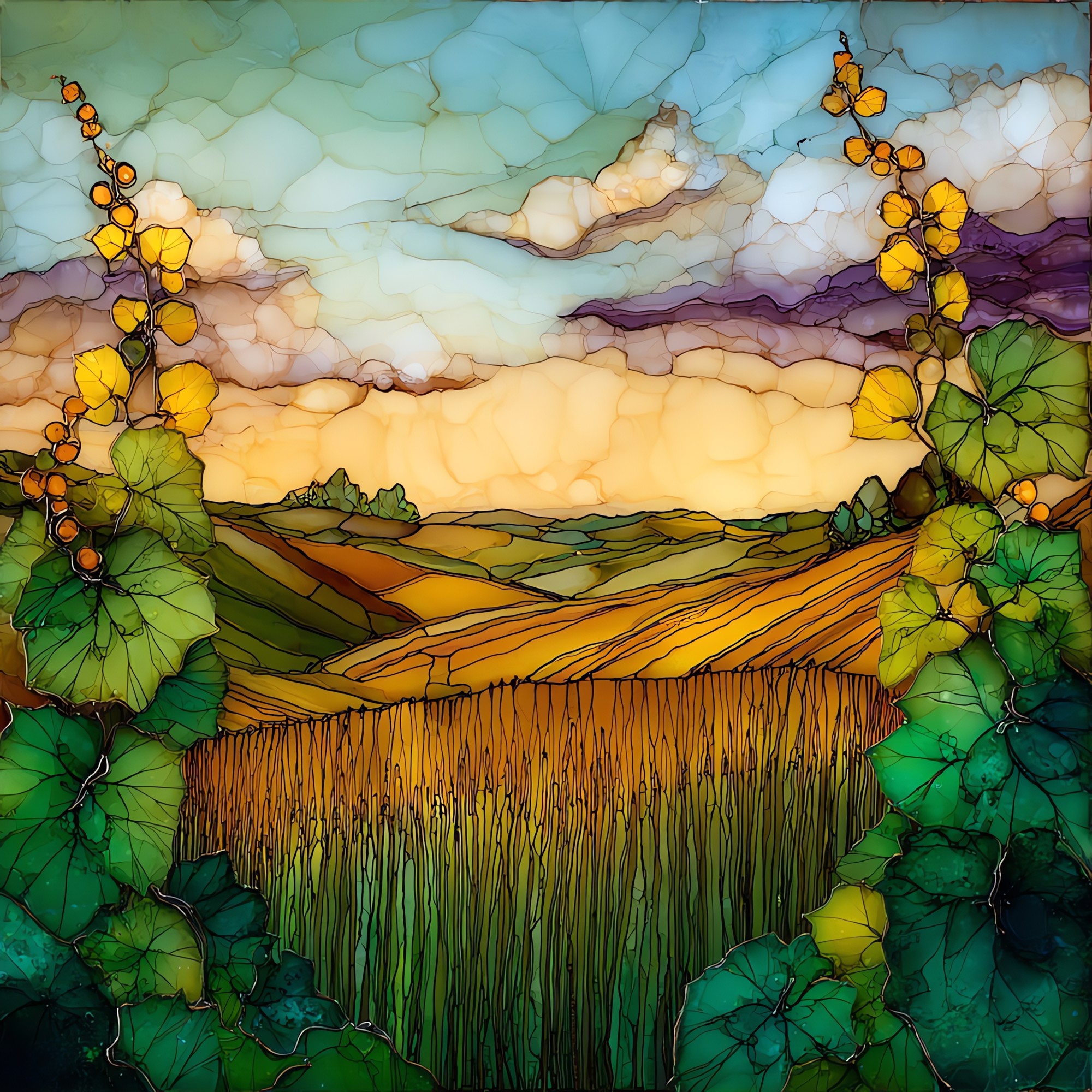
Loire Valley Vineyard
— — the cool light the river leaves on the vines.
Not only on a wall.
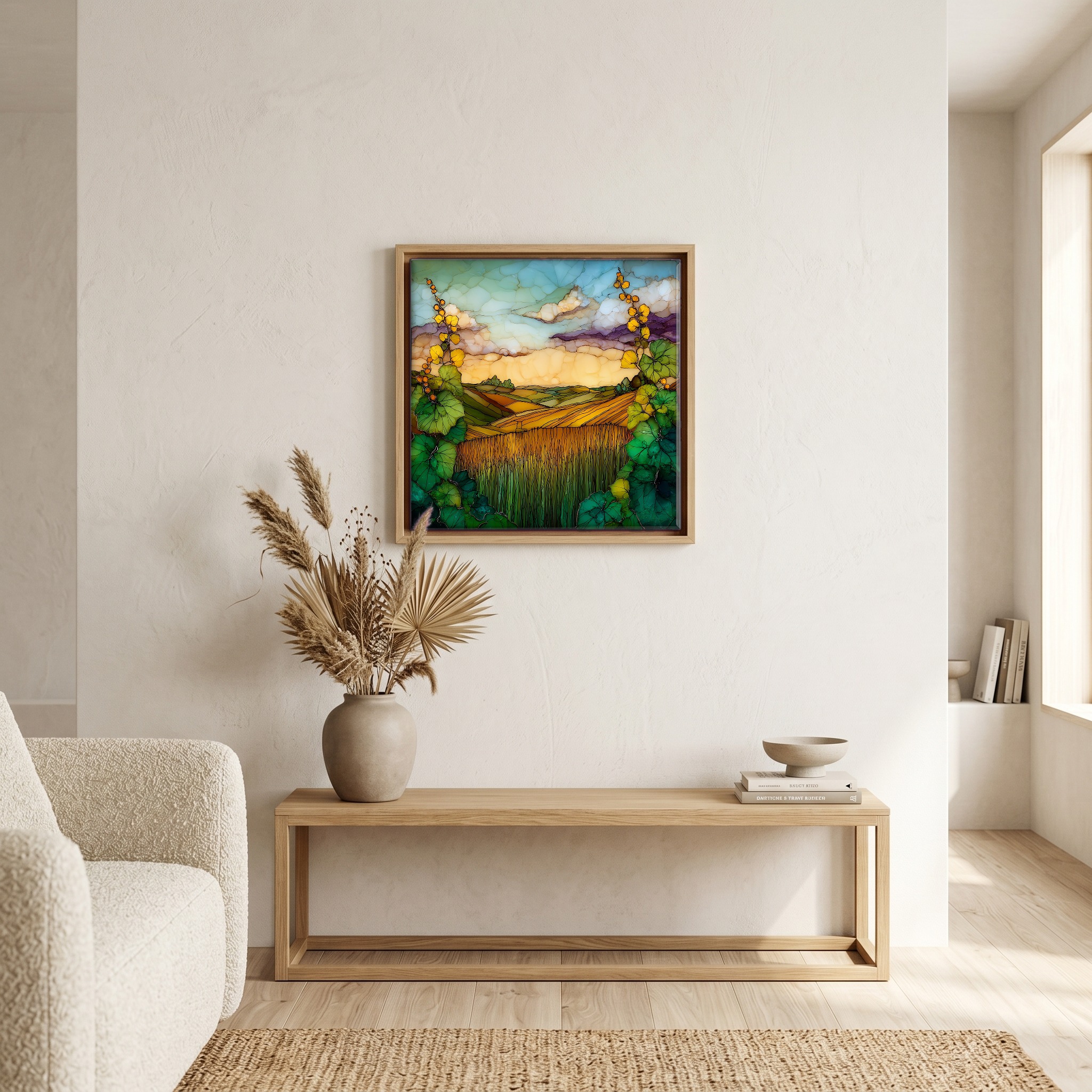
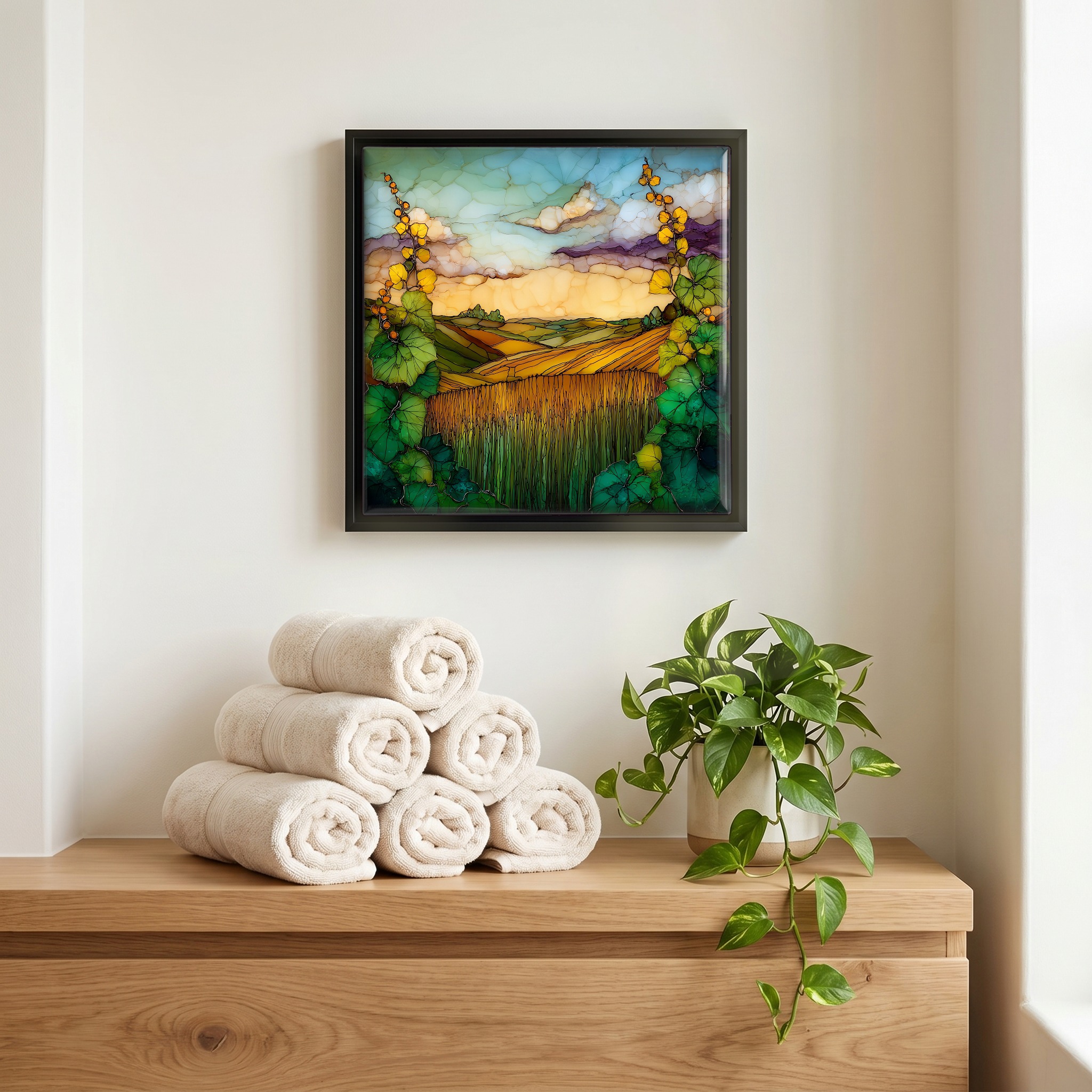
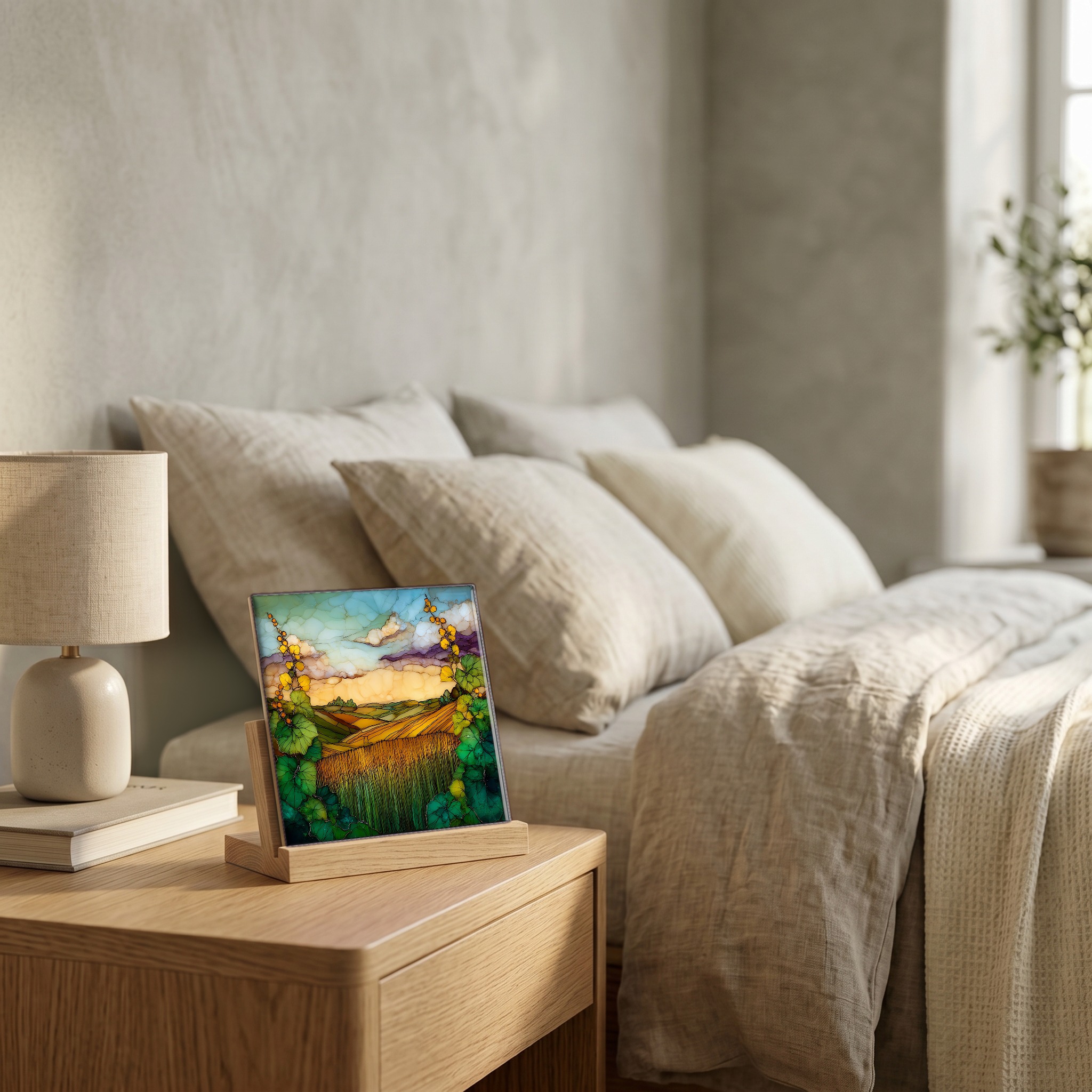
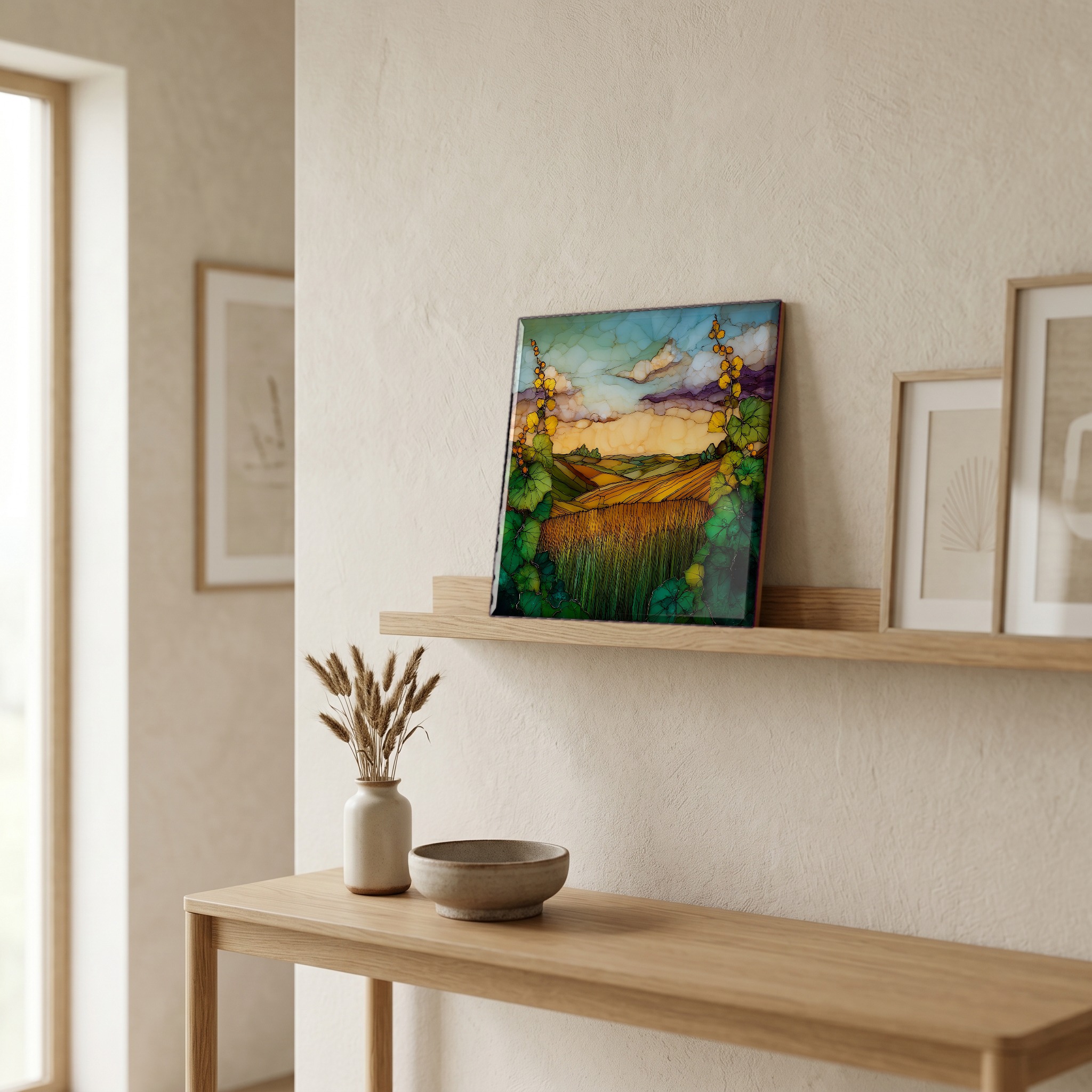
“Vineyard country along France's longest river. The vines run on chalk and tuffeau in long quiet rows, the same soft white stone the kings of France built their châteaux into. Sauvignon at the eastern end around Sancerre, Chenin and Cabernet Franc through Vouvray and Chinon, Muscadet down by the Atlantic. The light off the river is cool and even, and the autumn fog that settles in the vineyards is part of the chemistry. Harvest runs from mid-September into October, later for the sweet wines around the Layon. The Loire is one of the last largely unembanked rivers in Europe; the vineyards have lived alongside its moods for a thousand years.
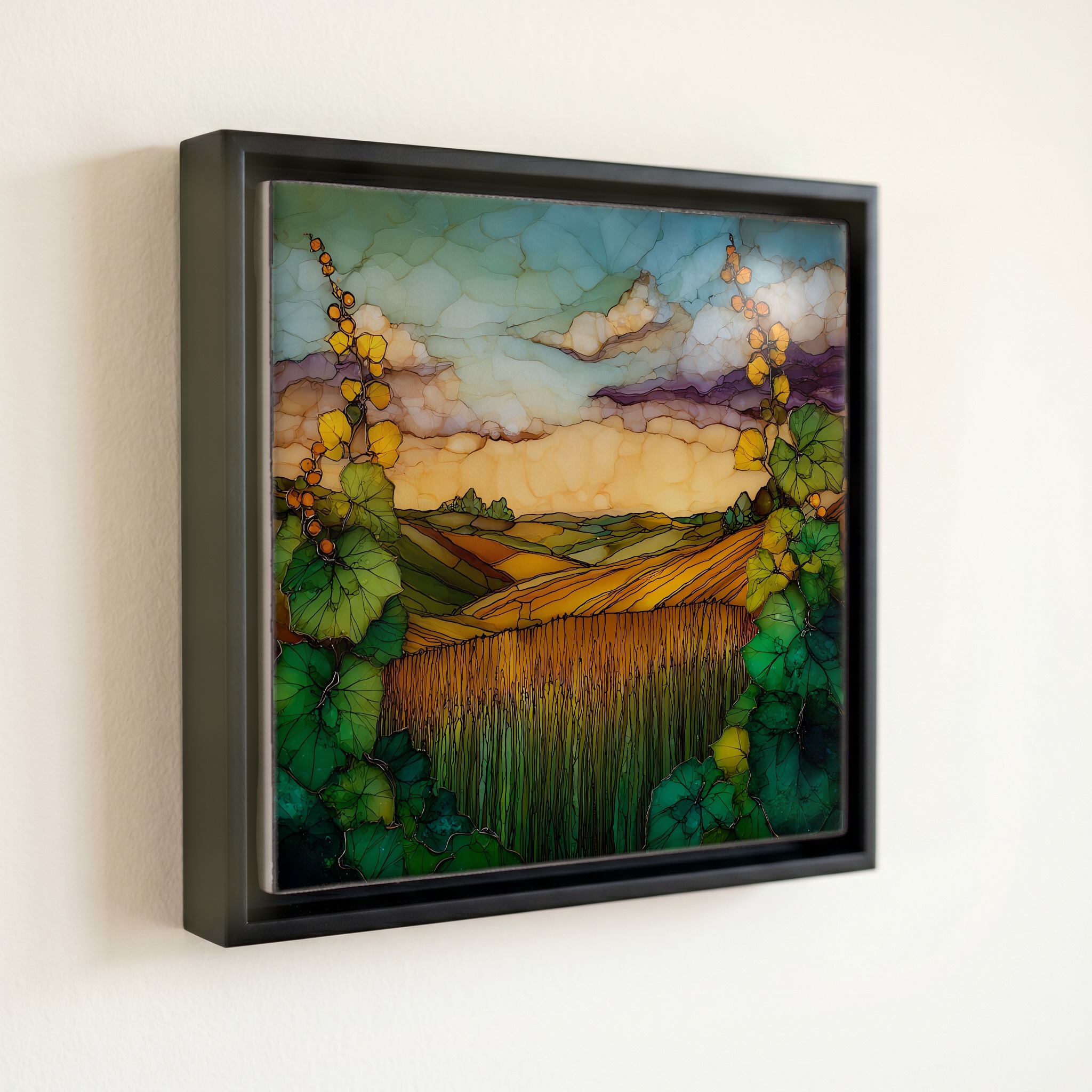
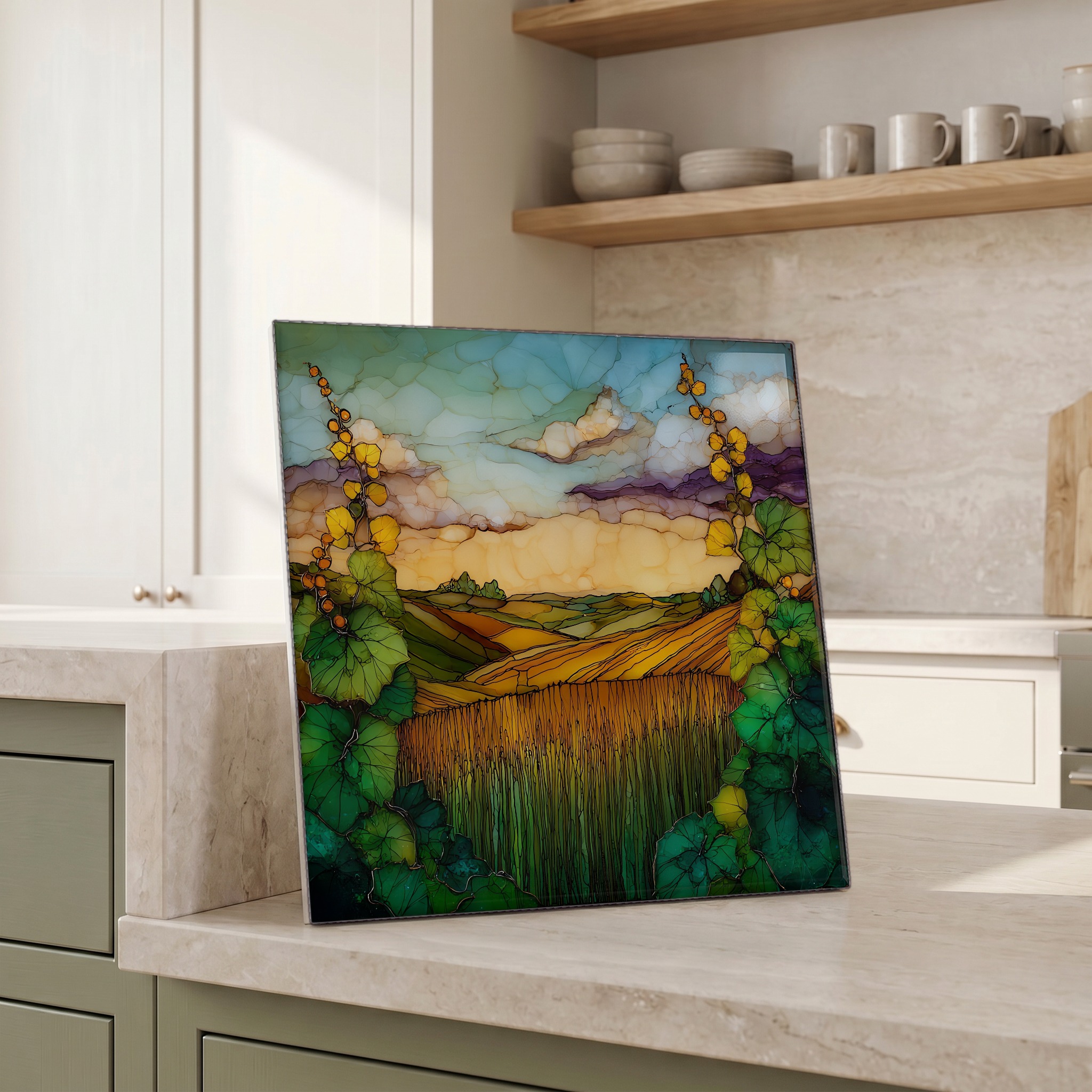
Loire Valley Vineyard, on ceramic.
Each tile is finished by hand in our Knoxville studio. Artwork is slowly infused into the ceramic surface under high heat and pressure, and rests beneath a thin glossy finish. The colour lives in the surface, not on top of it.
Pick any four 4-inch tiles — National Parks you've been to, a Smokies set, the four seasons of one place. $ for a set of , cork-backed, ready to live on the table.
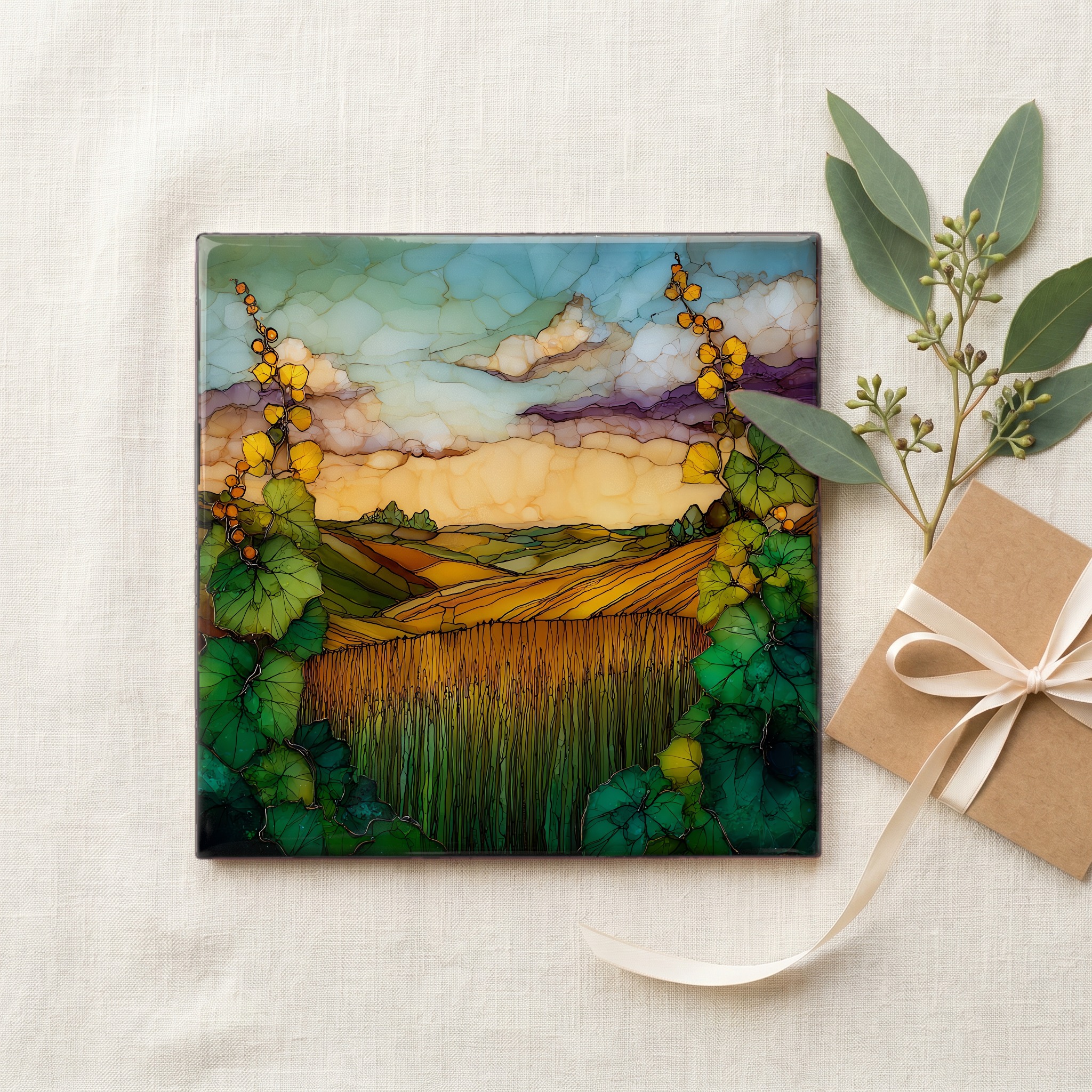
Each tile ships in a kraft box, tied with cream ribbon, with a handwritten note from the studio if you'd like to add one.
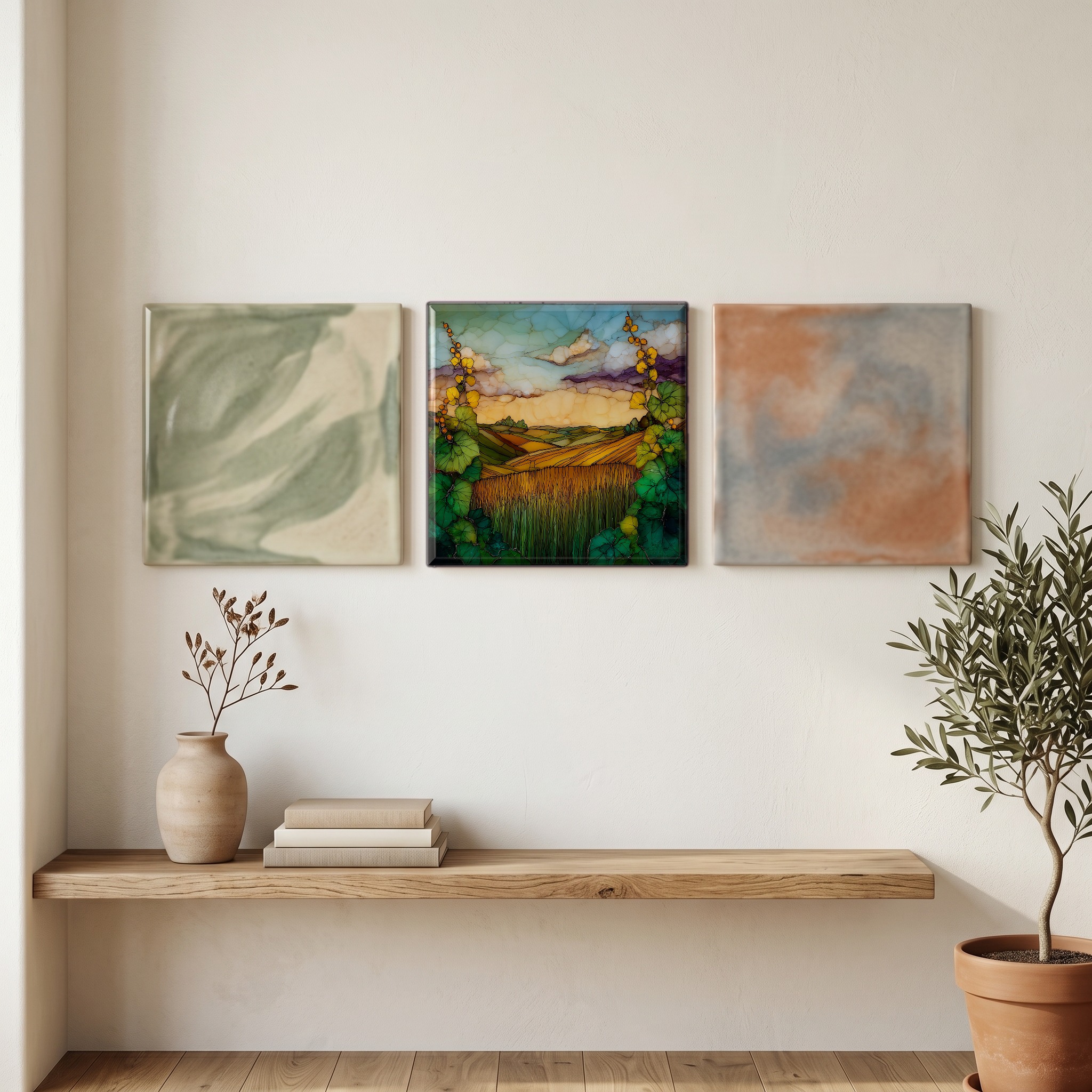
Three or five different vistas, hung together — a chapter of places you've been, or want to go.
The place, in three passes.
The Loire Valley wine region runs about 280 kilometres along the river of the same name, from the chalk hills around Sancerre in central France west to the Atlantic mouth at the Pays Nantais. It is the third-largest wine region in France by volume and the longest in geographic span, with roughly 70,000 hectares under vine across more than fifty appellations. The middle section, between Sully-sur-Loire and Chalonnes-sur-Loire, was inscribed on the UNESCO World Heritage List in 2000 as a cultural landscape called the Val de Loire. Bordeaux lies to the south, Champagne to the north-east; the Loire threads between them.
Most of the Loire Valley's vineyards root into tuffeau, a soft creamy-white limestone laid down on the floor of an ancient sea about 90 million years ago, in the Late Cretaceous. The same stone built the great châteaux of Chambord, Chenonceau, and Azay-le-Rideau, and was quarried straight out of the hillsides, leaving cave networks that growers still use today as wine cellars. The friable rock drains well and holds warmth into the autumn nights, both useful traits for Chenin Blanc on the slopes around Vouvray and Cabernet Franc on the right-bank vineyards of Chinon and Bourgueil.
The Loire is a cool-climate region by French standards, and the growing year hangs on a long late summer. Bud-break comes through April; flowering follows in June; the white grapes, Sauvignon, Chenin, and Melon de Bourgogne, are usually picked from mid-September through early October. Cabernet Franc on the right bank around Chinon is picked a little later. The sweet wines of the Coteaux du Layon and Quarts-de-Chaume wait for noble rot, sometimes into November, when the morning fog off the Layon settles in the vineyards and the Botrytis cinerea fungus does its work on the berries.