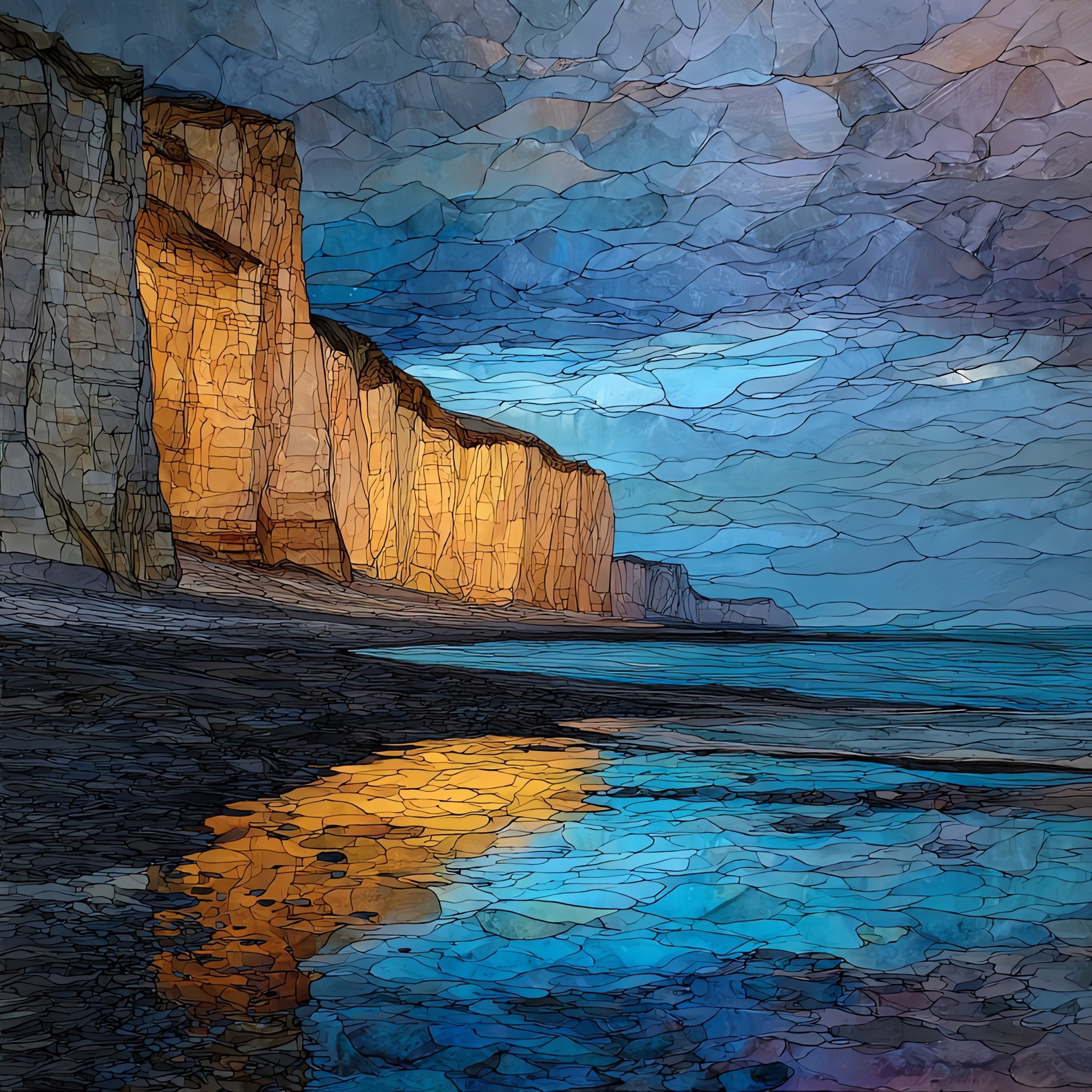
Le Treport Chalk Cliffs
— the chalk the Channel hasn't finished.
Not only on a wall.
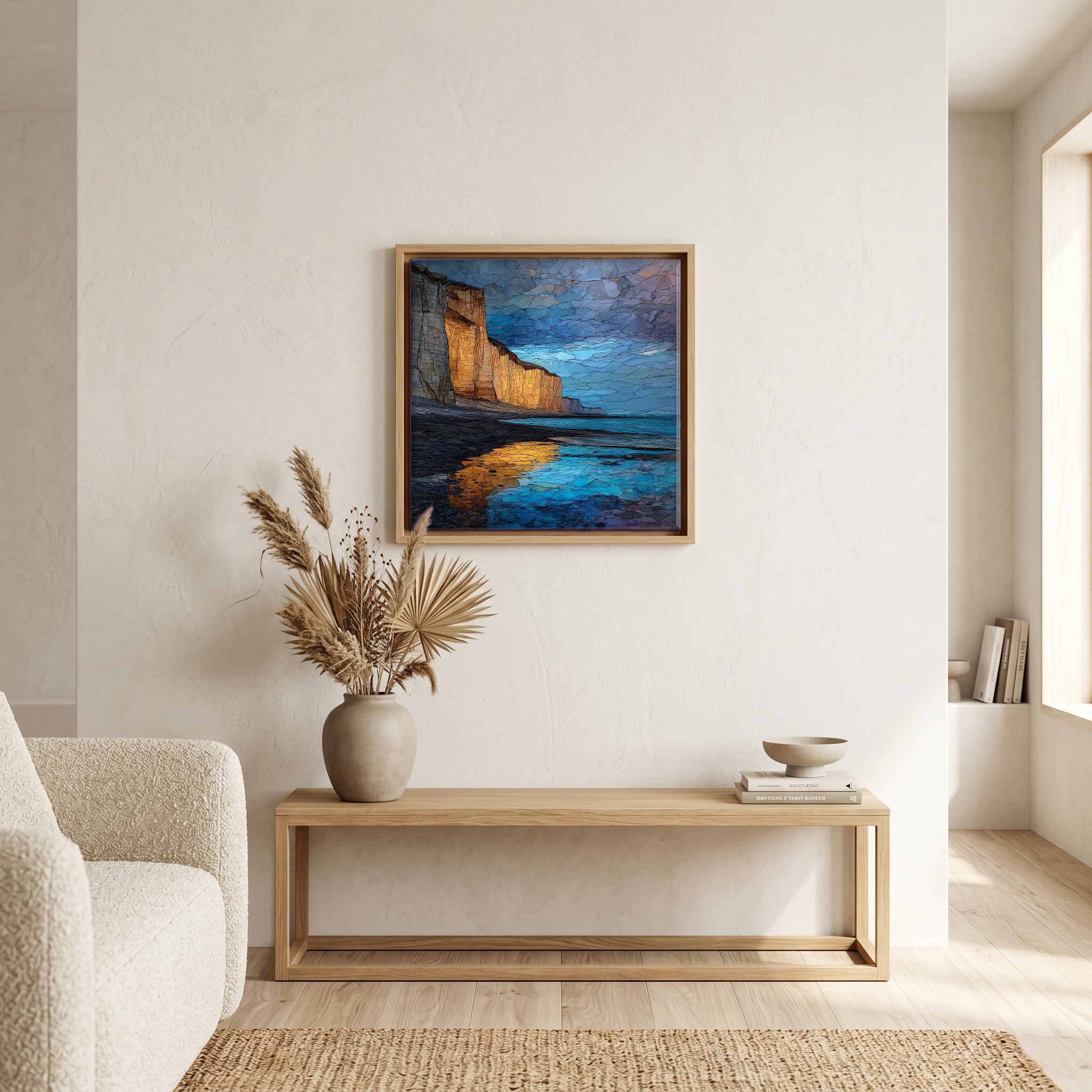
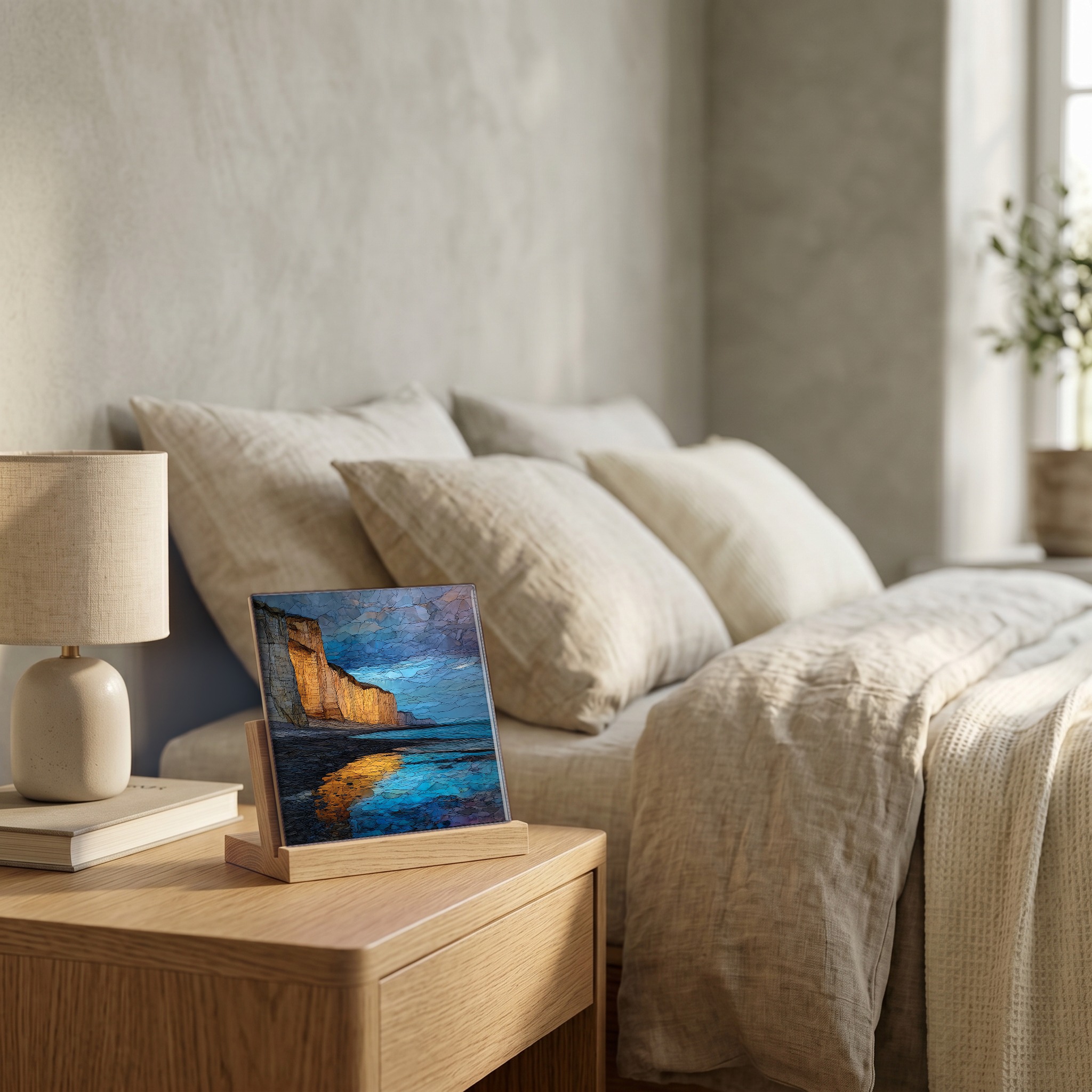
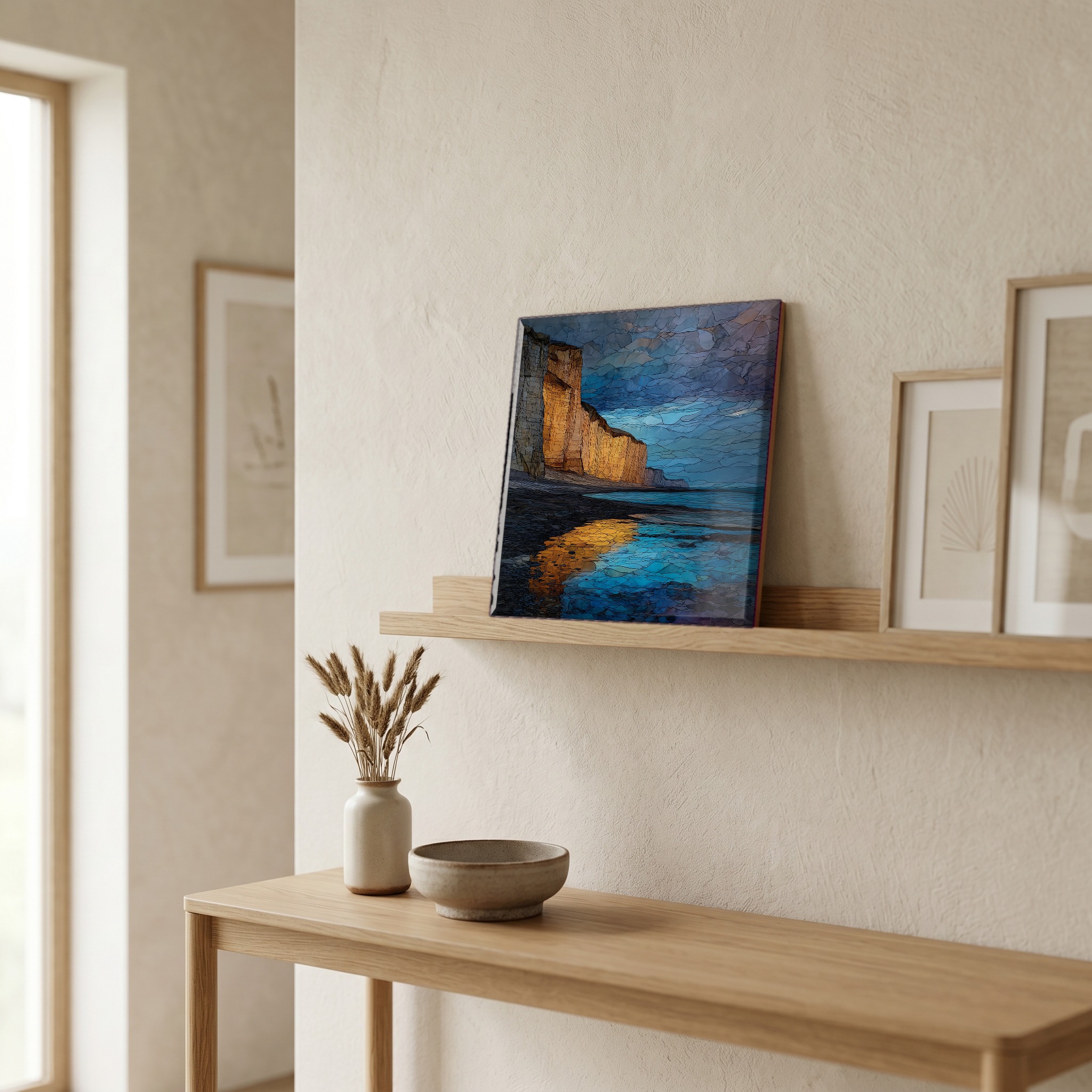
“The chalk cliffs at Le Tréport are among the tallest in Europe, over 100 metres at the cliff top. They run from here west toward Étretat along the Côte d'Albâtre. A small funicular climbs the cliff through a tunnel from the harbour to the upper terrace; the alternative is the long cliff staircase. The town below holds three things: a pebble beach, a working fishing harbour, and a quay of restaurants. Across the Bresle the pastel houses of Mers-les-Bains line up under cliffs that keep going east into Picardy. People come up the cliff for the view of both at once.
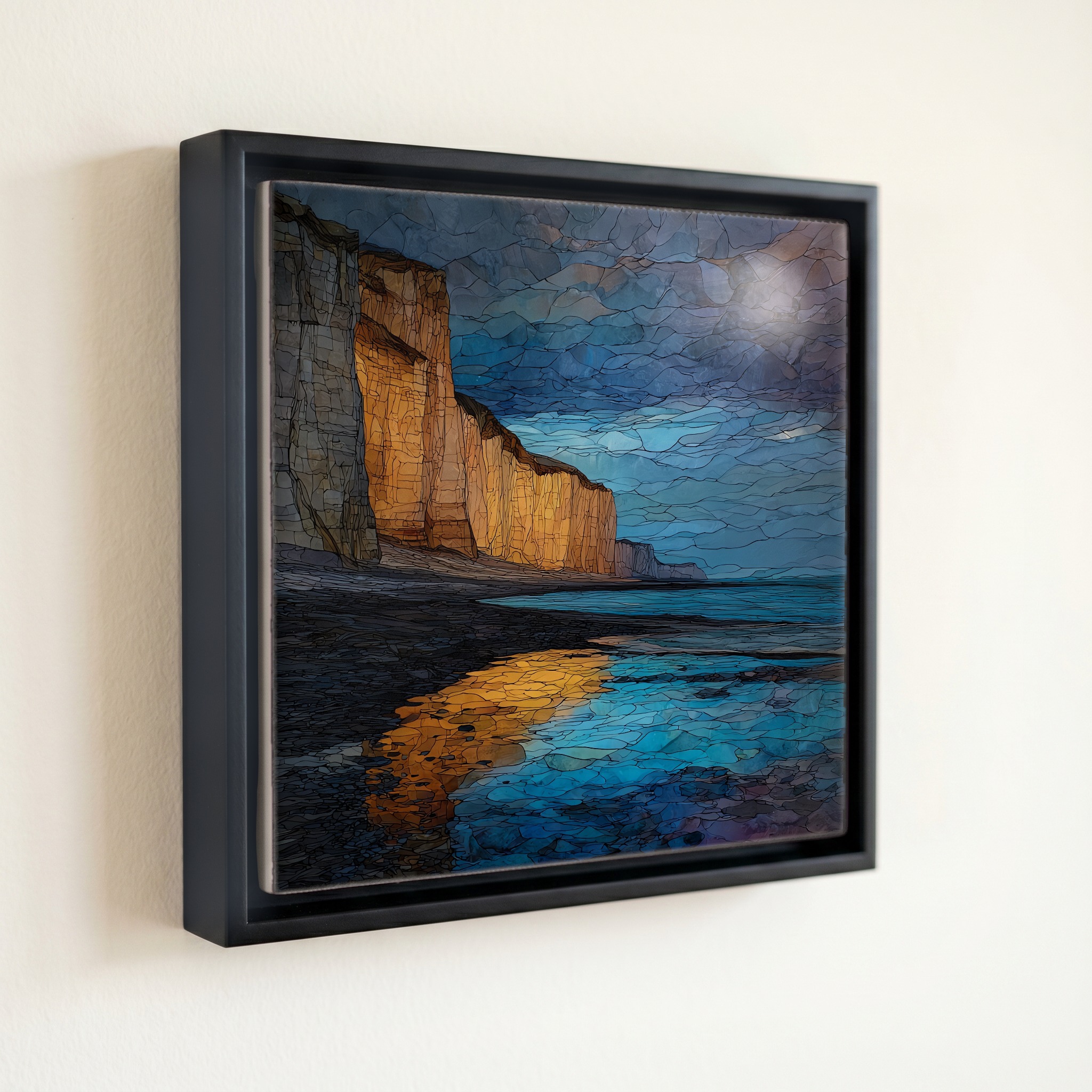
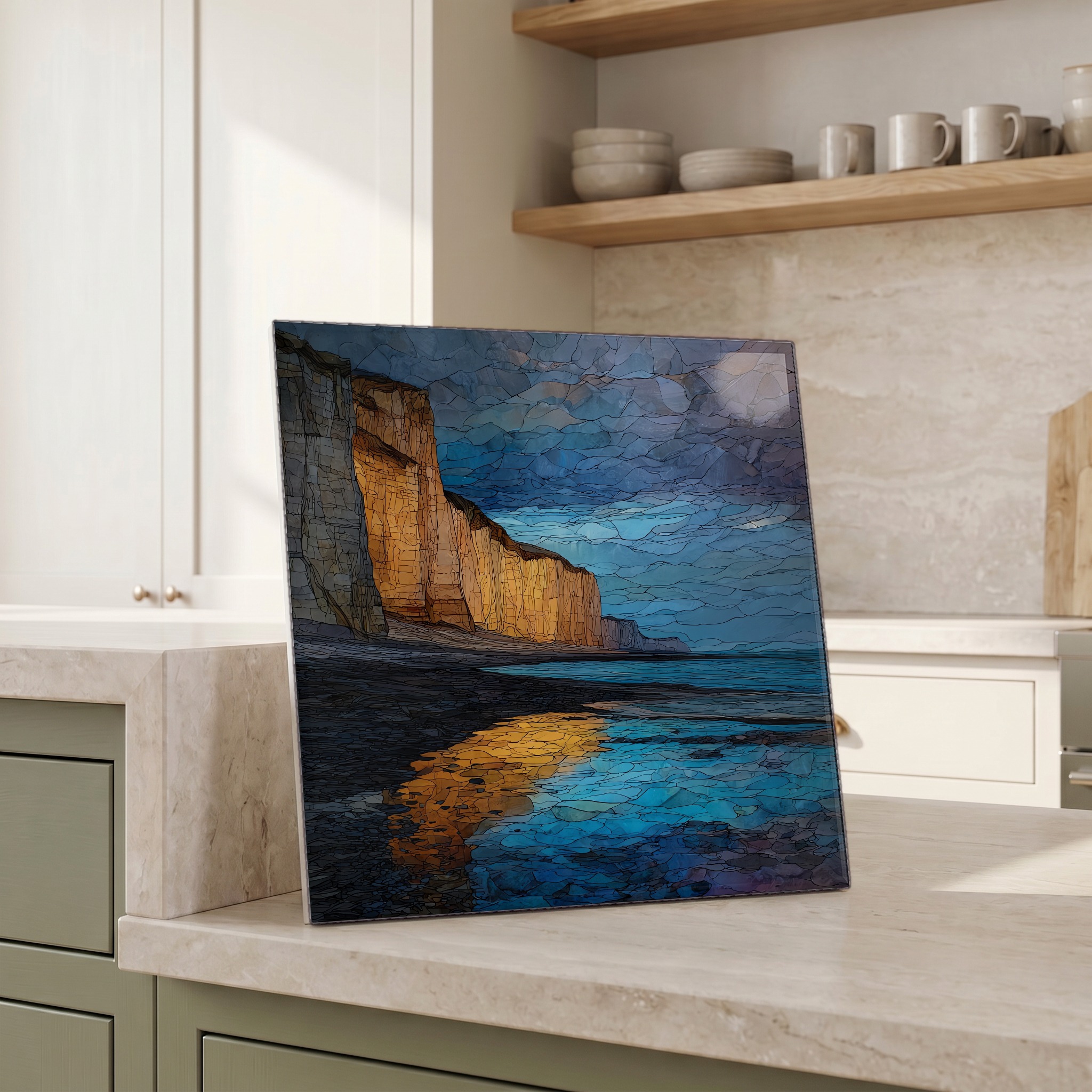
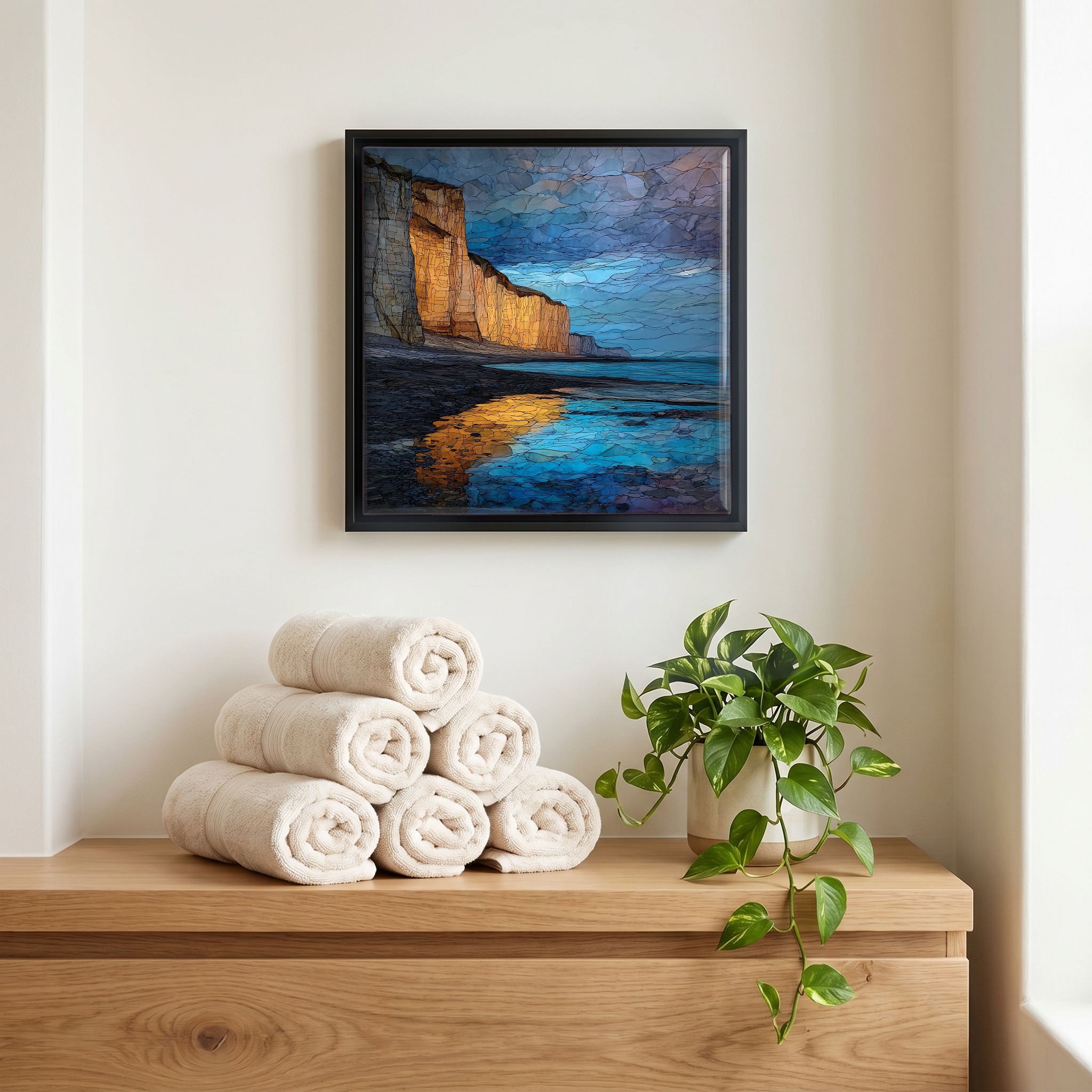
Le Treport Chalk Cliffs, on ceramic.
Each tile is finished by hand in our Knoxville studio. Artwork is slowly infused into the ceramic surface under high heat and pressure, and rests beneath a thin glossy finish. The colour lives in the surface, not on top of it.
Pick any four 4-inch tiles — National Parks you've been to, a Smokies set, the four seasons of one place. $ for a set of , cork-backed, ready to live on the table.
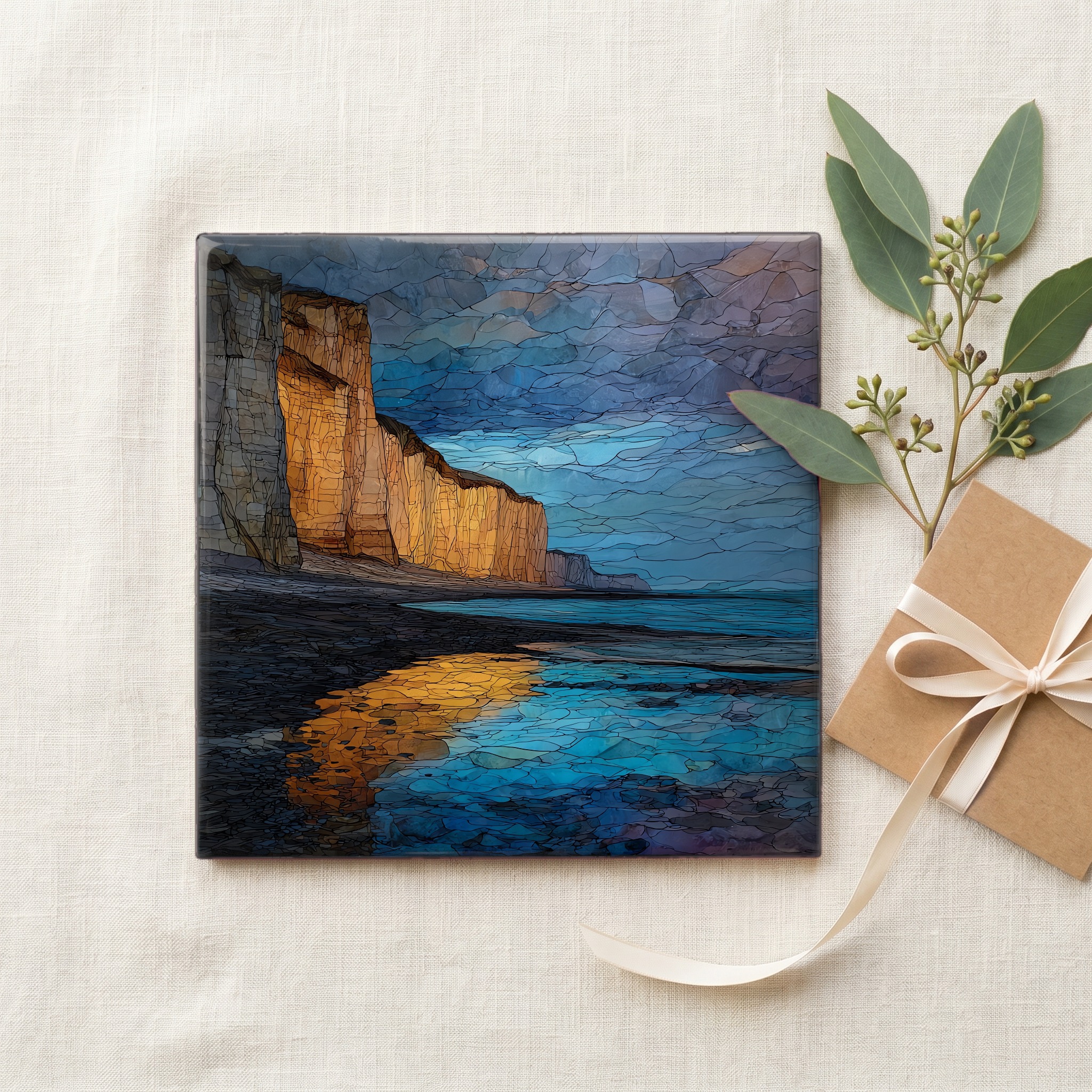
Each tile ships in a kraft box, tied with cream ribbon, with a handwritten note from the studio if you'd like to add one.
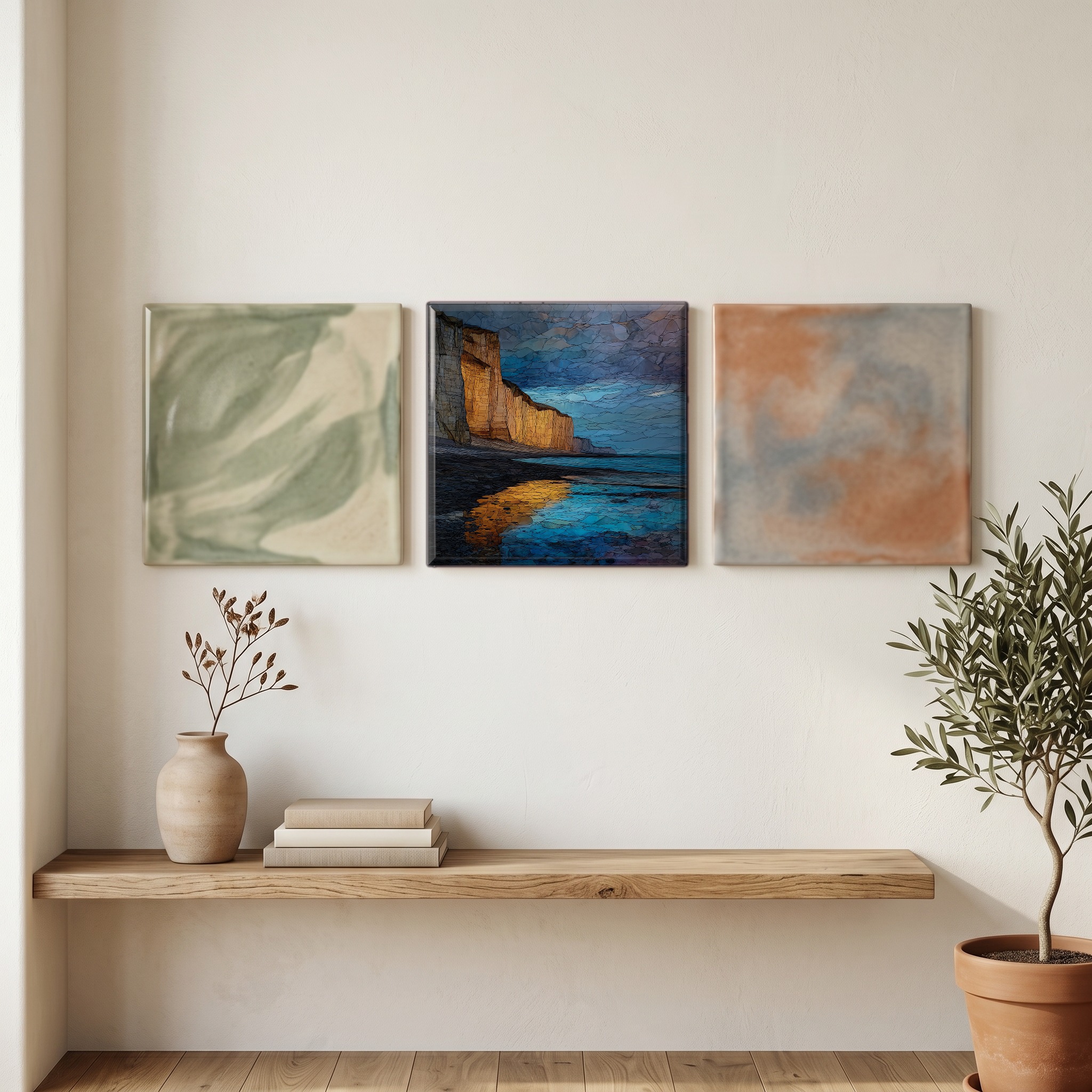
Three or five different vistas, hung together — a chapter of places you've been, or want to go.
The place, in three passes.
Le Tréport sits at the eastern edge of the Côte d'Albâtre, the Alabaster Coast that runs roughly 130 km west to Le Havre. The town belongs to the Seine-Maritime department in Normandy; across the mouth of the Bresle River, Mers-les-Bains belongs to the Somme in Hauts-de-France. The harbour shelters a small fishing fleet; the upper town sits about 106 metres above on the cliff terrace, reached by a funicular or a long staircase. The Église Saint-Jacques in the lower town dates from the 16th century and stands at the foot of the cliff.
The cliffs are Upper Cretaceous chalk, deposited as the calcified shells of marine plankton roughly 90 million years ago when this corner of Europe lay under a warm shallow sea. The white is almost pure calcite. The thin black bands running through the wall are flint nodules, formed when silica reprecipitated inside the soft chalk. Erosion along the Côte d'Albâtre is among the fastest in Europe, averaging around 20 cm a year on this stretch and exposing a fresh white face each winter. The same chalk continues under the Channel and resurfaces as the white cliffs of Dover.
The lower town and the cliff terrace are connected by a free funicular, rebuilt in 2006, that climbs 65 metres through a tunnel cut into the chalk in under a minute. A long cliff staircase is the alternative. The upper terrace looks back over the harbour, the Bresle estuary, and the pastel Belle Époque facades of Mers-les-Bains across the river. The fishing port still lands scallops, herring, and sole; the quay below is lined with restaurants serving moules-frites and the day's catch. The cliff walk west toward Mesnil-Val gives the long view of the chalk wall.