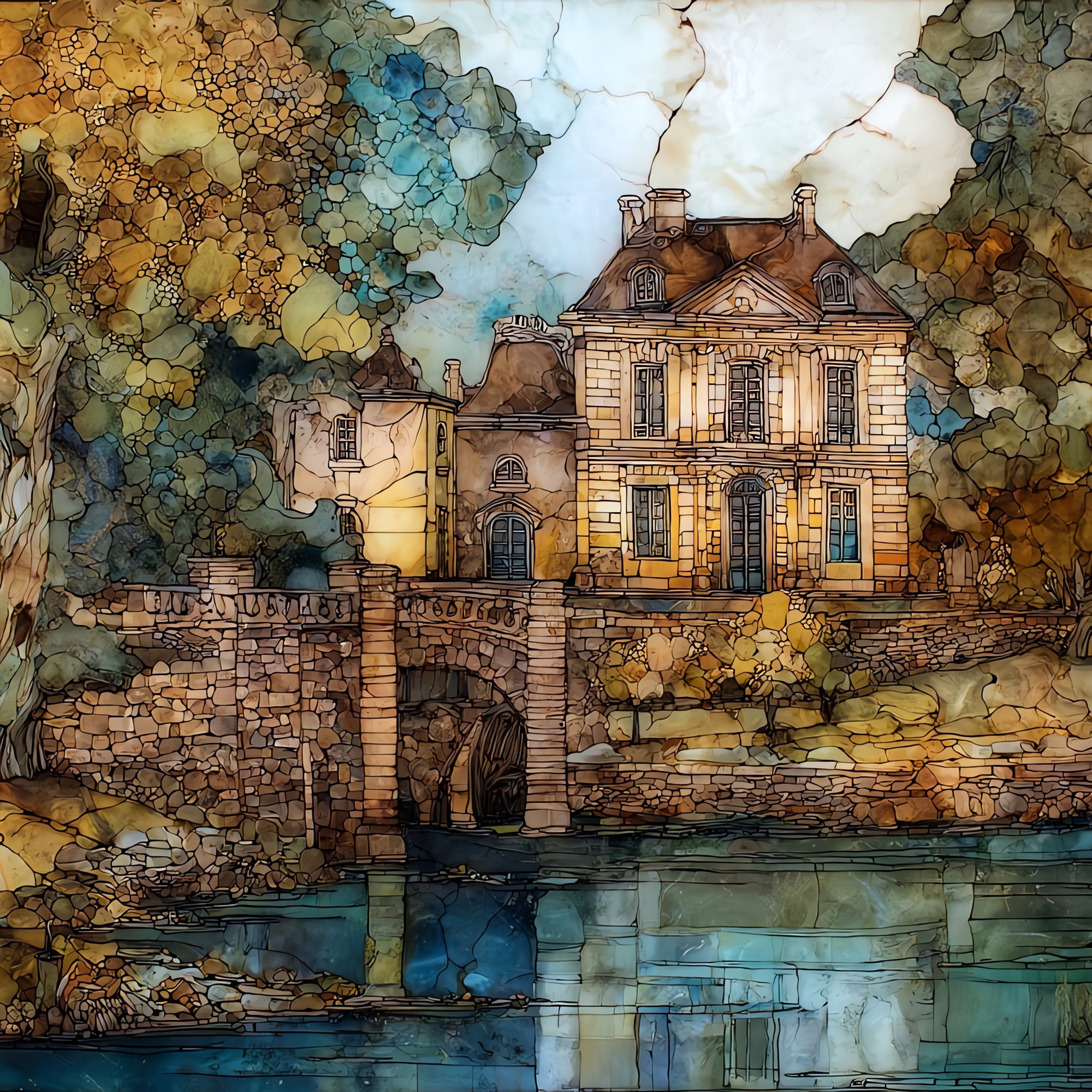
Hameau de la Reine
— — a village painted to look already old.
Not only on a wall.
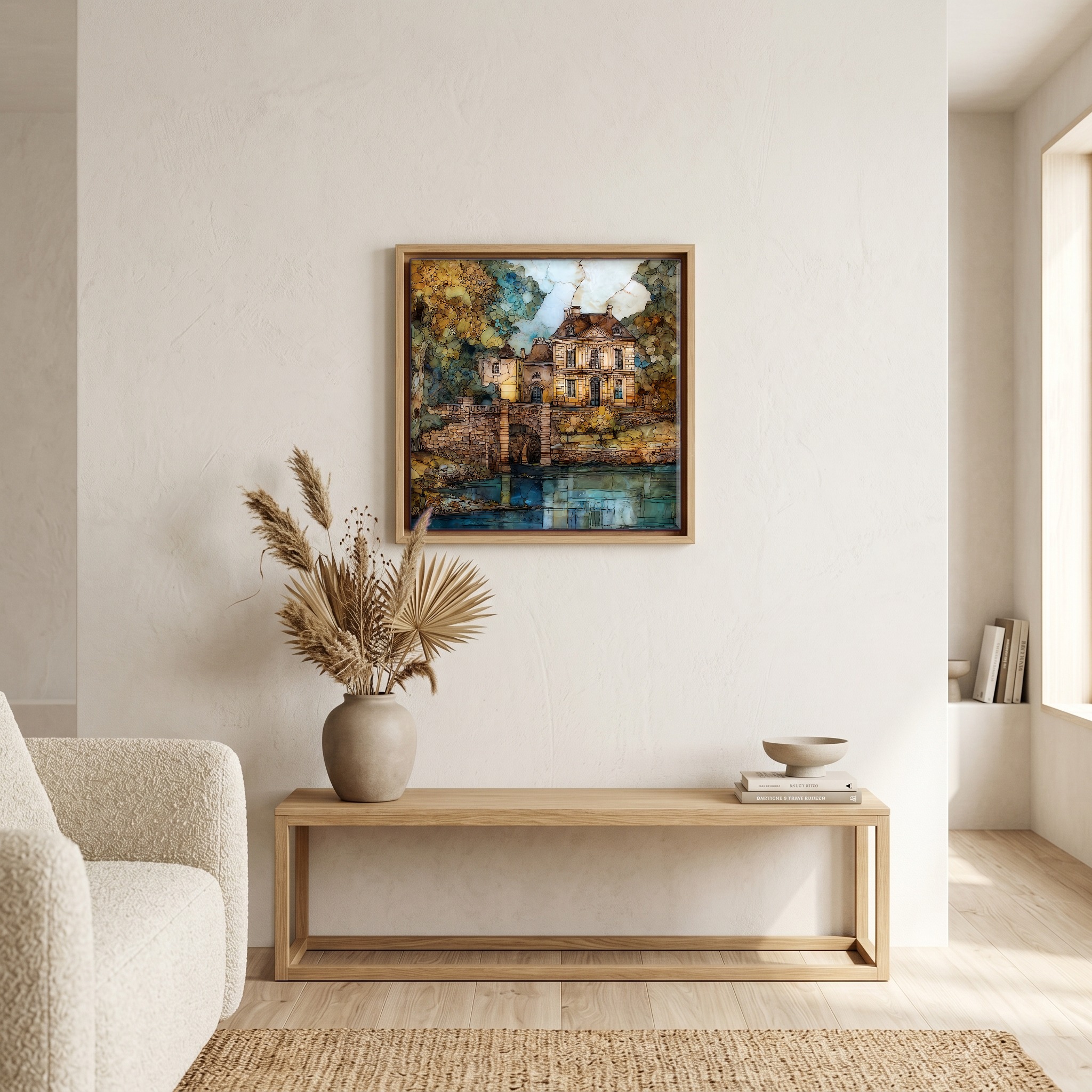
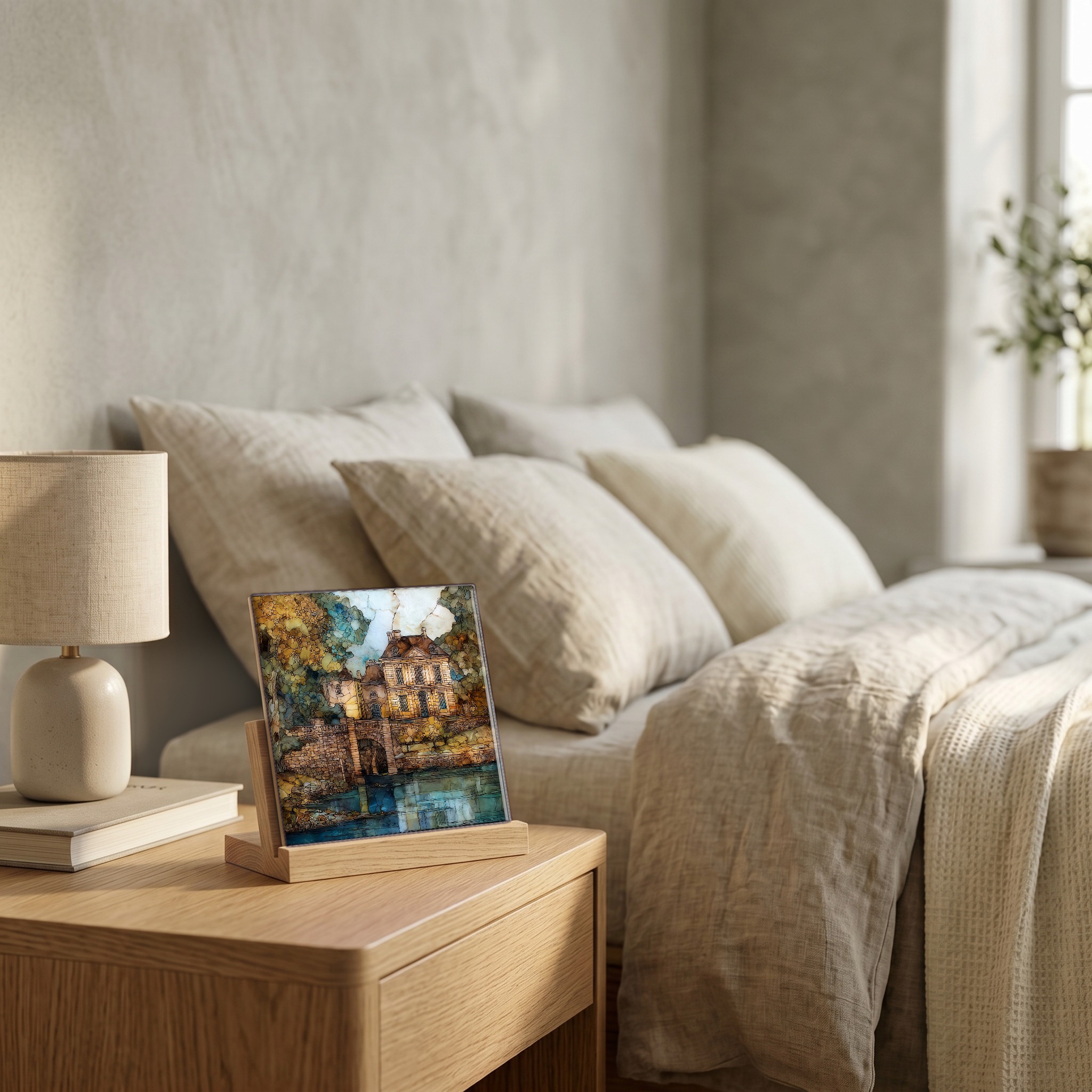
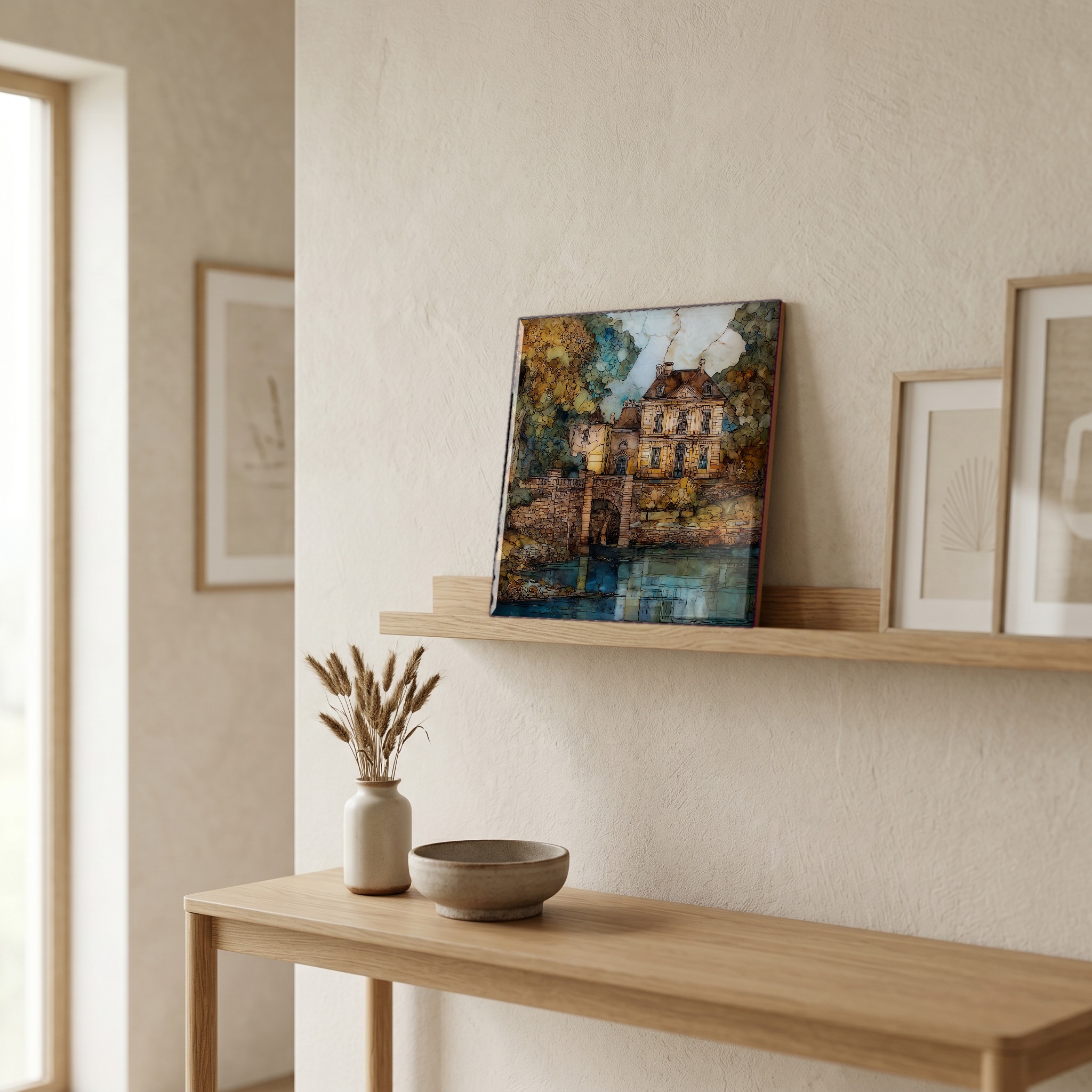
“Twelve cottages on a quiet lake at the edge of the Versailles gardens, past the Petit Trianon. Marie Antoinette commissioned it in 1783, and Richard Mique built it for her in three years. The painters Tolède and Dardignac were told to put cracks in the plaster, aging every wall before its time. The hamlet was a working farm with vines, sheep, an orchard, a dairy. The queen came to be quiet, away from the watched rooms of the château. The cottages still stand around the lake. People walk through and lower their voices without meaning to.
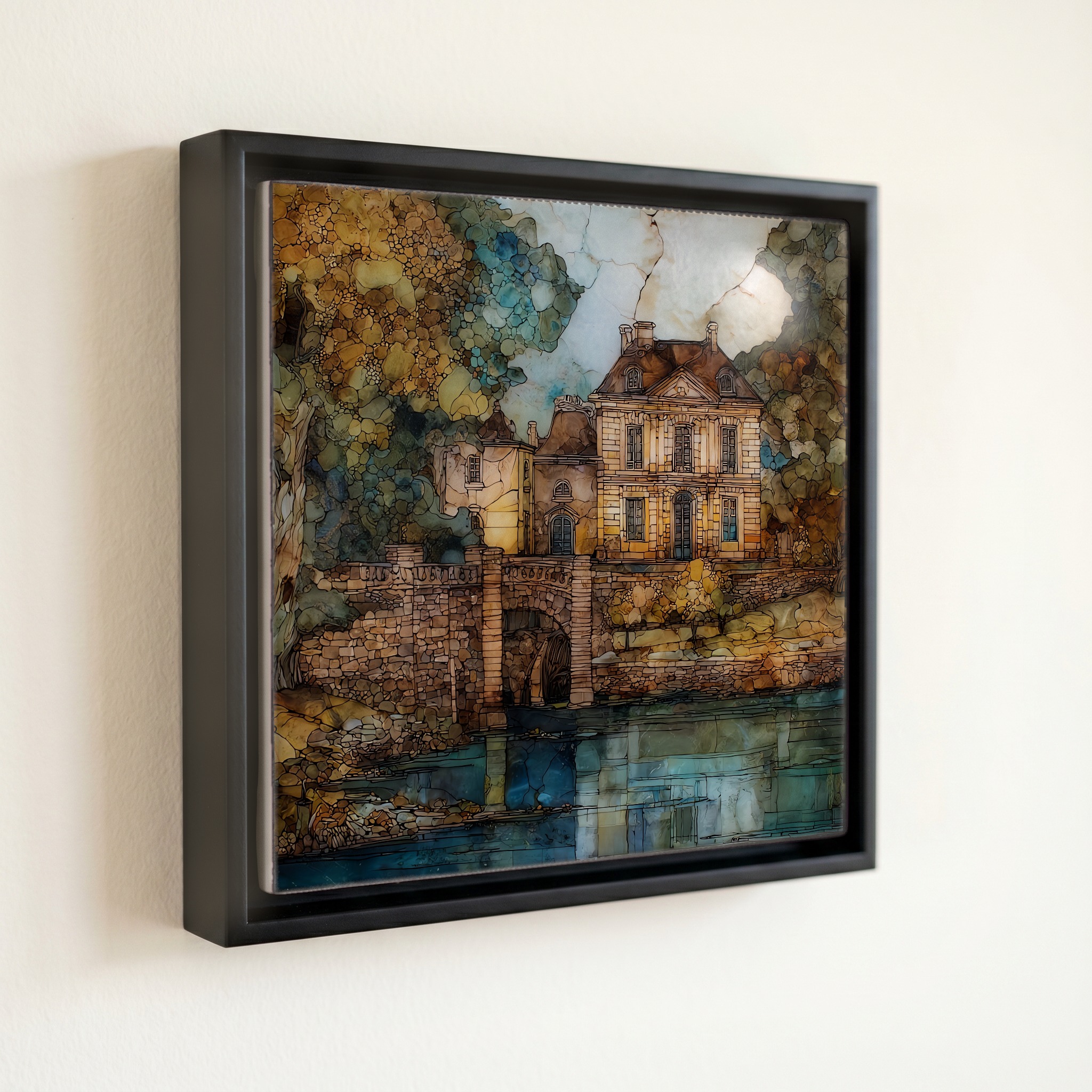
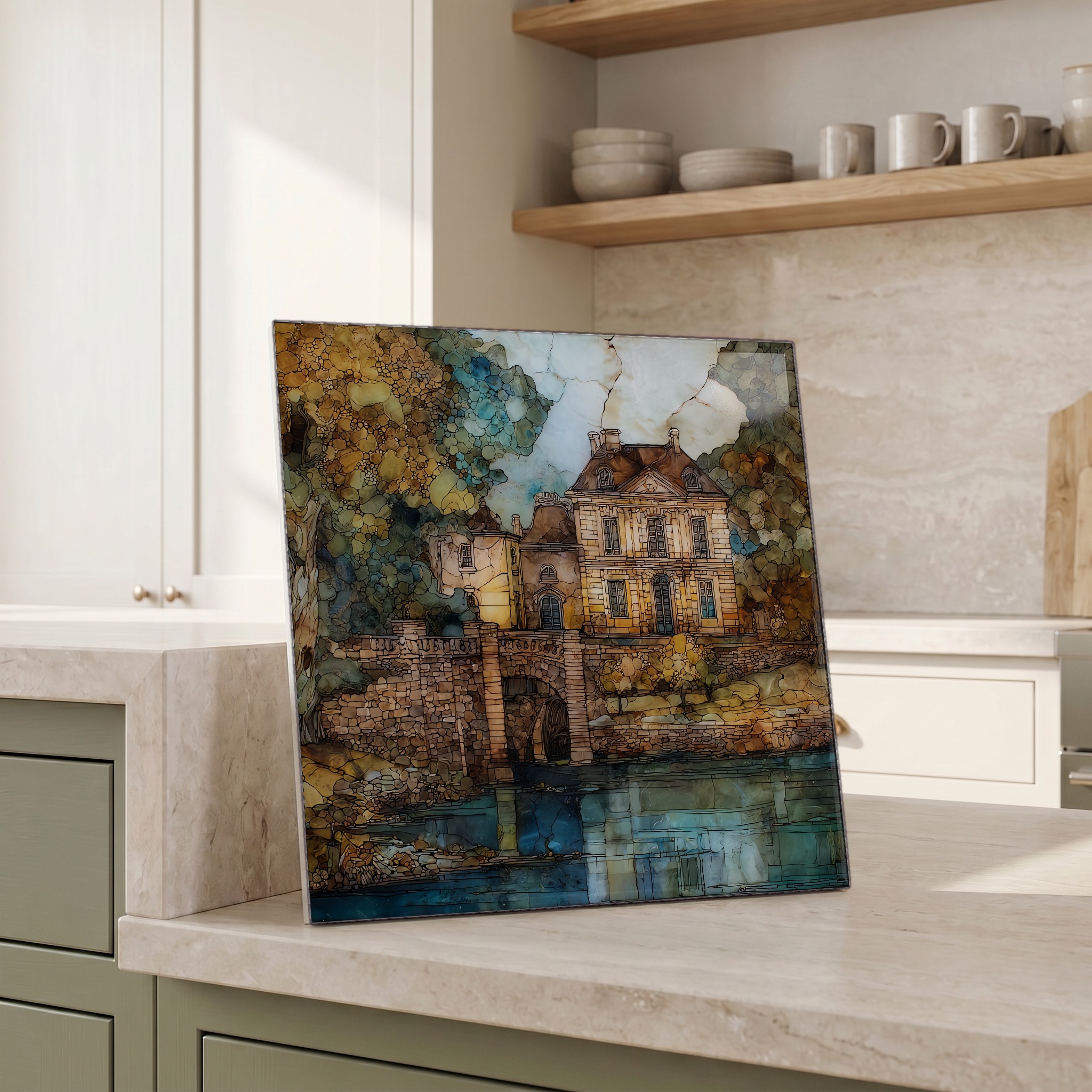
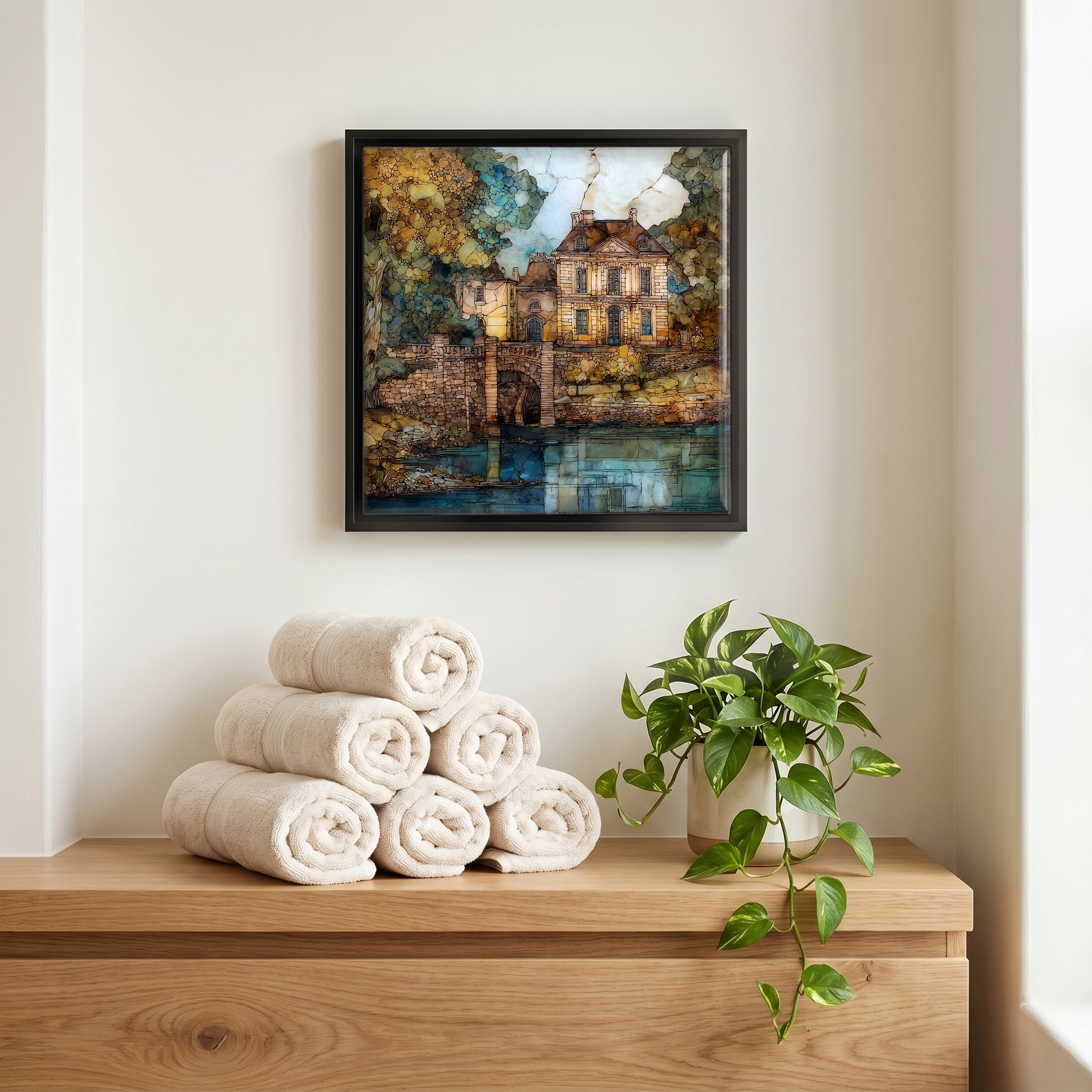
Hameau de la Reine, on ceramic.
Each tile is finished by hand in our Knoxville studio. Artwork is slowly infused into the ceramic surface under high heat and pressure, and rests beneath a thin glossy finish. The colour lives in the surface, not on top of it.
Pick any four 4-inch tiles — National Parks you've been to, a Smokies set, the four seasons of one place. $ for a set of , cork-backed, ready to live on the table.
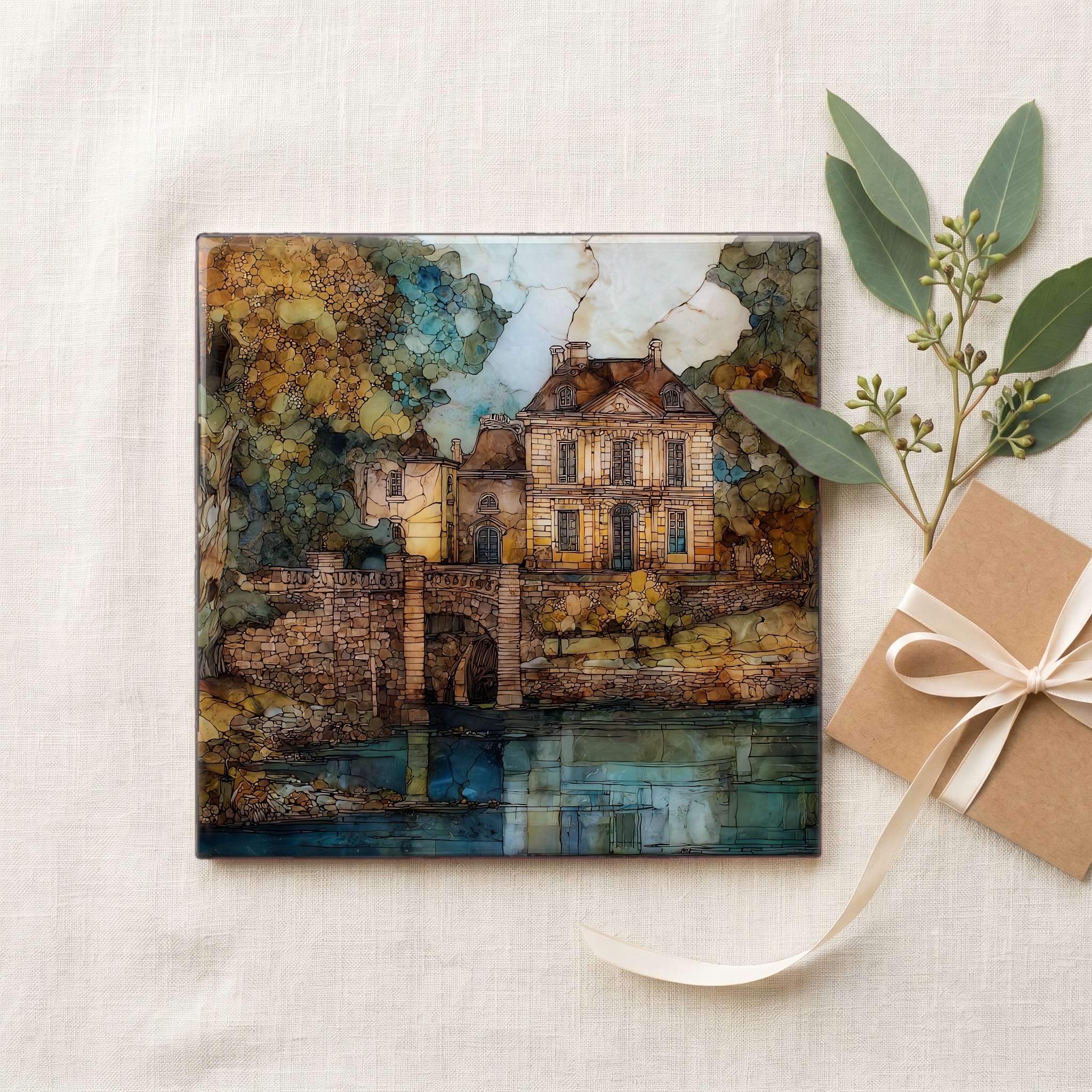
Each tile ships in a kraft box, tied with cream ribbon, with a handwritten note from the studio if you'd like to add one.
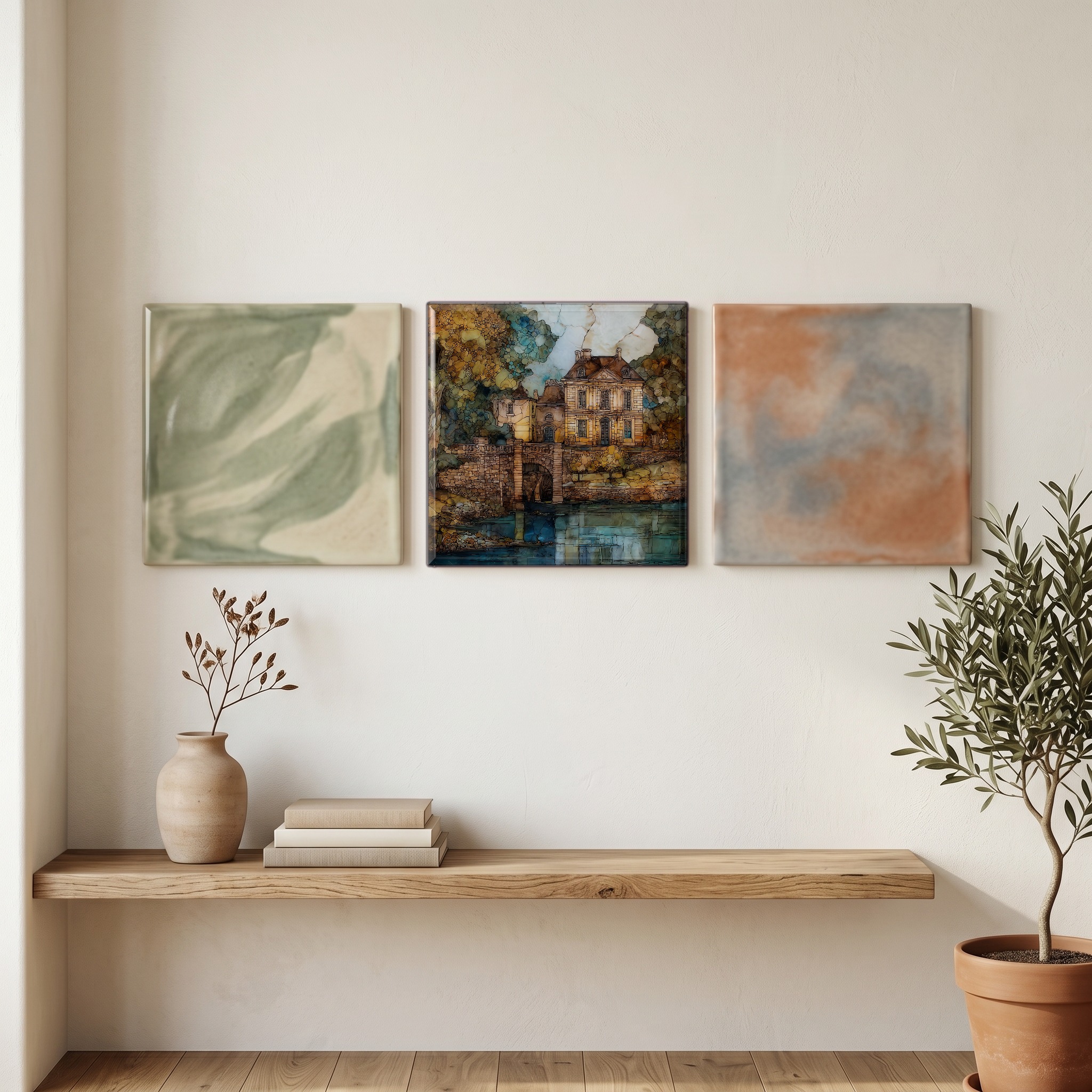
Three or five different vistas, hung together — a chapter of places you've been, or want to go.
The place, in three passes.
The Hameau de la Reine sits at the north edge of the Versailles estate, beyond the Petit Trianon, about a kilometer from the main palace. Queen Marie Antoinette commissioned the village in 1783, and the architect Richard Mique built it between 1783 and 1786, with the painter Hubert Robert advising on the composition. The twelve cottages stand around a small artificial lake, with the working farm buildings on one side and the queen's private buildings on the other. The hamlet extends the Jardin Anglais, the English landscape garden Mique had already laid out next to the Petit Trianon. The estate is in Versailles, in the Yvelines département, southwest of Paris.
The painters Tolède and Dardignac were paid to add cracks to the plaster and false half-timbering to the walls, aging every cottage before the hamlet opened in 1786. The twelve buildings include the Queen's House, the Mill, the Dairy, the Marlborough Tower, the Boudoir, and a working Réchauffoir kitchen attached to the queen's cottage. Richard Mique built them between 1783 and 1786, with the painter Hubert Robert advising on the picturesque composition, sketching the layout to feel like a Norman village set down beside the queen's garden. The Maison de la Reine was restored between 2015 and 2018 with funding from Christian Dior and reopened to visitors on 12 May 2018.
The Hameau is part of the Trianon Estate, a separately ticketed area within the Domaine de Versailles. From April to October it is open from noon to 6:30 pm, closed Mondays. The walk from the main palace through the gardens takes about 25 minutes; the small estate shuttle covers the route in roughly 10. The Maison de la Reine has been open to the public since 12 May 2018, with restored interiors and reinstalled period furnishings. The estate address is Place d'Armes, 78000 Versailles, about 17 kilometers southwest of central Paris by the RER C line. Winter hours are reduced, and the Trianon Estate often closes from late October until late March.