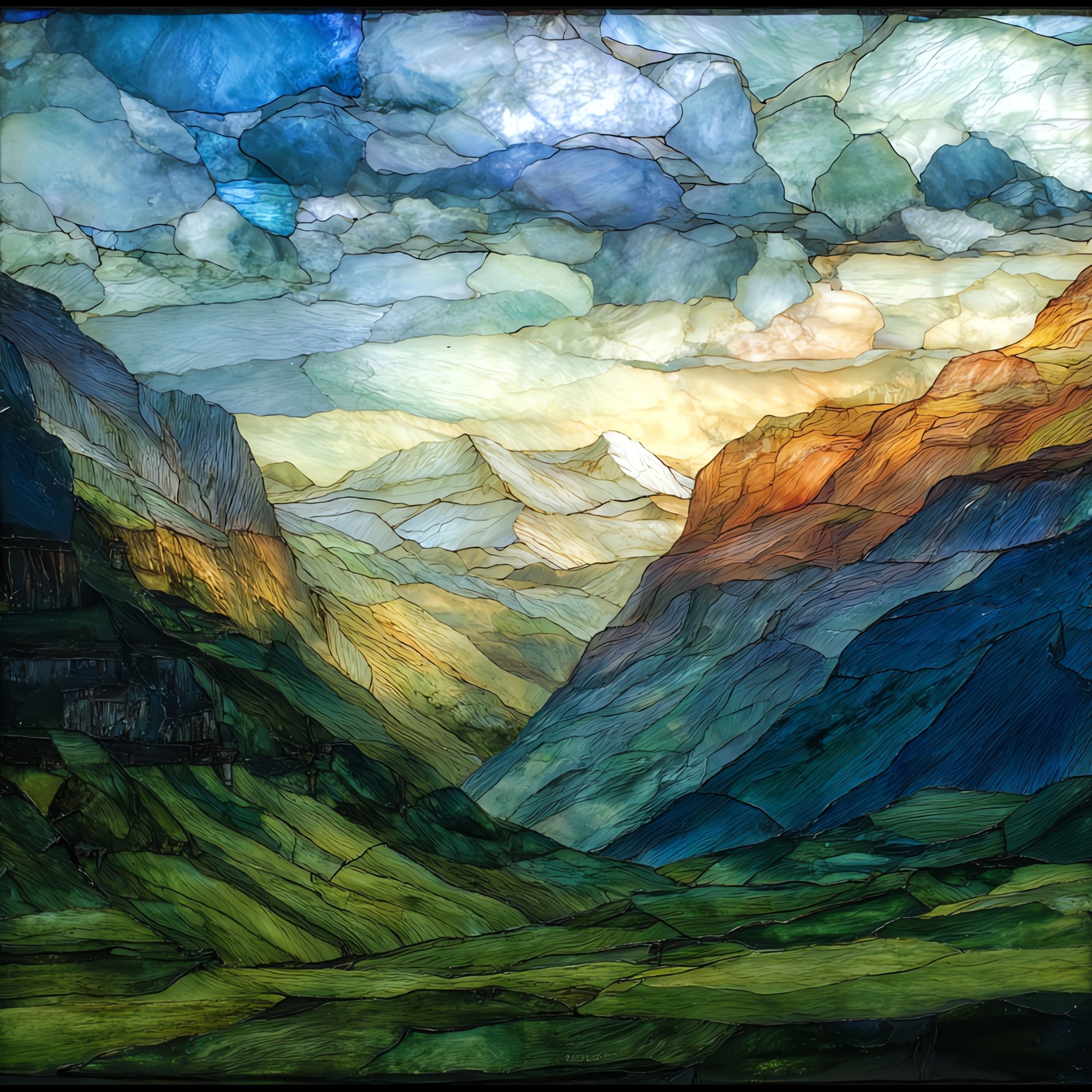
Wender·Vista
Cirque de Gavarnie
shown on ceramic, 12-inch tileFrance
high in the French Pyrenees, against the Spanish border

Cirque de Gavarnie

— the colosseum the glaciers left behind.

Where it lives

Not only on a wall.

A small tile on the nightstand catching the morning. A larger one above the fire. Yours, wherever you spend the slow hours.
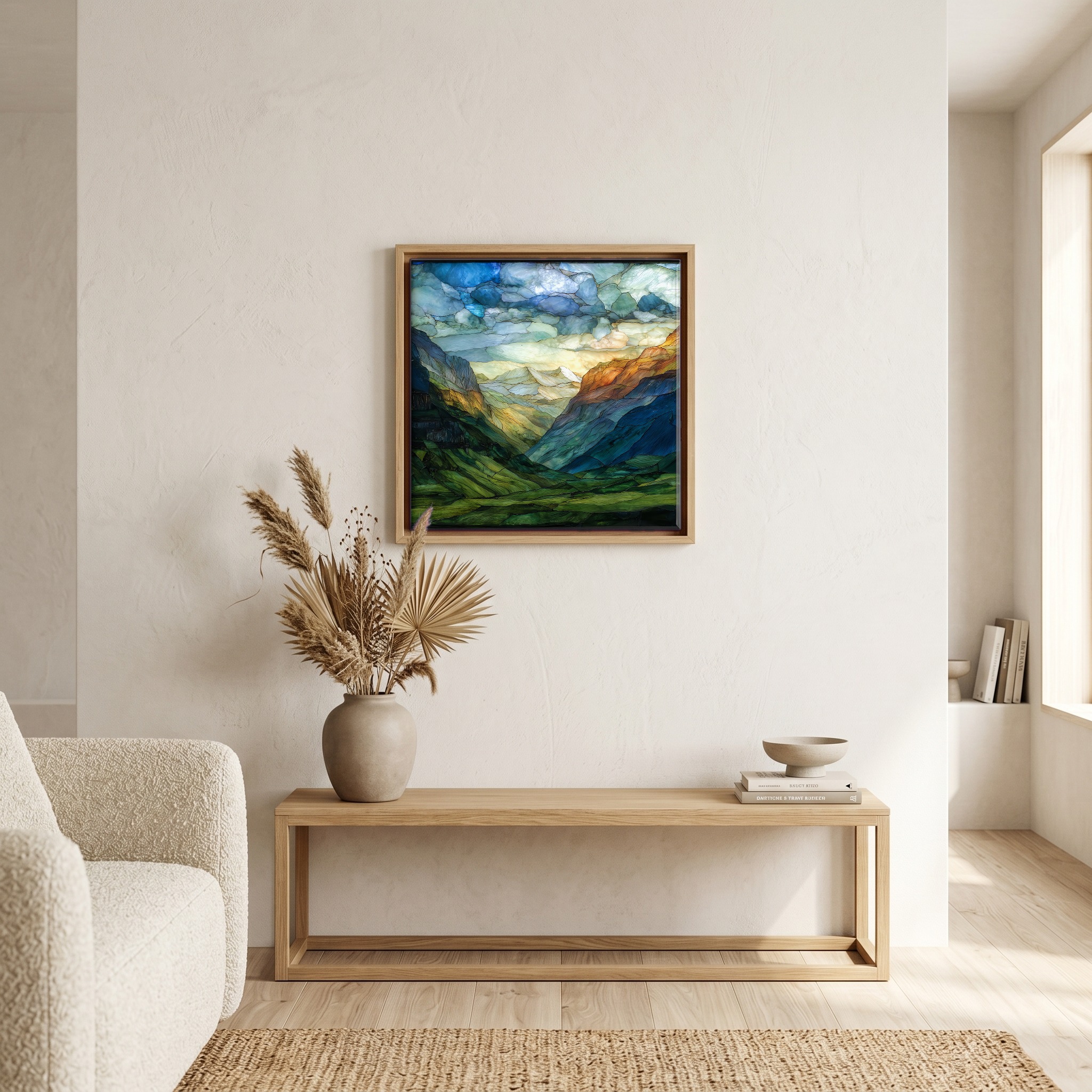
Above the bench, in a warm oak surround.
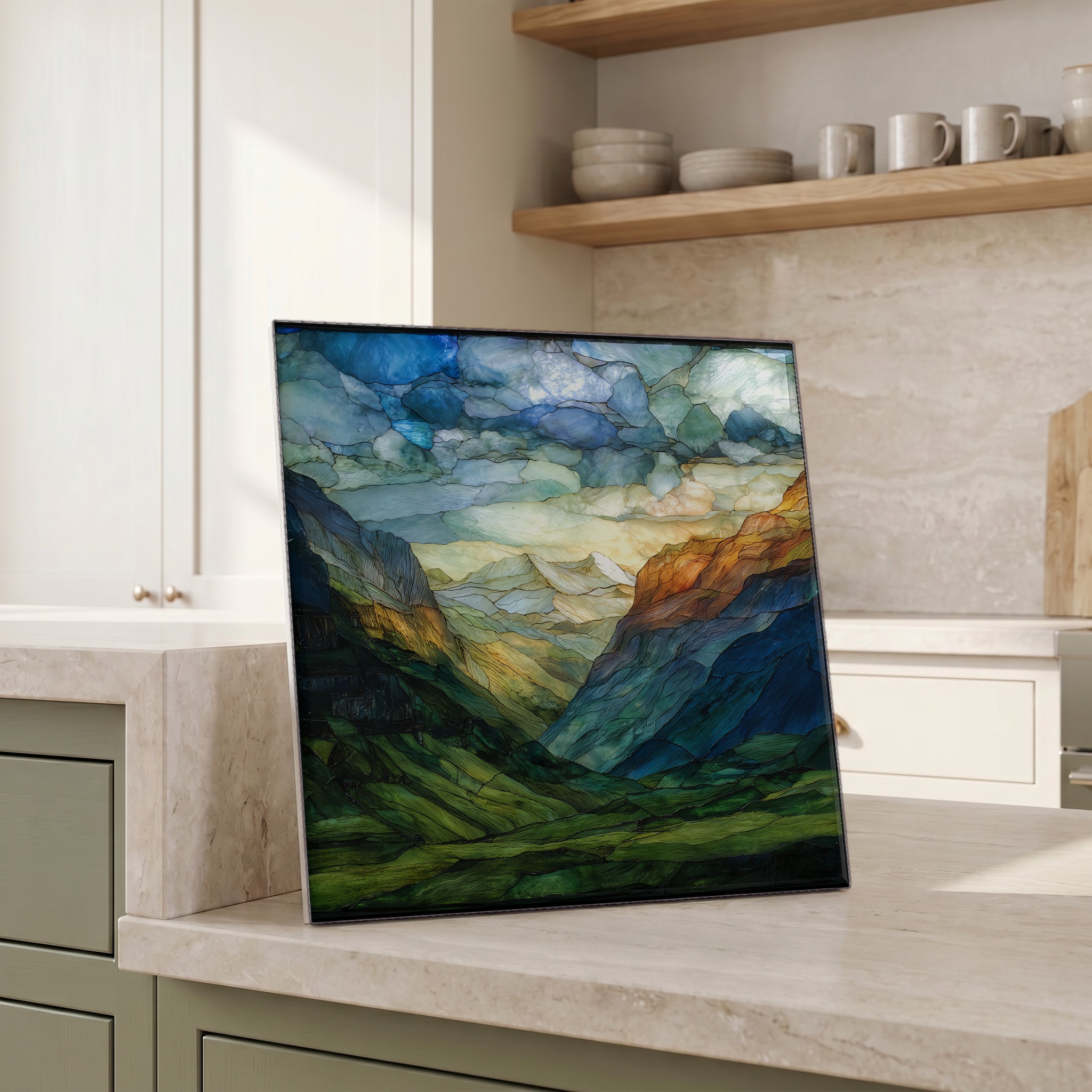
Beside the kettle, propped on the counter.
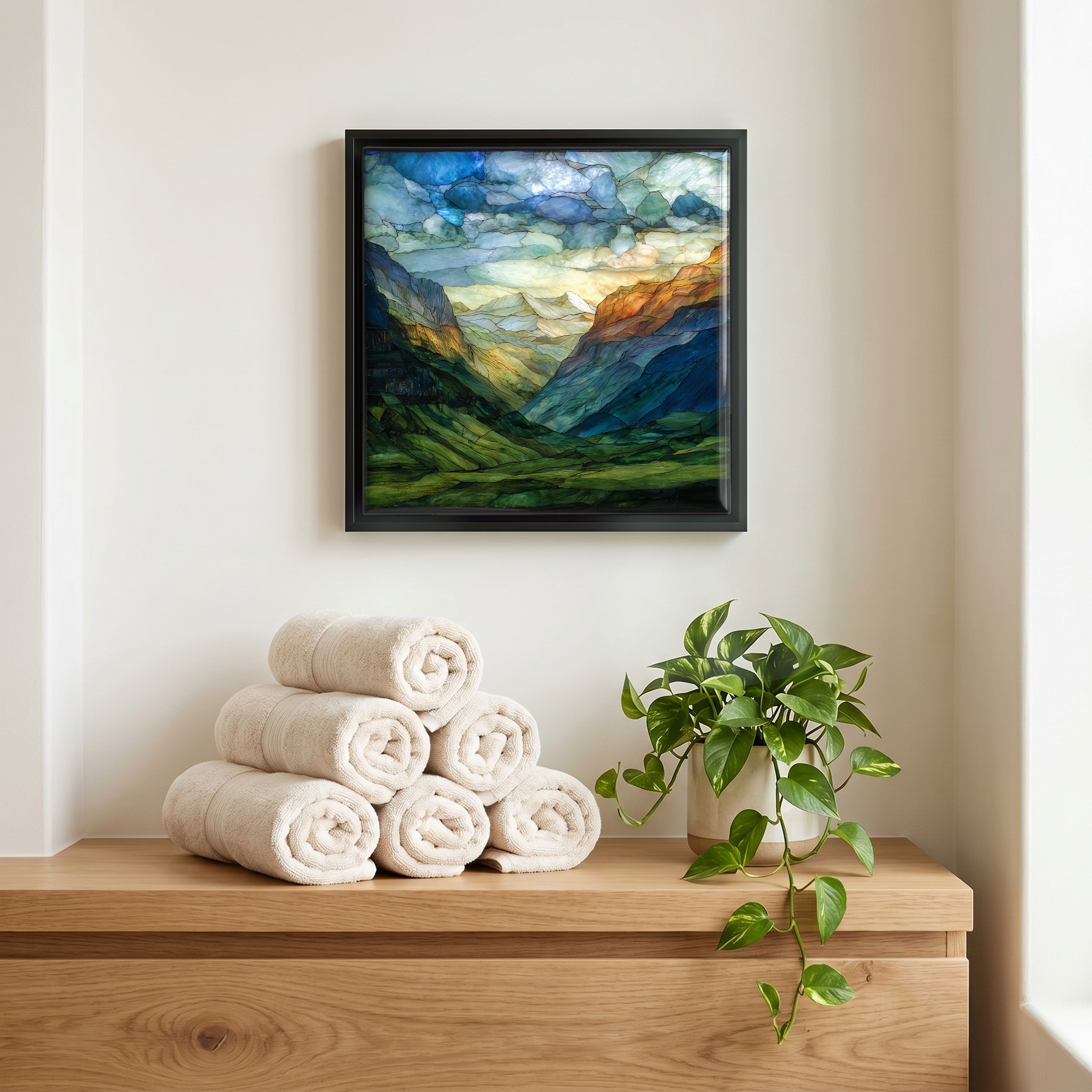
Above the linens, in a slim black surround.
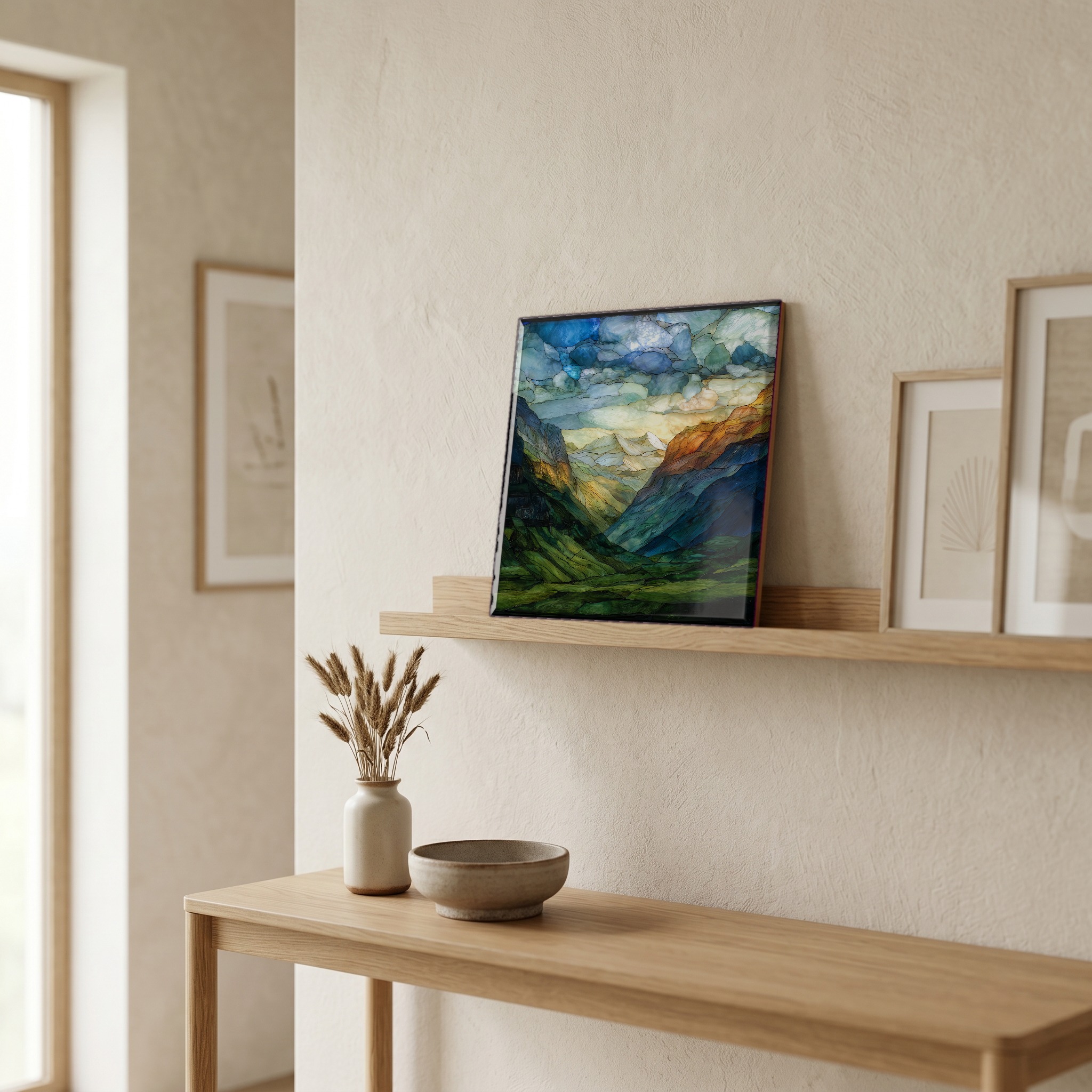
On the nightstand, on a light oak stand.
On a picture ledge, where the light comes in.
a note from the studio

A wall of limestone the shape of a half-moon, three kilometres across at the rim and 1,500 metres tall above the meadow floor. The village of Gavarnie sits below; the walk in takes about an hour, a wide path along the Gave de Pau. From the meadow at the base, the wall does the thing walls aren't supposed to do: it curves around you. Victor Hugo called it Nature's Colosseum. The waterfall down the back face is fed by snow on the Spanish side; in late summer it threads down four hundred metres of stone. Nobody walks away quiet for the wrong reason.
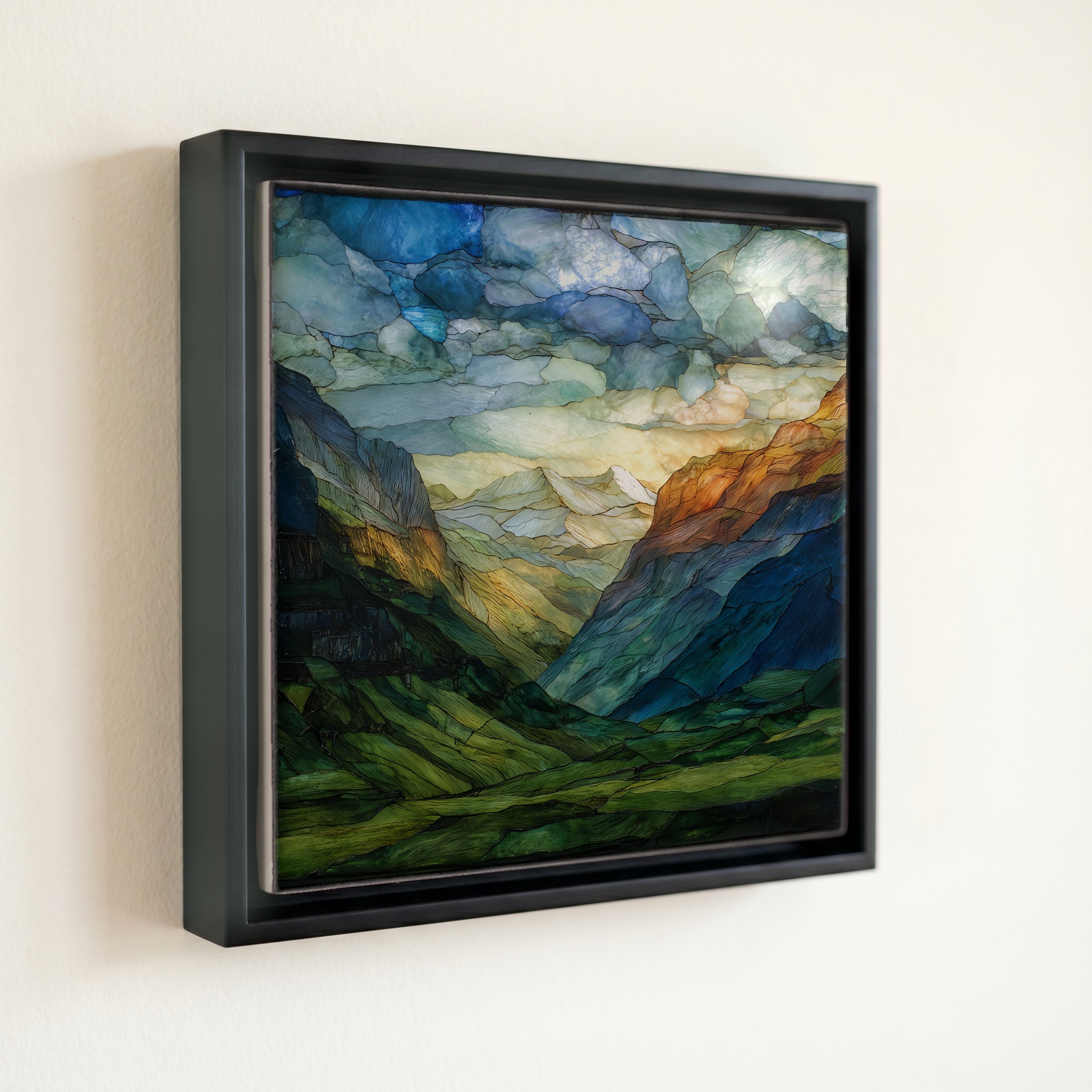
from the studio
shown in a slim black floating frame · 6 × 6 in
— bring it home

Cirque de Gavarnie, on ceramic.

Each tile is finished by hand in our Knoxville studio. Artwork is slowly infused into the ceramic surface under high heat and pressure, and rests beneath a thin glossy finish. The colour lives in the surface, not on top of it.

What kind of piece?
One tile — square or rectangle.
How big?
the popular one — counter, shelf, nightstand
6 × 6 in · 15 cm · 1.6 lb
Surface finish
A clear glossy finish — the artwork reads as if under resin. Ideal for show-pieces and framed wall art.
How it sits
A hidden cleat — sits ¼″ proud of the wall.
$58
Hand-finished and shipped from our studio at the foot of the Smokies. On your wall in about ten days.
size
6 × 6 in
15 cm
weighs
1.6 lb
solid in the hand
surface
ceramic, hand-finished
art rests beneath a thin glossy finish
from
Knoxville, TN
our family studio, at the foot of the Smokies
— start a Coaster Set

Pick any four 4-inch tiles — National Parks you've been to, a Smokies set, the four seasons of one place. $ for a set of , cork-backed, ready to live on the table.
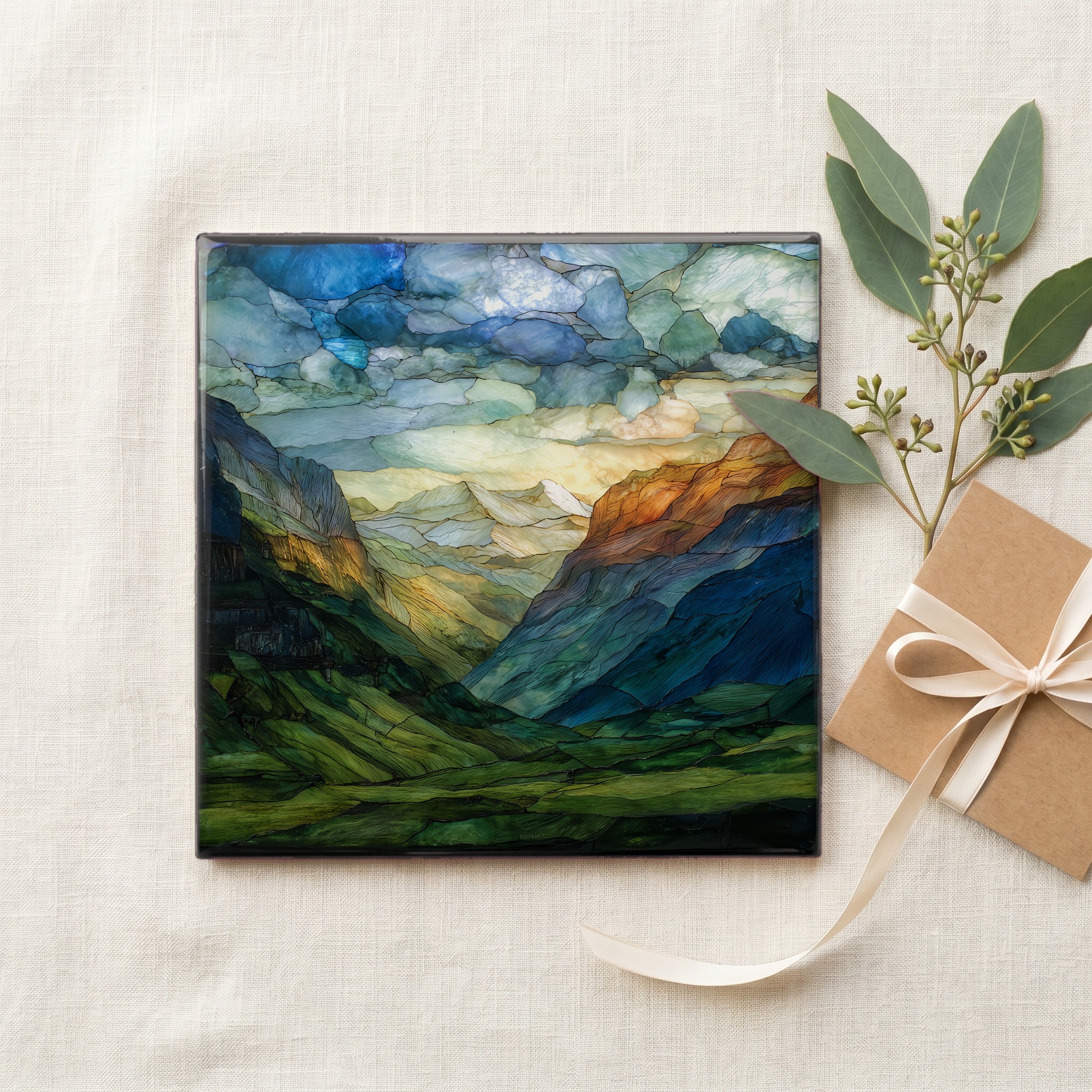
comes gift-ready
comes gift-ready

Each tile ships in a kraft box, tied with cream ribbon, with a handwritten note from the studio if you'd like to add one.
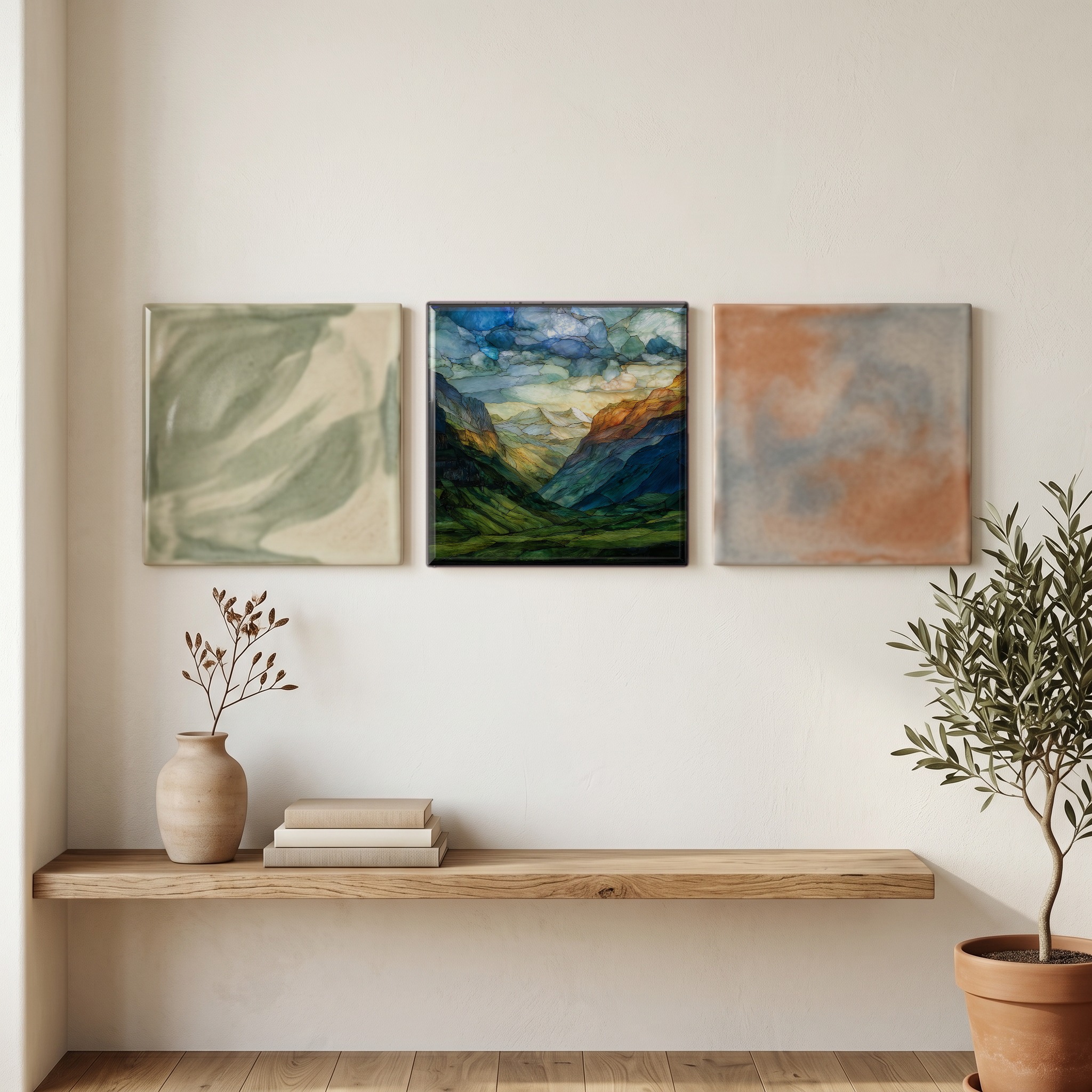
or build a grouping
or build a grouping

Three or five different vistas, hung together — a chapter of places you've been, or want to go.

about Cirque de Gavarnie

The place, in three passes.

A little of what's known, in case you fall down the rabbit hole — or want to go see it yourself.
the place

The Cirque de Gavarnie is a glacial amphitheatre in the Hautes-Pyrénées department of southwestern France, set against the Spanish border inside the Pyrénées National Park. The arc of limestone walls measures roughly three kilometres across at the rim and rises about 1,500 metres above the meadow floor. The village of Gavarnie, at 1,375 metres, sits at the entrance to the valley; a wide, mostly level footpath of about 4.5 kilometres each way follows the Gave de Pau upstream to the foot of the wall. The cirque was inscribed on the UNESCO World Heritage list in 1997 as part of the cross-border Pyrénées – Mont Perdu property, a mixed natural and cultural site shared between France and Spain.

the stone

The wall is layered limestone, raised in the slow collision of Iberia and Europe and carved into its half-moon by Pleistocene glaciation. Three named peaks form the high rim: Pic du Marboré at 3,248 metres, the Casque du Marboré, and the Tour du Marboré. To the west, a narrow notch in the ridge (the Brèche de Roland, at 2,807 metres) was, by the medieval song, cut by the dying knight's sword Durendal. Geologists prefer glacial action and karst weathering. The Grande Cascade, one of the tallest waterfalls in mainland Europe at roughly 422 metres, drops from a karst spring fed by snowmelt on the Spanish slope of Monte Perdido.

the visit

The walk in starts from the village of Gavarnie and follows the Gave de Pau upstream for about 4.5 kilometres each way, climbing roughly 300 metres on a wide, mostly even track. Allow two to three hours round-trip without the side-trail to the waterfall base. The path is open from late spring through autumn; snow blocks the upper sections from November into May. The Hôtellerie du Cirque, at the foot of the wall, has served meals to walkers since the nineteenth century. The Pyrénées National Park, founded in 1967, asks visitors to keep dogs leashed and to camp only above 1,800 metres.

where
France · Gavarnie-Gèdre, Hautes-Pyrénées
within
Pyrénées National Park
elevation
1,670 m · 5,479 ft
position
42.6940° N · 0.0220° W
the neighborhood

What's nearby.

A handful of named places within an hour's walk or short drive. Some we've already painted; some we will.
3 km SW
Brèche de Roland
mountain notch
2 km S
Pic du Marboré
summit
7 km E
Cirque d'Estaubé
glacial cirque
10 km E
Cirque de Troumouse
glacial cirque
25 km W
Cauterets
spa town
50 km N
Lourdes
pilgrimage town
N
Cirque de Gavarnie
Brèche de Roland
Pic du Marboré
Cirque d'Estaubé
Cirque de Troumouse
Cauterets
Lourdes
common questions

What people ask.

A few questions we get about Cirque de Gavarnie — and about bringing the piece home.
about the place

The Cirque de Gavarnie sits in the Hautes-Pyrénées department of southwestern France, against the Spanish border. It is reached from the village of Gavarnie-Gèdre, about an hour's drive south of Lourdes, by a 4.5-kilometre walking path up the Gave de Pau valley.

Glaciers carved the cirque from layered Pyrenean limestone during the Pleistocene, hollowing the bowl as the ice retreated. The earlier collision of Iberia with Europe raised the rock; karst dissolution by snowmelt continues to sculpt the walls and feed the Grande Cascade.

The Grande Cascade drops about 422 metres, or 1,385 feet, down the back wall of the cirque, making it one of the tallest waterfalls in mainland Europe. It is fed by a karst spring carrying snowmelt from the Spanish slope of Monte Perdido.

Visiting in 1843, Victor Hugo described the cirque as 'le Colisée de la nature', or Nature's Colosseum, for the way the limestone wall curves around the meadow in tiers and steps, like an amphitheatre 1,500 metres tall. The phrase has followed the place ever since.

Late June through September is the open season. The footpath is generally clear of snow by mid-June; the Grande Cascade runs strongest from snowmelt in June and July, narrows by September, and freezes in winter. Mornings are quieter than afternoons.

Yes. The cirque was inscribed on the UNESCO World Heritage list in 1997 as part of the cross-border Pyrénées – Mont Perdu property, a mixed natural and cultural site shared between France and Spain. The listing covers about 30,600 hectares of high Pyrenees terrain.

A narrow vertical notch in the ridge to the west of the cirque, roughly 40 metres wide and 100 metres tall, at 2,807 metres above sea level. Medieval legend says the knight Roland cut it with his sword Durendal before dying at Roncevaux. Geologists credit glacial action and karst weathering.

about the piece in your home

It has been a meaningful gift for many of our customers with Pyrenean ties: French and Spanish hikers, walkers of the GR10 and the Tour du Mont Perdu, families who summer in Gavarnie. A Small or Medium with a handwritten note from the studio travels well.

The palette runs deep limestone grey, snowmelt blue, and pine green, with rim-lit gold along the cliff edge. It carries Mountain-modern interiors, earthy Mediterranean rooms, and stone-and-linen Provençal spaces. The matte finish suits softer-light walls.

Alpine modern leans toward stone, wood, and a restrained palette of slate, snow, and forest. The cirque tile sits in that family: limestone grey and pine green with a single accent of glacier blue. Hangs cleanly with a raw-edge wood frame or a deep brass surround.

Above a standard three-seat sofa, a single Large reads as the focal piece; a four-tile Mural gives the cirque-wall scale that fits the work. Above a console or sideboard, the Medium or a vertical pair of Smalls hangs in proportion.

Yes. Choose the Dura Satin or Matte finish for bathrooms, showers, and kitchen backsplashes. Both are scratch-resistant and handle steam and splash without trouble. The Glossy finish is reserved for display pieces in dry rooms.

A microfibre cloth and water is enough for everyday dust and fingerprints. For kitchen or bath installations, a mild soap is fine; the colour lives inside the ceramic surface, beneath a thin glossy finish, so it does not scratch off with ordinary cleaning.

Yes. Every WenderVista piece is drawn and finished in our Knoxville studio. We do not license stock art or third-party prints. Reid Wender curates each place into the atlas; the cirque tile is one of around thirty thousand vistas being built out over time.

if this one stayed with you

A few you might also love.

Hand-picked by the eye that found Sorapis. Same air, same kind of quiet.