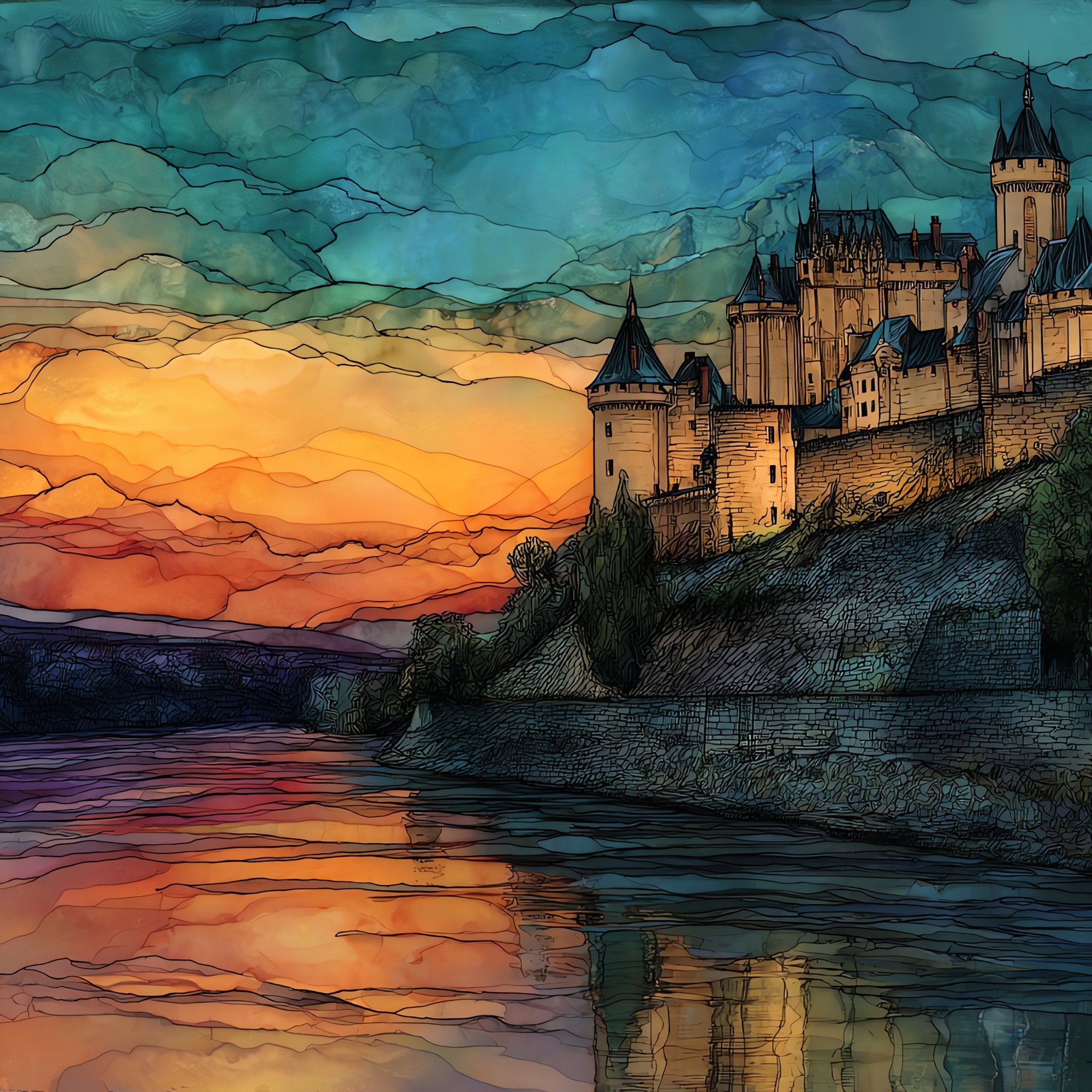
Chateau de Saumur
— the castle the Limbourgs painted in September.
Not only on a wall.
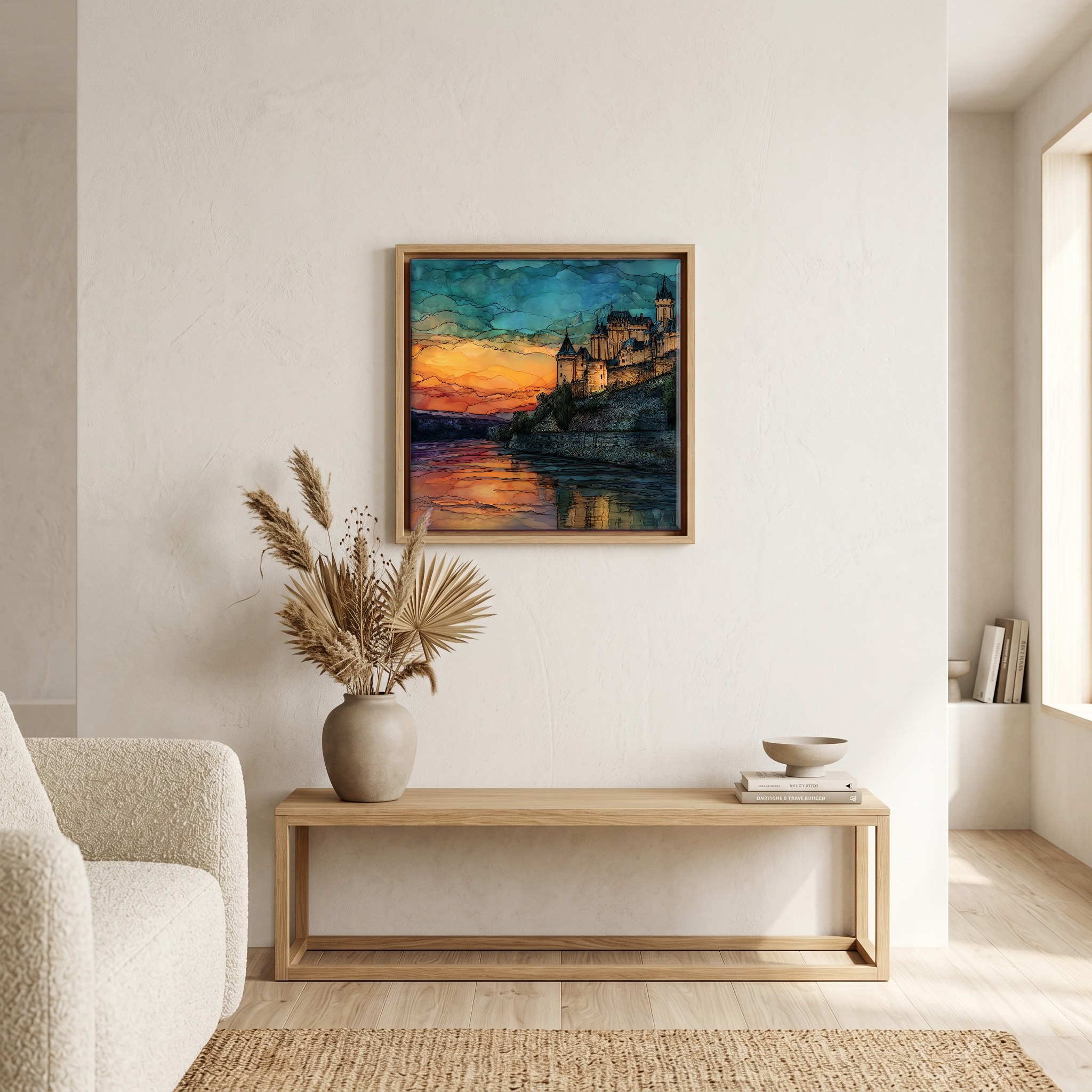
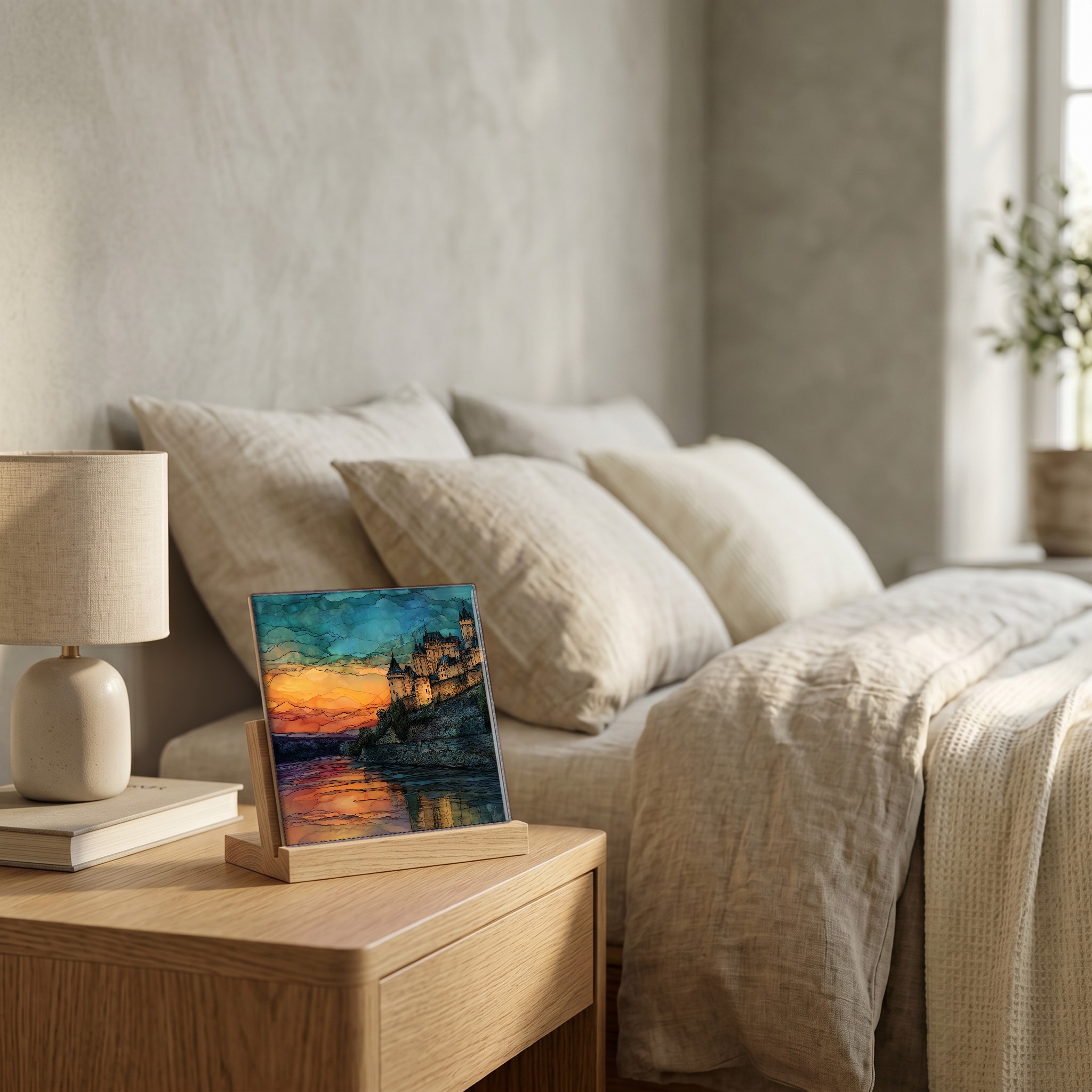
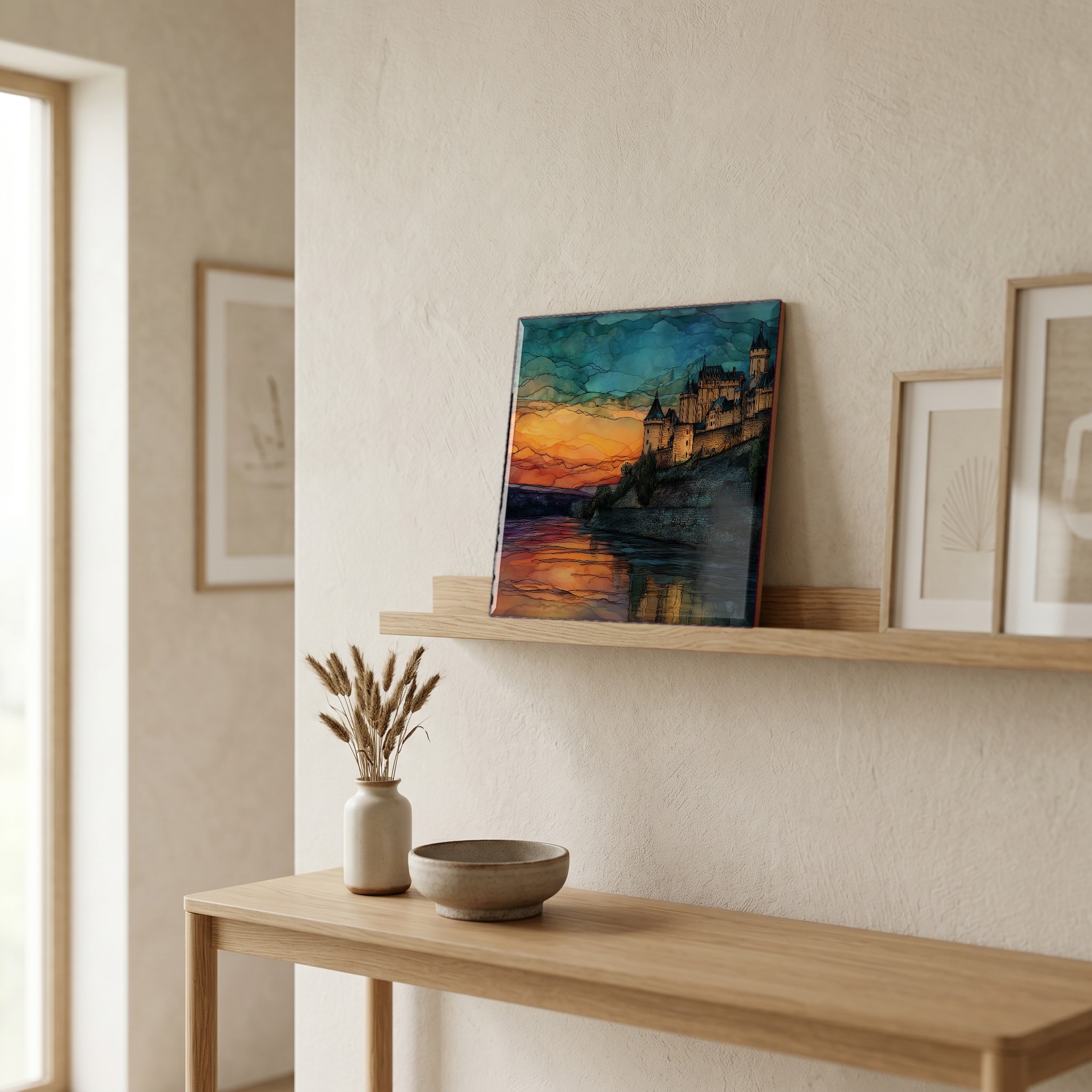
“The castle on the bluff above the south bank of the Loire, just where the river meets the Thouet. White tuffeau stone, the same chalk-soft limestone the cave-dwellings nearby were cut from. The Limbourg brothers painted it in September of 1416 in the Très Riches Heures, the grape harvest going on at its feet. That same harvest still goes on every autumn in the vineyards below. There are towns where the castle has gone gloomy. This one stayed pale.
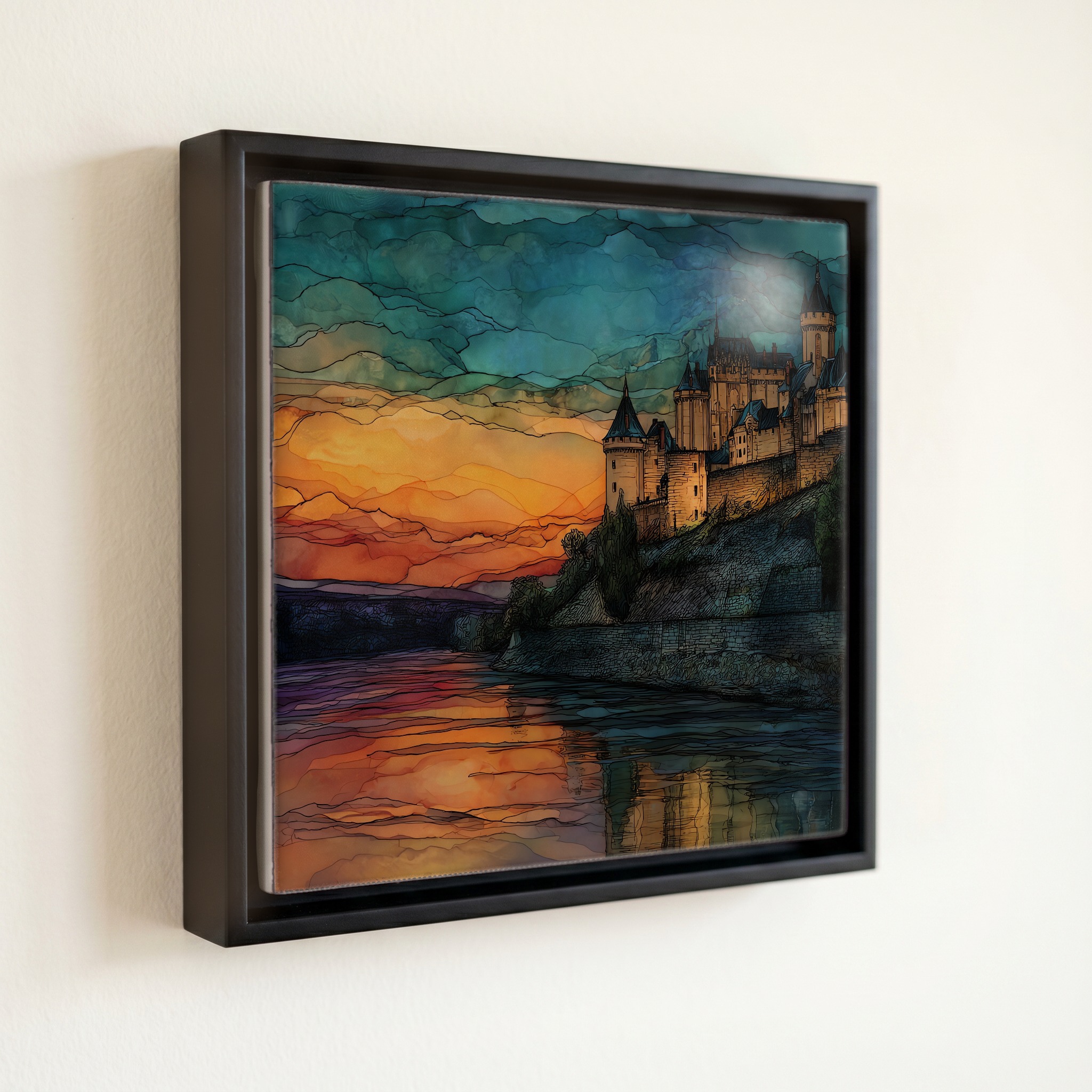
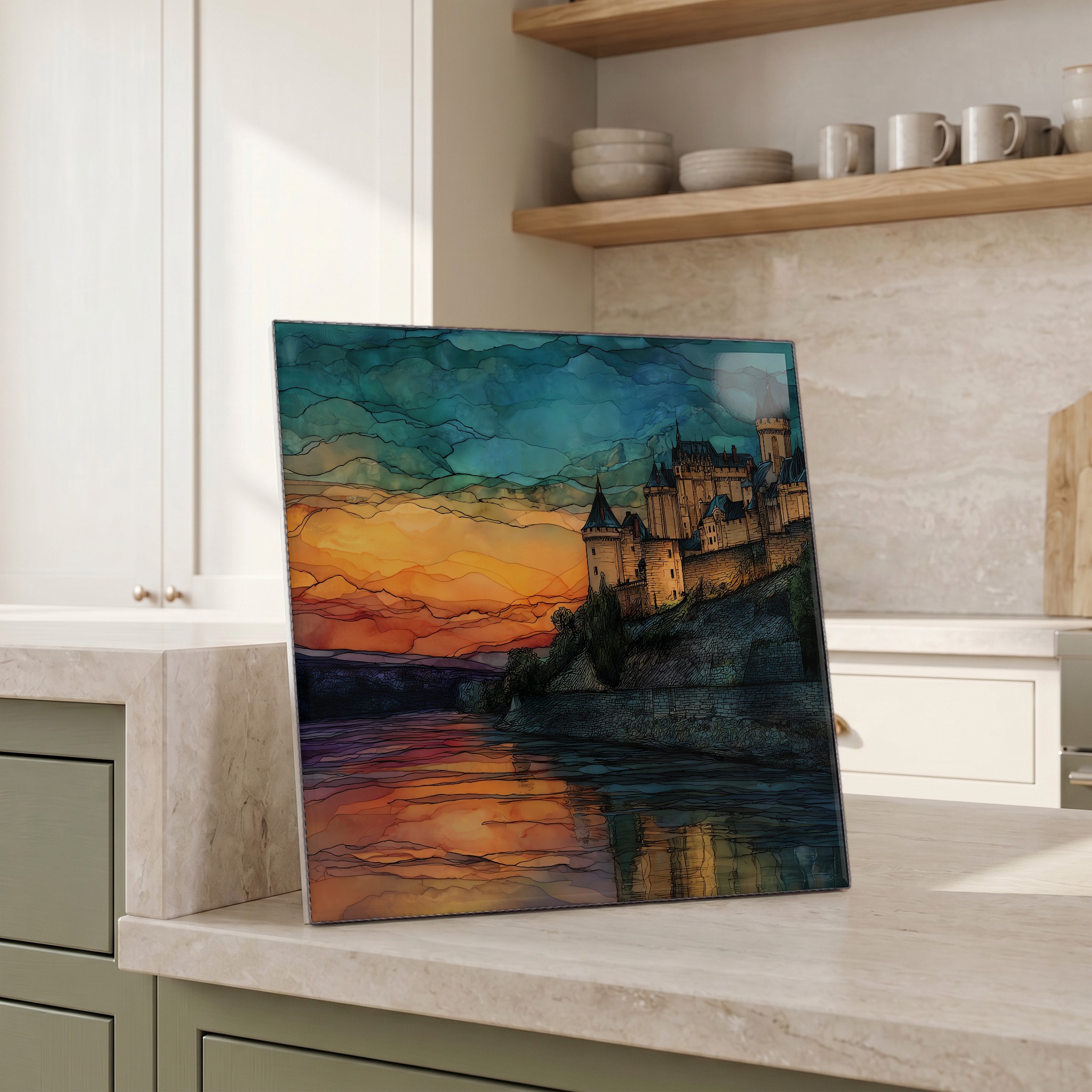
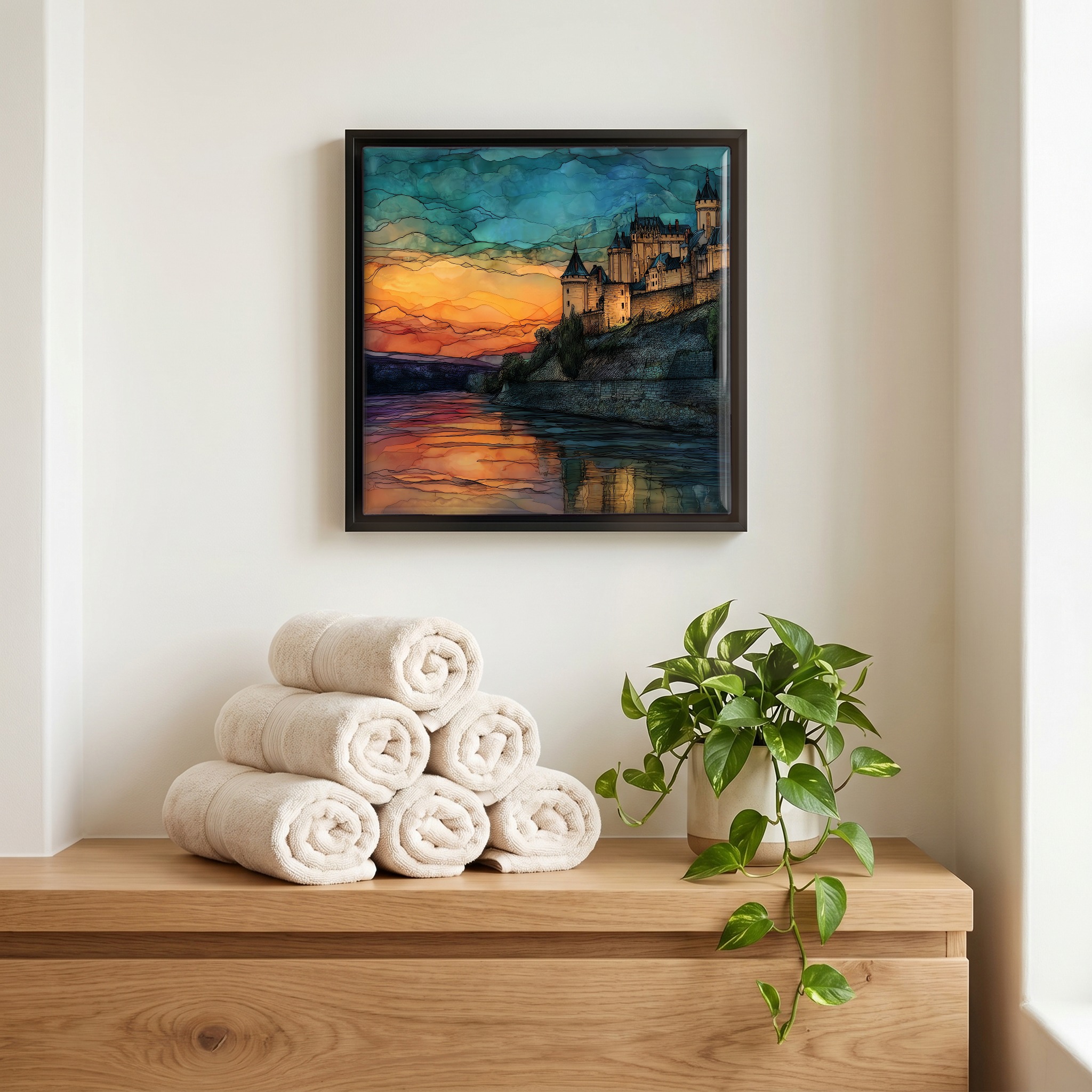
Chateau de Saumur, on ceramic.
Each tile is finished by hand in our Knoxville studio. Artwork is slowly infused into the ceramic surface under high heat and pressure, and rests beneath a thin glossy finish. The colour lives in the surface, not on top of it.
Pick any four 4-inch tiles — National Parks you've been to, a Smokies set, the four seasons of one place. $ for a set of , cork-backed, ready to live on the table.
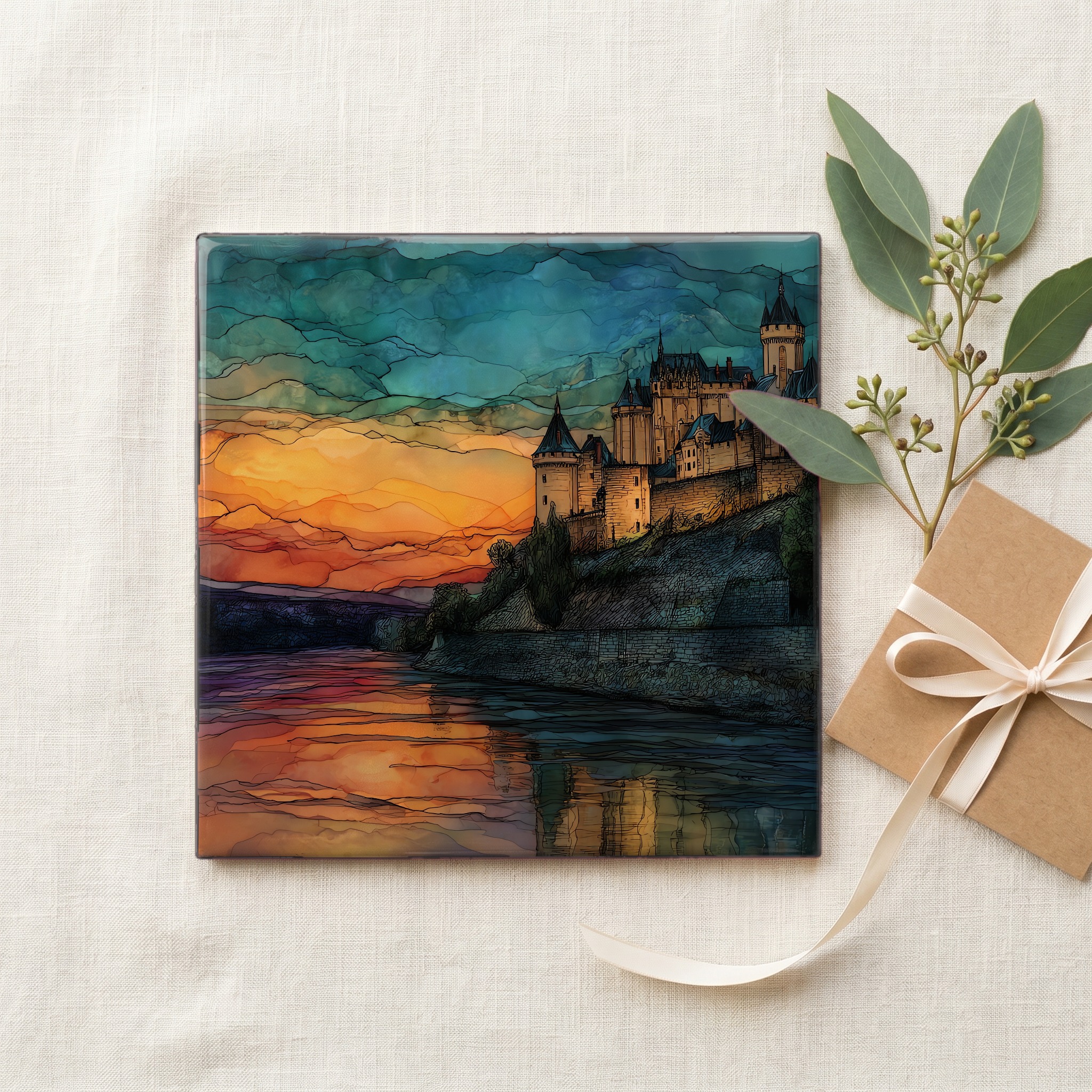
Each tile ships in a kraft box, tied with cream ribbon, with a handwritten note from the studio if you'd like to add one.
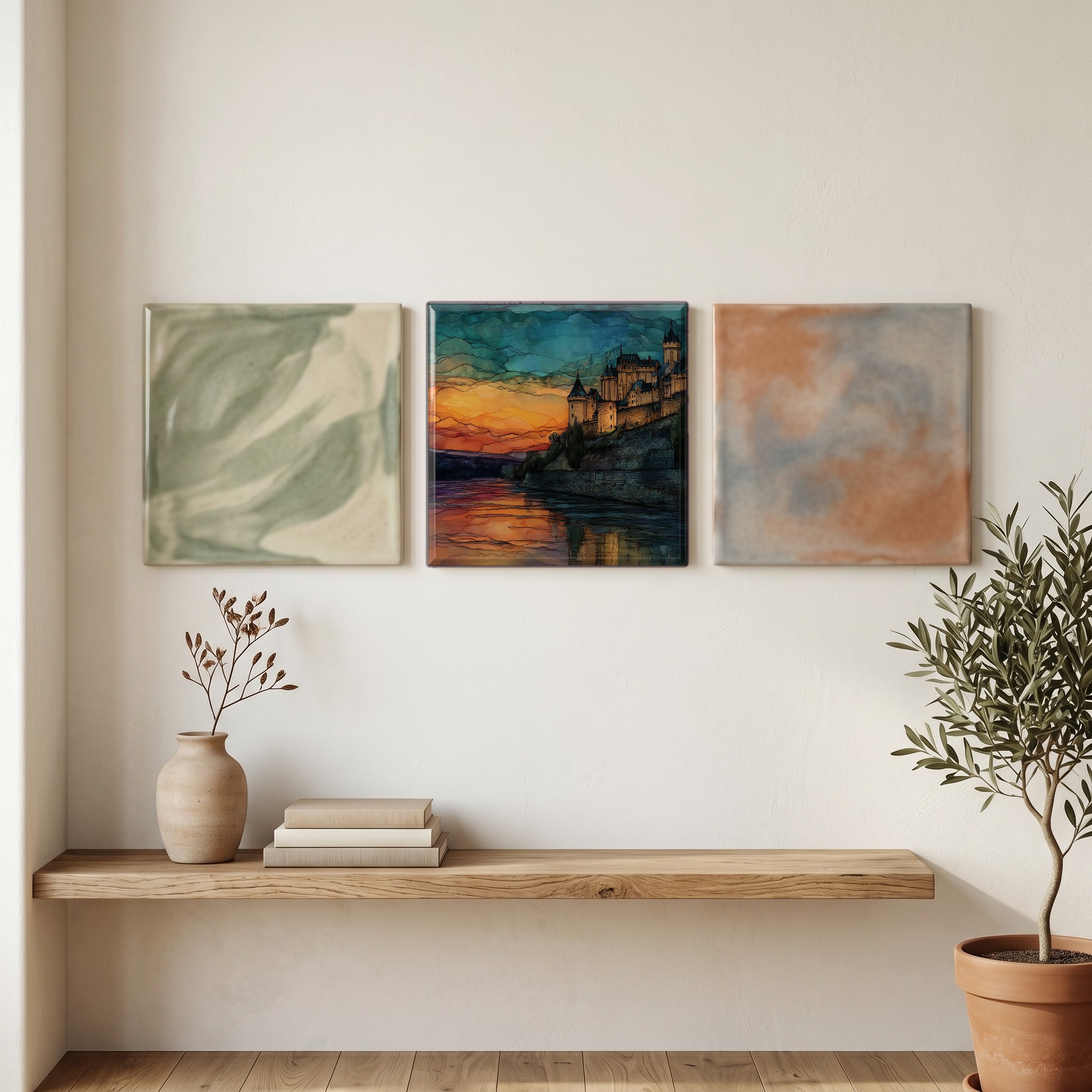
Three or five different vistas, hung together — a chapter of places you've been, or want to go.
The place, in three passes.
The Château de Saumur sits on a tuffeau ridge above the south bank of the Loire in the town of Saumur, Maine-et-Loire département, in the Pays de la Loire region. The castle stands above the confluence of the Loire and the smaller Thouet, roughly halfway between Tours and Angers. The first fortress on the site was raised in the late 10th century by Theobald I, Count of Blois. The present structure dates largely from the 1370s, rebuilt by Louis I, Duke of Anjou, brother of Charles V of France. Since 2000 the castle has been part of the UNESCO World Heritage site 'The Loire Valley between Sully-sur-Loire and Chalonnes', which covers about 280 kilometres of the river.
The white walls are tuffeau, a soft chalky limestone that gives the entire Loire Valley its bright signature. Quarried since at least the 11th century, tuffeau is soft enough when first cut to be sawn rather than chiselled, and hardens on contact with air. The same stone built Chambord, Chenonceau, and the troglodyte cave-dwellings carved into the cliffs along the Loire. Saumur's own quarries lie just below the castle and were worked for centuries; the empty galleries now hold mushroom farms and a few rock-cut cellars for Saumur Brut, the local sparkling wine. Tuffeau weathers slowly to a creamy off-white that takes the evening light well.
The castle is owned by the town of Saumur and houses two municipal museums: the Musée des Arts Décoratifs, with one of France's strongest collections of medieval and Renaissance objects, and the Musée du Cheval, devoted to the horse and the riding tradition that still defines the town through the École Nationale d'Équitation and its Cadre Noir. After a section of the northern rampart collapsed in April 2001, the castle closed for a long restoration and reopened in stages through the 2010s. The site is open most of the year, with reduced winter hours in January and February; the courtyard alone is free, with a separate ticket for the museums.