Wender·Vista
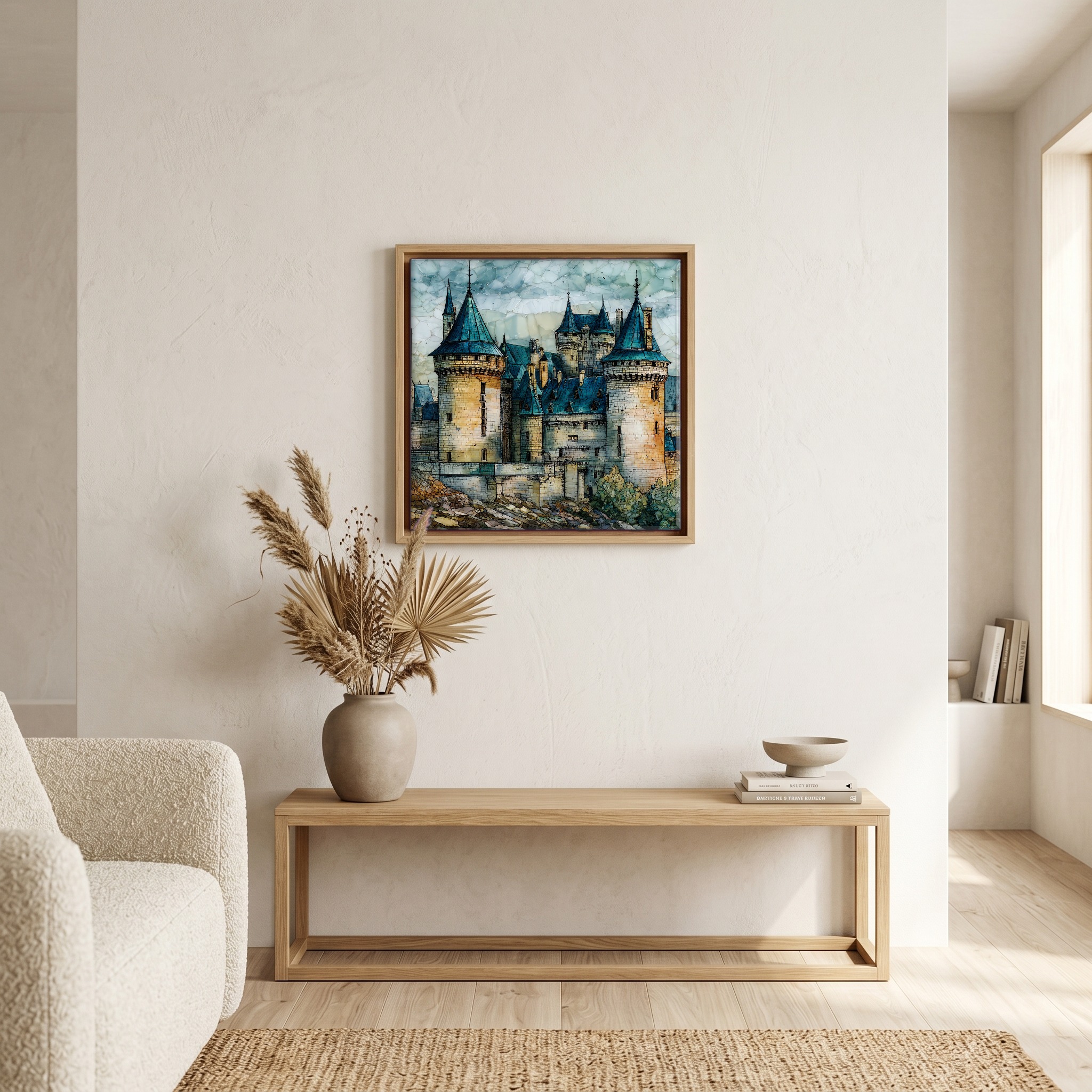
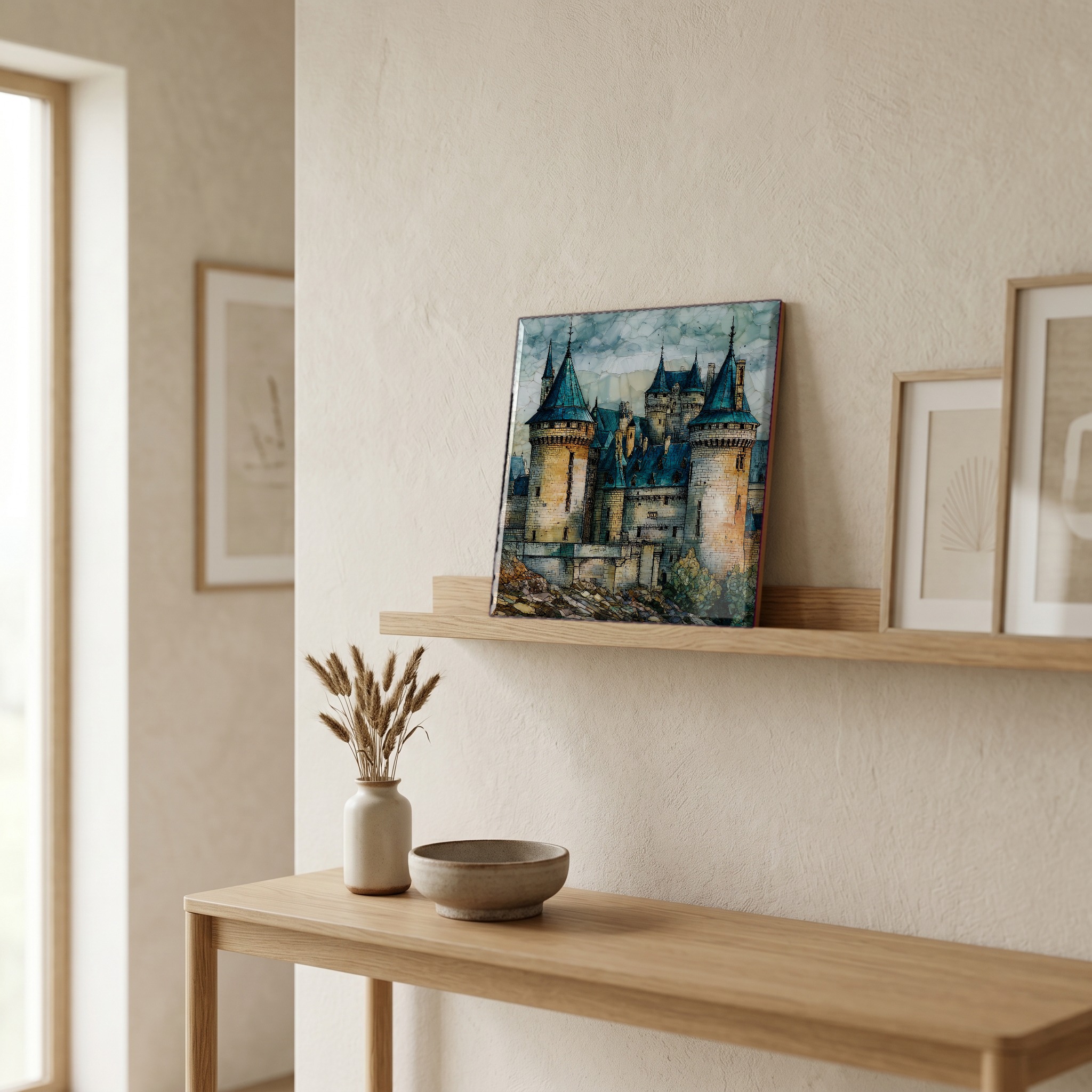
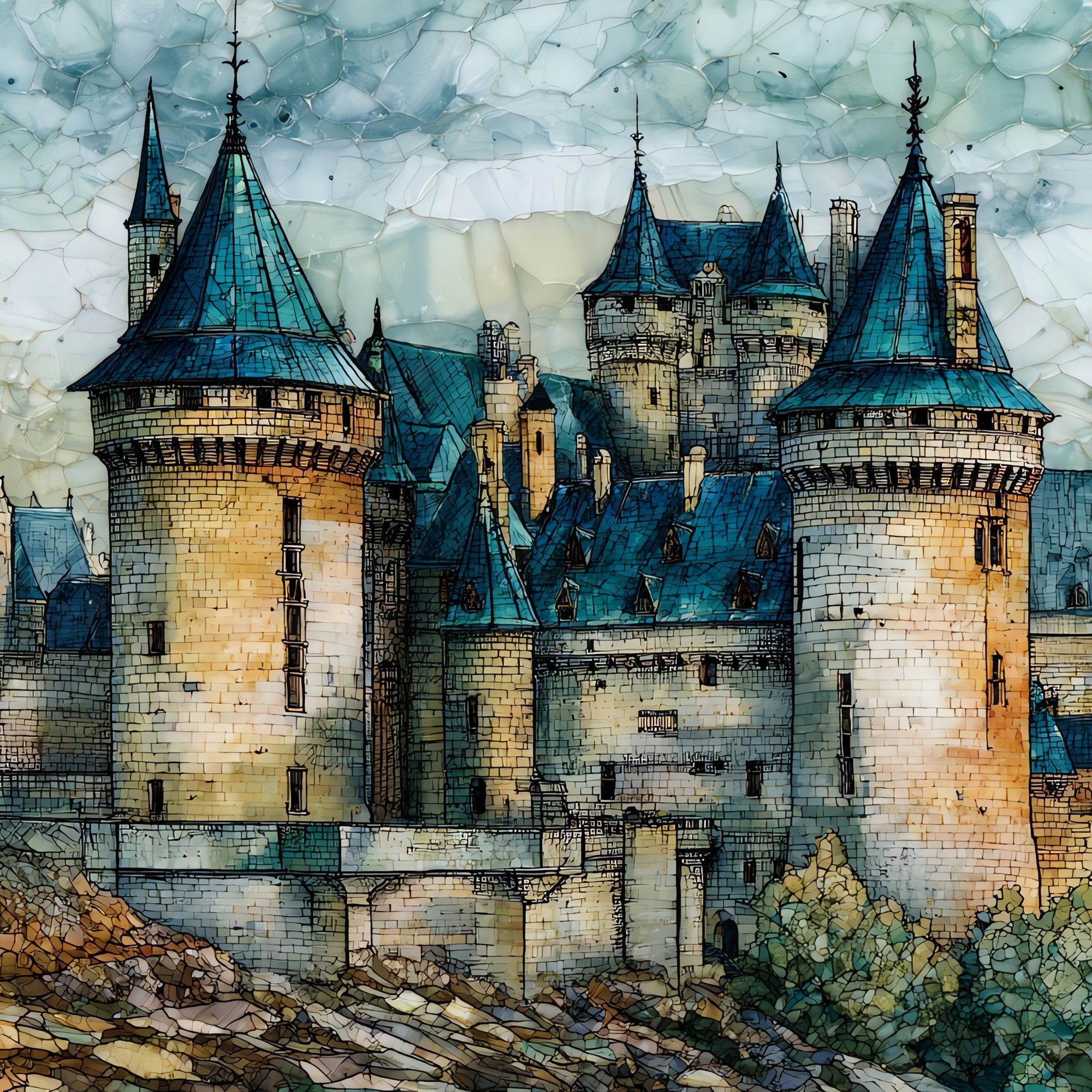
Chateau de Langeais
shown on ceramic, 12-inch tileFrance
on the right bank of the Loire, west of Tours

Chateau de Langeais

— a town gate on one side, a garden on the other.

Where it lives

Not only on a wall.

A small tile on the nightstand catching the morning. A larger one above the fire. Yours, wherever you spend the slow hours.
Above the bench, in a warm oak surround.
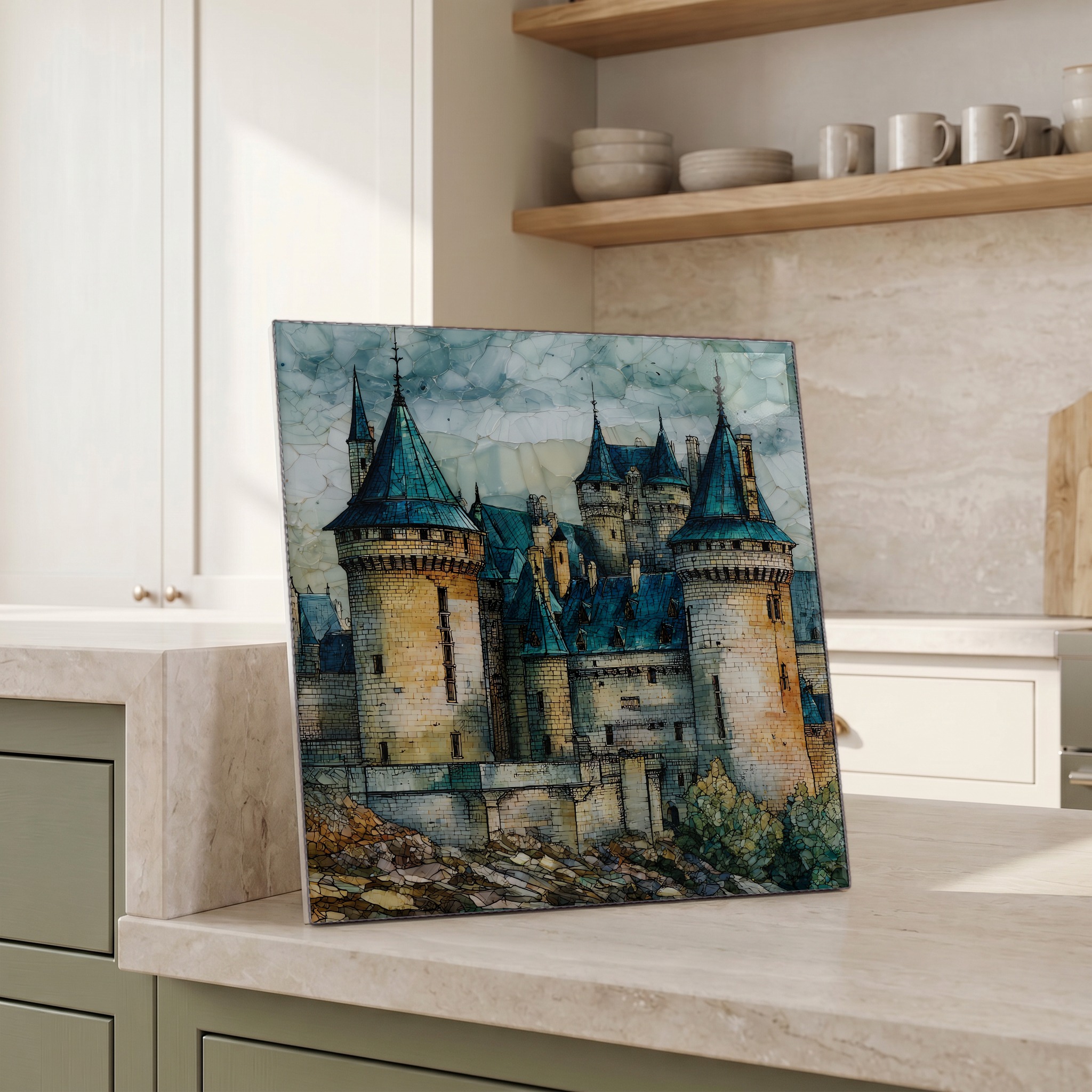
Beside the kettle, propped on the counter.
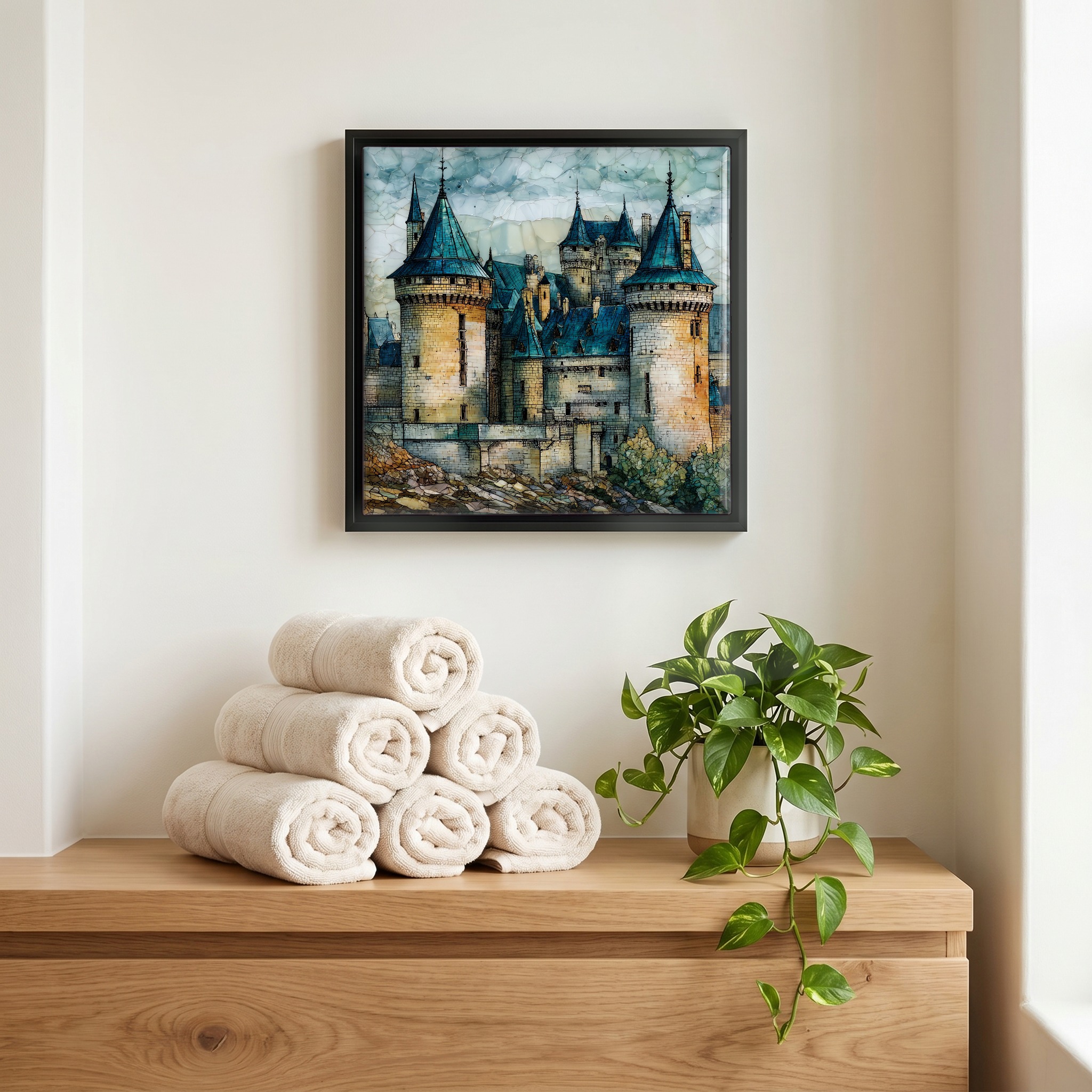
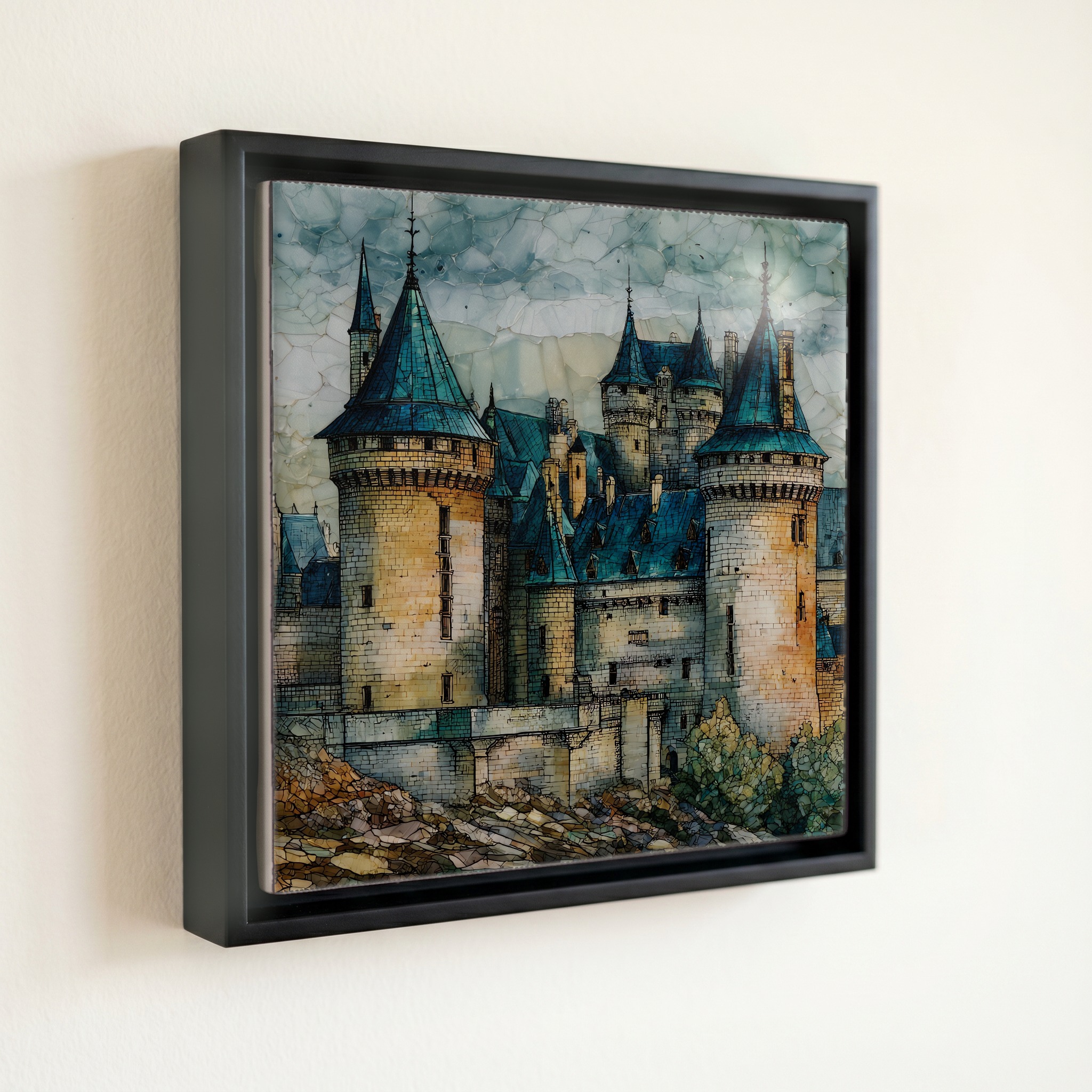
Above the linens, in a slim black surround.
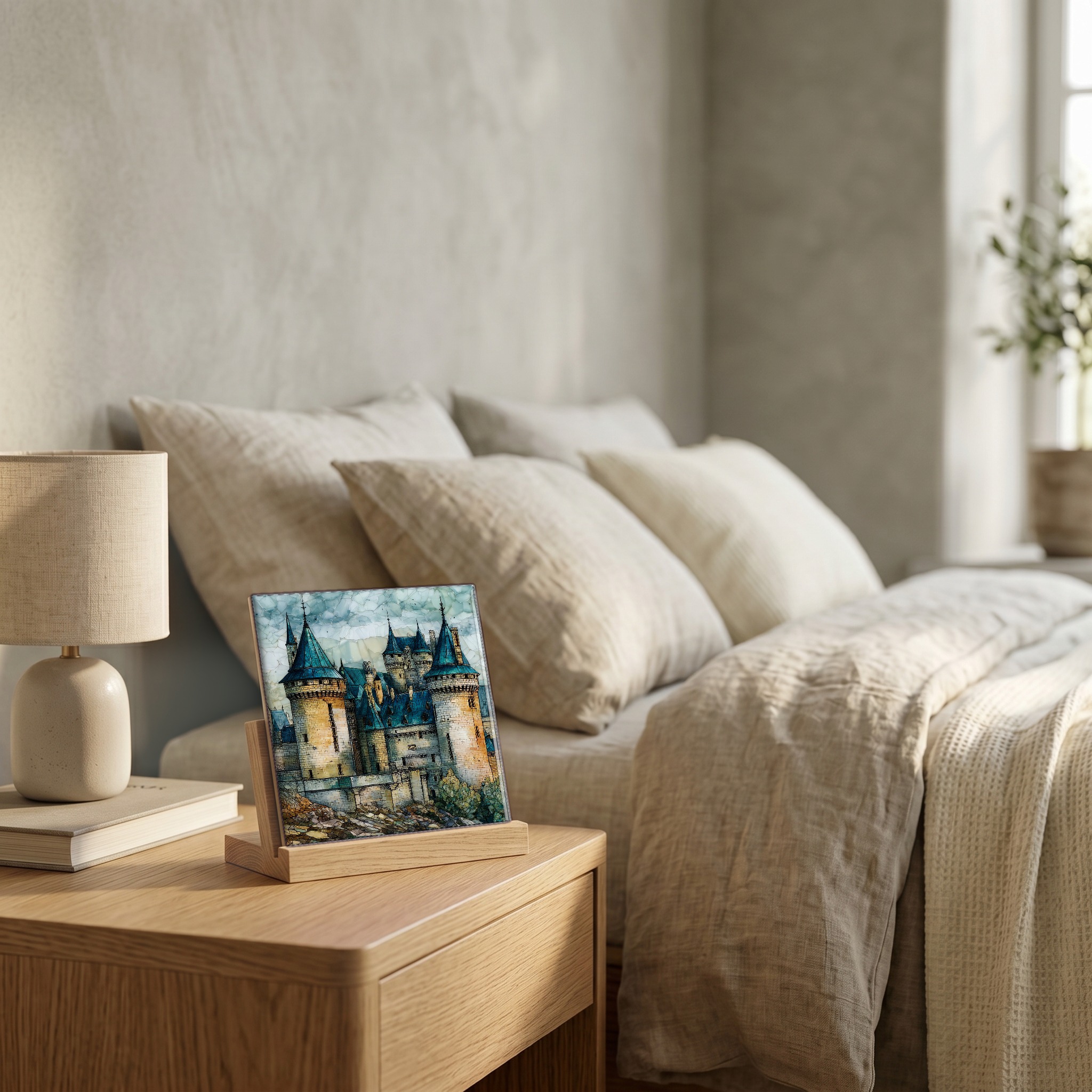
On the nightstand, on a light oak stand.
On a picture ledge, where the light comes in.
a note from the studio

A château in the village of Langeais, on the right bank of the Loire about twenty-five kilometres west of Tours. The street side keeps its drawbridge and watchtowers; the courtyard side opens onto a garden with a thousand-year-old keep half-standing among the cedars. Inside, the rooms are set for a wedding that took place in December 1491: Anne of Brittany and Charles VIII, the marriage that brought Brittany into the French crown. The town walks past on its way to the boulangerie.
from the studio
shown in a slim black floating frame · 6 × 6 in
— bring it home

Chateau de Langeais, on ceramic.

Each tile is finished by hand in our Knoxville studio. Artwork is slowly infused into the ceramic surface under high heat and pressure, and rests beneath a thin glossy finish. The colour lives in the surface, not on top of it.

What kind of piece?
One tile — square or rectangle.
How big?
the popular one — counter, shelf, nightstand
6 × 6 in · 15 cm · 1.6 lb
Surface finish
A clear glossy finish — the artwork reads as if under resin. Ideal for show-pieces and framed wall art.
How it sits
A hidden cleat — sits ¼″ proud of the wall.
$58
Hand-finished and shipped from our studio at the foot of the Smokies. On your wall in about ten days.
size
6 × 6 in
15 cm
weighs
1.6 lb
solid in the hand
surface
ceramic, hand-finished
art rests beneath a thin glossy finish
from
Knoxville, TN
our family studio, at the foot of the Smokies
— start a Coaster Set

Pick any four 4-inch tiles — National Parks you've been to, a Smokies set, the four seasons of one place. $ for a set of , cork-backed, ready to live on the table.
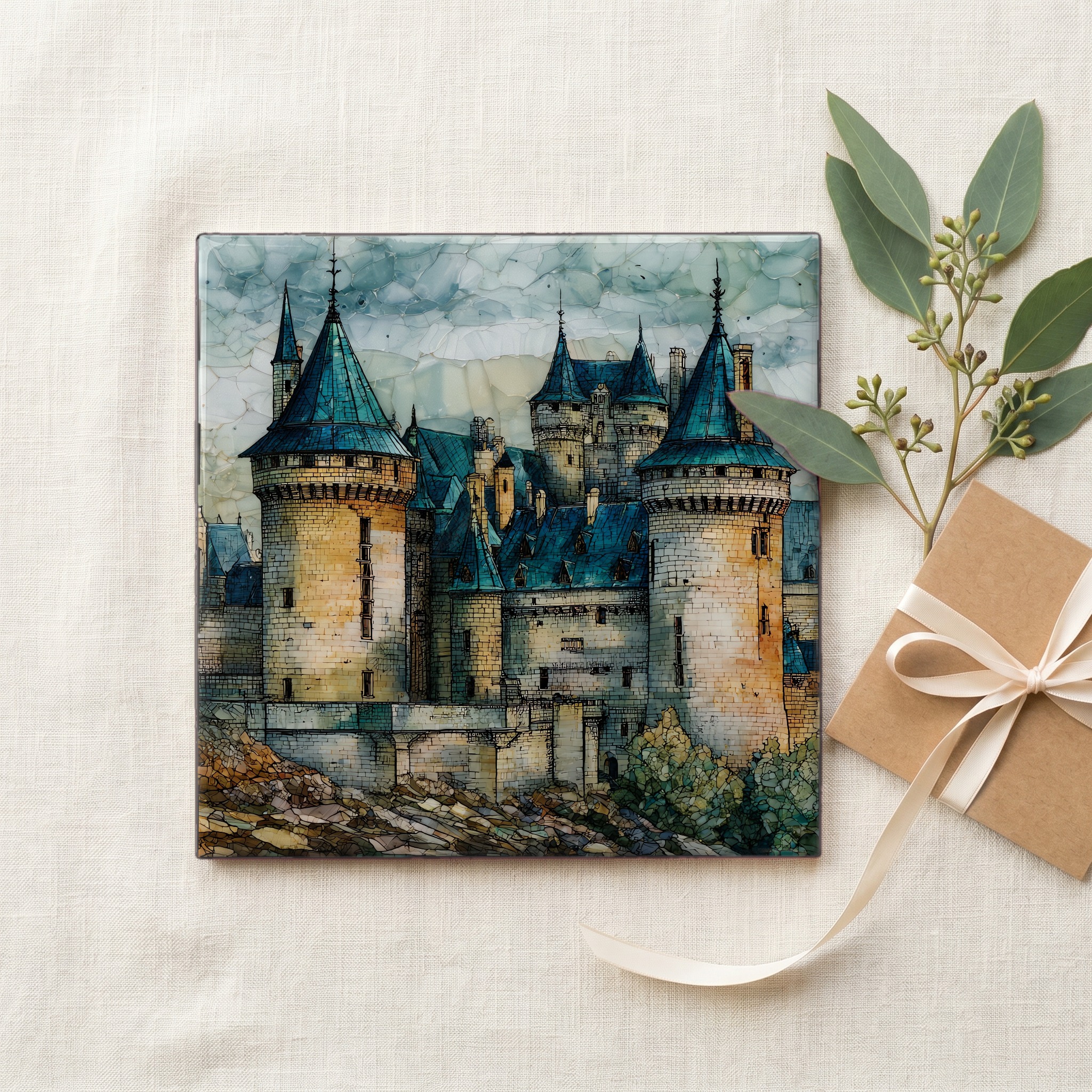
comes gift-ready
comes gift-ready

Each tile ships in a kraft box, tied with cream ribbon, with a handwritten note from the studio if you'd like to add one.
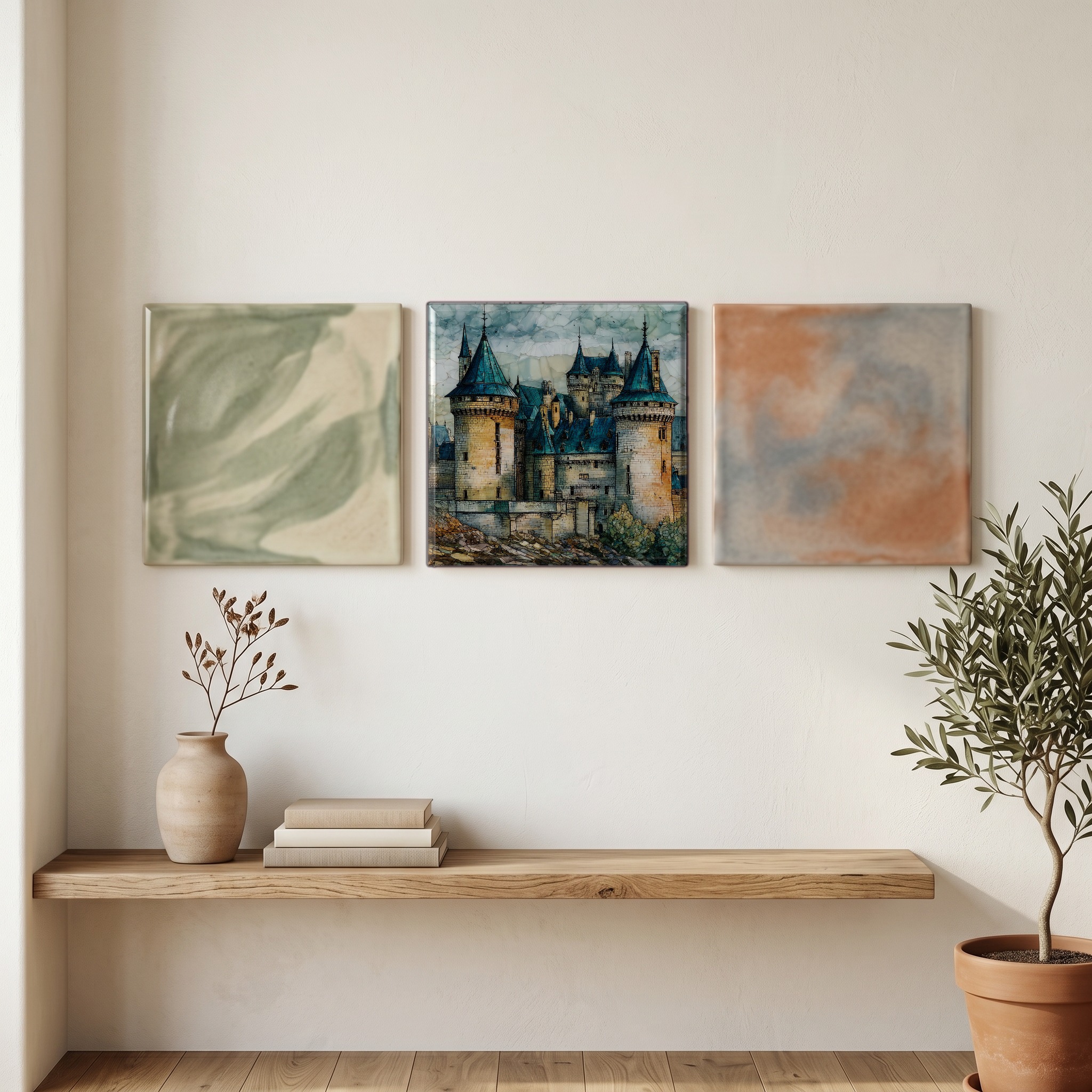
or build a grouping
or build a grouping

Three or five different vistas, hung together — a chapter of places you've been, or want to go.

about Chateau de Langeais

The place, in three passes.

A little of what's known, in case you fall down the rabbit hole — or want to go see it yourself.
the place

Château de Langeais sits at the edge of the village of Langeais, in the Indre-et-Loire department of France, about twenty-five kilometres downstream of Tours on the right bank of the Loire. Unlike its Renaissance cousins further along the river, Langeais is a transitional building: a defensive fifteenth-century range built for King Louis XI between 1465 and 1469, raised on a site already fortified for five centuries. The town grew up against its walls and is still pressed against them; the drawbridge lowers onto the rue du Château. Behind the residential wing, the park slopes down to the ruined keep of Foulques Nerra, Count of Anjou, raised around 994 AD.

the stone

The street face of Langeais is a medieval fortress: three drum towers, a continuous machicolated walk, slit windows, the working drawbridge. Turn through the gate and the same building becomes a fifteenth-century house, with mullioned windows, dormers, and slate roofs over white tuffeau limestone quarried from the Loire valley. The shift records a real moment in French castle-building: defence facing the town, comfort facing the king's family. Behind the residential wing, the ruined donjon of Foulques Nerra, a square stone keep raised around 994 AD, is generally counted among the oldest surviving stone keeps in France. Jacques Siegfried purchased the château in 1886 and gave it to the Institut de France in 1904, along with his collection of Gothic and early-Renaissance furniture.

— informed by Wikipedia, Institut de France
the visit

The château has belonged to the Institut de France since 1904 and is open to visitors most of the year, generally from late January through mid-November, with longer hours in summer and shorter shoulder-season afternoons. Inside, the furnished rooms are presented as they would have been in the late fifteenth century, including a tableau of life-sized wax figures restaging the wedding of Anne of Brittany and King Charles VIII on the morning of 6 December 1491. The park behind the château is included with admission and contains the ruined keep of Foulques Nerra, a small playground built into the curtain wall, and a notable Lebanon cedar planted in the nineteenth century.

where
France · Langeais, Indre-et-Loire
position
47.3256° N · 0.4089° E
the neighborhood

What's nearby.

A handful of named places within an hour's walk or short drive. Some we've already painted; some we will.
10 km E
Château de Villandry
Renaissance château with formal gardens
10 km SW
Château d'Ussé
Renaissance château
16 km SE
Château d'Azay-le-Rideau
Renaissance château on the Indre
25 km E
Tours
cathedral city on the Loire
N
Chateau de Langeais
Château de Villandry
Château d'Ussé
Château d'Azay-le-Rideau
Tours
common questions

What people ask.

A few questions we get about Chateau de Langeais — and about bringing the piece home.
about the place

The château is in the village of Langeais, Indre-et-Loire, in the Centre-Val de Loire region of France. It stands on the right bank of the Loire, about twenty-five kilometres downstream of Tours and roughly ten kilometres west of Château de Villandry.

The main residential range was built between 1465 and 1469 for King Louis XI on a site that had been fortified for five centuries. The ruined stone keep at the back of the park was raised around 994 AD by Foulques Nerra, Count of Anjou.

On the morning of 6 December 1491, King Charles VIII of France married Anne, Duchess of Brittany, at Langeais. The marriage ended the political independence of Brittany and folded the duchy into the French crown. The interior is set today as a tableau of that wedding.

The square stone keep in the park was raised around 994 AD by Foulques Nerra, Count of Anjou, and is generally counted among the oldest surviving stone keeps in France. It stands as a roofless ruin and is included with admission to the château.

The château has belonged to the Institut de France since 1904 and is open to visitors most of the year, generally late January through mid-November. The furnished rooms, the medieval drawbridge, and the park with the old keep are all open to visitors during opening hours.

Langeais is a transitional building. The street face is a fifteenth-century fortress with a working drawbridge and machicolated walks; the courtyard face is an early-Renaissance house with mullioned windows and dormers. The better-known Loire châteaux, like Chambord and Chenonceau, are wholly Renaissance and undefended.

The Institut de France has owned the château since 1904, when the industrialist Jacques Siegfried gave it to the Institut along with his collection of Gothic and early-Renaissance furniture. The Institut still administers the property and the surrounding park.

about the piece in your home

It has been a meaningful gift for customers with ties to the Loire. Langeais sits in the middle of the well-travelled stretch between Tours and Saumur, and the wedding tableau and ruined keep make it one of the more particular châteaux on that route. A Small or Medium with a handwritten note from the studio carries well.

The colour signature is heavy on slate-blues, ivory tuffeau, and a quiet park-green. It sits well in French Country, European-Traditional, and Library-Modern rooms. The stained-glass and alcohol-ink visual signature also reads beautifully against panelled walls and the warm-white plaster common in older homes.

Yes. The wider movement back to grand-millennial and European-traditional layering has put architectural ceramic art back into panelled libraries, stair landings, and powder rooms. A single ceramic château piece reads as a deliberate inherited object rather than a stylised print.

Above a standard three-seat sofa, a single Large reads well centred about twenty centimetres above the back cushion. For more visual weight, a four-tile Mural fills a typical living-room wall; a nine-tile Mural is for a stair landing, a panelled library, or a long hallway. A Triptych works above a console.

Yes. For wet rooms such as bathrooms, showers, and kitchen backsplashes, choose the Dura Satin or Matte finish; both are scratch-resistant and the colour is slowly infused into the ceramic surface under high heat and pressure, beneath a thin protective finish. Glossy is best kept to dry walls.

A microfibre cloth and water. For stubborn marks, a small amount of mild dish soap on the cloth. Avoid abrasive pads and chemical cleaners; the colour lives in the surface and does not need polishing or sealing over time.

Yes. Every WenderVista piece is original work made by Reid Wender, the curator and eye behind the studio. The art is not licensed, not stock, and not reproduced from public-domain sources; it exists only as our atlas of places.

if this one stayed with you

A few you might also love.

Hand-picked by the eye that found Sorapis. Same air, same kind of quiet.