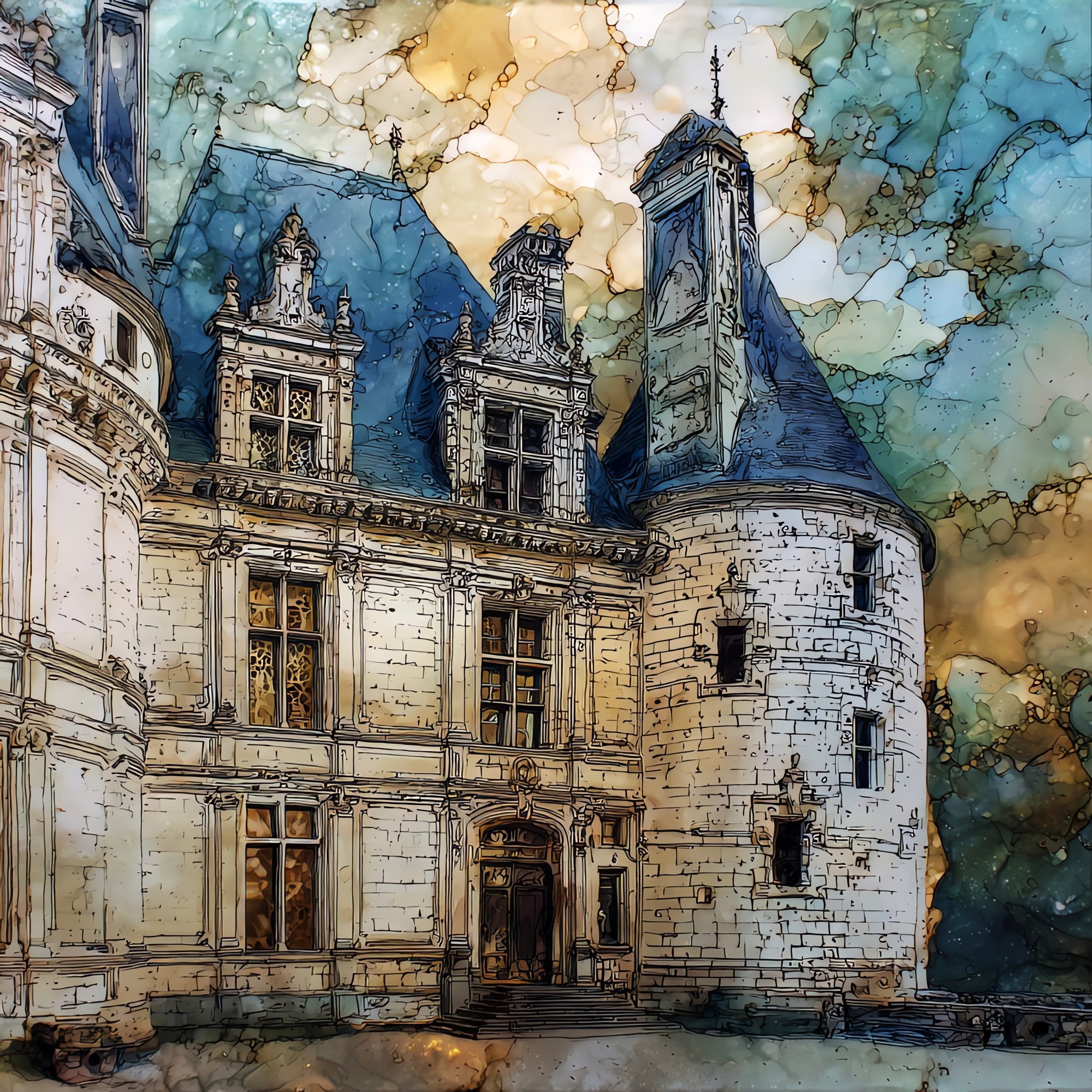
Chateau de Cheverny
— — a white that the rain keeps polishing.
Not only on a wall.
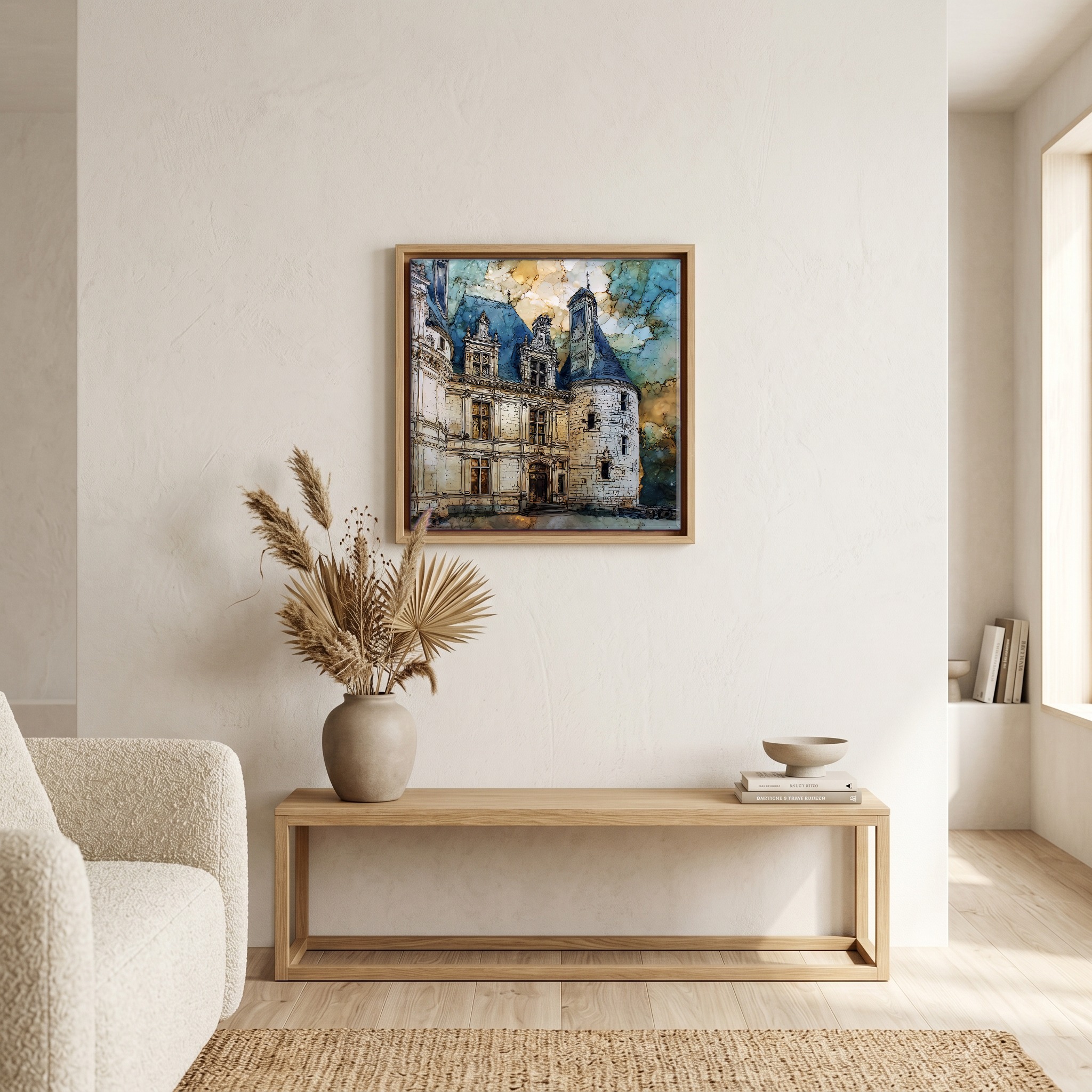
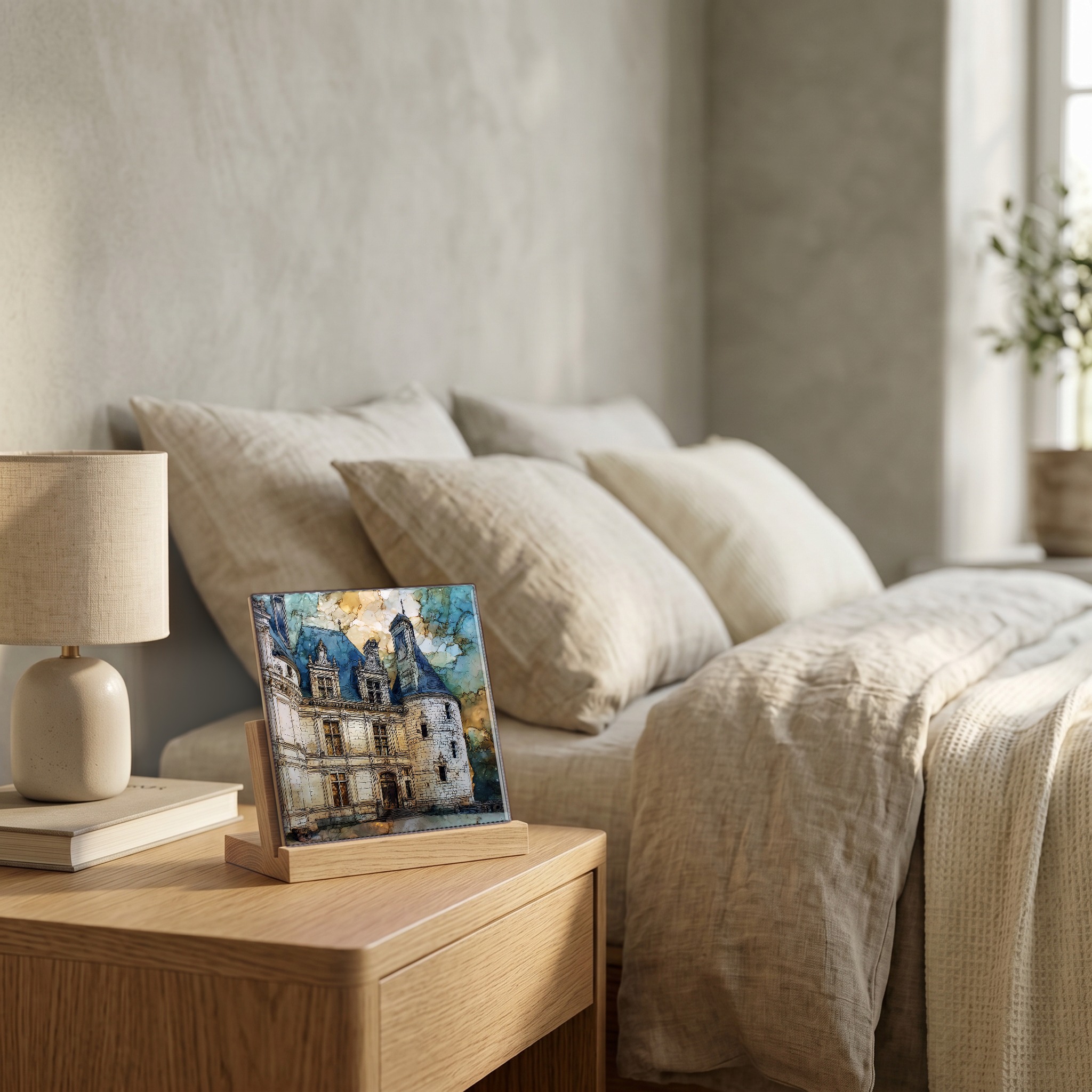
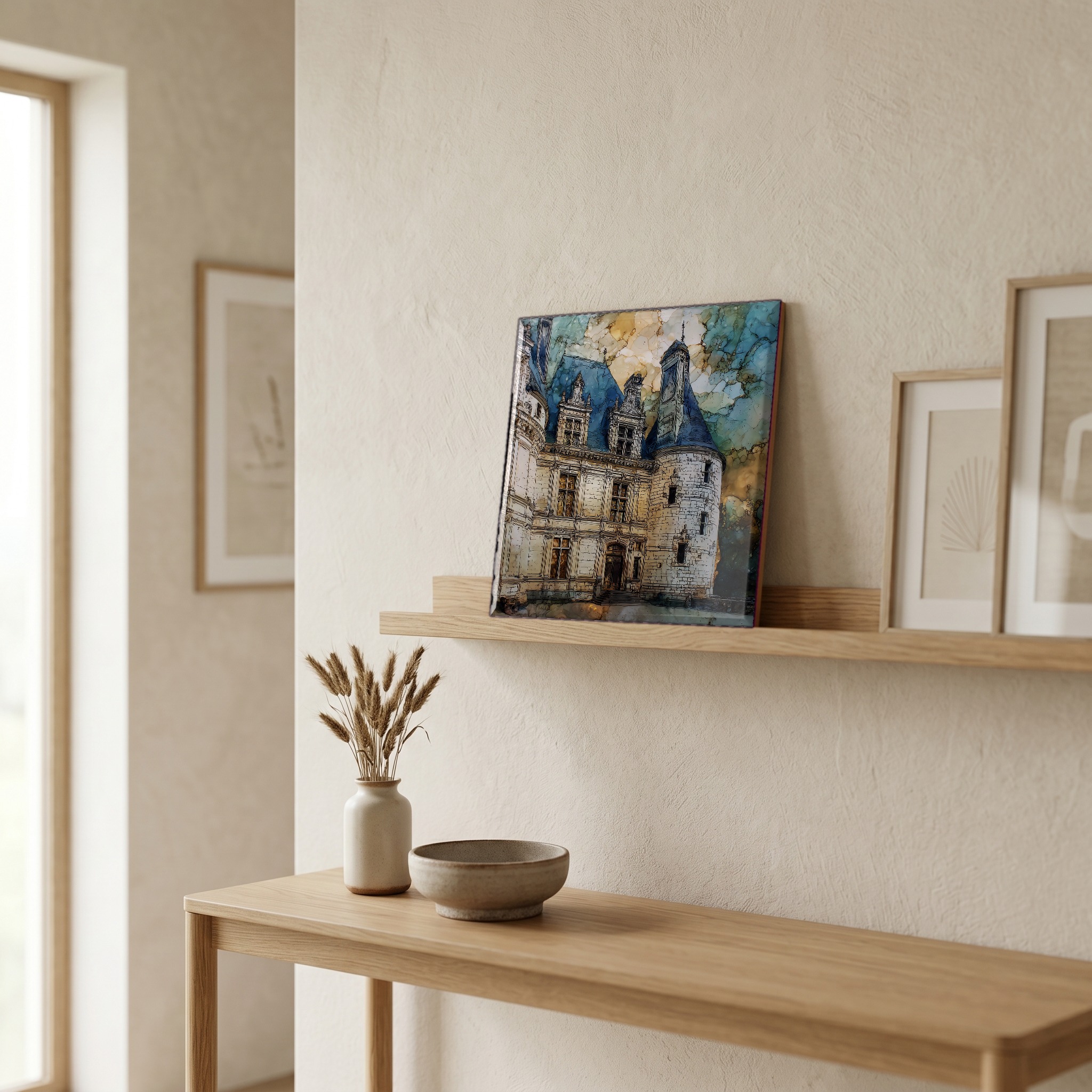
“A white-stone château on a hundred-hectare park in the Loire Valley. The Hurault family began the present building in 1624 and have stayed in it ever since; the marquis and marquise still live in the upper floors. The tuffeau limestone of the façade does not weather the way other stone weathers. Rain works it like a slow polish, and the wall is paler now than it was under Louis XIV. Hergé borrowed the silhouette of the central block for Captain Haddock's Marlinspike Hall. A pack of about a hundred Anglo-French hounds lives in the kennels behind the south wing, kept for the family's traditional stag hunt in the surrounding Sologne forest.
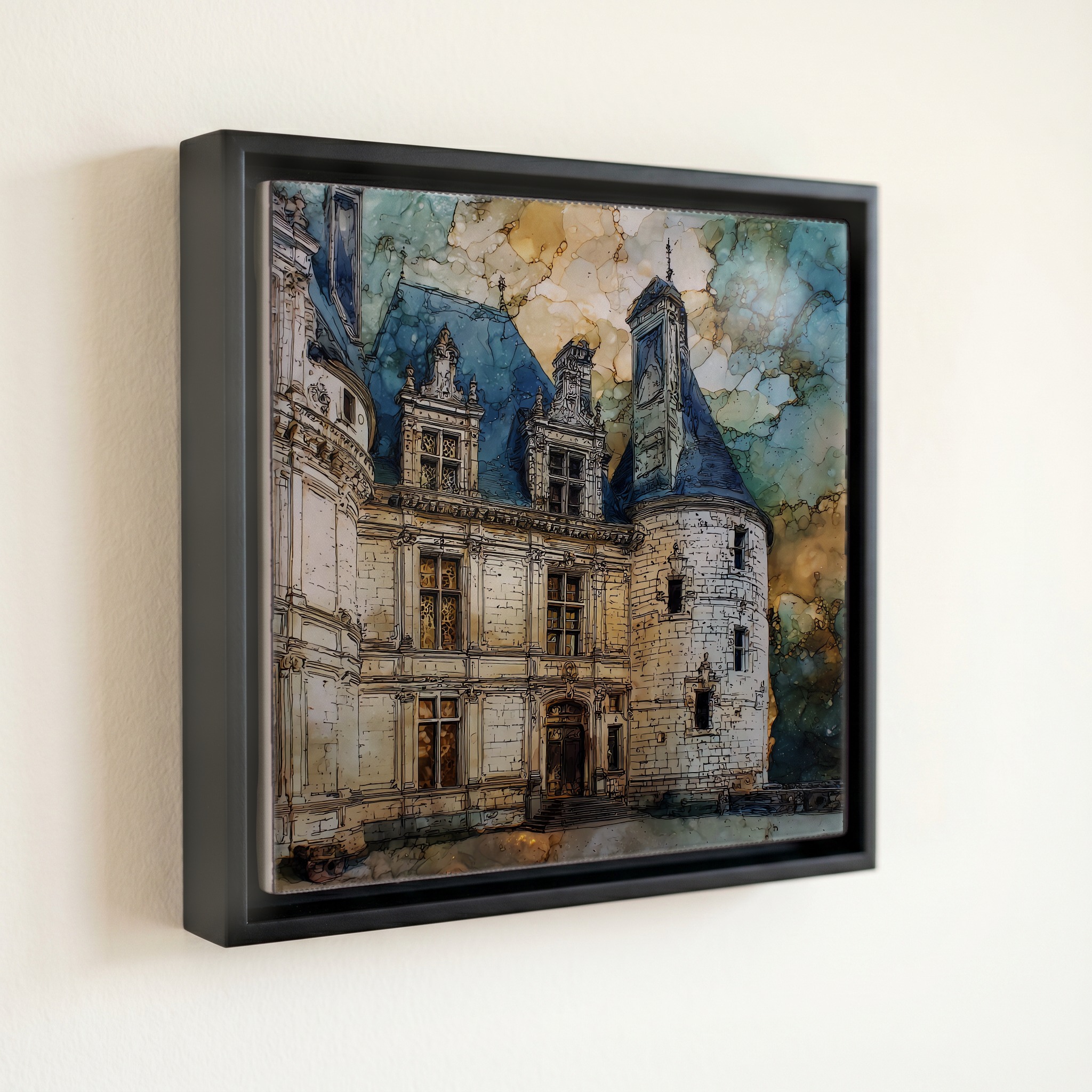
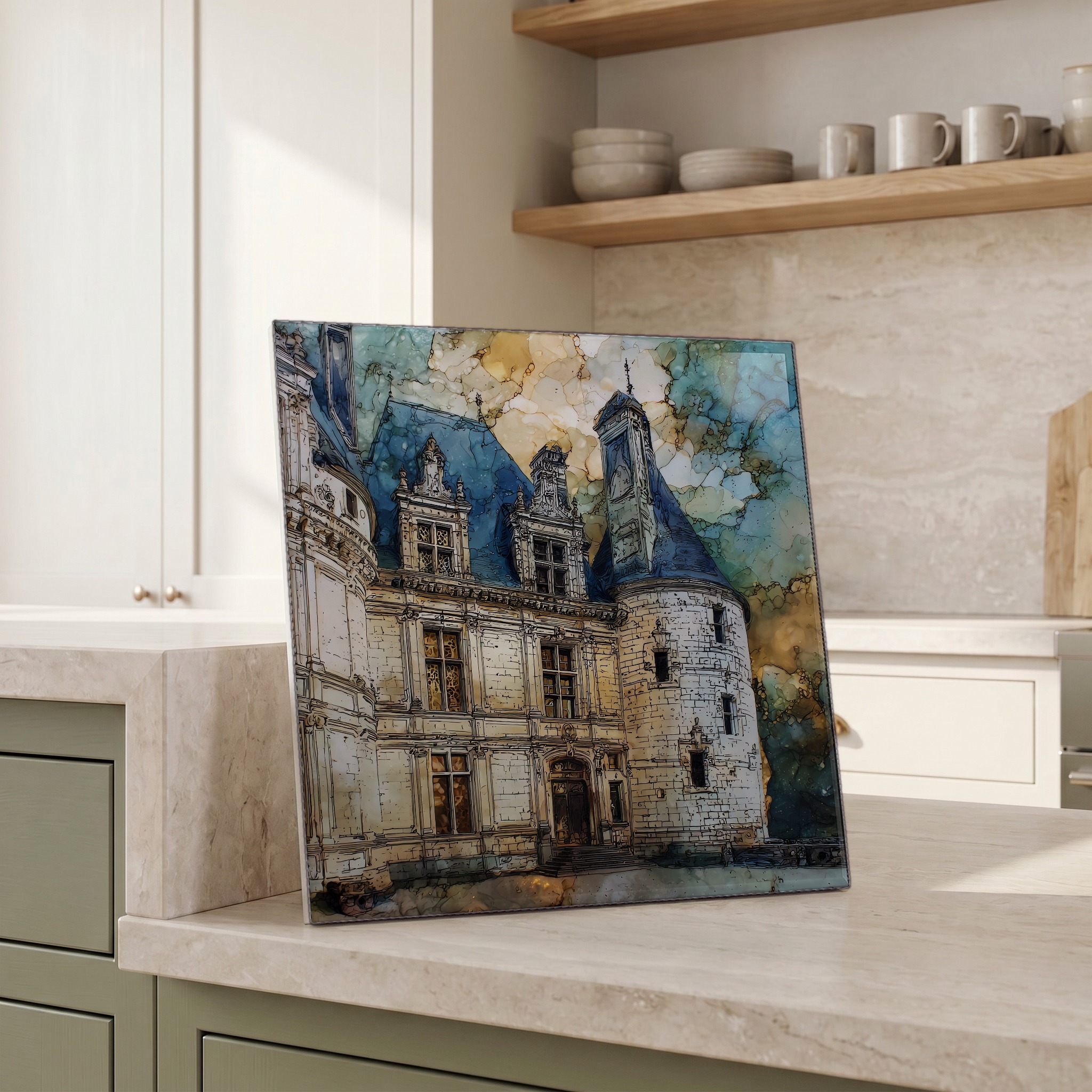
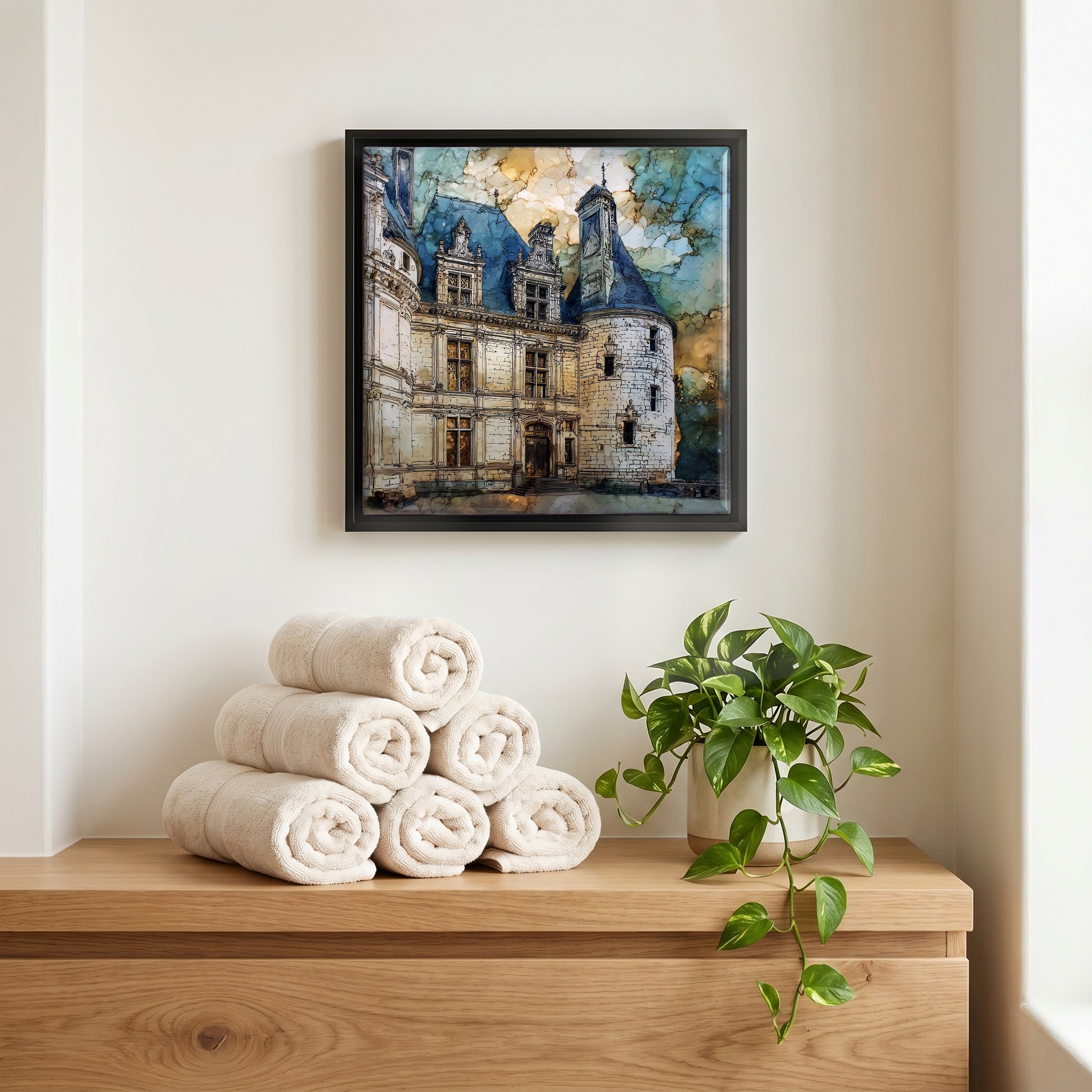
Chateau de Cheverny, on ceramic.
Each tile is finished by hand in our Knoxville studio. Artwork is slowly infused into the ceramic surface under high heat and pressure, and rests beneath a thin glossy finish. The colour lives in the surface, not on top of it.
Pick any four 4-inch tiles — National Parks you've been to, a Smokies set, the four seasons of one place. $ for a set of , cork-backed, ready to live on the table.
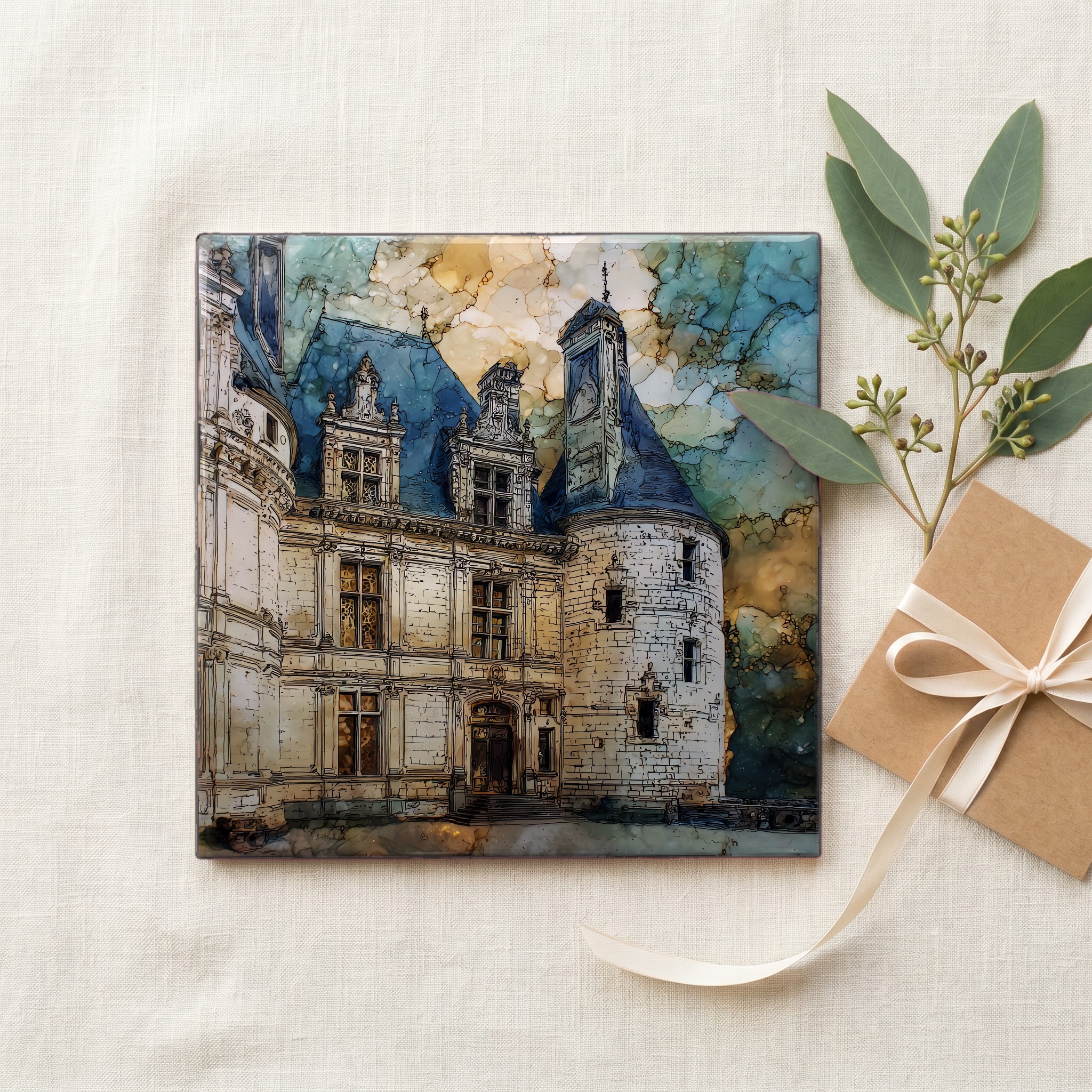
Each tile ships in a kraft box, tied with cream ribbon, with a handwritten note from the studio if you'd like to add one.
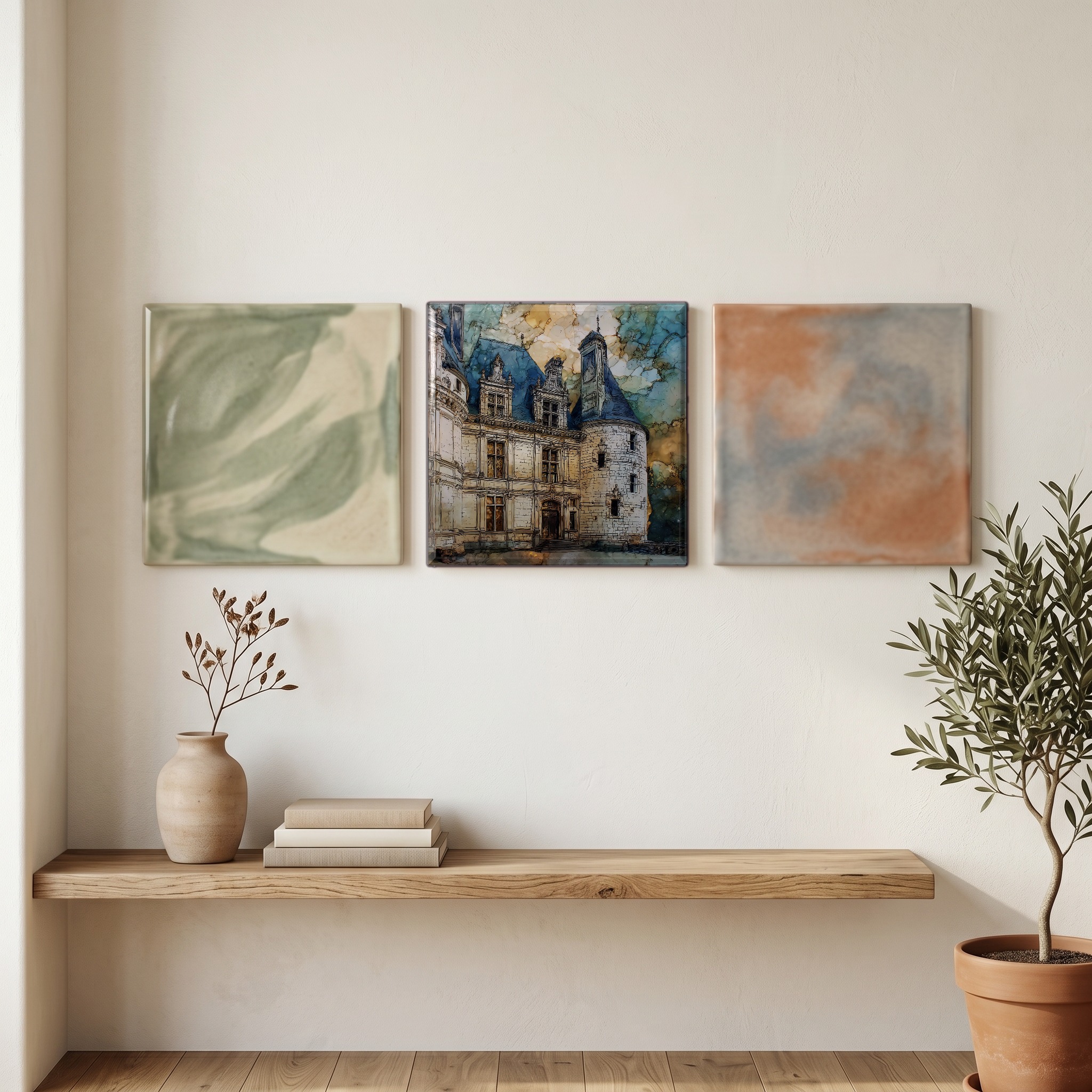
Three or five different vistas, hung together — a chapter of places you've been, or want to go.
The place, in three passes.
Château de Cheverny stands in the village of Cheverny in the Loir-et-Cher department of the Centre-Val de Loire region, about fifteen kilometres southeast of Blois. The present château was begun in 1624 by Henri Hurault, comte de Cheverny and treasurer to two French kings, and his wife Marguerite Gaillard de la Marinière; the work finished around 1630. The architect was Jacques Bougier, a pupil of Salomon de Brosse. The Hurault family has held the estate for more than six centuries, with a brief interruption during the Wars of Religion, and is one of the longest single-family stewardships of any château in France. In 1922 the family became one of the first in France to open a private château to the public.
The walls are tuffeau, the soft white limestone of the Loire Valley, quarried mainly near Bourré on the Cher River southeast of Tours. Tuffeau is unusual: porous and easy to cut when fresh, then slowly hardening on contact with air, and self-cleaning under rain. The rain dissolves surface grime rather than soaking it in, so the façade has grown paler, not darker, across four centuries; the wall reads as bright today as it did to Louis XIV's contemporaries. The classical symmetry of the front, with two domed end pavilions flanking a central block under tall slate roofs, has been unaltered since 1630. The form is among the most preserved examples of early-classical French architecture, the style sometimes called Louis XIII for the king on the throne when the building was finished.
The château is open to the public every day of the year, including holidays. The most famous moment of the visit is the Soupe des Chiens, the daily feeding of the hounds at the kennels behind the south wing: about a hundred Anglo-French hounds are released to their meal together at a fixed hour each day, summoned by a hunting-horn call, and it is the most photographed minute on the property. The interior keeps its seventeenth-century decoration largely intact, including the painted ceiling of the grand salon by Jean Mosnier of Blois, completed around 1640. The estate also runs a permanent Tintin exhibition called Les Secrets de Moulinsart, which traces the château's role as the model for Captain Haddock's ancestral home in Hergé's books.