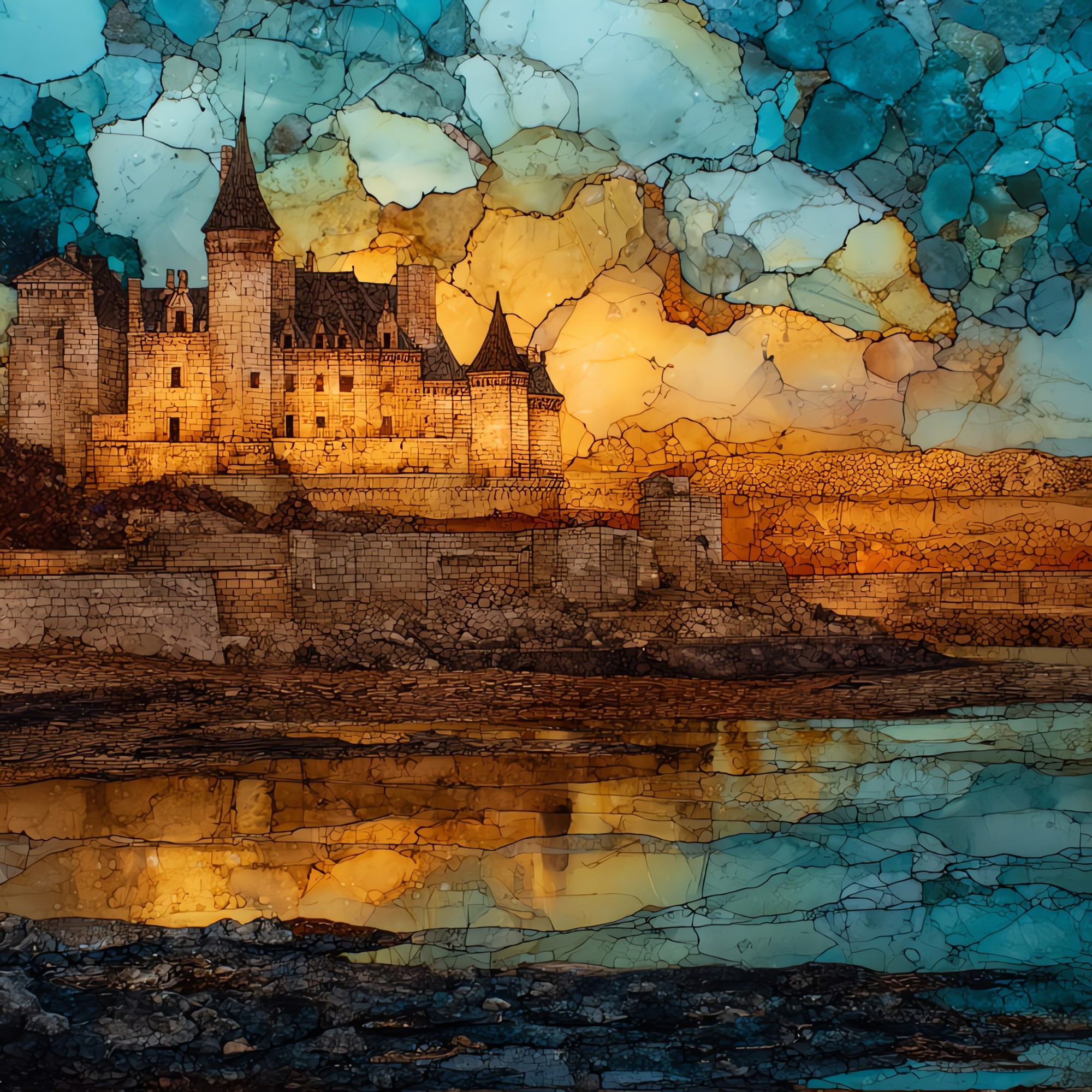
Chateau d'Amboise
— — white stone above the slow Loire.
Not only on a wall.
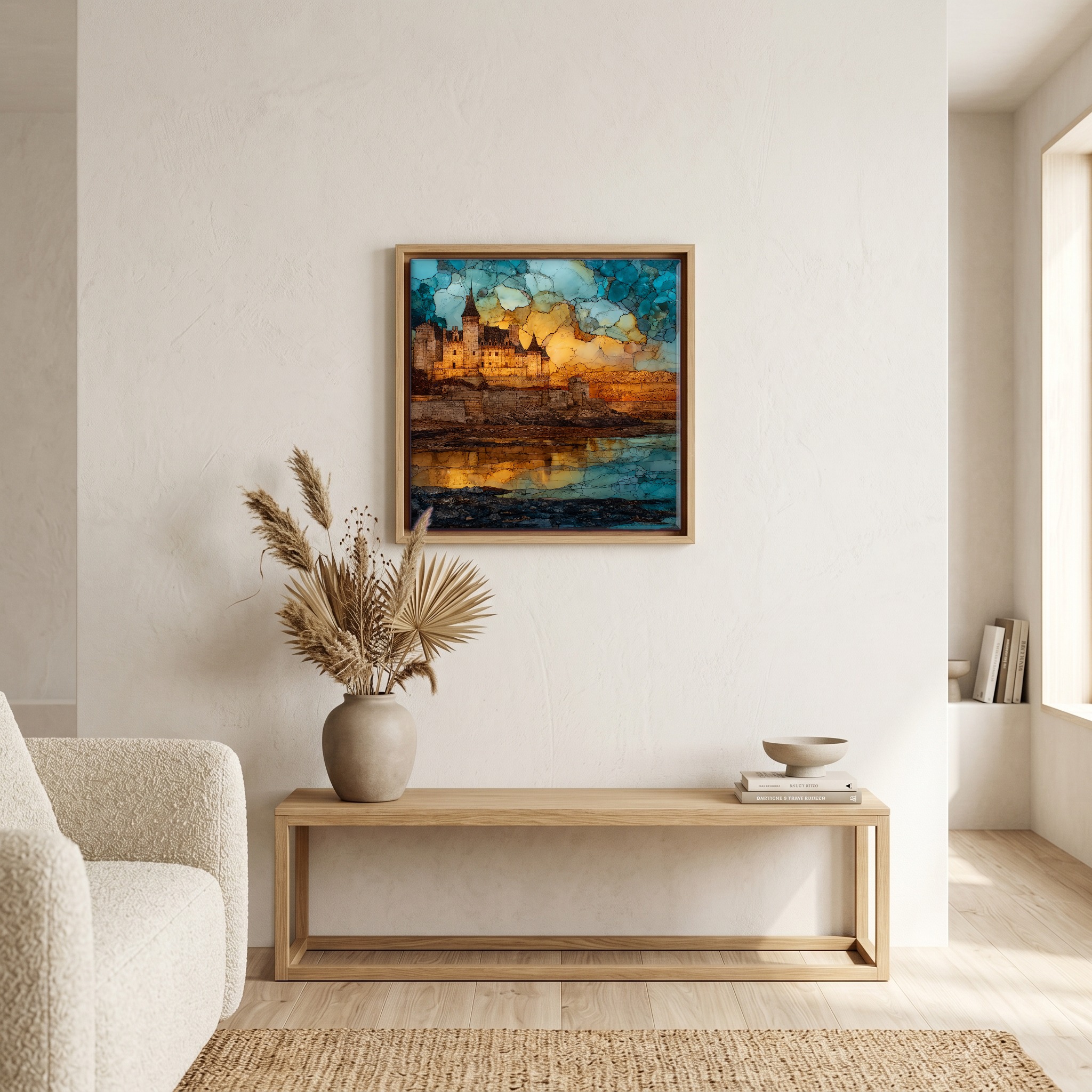
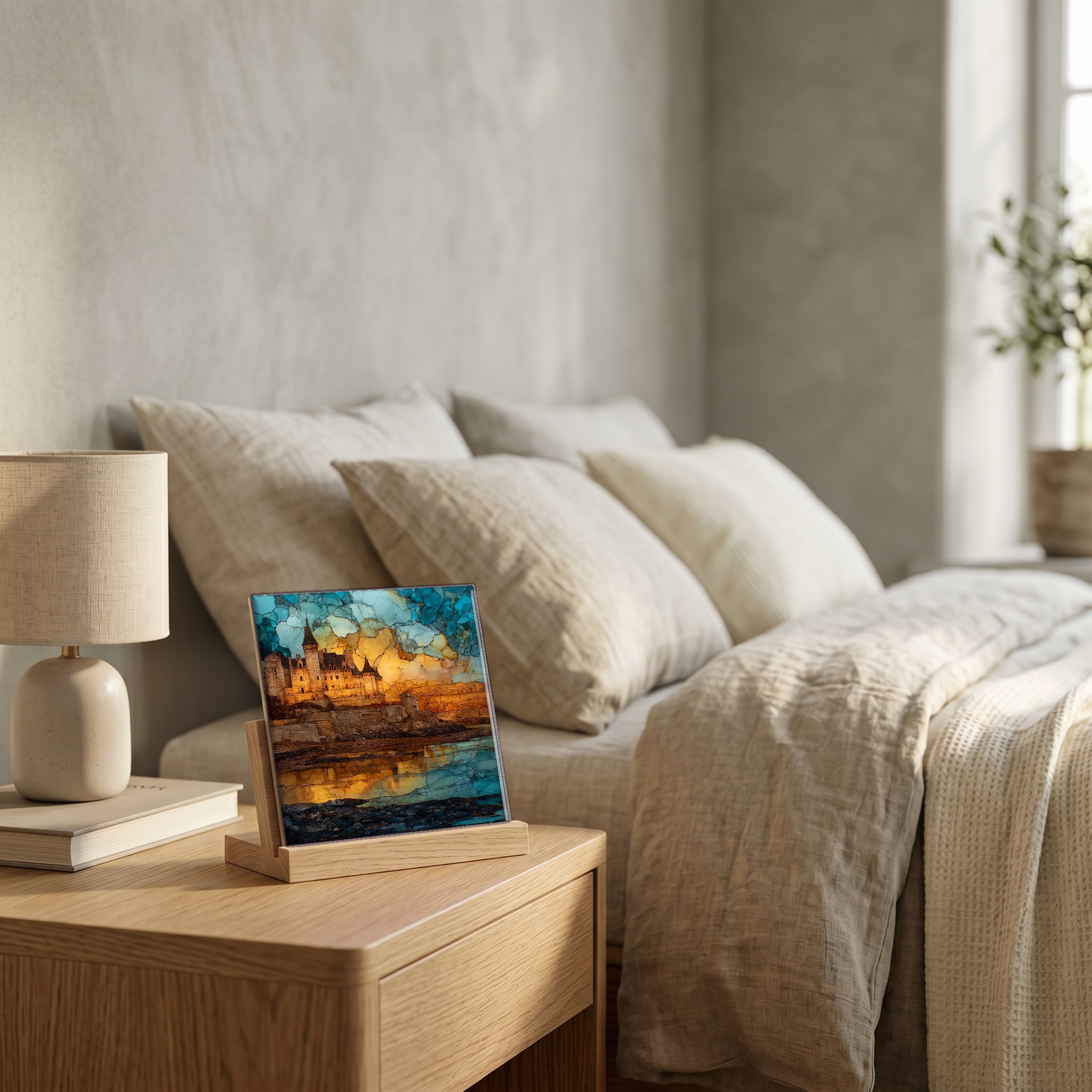
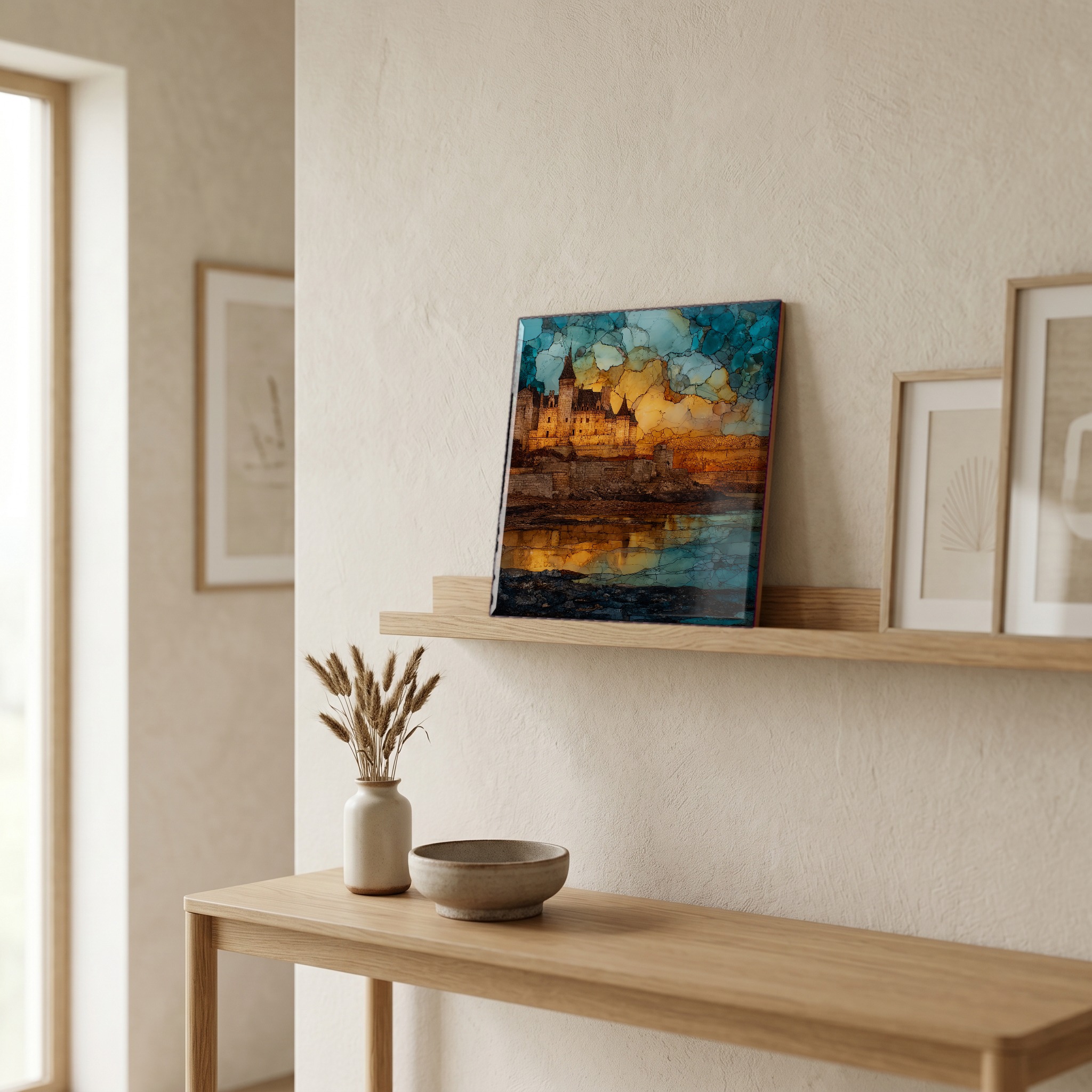
“A royal château on a limestone spur above the Loire, in the small town of Amboise. Charles VIII was born here, brought back Italian artisans from Naples, then died here at twenty-seven. Francis I held court here as a young king, and brought Leonardo da Vinci across the Alps to spend his last years at the nearby Clos Lucé. Leonardo is buried in the chapel on the grounds, a small flamboyant-Gothic room above the river, where the stone goes white and the air holds the sound of the Loire passing. Most of the castle is gone now; what stands is roughly a fifth of what once stood.
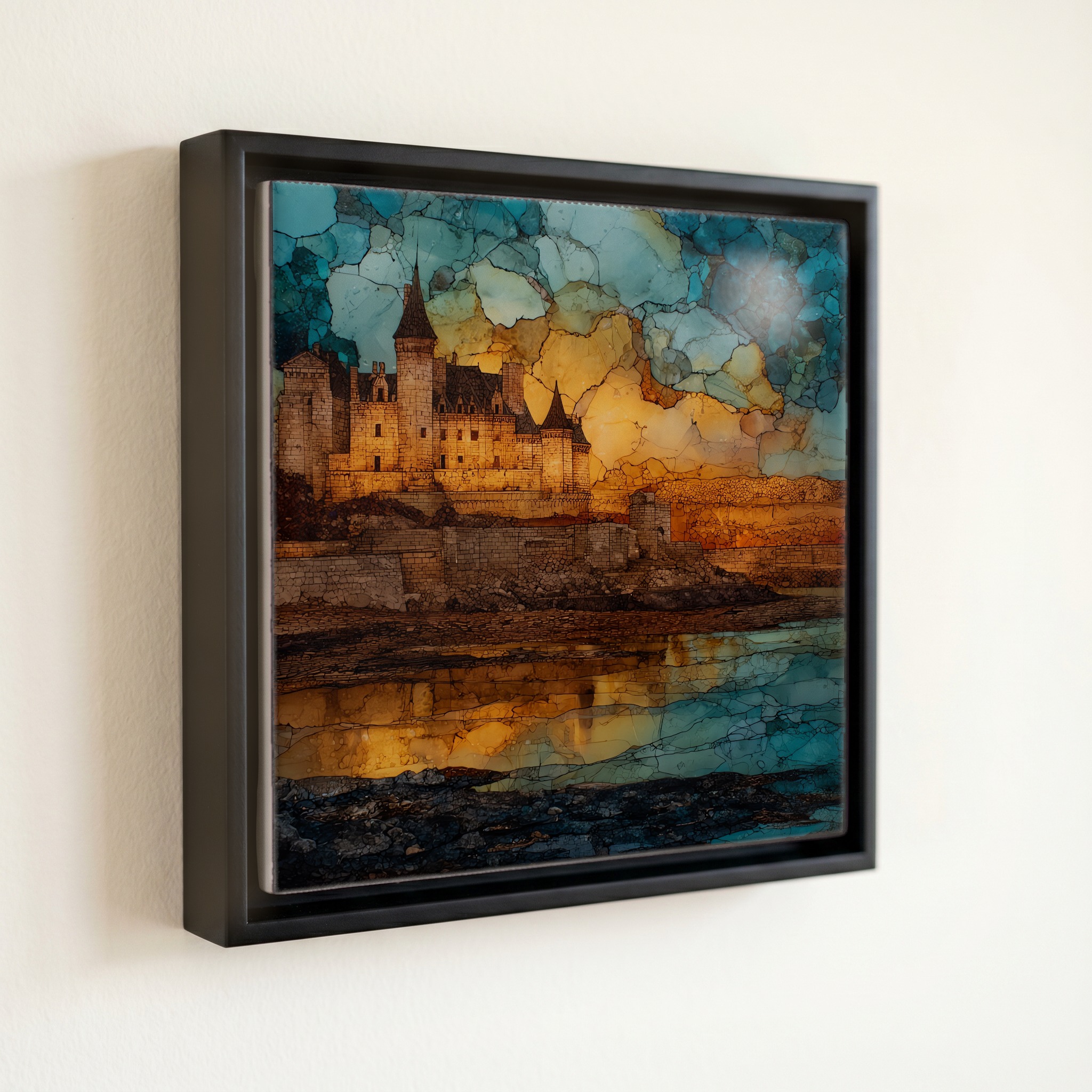
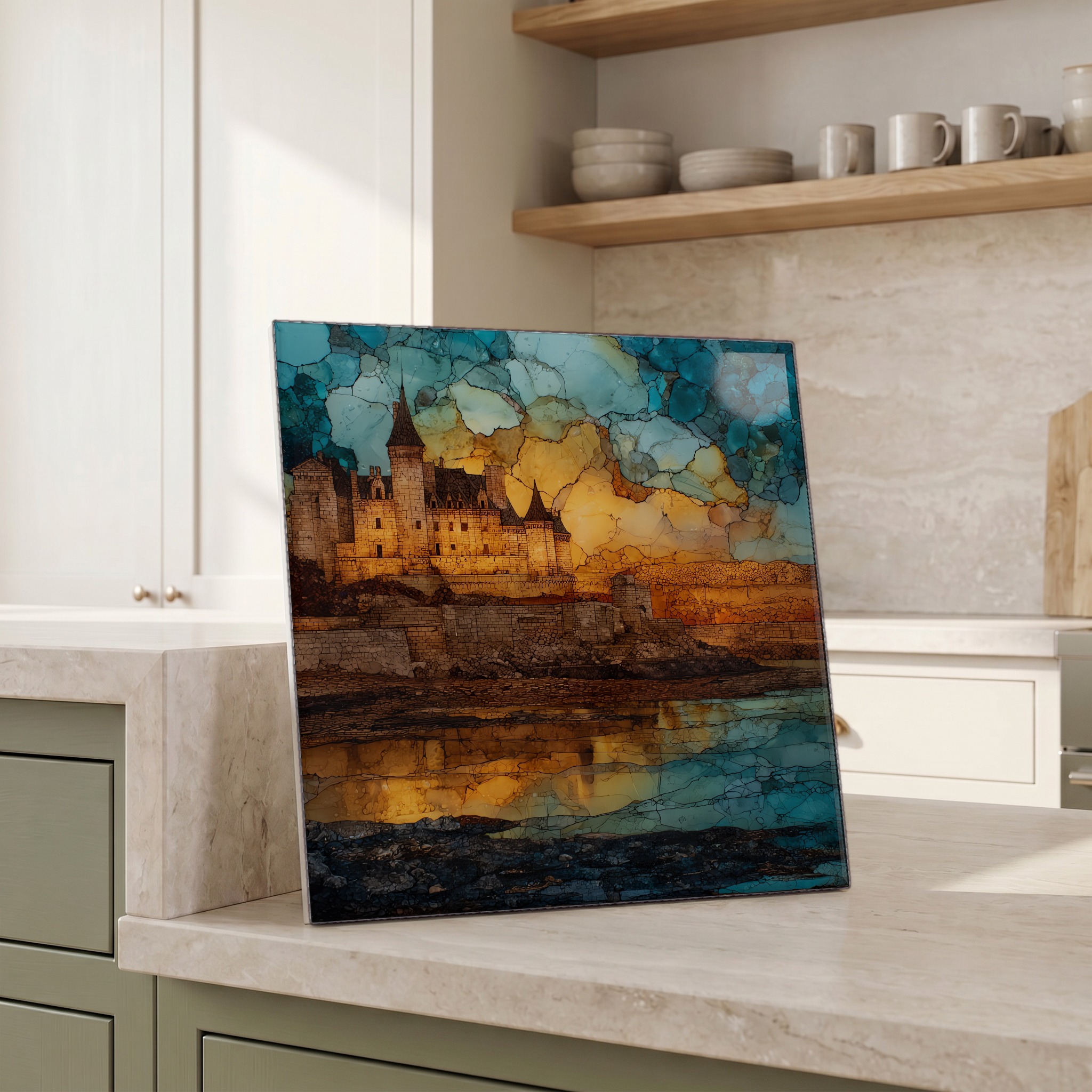
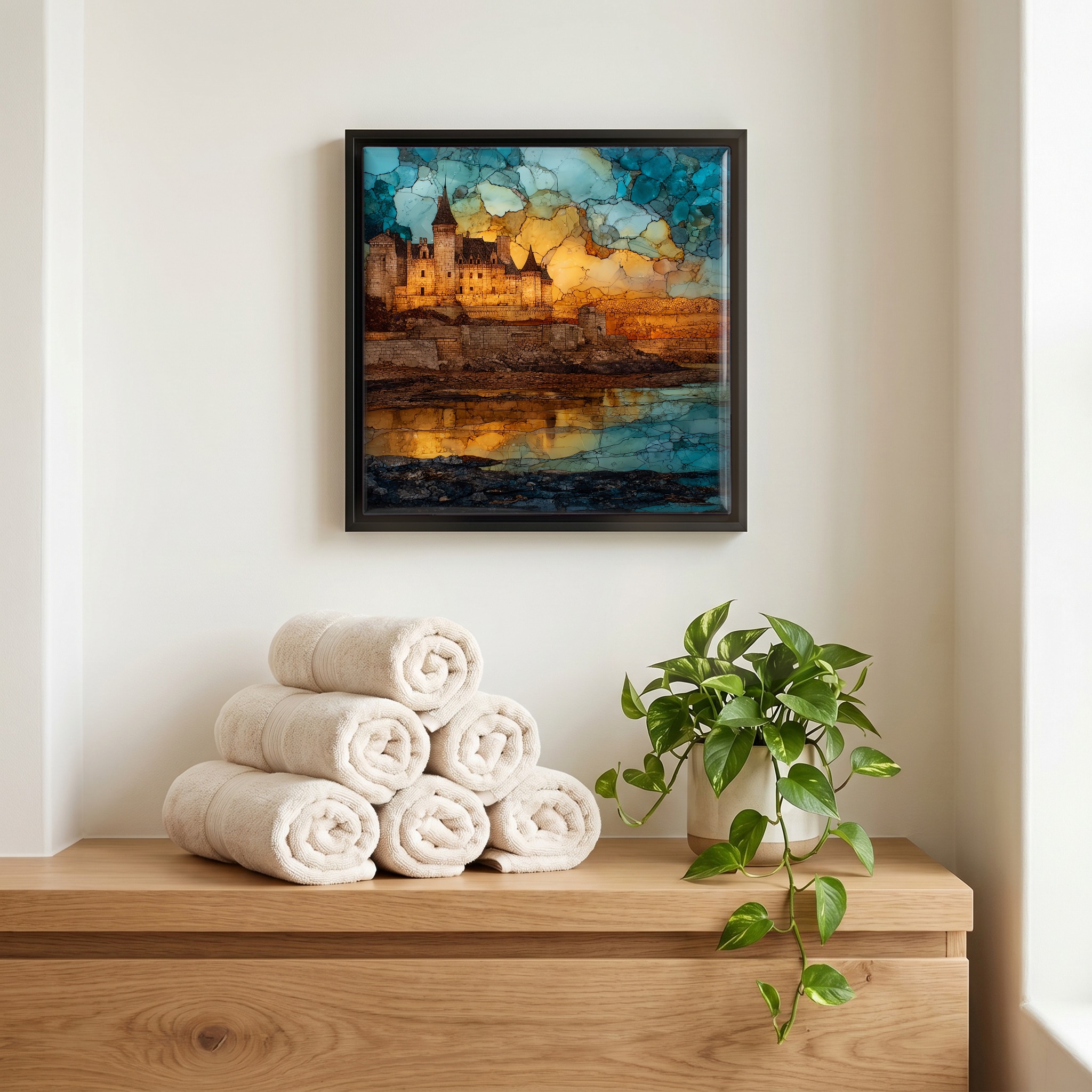
Chateau d'Amboise, on ceramic.
Each tile is finished by hand in our Knoxville studio. Artwork is slowly infused into the ceramic surface under high heat and pressure, and rests beneath a thin glossy finish. The colour lives in the surface, not on top of it.
Pick any four 4-inch tiles — National Parks you've been to, a Smokies set, the four seasons of one place. $ for a set of , cork-backed, ready to live on the table.
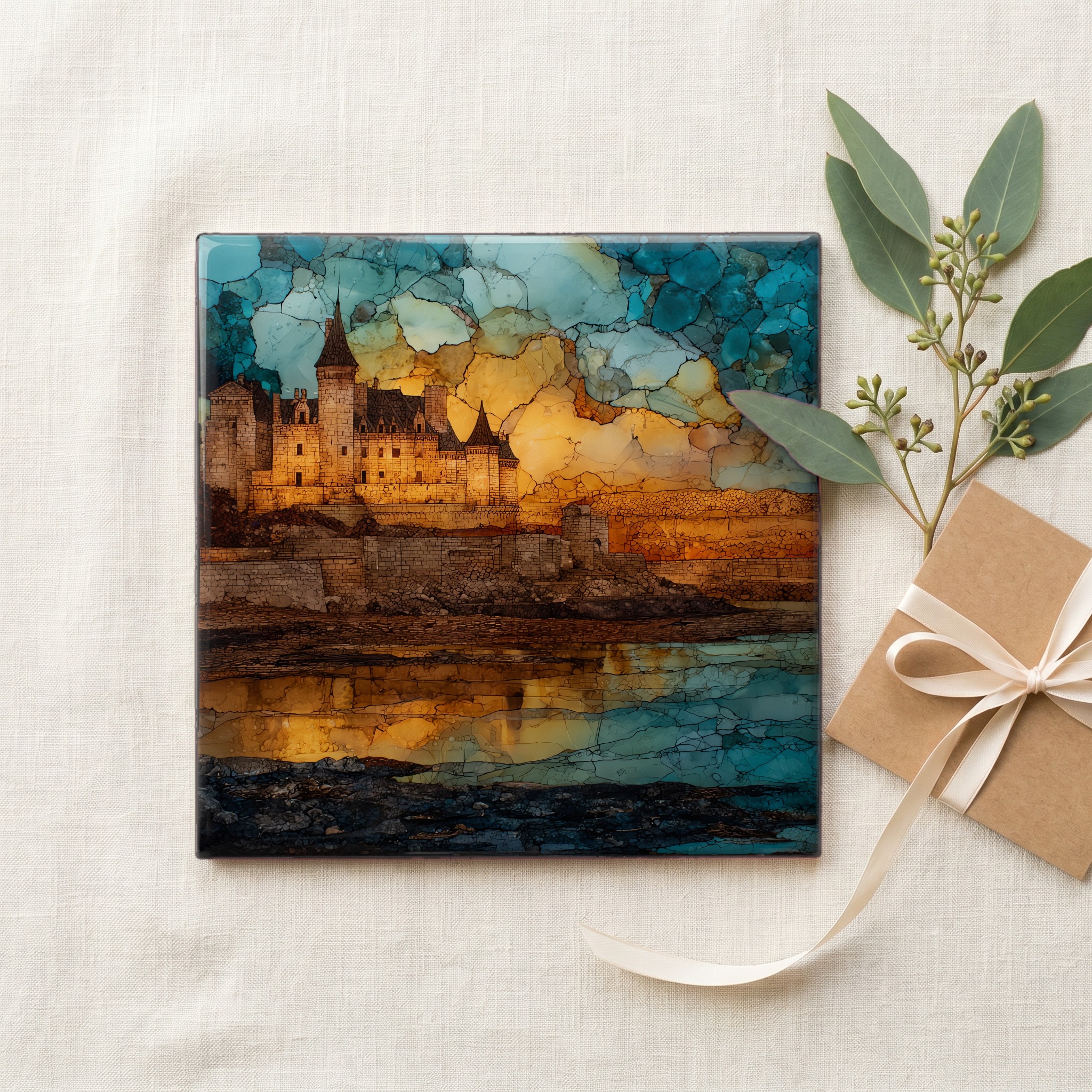
Each tile ships in a kraft box, tied with cream ribbon, with a handwritten note from the studio if you'd like to add one.
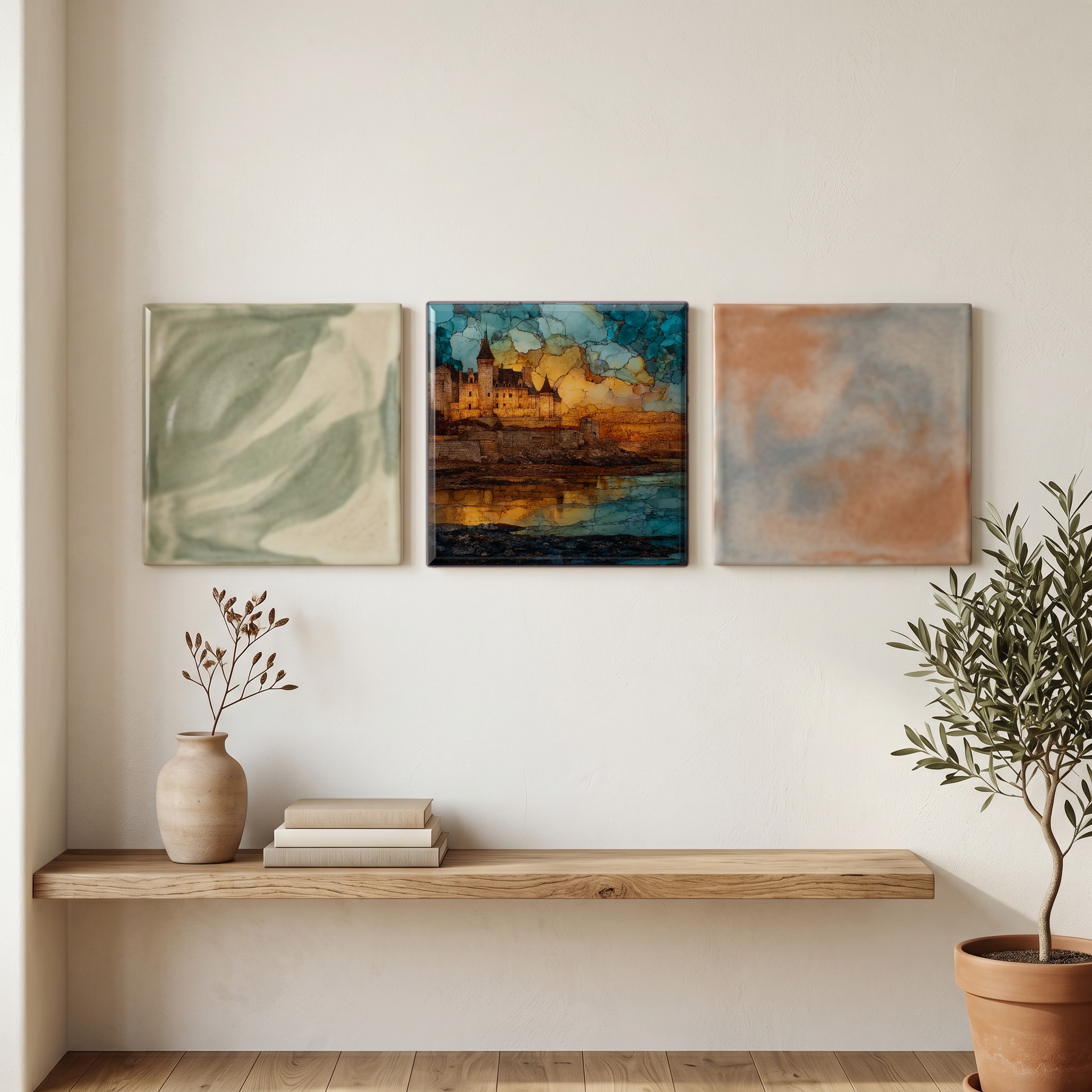
Three or five different vistas, hung together — a chapter of places you've been, or want to go.
The place, in three passes.
Château d'Amboise stands on a limestone spur above the Loire, in the town of Amboise in Indre-et-Loire, about 25 kilometres east of Tours. The site has been fortified since Gallo-Roman times. Charles VII took the original castle from the Amboise family in 1431 and made it a royal residence. Charles VIII was born here in 1470 and rebuilt the château in the Italian manner after his 1494-1495 campaign in Naples, returning with Italian artisans who introduced the early Renaissance to France. The château forms part of the Loire Valley between Sully-sur-Loire and Chalonnes, designated a UNESCO World Heritage Site in 2000. It is privately owned by the House of Orléans and managed by the Fondation Saint-Louis.
The château is built of the local tuffeau, the soft white limestone of the Touraine that hardens on exposure to air and pales further with age. The Chapel of Saint-Hubert, completed in 1493, is the most intact survival of the original complex: a small late-Gothic flamboyant oratory set into the curtain wall, with a tympanum carved with the conversion of Saint Hubert. Leonardo da Vinci's presumed remains were transferred to this chapel in 1863 from the destroyed collegiate church of Saint-Florentin, where he had been buried after his death in 1519. Most of the medieval and Renaissance château was demolished in stages during the early nineteenth century. The wings that survive (the Logis du Roi, the Chapel of Saint-Hubert, the Tour des Minimes, and the Tour Heurtault) are roughly a fifth of the original footprint.
Château d'Amboise is open daily, with hours that shift by season. The estate is administered by the Fondation Saint-Louis on behalf of the Count of Paris, who retains family ownership through the House of Orléans. Visitors climb to the terrace through one of the great ramped towers, designed so that horses and small carts could carry supplies up from the riverside. The terrace itself is the surprise of the visit: a flat green platform high above the slate roofs of Amboise and the Loire below, with a long view west toward Tours and east toward Blois. Adult admission is around fourteen euros, with an audio guide included. Leonardo da Vinci's house at the Clos Lucé sits a five-minute walk from the château gate.