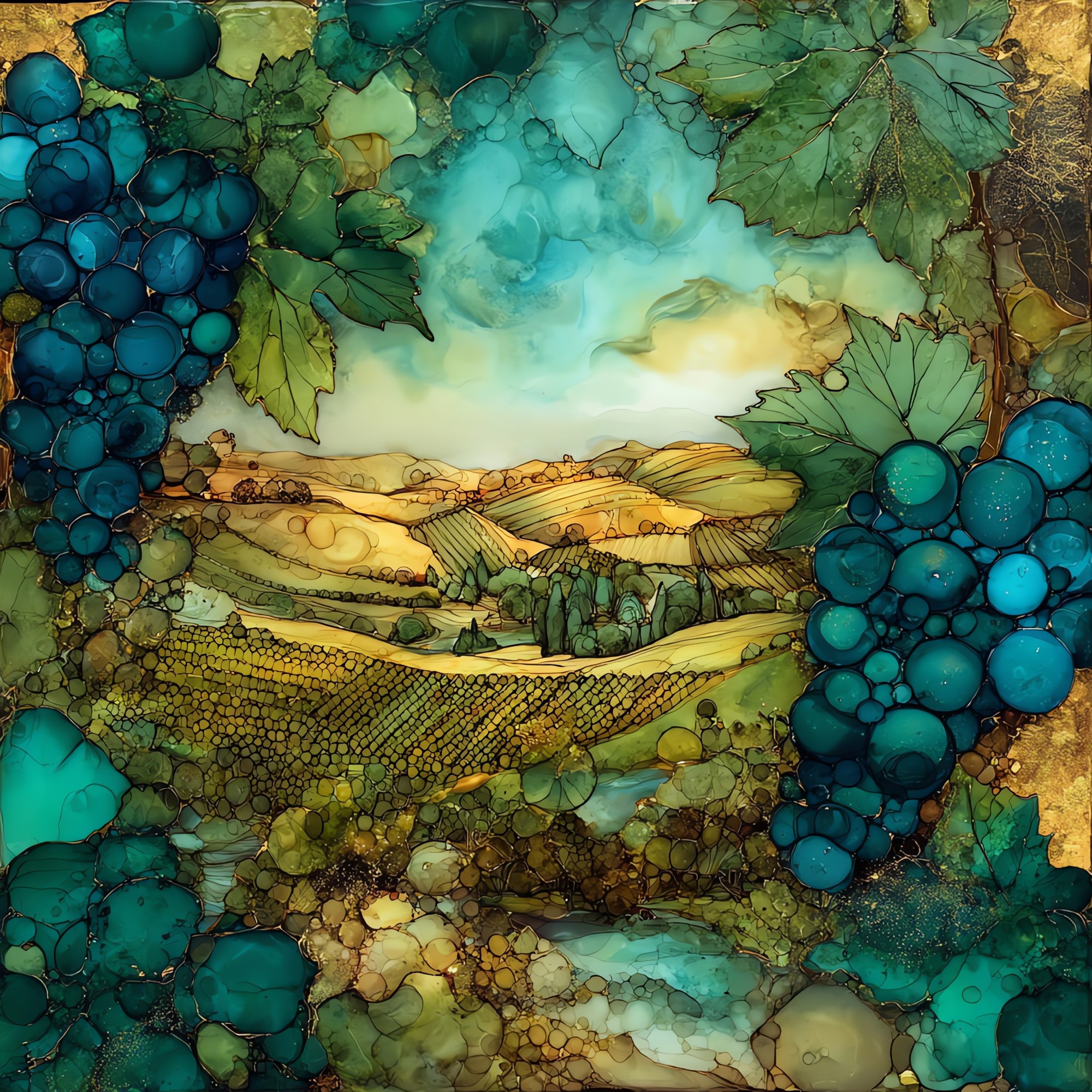
Cote des Blancs
— — the morning light the chalk holds onto.
Not only on a wall.
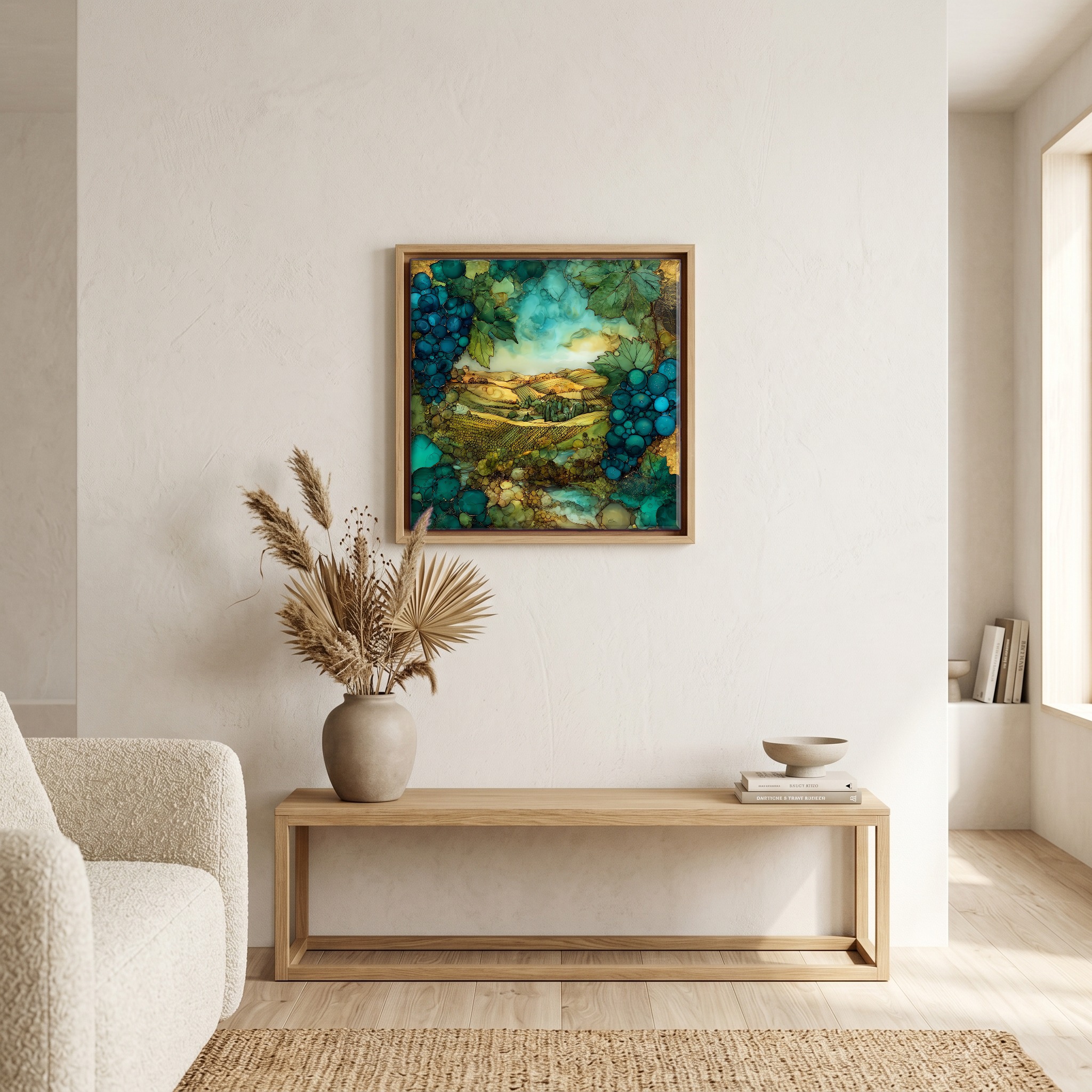
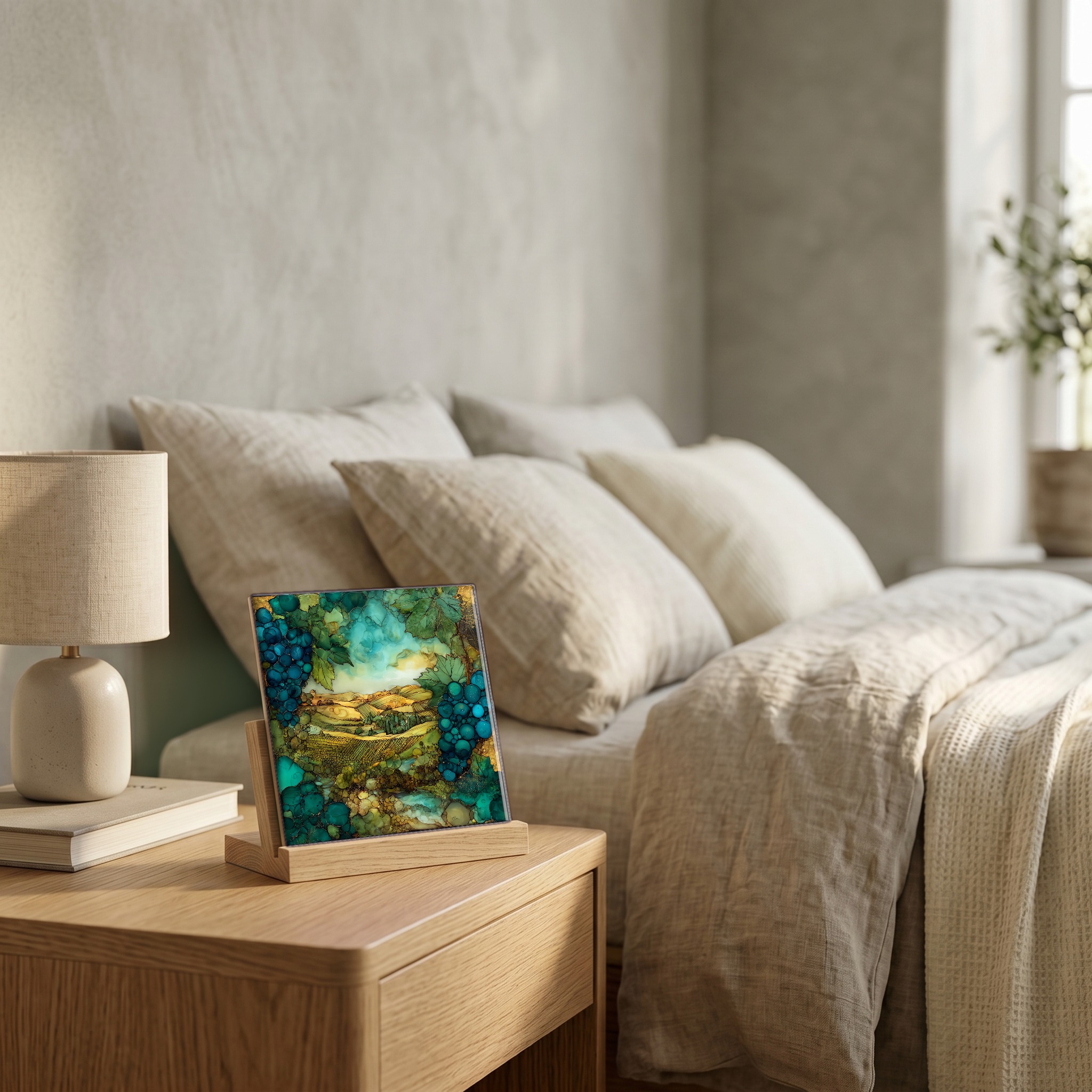
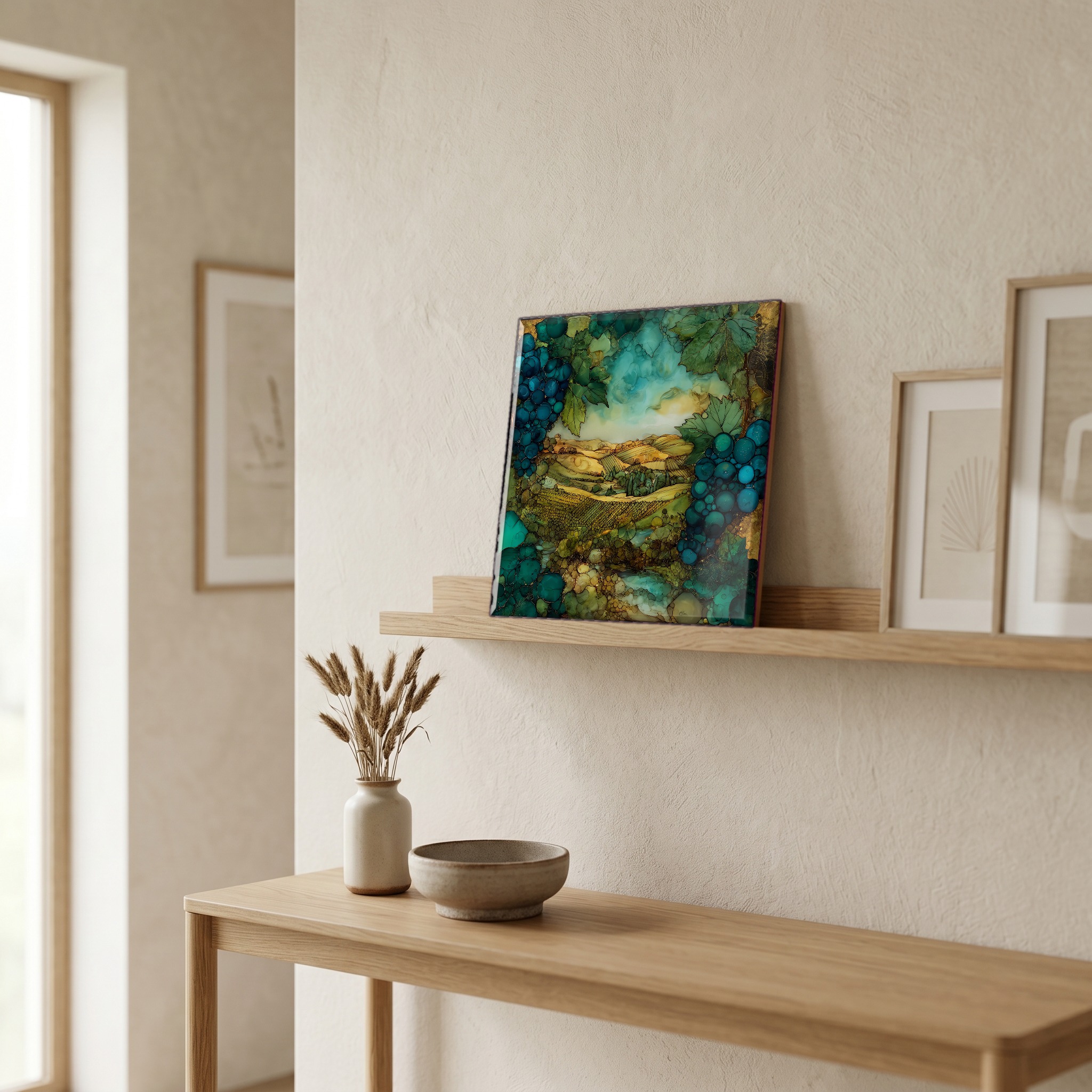
“A 20 km chardonnay slope south of Épernay, east-facing, on Belemnite chalk that goes white in the cuts the roads make. The grand cru villages line up along the bottom: Cramant, Avize, Oger, Le Mesnil-sur-Oger. Small, walkable, each with its growers and its houses. The harvest crews come in late August. The wine that comes off this hillside is the Blanc de Blancs the rest of the world copies. Pure chardonnay, brioche and citrus, the chalk reading through. The slope is quietest in February, when the vines are pruned and nothing has started.
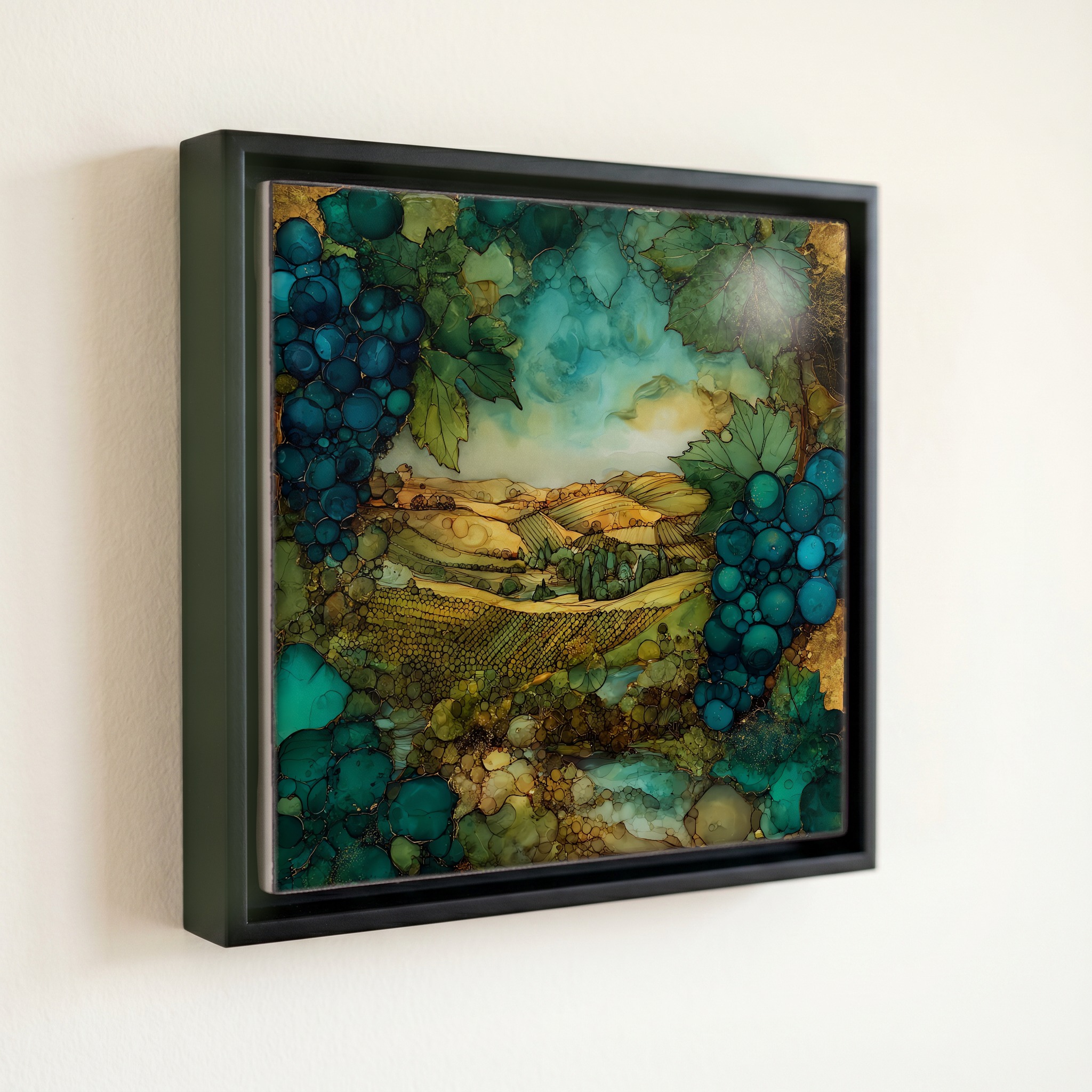
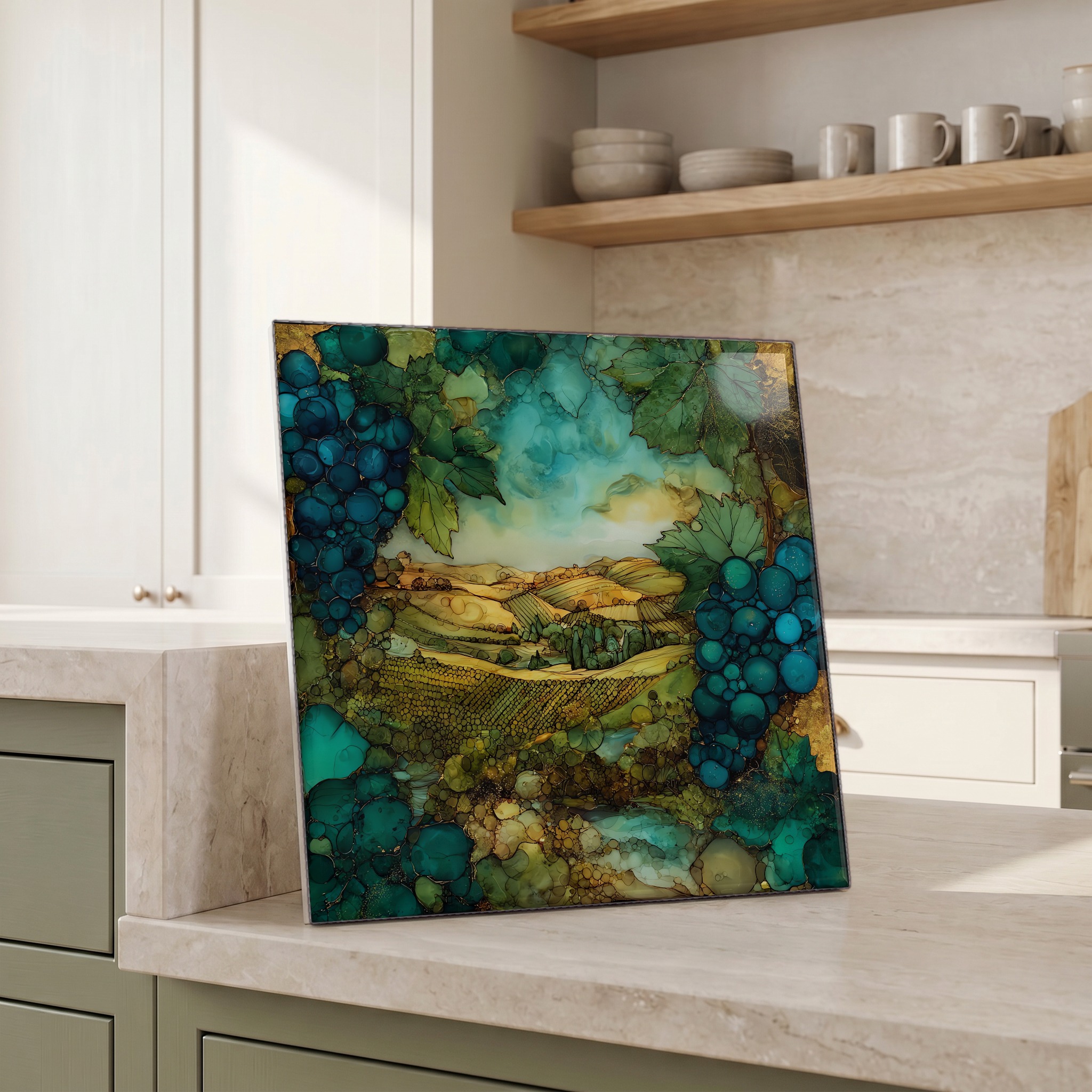
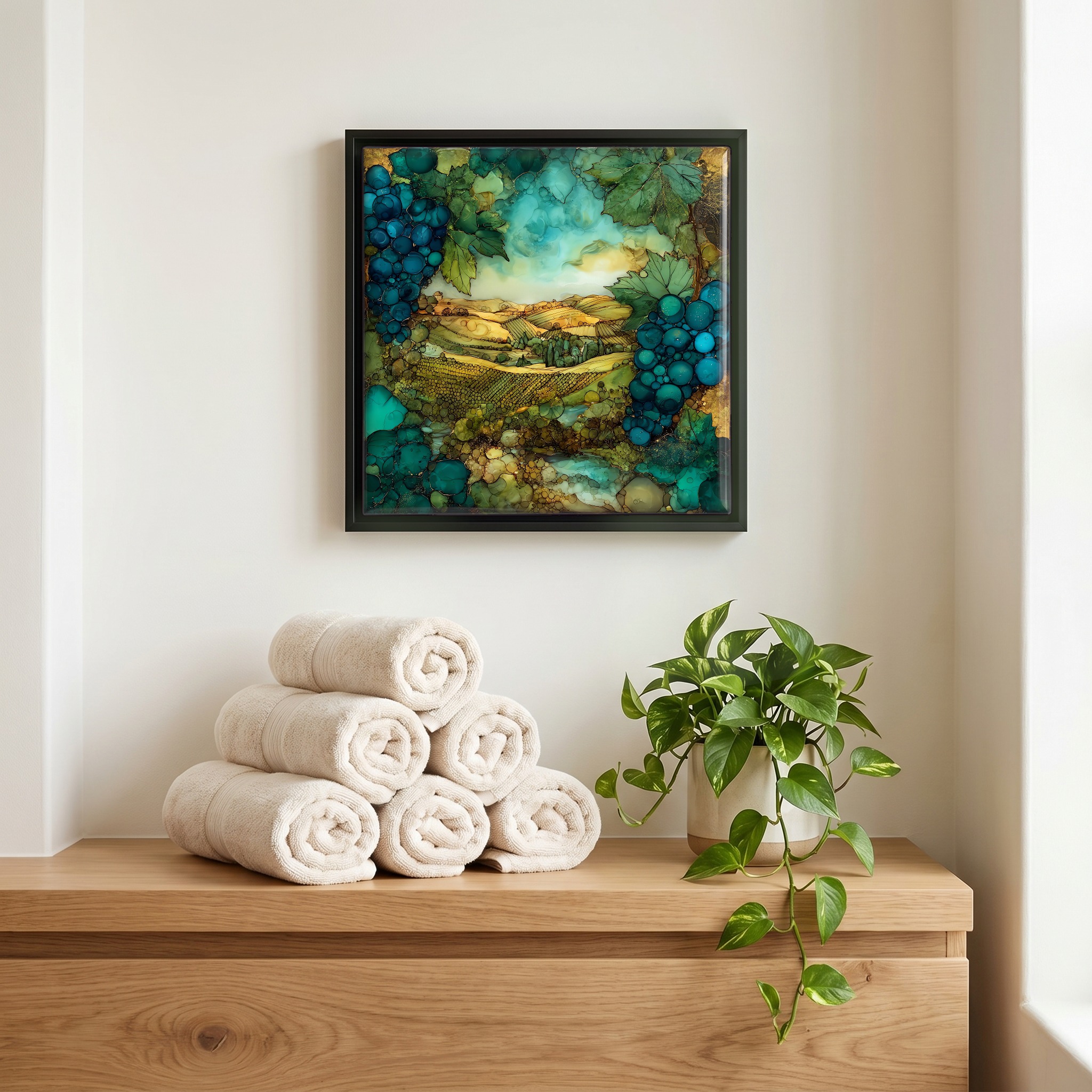
Cote des Blancs, on ceramic.
Each tile is finished by hand in our Knoxville studio. Artwork is slowly infused into the ceramic surface under high heat and pressure, and rests beneath a thin glossy finish. The colour lives in the surface, not on top of it.
Pick any four 4-inch tiles — National Parks you've been to, a Smokies set, the four seasons of one place. $ for a set of , cork-backed, ready to live on the table.
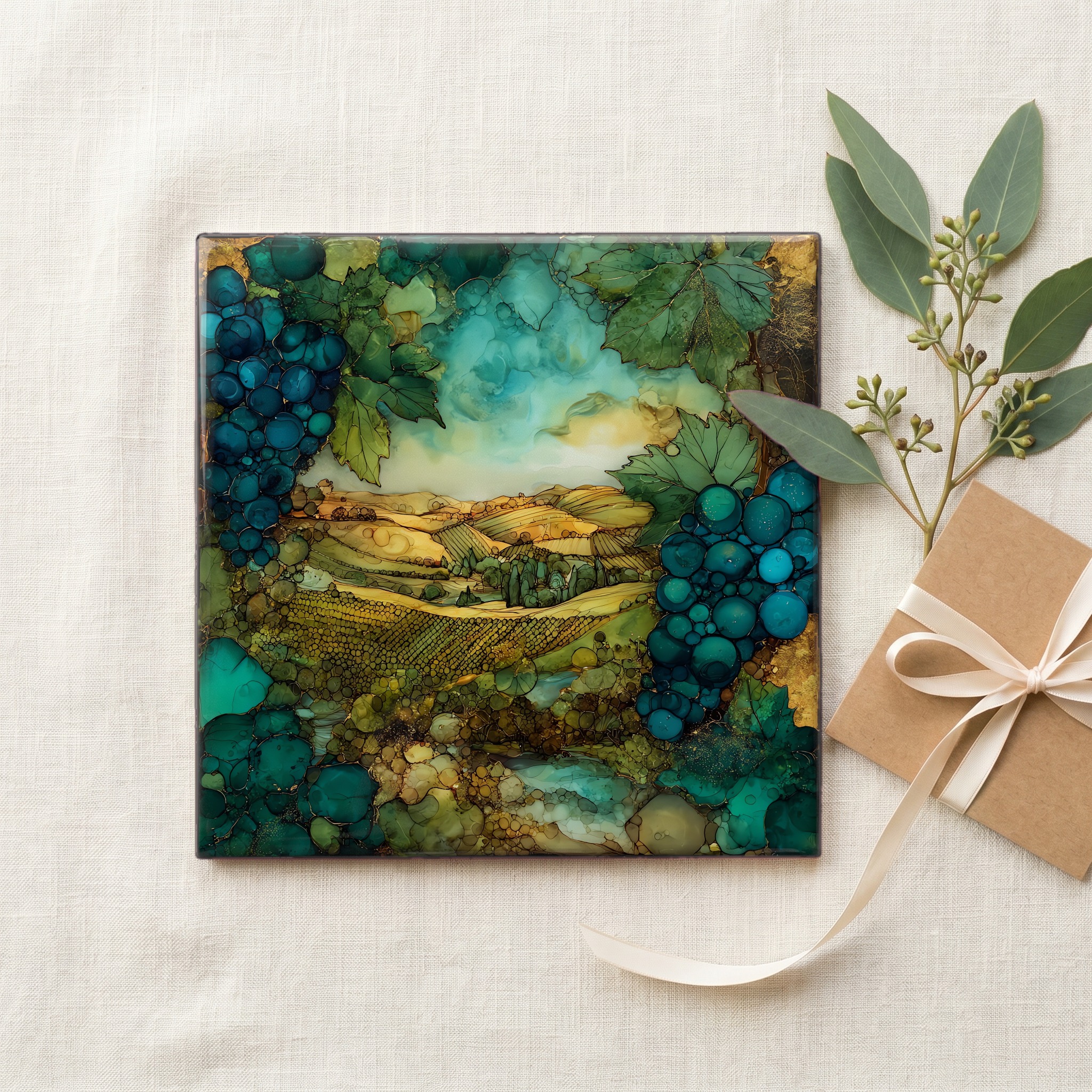
Each tile ships in a kraft box, tied with cream ribbon, with a handwritten note from the studio if you'd like to add one.
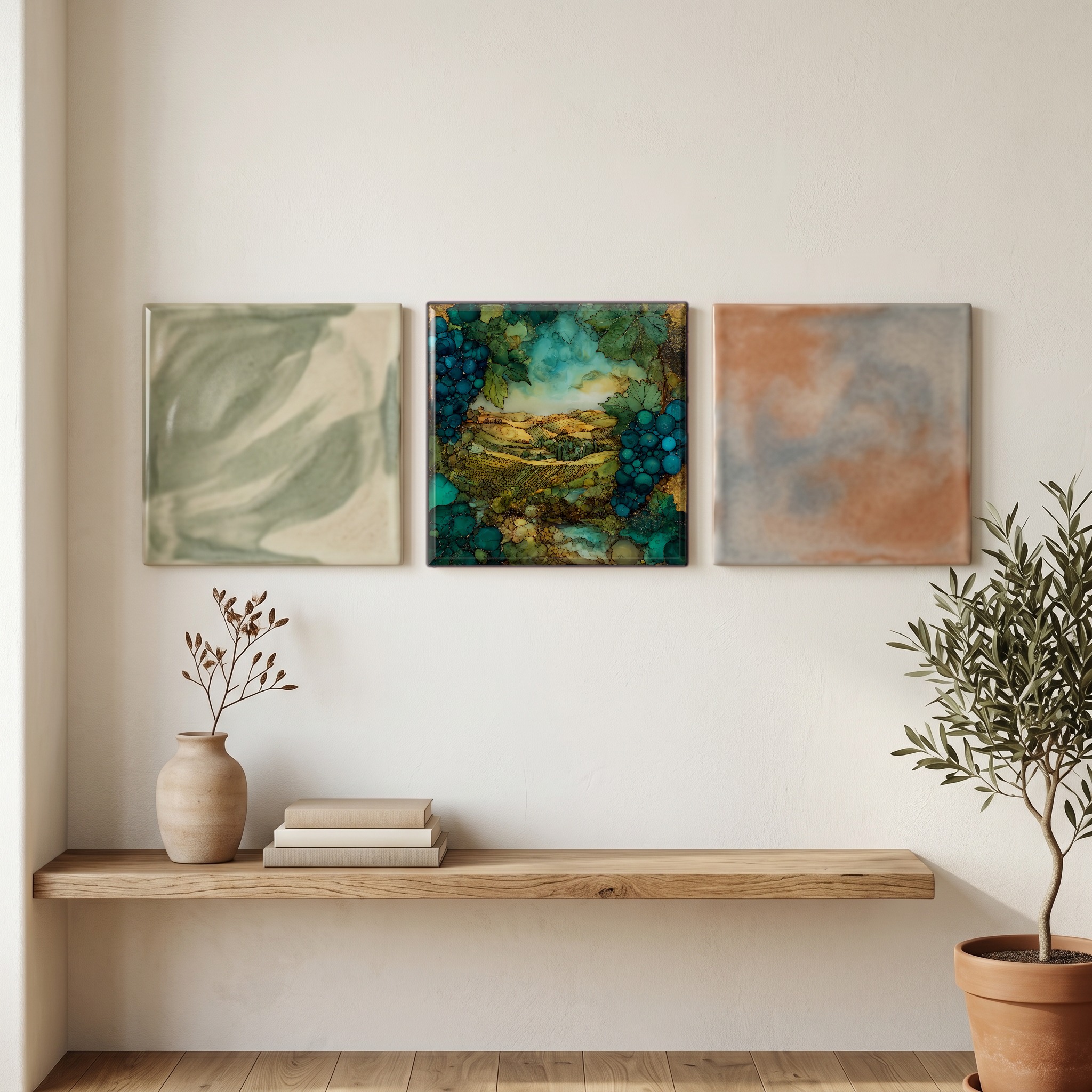
Three or five different vistas, hung together — a chapter of places you've been, or want to go.
The place, in three passes.
The Côte des Blancs is a roughly 20-kilometre east-facing escarpment in the Marne department of northeastern France, beginning just south of Épernay and running down through Chouilly, Cramant, Avize, Oger, Le Mesnil-sur-Oger and Vertus. The slope sits within the Champagne wine region, recognised by UNESCO in 2015 as part of the "Champagne Hillsides, Houses and Cellars" inscription. Most of its roughly 3,200 hectares are planted with Chardonnay, the grape that gives the wines labelled Blanc de Blancs their name. Paris-Est is about an hour and fifteen minutes from Épernay by direct TGV; the slope is then a short drive or a long walk south along the D9 and the marked Route Touristique du Champagne.
Beneath the topsoil of the Côte des Blancs is a deep bed of Belemnite chalk, a soft Cretaceous-period limestone composed of the fossilised remains of small marine cephalopods that lived in this shallow sea about 70 million years ago. The chalk is porous. It stores winter rain like a sponge and releases it through the dry summer, and it reflects light back up into the vine canopy. This is why Chardonnay does what it does here. The wines carry a chalk-driven minerality that growers describe as a "vertical" character, distinct from the rounder Pinot-noir-led wines of the nearby Montagne de Reims. The same chalk is hollowed beneath Épernay and Reims into the crayères where the bottles age.
The harvest in the Côte des Blancs typically begins in the last week of August or the first two weeks of September, depending on the year. Picking is still done by hand across all of Champagne by law, and the Comité Champagne sets the official start date village by village. The vines are pruned in the cold months from December through February, when the slope is at its quietest. Spring brings bud-break in early April and the risk of frost; the white smoke plumes of paraffin candles burning in the rows are still a common sight on the coldest nights. The marked Route Touristique du Champagne is open to walkers and cyclists in every season, though many small grower houses receive visitors by appointment only.