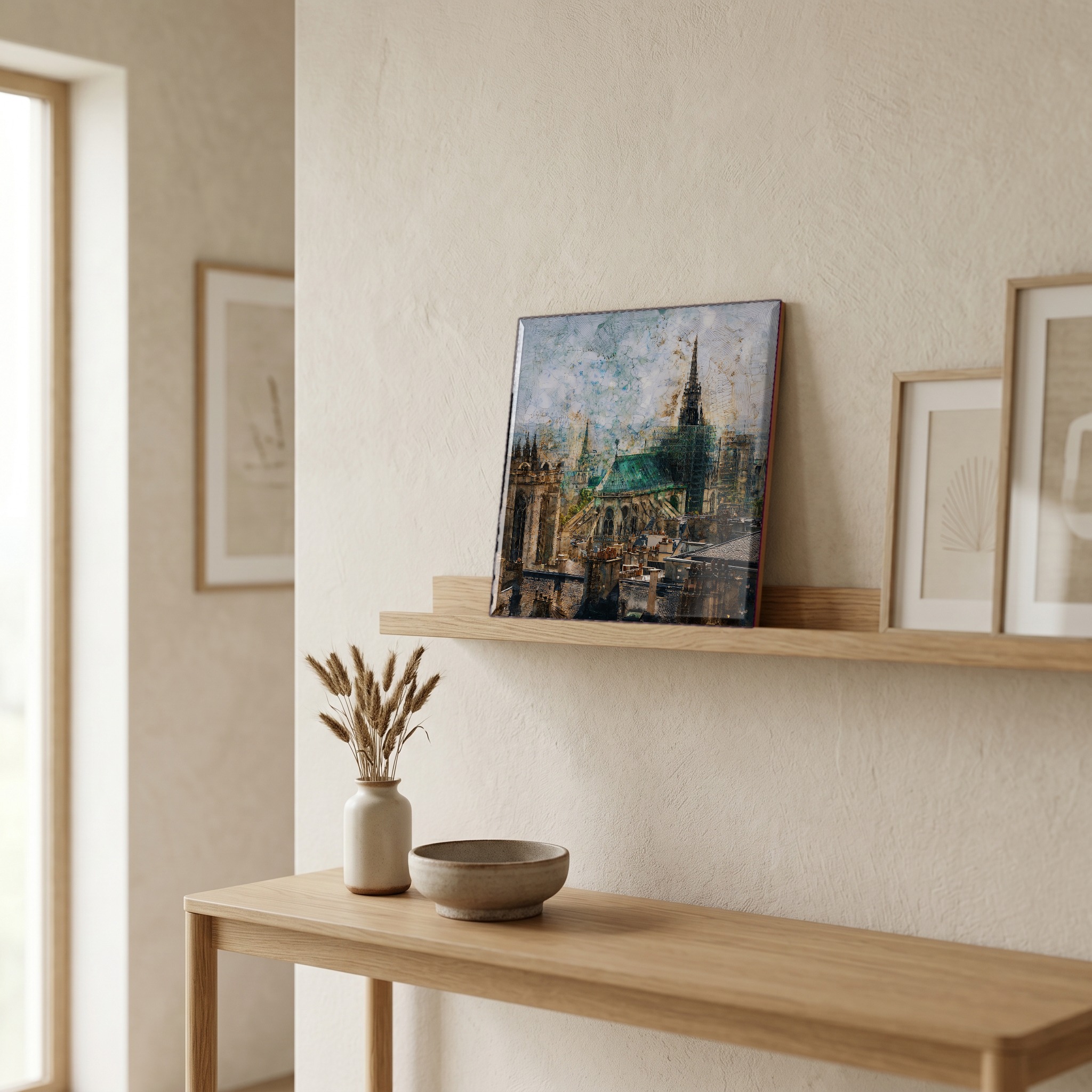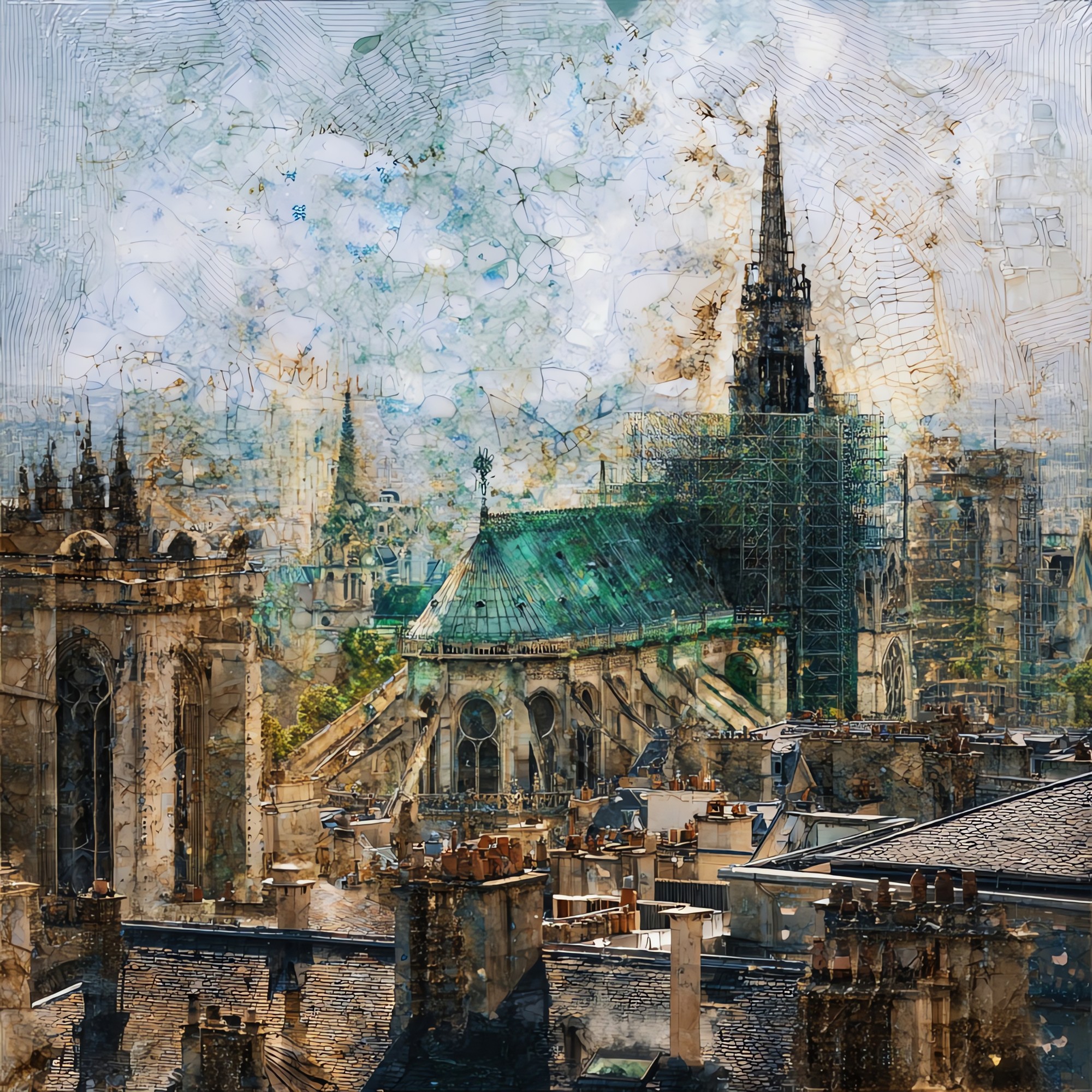
Wender·Vista
Centre Pompidou
shown on ceramic, 12-inch tileFrance
in the Marais, east of Les Halles

Centre Pompidou

— the building that wears its bones on the outside.

Where it lives

Not only on a wall.

A small tile on the nightstand catching the morning. A larger one above the fire. Yours, wherever you spend the slow hours.
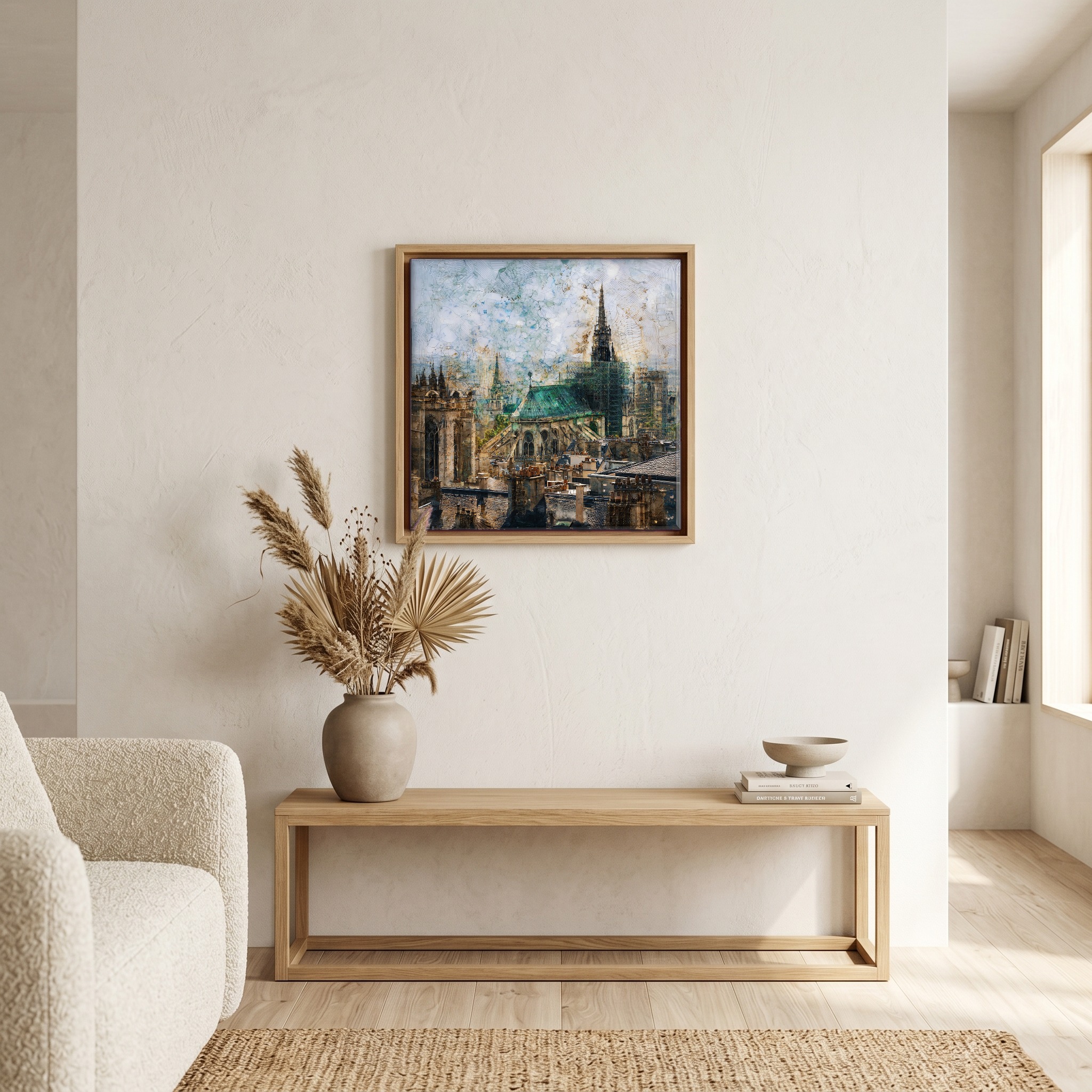
Above the bench, in a warm oak surround.
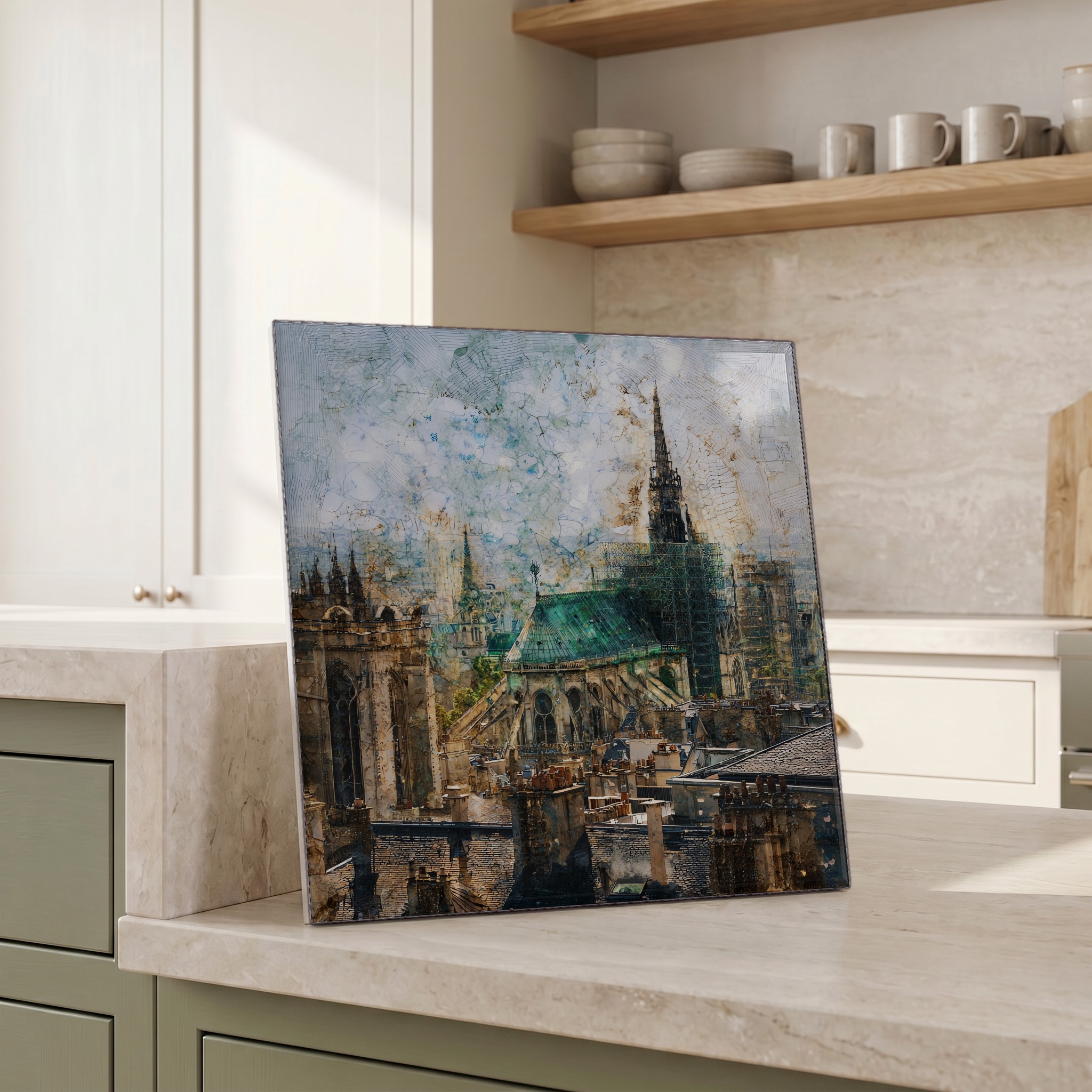
Beside the kettle, propped on the counter.
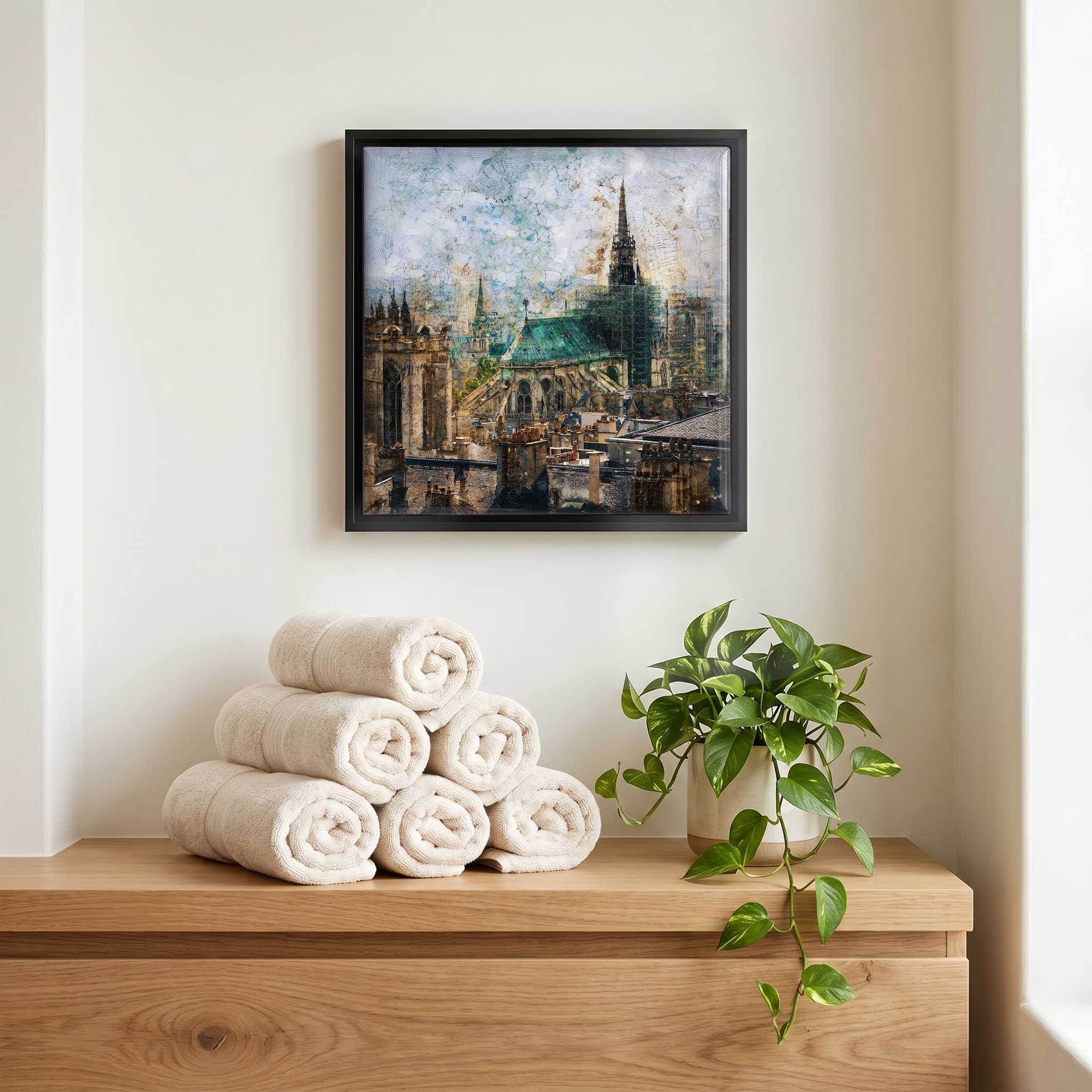
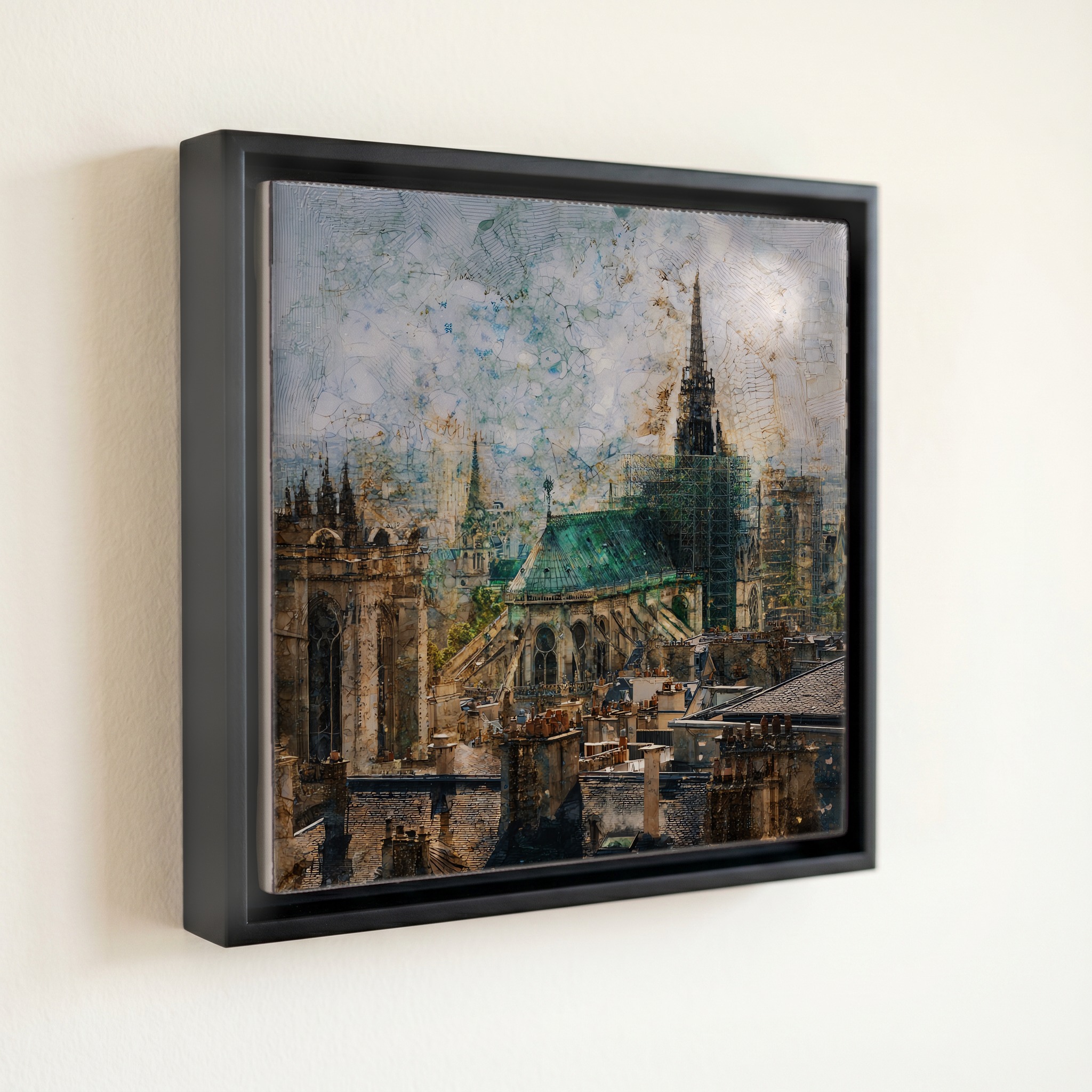
Above the linens, in a slim black surround.
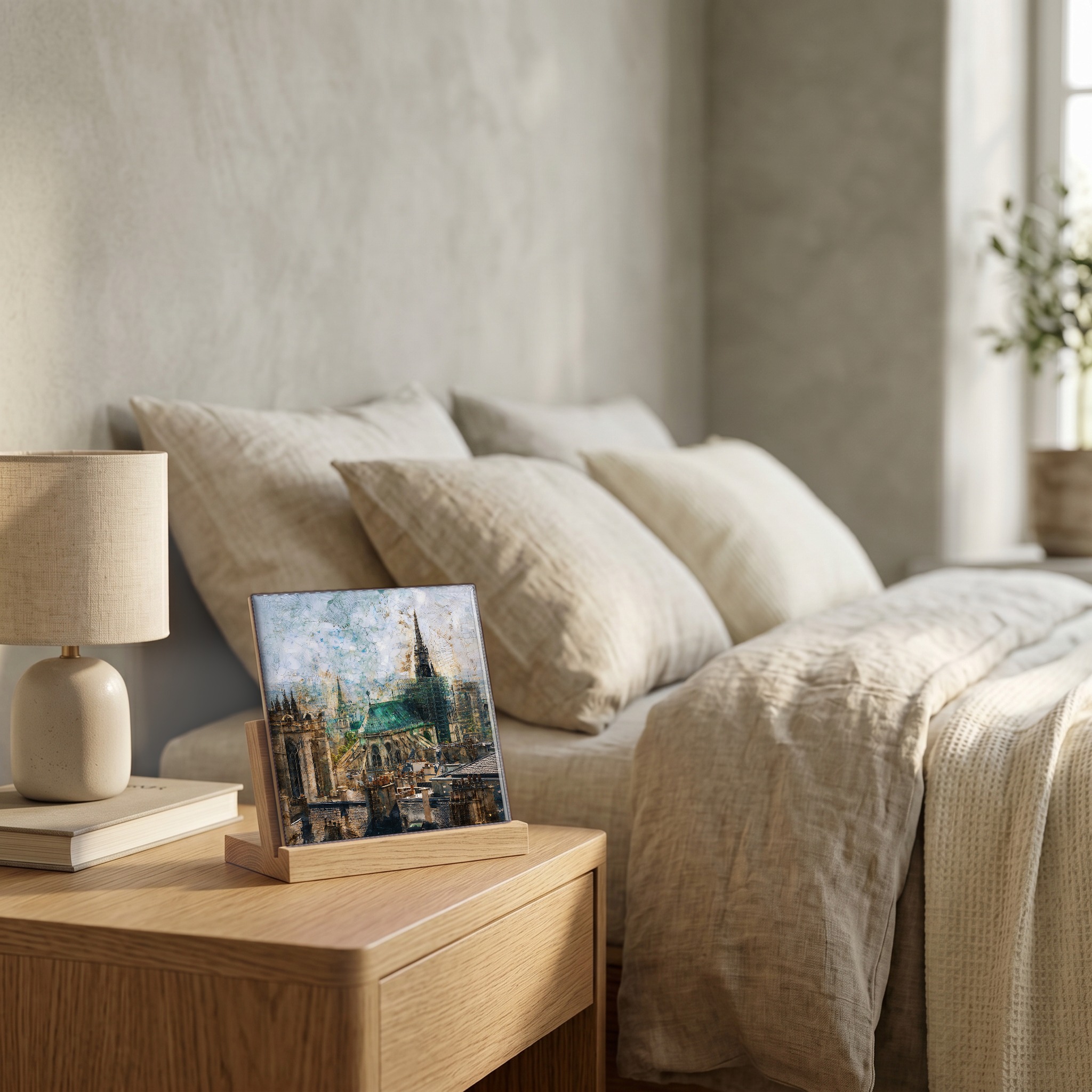
On the nightstand, on a light oak stand.
On a picture ledge, where the light comes in.
a note from the studio

The Centre Pompidou sits on a sloping plaza in the Marais, where the Beaubourg neighbourhood meets the old line of Les Halles. Renzo Piano and Richard Rogers turned the building inside out in 1977: every duct, escalator, and lift pinned to the façade in blue, green, yellow, and red. The view from the top-floor escalator is one of the few in Paris that lets you read the city as a single shape. The building closed for renovation in September of 2025; it is scheduled to reopen in 2030.
from the studio
shown in a slim black floating frame · 6 × 6 in
— bring it home

Centre Pompidou, on ceramic.

Each tile is finished by hand in our Knoxville studio. Artwork is slowly infused into the ceramic surface under high heat and pressure, and rests beneath a thin glossy finish. The colour lives in the surface, not on top of it.

What kind of piece?
One tile — square or rectangle.
How big?
the popular one — counter, shelf, nightstand
6 × 6 in · 15 cm · 1.6 lb
Surface finish
A clear glossy finish — the artwork reads as if under resin. Ideal for show-pieces and framed wall art.
How it sits
A hidden cleat — sits ¼″ proud of the wall.
$58
Hand-finished and shipped from our studio at the foot of the Smokies. On your wall in about ten days.
size
6 × 6 in
15 cm
weighs
1.6 lb
solid in the hand
surface
ceramic, hand-finished
art rests beneath a thin glossy finish
from
Knoxville, TN
our family studio, at the foot of the Smokies
— start a Coaster Set

Pick any four 4-inch tiles — National Parks you've been to, a Smokies set, the four seasons of one place. $ for a set of , cork-backed, ready to live on the table.
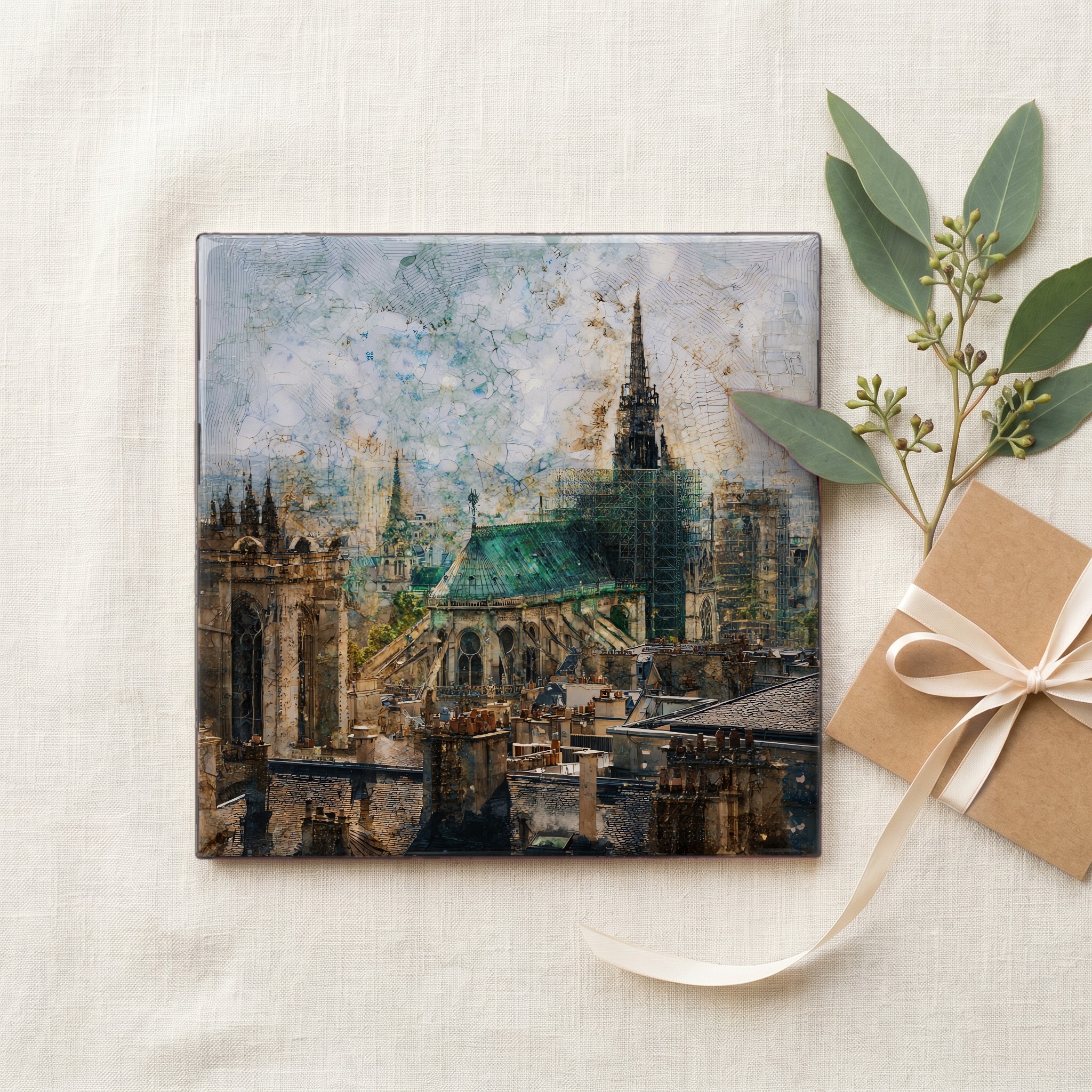
comes gift-ready
comes gift-ready

Each tile ships in a kraft box, tied with cream ribbon, with a handwritten note from the studio if you'd like to add one.
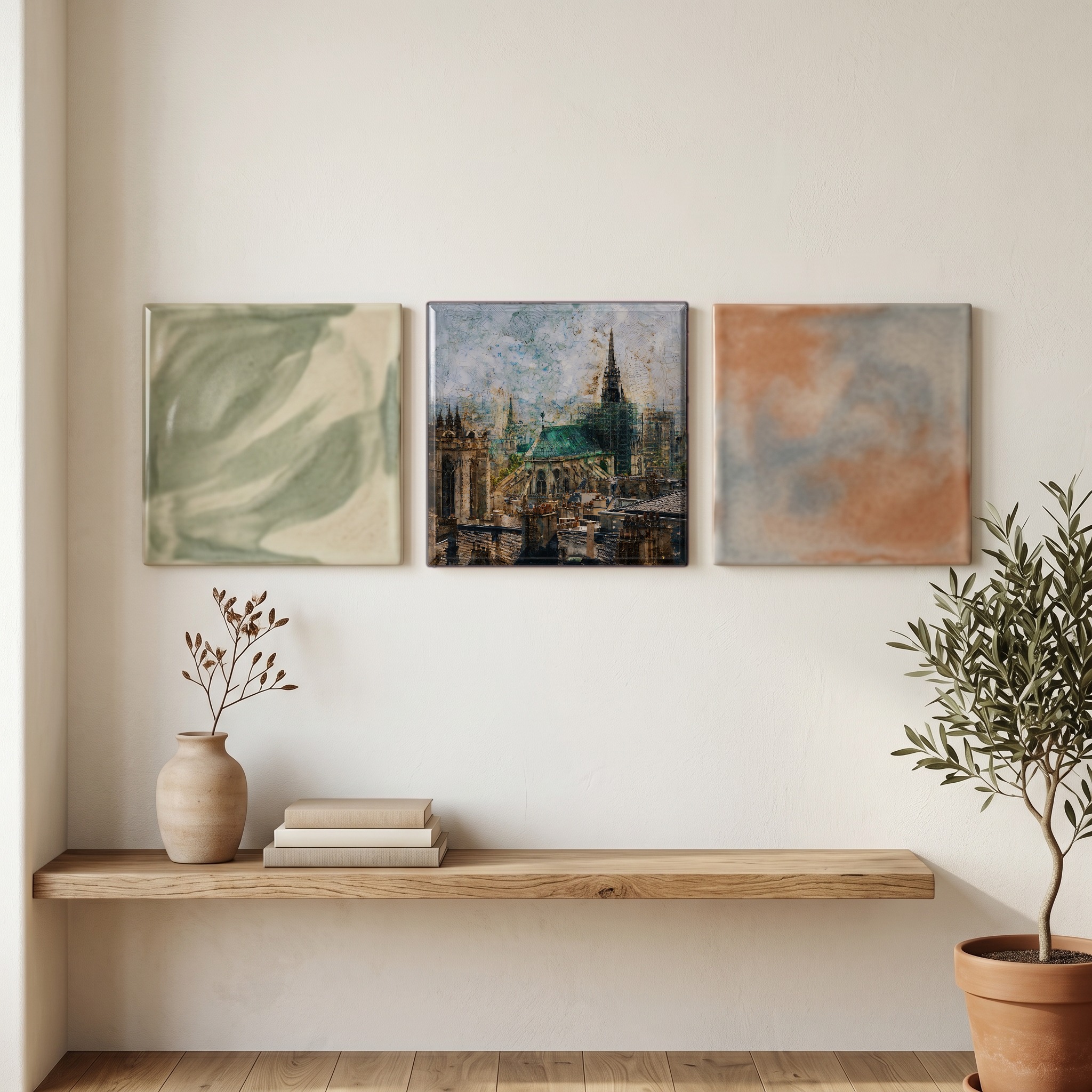
or build a grouping
or build a grouping

Three or five different vistas, hung together — a chapter of places you've been, or want to go.

about Centre Pompidou

The place, in three passes.

A little of what's known, in case you fall down the rabbit hole — or want to go see it yourself.
the place

The Centre national d'art et de culture Georges Pompidou opened on 31 January 1977 in the Beaubourg quarter of central Paris, in the 4th arrondissement, two blocks east of Les Halles and a short walk north of the Seine. The site replaced a surface car park known as the plateau Beaubourg. The building was the winning entry in a 1971 international competition that drew 681 submissions; the design team was Renzo Piano, Richard Rogers, and Gianfranco Franchini, with structural engineering by Ove Arup. It houses the Musée national d'art moderne, Europe's largest collection of modern art with roughly 100,000 works, along with the Bibliothèque publique d'information and IRCAM, the music research centre founded by Pierre Boulez.

the colour

The façade is colour-coded by function, a decision that turned engineering diagrams into public ornament. Blue tubes carry conditioned air. Green pipes carry water. Yellow ducts carry electrical lines. Red marks the routes people travel: the diagonal escalator rising across the west face, and the lifts inside it. The four-colour key was Piano and Rogers' way of putting the building's working systems on display rather than hiding them inside a ceiling cavity. Forty-eight years later the palette still reads as the building's signature: four primaries laid against the silver of Paris zinc and the slate grey of the rooftops to the west.

the visit

The Centre Pompidou closed on 22 September 2025 for the largest renovation in its history, a roughly five-year programme led by the French studio Moreau Kusunoki and the Mexican architect Frida Escobedo, with structural work by Renzo Piano's office. The reopening is scheduled for 2030. During the closure the building is empty of visitors, but the museum's collection lends and travels: there are standing outposts in Metz, in Málaga, and at the West Bund Museum in Shanghai. The plaza outside the main building remains open. The Atelier Brancusi, the reconstructed Paris studio of the sculptor Constantin Brancusi just north of the main entrance, is also closed during the works.

where
France · Paris, Île-de-France
position
48.8606° N · 2.3522° E
the neighborhood

What's nearby.

A handful of named places within an hour's walk or short drive. Some we've already painted; some we will.
0.1 km S
Stravinsky Fountain
kinetic sculpture plaza
0.1 km N
Atelier Brancusi
sculptor's studio reconstruction
0.6 km S
Hôtel de Ville
Paris city hall
1 km S
Notre-Dame de Paris
Gothic cathedral
1.1 km SE
Place des Vosges
17th-century square
1.3 km SW
Louvre
art museum
N
Centre Pompidou
Stravinsky Fountain
Atelier Brancusi
Hôtel de Ville
Notre-Dame de Paris
Place des Vosges
Louvre
common questions

What people ask.

A few questions we get about Centre Pompidou — and about bringing the piece home.
about the place

The Centre Pompidou opened on 31 January 1977, six years after winning a 1971 international design competition that drew 681 entries. The winning team was the architects Renzo Piano, Richard Rogers, and Gianfranco Franchini, with structural engineering by Ove Arup.

The building was designed by the Italian architect Renzo Piano, the British architect Richard Rogers, and the Italian architect Gianfranco Franchini, with structural engineering by Ove Arup. Both Piano and Rogers later received the Pritzker Prize: Piano in 1998, Rogers in 2007.

The colour code is a working diagram made public. Blue is for air-conditioning, green for water, yellow for electricity, and red for the routes people move along: escalators and lifts. It was the architects' way of putting the building's mechanics on display rather than hiding them in a ceiling cavity.

No. The building closed to the public on 22 September 2025 for a major renovation. The plaza outside remains open, but the museum, the library, and IRCAM are not accessible. A reopening is planned for 2030 under a design team led by Moreau Kusunoki and Frida Escobedo.

The building houses the Musée national d'art moderne, which holds roughly 100,000 works and is Europe's largest modern-art collection. It also contains the Bibliothèque publique d'information, a free public reference library, and IRCAM, the music and acoustics research centre founded by Pierre Boulez.

The Centre Pompidou stands on the Place Georges-Pompidou in the Beaubourg quarter of central Paris, in the 4th arrondissement. It is two blocks east of the Les Halles site and a short walk north of the Île de la Cité and Notre-Dame.

The reopening is scheduled for 2030, following a roughly five-year renovation that began with the September 2025 closure. The project is led by the French studio Moreau Kusunoki and the Mexican architect Frida Escobedo, with structural work by the office of Renzo Piano.

about the piece in your home

It has been a meaningful gift for our customers with ties to the city. The Centre Pompidou is recognised by anyone who knows Paris beyond the postcards: architects, modern-art readers, students of the 1970s. A Small or Medium with a handwritten note from the studio carries well.

The Voynich treatment of the colour-coded façade reads as primary-bright against the silver and slate of Paris rooftops. It sits comfortably in Bauhaus Modern, Mid-Century Modern, and Jewel-tone Maximalist rooms. It does less work in a strictly muted or coastal palette.

The piece reads well in the current Bauhaus Modern revival, primaries handled with restraint against neutral architecture, and in Postmodern Modular interiors that play with exposed structure. It also fits the maximalist studio-loft pattern that has been steady since the late 2010s.

A single Large covers most standard sofas. Above a longer console or a wide piece of furniture, a four-tile Mural extends the field horizontally. For a full statement wall, above a sectional or in a stairwell, the nine-tile Mural is the right size.

Yes. For a backsplash, a shower wall, or a humid bathroom, order the Dura Satin or Matte finish. Both are scratch-resistant and tolerate moisture and steam. The Glossy finish is the right choice for framed wall art and dry rooms.

A soft microfibre cloth with water is enough for routine cleaning. The colour is slowly infused into the ceramic surface under high heat and pressure, so it will not fade with washing. Avoid abrasive pads and harsh solvents.

Yes. Every WenderVista piece is original to our studio in Knoxville, Tennessee. We do not license third-party imagery or use stock art. Reid Wender, the curator, chooses each place that enters the atlas and signs off on the final piece before it ships.

if this one stayed with you

A few you might also love.

Hand-picked by the eye that found Sorapis. Same air, same kind of quiet.