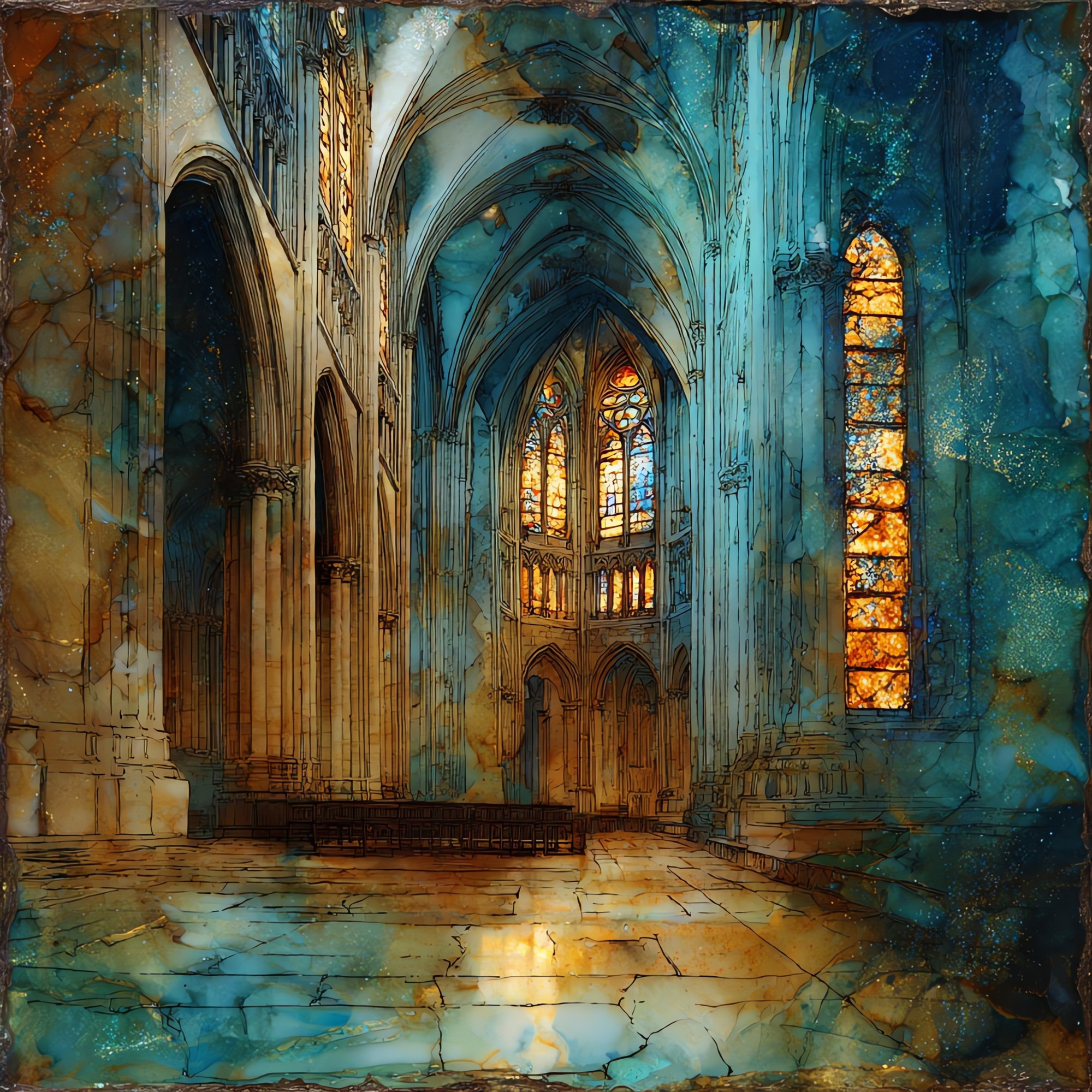
Beauvais Cathedral Choir
— — light climbing past where stone should stop.
Not only on a wall.
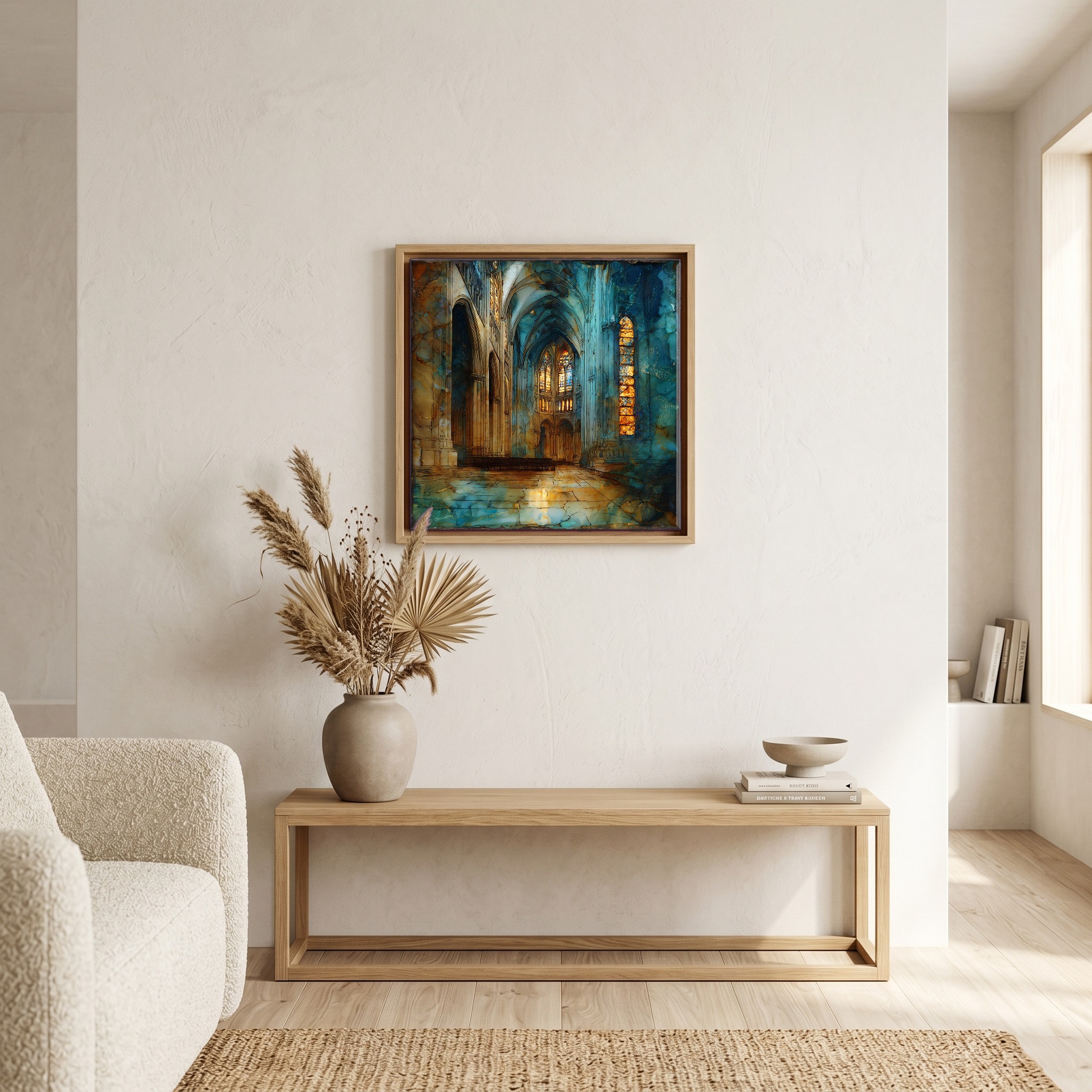
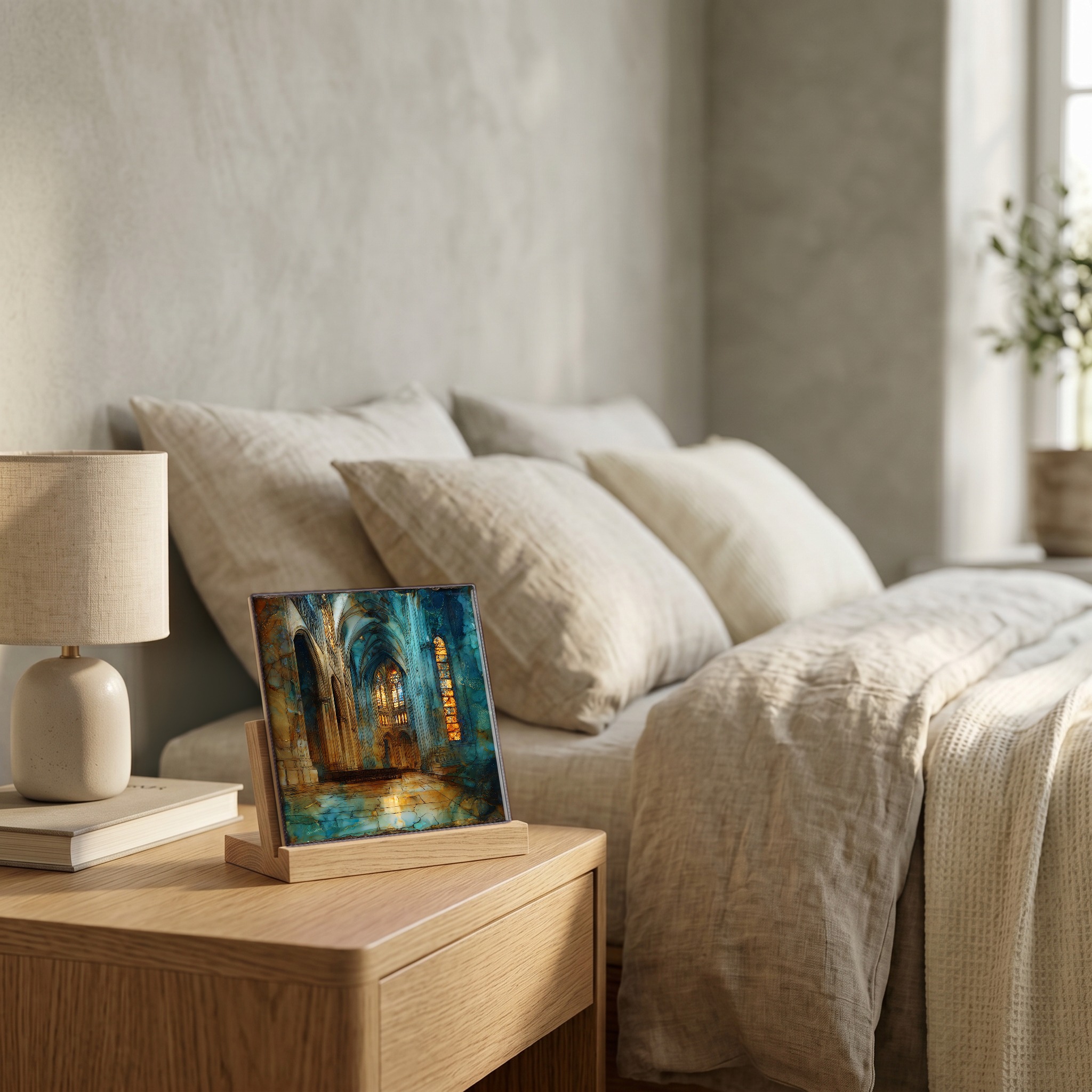
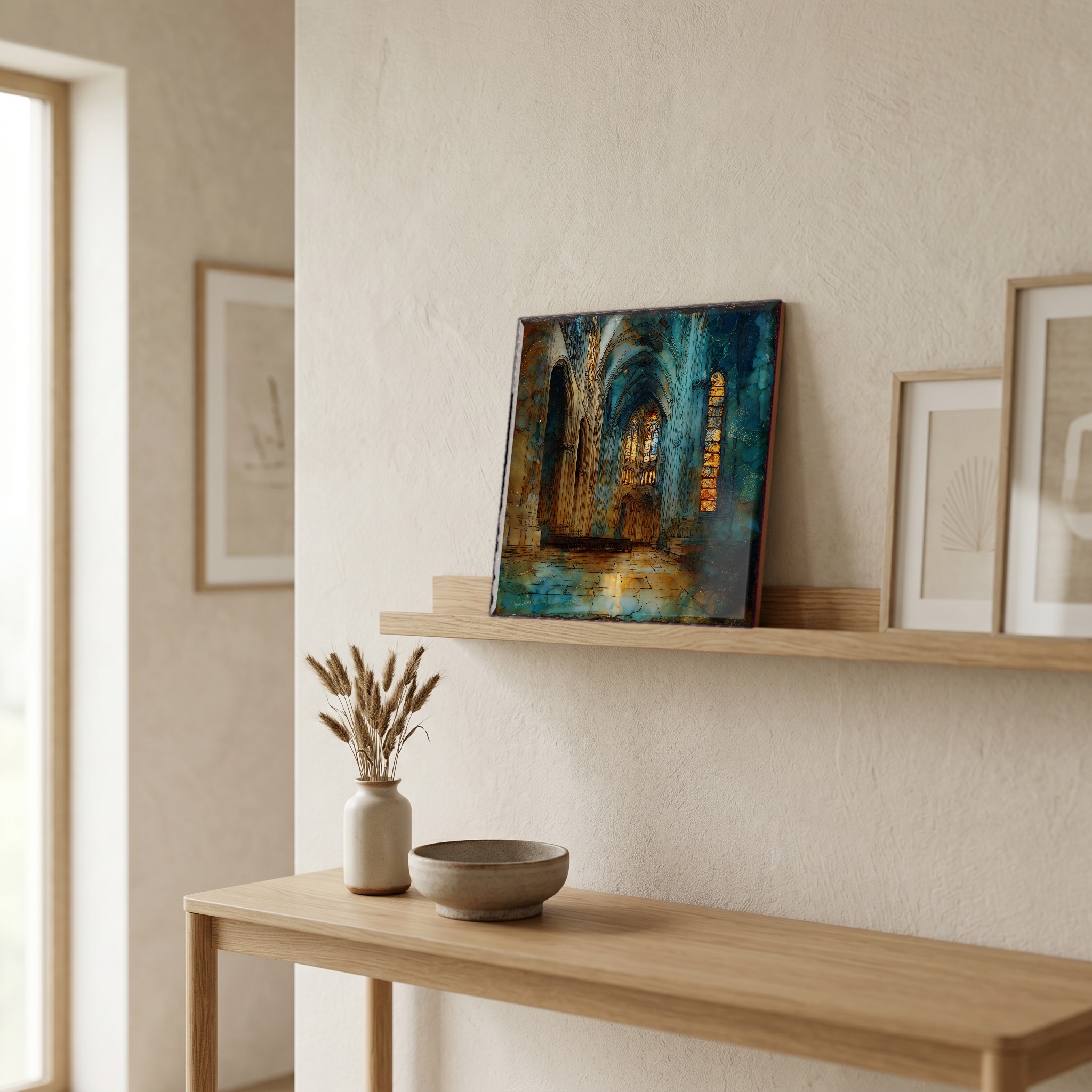
“The tallest Gothic choir ever built sits in a town an hour north of Paris that doesn't quite expect it. The vault climbs to about forty-eight metres from the floor to the keystone. The nave was never finished. Masons reached for a height the era's stone could not steadily hold, and the vault came down once in 1284 before they put it up again with more columns. What remains is half a cathedral, and an upper window run that lets so much light into the room you understand what the builders were after. People who study Gothic architecture come here on purpose.
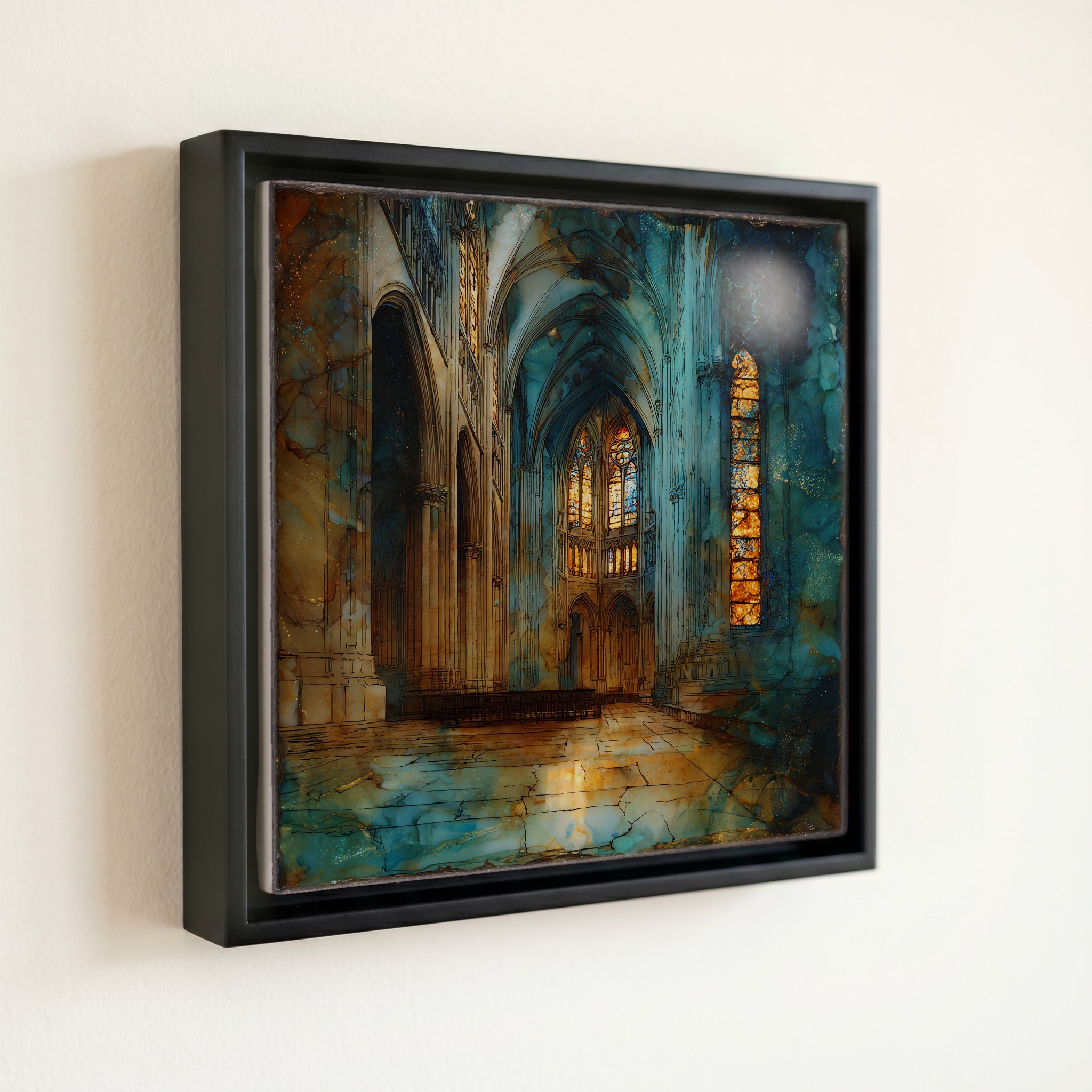
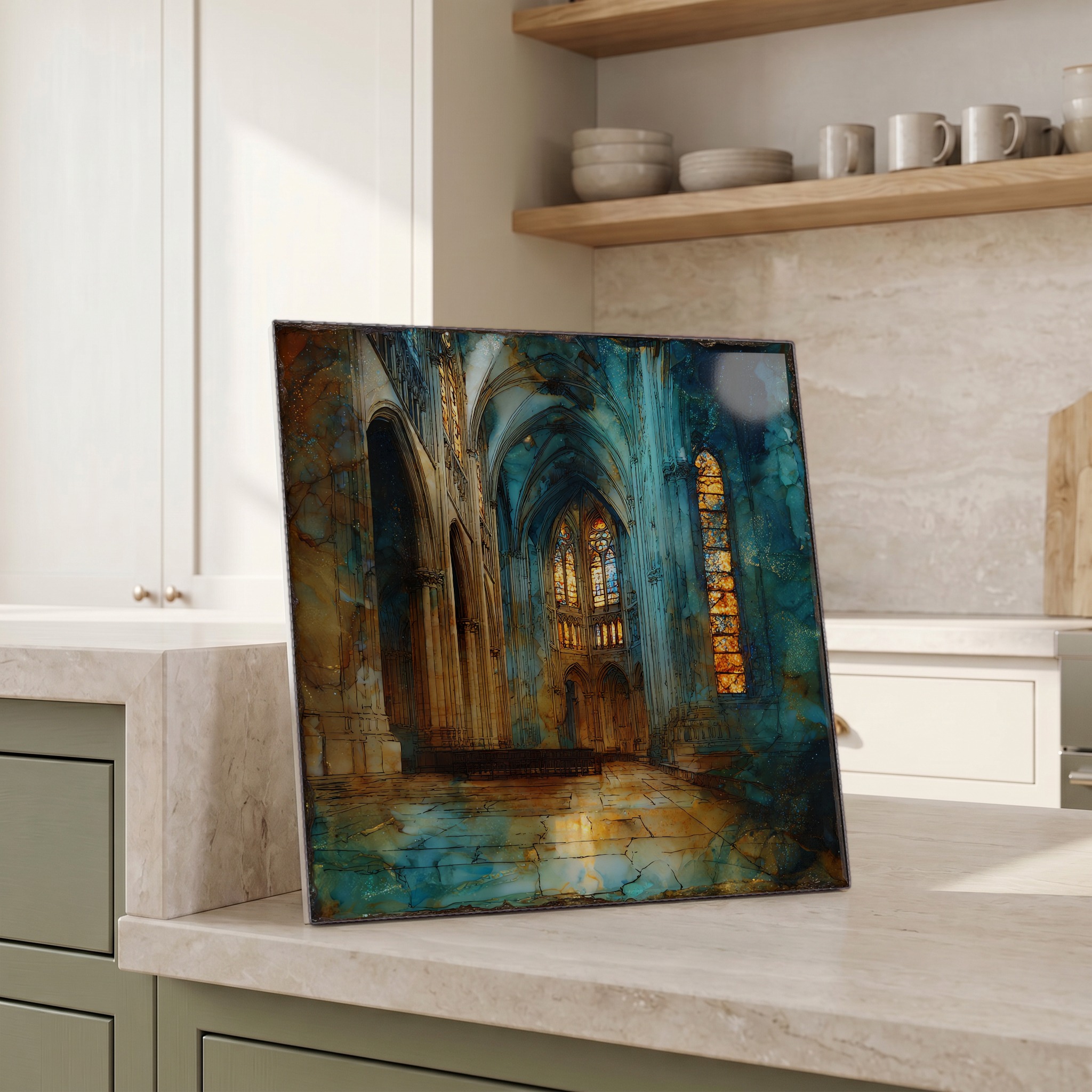
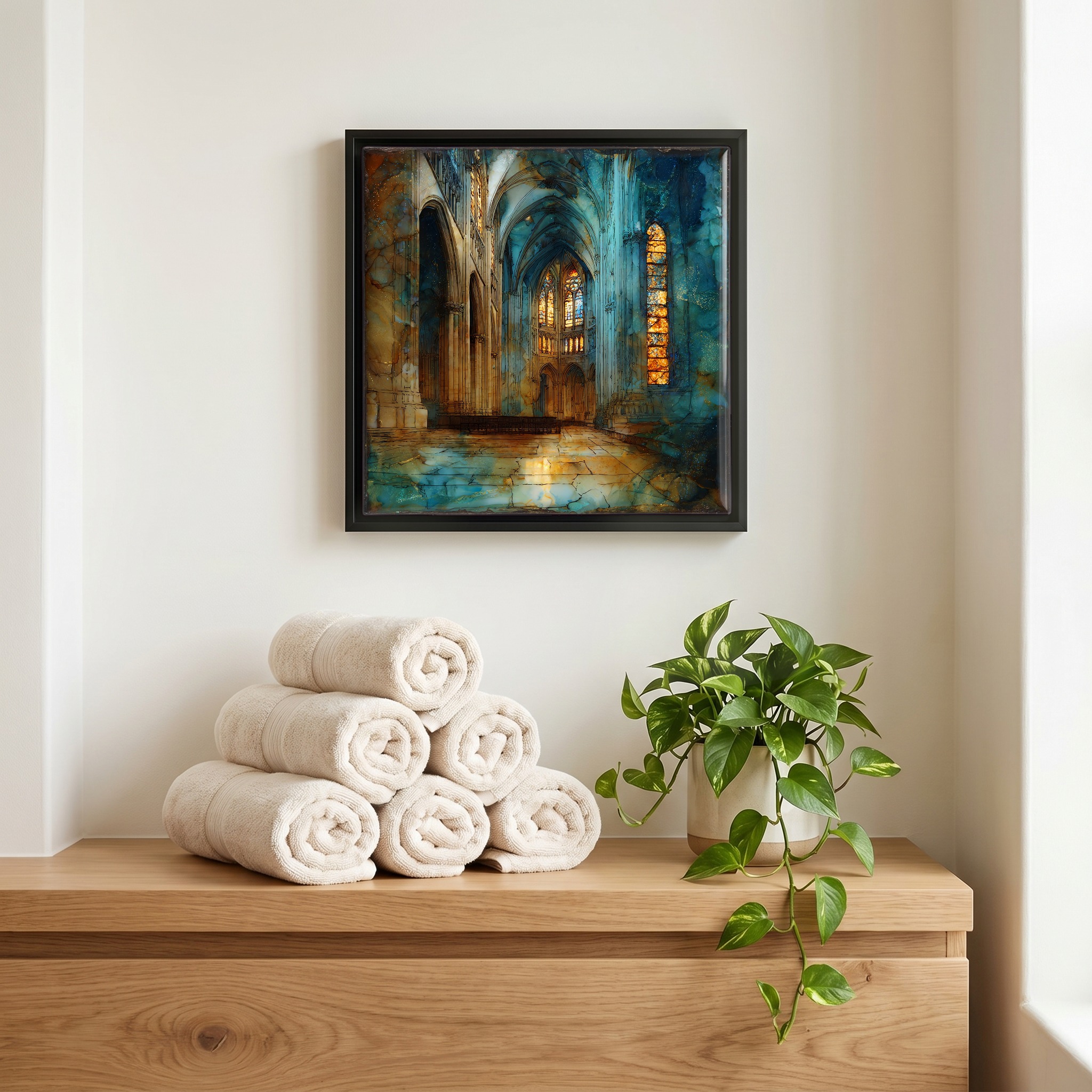
Beauvais Cathedral Choir, on ceramic.
Each tile is finished by hand in our Knoxville studio. Artwork is slowly infused into the ceramic surface under high heat and pressure, and rests beneath a thin glossy finish. The colour lives in the surface, not on top of it.
Pick any four 4-inch tiles — National Parks you've been to, a Smokies set, the four seasons of one place. $ for a set of , cork-backed, ready to live on the table.
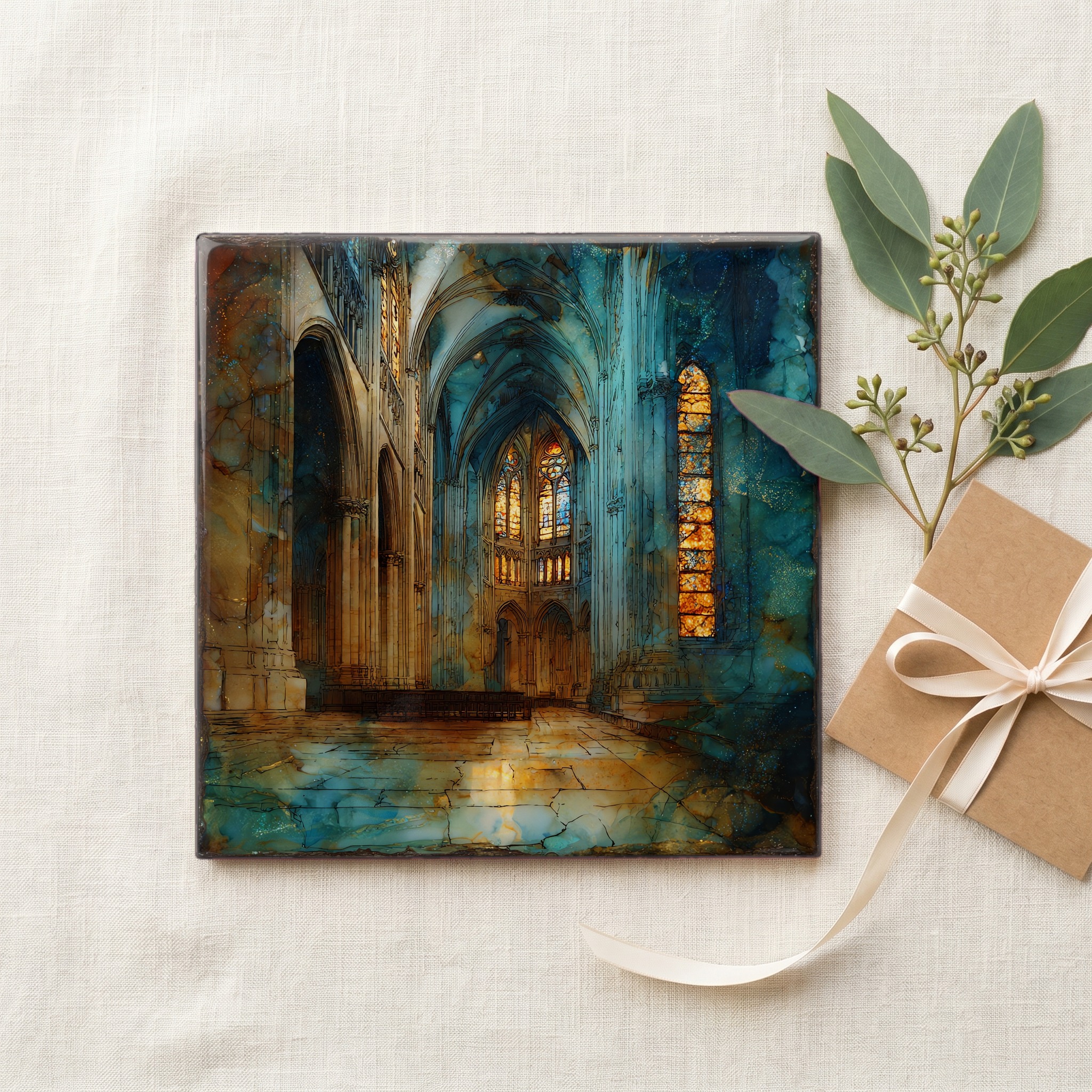
Each tile ships in a kraft box, tied with cream ribbon, with a handwritten note from the studio if you'd like to add one.

Three or five different vistas, hung together — a chapter of places you've been, or want to go.
The place, in three passes.
Beauvais Cathedral, the Cathédrale Saint-Pierre de Beauvais, stands in the city of Beauvais, in the Oise department of the Hauts-de-France region, roughly eighty kilometres north of Paris. Construction of the Gothic choir began around 1225 under the local bishop, with the explicit ambition of building higher than any cathedral in France. Only the choir and the transept were ever completed. The nave was never built; on its planned site stands the small Carolingian-era Basse-Œuvre, the surviving fragment of a tenth-century church the medieval builders had intended to replace. The cathedral remains the seat of the Diocese of Beauvais, Noyon, and Senlis, and is classified as a French Monument Historique.
The choir vault rises to roughly forty-eight metres above the floor, the highest Gothic stone vault ever raised. The masons reached that height by elongating the proportions of the High Gothic system pioneered at Amiens and Reims, and by trusting the structural envelope further than it could safely go. In 1284, about twelve years after the choir's consecration, much of the vault collapsed. The reconstruction added intermediate piers in the choir bays, doubling the column count and producing the dense, doubled rhythm visible from the floor today. A stone-and-lead central spire completed in 1569 reached an additional hundred and fifty-three metres above the existing roof. It stood barely four years before falling in 1573.
The clerestory windows of the choir are tall, by some measures the tallest in any French Gothic cathedral, so the light arriving at the upper vault has further to fall than at Chartres or Notre-Dame de Paris. Original thirteenth-century glass survives in the radiating chapels of the apse, and the transept rose windows hold sixteenth-century work by the local Beauvais glaziers, including Engrand Le Prince. On a clear afternoon the south rose throws a wash of saturated colour across the stone of the north arcade. The cathedral's effect is the medieval claim made literal: a building whose interior is meant to be more sky than wall.