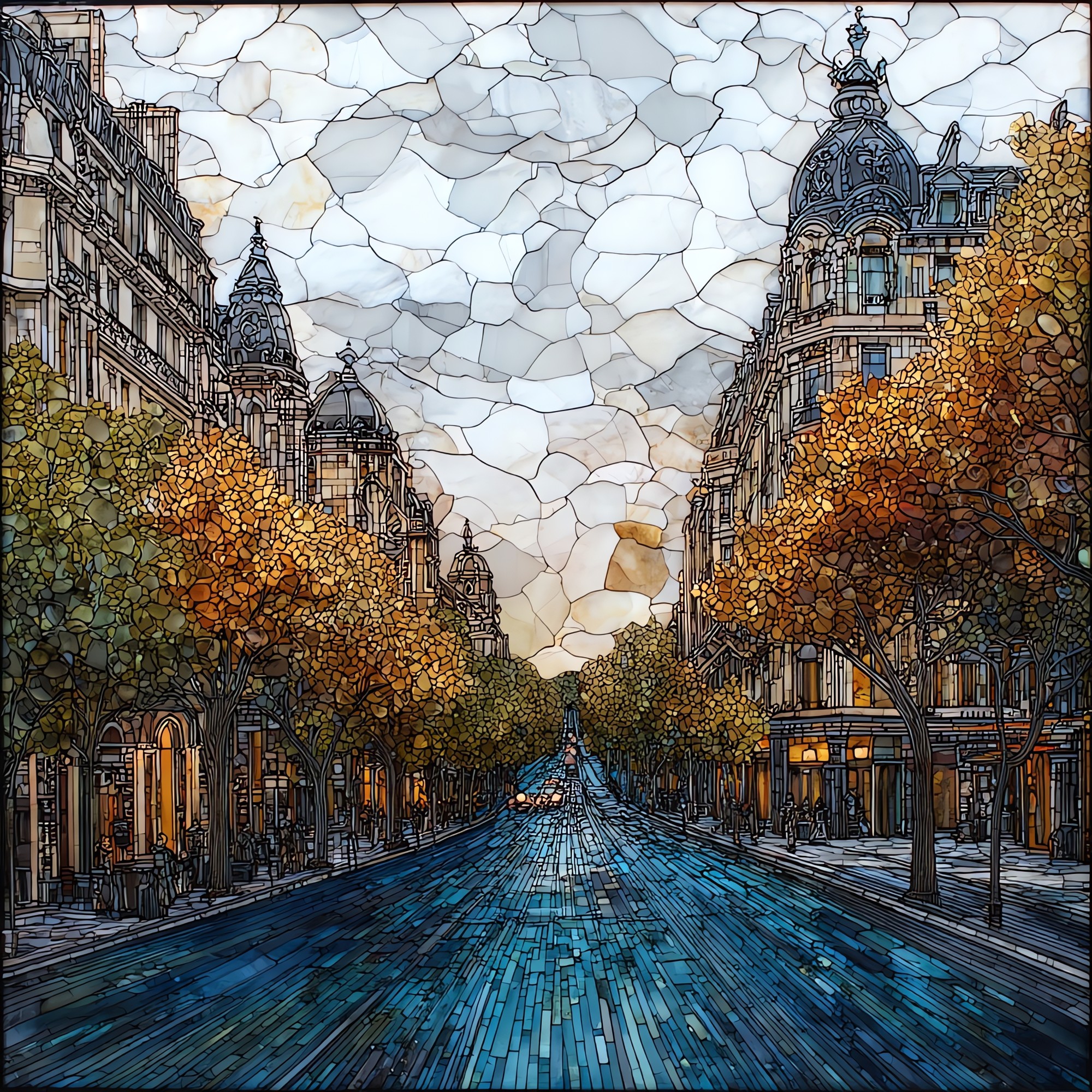
Avenue de Champagne Epernay
— — a quiet mile, the chalk running cold beneath it.
Not only on a wall.
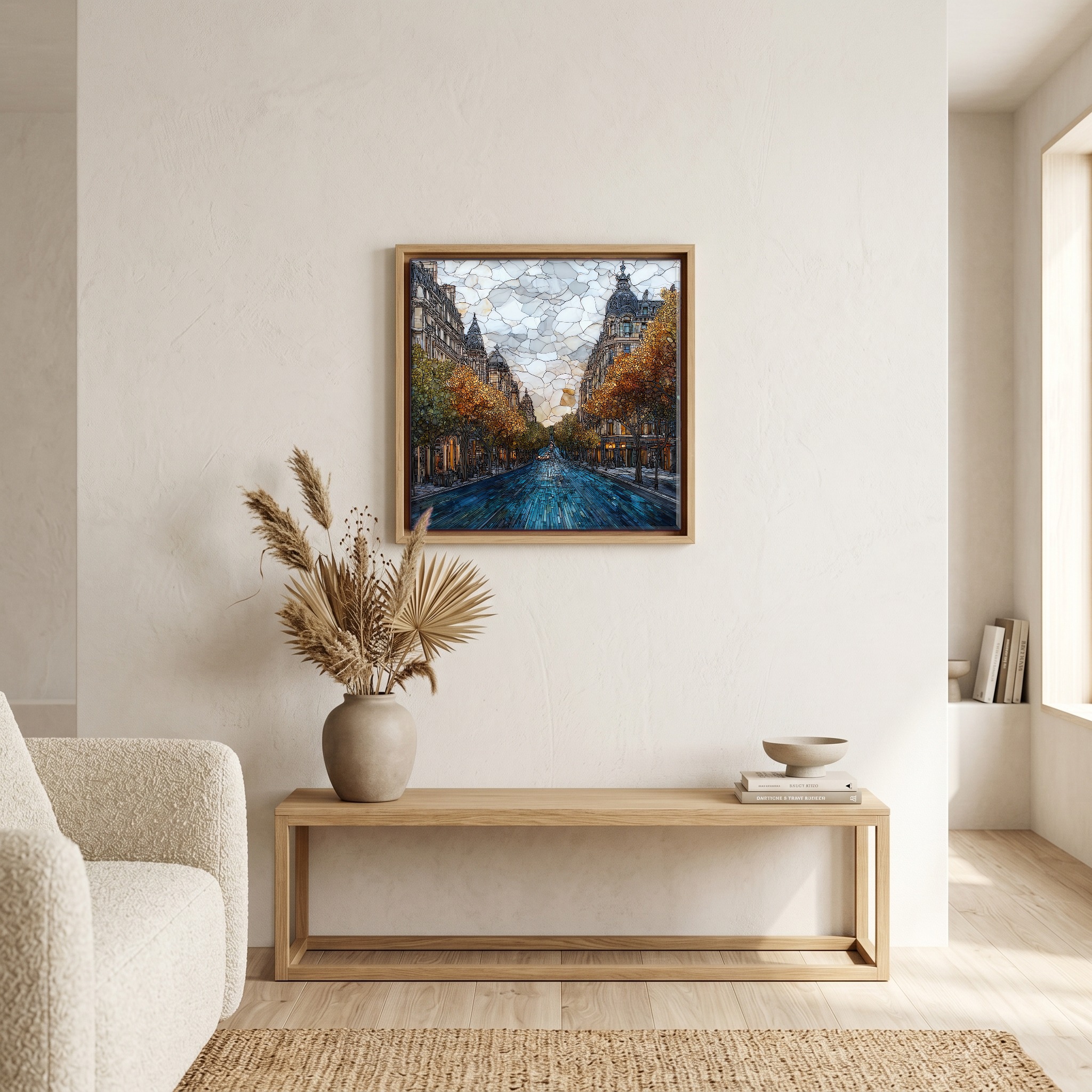
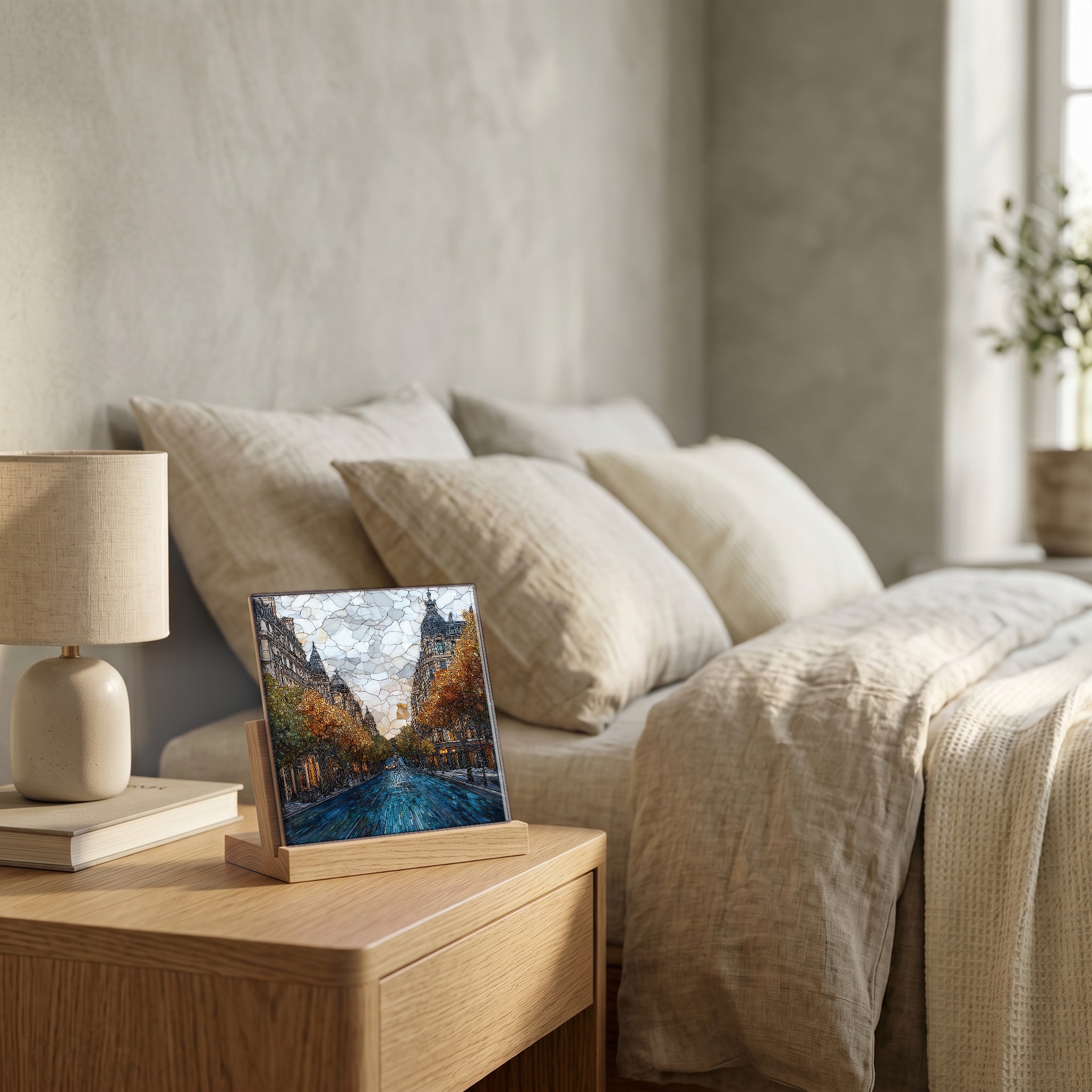
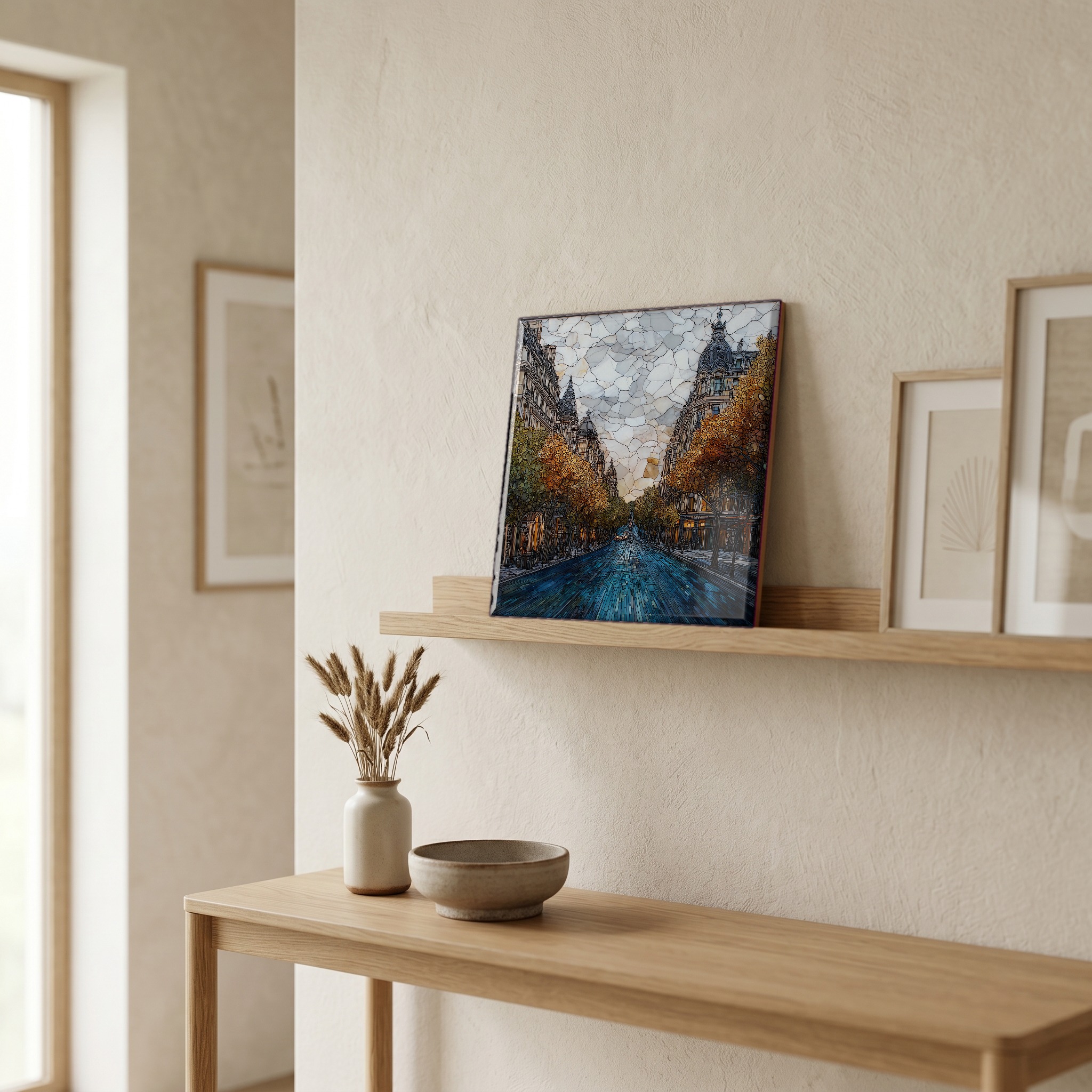
“A mile of mansions in the Marne valley, lined with the doors of the great champagne houses: Moët, Perrier-Jouët, Pol Roger, Mercier, De Castellane. Above the street the architecture is composed and nineteenth-century quiet. Below it, more than a hundred kilometres of chalk cellars hold roughly two hundred million bottles slowly turning sugar into something else. In December the facades go gold for the Habits de Lumière festival. The rest of the year the avenue is unhurried, a place that does its work underground.
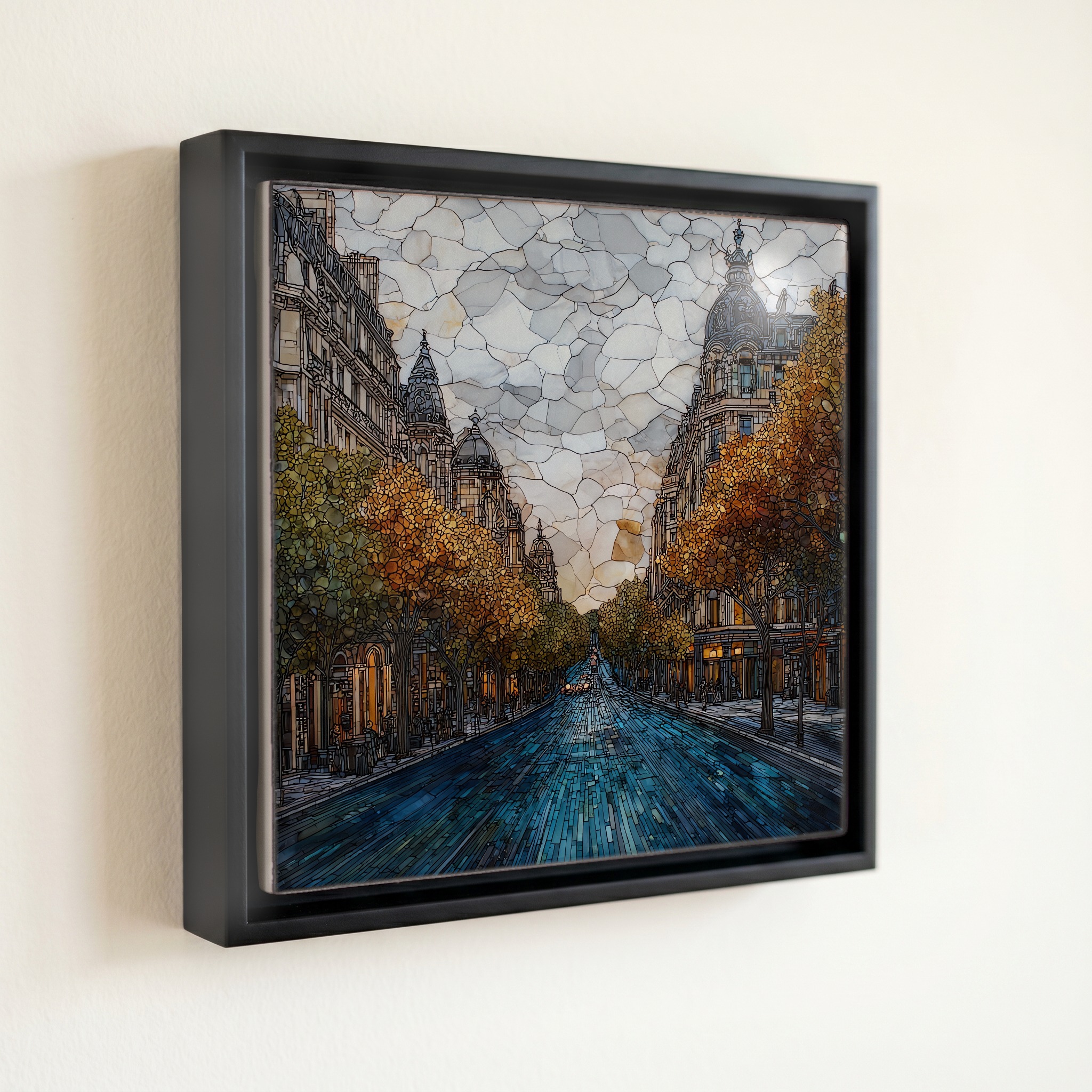
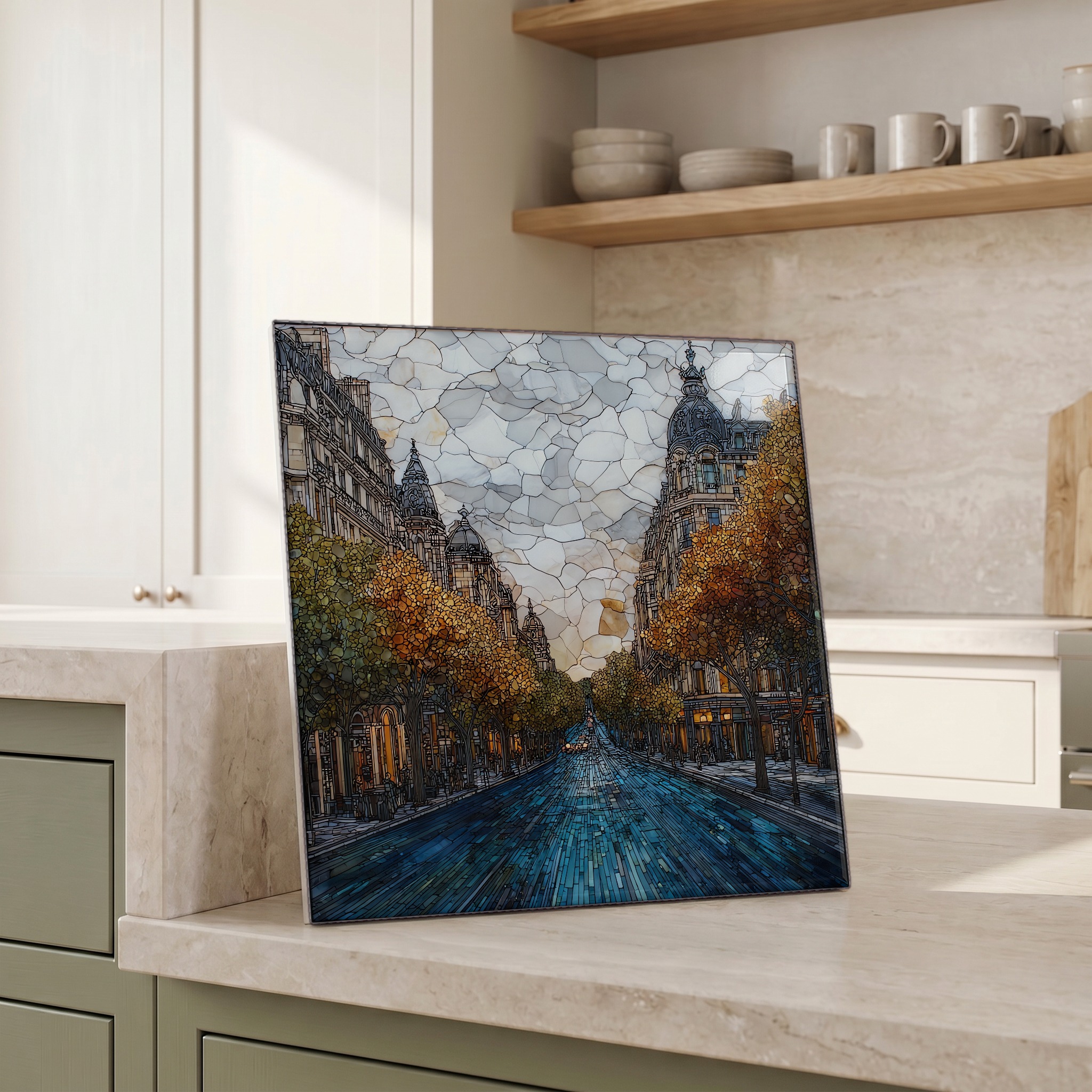
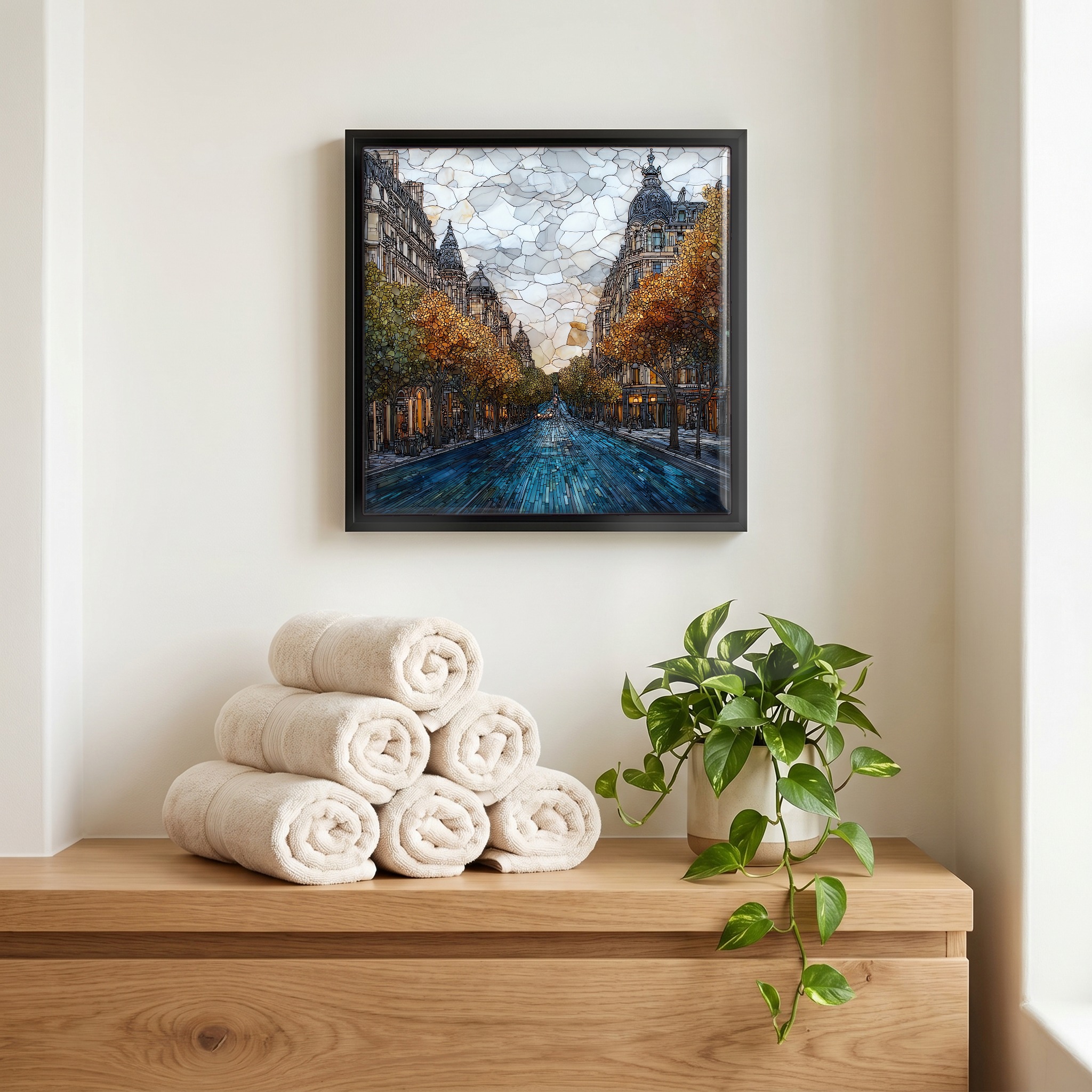
Avenue de Champagne Epernay, on ceramic.
Each tile is finished by hand in our Knoxville studio. Artwork is slowly infused into the ceramic surface under high heat and pressure, and rests beneath a thin glossy finish. The colour lives in the surface, not on top of it.
Pick any four 4-inch tiles — National Parks you've been to, a Smokies set, the four seasons of one place. $ for a set of , cork-backed, ready to live on the table.
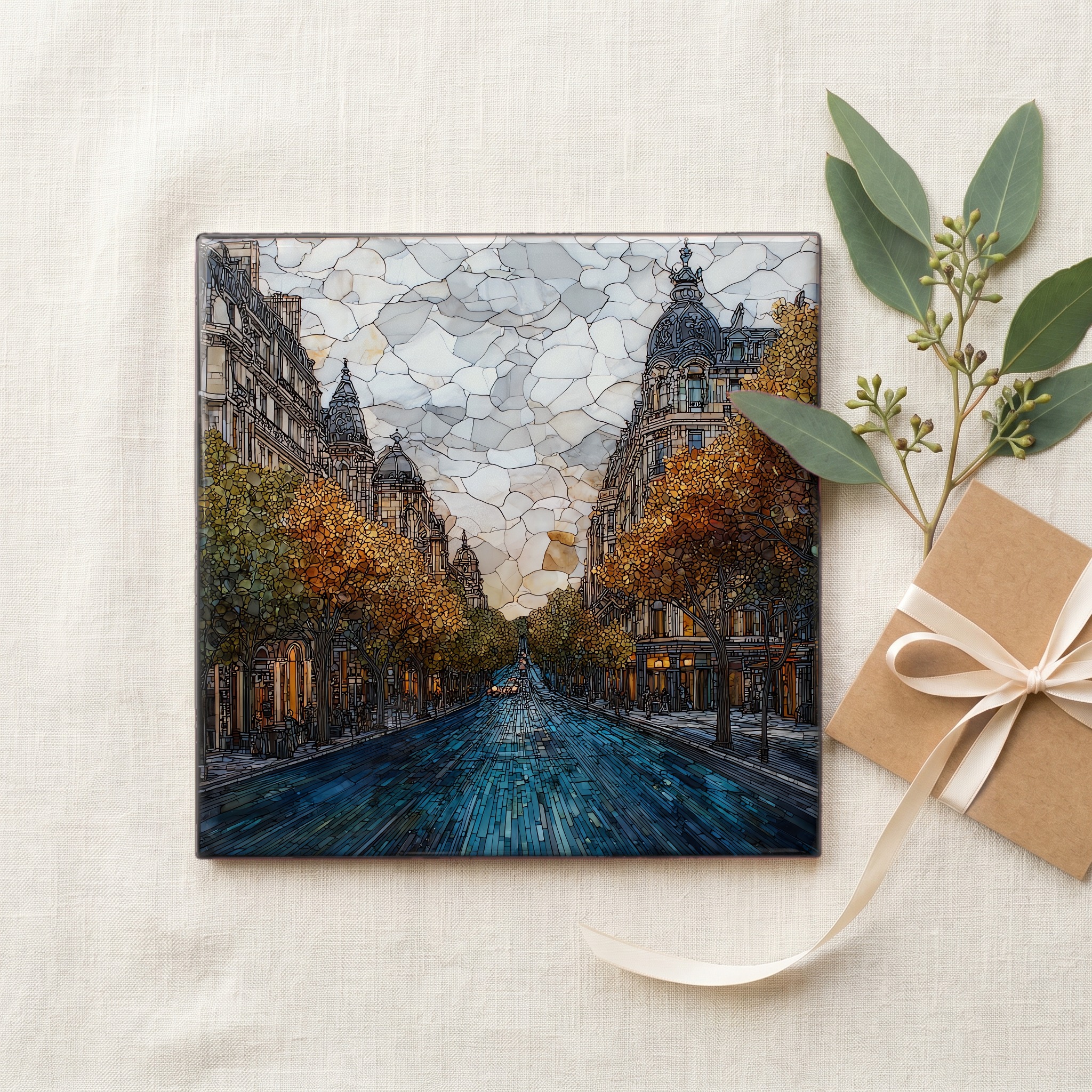
Each tile ships in a kraft box, tied with cream ribbon, with a handwritten note from the studio if you'd like to add one.
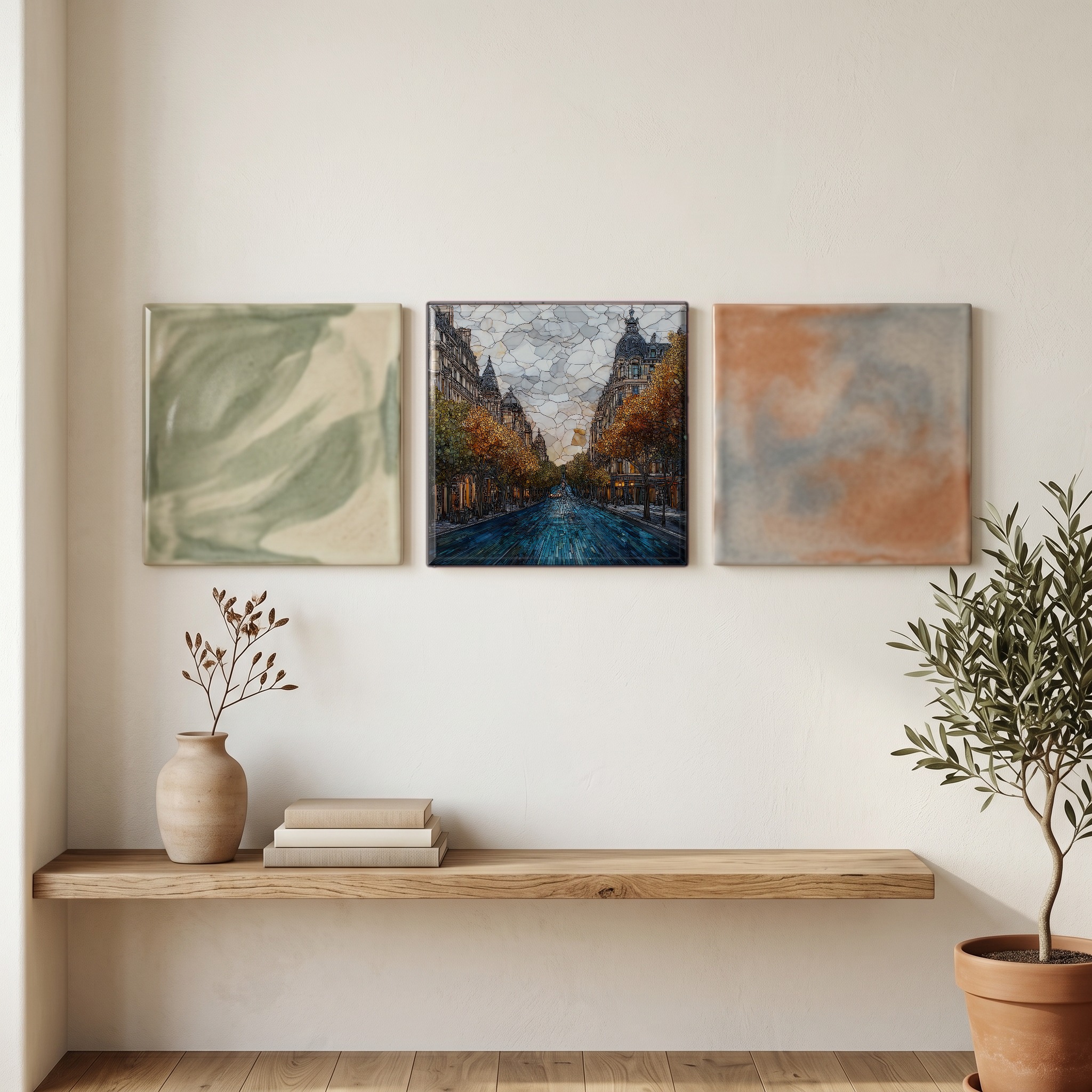
Three or five different vistas, hung together — a chapter of places you've been, or want to go.
The place, in three passes.
Avenue de Champagne runs roughly one kilometre through the centre of Épernay, in the Marne department of north-eastern France, about 130 km east of Paris and 25 km south of Reims. It is the centre of the Champagne region's sparkling-wine trade and home to the headquarters of houses including Moët & Chandon (founded 1743), Perrier-Jouët (1811), Pol Roger (1849), Mercier (1858), and De Castellane (1895). The hôtels particuliers along the street were built largely in the nineteenth century, after the railway reached Épernay in 1849 and the trade between the Champagne houses and Paris took off.
The chalk beneath Épernay is what makes the avenue possible. Cellars cut into the porous Cretaceous chalk descend as much as 30 metres below street level and stretch, by widely cited figures, more than 110 kilometres in aggregate beneath this single street, holding roughly 200 million bottles aging at a constant 10 to 12 °C year-round. The chalk holds humidity, dampens sound, and absorbs the small shocks that would otherwise disturb the slow second fermentation in the bottle. The same Champagne chalk underlies the vineyards on the hillsides above, drains them well, and reflects light back onto the ripening grapes.
Most of the great houses on the avenue accept cellar visits by reservation, typically lasting an hour and ending with a tasting. Moët & Chandon's tour passes through about 28 kilometres of its own galleries; Mercier moves visitors through its cellars in a small electric train installed in 1900 for the Paris Exposition. The Office de Tourisme on Place Mendès-France sells multi-house passes. In mid-December the avenue hosts Habits de Lumière, a weekend festival during which the facades of the champagne houses are lit and projected onto. UNESCO inscribed the route as a World Heritage Site in 2015 as part of 'Champagne Hillsides, Houses and Cellars'.